From matcha lattes to Dubai Chocolate, TikTok trends and Instagram Reels are transforming local delicacies and trendy innovations into global obsessions overnight. But behind the scenes is a more troubling story, as Soumya Gayatri reports.


From matcha lattes to Dubai Chocolate, TikTok trends and Instagram Reels are transforming local delicacies and trendy innovations into global obsessions overnight. But behind the scenes is a more troubling story, as Soumya Gayatri reports.
Think about the near-instant frenzy over Dubai Chocolate bars. Or the global desire to be sipping neon-green matcha lattes. The truth is, aesthetically pleasing and wellness-driven foods are going viral faster than ever.
But behind their visual appeal lies a complex environmental story of strained supply chains, degraded soils, and reduced biodiversity, which raises a pertinent question: Are viral foods bad for the planet? The answer, however, isn’t so simple. It depends.
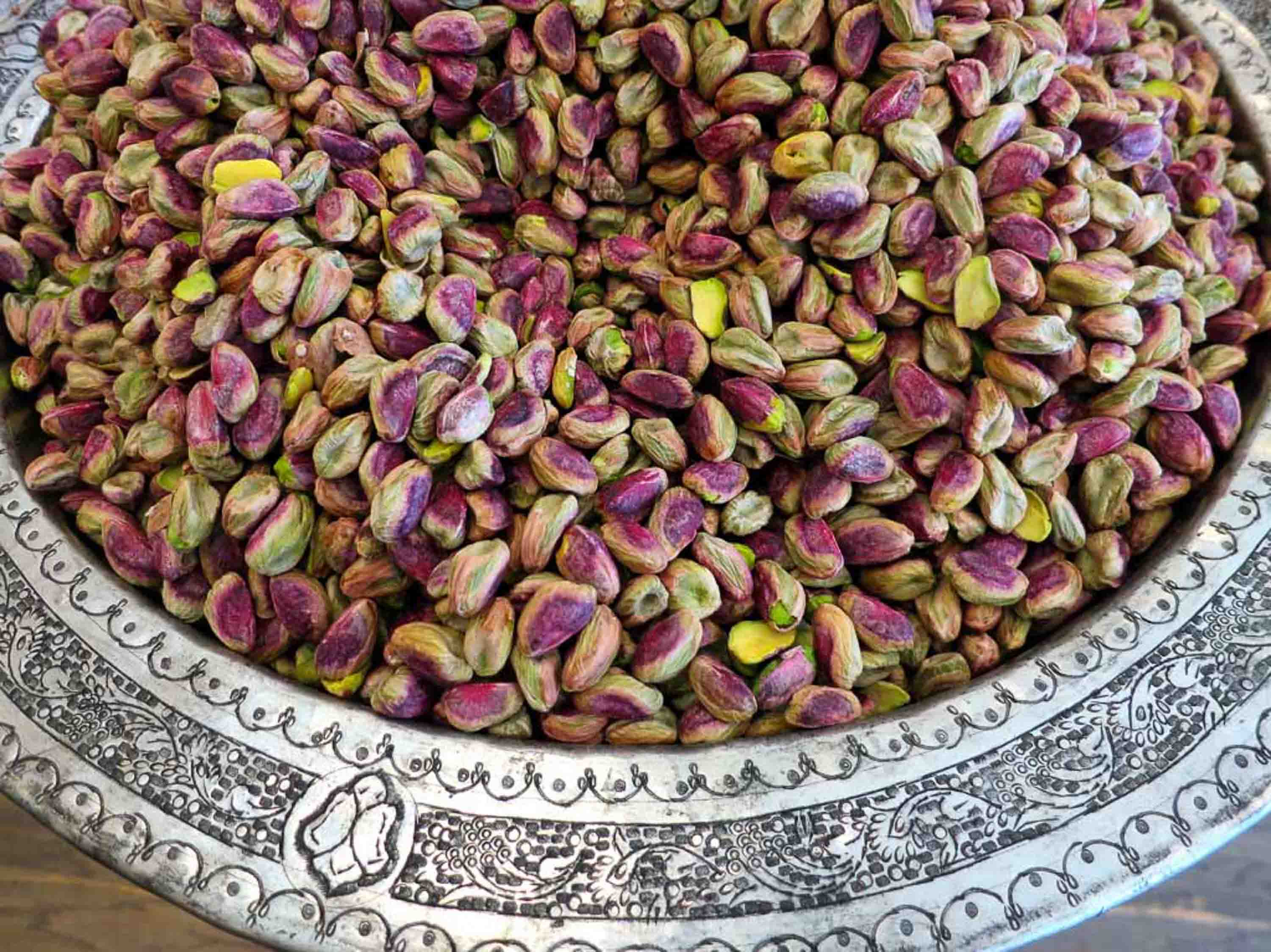
While reporting my first story on Dubai Chocolate, I uncovered disturbing supply chain issues tied to its meteoric rise. The viral chocolate bar not only led to a worldwide shortage of pistachios—a key ingredient—but also inspired fans to fly over 4,000 miles just for a bite.
It went on to spawn a wave of knock-offs, and triggered a craze for pistachio creams, shakes, and cakes. But these were new products driven more by social media hype than by genuine demand.

In today’s hyperconnected world, such boom-and-bust cycles, driven largely by social media and influencer culture, are becoming increasingly common, causing regional foods to achieve overnight stardom on Instagram and TikTok. This leads to sudden spikes in demand, placing intense pressure on existing supply chains.
A similar story has unfolded in the matcha industry. Global demand for the bright green Japanese tea surged in late 2024, taking the industry by surprise. The fascination continues to grow, with the hashtag #matcha attached to over 4.2 million videos on TikTok alone.
This rise in popularity has changed how matcha is consumed worldwide. Once used in small quantities at Japanese tea ceremonies, the finely ground powder has now become the most sought-after ingredient in everything from fruity lattes and cold brews to cakes and mousses.
“To meet these spikes, supply chains have to adapt really quickly, often through the intensification of production systems that can be environmentally unsustainable.”
- Emma McDonell, professor and author of 'The Quinoa Bust'
“This has led to the rapid emergence of new businesses and product lines in the West, causing international demand for matcha to rise sharply,” says Anna Poian, co-founder of the Global Japanese Tea Association. “However, meeting this demand remains a major challenge in Japan due to the seasonal nature of ceremonial-grade matcha, the high cost of farm investments, and a declining workforce.”
This has led to industry-wide shortages, forcing many leading tea producers to ration their stock. In Uji—Japan’s famed ‘matcha town’— shops are running out of supply due to a recent influx of tea-loving tourists. The matcha craze has also been linked to Japan’s overtourism problem, with the country recording a staggering 42.7 million international visitors in 2025—nearly 16 percent higher than in 2024 and over 70 percent higher than in 2023.

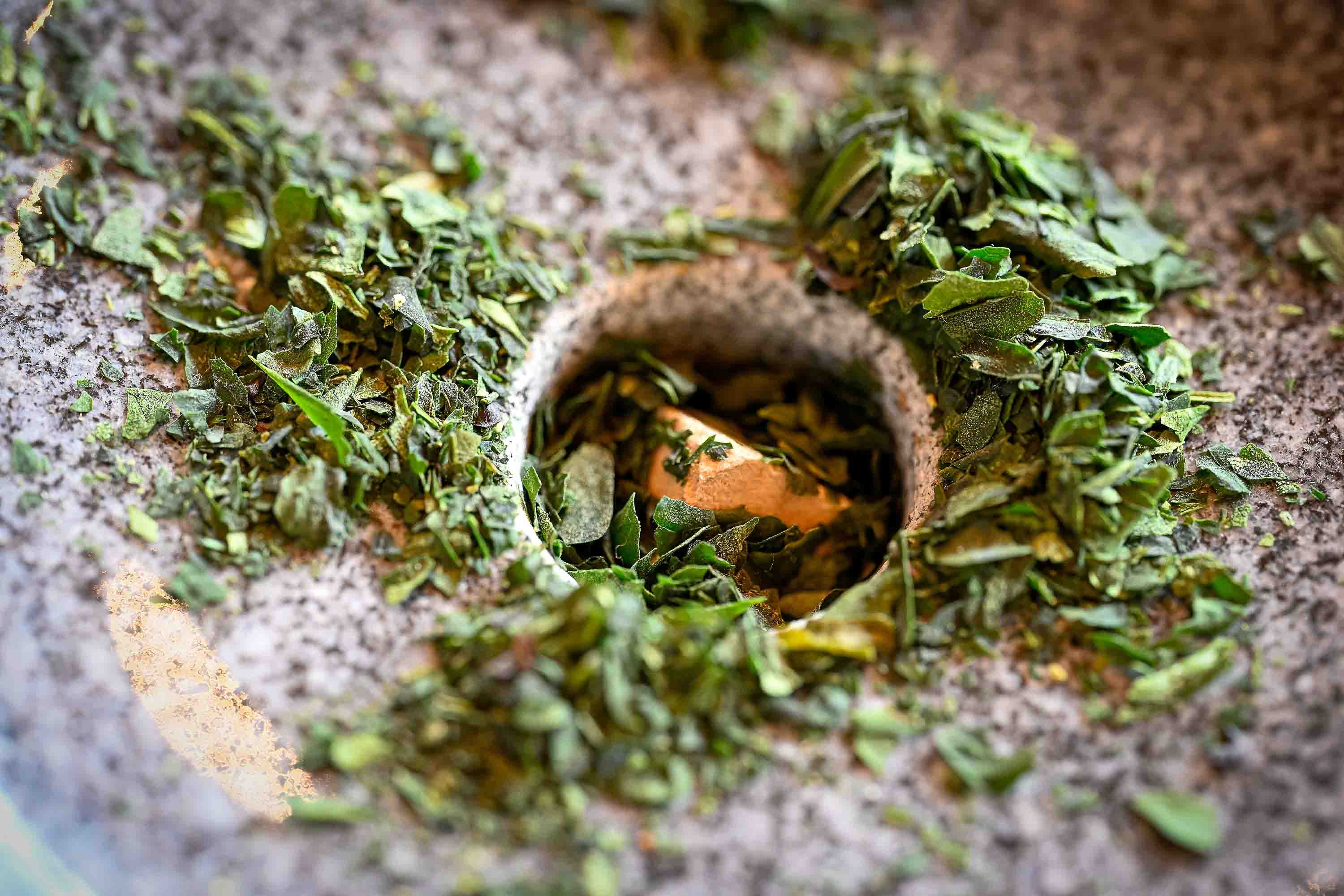
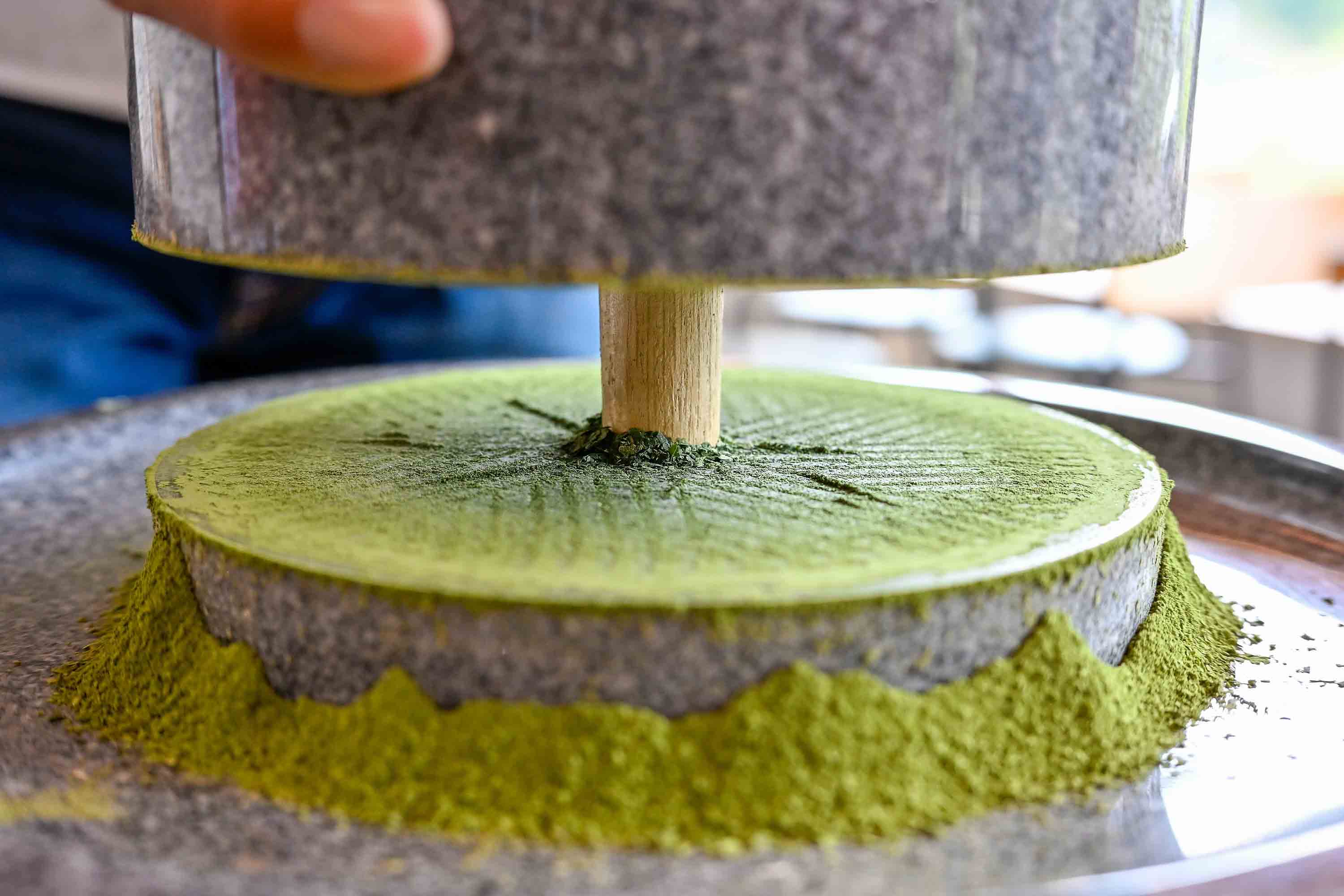
Prices of tencha, the raw tea leaves used to produce matcha, have almost tripled between 2024 and 2025. But this has not helped boost production, because farmers remain extremely cautious. “They are constantly weighing whether to shift fully to tencha cultivation or continue growing time-honored varieties like sencha and gyokuro,” says Poian. Both sencha and gyokuro are premium loose-leaf Japanese green teas, with higher domestic demand than matcha. “Matcha is popular now,” she adds. “But what if it falls out of favor in a few years?”
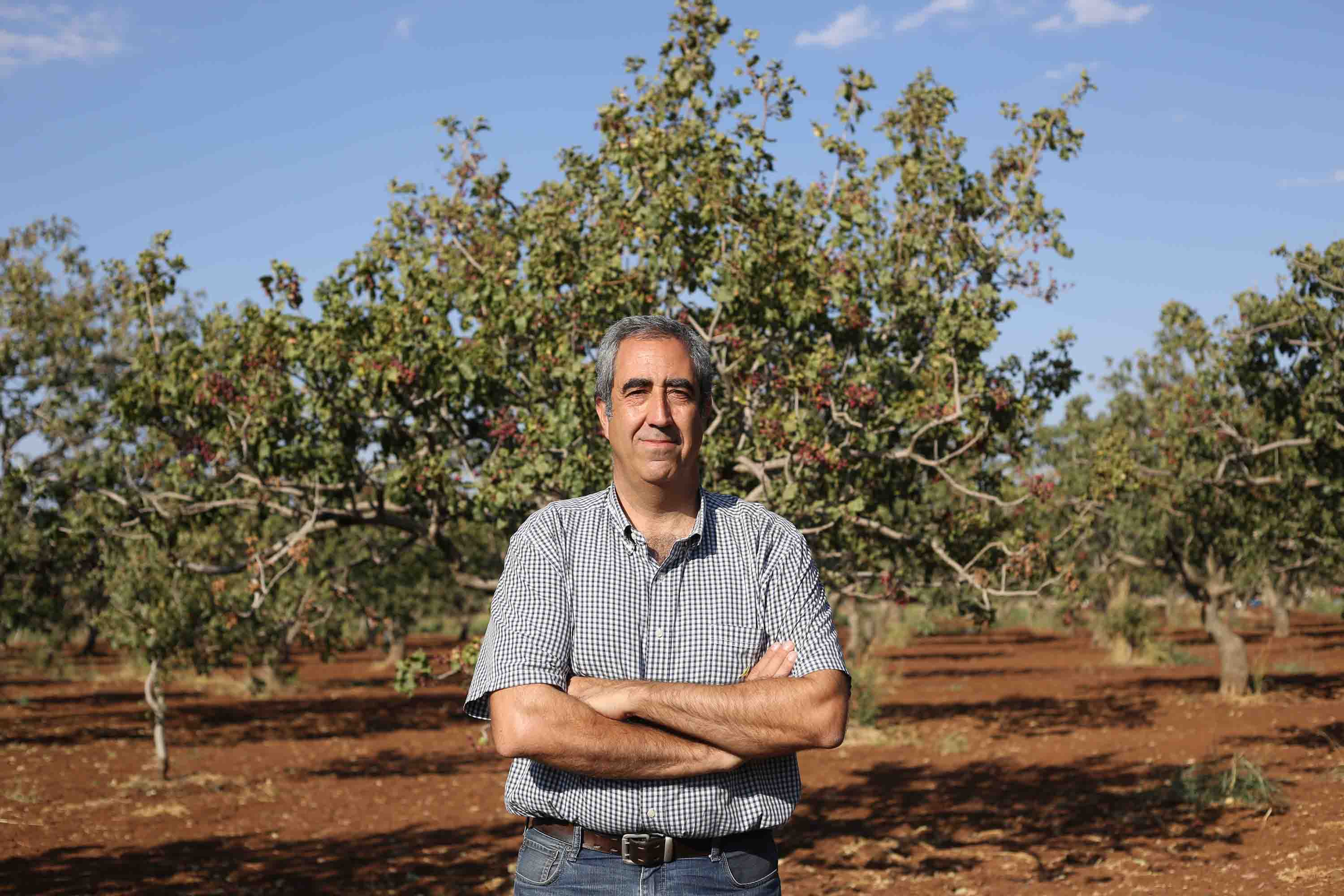
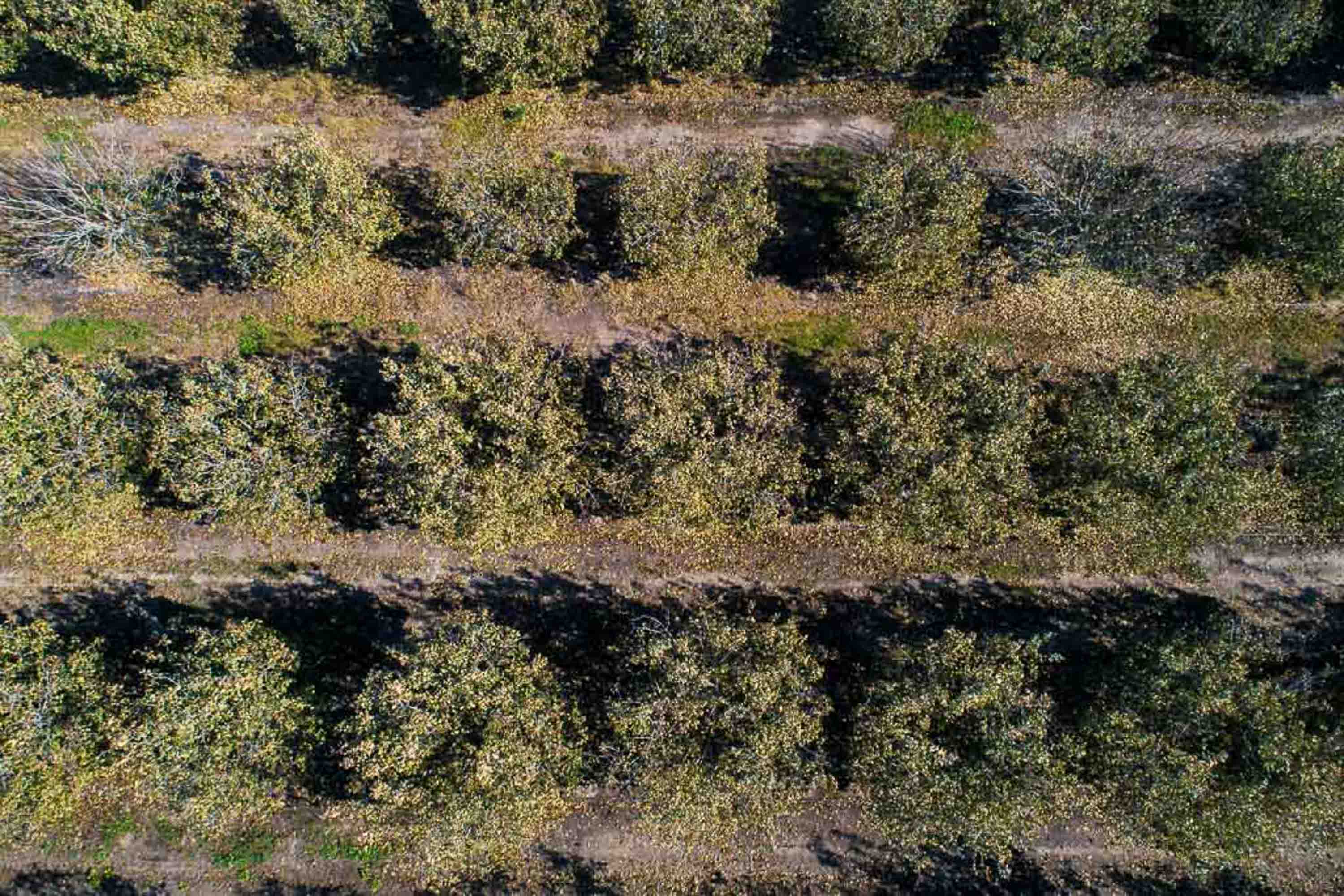
Murat Salih, a pistachio farm manager in Kilis, Türkiye—the world’s third largest pistachio producer after the USA and Iran—points to a similar dilemma in the pistachio industry. “When demand is high, farmers expect prices to remain high for years, which encourages them to plant more trees,” he says. “But this can backfire when prices fall due to overproduction and their incomes drop dramatically.”
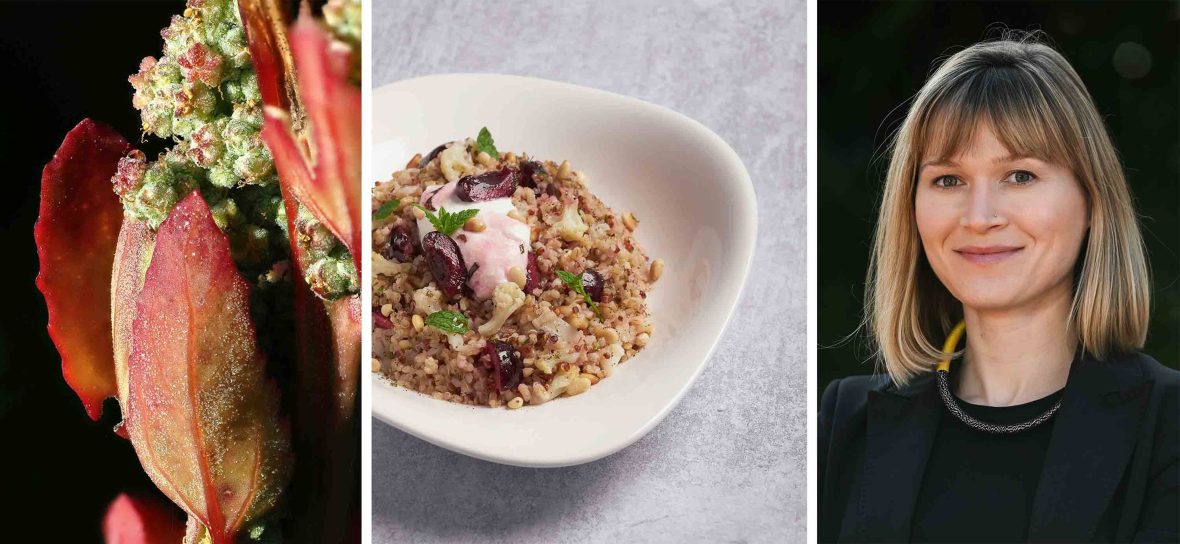
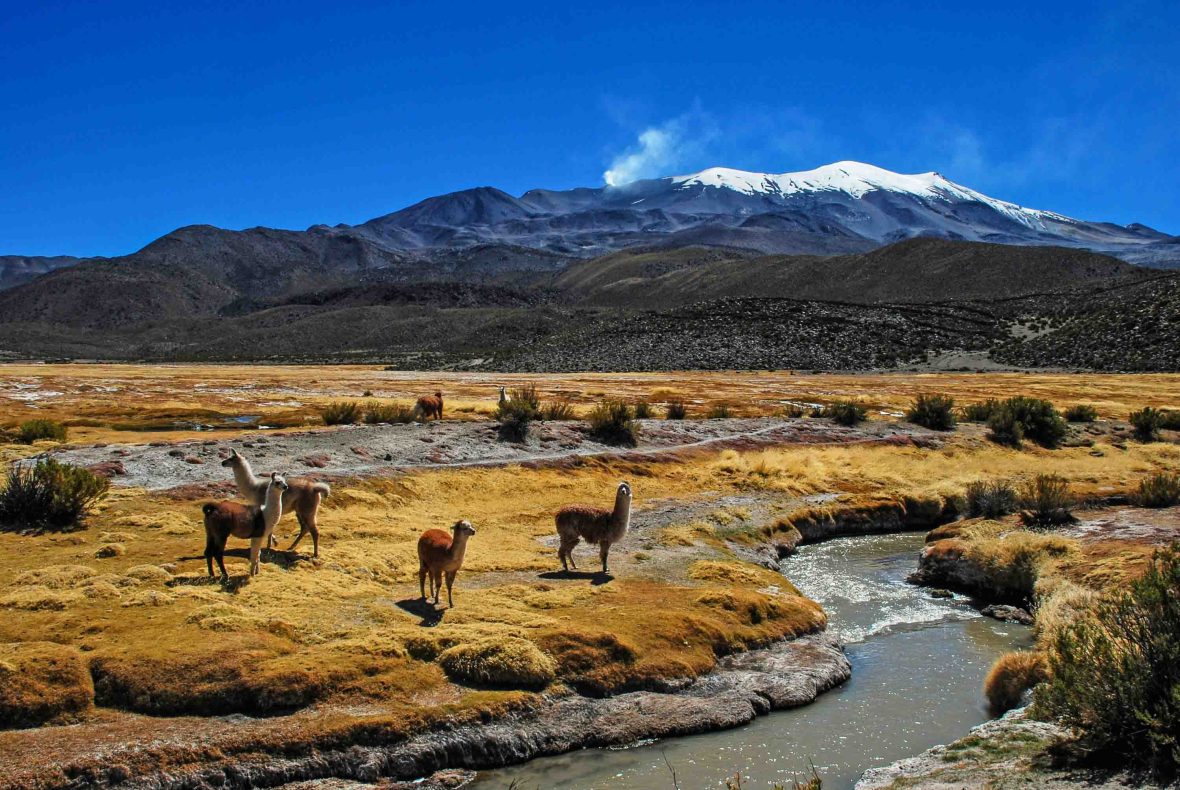
These highs and lows are not new in the food industry. It has played out before with foods like quinoa, a nutrient-rich whole grain from the Andes that caught international interest as a ‘superfood’ between 2011 and 2014. During this period, quinoa prices surged by 600 percent before eventually plummeting.
“The boom was short-lived, followed by a bust,” says Emma McDonell, professor of anthropology at the University of Tennessee at Chattanooga and author of The Quinoa Bust: The Making and Unmaking of an Andean Miracle Crop. “That’s usually the pattern [with foods that achieve global stardom],” she adds, “making these higher income opportunities temporary.”
Additionally, while such booms can benefit farmers in the short term—provided they are not out-competed by large commercial businesses—they typically come at a cost to local communities. “Rising prices often force locals to replace traditional staples with cheap, processed substitutes, and that’s not a great scenario,” McDonell tells me.
During the boom, quinoa became unaffordable for poorer communities in urban Peru, where it had always been a staple, and sometimes replaced with instant noodles and pasta. A similar story is now developing in Japan, where locals are struggling to access high-quality matcha for ceremonial use because much of the supply is exported.
“While we strongly believe in preserving tradition, it is equally important to recognize that tea culture is not static and continues to change over time.”
- Anna Poian, co-founder, Global Japanese Tea Association
“To meet these spikes, supply chains have to adapt really quickly, often through the intensification of production systems that can be environmentally unsustainable,” says McDonell. Sudden changes like these often lead to deforestation and reduced biodiversity due to monoculture farming, as well as soil degradation resulting from increased use of chemical fertilizers.
Small farmers usually see little to no benefit, as large commercial players move quickly into these booming markets, sometimes displacing Indigenous communities by taking control of their land and resources.
At the same time, social media tends to portray viral foods as trendy products and wellness symbols, overlooking the voices of local communities. Consumer-centric narratives like these can erode the rich history and cultural significance of traditional foods, reducing them to mere commodities.
Yet it would be an oversimplification to view all viral foods through the same lens.
According to Poian, tea—including matcha—has always evolved across regions and generations. “While we strongly believe in preserving tradition, it is equally important to recognize that tea culture is not static and continues to change over time,” she says, pointing out that change may not always be a bad thing.
For example, McDonell notes that quinoa’s global recognition brought pride to Andean communities. “After being long denigrated as ‘Indian food,’ quinoa got its well-deserved fame and became a fashionably healthy thing to eat around the world,” she points out.
The boom also created better economic opportunities in the rural highlands of Peru and Bolivia, the world’s leading quinoa-producing countries. “Agriculture is not very lucrative here, and other industries carry social and health risks,” McDonell adds. “The quinoa boom offered a rare economic lifeline.”
Similarly, increased pistachio cultivation in recent years has provided a financial safety net for farmers across major producing countries. “It has proved its worth as a drought-resistant alternative to almonds in the USA,” says Salih. “And in Iran, few other crops can thrive in the saline soils where pistachios are grown.” In Türkiye, the crop is often cultivated on lands with poor soil quality where little else can grow economically without irrigation and fertilization.
Viral food trends—and the aesthetically pleasing foods and superfoods they promote—are ultimately double-edged swords, offering both opportunity and risk.
While it’s nearly impossible to curb the influence of social media, it is possible to engage with viral foods more responsibly to reduce their negative effects. “Doing your homework and understanding a food’s regional context and origins helps,” says McDonell.
Even small choices, like buying fairtrade quinoa which supports farmer cooperatives or using later-harvest matcha which is better suited for lattes and smoothies instead of the ceremonial variety, can go a long way toward easing the strain on supply chains, communities, and the planet.
****
Adventure.com strives to be a low-emissions travel publication. We are powered by, but editorially independent of, Intrepid Travel, the world’s largest travel B Corp, who help ensure Adventure.com maintains high standards of sustainability in our work and activities. You can visit our sustainability page or read our Contributor Impact Guidelines for more information.

Soumya Gayatri is a food and travel journalist based in Riyadh, Saudi Arabia. A Big 4 consultant in her previous life, Soumya now writes about sustainable travel, heritage architecture, immersive cultural experiences, and local cuisine. Her work has been published with the BBC, Architectural Digest, New Lines Magazine, Condé Nast, The National, and The New Indian Express.