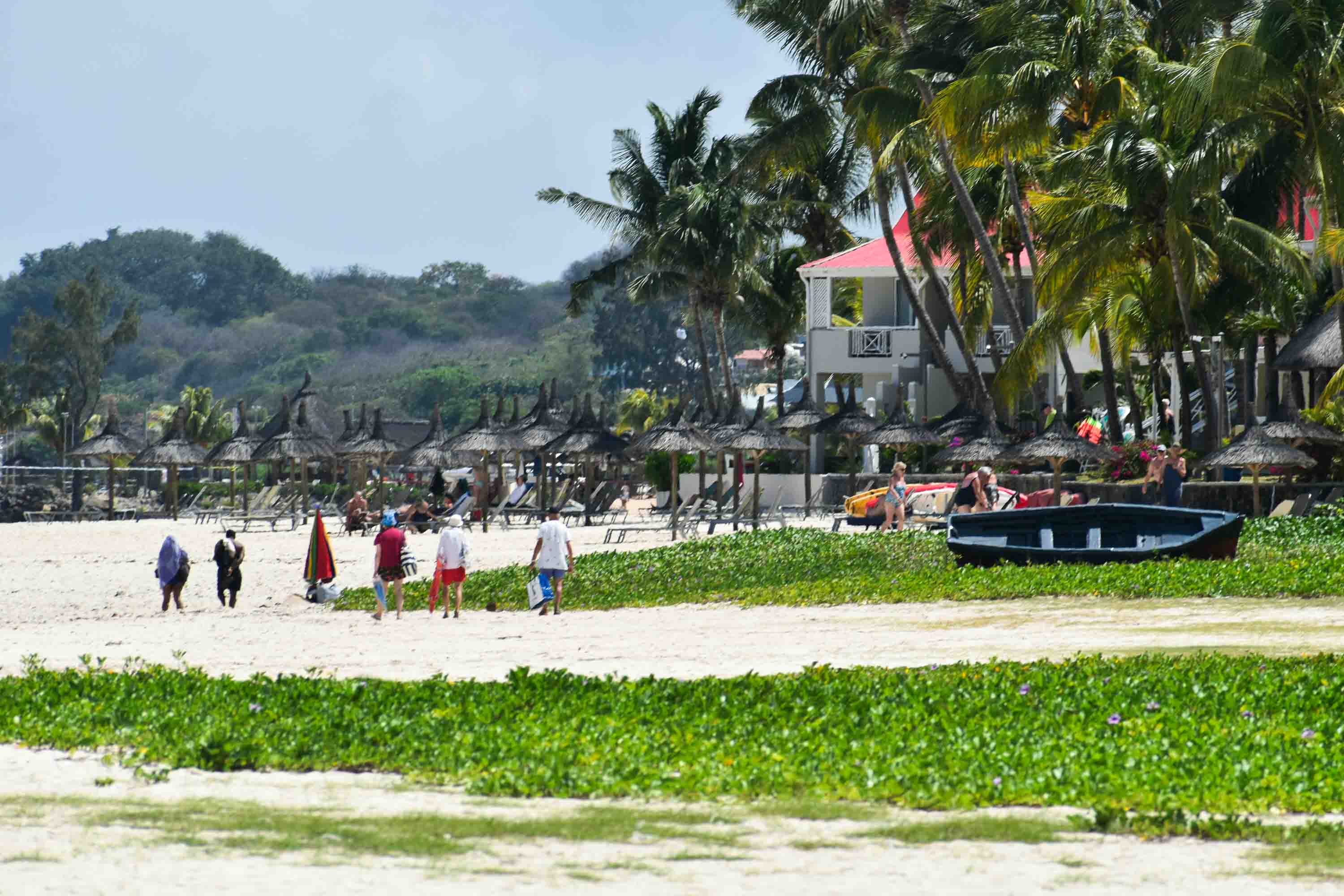
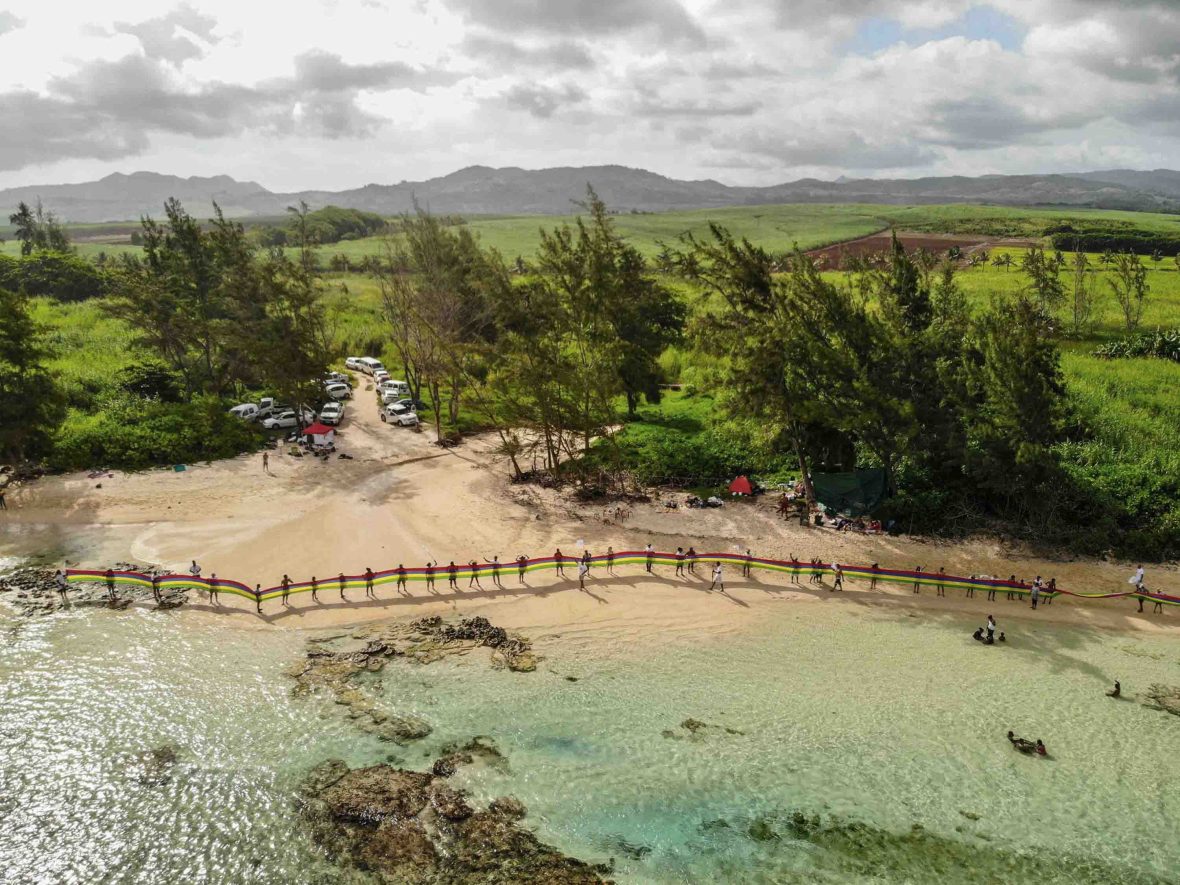
I’m kneeling on the sand with a hoe in hand as the sea breeze blows in my hair. With a group of about 20 other people, I am planting veloutier argenté on the beach. This native shrub, whose small leaves shimmer in the light, protects the coast from erosion. It is September 2020 and this is Pomponette, a beach in the south of Mauritius that we’re trying to save from privatization.
Mauritius is a small tropical island of around 700 square miles (2,000 square kilometers) off the southeastern coast of Africa. The main island of a larger republic that includes Rodrigues, Agalega, and formerly the Chagos Archipelago (now in the crossfire of negotiations between Starmer and Trump), Mauritius has been colonized by the Dutch, Portuguese, French, and British before independence in 1968. Colonizers brought enslaved people from East Africa and indentured laborers from India—my ancestors among them—to work on sugarcane plantations. Traders from Southern China and other parts of India also immigrated here in the 20th century, adding to its complex social fabric.
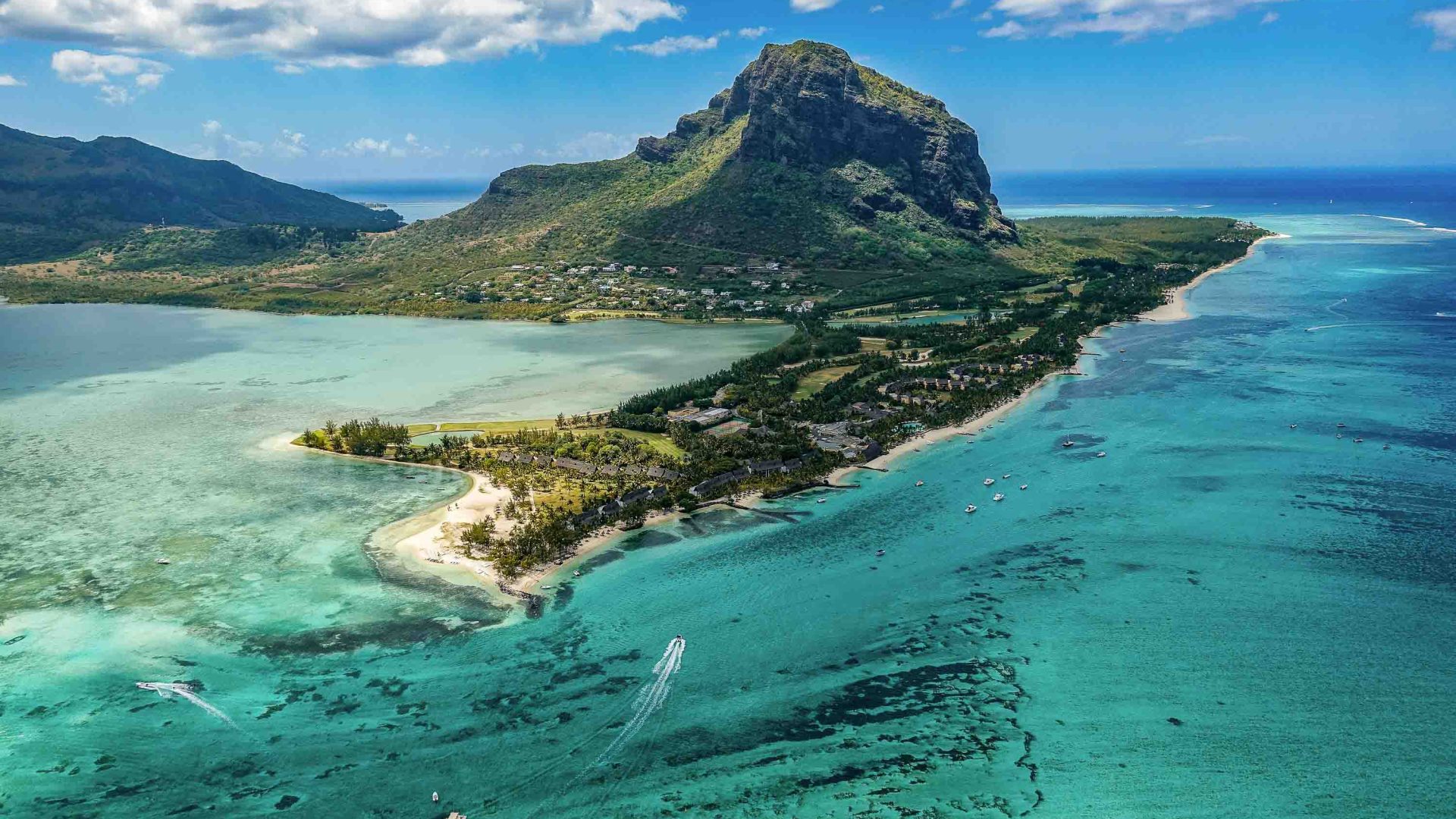
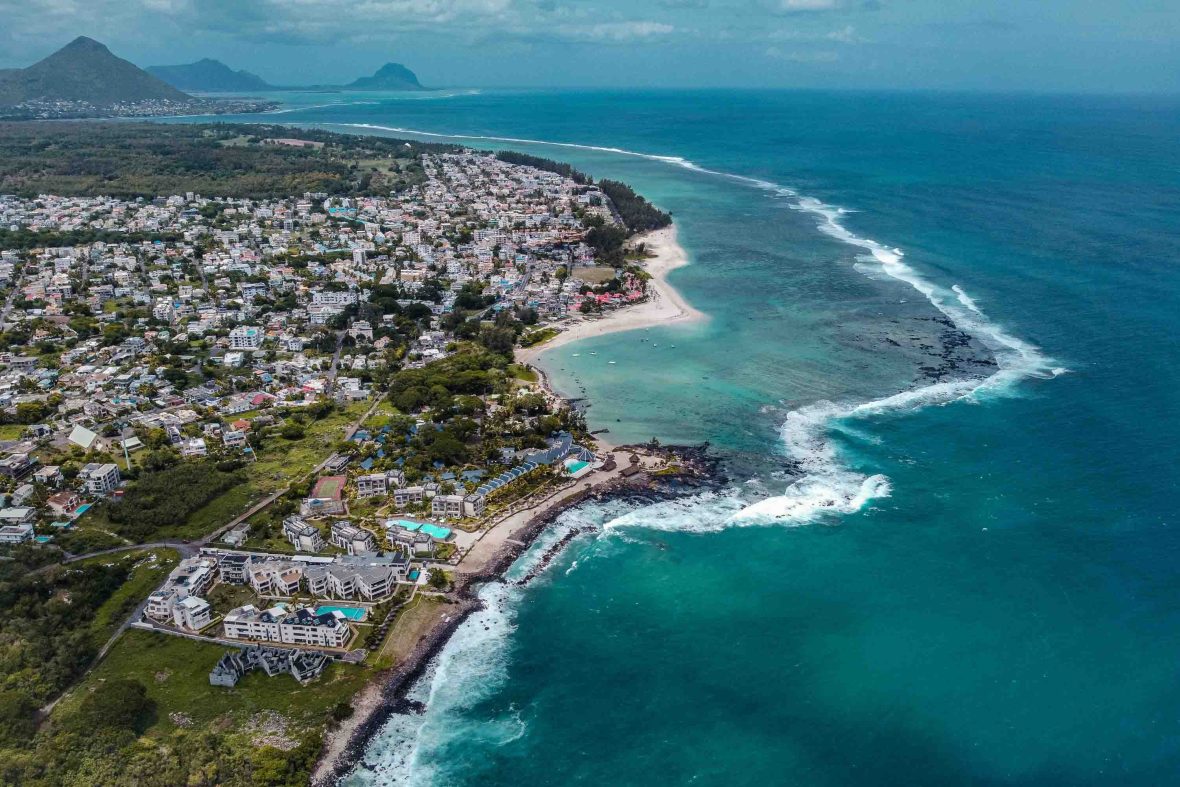
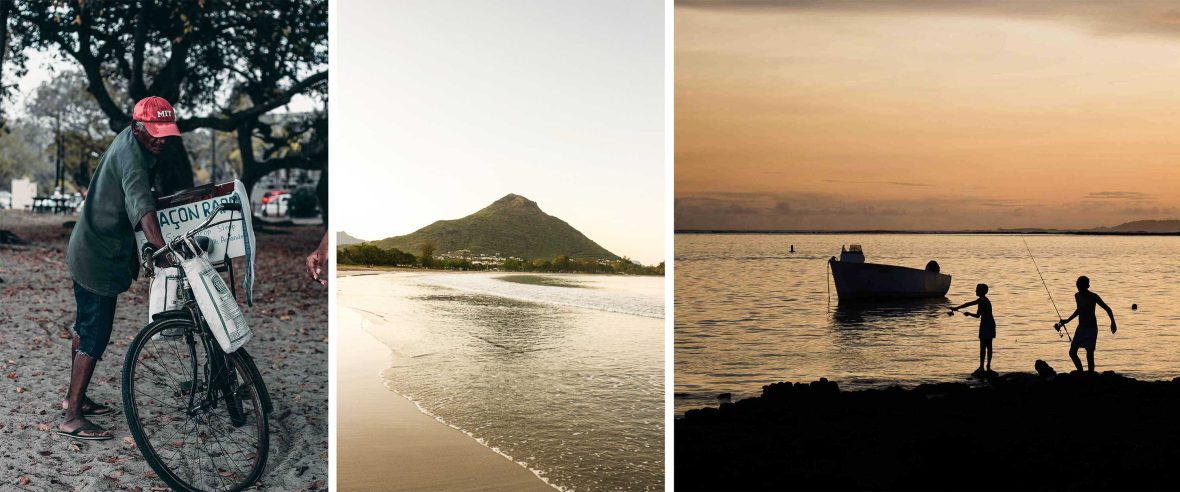
Last summer, I set out on a small public access experiment along the western coast of Black River, one of the most popular tourist areas. Home to the island’s largest nature reserve, Black River Gorges National Park, and some of the oldest fishing villages established by disenfranchised Africans, such as Case Noyale, it’s a coastline with mangrove estuaries that you can explore by kayak. At the southern tip, Le Morne Mountain ranks among the country’s most scenic hiking spots—and a UNESCO World Heritage Site as a former refuge for runaway enslaved people in search of freedom.
My experiment was this: How easy would it be to walk from La Preneuse, a stretch of coastline lined with luxurious villas, to the busy public beach of Tamarin?