Swimming in the Thames, at a designated spot in West London, is finally becoming official. But as cities get hotter and more crowded, we need to make it much easier for more people to access open water, says outdoor swimmer Jessica Furseth.
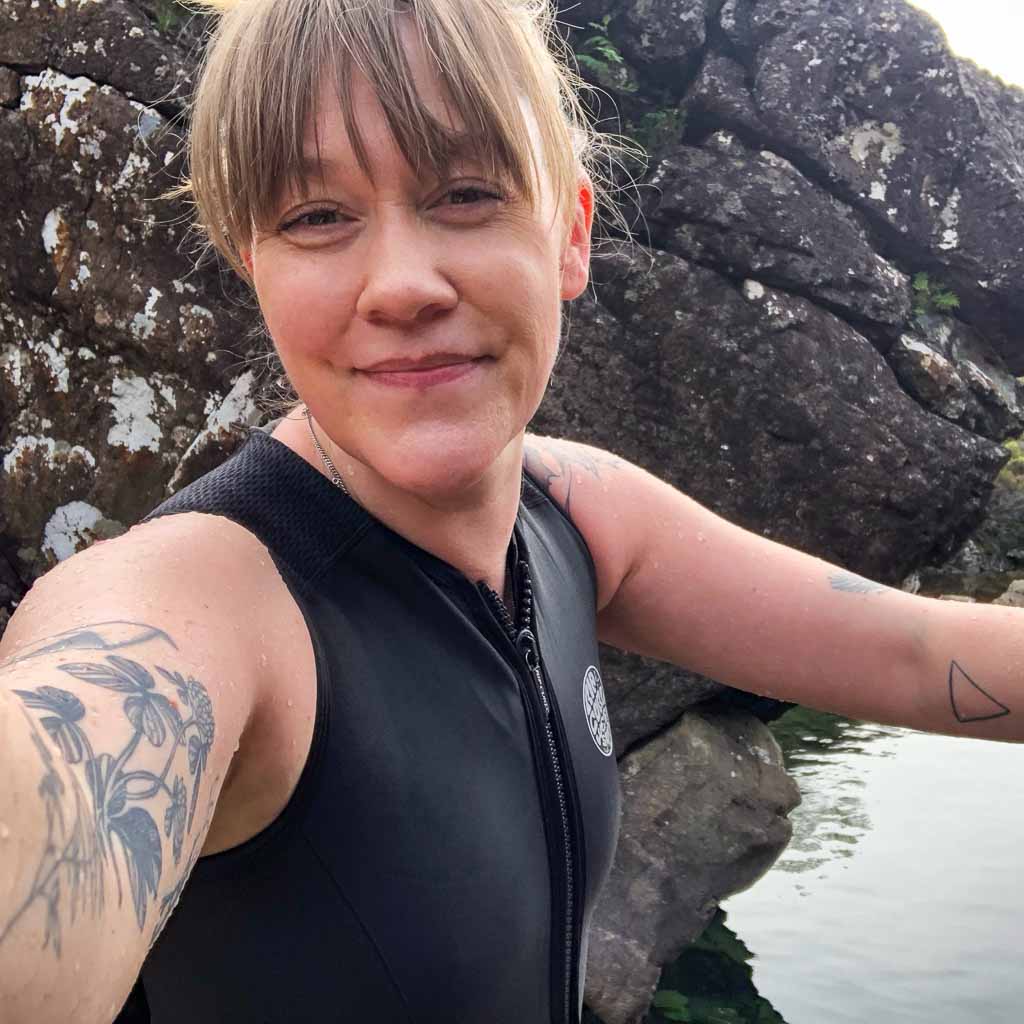

Swimming in the Thames, at a designated spot in West London, is finally becoming official. But as cities get hotter and more crowded, we need to make it much easier for more people to access open water, says outdoor swimmer Jessica Furseth.
When I first heard rumors of people going swimming in the Thames, right here in London, it seemed like a wild idea. Who are these daredevils who brave that murky and cold water, not to mention the endless sewage threats? And more importantly, how could I join them?
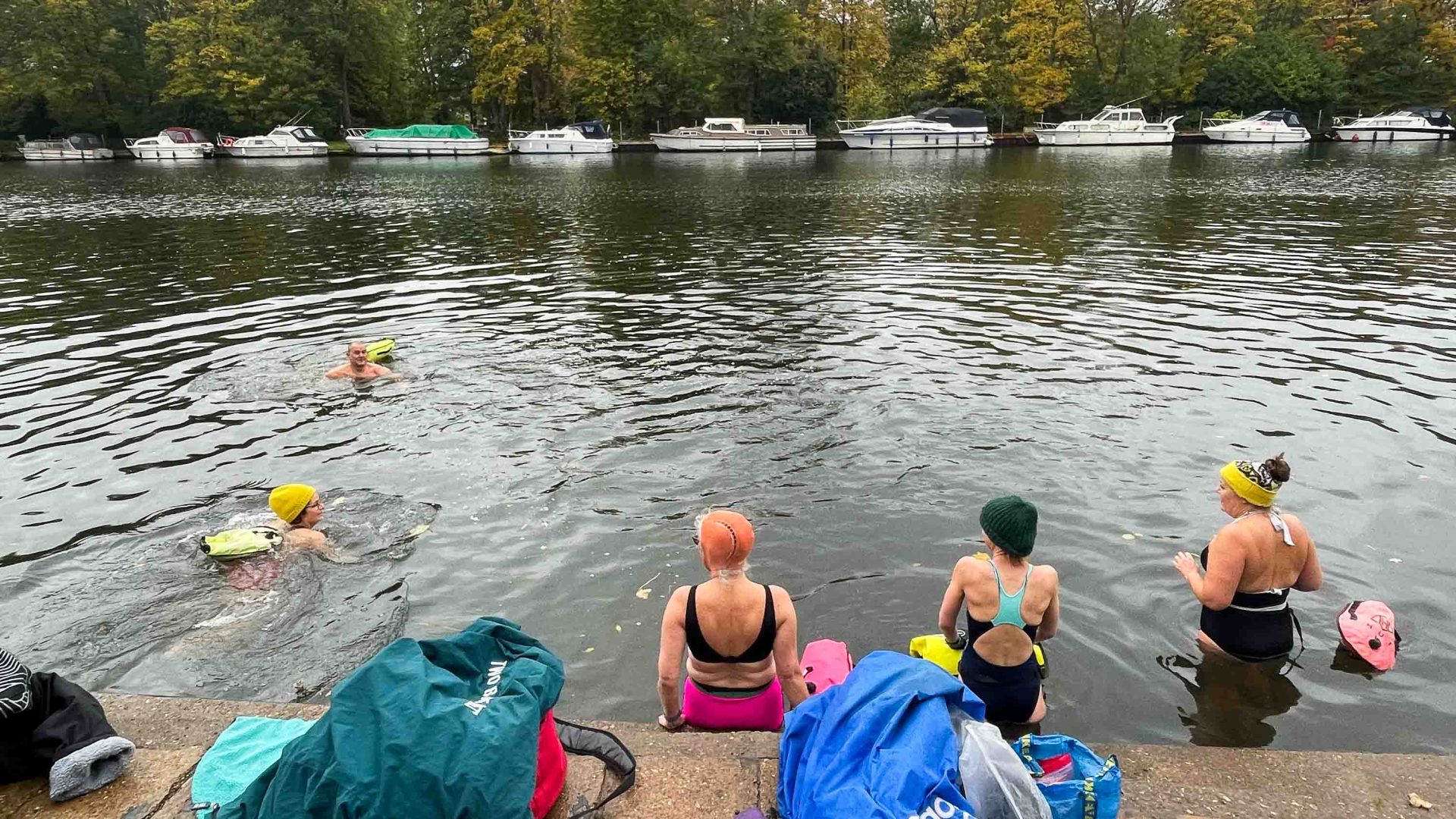
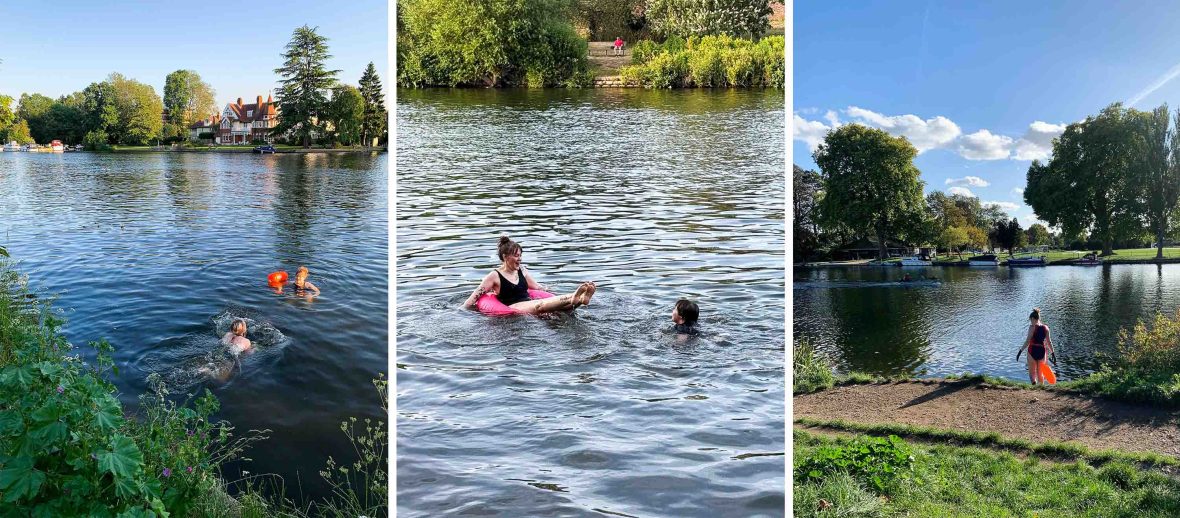
I quickly discovered that I was very welcome—the river is free, mostly quite clean, and open to all—and the people who swim in it are regular Londoners of all ages and walks of life. “It’s a real connection with nature. You can get away from everything,” says Fiona Jones, a fellow swimmer who lives in Twickenham, southwest London, who’s been swimming in the Thames from the bank between Teddington Lock and Kingston year-round for the past four years. “And because you’re level with the water, you see the city from a different perspective. It’s just easy—the river is there all the time, and there’s always someone to go with. Swimmers are such a lovely group of people.”
I’ve been swimming in the Thames for five years now, and I love it. London wouldn’t exist if not for this river—as much as I enjoy the city’s lidos and the ponds, there’s something special about the Thames, the only place Londoners can swim for free year-round. In the heat of summer, when every ticketed water is sold out for days, the river is there for anyone who wants to pop by for a dip to cool off.
Just look up YMCA Hawker in Kingston and make your way to the tiny pier behind it—on a hot day there will be swimmers coming and going at all hours. This is a peaceful stretch of the river, shielded from tidal pulls by Teddington Lock. And from today, May 15th, this spot has become an official bathing water.
But what does this official designation mean, in practice? “We hope this [status change] helps more people feel that they can swim with confidence in the Thames,” says Simon Griffiths, publisher of Outdoor Swimmer Magazine and one of the locals driving the application for this new legal status.
More importantly, becoming a bathing water means the water quality will get monitored, so people can check it before going in. For most people the Thames will be clean enough for swimming most days, except when there are sewage overflows, which can be unpredictable—at the moment we simply use our best judgment, and avoid going in for 48 hours after a big rain. Bathing water status also means that when the water quality dips, pollution sources will be investigated and the culprits face legal pressure to clean it up.
“As a child, I’d swim in the river with friends, and I’d often come out in a rash because the water was so dirty. The river is definitely cleaner now than it was 40 years ago.”
- Regular swimmer Sylvia Boker
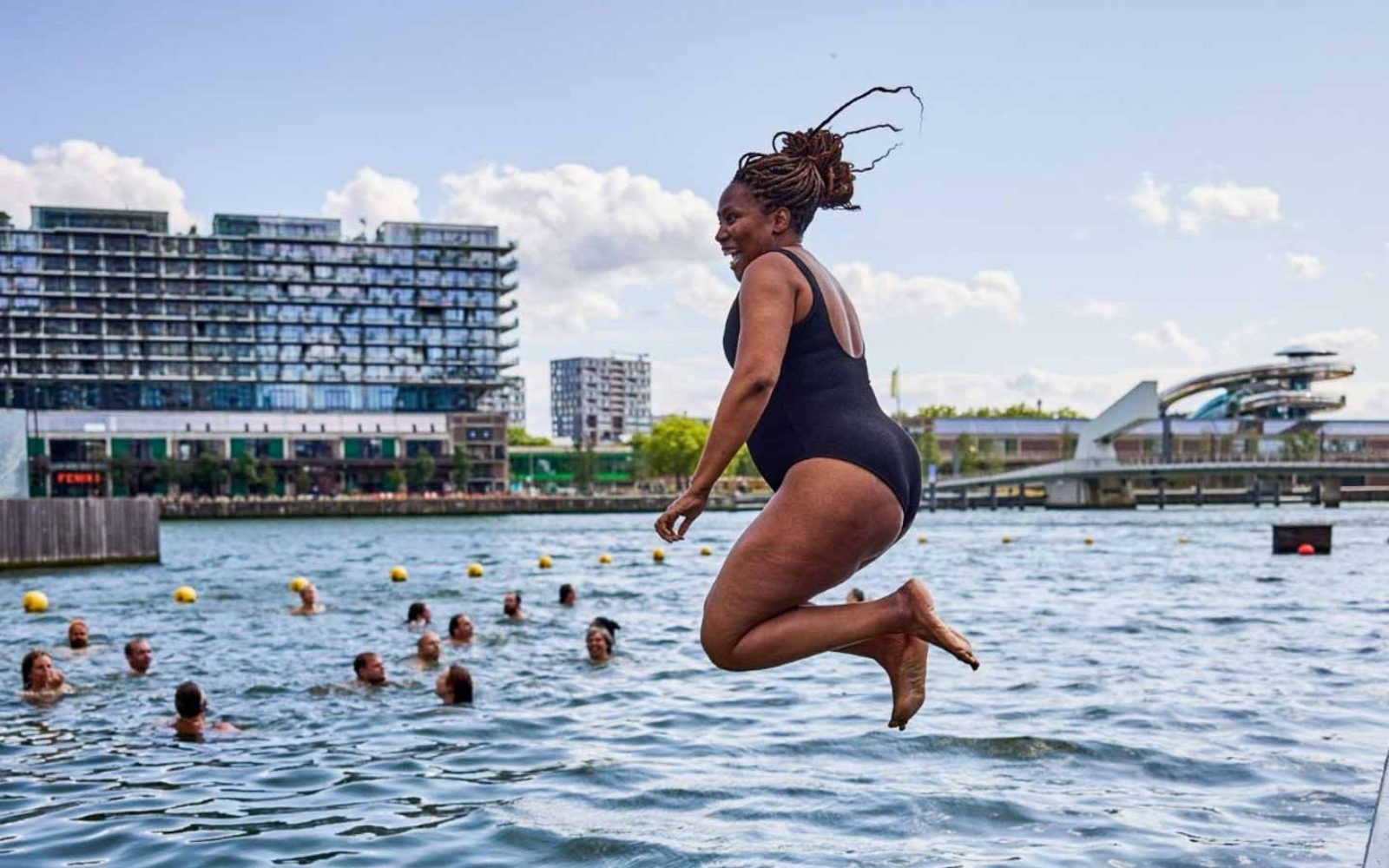
By making its river swimmable, London is following in the footsteps of major European cities. Paris just let people into the Seine for the first time in a decade, Berlin campaigners are currently pushing to legalize swimming in the Spree, and Amsterdam, Munich and Zurich have been established swimming destinations for years.
While a swimmable Thames is a pledge from the Mayor of London, the decision to grant bathing water status is up to Defra, the government department overseeing environmental matters. The Kingston application demonstrated that thousands of people already swim in this part of the Thames every year: We’ve always sought out the water. And as climate change keeps making our summers hotter, official bathing water status will make it safer to do what we’ve always done.
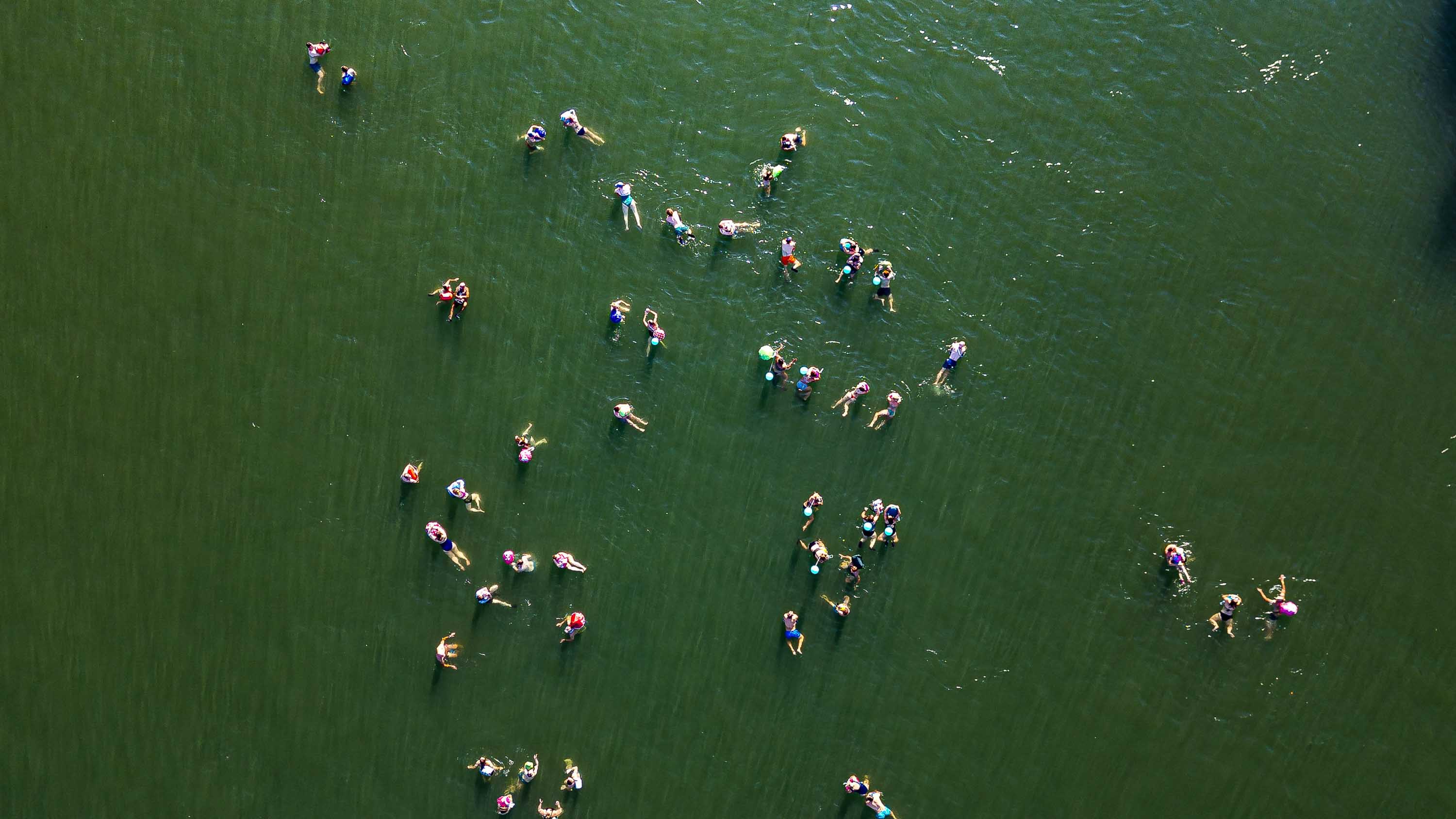
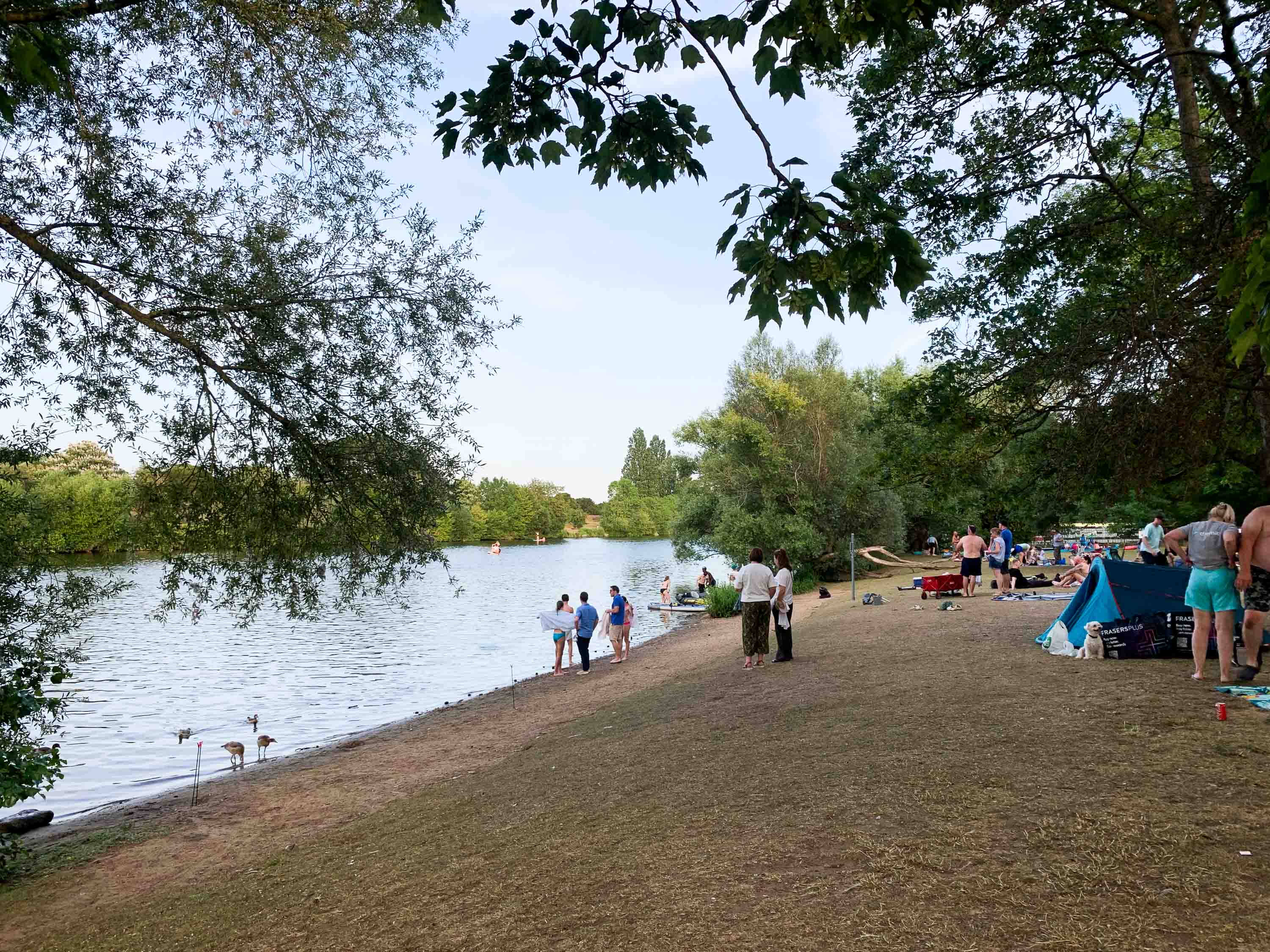
But until now it’s been a gatekept pleasure. You had to know someone who could show you the ropes, not to mention where to go (swimming is illegal in Central London between Putney Bridge and Crossness, and below Teddington Lock, the river is strongly tidal).
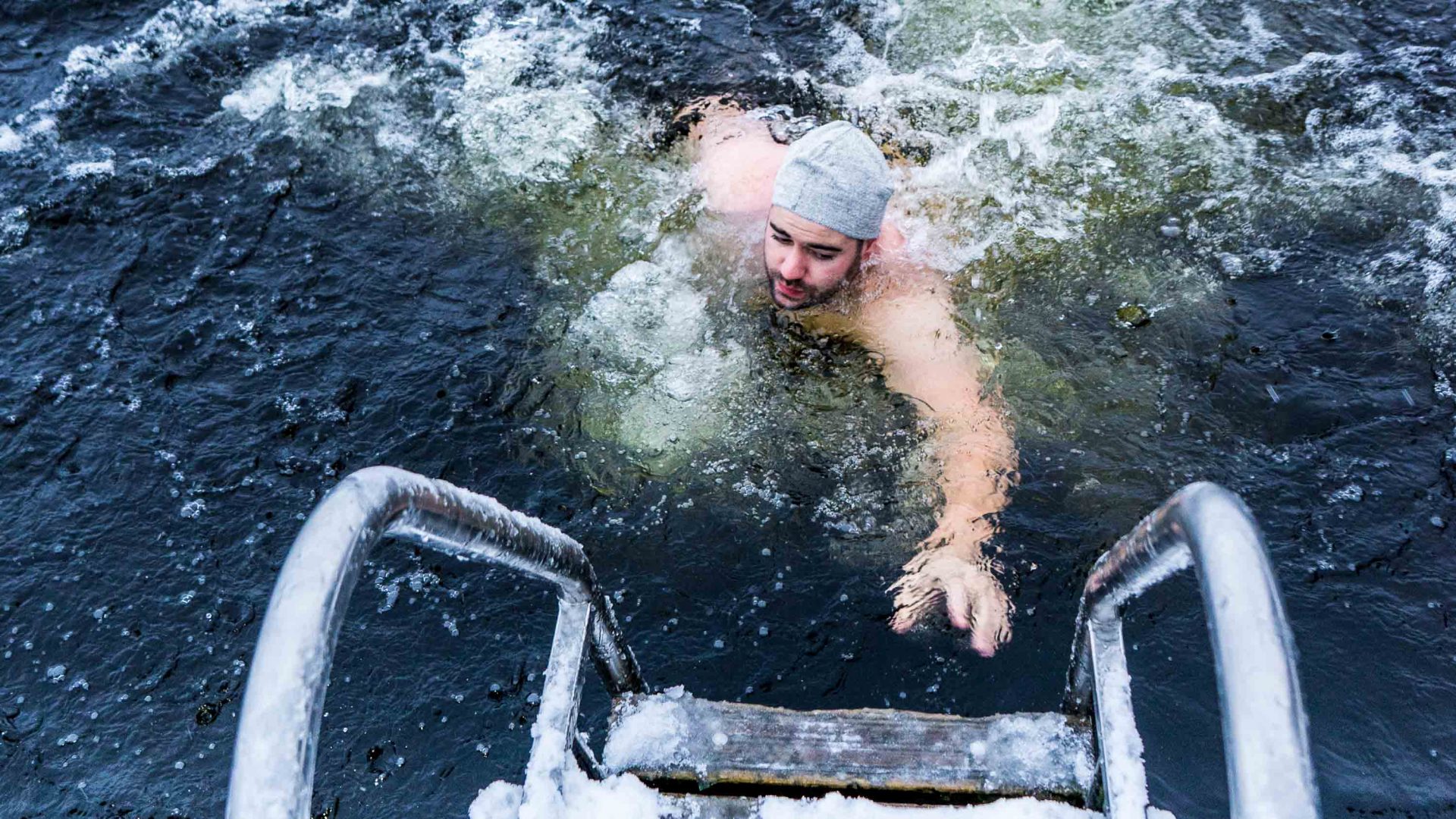
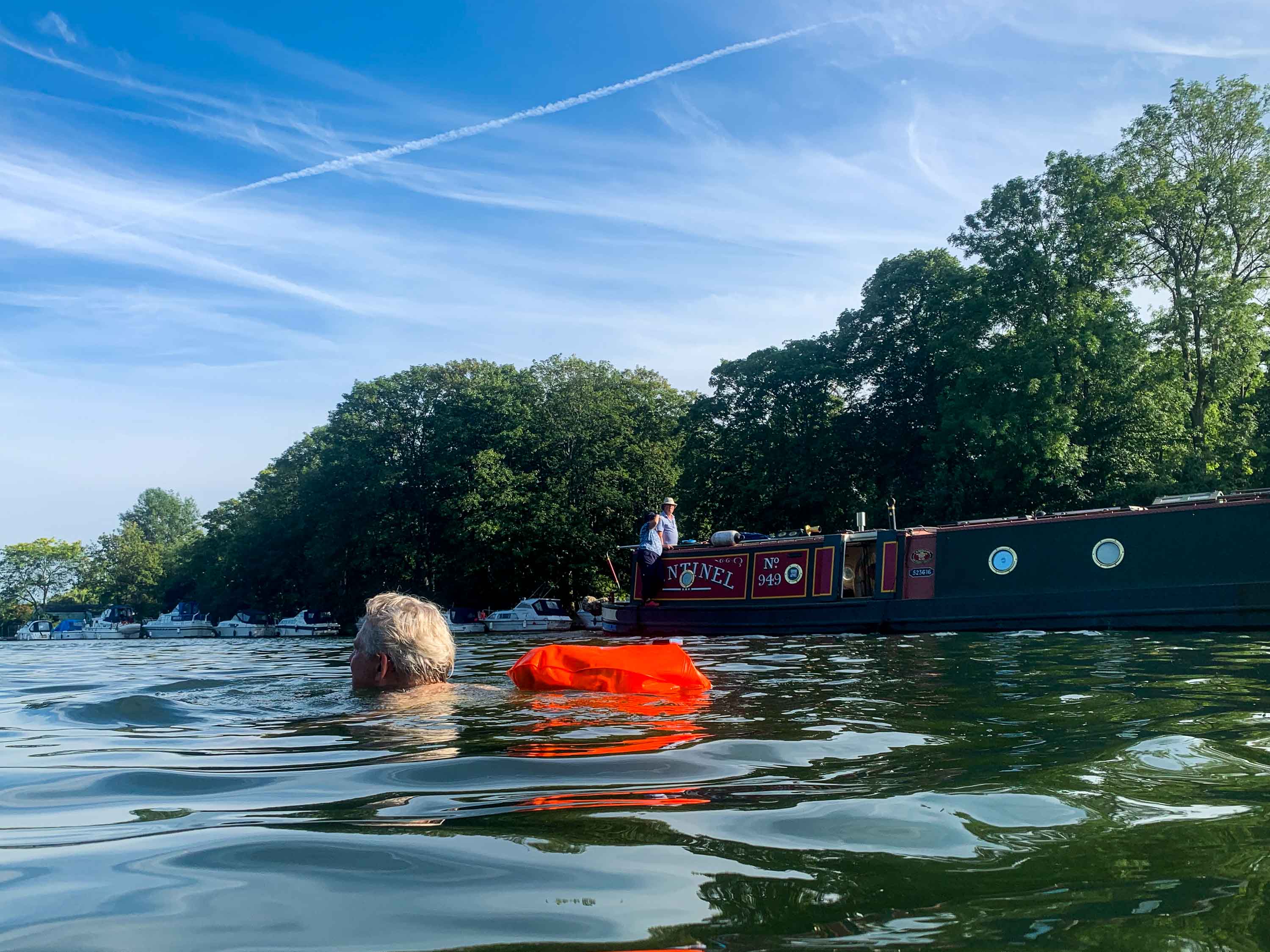
Local swimmers teach newcomers how to stay safe in cold water, and make sure they know to wear a tow float and never swim alone. The Teddington Bluetits arrange communal swims through a growing WhatsApp network, but getting official status will do a lot for democratizing river swimming—you won’t need to rely on rumors anymore.
But as new swimmers join the fray, they need to be mindful that this is not a pool. The water is deep, cold shock is real, and there’s a fair amount of river traffic—you’re ultimately responsible for your own safety. “What’s safe for one person isn’t safe for another, as it depends on their experience.” says Griffiths. “We need to warn people of the hazards so they can make their own decisions.”
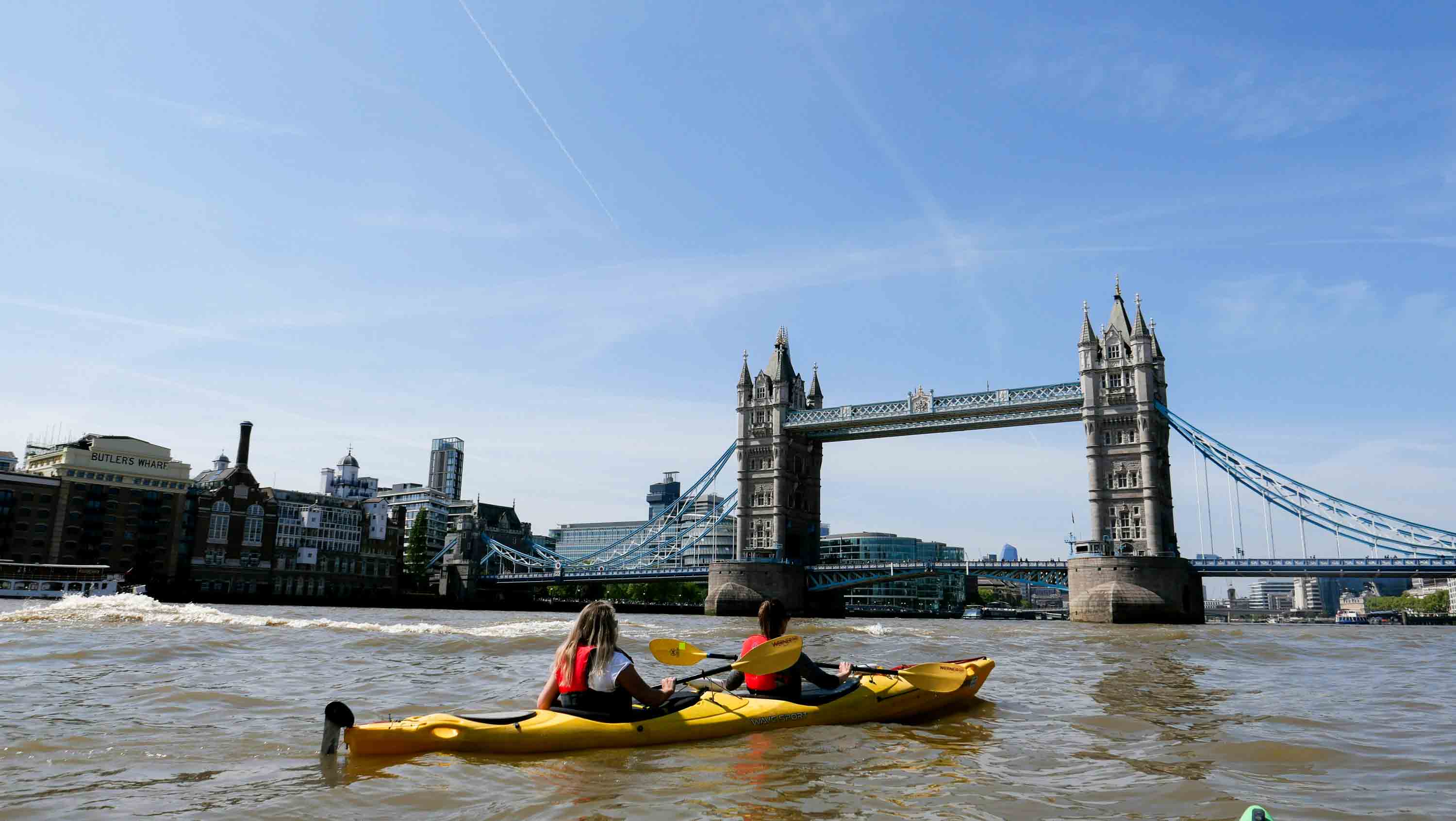
Today, the Thames supports fish, wildlife and birds, as well as swimmers, kayakers, paddleboarders, rowers and sailors, but plenty of people still flinch at the idea of getting in. This stems from the Thames’s reputation as being “biologically dead”, as designated by the National History Museum back in 1957, and this image has been hard to shake.
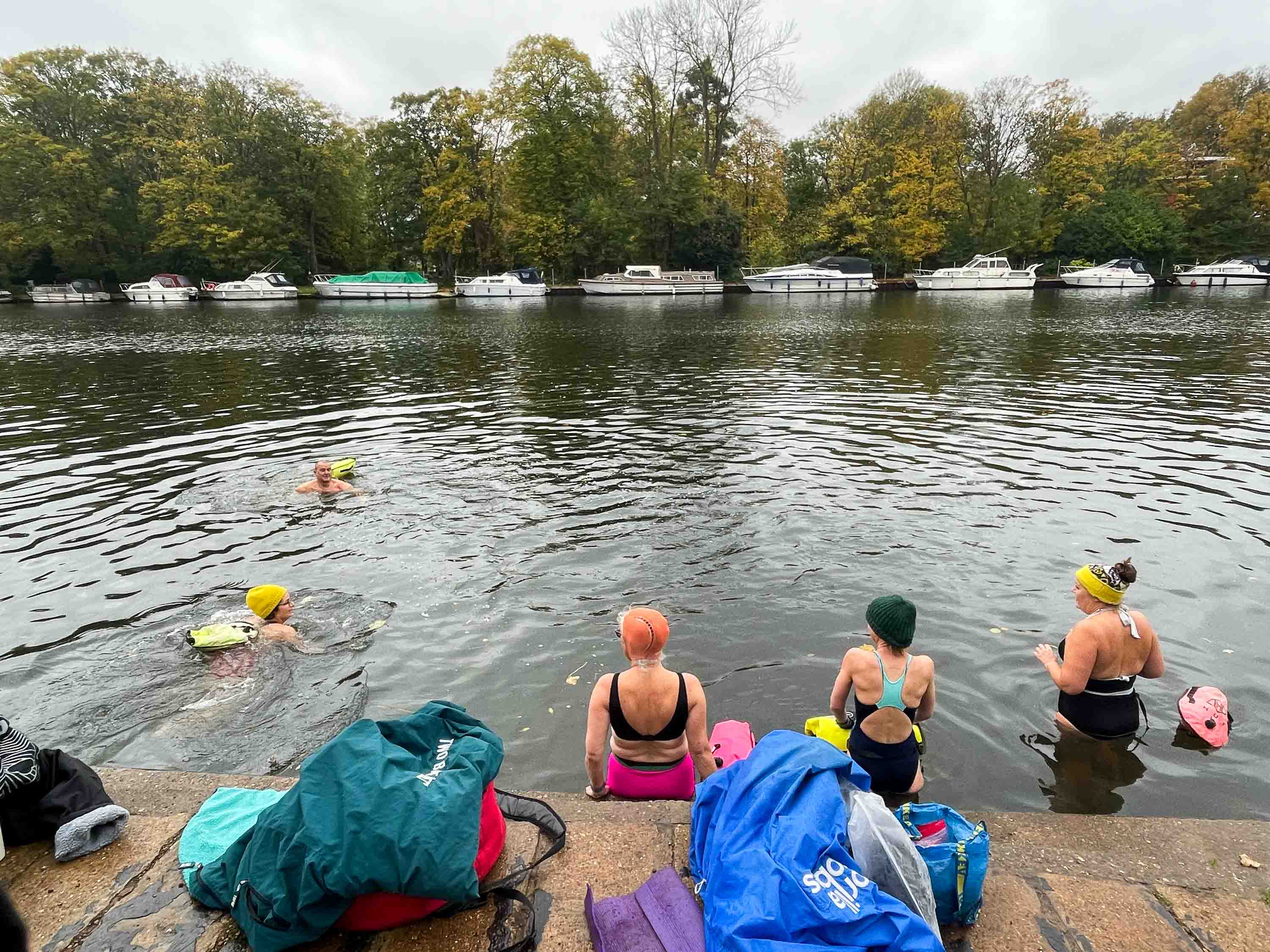
“As a child, I’d swim in the river with friends, and I’d often come out in a rash because the water was so dirty,” says fellow swimmer Sylvia Boker, who grew up in Twickenham. She still swims in the Thames at Kingston, now rash-free. “The river is definitely cleaner now than it was 40 years ago.”
It’s rare to hear stories of swimmers getting sick today, but Boker says she keeps her head above water to be on the safe side. “When I mention I swim in the river, the general reaction is that I must be really brave,” says Boker. “But river swimming in London is a part of our history. It’s been going on forever.”
London is part of an urban swim revolution that’s happening all over the world, as cities from Sydney in Australia to Portland Oregon in the US are opening up more of their waters for people to use.
The Thames at Kingston is one of 13 spots across England becoming bathing waters this May, alongside the tidal River Fowey in Cornwall, the family-friendly foreshore of Canvey Island in Essex, and the scenic waterfalls of River Swale in Yorkshire. Applications have to be made by local residents, and it’s a formal process that requires significant effort.
“Communities who are volunteering their time really have to jump through hoops,” says Kirsty Davies, community water quality manager at Surfers Against Sewage, where she leads the Protecting Wild Waters campaign that helps locals, including the group at Kingston, apply for bathing water status.
The most challenging part is securing the support of the landowner and the local council. While Kingston council has been very supportive, this isn’t always the case, especially in landlocked areas where water might be viewed as a hazard. “We try and encourage councils to see that free blue spaces are an amazing asset for their residents,” Davies says. She believes we’re starting to see a cultural shift. “The physical and mental health benefits are huge. We need to be even more open-minded about having free access to our rivers, reservoirs and lakes, so we can have more blue spaces for people to use and enjoy.”
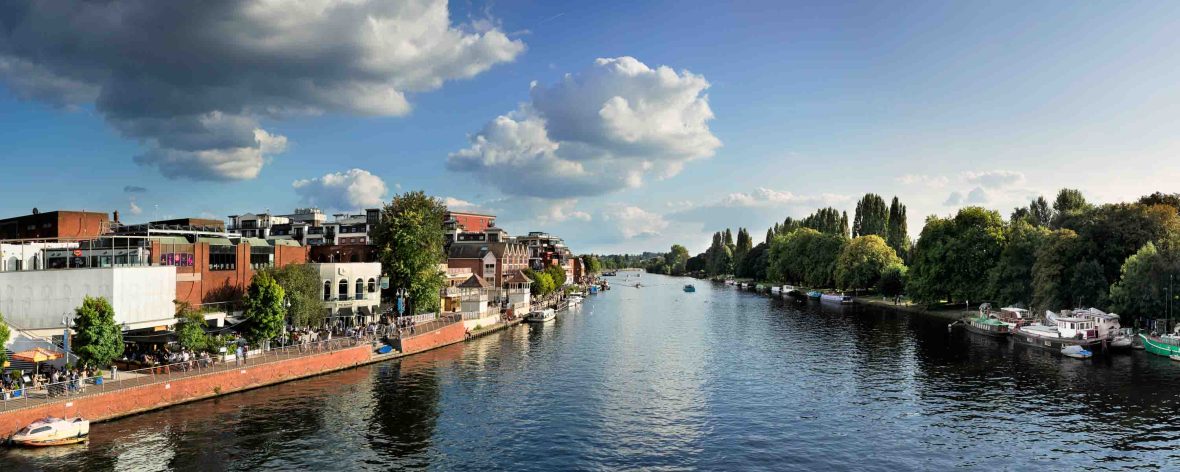
It’s not quite peak swim season yet, but we’ll soon be swapping crisp and bracing spring dips for cool and leisurely summer floats. As London will experience more summer days over 30°C in coming years, the same climate effects that are heating up the city are also warming the Thames. The river has increased in temperature by an average of 0.13°C per year since 2007, impacting wildlife and swimmers alike by encouraging harmful algae blooms.
Whether it’s in a swimsuit or with a paddle, we feel closer to the river when we use it. Official swim status will signal to more Londoners that the river is ours to enjoy, and every new dipper will care a little more about protecting it. London is part of an urban swim revolution that’s happening all over the world, as cities from Sydney in Australia to Portland Oregon in the US are opening up more of their waters for people to use.
We’ve always been drawn to the water, and our summers are only getting hotter. It’s never been more important to make it easy, safe and fun to cool off. I cannot wait to spend another summer in the Thames, and look forward to seeing lots of new faces now that it’s official—come on in, the water’s fine.
****
Adventure.com strives to be a low-emissions travel publication. We are powered by, but editorially independent of, Intrepid Travel, the world’s largest travel B Corp, who help ensure Adventure.com maintains high standards of sustainability in our work and activities. You can visit our sustainability page or read our Contributor Impact Guidelines for more information.

Jessica Furseth is a London-based journalist who writes about culture, places, and how we live now. She’s been published in The Guardian, BBC Travel, Vox, The Independent, Time Out, to name a few. She’ll always want to go back to Berlin, and California (it's the light).