However, there is still some way to go. Despite South Africa’s population being over 80 percent Black, Black-owned brands account for less than three percent of South African wine sales.
“There are still challenges,” he says. “Emerging brands face limited access to investment, needed to penetrate the market.” Indeed, Ndzaba is keen to build a larger inventory, but to do so, funding is necessary.
“But even with a more DIY, against the grain approach, the velocity we’ve seen over the past few years indicates that we are headed in the right direction,” he says. “As we continue to speak up, I hope that future generations won’t face as many obstacles.”
Ndzaba remains hopeful for an increasingly inclusive and equitable South African wine industry, pointing out how consumer behavior is changing too. “More people are purchasing intentionally,” he tells me. “They’re seeking social impact brands that reflect their personal values.”
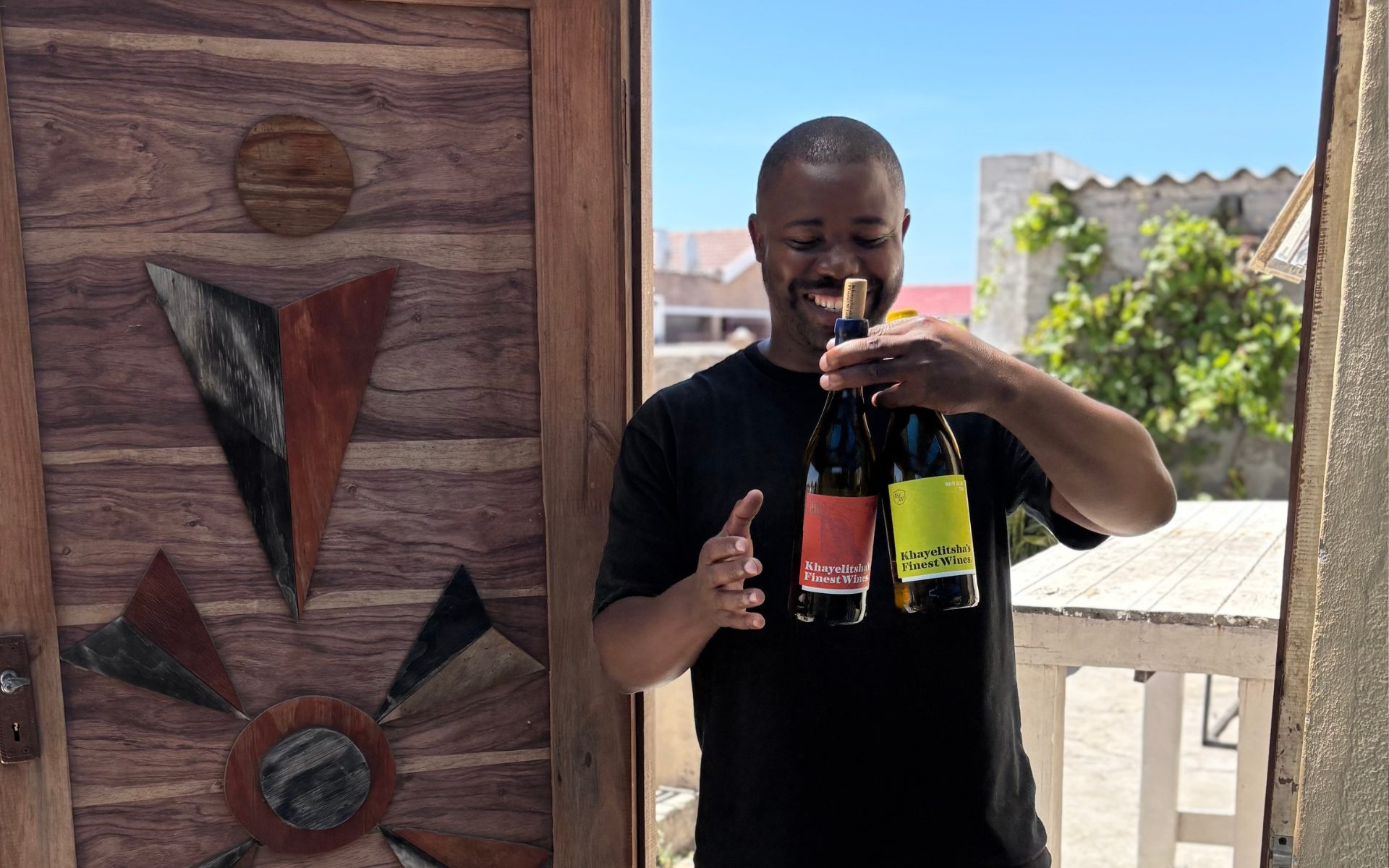
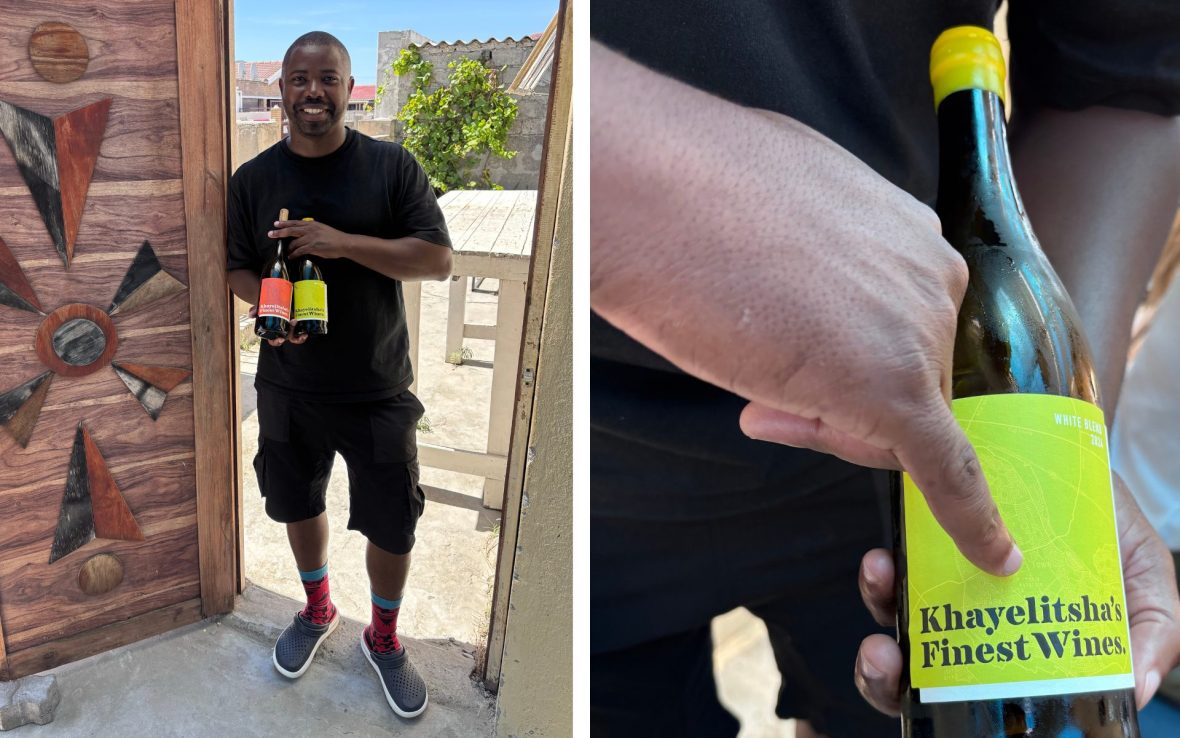
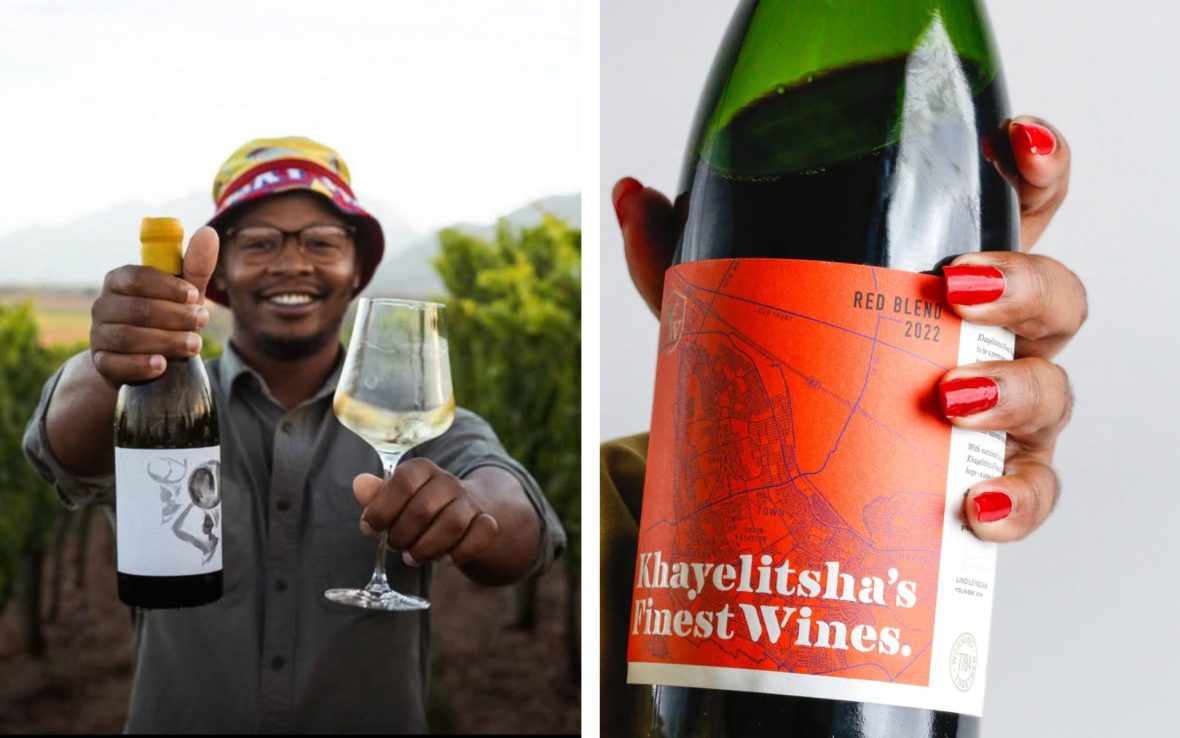
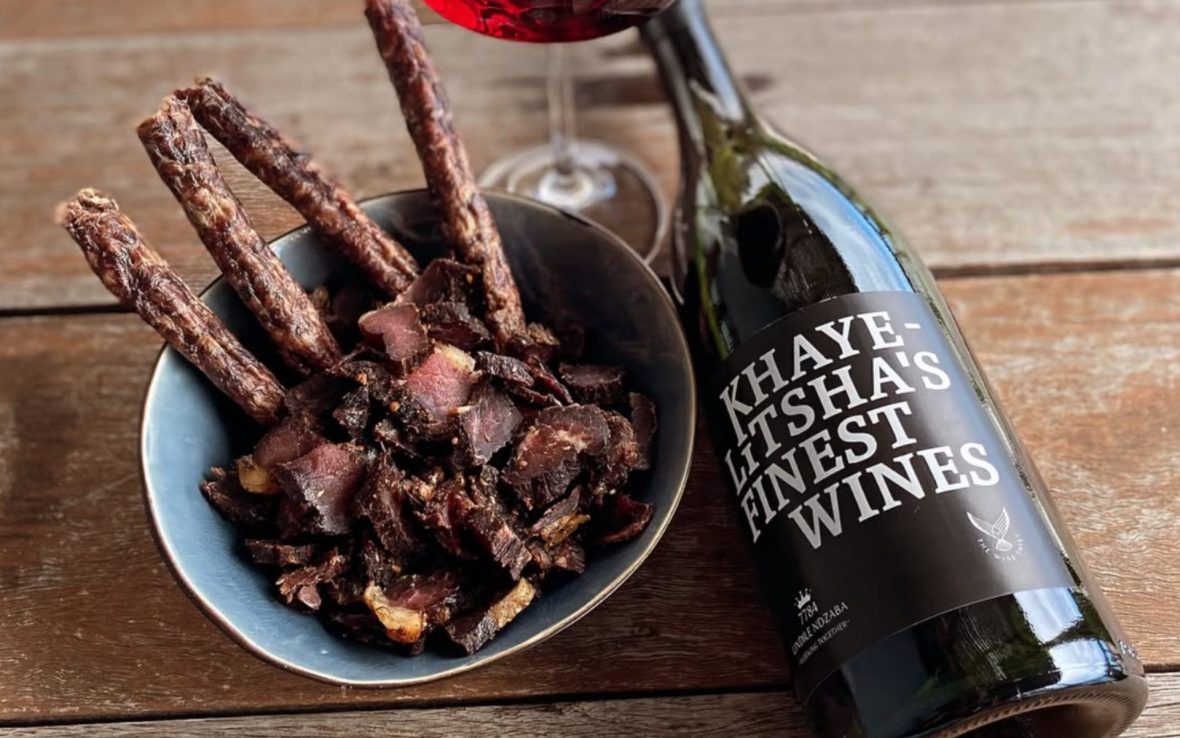
As I eagerly drain another glass of KFW’s energetic red blend, I can’t help but also feel hopeful. As I trace the bottle’s map-based artwork, I see a metaphor unfolding. Ndzaba is literally putting Khayelitsha on the map.
You can find a non-exhaustive directory of Black-owned South African wine brands to support here.