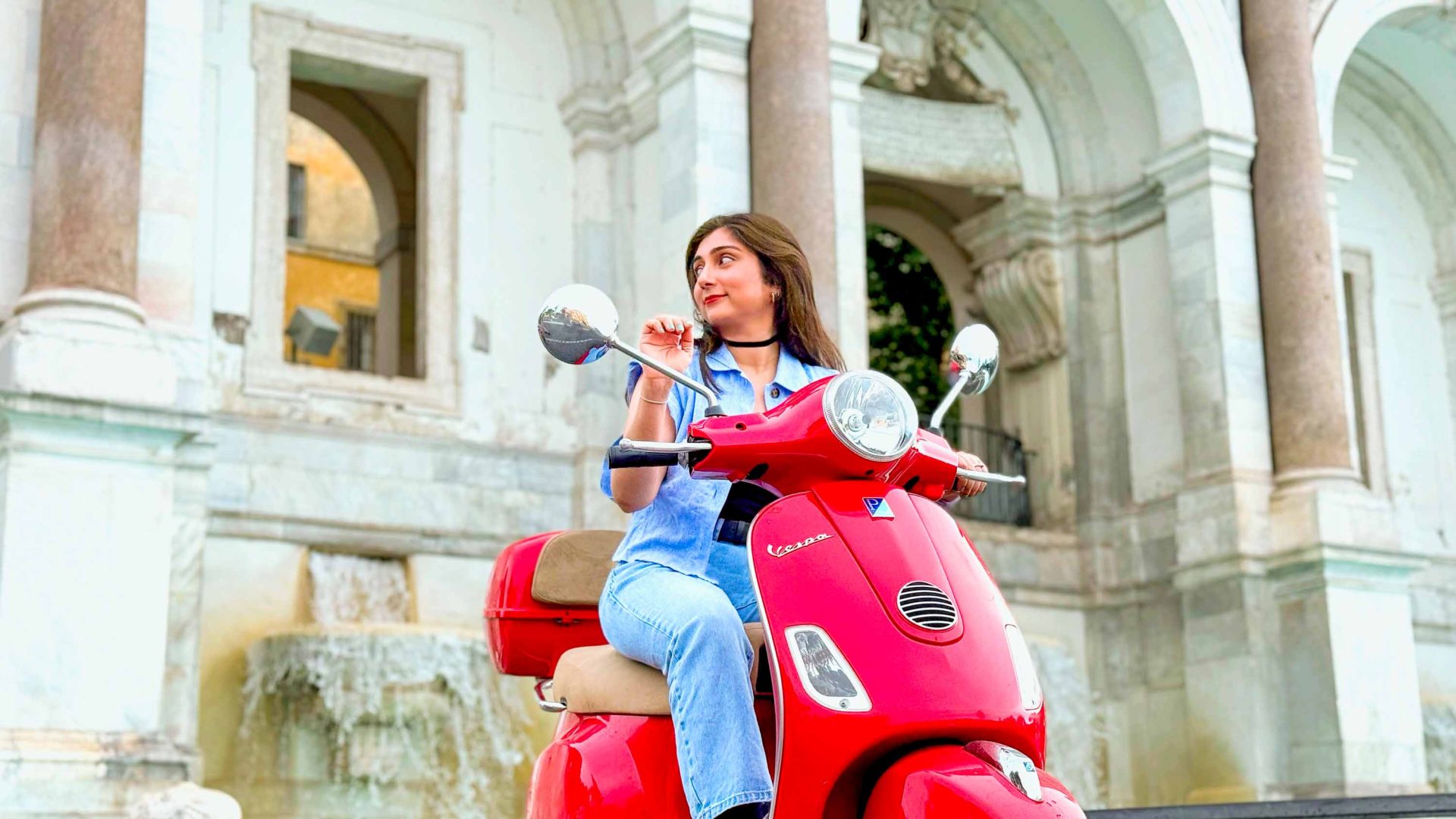
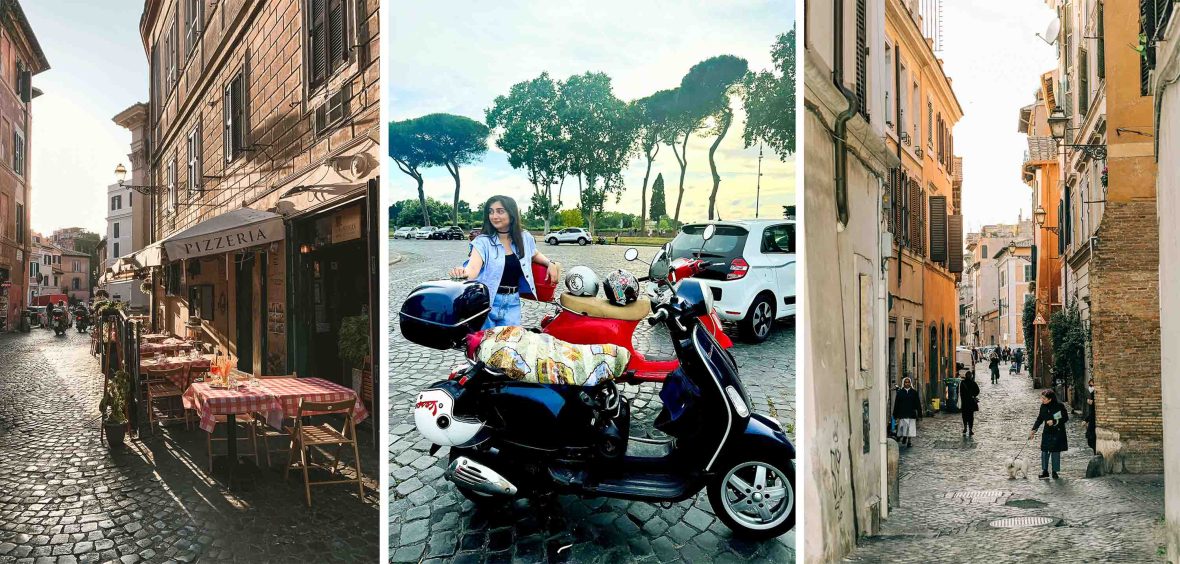
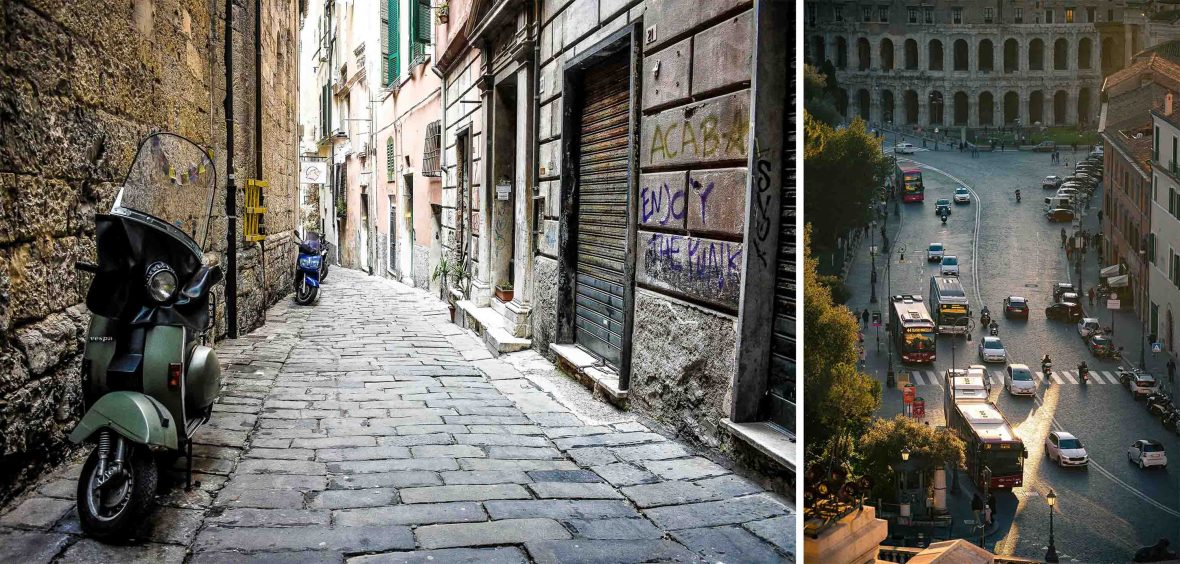
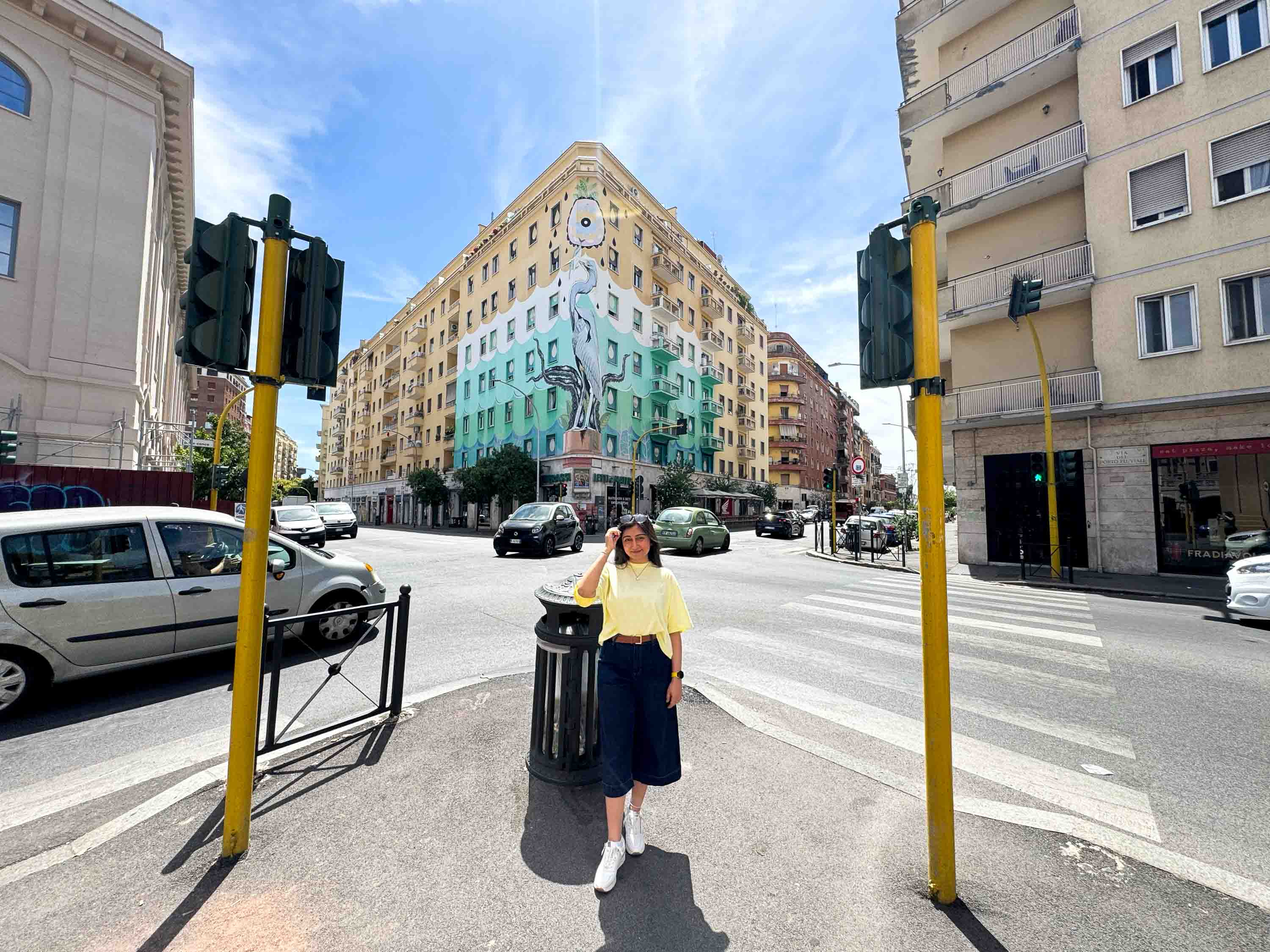
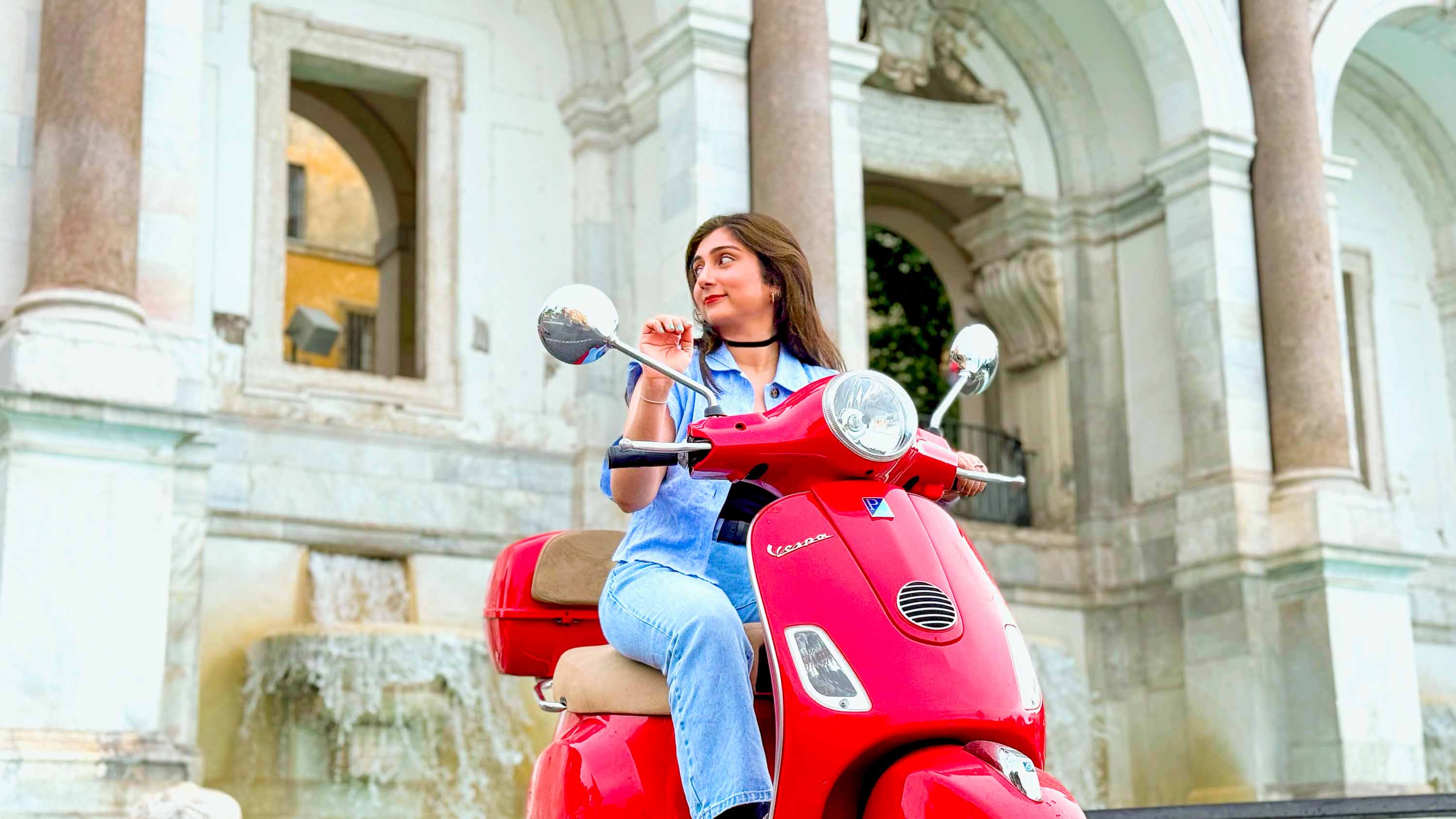
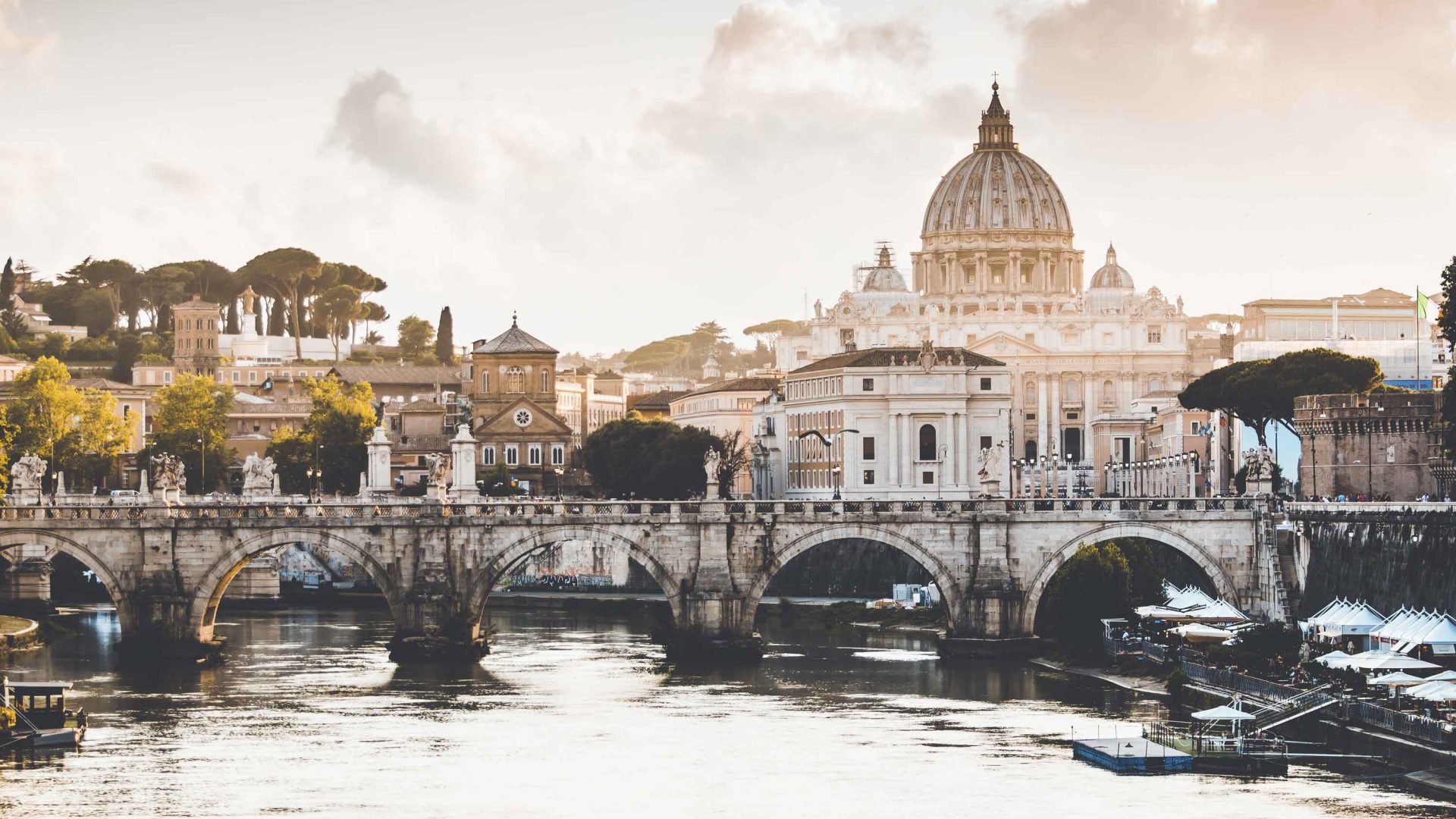
The smell of freshly cooked pizza fills the air as I whizz past trattorias scattered around Trastevere, Rome’s trendiest neighborhood, on my rented shiny red Vespa. It’s just before rush hour, but people are already spilling out onto the cobbled streets, Aperol Spritzes in hand, gathering outside courtyards and Trastevere’s iconic orange buildings as conversations drift through shuttered windows.
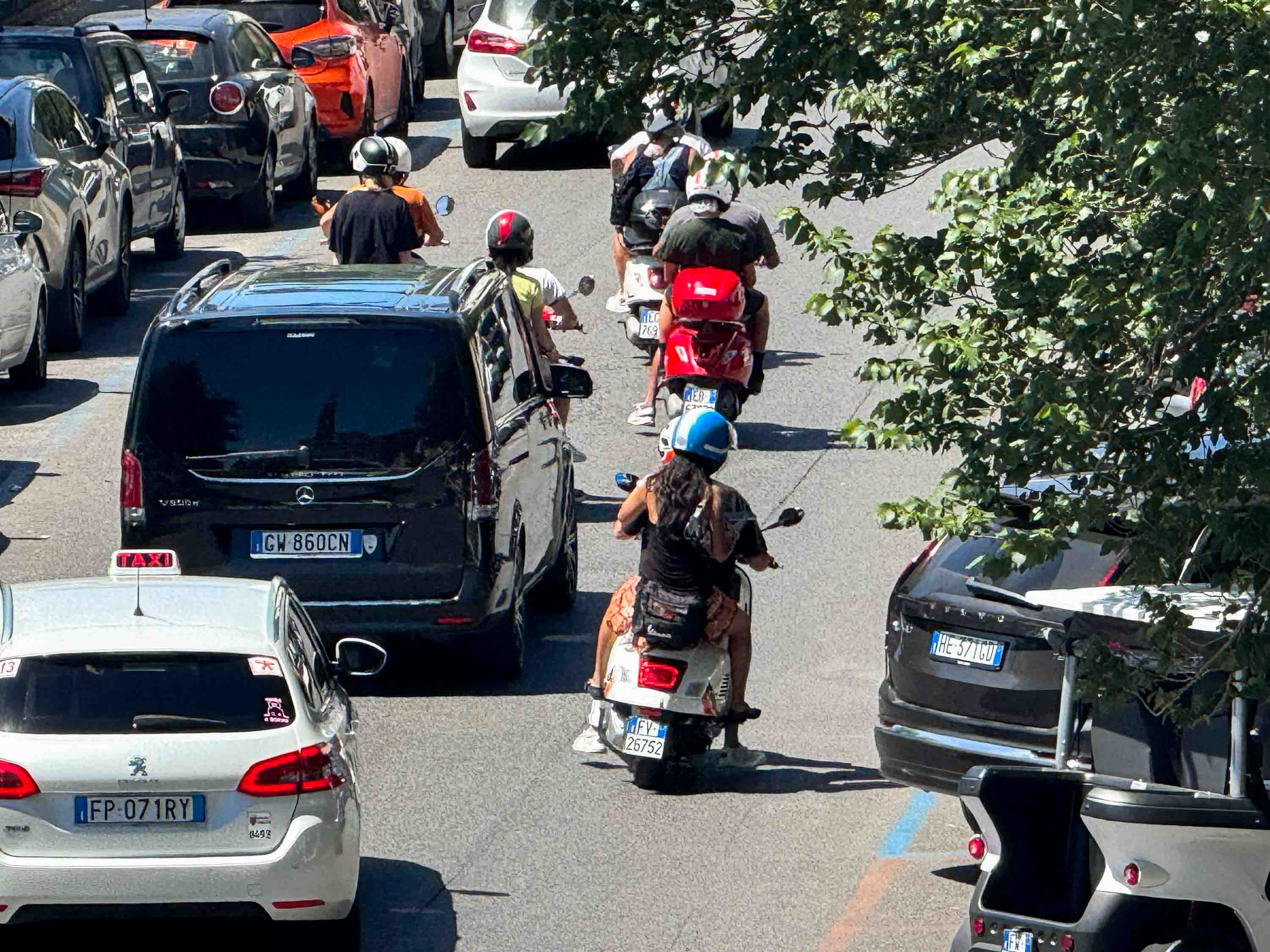
Trastevere can easily be dismissed as a tourist trap on the banks of the River Tiber. I was once guilty of making that assumption myself during an extended spell in the Italian capital in 2018. Back then, moving through the district felt like an elaborate game of chess—slipping past musicians serenading tourists, dodging Vespas and bracing myself against the relentless noise of traffic.
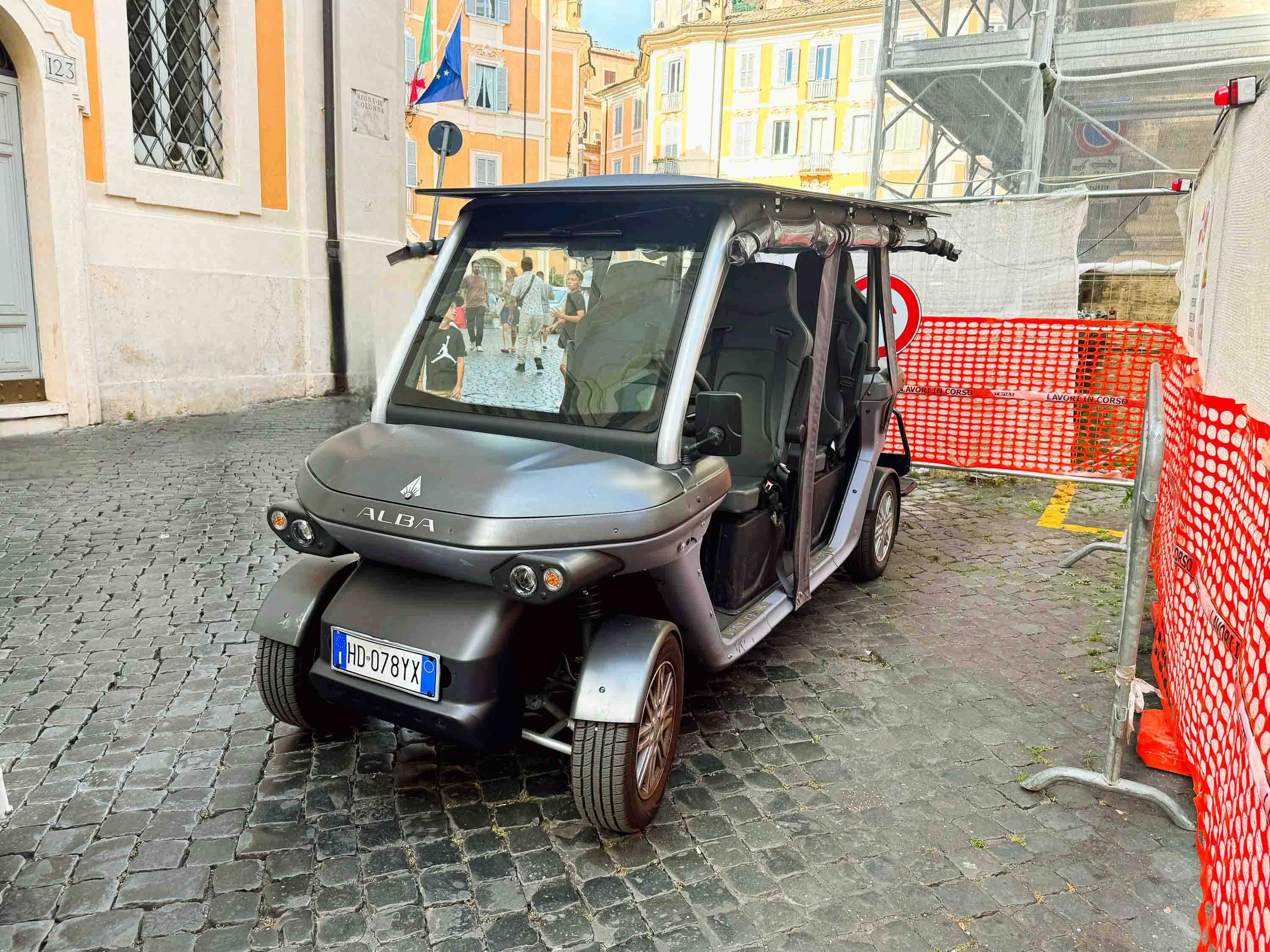
This time, while the serenading continues, the noise and traffic is noticeably reduced. And that’s why I’ve come to Rome—to see why air pollution in the capital has decreased, and how the country’s beloved Vespa is playing its part, ahead of the iconic scooter’s 80th anniversary.