British television in the ‘80s and ‘90s was a different type of beast. We only had four channels, until 1997 when Channel 5 joined the gang, which meant everyone watched a lot of the same stuff. Unmistakable sounds defined ‘the telly’ in a far more universal and cohesive way than now: The Dallas theme tune, the Only Fools and Horses song, the Milky Bar Kid jingle, the voice of John Motson doing the football commentary.
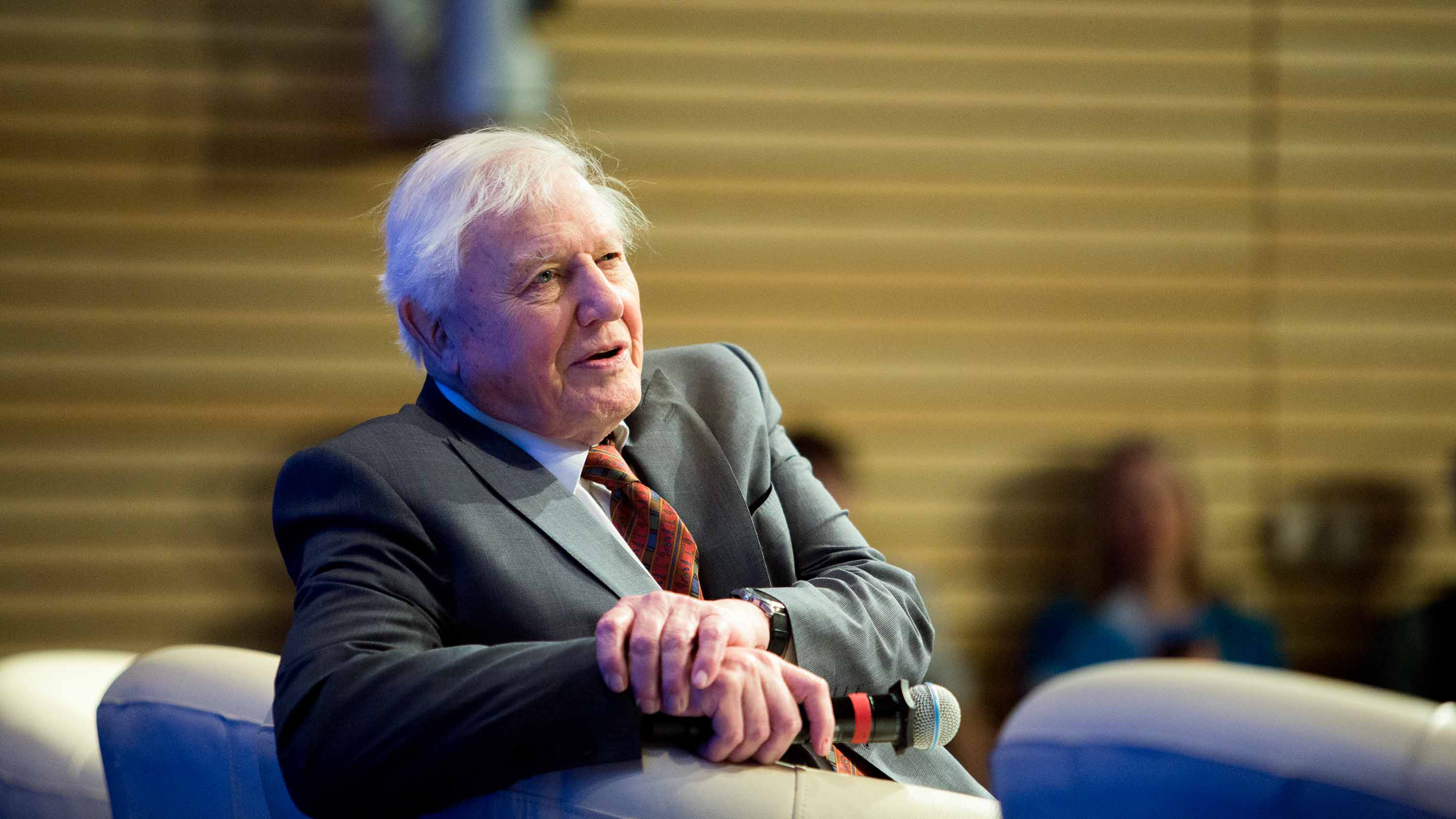
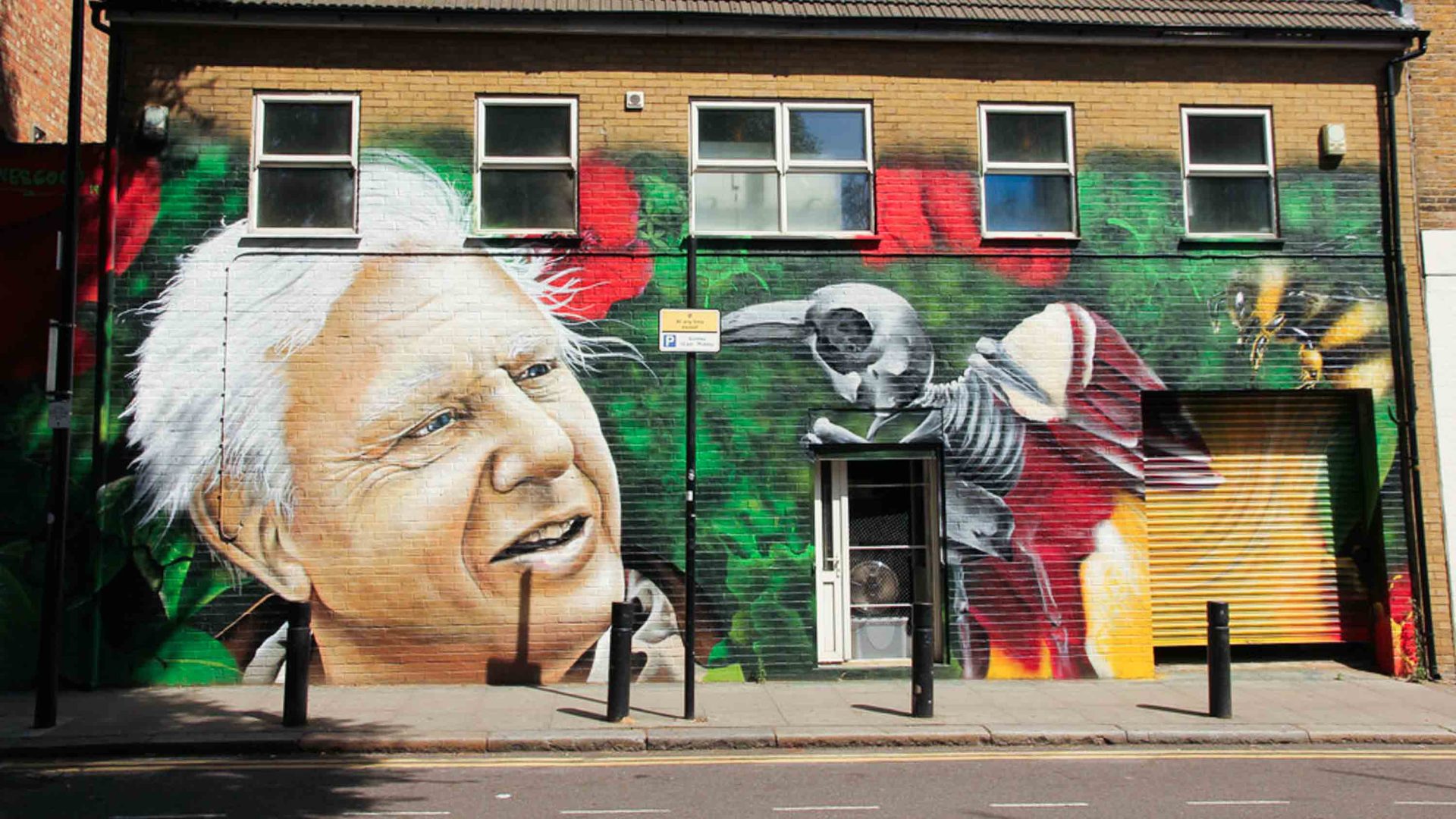
But one sound has gone the distance: The serious yet soothing, calming yet wondrous, voice of Sir David Attenborough. I can still hear his smart, often amusing, softly whispered observations—about a rare plant or a creature I’d never heard of—wafting around our living room in an east London suburb on a Sunday eve. It’s one thing to be passionate and an expert in your field; to be able to communicate that knowledge across multiple generations over multiple decades is next-level.
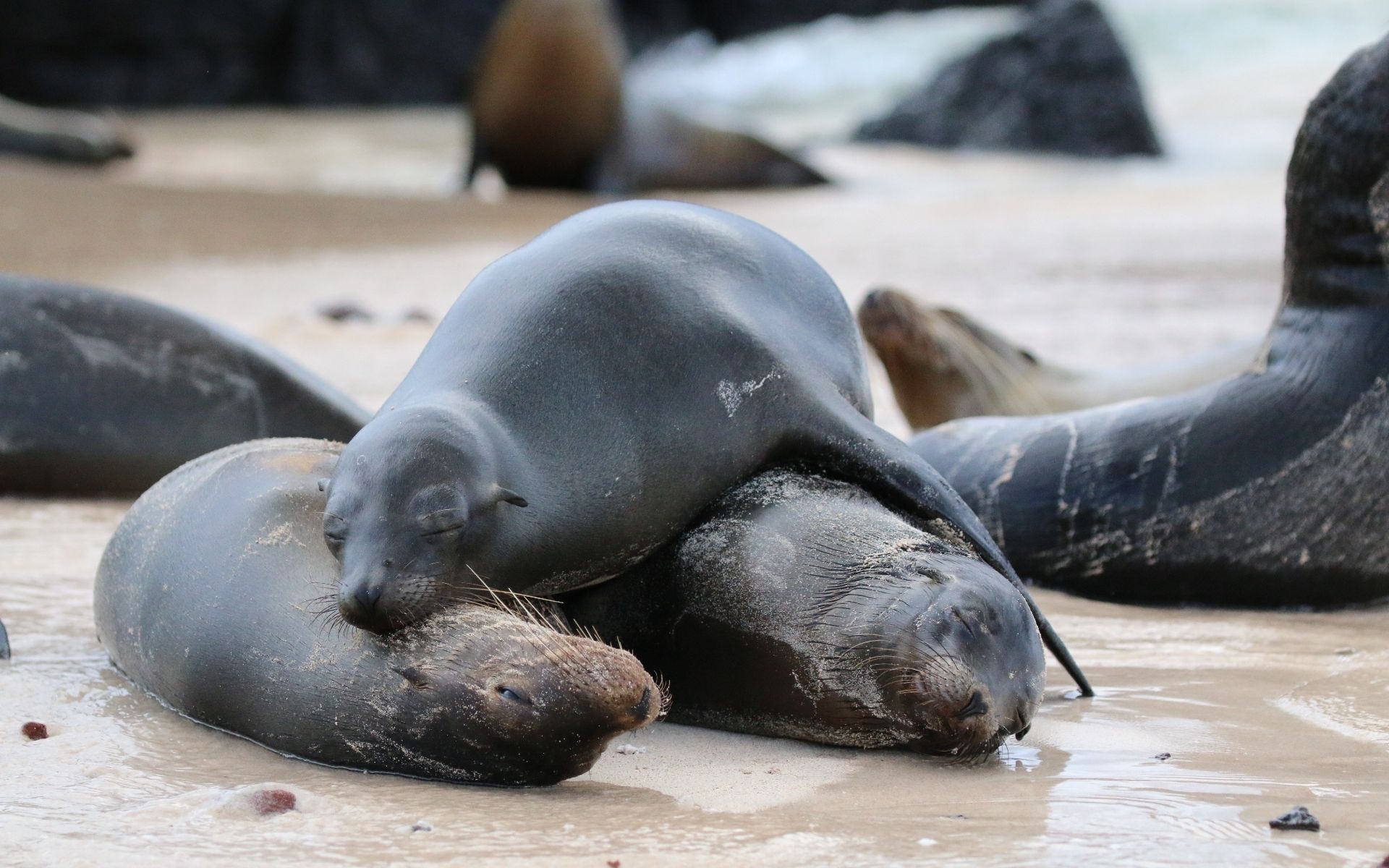
Like many of my peers back then, I hadn’t traveled overseas much as a child, but these BBC Natural History Unit wildlife programs transported us around the world. The first series I remember is The Living Planet, when I was around eight, enthralled by the Himalayas, the Sahara desert, the Amazon. In later years, as a teenager, I recall the adorable penguins and seals filmed in Life in the Freezer which explored the remote reaches of Antarctica—aged 17, facing exams and teenage angst, that’s probably where I wanted to be too.
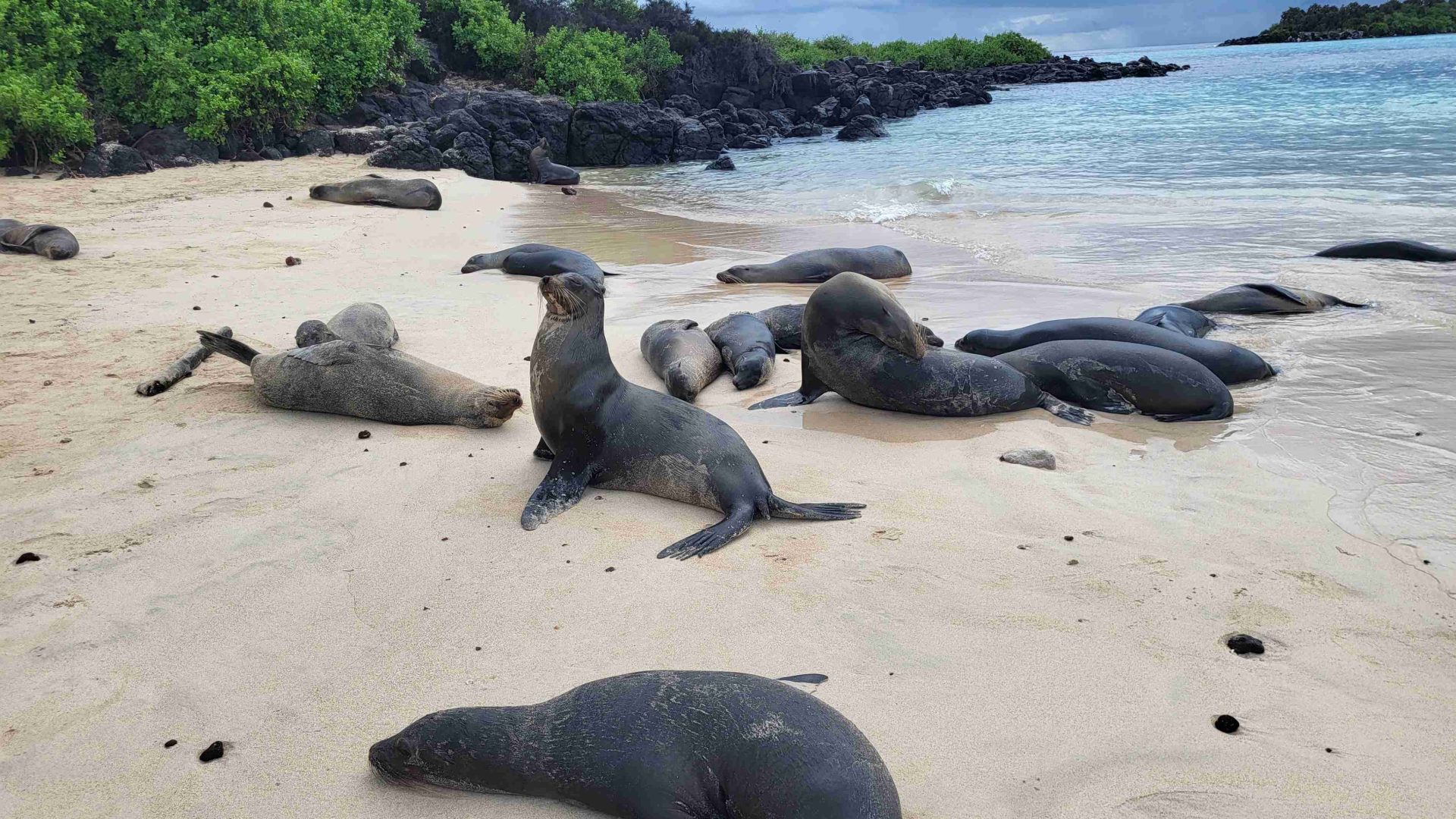
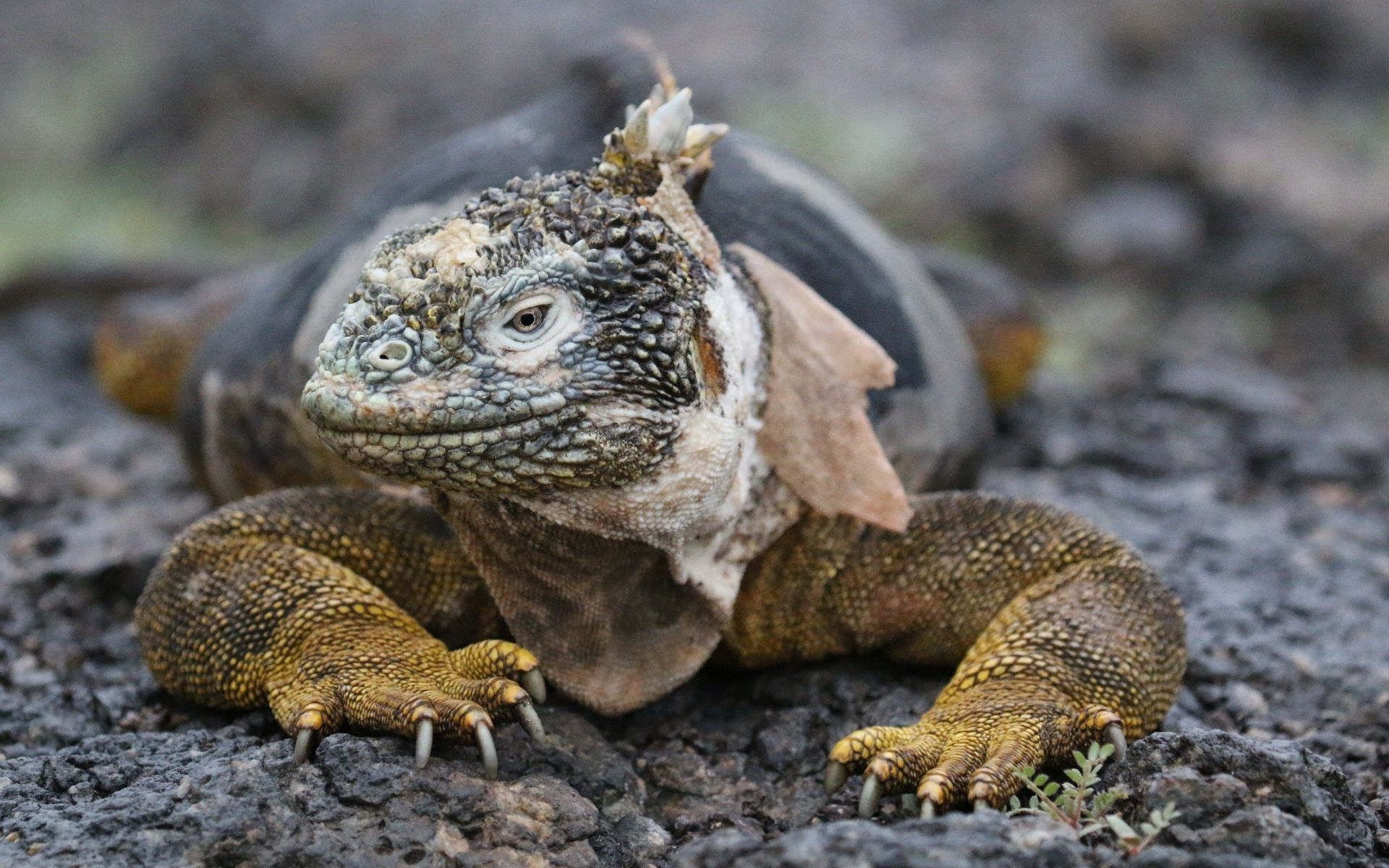
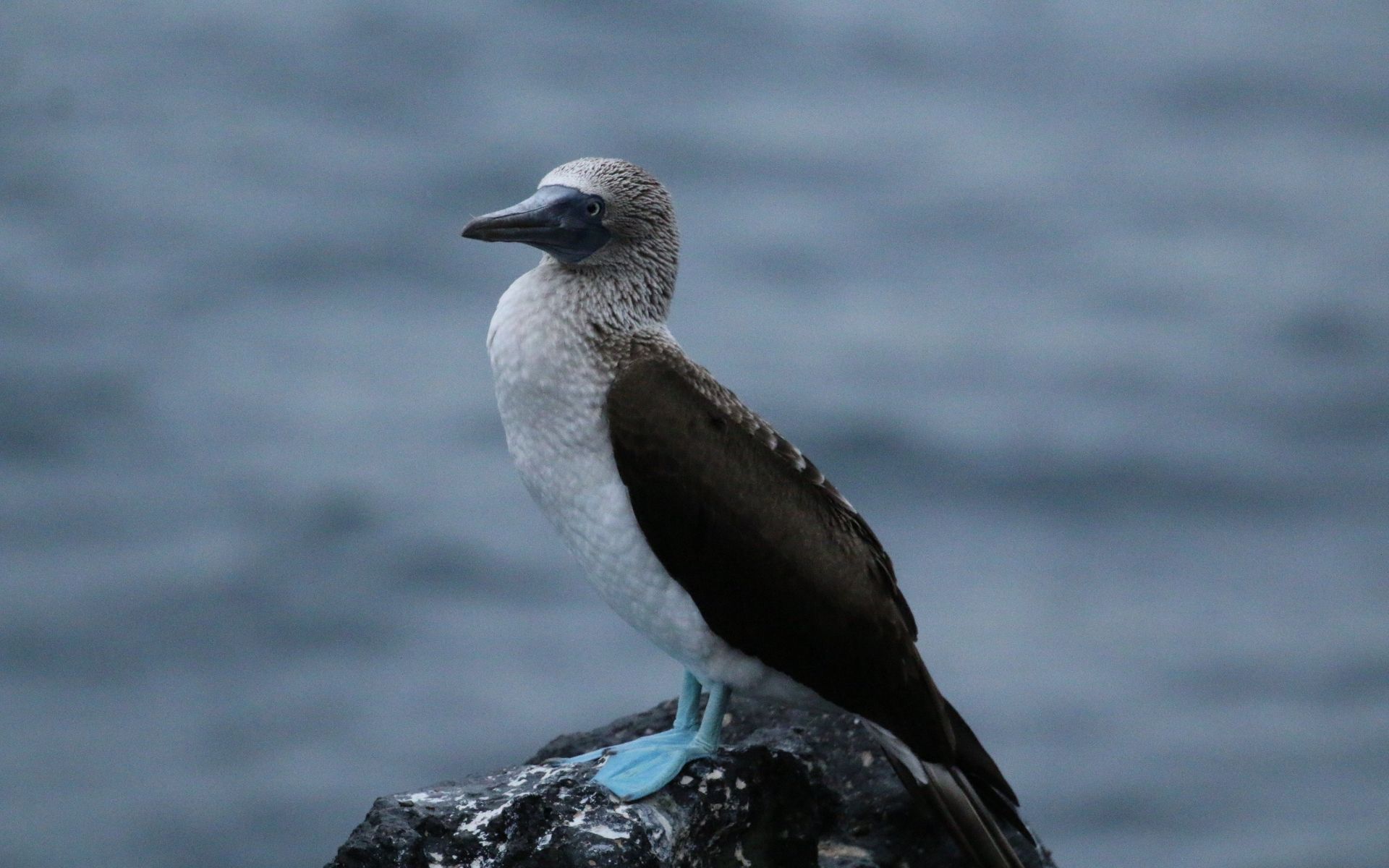
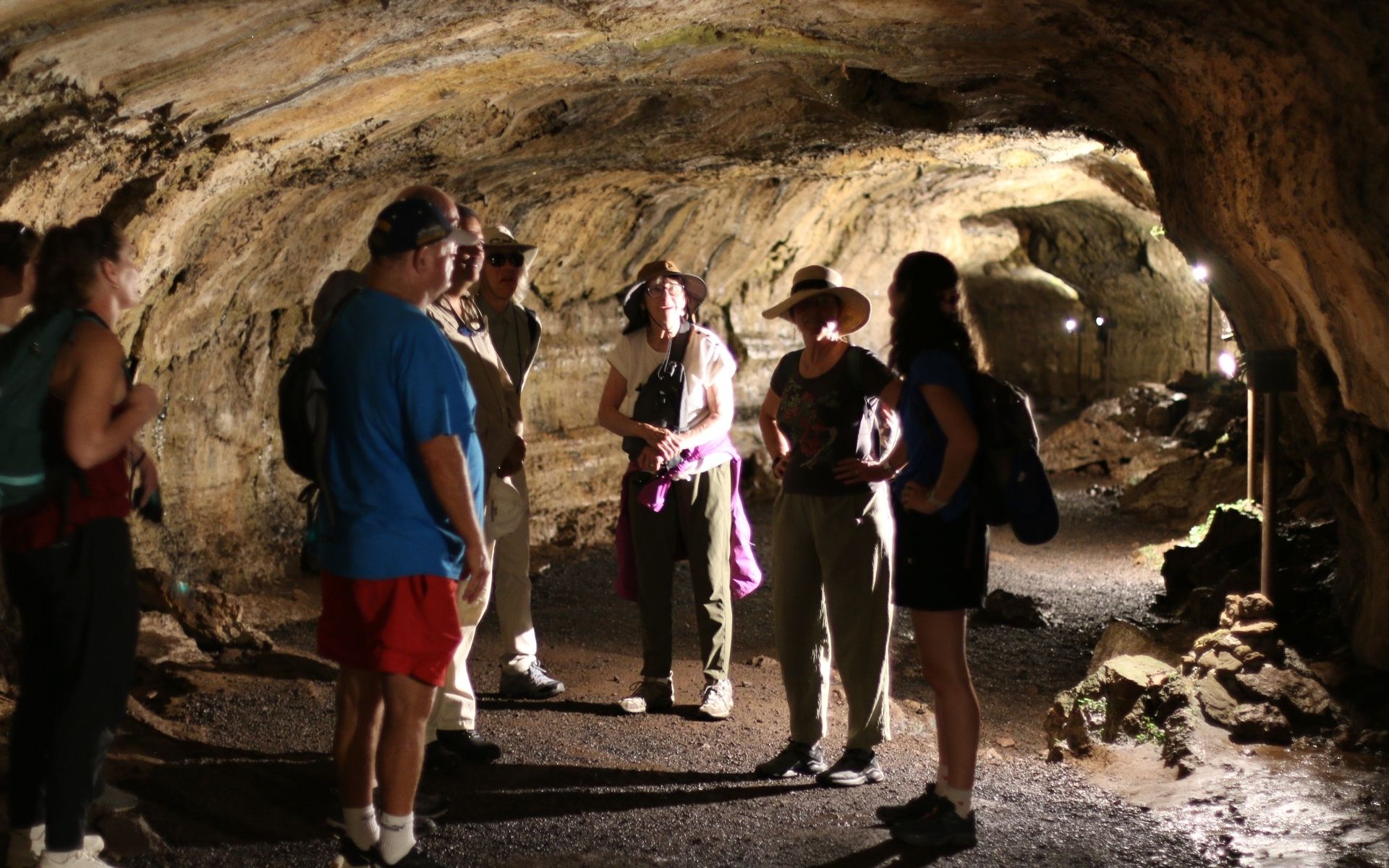
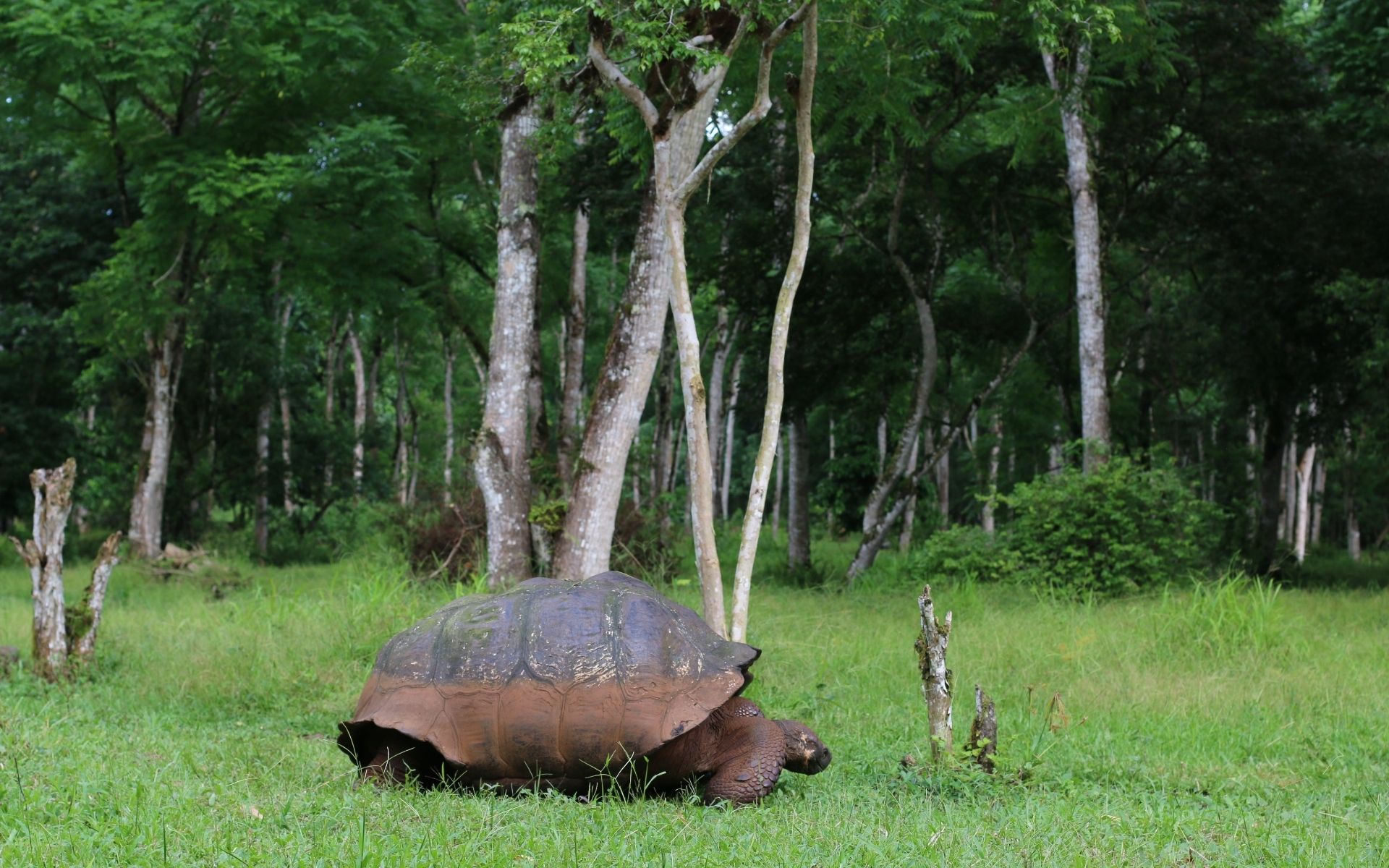
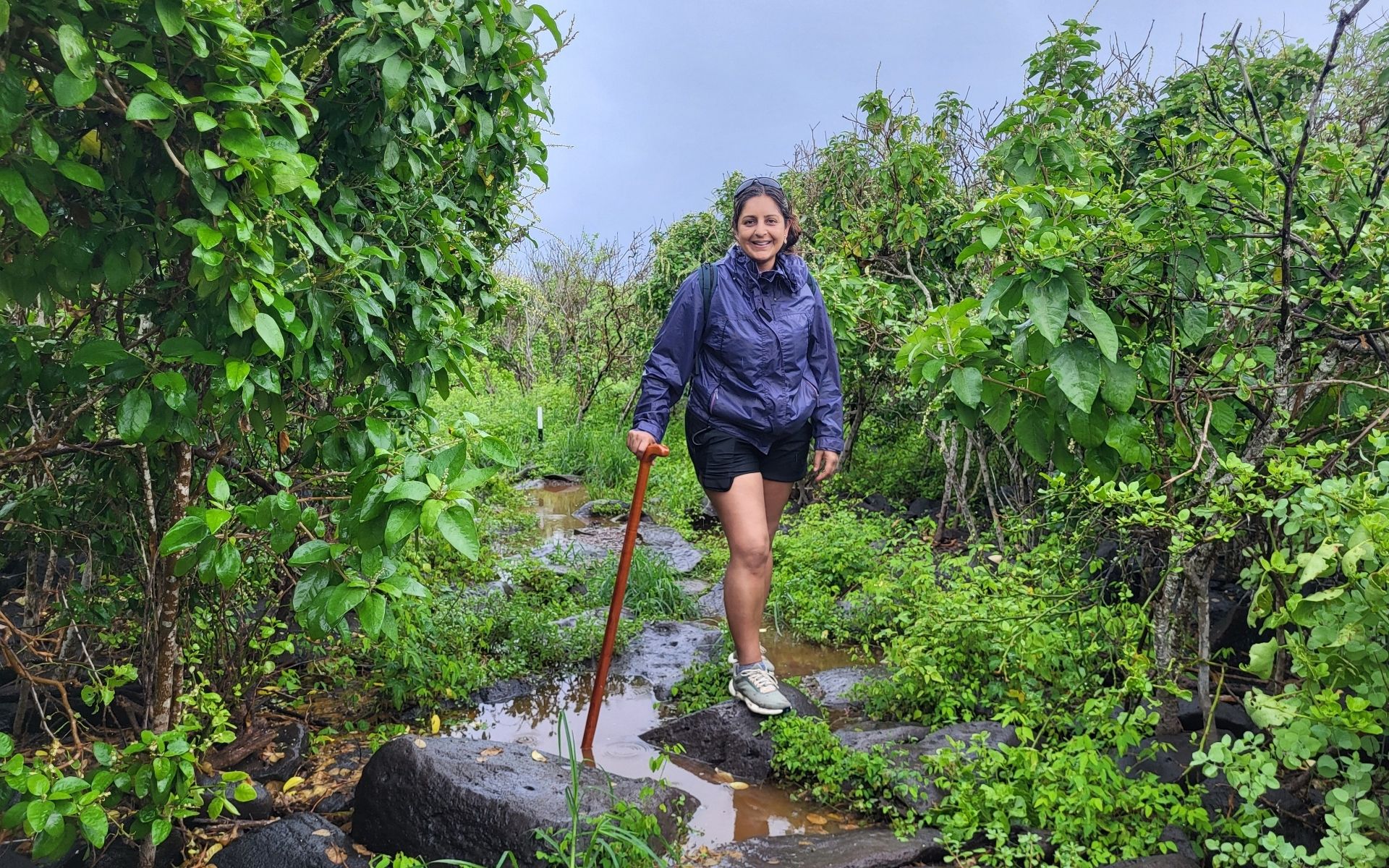
We learnt so much through Sir David’s documentaries, perhaps more than we realized, and above all, how we are part of this natural world; it’s not ‘over there’. While I’ve not made it to Antarctica, a recent trip to the Galápagos Islands, 600 miles (1,000 kilometers) off mainland Ecuador, that turned out to be the most transformative nature experience I’ve had, has really put this into perspective.