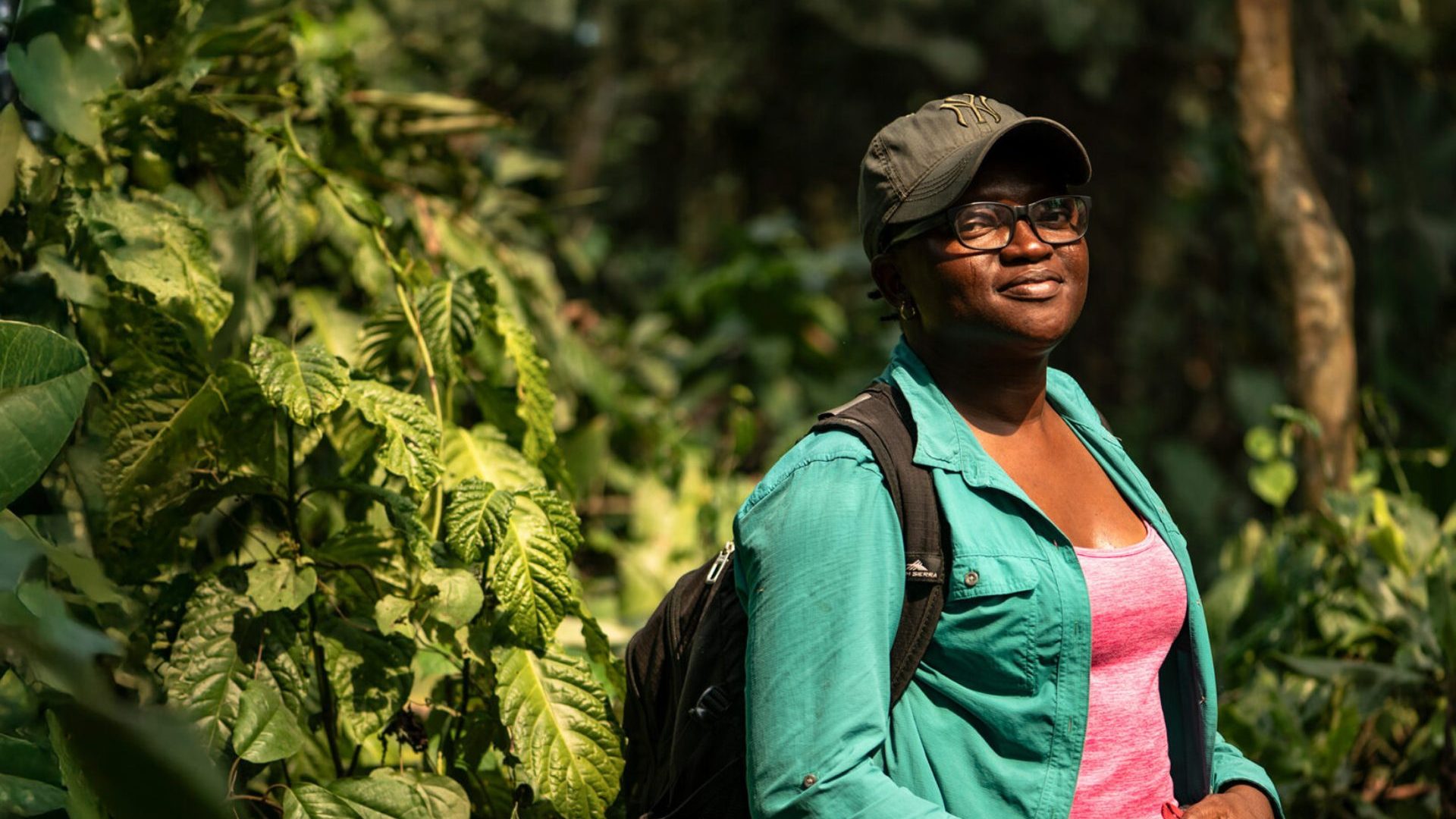
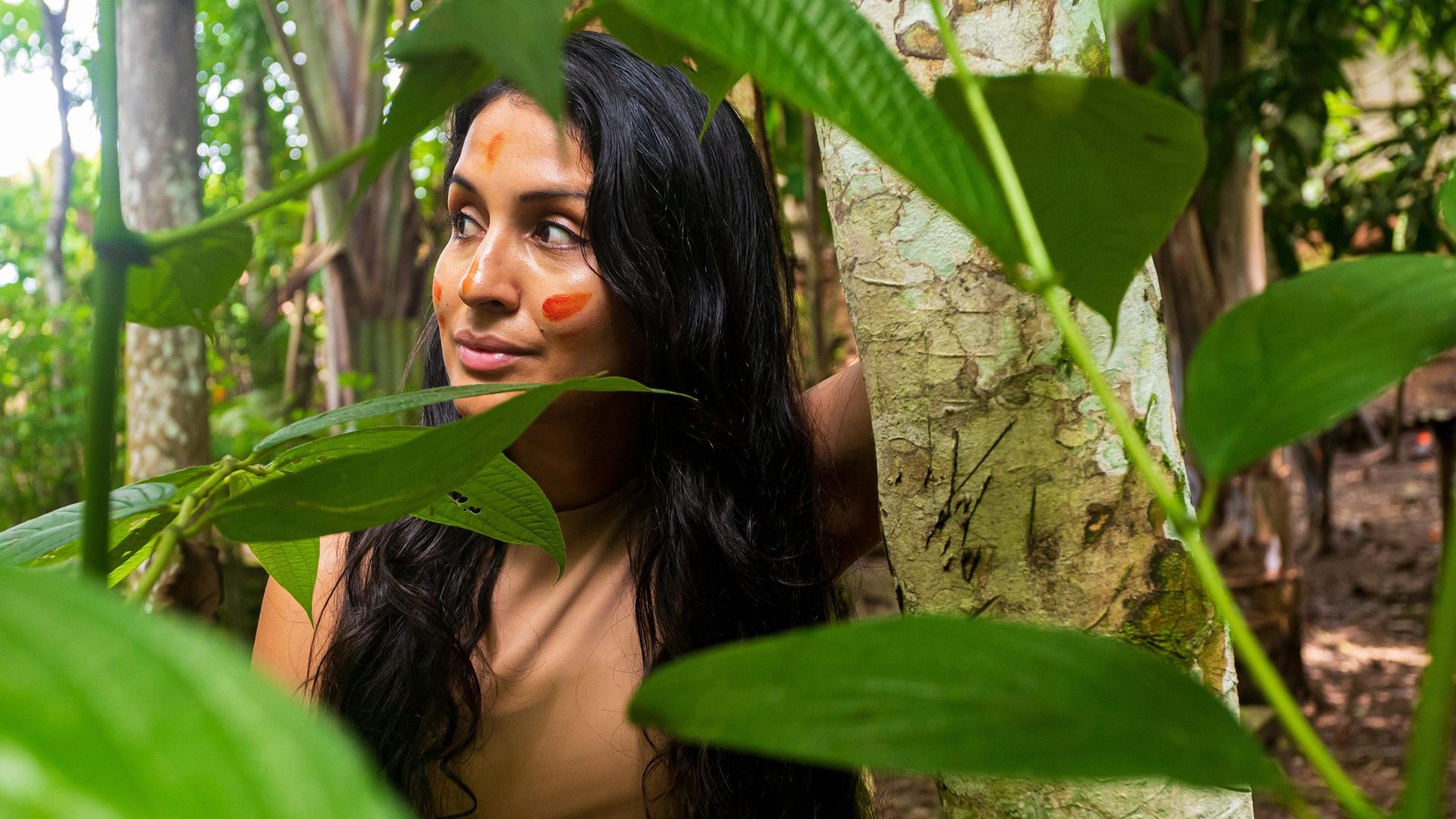
Even in the face of physical threats, this young activist prevented fracking from being introduced to Colombia.
In 2018, oil from Ecopetrol’s Lizama Oil field spilled into the tributaries of Colombia’s Magdalena River killing animals, causing huge fish die-offs and forcing local families to relocate. Yuvelis Morales Blanco, 24, was in college at the time studying environmental engineering. This spill, close to her family home in Puerto Wilches, was her call to climate action.
Why? Because the Magdalena River is one of Colombia’s major lifelines. It’s exceptionally biodiverse—home to a multitude of habitats and ecosystems—and it’s important to local livelihoods. “That river is life. It’s what sustains me and my family, and our fishing community,” said Blanco in a video statement. “When there’s a spill, there’s no containment, no effective plan for mitigation. And every time there’s a spill, we lose simply everything.”
Blanco threw herself into campaigning against fracking along the Magdalena River, mobilizing a youth movement and speaking at rallies. In 2022, she faced physical threats against her life and had to seek asylum. France accepted her request and recognized her with the Marianne Initiative for Human Rights Defenders Award.
While abroad, she continued the fight, and soon Ecopetrol was made to suspend its contracts for pilot fracking projects. Soon after the suspension, new Colombian President Gustavo Petro announced that no fracking projects would take place during his term in office (2022-2026). In 2024, the Colombian Constitutional Court ruled that the fracking projects violated the right of the Puerto Wilches community to free, prior and informed consent.
“They didn’t consult us or tell us anything. Ecopetrol ignores the presence of Black and Afro-Colombian communities in this region,” said Blanco. As of today, no fracking projects have advanced in Puerto Wilches, but Blanco is working to make certain that it never happens—anywhere in Colombia.
“I am very hopeful, as I have a river that always accompanies me. And I know we’re going to win.”