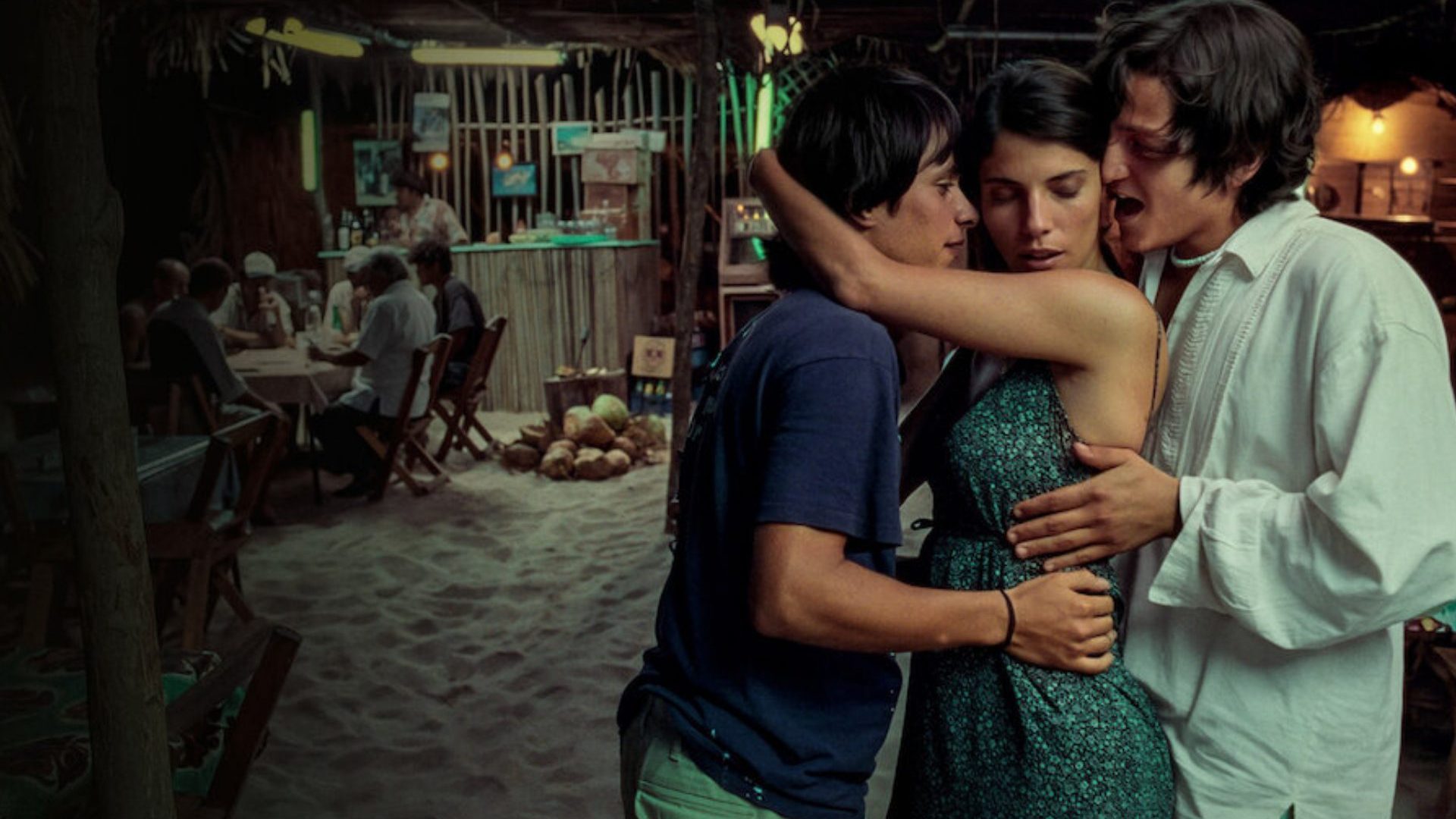
Alfonso Cuarón’s critically acclaimed Y Tu Mamá También (2001) hit the screen 25 years ago. Editor Tayla Gentle sits down for a rewatch and reflects on her own teenage road trip through Mexico. No spoilers ahead, you’re welcome.
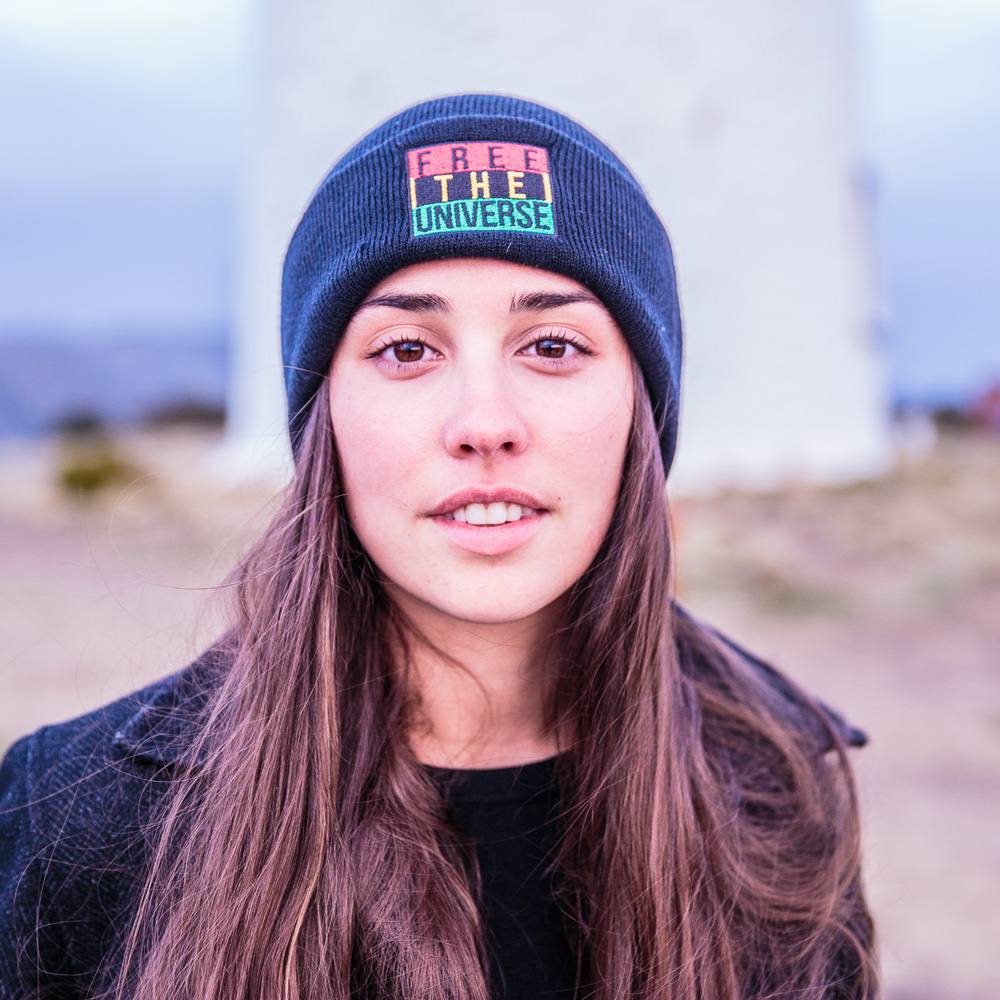

Alfonso Cuarón’s critically acclaimed Y Tu Mamá También (2001) hit the screen 25 years ago. Editor Tayla Gentle sits down for a rewatch and reflects on her own teenage road trip through Mexico. No spoilers ahead, you’re welcome.
It was 2009 and the peak of the global economic crisis, the US had just voted in Obama, and I was sitting knees-to-chin on the cab roof of a colectivo truck as it whipped down a dirt road in Oaxaca. It was my first trip outside Australia, my first taste of independence and, perhaps most formatively, my first time watching Alfonso Cuarón’s Y Tu Mamá También.
I realize now that it was exceptionally meta to take a teenage coming-of-age road trip through Mexico, while watching a film about two teenagers (played by Gael García Bernal and Diego Luna) taking a coming-of-age road trip through Mexico.
Whether life imitates art, I don’t know. All I do know is that after watching Y Tu Mamá También I almost drowned while night swimming with a Frenchman who looked a lot like Bernal (hot), and on returning to Melbourne, I enrolled in a cinema studies major and wrote a thesis on the Mexican road film genre (niche). Oh, and then I became a travel journalist.
So, I’d say the film had a profound impact on my pre-frontal lobe decision-making.
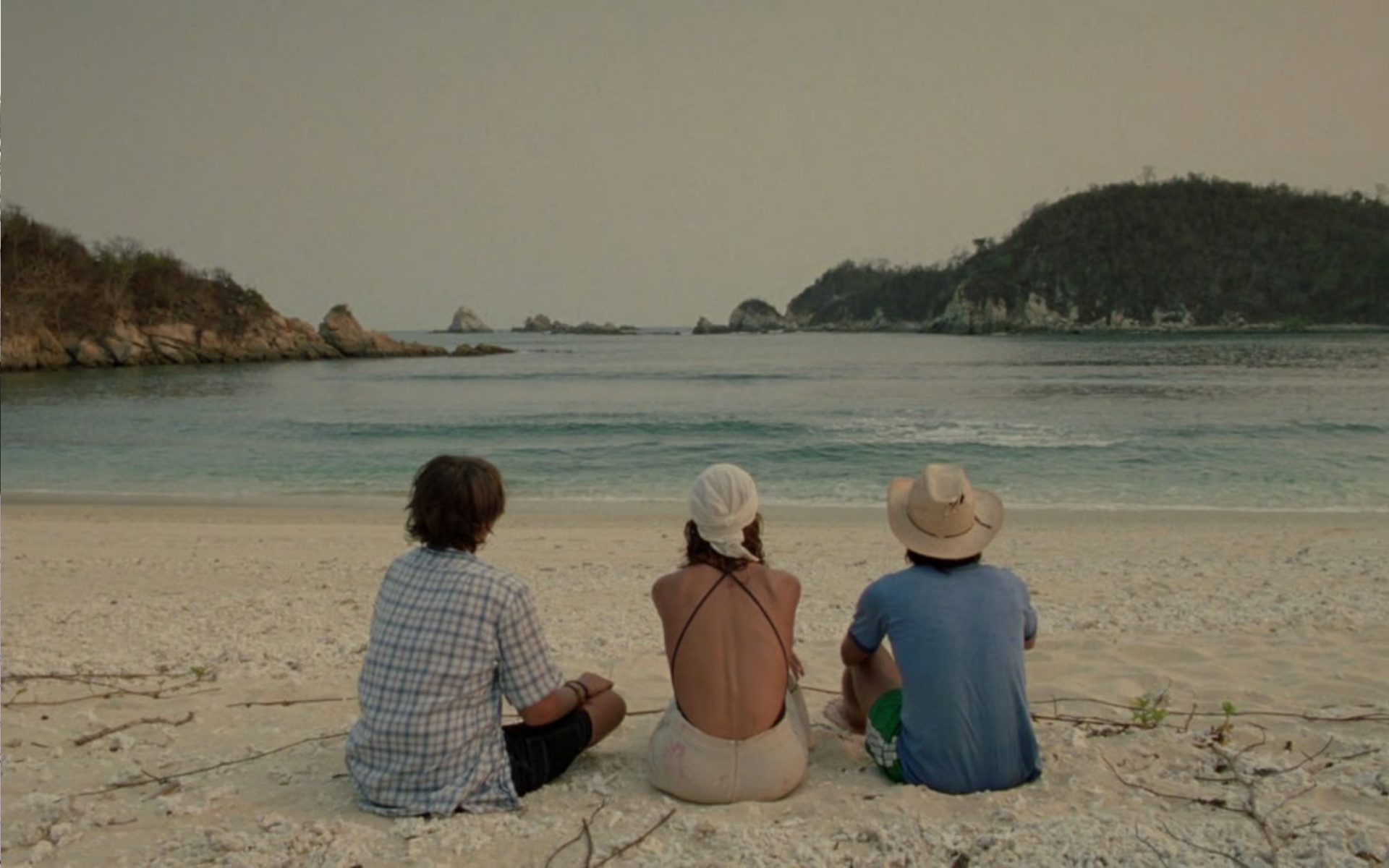
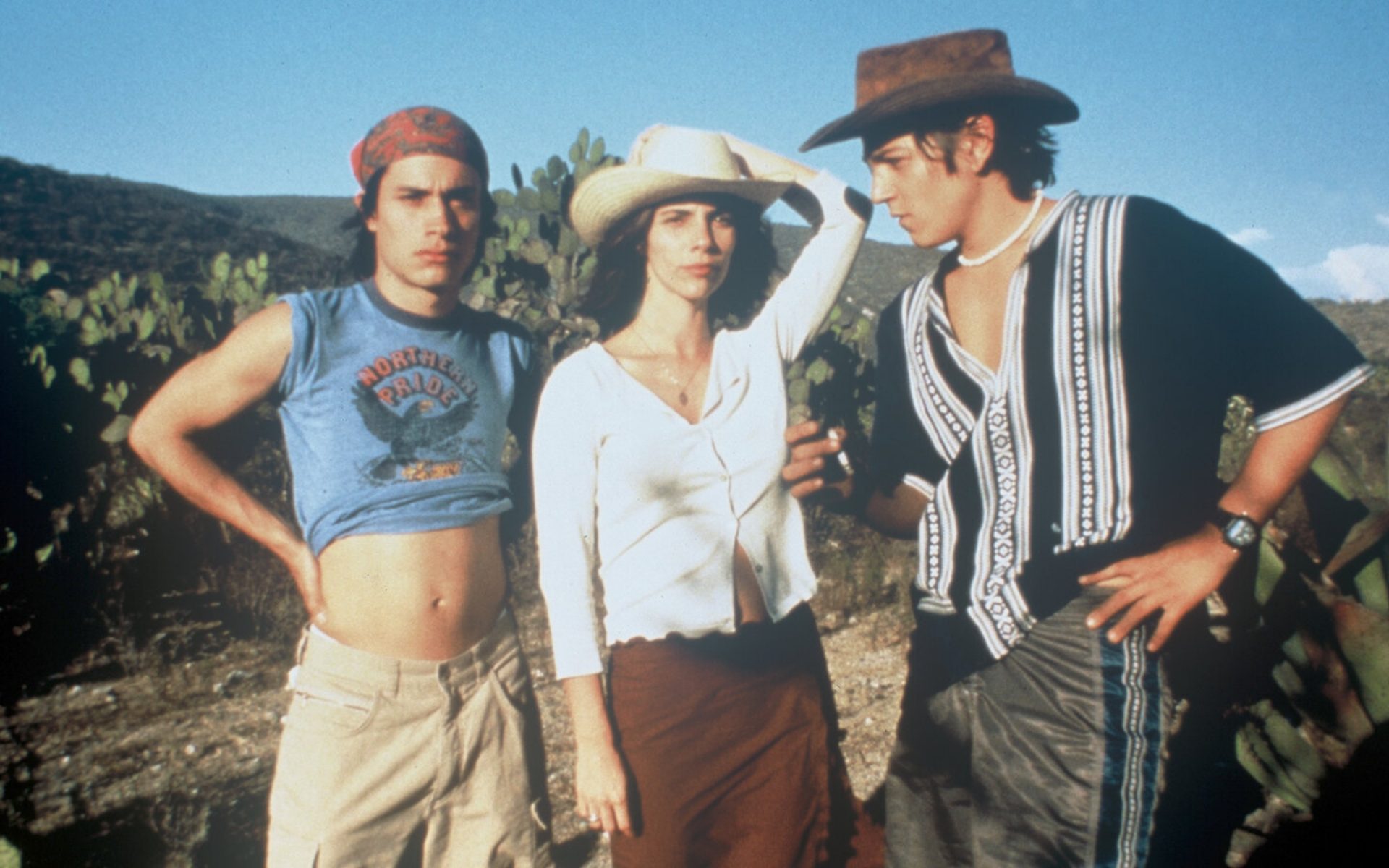
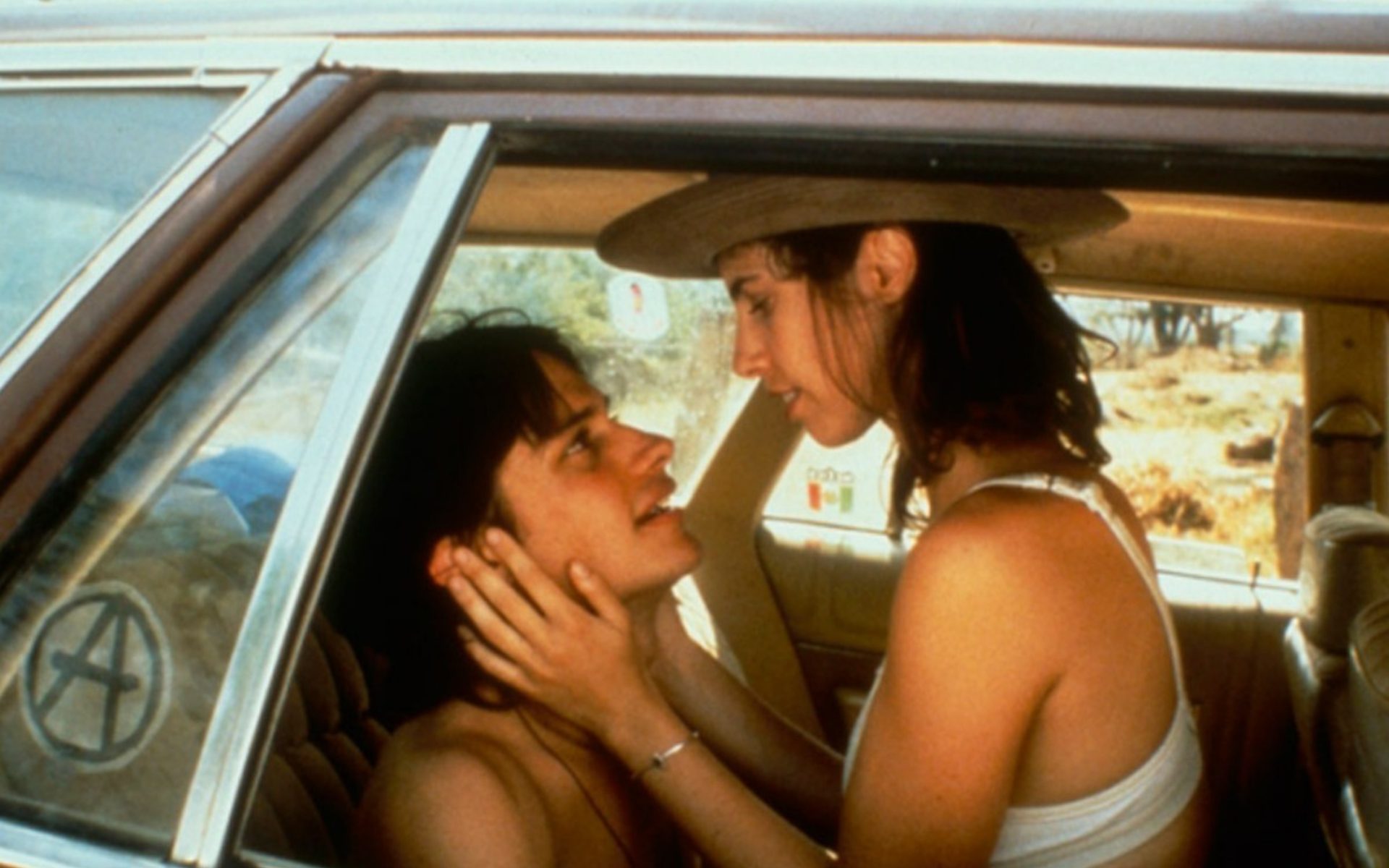
I decided to rewatch Y Tu Mamá También this week, 25 years after its first release, and was once again floored by its genius. The film packs universal coming-of-age themes—sex, identity, expectation—into a quintessential road film, and then steeps it all in political commentary and cultural insight. It’s a film that, on one hand, speaks primarily to a Mexican audience (quite literally—the film uses the local Chilango dialect), and on the other, resonates with people from all corners.
Cuarón’s script, written with his brother Carlos and loosely based on their own adolescence in Mexico City, manages to portray both a geopolitical snapshot of Mexico—the film is set in 1999 just before the fall of a seven-decade ruling party—and the confusing, bittersweet feeling of youth ending and ‘real’ life beginning.
But what surprised me most on this recent rewatch? The travel storytelling lessons hidden within its 105-minute run time.
Context in travel journalism—whether it’s political, historical or cultural—is key to truthfulness and an equitable representation of people and place.
On my first trip to Mexico, I had no idea that the guys who taught me to smoke weed out of a glass pipe in San Cristobal de las Casas were also likely handing in empty voting ballots in protest of political corruption as part of the ‘Voto en Blanco’ movement. I also didn’t understand that the Canadian who ‘owned’ a coastal café and was really into group sex had a hand in the evolving tourism and gentrification puzzle sidelining locals. Yet now, as a travel editor, one of my most common requests of writers is that they include more context in their stories.
Y Tu Mamá También follows Julio (Gael García Bernal) and Tenoch (Diego Luna) as they travel across Oaxaca with an older Spanish woman Luisa (Maribel Verdú) in search of ‘Boca del Cielo’ (Heaven’s Mouth), a mythical beach. While the characters navigate long-distance relationships, breakdowns (both emotional and vehicular) and campsite-crashing pigs, the camera has a habit of wandering away from the protagonists to show us the local surroundings.
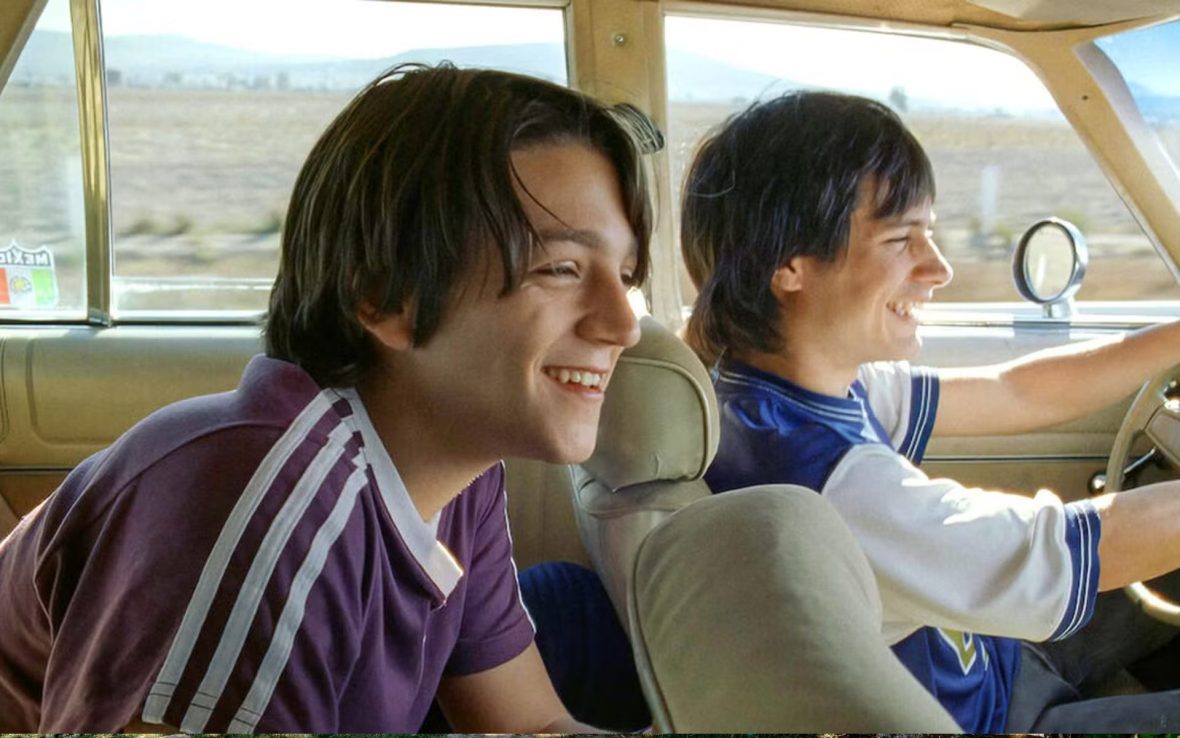
This wandering eye is paired with a muting of the film’s diegetic sound and an omniscient narrator who annotates the scenes. These narrated fragments offer brief, but important, snippets of socioeconomic and cultural context, ranging from the snacks cooked at roadside stalls to police traffic blocks and small village traditions.
Without this context, we’d not understand the way Julio and Tenoch’s class differences underlie their friendship, or how the fragile and performative Mexican machismo (hypermasculinity) impacts the boys’ sexual identities. Context helps the viewer better understand Mexico’s sprawling living landscape. And context in travel journalism—whether it’s political, historical or cultural—is key to truthfulness and an equitable representation of people and place.
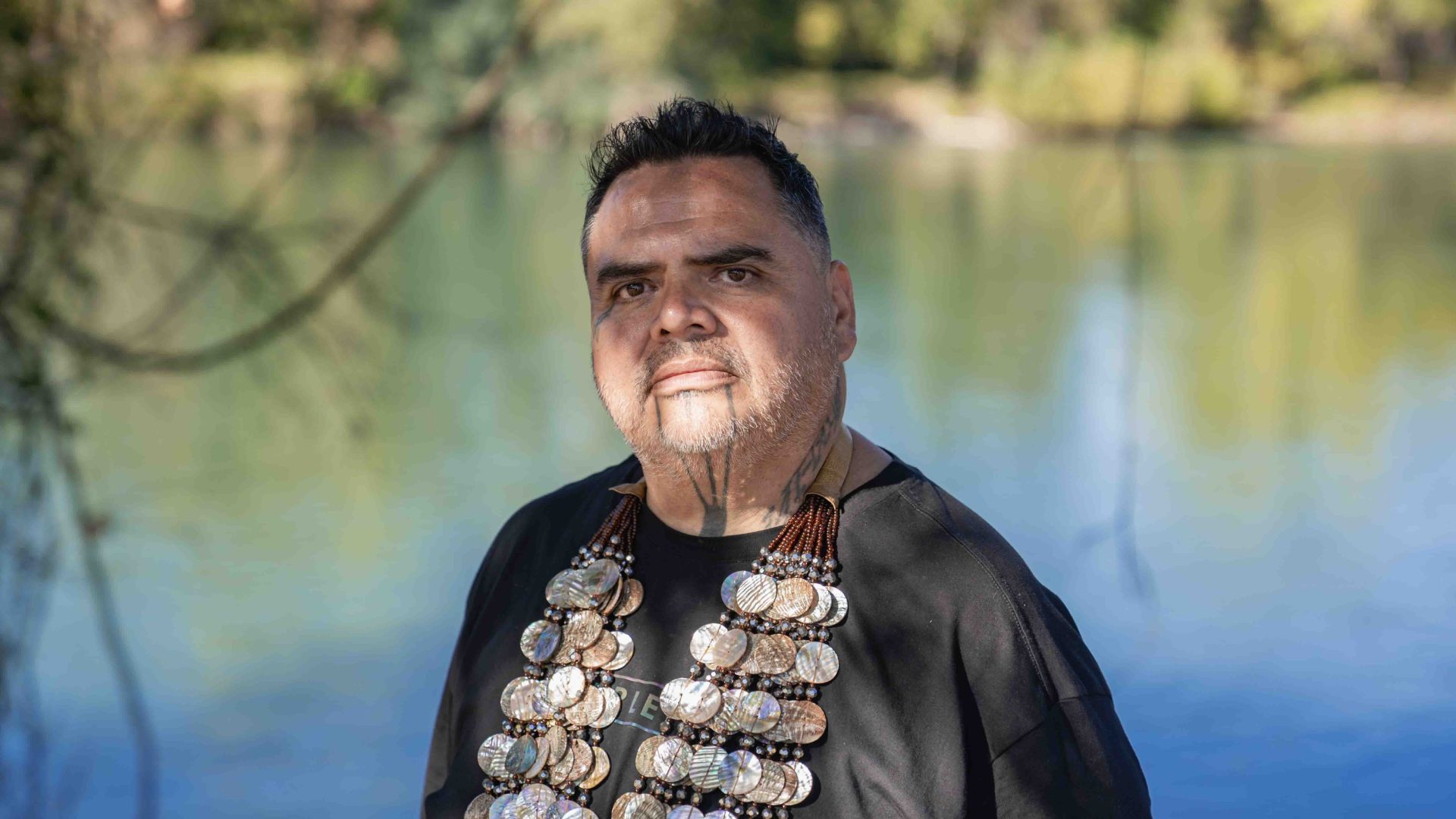
Having made their way to the Oaxaca coast from Mexico City, the trio meet Chuy, a fourth-generation fisherman and tour guide. He’s exactly the kind of local character you meet on the road—the guide that always finds you, not the other way around—and whose homegrown intel unlocks a new level of discovery.
Chuy’s first appearance, waving from a small boat on the horizon, feels destined. As viewers, we breathe a collective sigh of relief that Chuy has arrived to save the day. Alongside his wife and two children, Chuy boats Julio, Tenoch and Luisa between bays, plays fútbol on the beach, and offers them a night’s stay at a low-key beach shack.
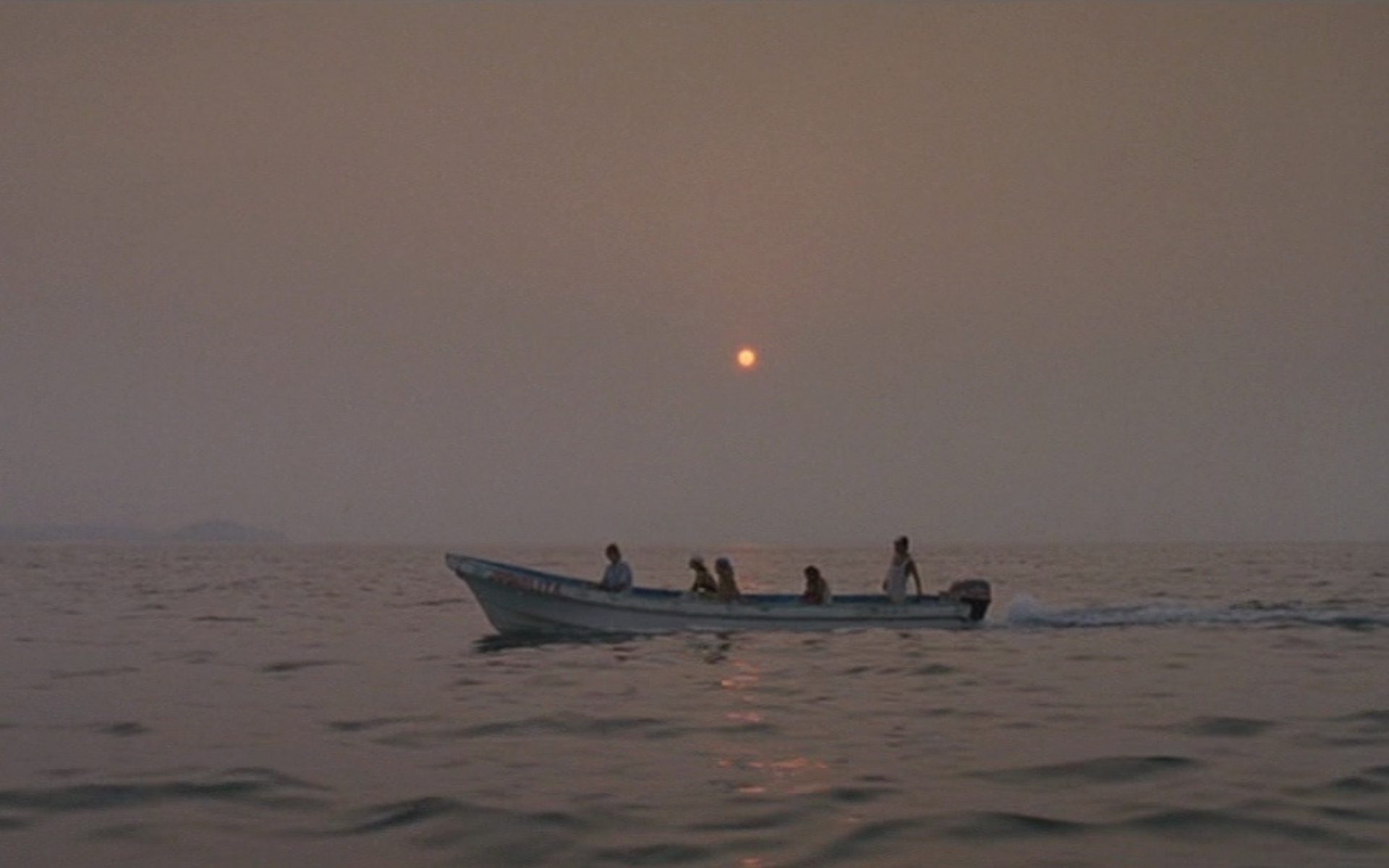
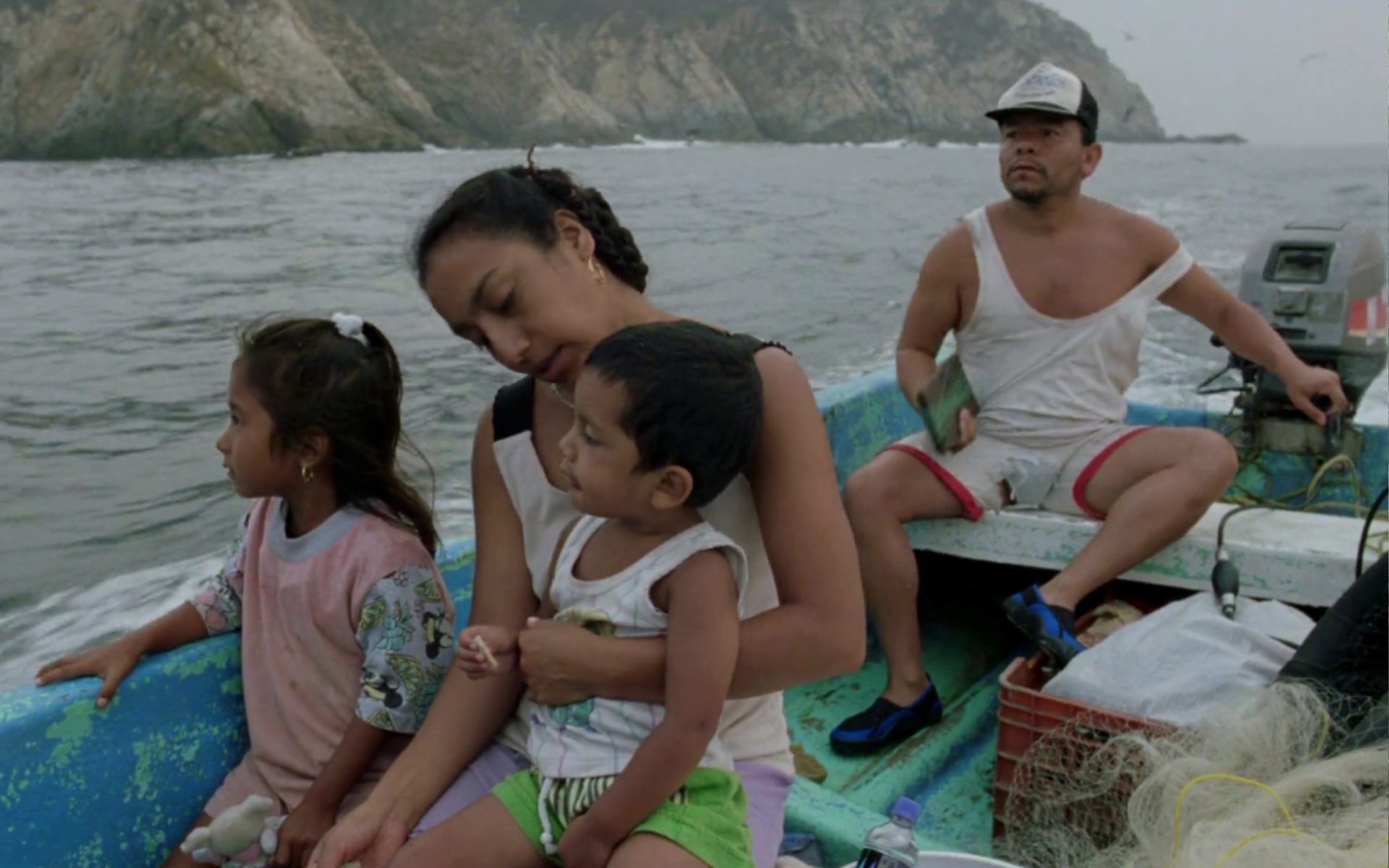
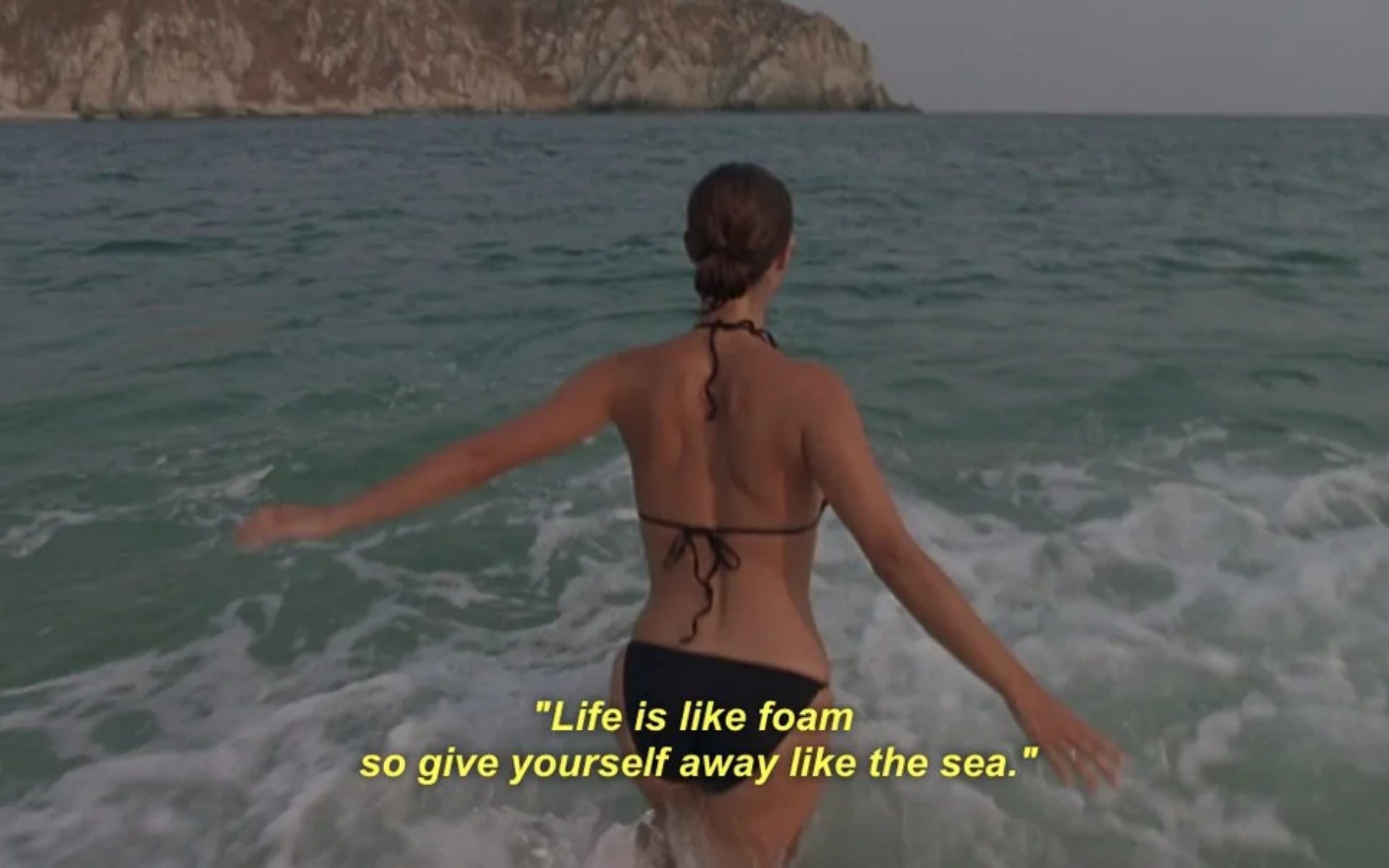
And then the narrator tells us that Chuy and his young family are forced to leave their land to make way for the construction of a hotel. “Chuy will attempt to give boat tours. But a group of Acapulco boatmen supported by the local tourism board will block his plans,” says the narrator. “Two years later, he’ll end up as a janitor at the hotel. He’ll never fish again.”
The overlap of tourism and gentrification is real. It’s happened—and is still happening—all over the world. As travel journalists, we have to reckon with this reality, and challenge the industry to do better by local peoples and environments.
Perspectives change alongside the moving landscape, characters are caught philosophizing about life and their place in it—what’s happening roadside is infinitely more important than what’s waiting at the road’s end.
The phrase has become a cliche in the travel industry, but for the road film genre, it’s the core tenet. Some road films, like Thelma and Louise (1991) or Godard’s Pierrot le fou (1967), follow outlaws as they find escape in the open road. Other films, like Bergman’s Wild Strawberries (1957), are more existential, driven by a sense of searching or restlessness.
What all road films share, however, is an understanding that the journey is everything. Perspectives change alongside the moving landscape, characters are caught philosophizing about life and their place in it—what’s happening roadside is infinitely more important than what’s waiting at the road’s end.
All of Y Tu Mamá También’s magic lies in its intimate portrayal of this journey. Emmanuel Lubezki’s documentary-style cinematography is handheld, giving the sense that we’re in the car, at the gas station, sharing a table with Julio, Tenoch and Luisa. The score is the car stereo, so we’re listening to Brian Eno sing By This River along with them until the reception gets patchy.
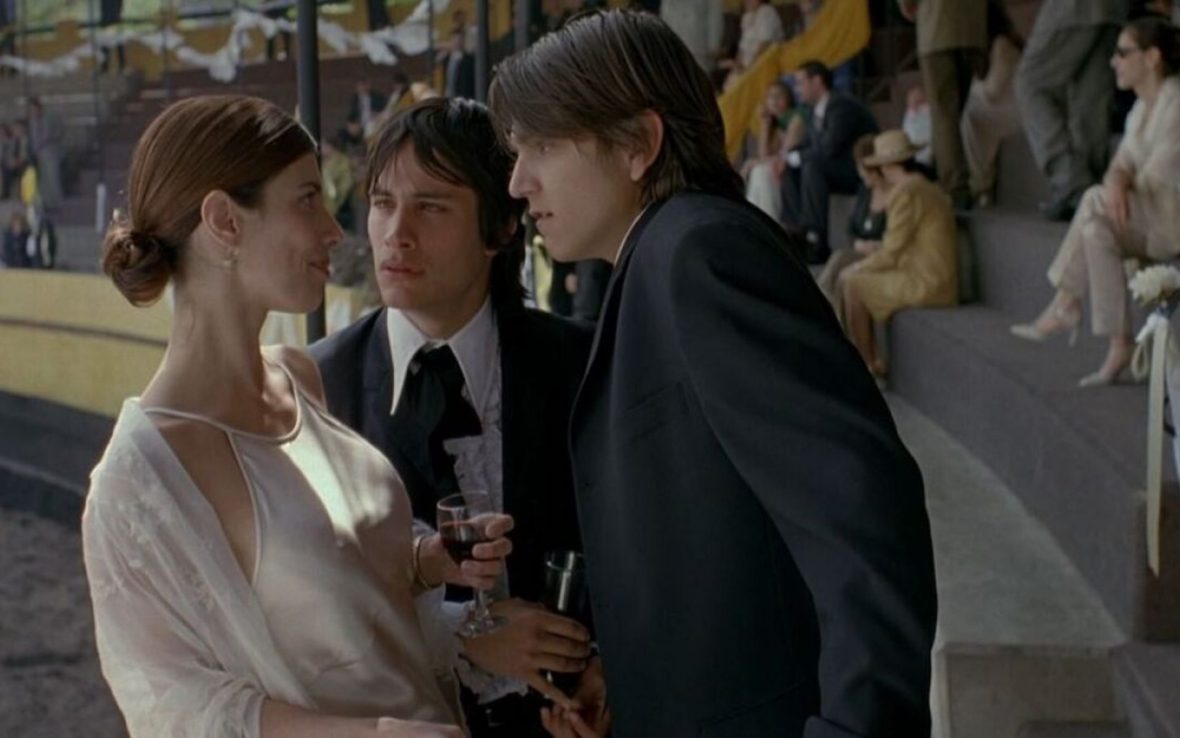
Cuarón downplays the destination and instead, invites us to look and listen more carefully while en route. It’s a poignant reminder for not only travel storytellers, but all travelers: When you drop the urgency to arrive, you’re more likely to find beauty, resolution—maybe even a new version of yourself—within the exploration. And that’s the most interesting stuff.
When I first watched Y Tu Mamá También I was 19 years old and the film seemed to mirror the drama of my own coming-of-age. Now that I’m 35, with a little more distance from the heartache and heartjoy of youth, I resonate more with Luisa’s introspection and appreciation for life’s mundanities and its quirks. Y Tu Mamá También might not be a travel film, but it’s still one of the realest depictions ever made of how and why we travel.
****
Adventure.com strives to be a low-emissions travel publication. We are powered by, but editorially independent of, Intrepid Travel, the world’s largest travel B Corp, who help ensure Adventure.com maintains high standards of sustainability in our work and activities. You can visit our sustainability page or read our Contributor Impact Guidelines for more information.

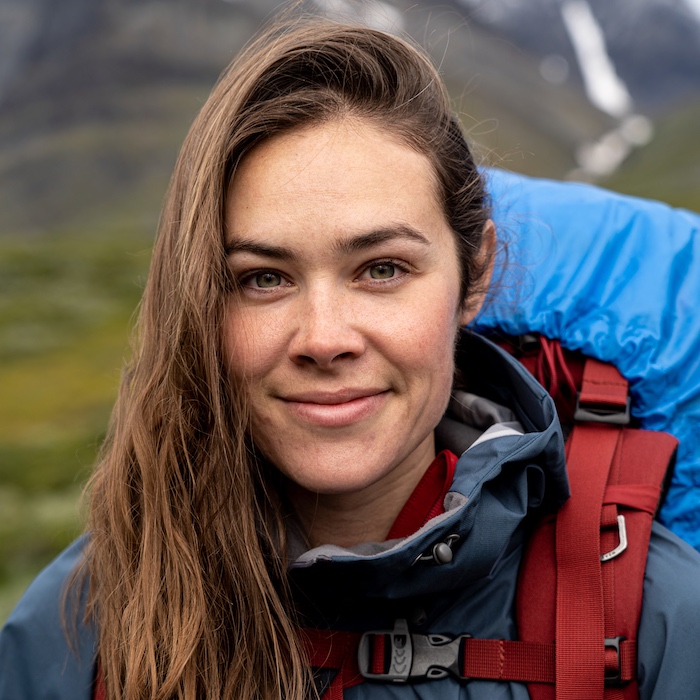
Tayla Gentle is managing editor of Adventure.com and an award-winning freelance writer, video producer and host. She specializes in storytelling that sits at the intersection of culture and responsible adventure.