Is there a way to visit Venice without contributing to the city’s much-reported overtourism issues? Camilla Feiffer, a born Venetian and local tour leader, says ‘si’.


Is there a way to visit Venice without contributing to the city’s much-reported overtourism issues? Camilla Feiffer, a born Venetian and local tour leader, says ‘si’.
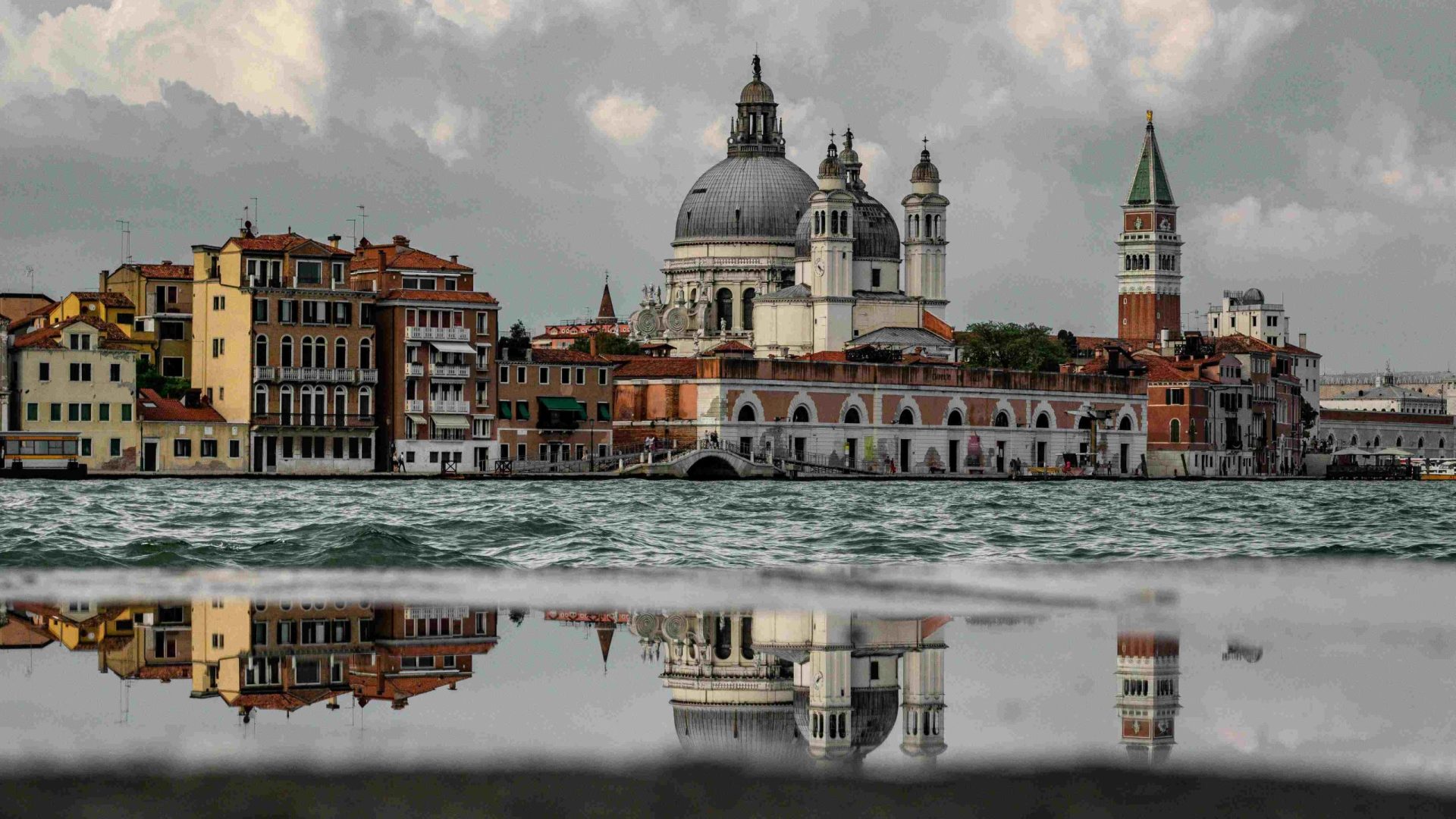
When the sun goes down in Venice, something in the city shifts. The streets clear of tourists, Venetians gather to sip wine at their local bàcaro tavern, and the occasional gondolier silently sloshes through the inky canals. Wandering the whispery footpaths of this ancient city at nightfall is a revelation; you can almost hear the buildings exhale. For the next 12 hours, they will stand silent. Free from the crushing hoards of tourists—close to 30 million annually in 2024, up from 9 million in 2015—that pile onto the World Heritage Site every single day.
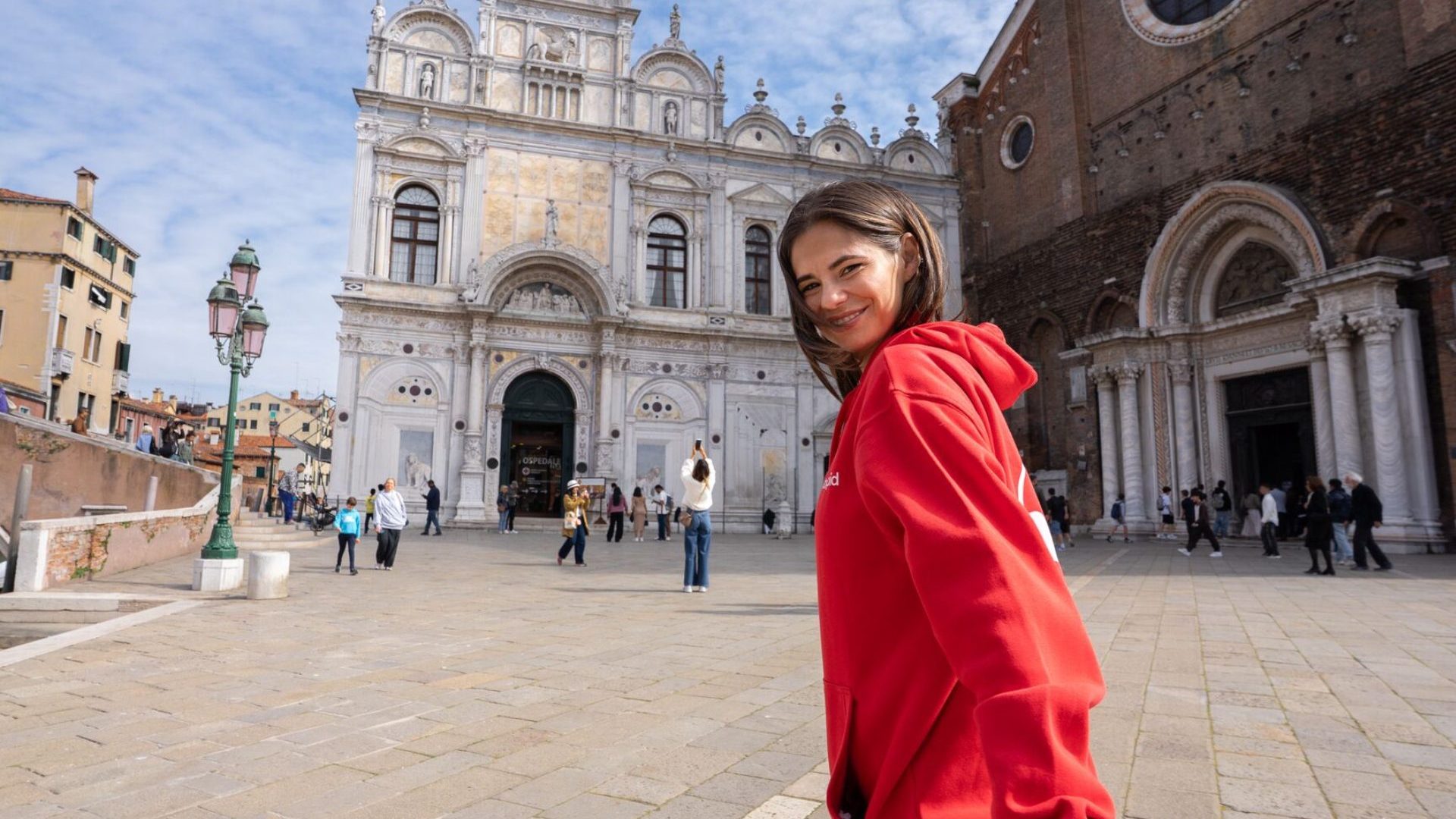
“Walking home in the evening after having a nice dinner in Venice is just so really beautiful,” says Camilla Feiffer, a born-and-bred Venetian and tour leader with small group B Corp operator, Intrepid Travel. “There’s nothing really like it—the city just overcomes you.”
But few cities in the world are as over-touristed as Venice.
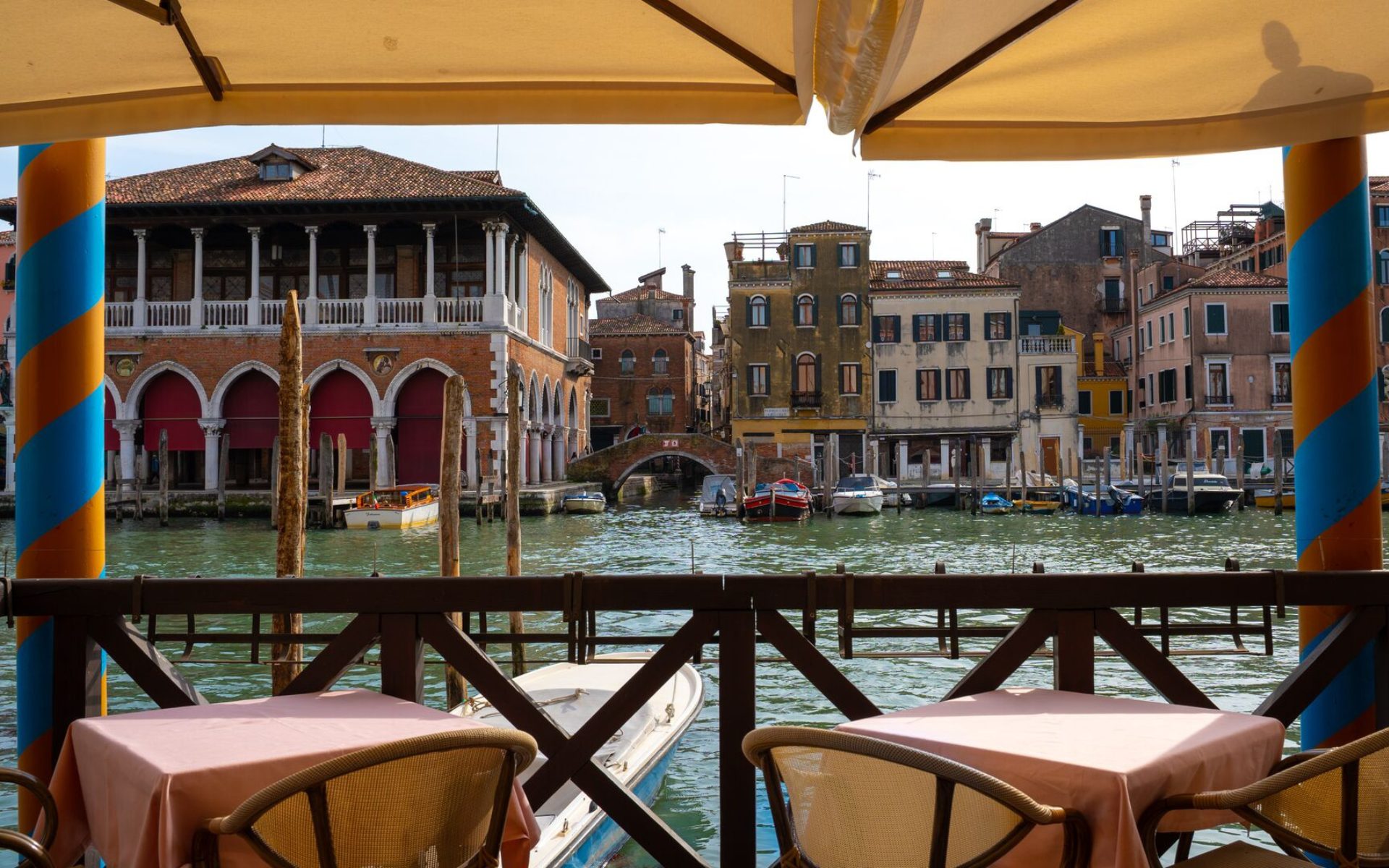
Founded in the 5th century AD, international travelers have been visiting Italy’s iconic ‘floating city’ for centuries. And for good reason. As Charles Dickens famously wrote: “Venice is such a splendid Dream to me, that I can never speak of it, from sheer inability to describe its effect upon my mind.”
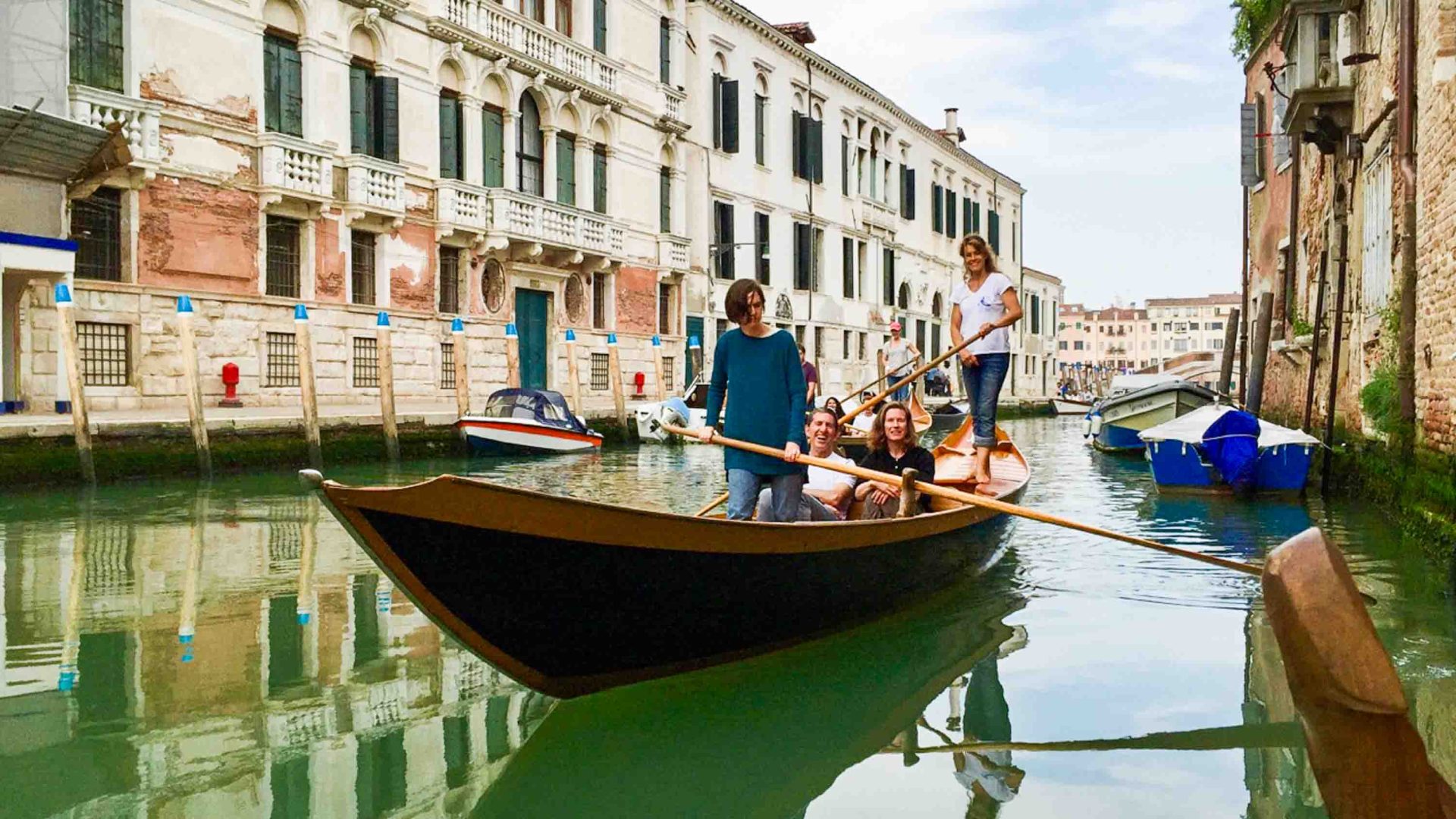
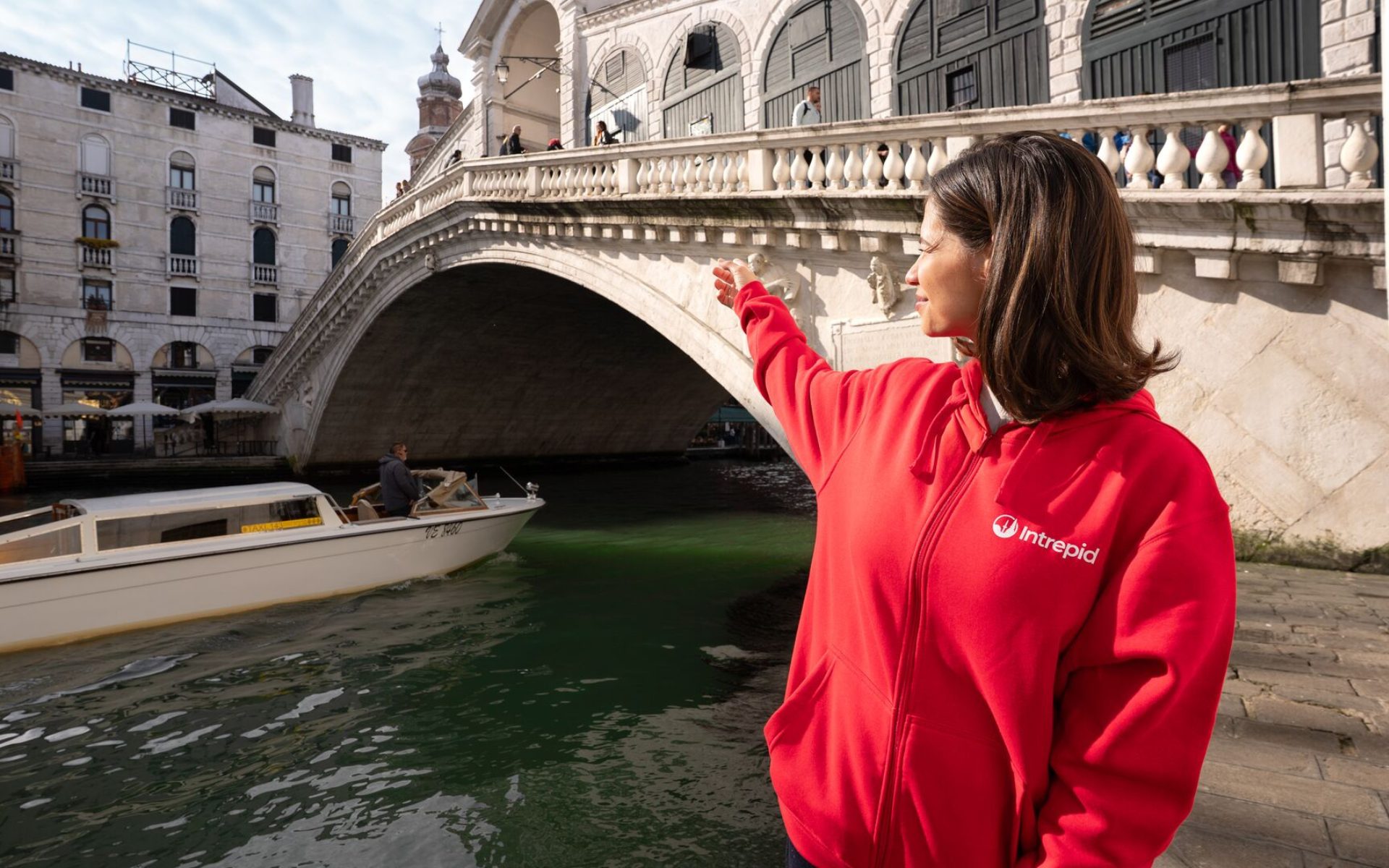
There’s not a single Instagram post or influencer TikTok that can prepare you for the beauty of the Grand Canal. So overwhelming is the awe, upon setting eyes on its slippery green waterways scattered with wooden boats and lined by centuries-old, golden-hued palazzi (Venetian mansions), you’re left to grapple with useless phrases like “breathtaking”. Dickens was right. There simply are no words.
“I grew up here, and still, every time I am on a boat on the canals, I cannot believe the beauty of this city,” Feiffer says.
“[We] designed this tour to show people the real Venetian life. It is a way to step into the daily world of those of us who live here and approach tourism differently.”
- Camilla Feiffer, Intrepid tour leader
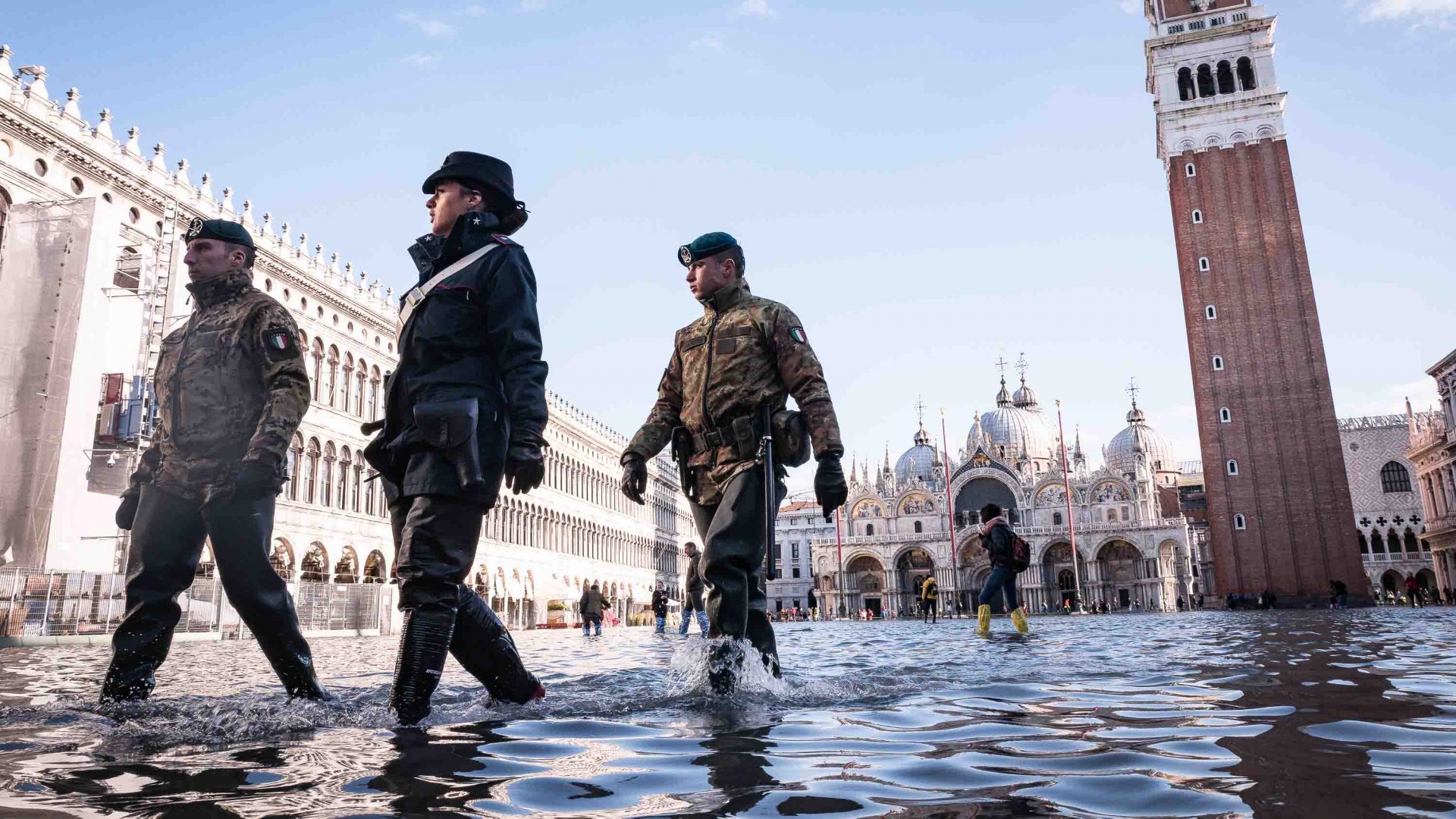
Feiffer’s family has lived in Venice for many generations. She is one of few locals left. It’s estimated that the Venetian population has dwindled to under 50,000, dwarfed by the thousands of visitors that fill its streets daily—numbers which have been rising steeply over the last decade, but especially since the pandemic. Feiffer has seen firsthand how the city has transformed under the weight of overtourism.
“When I tell people from overseas that I live in Venice, they can’t believe that I grew up here. They’re surprised there are schools, houses, hospitals,” she says. “[Growing up here] was like living in a small town, where you know everyone. No cars or scooters, we just walk or ride boats everywhere.”
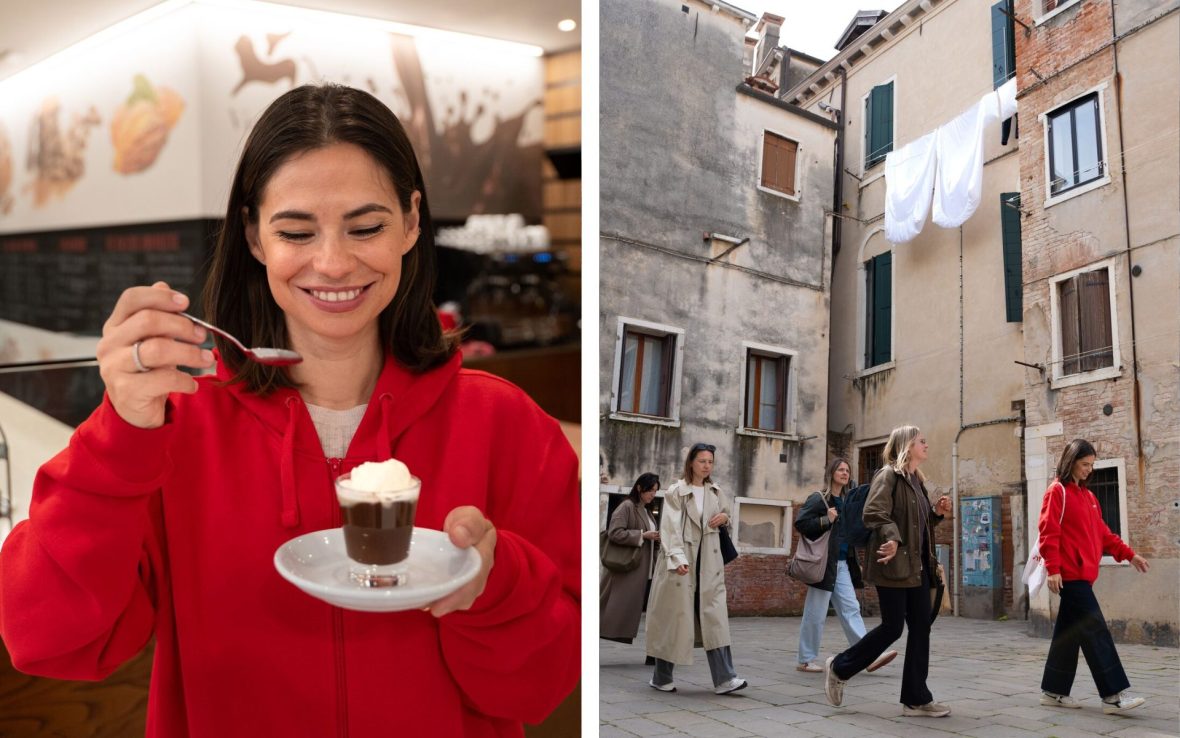
Feiffer describes a life in Venice that would seem surreal to many. Rather than playing at local parks, she and her friends would often ride boats to explore one of the hundreds of small islands that make up the Venetian lagoon. “Even now, we go and explore still. Some of them are very wild—others we have lunch or stay there.”
At 33, she is one of the last generations able to recall the Venice of “before”. “Even 10 years ago, things were different,” she tells me.
The biggest changes (and continued flashpoints for growing local protests over the way tourism has been handled in the city) has been the mass shuttering of traditional shops that serve the local population––pharmacies, markets, traditional craft stores—in favor of souvenir shops; and the dwindling lack of homes available to Venetians. This is largely due to the rise of short-stay rentals. It’s now easier and more profitable for owners to rent their properties to tourists than to provide housing for locals. Meanwhile, social housing has been overlooked and under-serviced by successive leaders, resulting in vastly less long-term rental accommodation for Venetians. And what does exist is prohibitively expensive.
“The houses here are a lot more expensive, so most people who grow up in Venice have to go and live on the mainland—the town just on the other side of the bridge here. It’s much cheaper there,” Feiffer explains. “For the cost of a small apartment in Venice, you can get a brand new house with a small garden. I have one child, but if I were to have a second in the future, I would have to consider moving.”
For these reasons, Venice locals have become increasingly vocal about overtourism. So far, the largely unsuccessful efforts to curb numbers have included banning cruise ships, introducing a Venice Access Fee of EUR€5 (USD$6) for day-trippers, and limiting the size of tour numbers. There’s also been a rise in alternative localized efforts such as Fairbnb––an accommodation co-op designed to channel funds back into the local community and cap the amount of listings per owner.
Despite the problem, most Venetians recognize that tourism is vital to the city, explains Feiffer—who knows this better than most. “We don’t want everyone to stop visiting,” she says. “We just want to encourage people to be thoughtful when they do. To understand that they are wandering the streets of someone’s hometown—where people work and walk to school everyday.”
This is exactly why Feiffer has helped design an ‘Uncommon Day Trips’ Venice tour for Intrepid. Created and led by locals, these new day trip experiences are thoughtfully designed to take visitors away from clogged hotspots and support local businesses––digging deeper than the hashtags, slowing down, and stopping to understand the place you’re in. They’re an alternate way of experiencing these over-tourised cities, but in a way that benefits local people and neighborhoods.
“[We] designed this tour to show people the real Venetian life,” Feiffer tells me. “It is a way to step into the daily world of those of us who live here and approach tourism differently.”
“Instead of trying to see all of Italy in a week, it’s about seeing less but experiencing more.”
- Camilla Feiffer, Intrepid tour leader
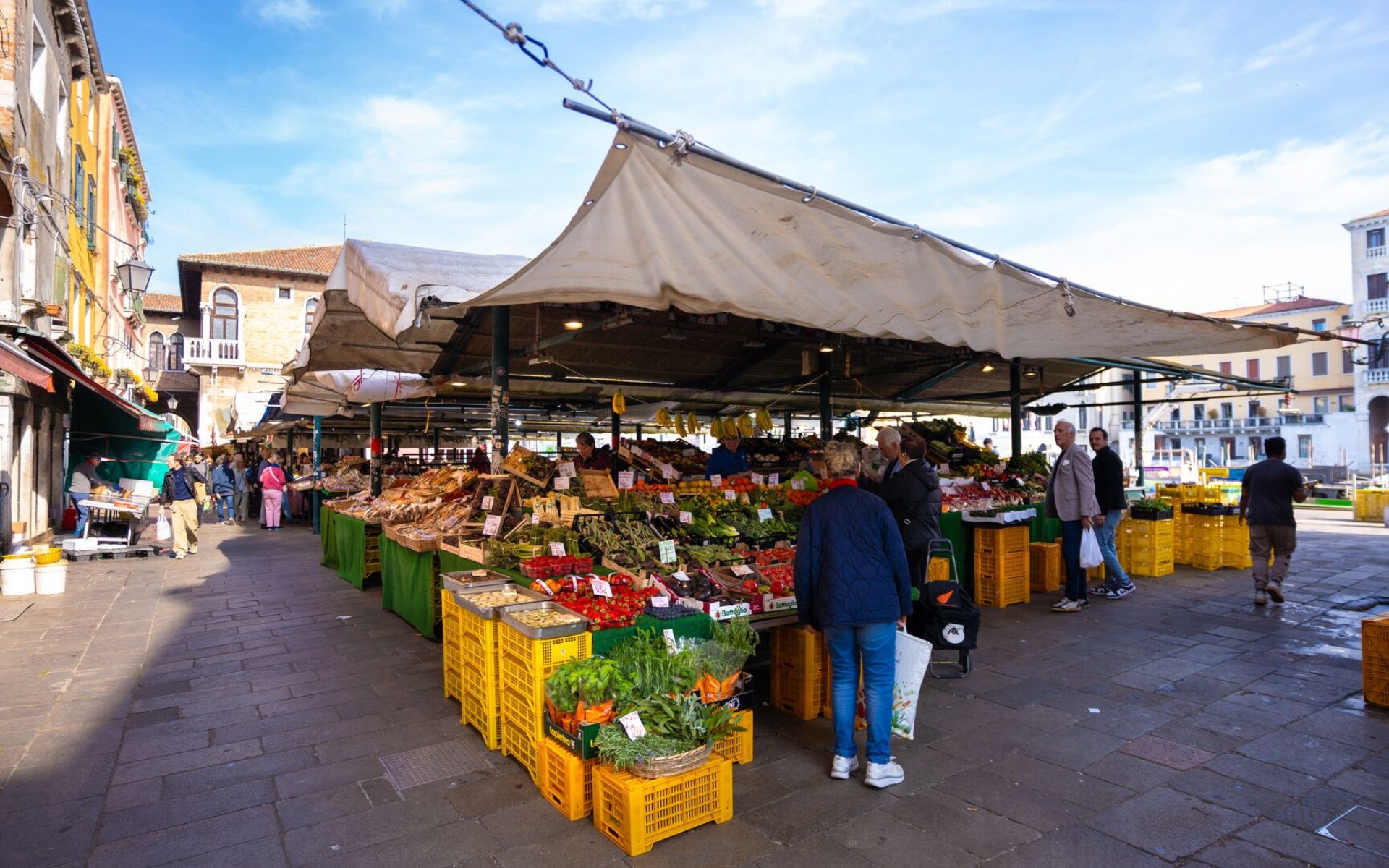
The day trip starts early in the morning at the Mercati di Rialto (Rialto Market) on the Grand Canal in central Venice. This bustling fresh food and fish market has been the beating heart of Venetian life since the Middle Ages, and while not ‘off-the-beaten track’ as such, it serves as the perfect mainline into local life. “This is where locals come early every morning to buy fresh produce,” Feiffer says. “You will experience it in those quieter moments, life as it is every day.”
From here, the tour heads north to the increasingly hip Cannaregio district, Venice’s northernmost sestiere (one of the city’s six distinct areas). “This is where most Venetians live now, where I grew up and still live,” Feiffer says. There, visitors will discover that for every Basilica di San Marco (St. Mark’s Basilica) or Ponte di Rialto (Rialto Bridge) attraction there is also a ‘real Venice’ with schools, soccer fields, and even a community pool.
“I think people are shocked by how quiet these places are, even though they are only one or two streets from the busiest streets. This is an area where a lot of artisans work—we visit real Venetian shops and talk to locals.”
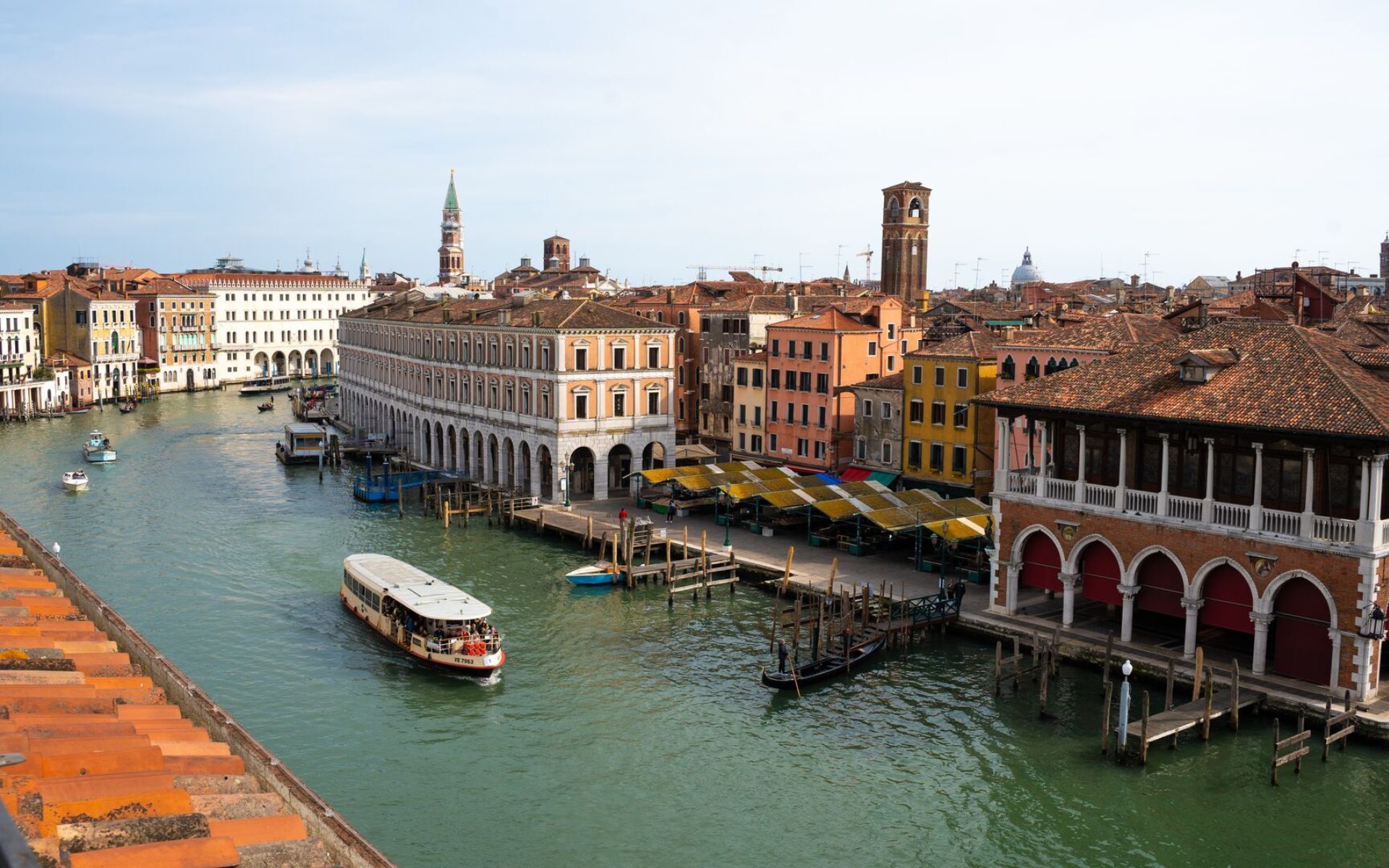
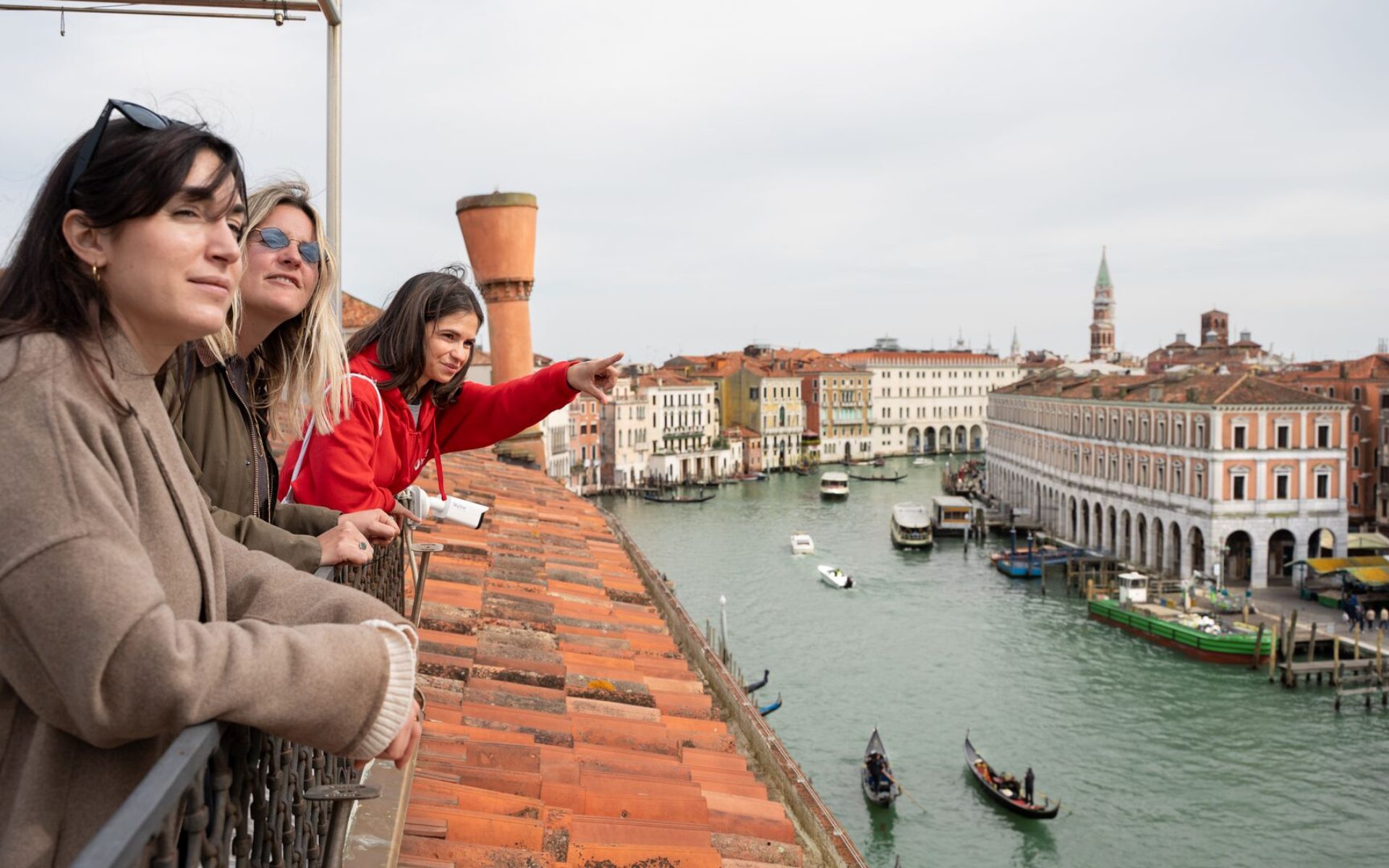
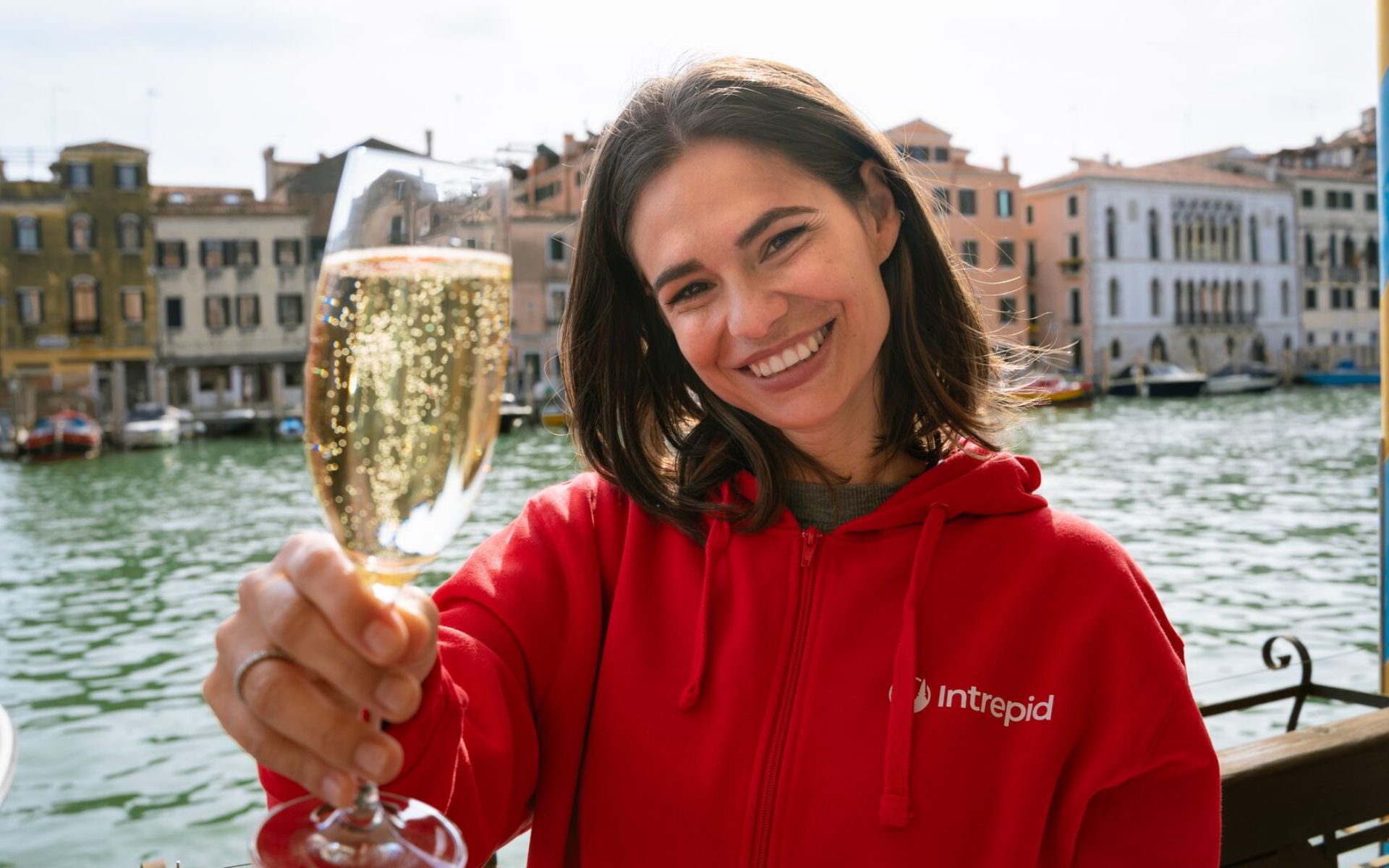
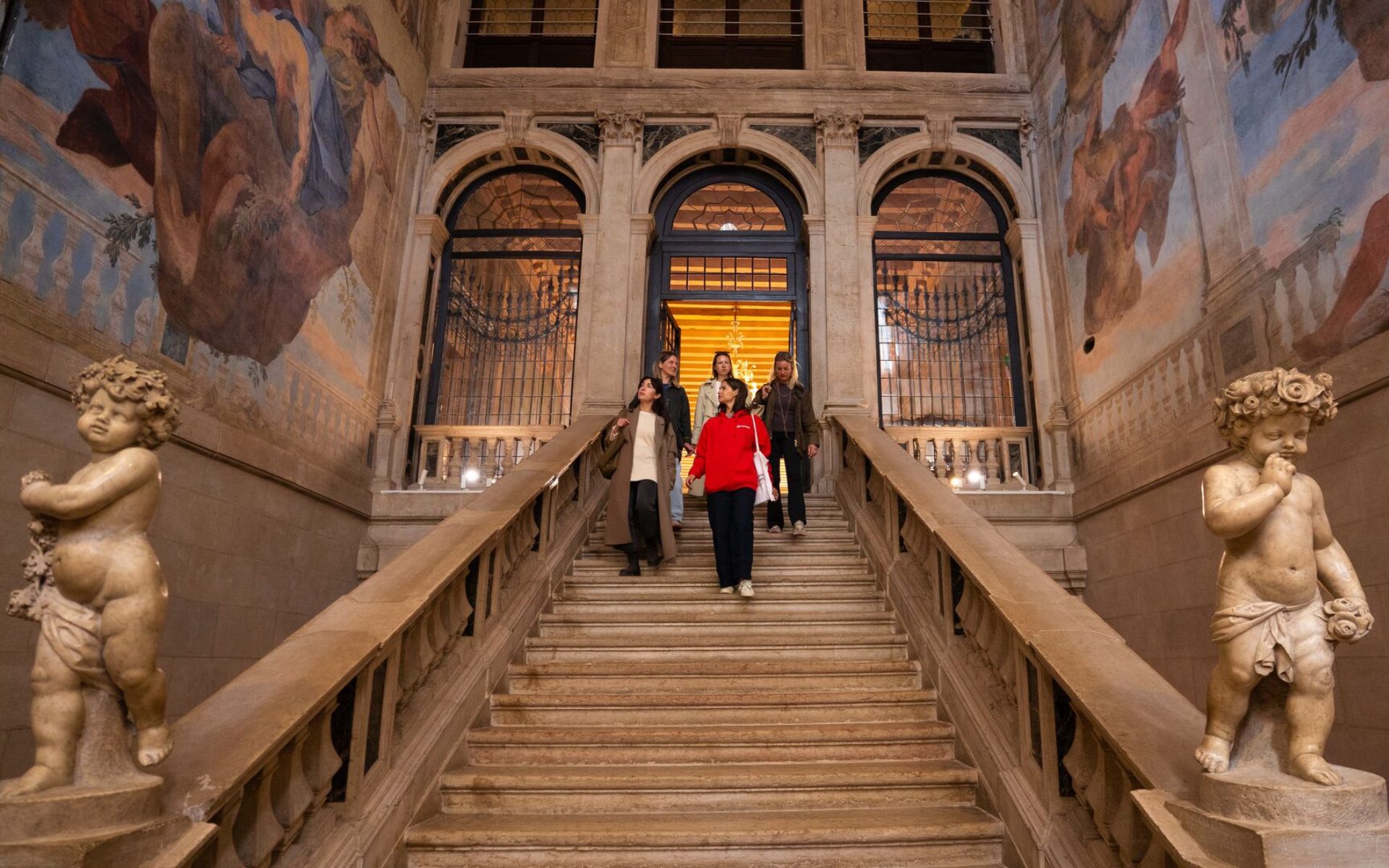
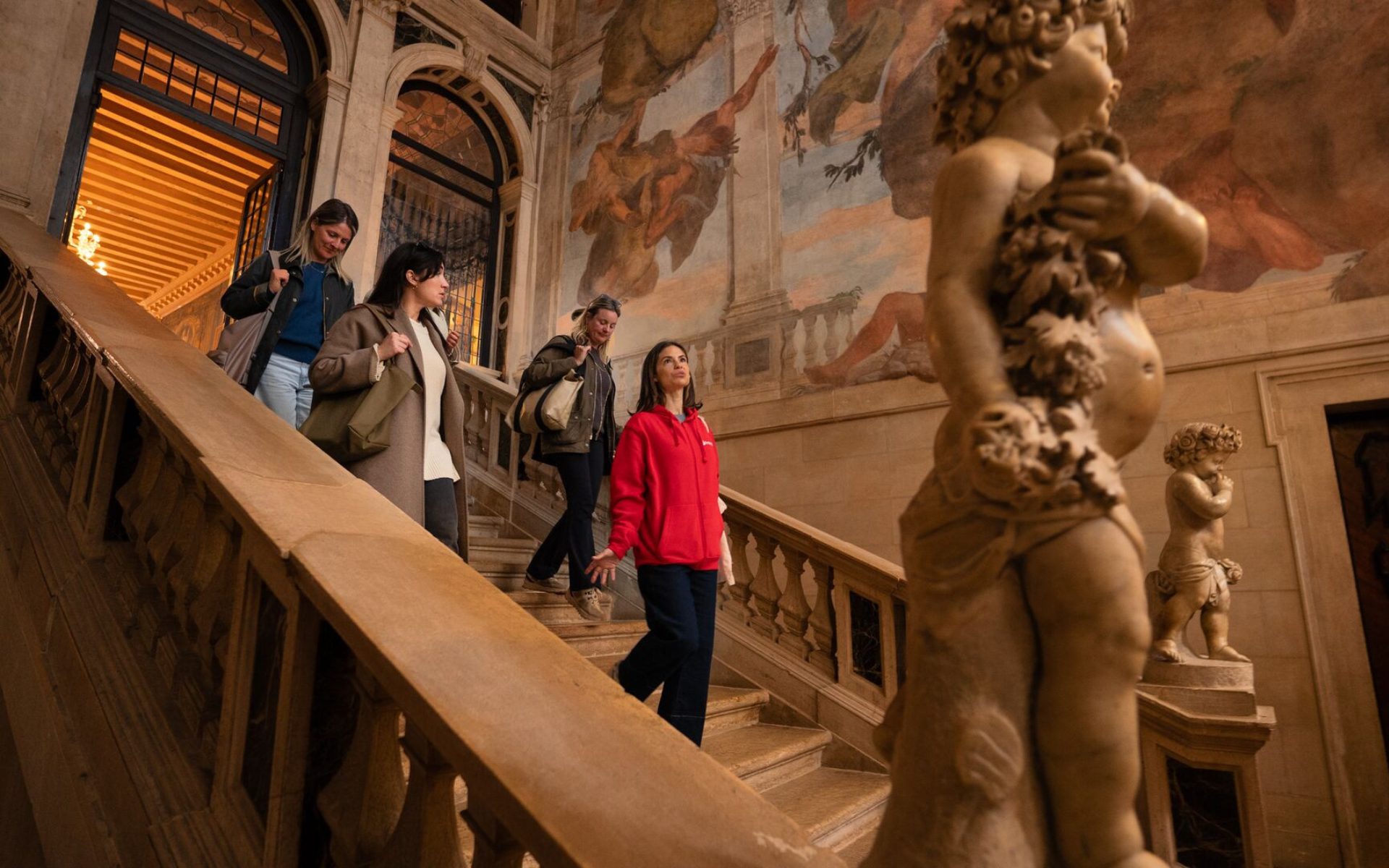
The tour stops in two places. The first is a chocolatier run exclusively by Venetian women, where visitors can taste the artisanal chocolate and learn about its history in the ancient trading city. And the second is the rooftop of a historic palace, once owned by a famous Venetian family during the Republic of Venice. “Visitors get to see the beauty of the palazzo, piano nobile (the main floor of a palazzo) and all the frescoes up close,” she says. “And then see Venice from above––the Grand Canal, with a glass of prosecco.”
“Venice is a unique and fragile city, and the challenge is finding a balance between welcoming visitors and preserving everyday life for its residents,” says Feiffer. “I believe part of the solution lies in moving toward a slower, more mindful way of traveling.”
She hopes this tour is a step in the right direction. “Instead of trying to see all of Italy in a week, it’s about seeing less but experiencing more. I hope in the future there will be more awareness about traveling in certain places––an understanding of a place as someone’s home.”
Learn more about Intrepid’s Uncommon Day Trips here
****
Adventure.com strives to be a low-emissions travel publication. We are powered by, but editorially independent of, Intrepid Travel, the world’s largest travel B Corp, who help ensure Adventure.com maintains high standards of sustainability in our work and activities. You can visit our sustainability page or read our Contributor Impact Guidelines for more information.

Sarah is a writer, broadcaster and wanderer. She has spent most of her life as a music journalist, but loves writing about adventures of all kinds and interviewing interesting humans. She currently lives on the Bellarine Peninsula in Australia.