Alexandra Pereira is a writer and editor published by Vice, Suitcase, The Paris Review, Fodor’s and Service95. She writes about water, solo travel, folklore and people, and also makes theatre at Blood Sport Co. She lives between London and Copenhagen. Read her stories on Adventure.com here.
Rowdy decks. Austere cabins. Souvenir shops. Tumultuous waves. Slow dawns pouring in rose skies and new air, sleepy ports coming into view. I love ferries. You get a real sense of place, time and its people as so many locals use them to get from A to B, often covering great distances to get to very normal plans.
In Scandinavia, I loved Denmark’s Ærøfærgerne to Danish paradise island Aero, Finland’s Silja Line with a Moomin-filled shop, the eerie Aland Islands. The rowdy disco on the Oslo-Copenhagen DFDS, Hurtigruten’s Norwegian Coastal Express. Further afield, I dreamt of taking the Queen Beetle from Fukuoka to Busan but it stopped… such are ferry routes’ plague: Funding, demand, accessibility and relevance in an increasingly fast moving and aviation centric world.
The UK has sea routes scrapped all the time, but 2026 has some exciting reprises and arrivals: The expected resumption of the low-emission Newcastle-Bergen route by Bergen Cruise Lines. After almost 20 years’ slumber following a 140-year voyaging history, its new iteration will carry 2,380 passengers on the 19-hour crossing.
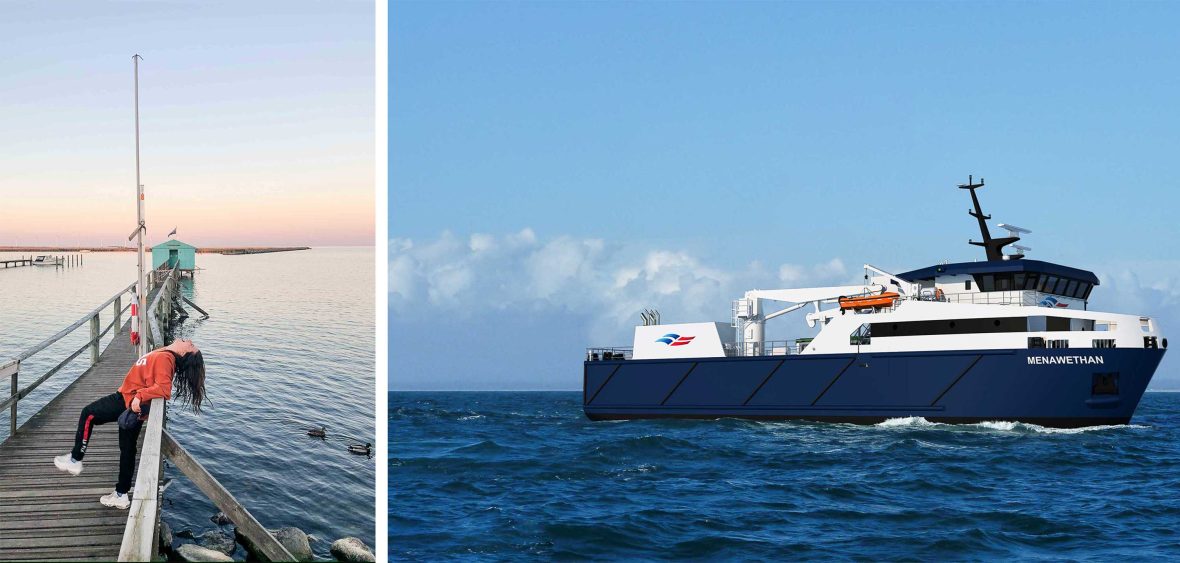
On the Cornish coast, new freight vessel Menawethan is replacing an older boat on an existing route, with accommodation for 12 passengers and increased departures improving the lifeline link between Penzance and the Isles of Scilly. 2026 also anticipates the maiden voyage of the dual-fuel vessel MV Glen Rosa, between the Scottish mainland and Arran.