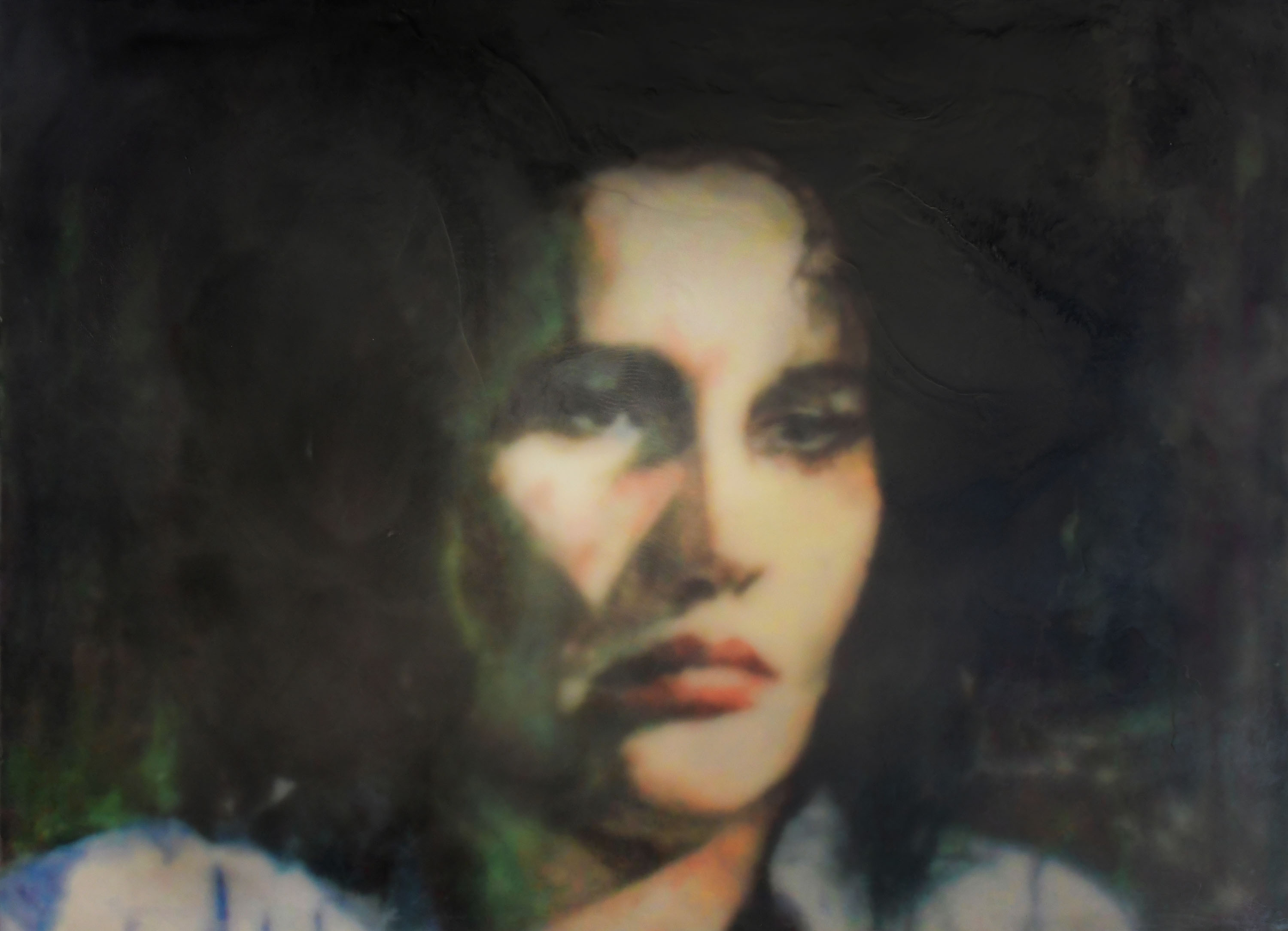
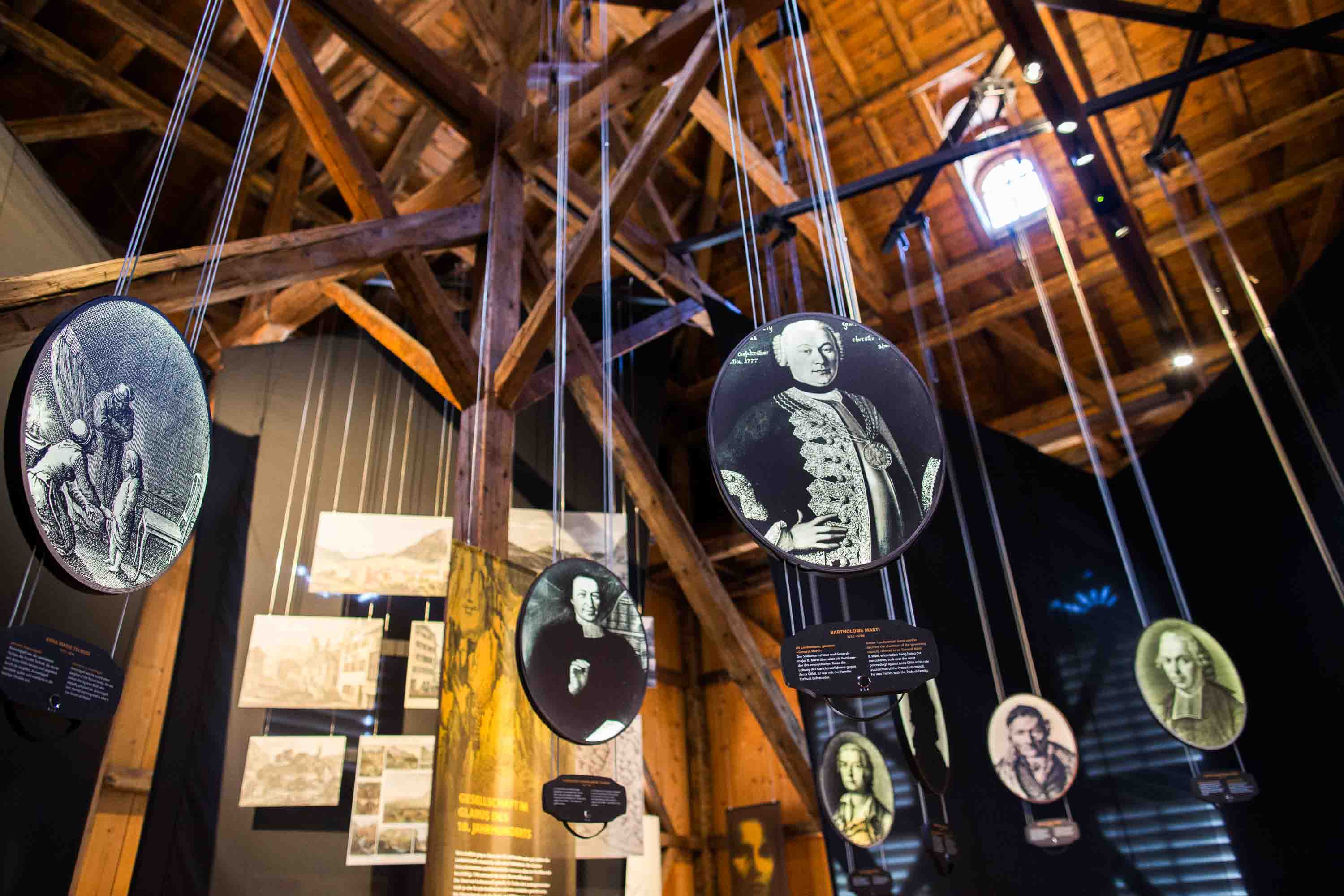
The wooden floor creaks as I move around the darkened room. Slivers of daylight filter through gaps in the walls but not enough for my eyes to adjust. Long black curtains twitch, and I hear whispers. I feel quite frightened. In only a few steps, I can understand, even a little, how Anna Göldi, the last person in Europe to be executed for witchcraft, might have felt.
I’ve seen a great deal of Switzerland—my family has lived in the village of Oberhofen in the canton of Bern, since the 1970s. It’s a place where people still hang pagan deities on their doors to keep evil spirits of the forest out. This however, is my first visit to the northeastern canton of Glarus and the Anna Göldi Museum in the village of Ennenda.
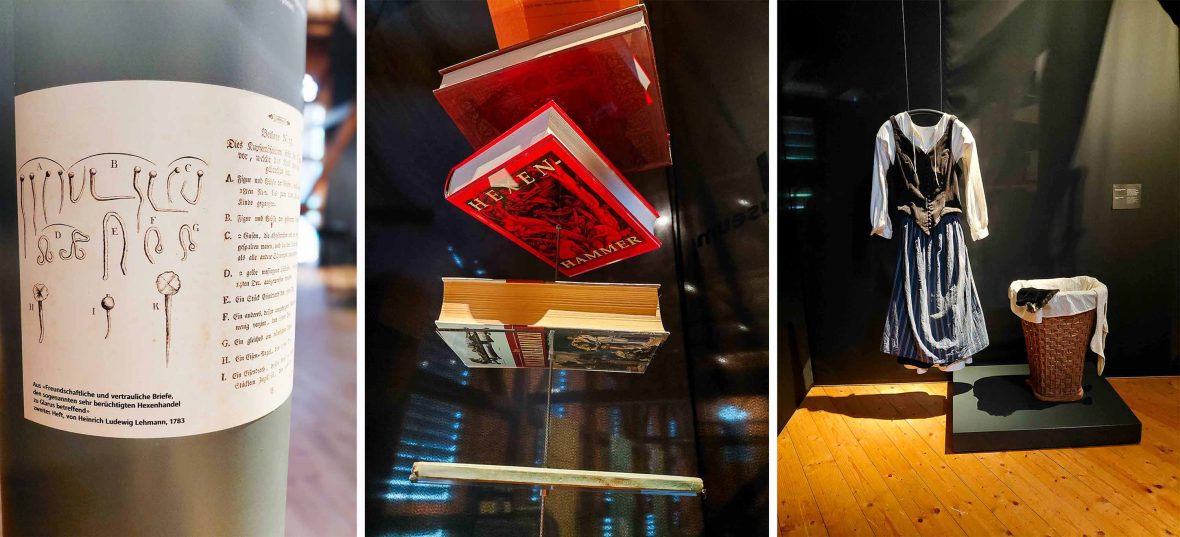
On June 13th 1782, a notorious witch hunt ended with Göldi, maid to a wealthy family, being decapitated by sword in a nearby village, Mollis. She was tried after being accused of bewitching the eight-year-old daughter of her employer and causing the girl to spit pins and have convulsions.
Switzerland not only carried out one of Europe’s highest numbers of witch executions, but it did so for one of the longest periods—for 350 years. Witch hunts, as we know them, started here. But why?