As El Niño looks set to peak in late 2026, we’re already witnessing disruptions to tourism. Regenerative tourism expert Susanna Kelly-Shankar puts it into perspective and explains how travelers can prepare for climate-related events.


As El Niño looks set to peak in late 2026, we’re already witnessing disruptions to tourism. Regenerative tourism expert Susanna Kelly-Shankar puts it into perspective and explains how travelers can prepare for climate-related events.
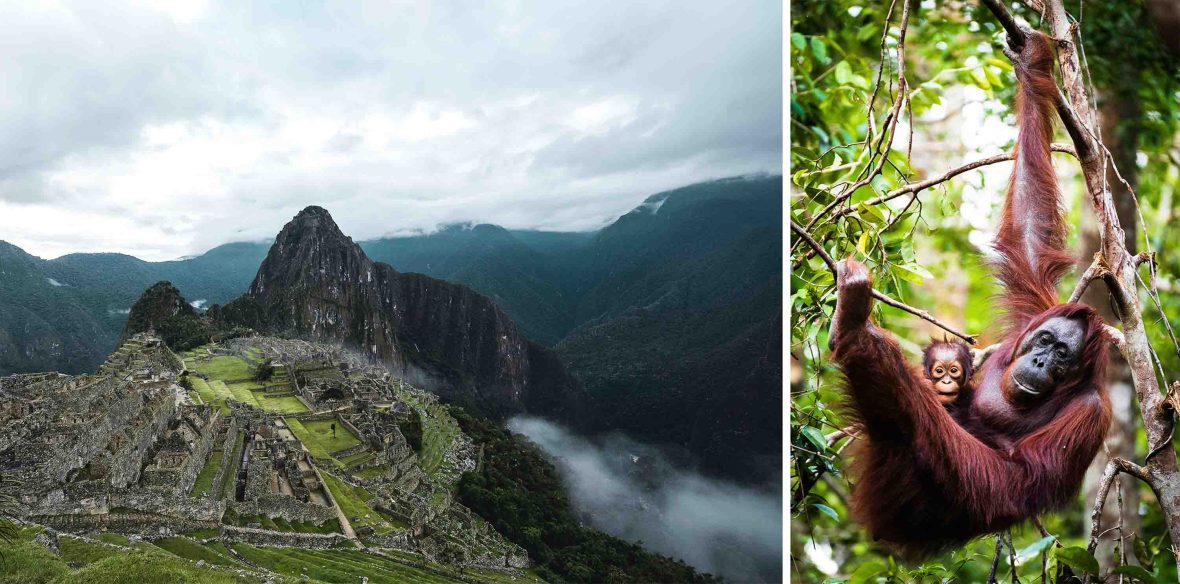
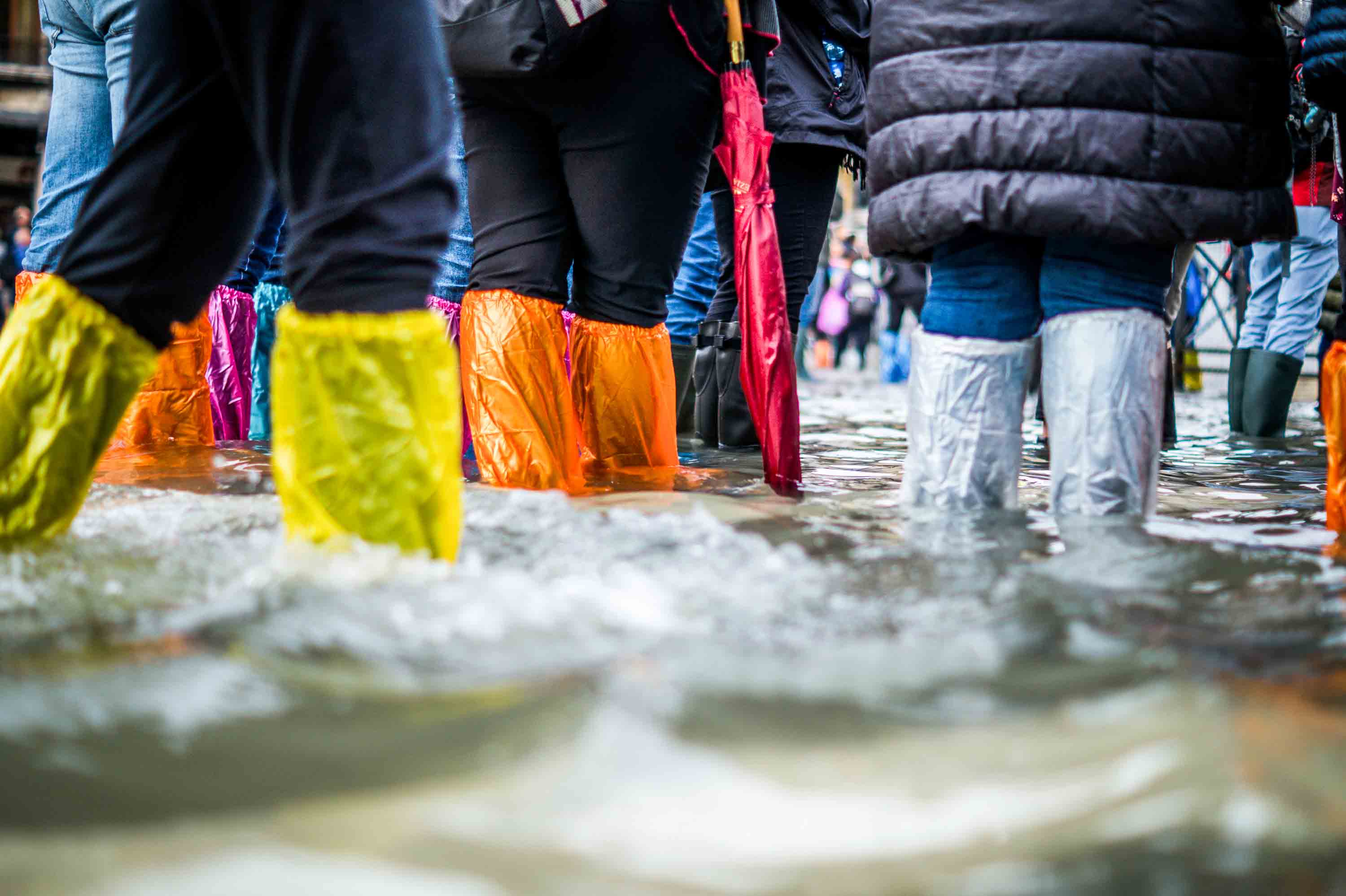
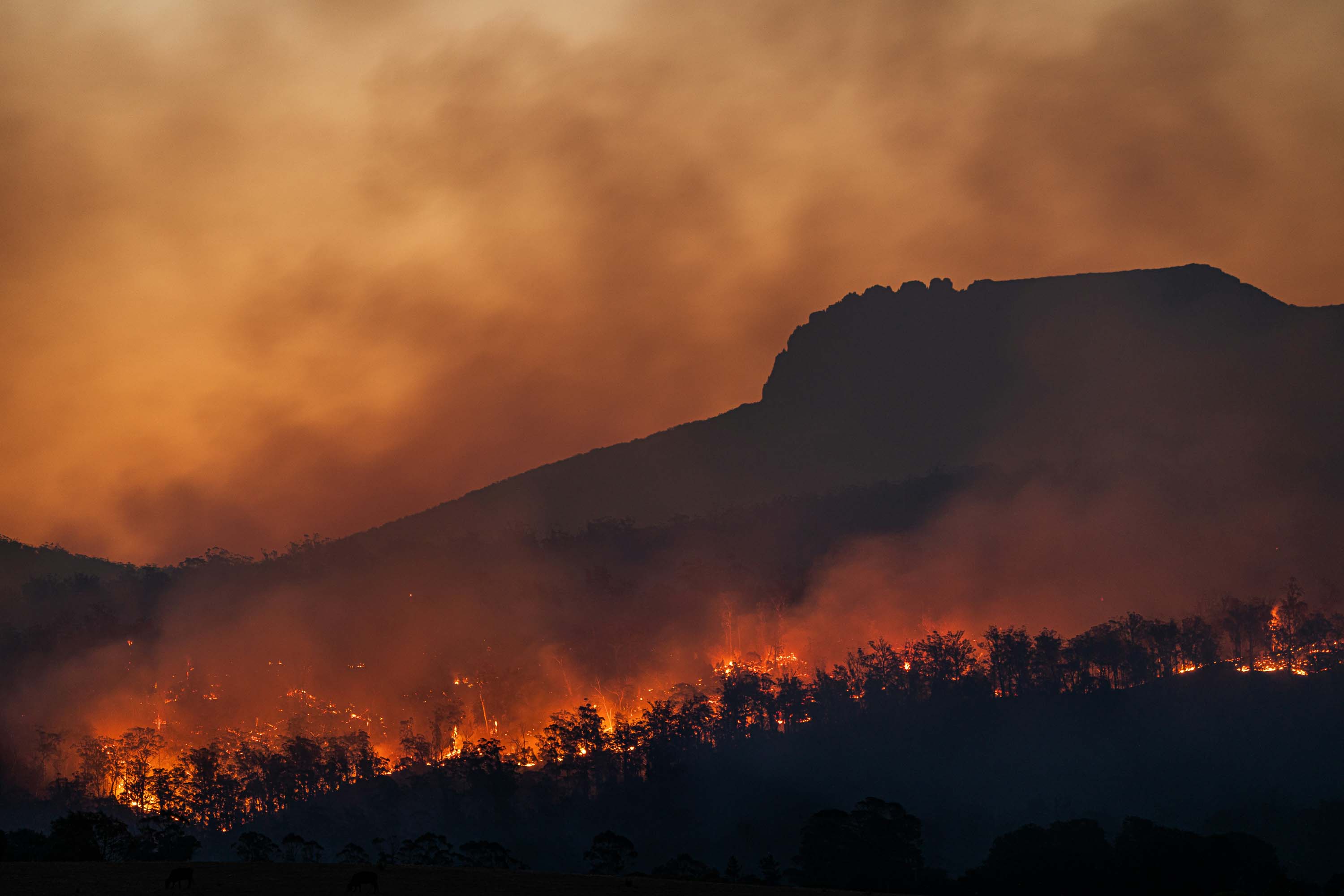
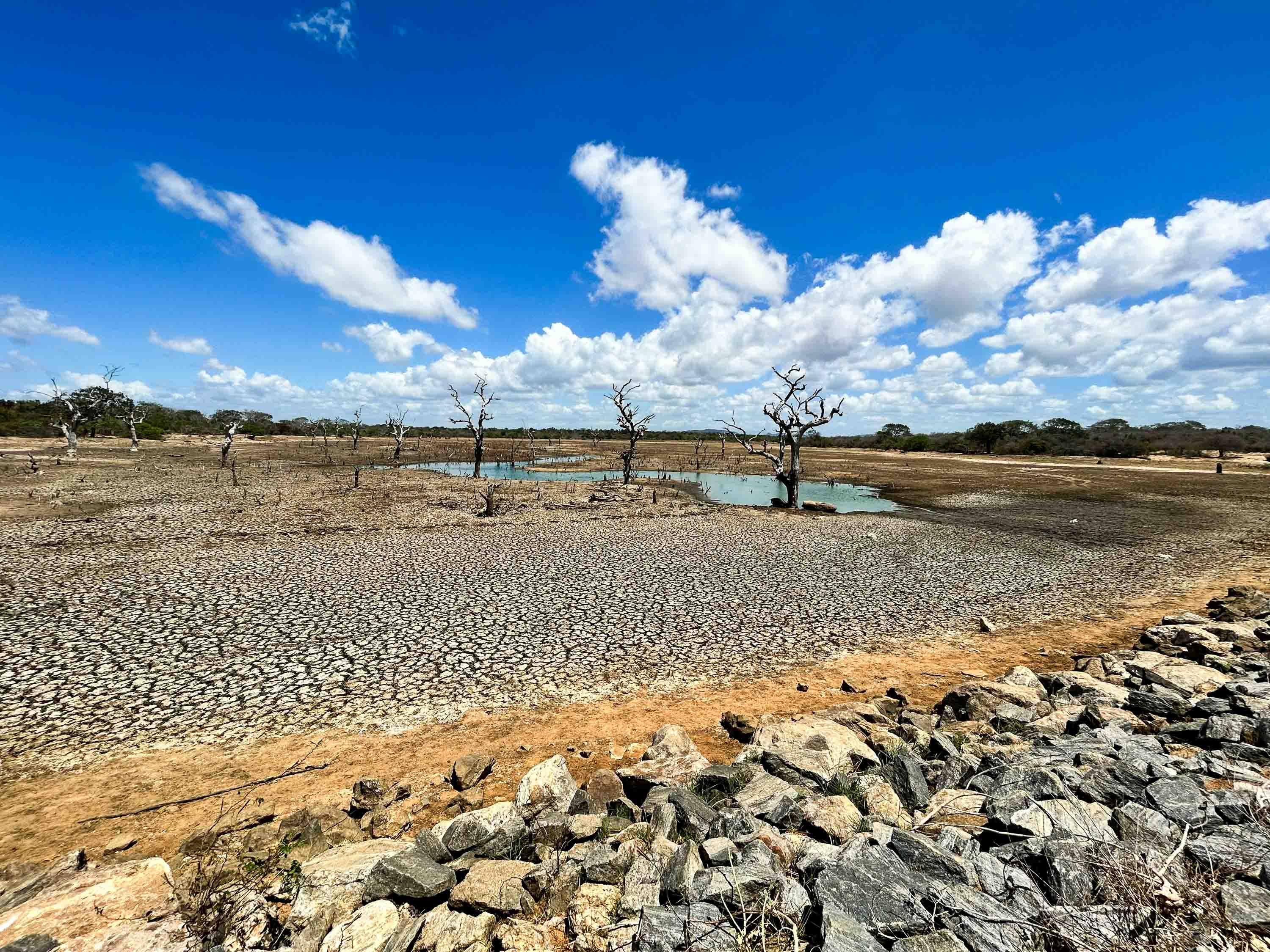
Right now, another once-in-a-lifetime El Niño is building. In Peru, it unleashed heavy rains, triggering flooding and restricting access to Machu Picchu. Indonesia is grappling with the opposite, as wildfires tear across vulnerable orangutan habitat. Higher temperatures, more droughts and floods are what this climate pattern is known for.
While Super El Niños are rare, the few documented have driven global catastrophes, including the 1876-78 global famine that killed 50 million people. Events in the 1980s and 90s led to a 15 percent loss of coral reefs and a population collapse of the Galápagos Island penguins. And yet, as major news outlets and the World Meteorological Organization sound the alarm of another outsized climate event, one multi-trillion-dollar industry remains relatively quiet. Tourism.
So, it isn’t particularly surprising that, as I scroll through social media, it seems as if travel is carrying on ‘business as usual’. And it’s not just social media; I have yet to see United Nations Tourism publish any El Niño-related content.
Typically, the start of El Niño is signaled by slowing Pacific Ocean trade winds, a natural cycle that alters weather patterns. But this year’s El Niño is anything but natural, shattering records as sea surface temperatures surge 5.4°F (3°C) above baseline [editor’s note: This is an accurate conversion, based on anomaly temperature fluctuations from National Oceanic and Atmospheric Administration/NOAA], well over the threshold for a very strong event.
Experts predict it to be one of the most intense climate disruptions ever recorded—and it hasn’t even peaked. A disconnect between environmental research and tourism isn’t helping, with research on climate siloed from industry focus on visitor experience and expenditure.
Whether the industry feels ready or not, it can’t ignore the looming storm. In the air and on the ground, extreme heat, wildfires, and shifting jet streams can cause flight delays and destroy roads and rails.
However, my graduate research on integrating nature-based solutions into tourism development taught me that tourism and climate are intrinsically linked forever locked in a cycle of change. As strong El Niños become more common, we need to break those silos—putting community knowledge and nature at the center of every decision.
So while we witness one of the most volatile climate events of our lifetime unfolding, why might the industry remain deafeningly silent?
One reason may be because travel is built on the promise of abundance—unlimited resources, perfect seasons, and reliable transport. Big industry players may be hesitant to alter operations that impact their bottom line, based ‘only’ on predictions.
Perhaps travelers too cling to vacations already on the books with a ‘come hell or high water’ mentality. Others, wary of giving in to fear-mongering, want to move forward cautiously. And tourism-reliant communities are understandably reluctant about warding off visitors.
Whether the industry feels ready or not, it can’t ignore the looming storm. In the air and on the ground, extreme heat, wildfires, and shifting jet streams can cause flight delays and destroy roads and rails. At our destinations, droughts and floods can exacerbate food shortages and drain local water supplies, driving up costs while creating tension between travelers and host communities over resources.
All this can make planning challenging and calls for putting safety and community needs first. But how exactly do you prepare for climate unpredictability?
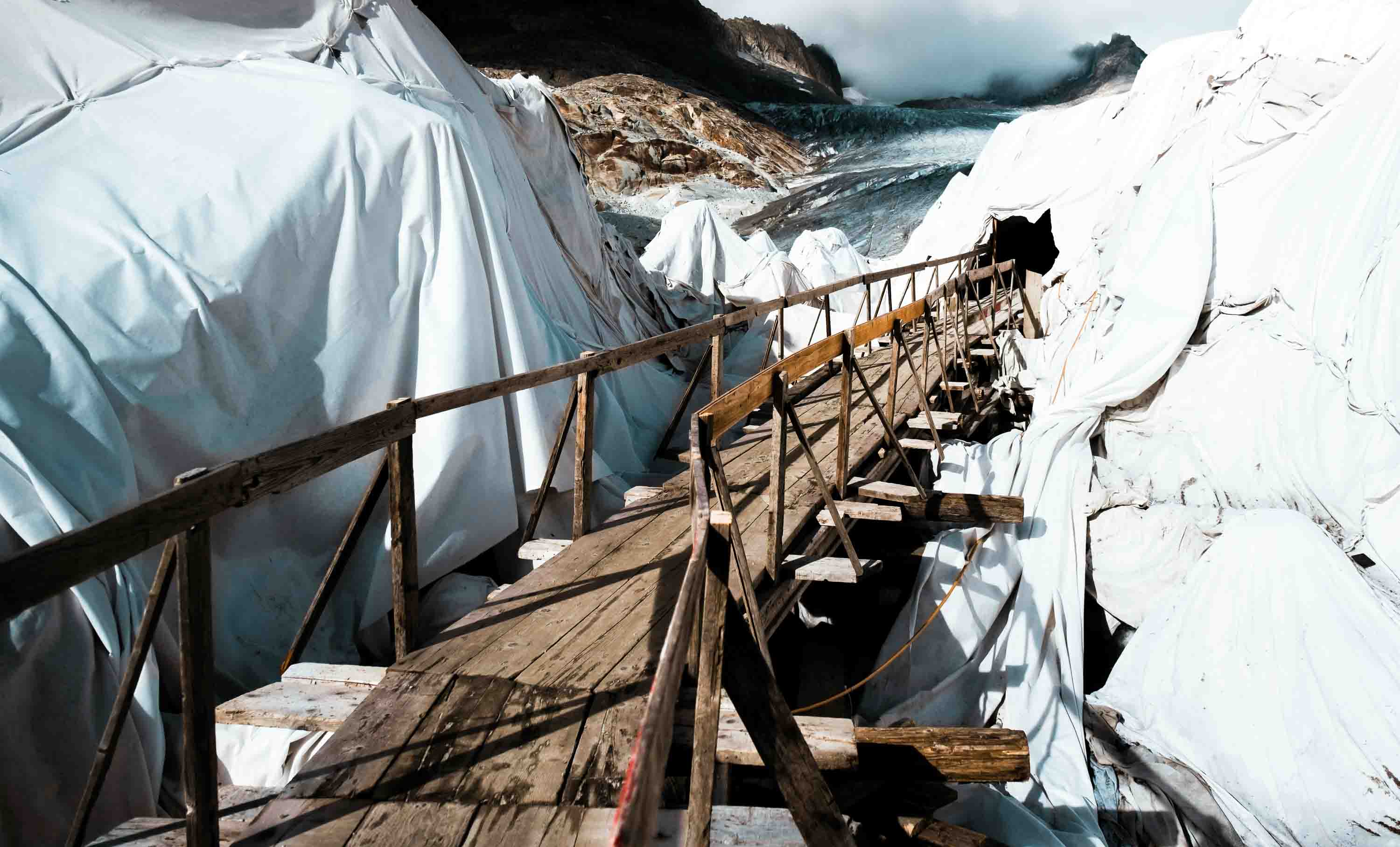

At the core of regenerative tourism—an approach that challenges the status quo, where tourism and community become active collaborators to create thriving communities and nature—is a fundamental mindset shift: Decentering ourselves from the travel narrative. This means digging deep to acknowledge the privilege gap between travelers and communities to flip our perspective.
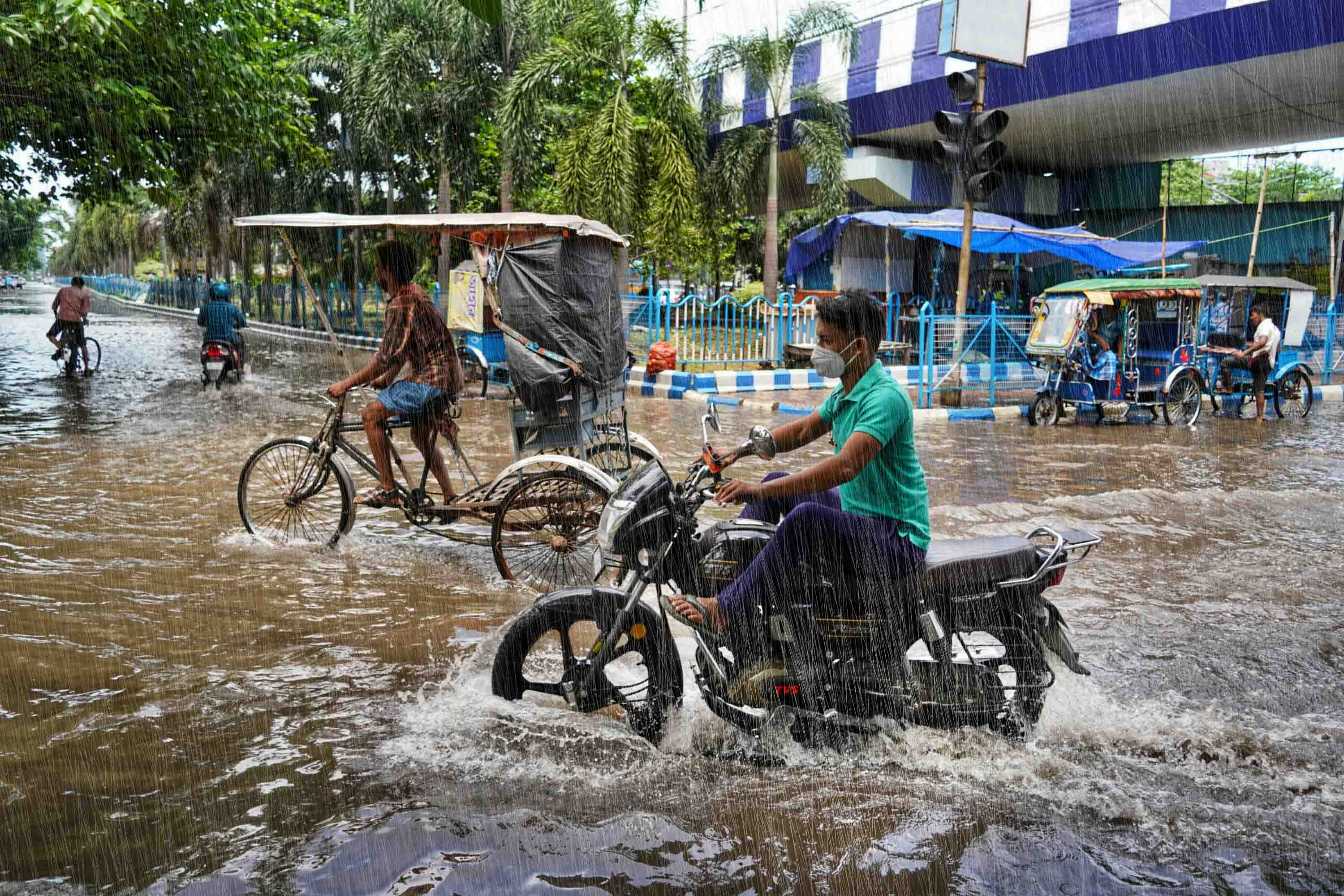
What is decentering? Think of it like this. We can still enjoy our travels, but personal experience shouldn’t come before anyone’s well-being. For those who travel for pleasure, extreme weather is often an inconvenient hiccup—a canceled flight, an altered itinerary, or a closed cultural site. But for the communities who host us, those same torrential rains or severe droughts destroy homes, wipe out crops, and decimate public infrastructure.
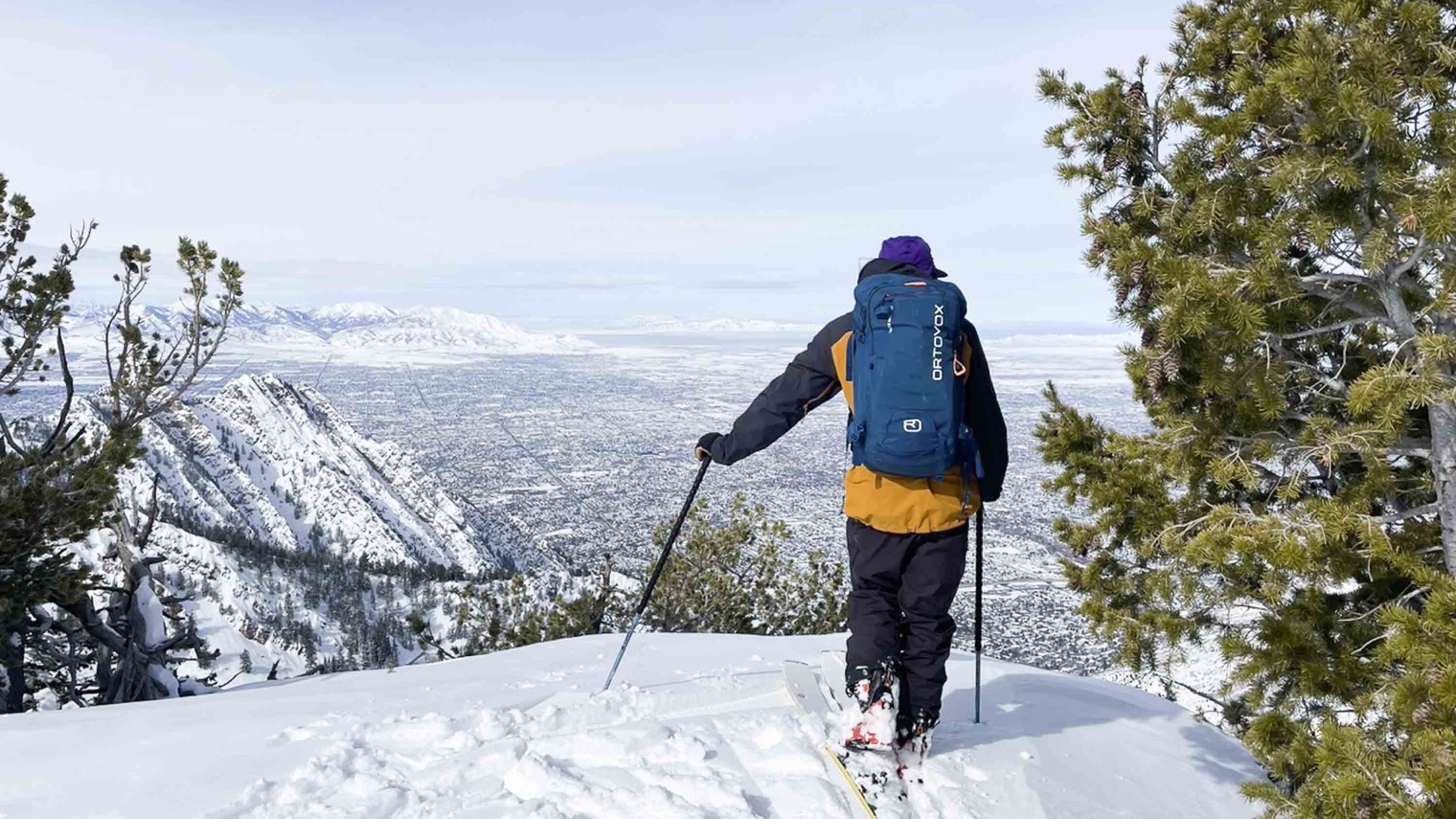
We also need to maintain realistic expectations. That could mean accepting that record heat may close tourist sites, ski resorts may have low snowpack, landslides may disrupt transit networks, and once-vibrant reefs may be bleached white.
As El Niño strains global resources, we need to remember that tourism is resource-intensive. Travelers generate a lot of food waste, and hotel guests consume up to eight times more water than the average resident, with many resorts trucking in water during drought.
Simple swaps help us prioritize community needs over personal comfort while cutting excessive food, water, and energy use. We can choose community homestays over water-heavy resorts, trade all-you-can-eat buffets for independent restaurants that support local farmers, and prioritize small-scale, community-led tours over resource-heavy motorized excursions. Traveling with a local guide keeps us attuned to on-the-ground realities.

Another tenet of regenerative tourism is tailoring our actions to each community’s unique needs. Being a good guest starts with a simple search for ‘El Niño impacts in [destination]’ to uncover local priorities. If drought is expected, return to the basics: take shorter showers and turn off running water for an immediate effect.
And when weather disruptions do happen, instead of succumbing to sensational fear-mongering, look for reliable on-the-ground sources like municipal notices, park services, or local tourism boards. We also need to maintain realistic expectations. That could mean accepting that record heat may close tourist sites, ski resorts may have low snowpack, landslides may disrupt transit networks, and once-vibrant reefs may be bleached white.
Of course, there is also a risk to travelers’ personal safety. In a crisis, an unprepared traveler quickly becomes an added strain on local emergency infrastructure and first responders who may be needed elsewhere.
To manage risk, have a plan B for your travels. Always take comprehensive travel and health insurance, make flexible bookings, and register your trip with your government. And of course, always heed local weather warnings and evacuation orders; this may even require returning home.
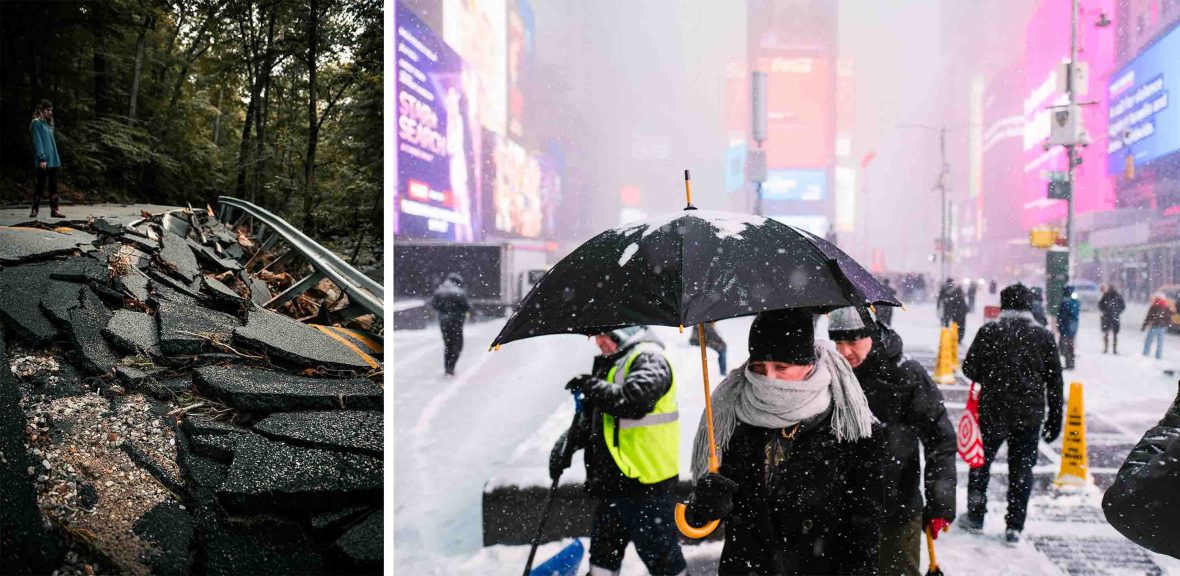
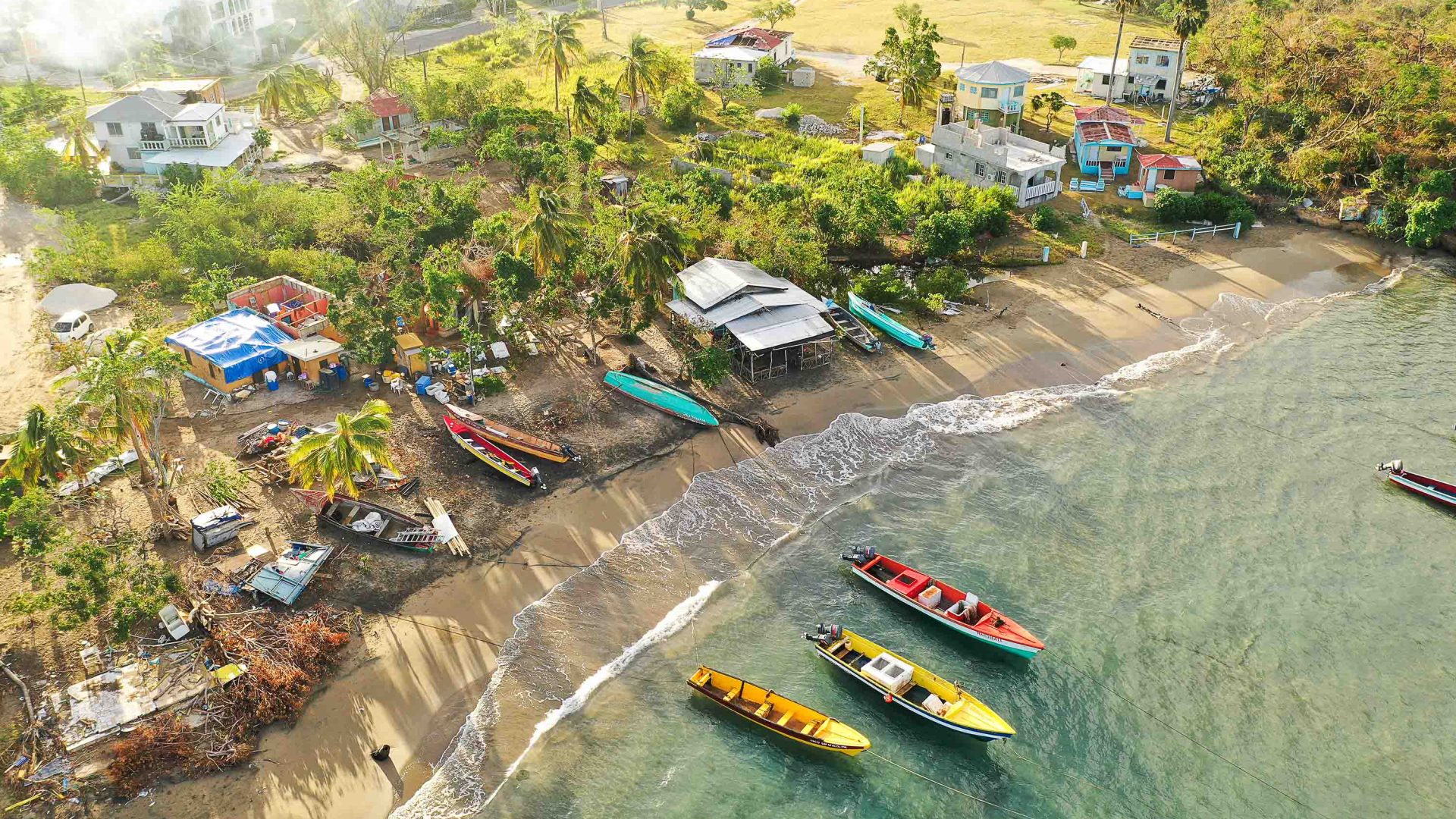
As we’ve seen in the aftermath of Nepal’s floods, being a responsible traveler during climate upheaval is recognizing that travel can serve as a lifeline or liability. In times of crisis, hotel beds and clean water—all of which tourists require in abundance—may be critical to displaced residents and emergency responders. Before setting off, let’s ask ourselves: Will our presence aid economic recovery, or use up life-sustaining resources?
There’s no blueprint for traveling during a Super El Niño. Navigating this balance requires adaptability and making informed choices about when to carry on, pivot, or even hit pause. We can shift timelines, like traveling during shoulder season to avoid extreme heat, or reroute itineraries to minimize risk from tropical storm seasons.
And when travel is welcome, our capital becomes a tool for restoration. Rather than traditional offsets, consider directly donating 1 percent of your total trip costs to a community initiative that builds resilience against extreme weather, such as reef and mangrove restoration, to leave the places you visit a little better than when you arrived.
What’s clear is that a Super El Niño is building, and it will disrupt not only our travels, but also the communities we love to visit. Our responsibility as travelers during El Niño is to understand our privilege and make choices that put communities first. Travelers hold immense power: Every choice about when, where, and how to travel carries far more weight than we realize.
****
Adventure.com strives to be a low-emissions travel publication. We are powered by, but editorially independent of, Intrepid Travel, the world’s largest travel B Corp, who help ensure Adventure.com maintains high standards of sustainability in our work and activities. You can visit our sustainability page or read our Contributor Impact Guidelines for more information.
Susanna Kelly-Shankar is a regenerative tourism expert with an MSc in biodiversity with research focused on nature-based solutions for tourism. She advocates for a more sustainable tourism industry by highlighting the intersection of tourism and the natural environment.