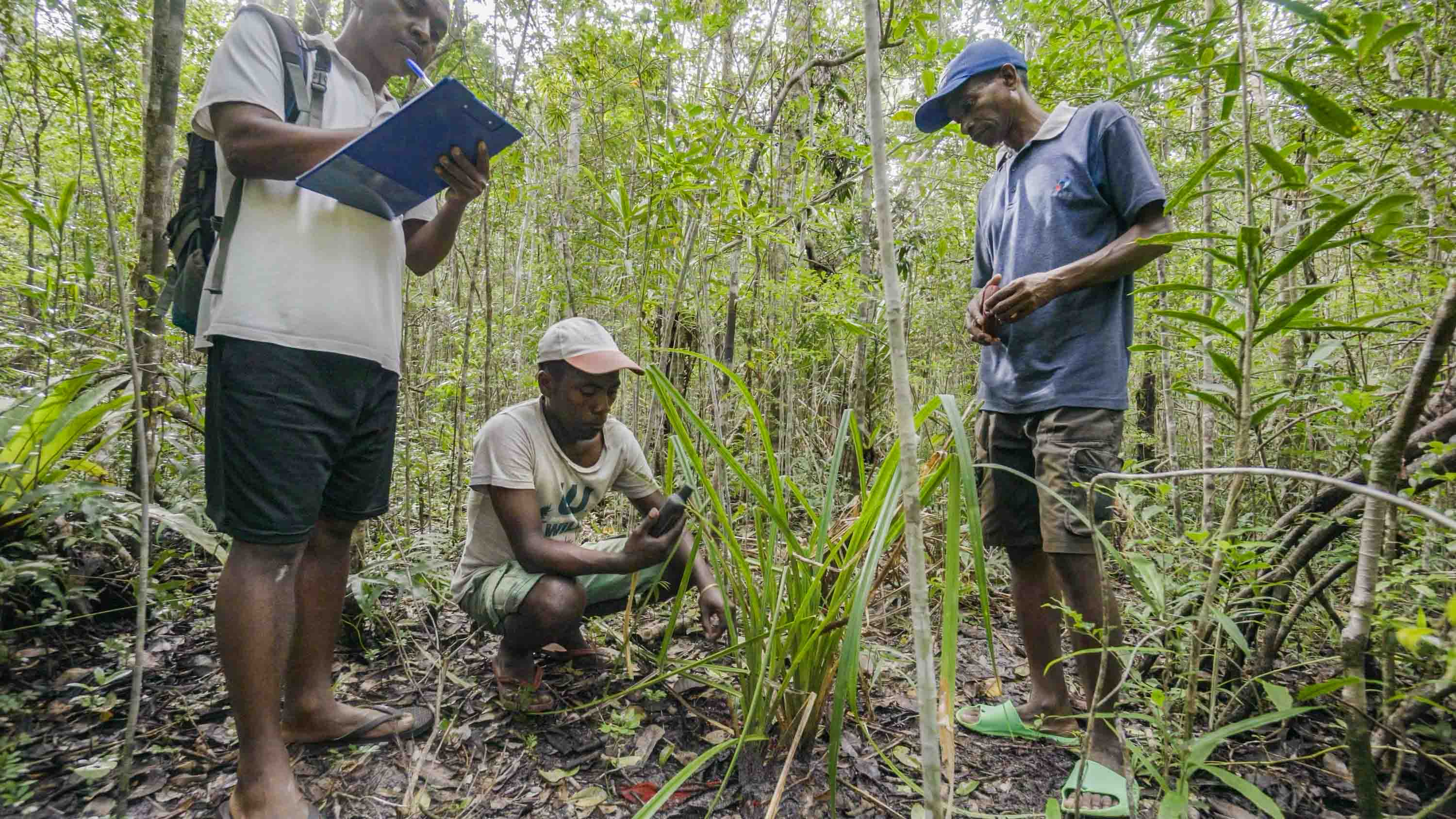
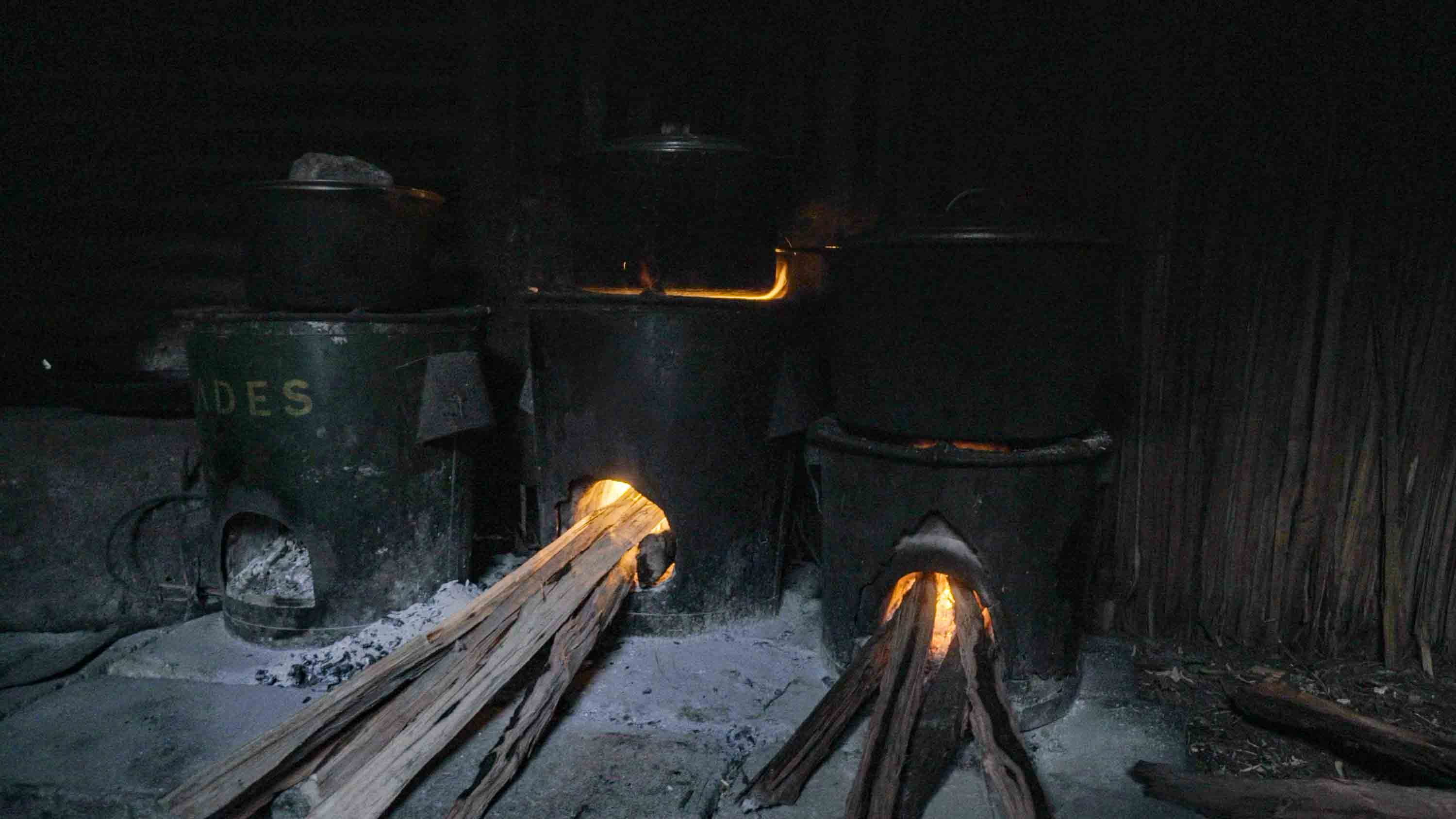
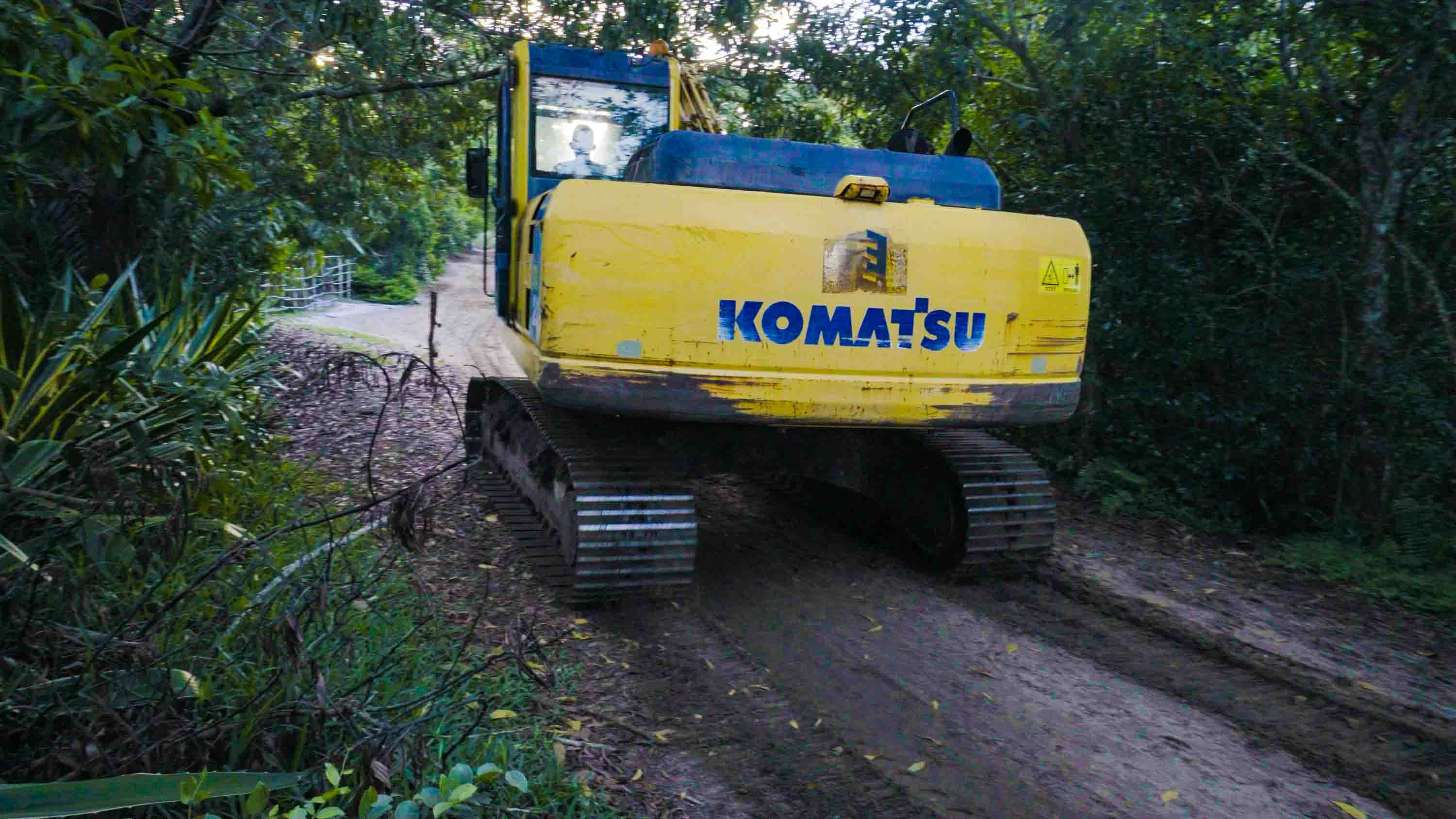
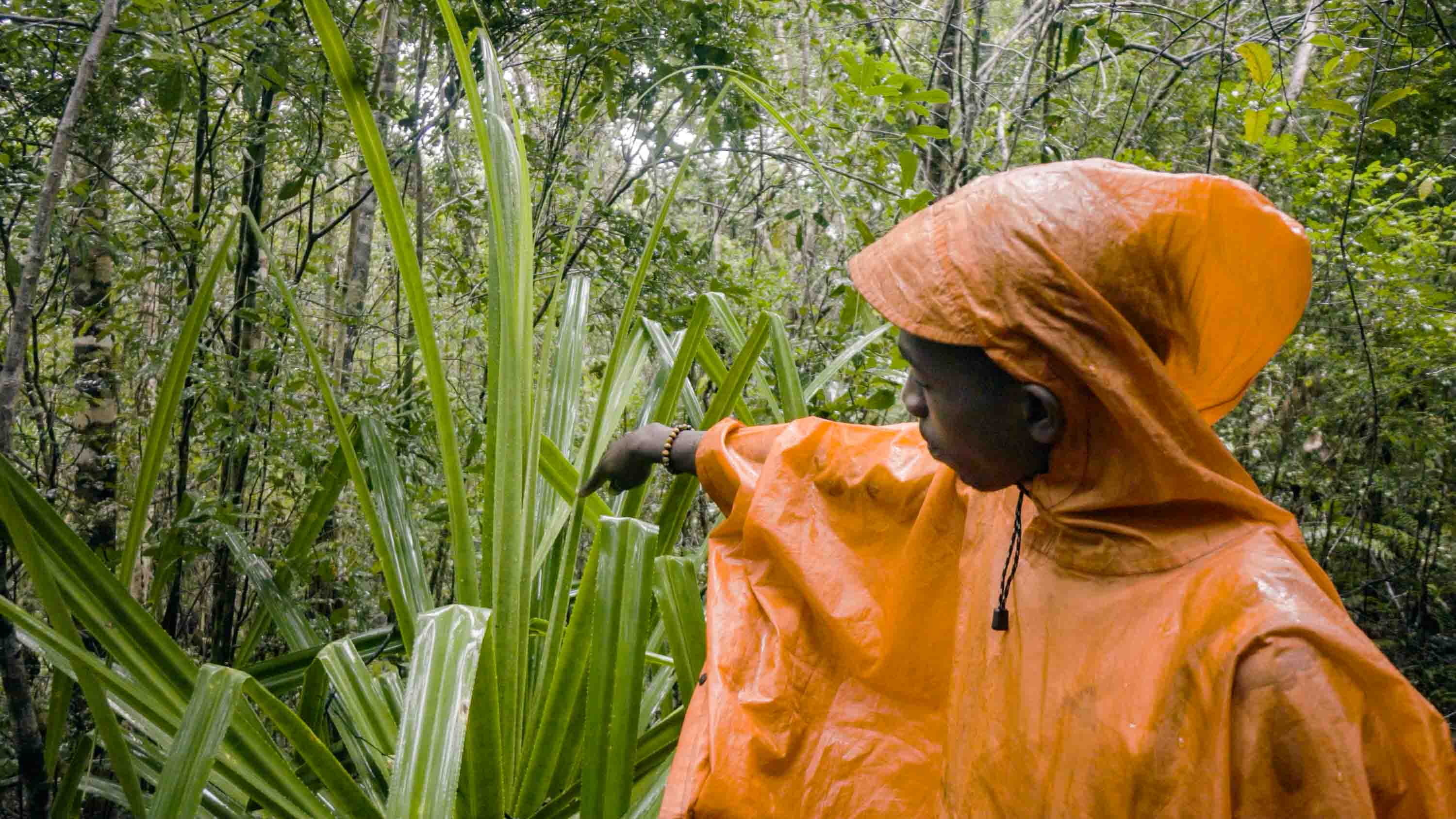
In Namibia, communal conservancies helped wildlife rebound by tying conservation to community benefit and locally controlled tourism revenue; in Nepal, forest cover surged after community forestry expanded and local users gained authority to manage forests.
This is also where travel can either help or harm. Visitor spending only makes a difference when it reaches local communities through mechanisms such as community guiding associations, revenue-sharing protected areas, and conservation programs that employ local staff and reduce pressure on forests. Madagascar is still working to expand these models, but examples are emerging across the island.
These include community-run sites like Anja Community Reserve, where tourism supports both lemur conservation and local development; locally founded organizations such as Association Mitsinjo, which manages forest restoration and conservation programs near Andasibe; and research hubs like Centre ValBio, where visiting scientists and students contribute directly to long-term conservation research and community projects. And for travelers looking for a true once-in-a-lifetime experience, SEED Madagascar hosts volunteers in Sainte Luce for multiple weeks, where you can assist with hands-on conservation work.
For travelers, these experiences offer more than wildlife sightings. They provide a rare chance to see how conservation actually works on the ground, where local guides, researchers, and community leaders are shaping solutions that protect forests while sustaining the livelihoods tied to them.