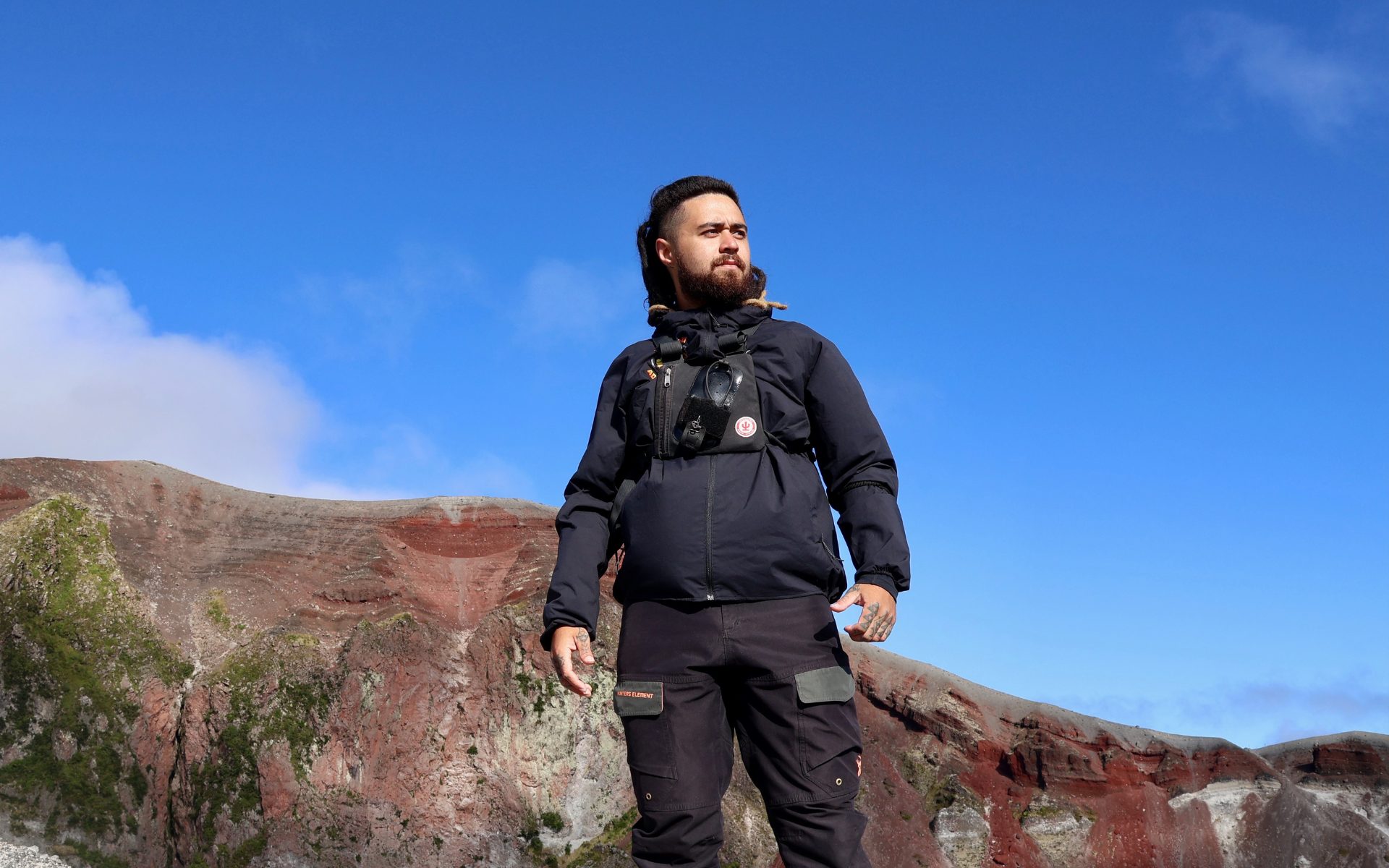
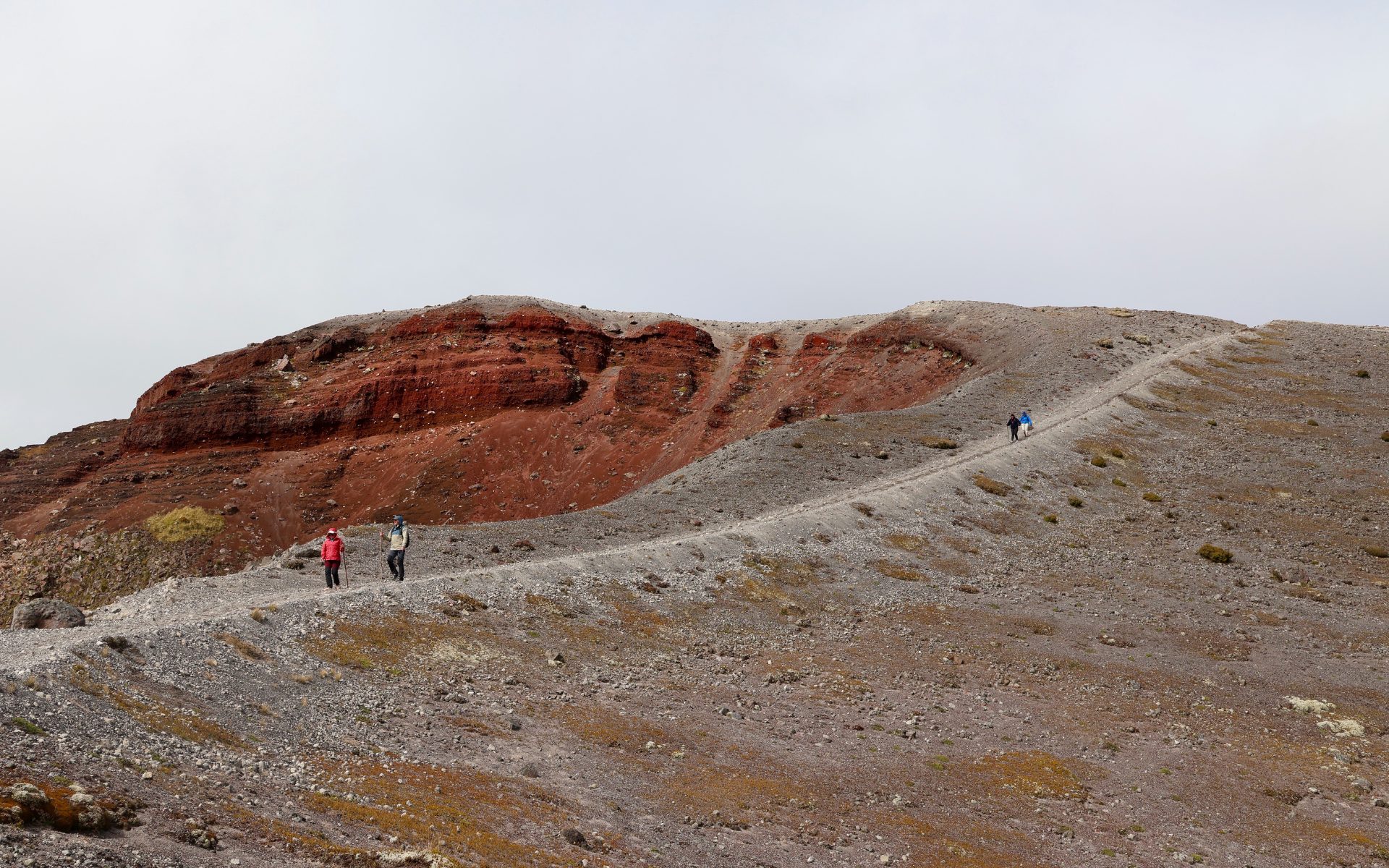
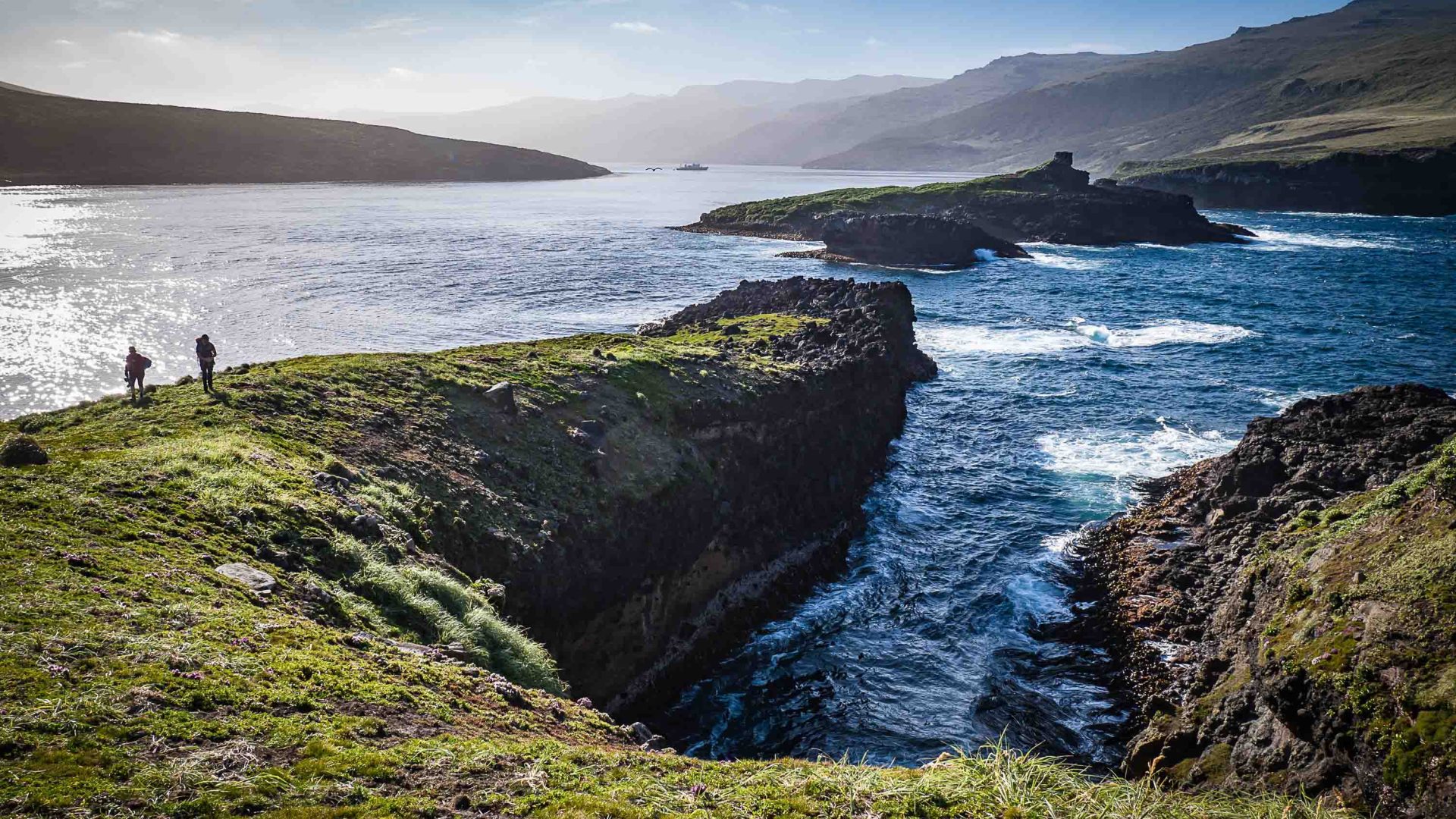
At the crest of Mount Tarawera, one of Aotearoa New Zealand’s most sacred dormant volcanoes, Rangiora Inia begins a karakia—Māori prayer. Low, melodic, reverent, he sings out for spiritual guidance and protection from his ancestors who rest in the volcano’s ochre and black basalt sand.
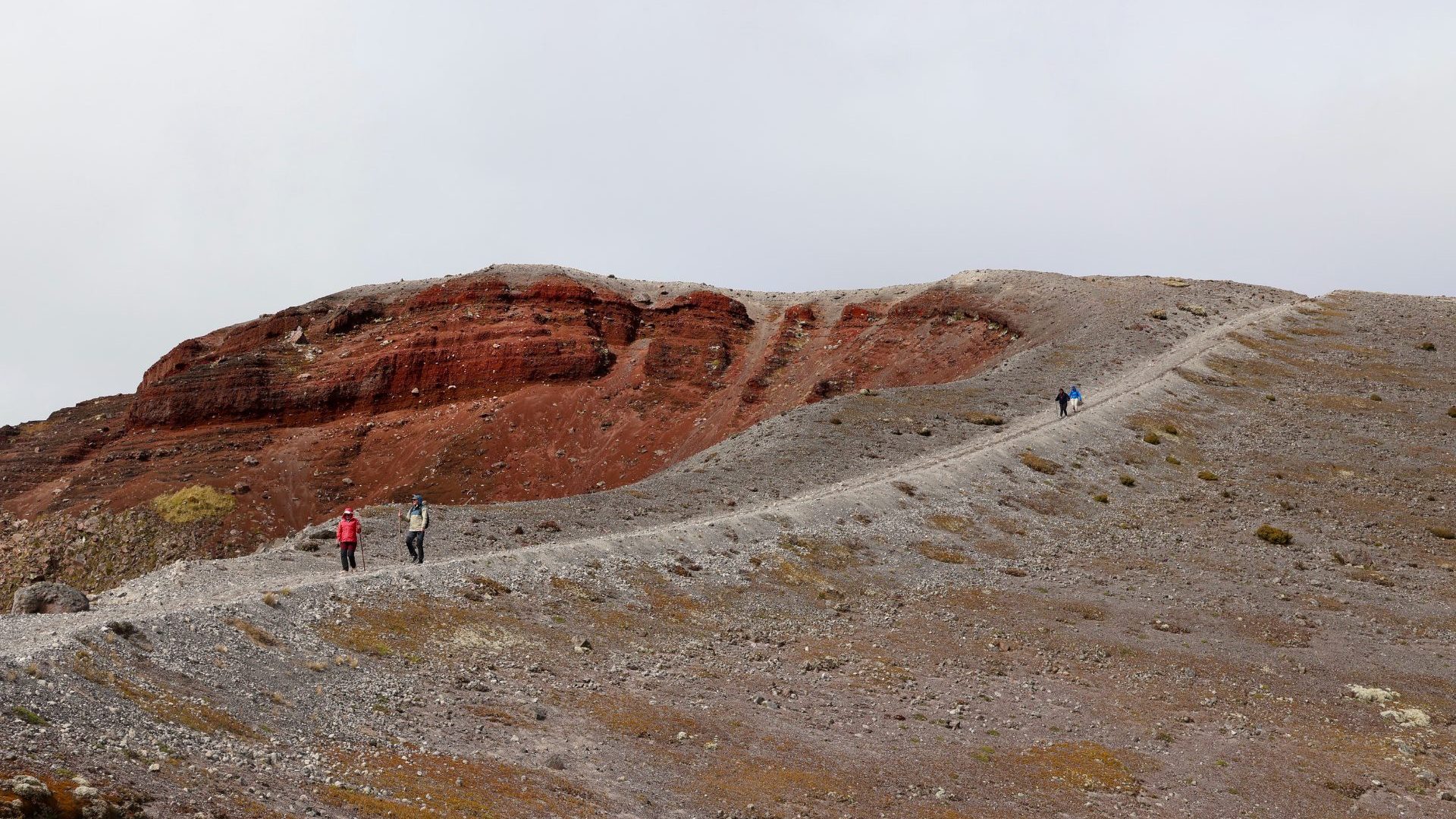
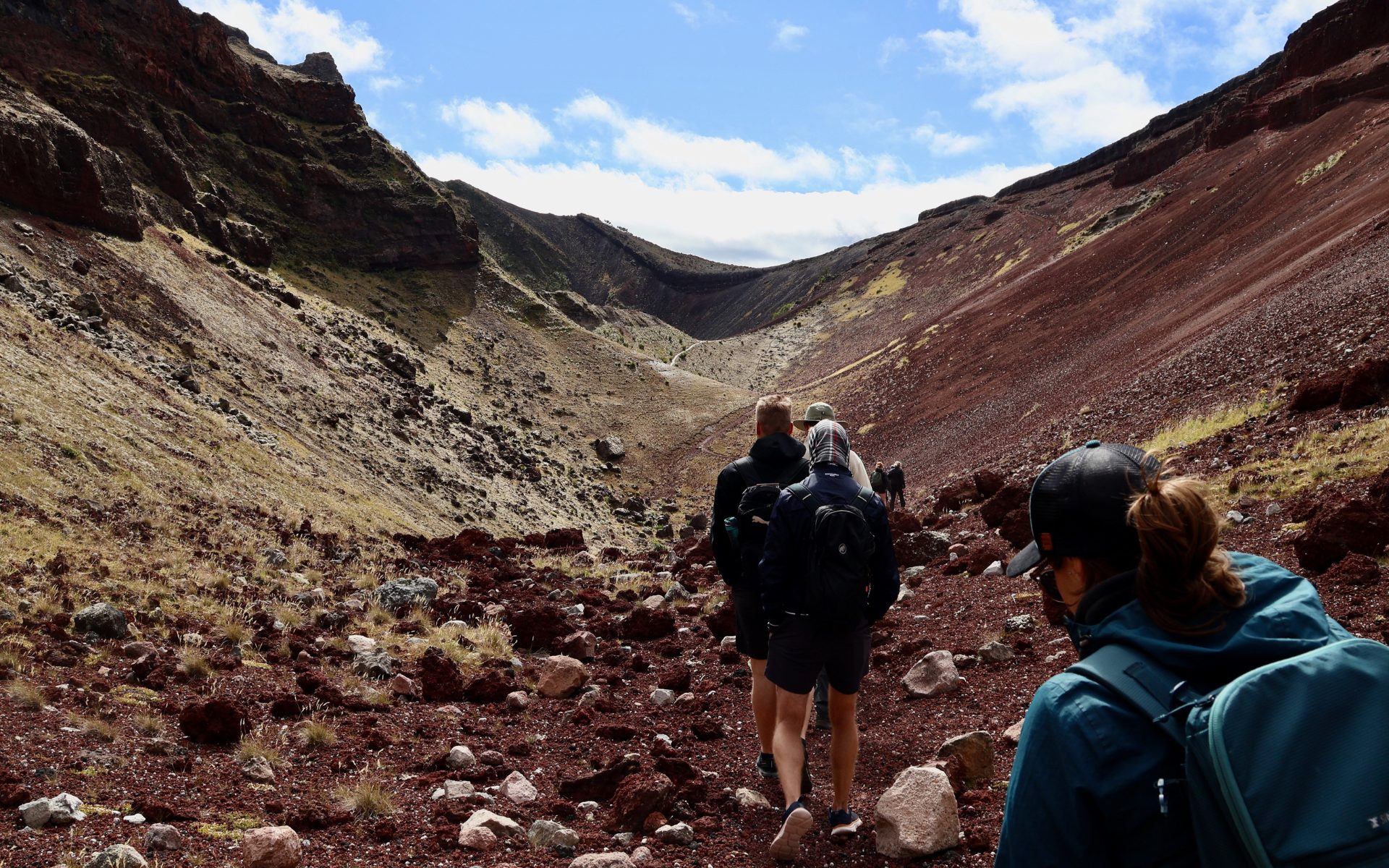
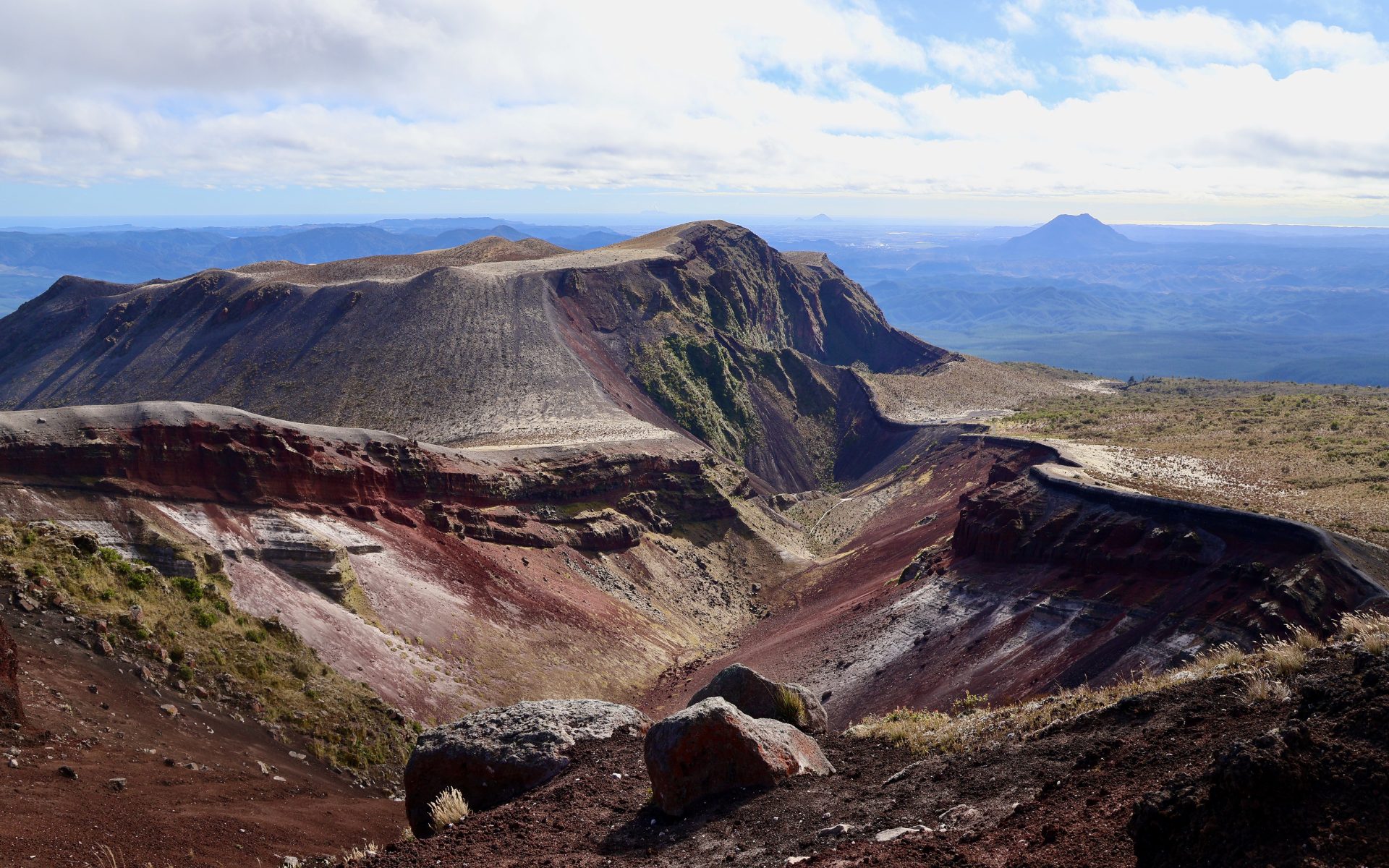
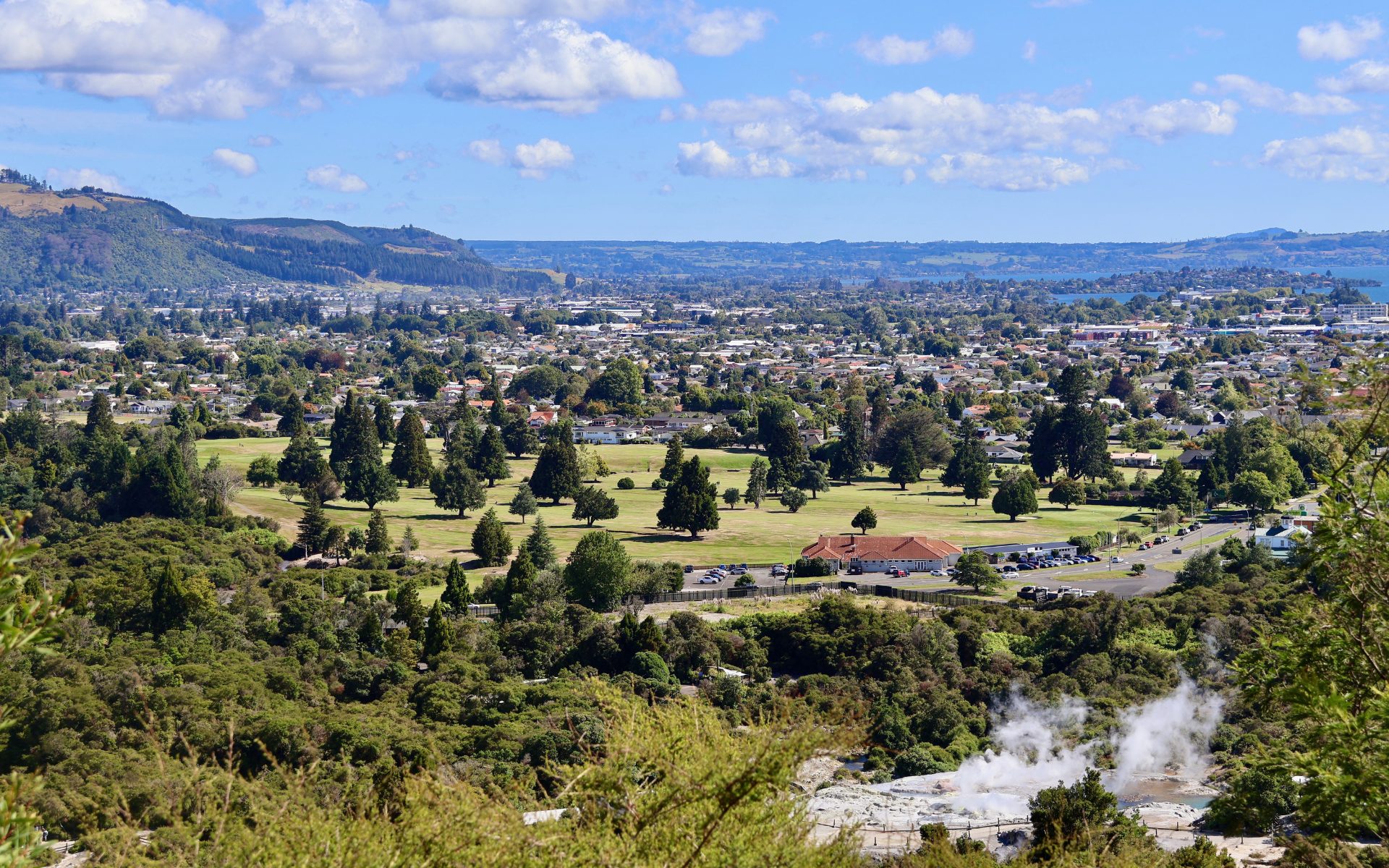
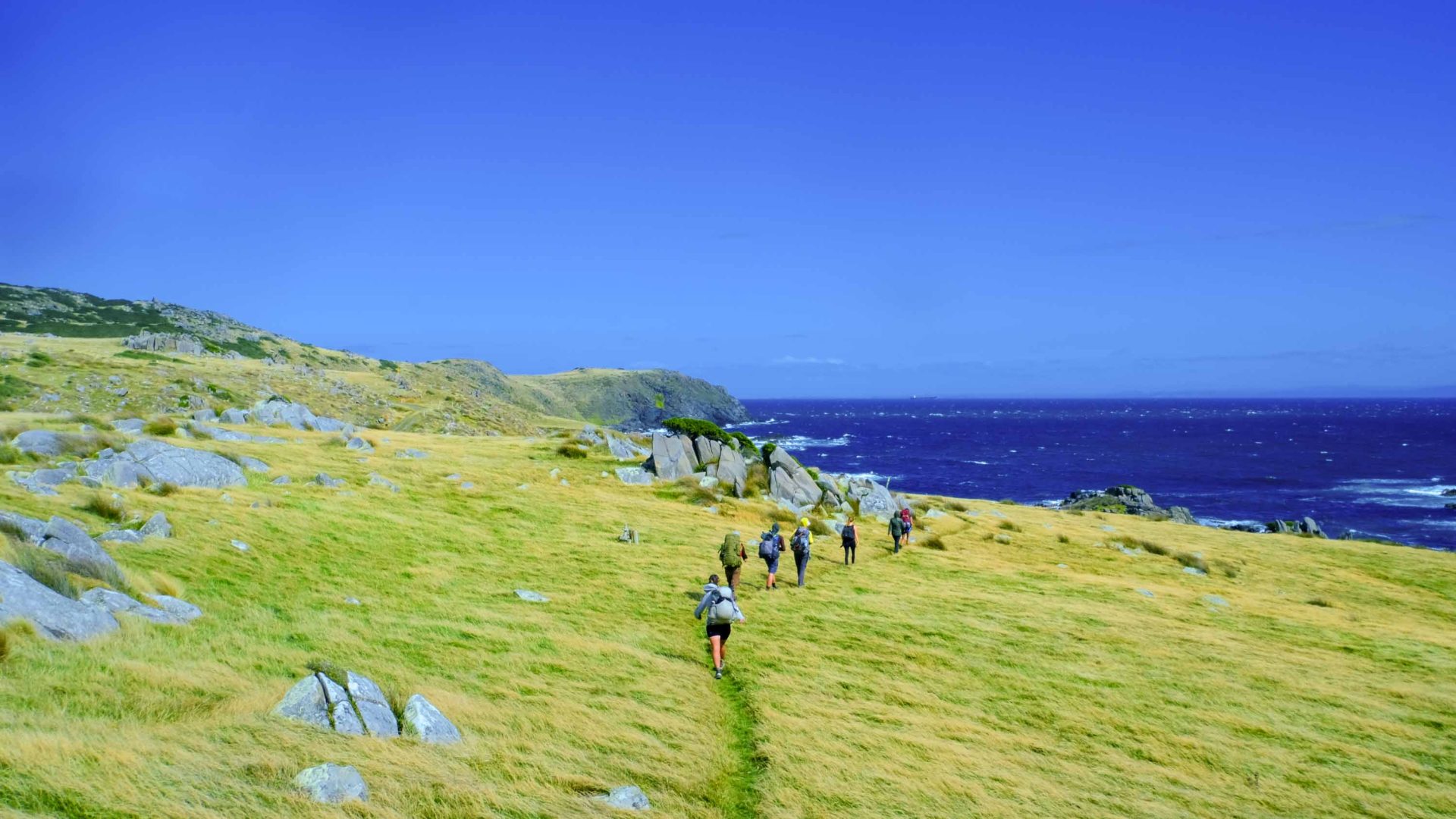
Inia, a guide at Māori-operated Kaitiaki Adventures, has ferried our group more than 3,600 feet (1,100 meters) up a bumpy four-wheel-drive track to begin the two-hour hike around the summit. As we hug the crater’s ridge, sliding through scree, he gestures to Rotorua below, a small city in the heart of the North Island, encircled by lakes and ancient forest.
For Inia, guiding is in his blood. “It’s a duty to our ancestors—they were doing tours on this mountain long ago,” he says. In the 1800s, Māori would canoe foreign visitors across Lake Rotomahana to bathe in the fabled Pink and White Terraces, known locally as ‘Te Otukapuarangi’ (Fountain of the Clouded Sky). These natural silica hot springs, once reported to be the largest silica sinter deposits in the world, were buried by a volcanic eruption in 1886.