For Adventure.com photo editor Nicola Bailey, cruising the Keralan backwaters on a houseboat has been a bucket list experience. Did it live up to the hype in reality?

For Adventure.com photo editor Nicola Bailey, cruising the Keralan backwaters on a houseboat has been a bucket list experience. Did it live up to the hype in reality?
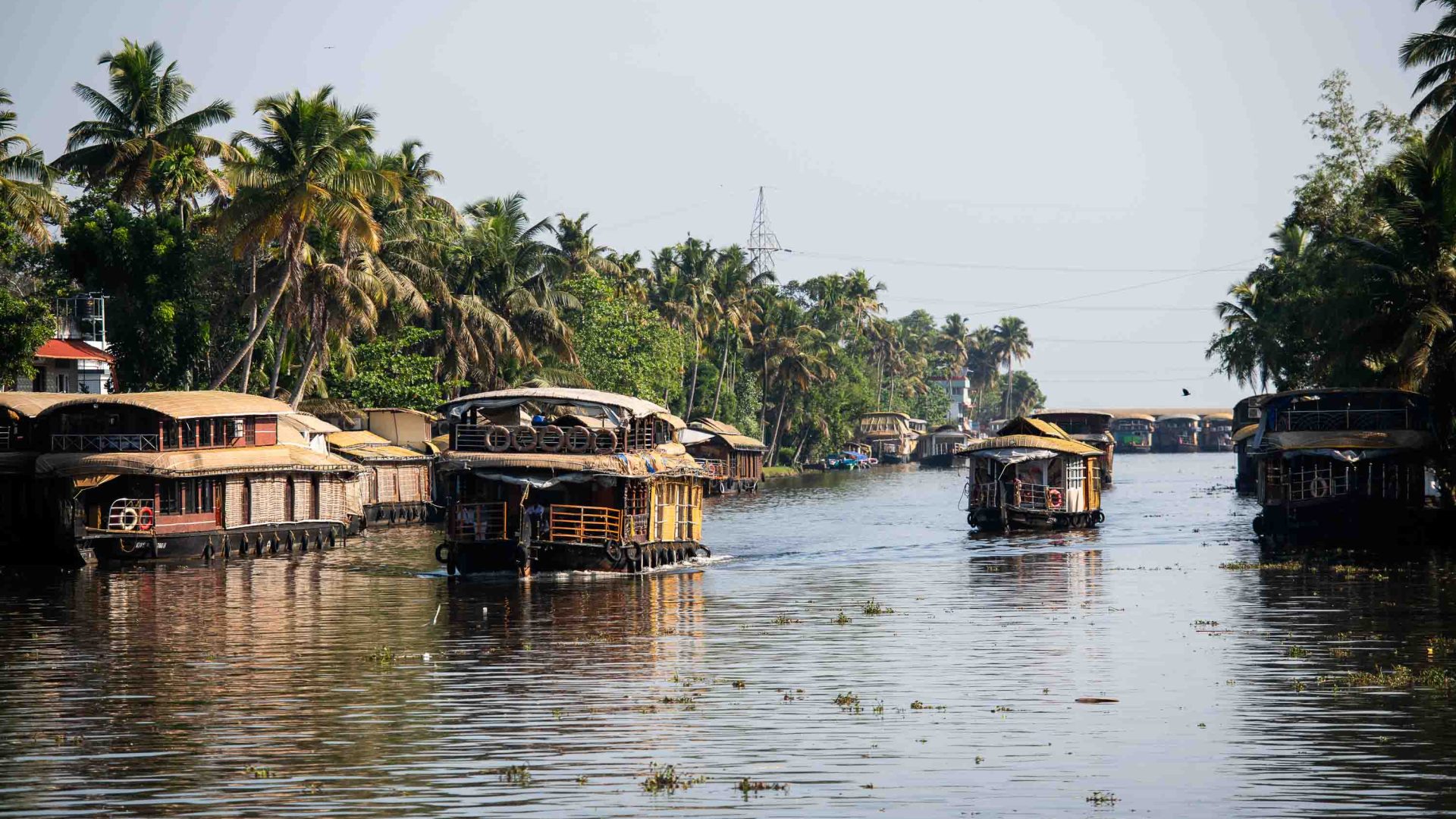
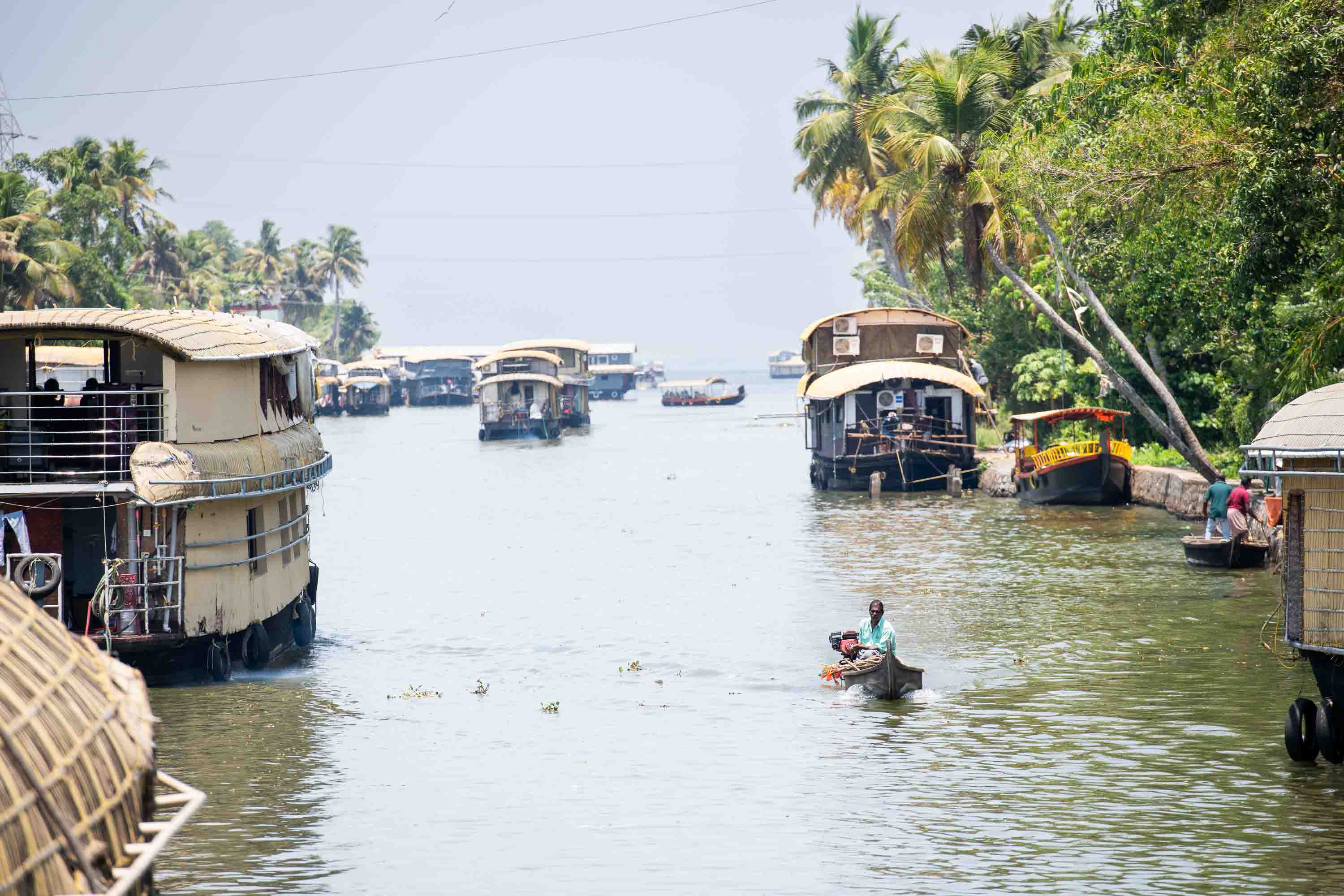
Dozens of houseboats snake up the canal, one after the other, and I feel certain a collision’s inevitable. I’m in the backwaters of Kerala, in southern India, cruising an intricate network of waterways that wind through palm-fringed rice fields and sleepy villages.
I first read about these canals years ago in Arundhati Roy’s 1997 debut novel The God of Small Things. In it, she paints a picture of serene waters and fishing families living aboard boats or on the canal banks. Today, though, the backwaters are bustling. Boats teem with both foreign and domestic tourists, their hulls brushing dangerously close as they pass by. Yet, there is order to the chaos. And, unlike on the roads, I’m relieved to discover they don’t rely heavily on their horns.
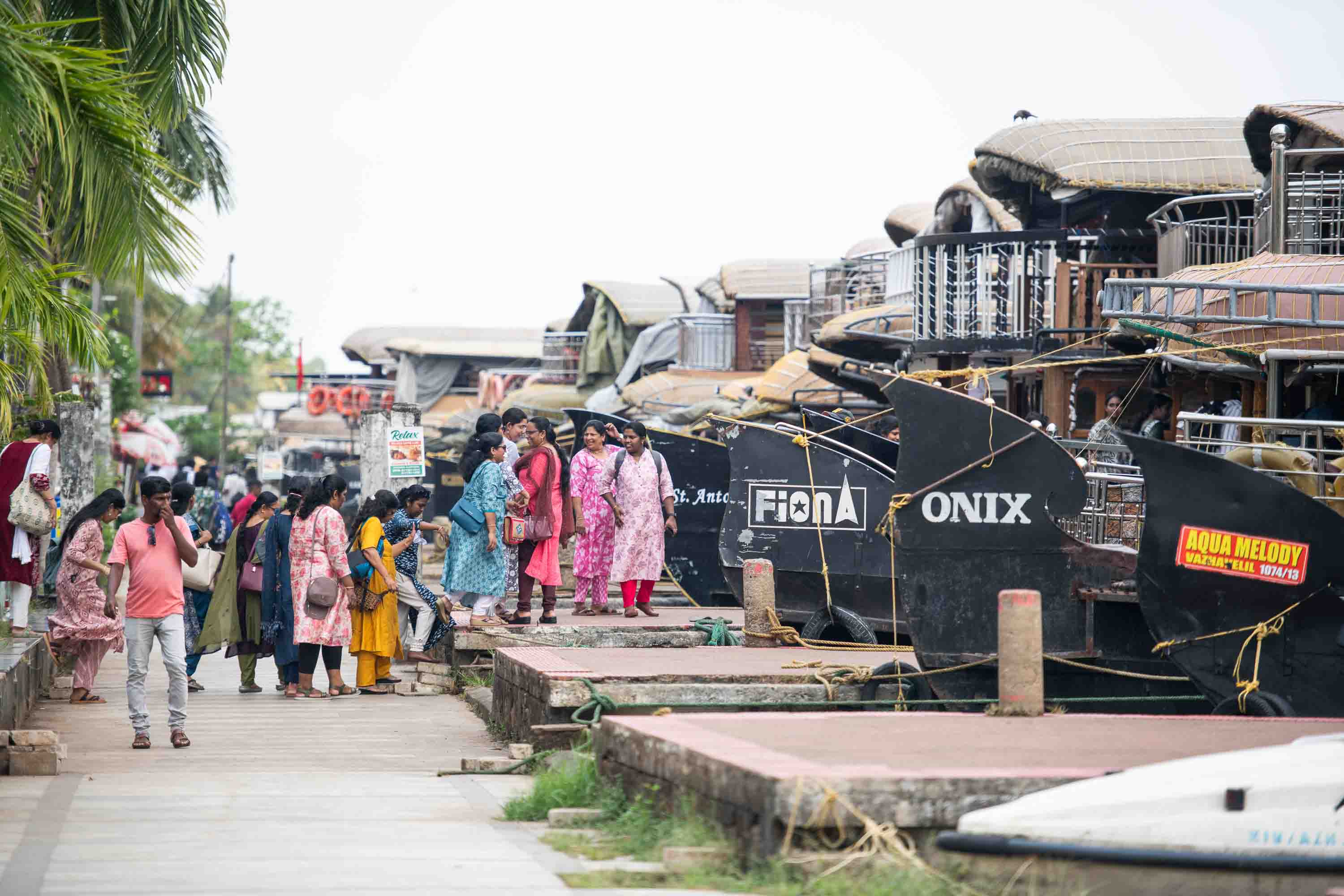
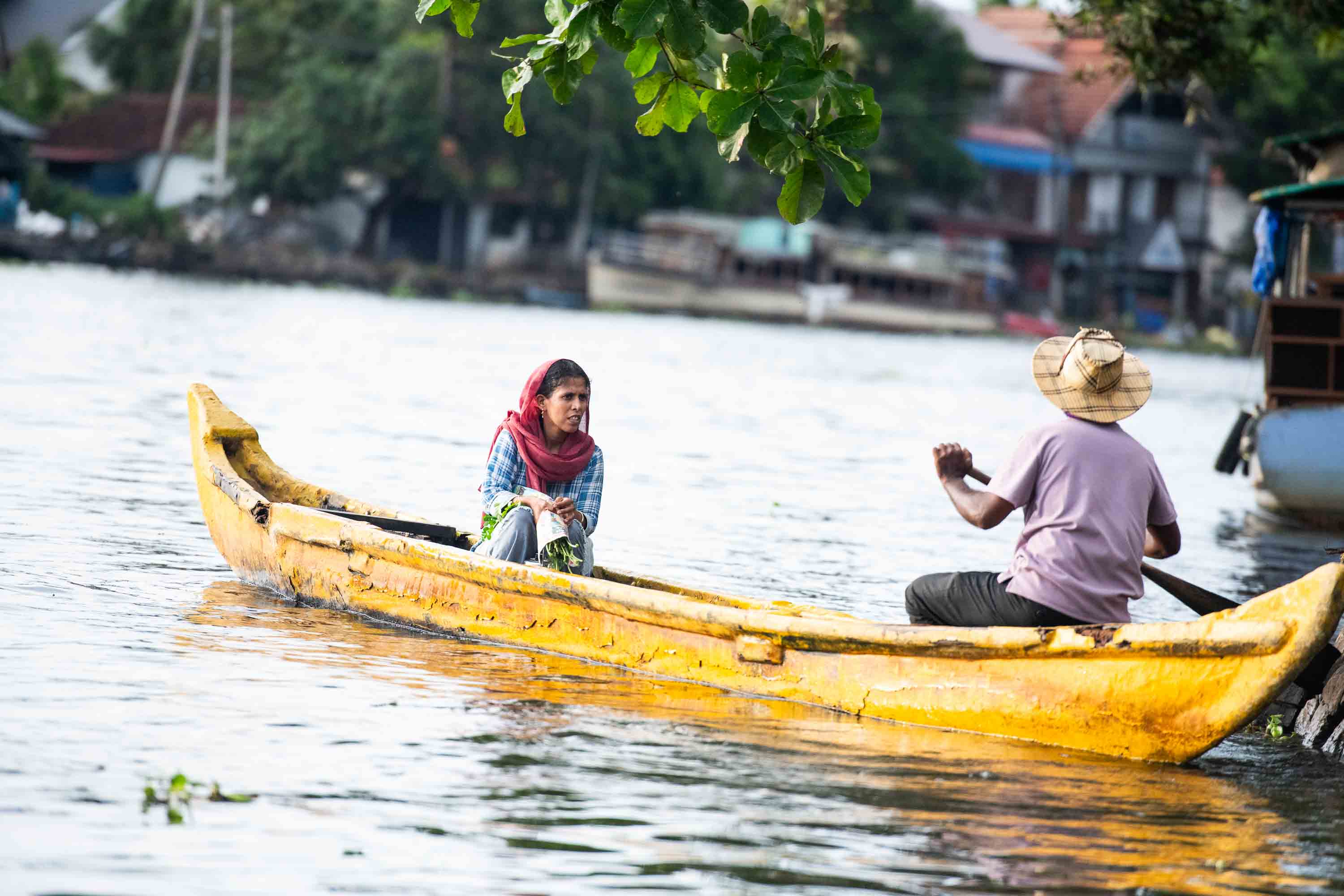
Alleppey, a city on India’s west coast, is the main jumping-off point to the backwaters. With close to a thousand houseboats floating in the immediate area, it’s one of the largest houseboat hubs in the world. Touts hover nearby, ready to secure tourists a booking, but I’m prepared. I’ve spent an unreasonable amount of time researching houseboat options.
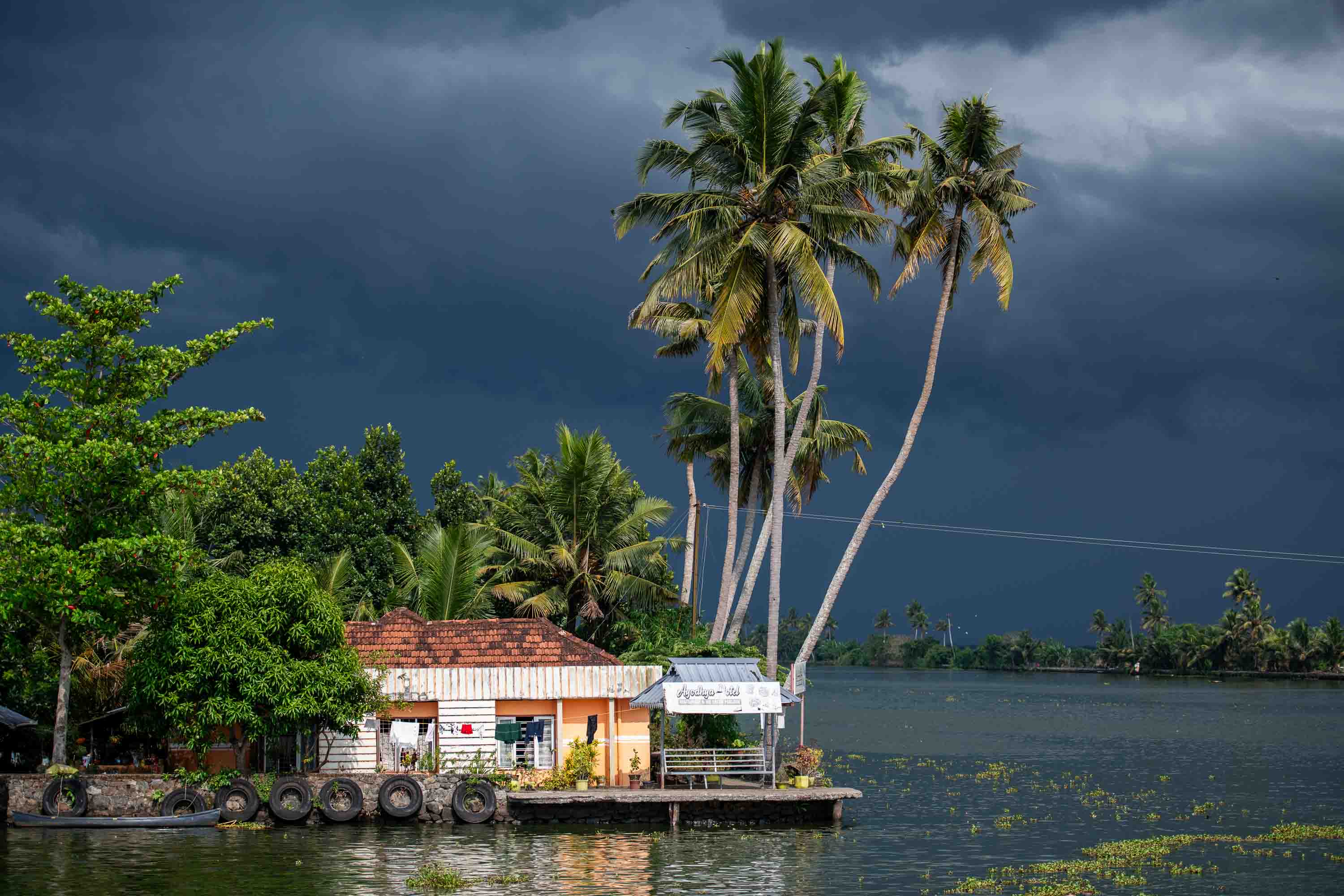
I notice some houses along the water’s edge have erected privacy fences. Closer to shore, plastic bottles compete with water lilies for space.
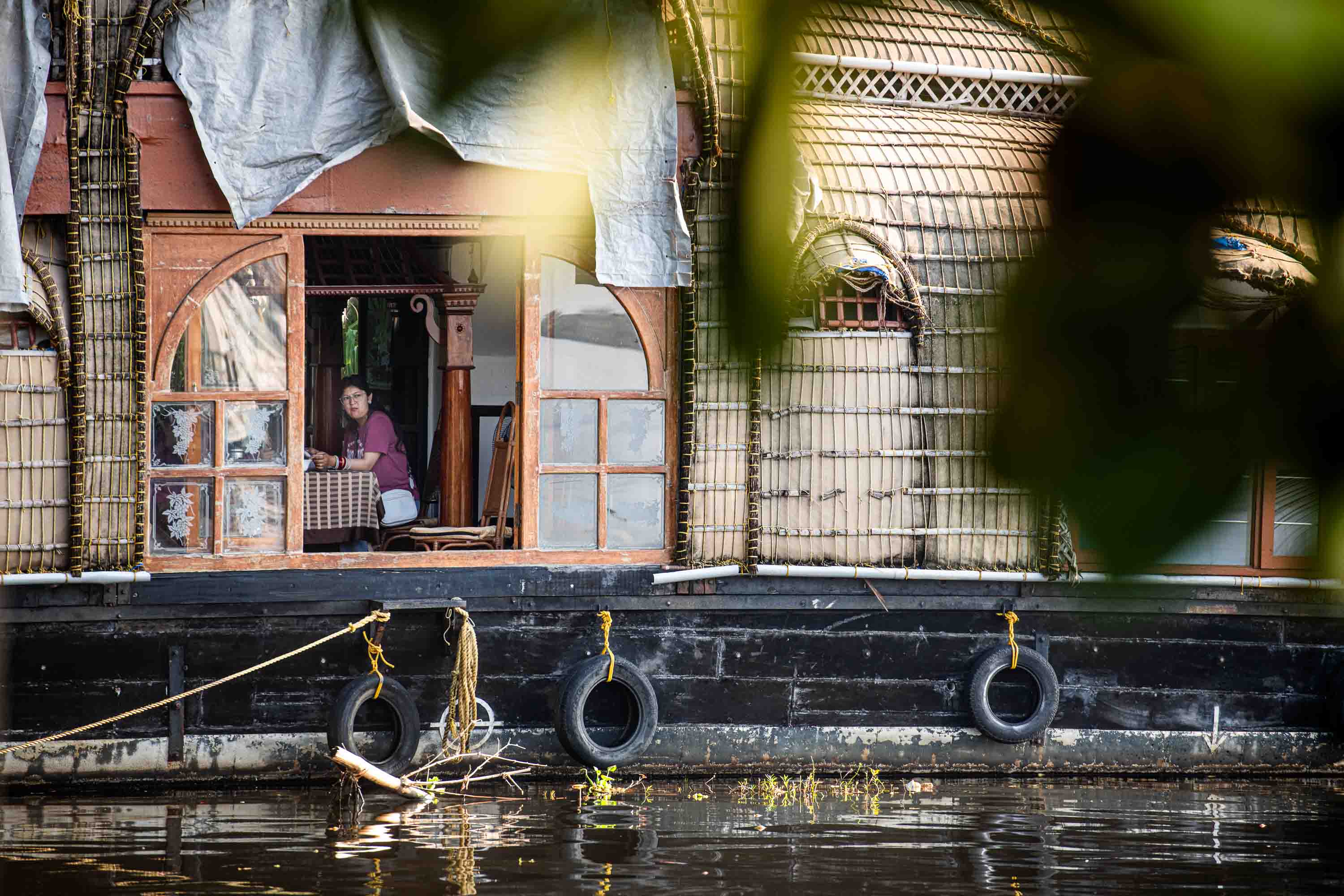
The quality, and price, of houseboat packages varies. A one night, two day stay, including meals, ranges from USD$70 to USD$250, while luxury options can reach up to USD$700. At the cheaper end, you can expect basic common areas and fan-cooled bedrooms, while mid-range boats come with air conditioning and wrap around windows. Keep moving up, and the boats are more like boutique floating hotels with jacuzzis and private chefs. I’d originally booked a budget boat but was generously upgraded to a deluxe suite—we have a boat captain, an all-rounder deck hand and a chef on board.
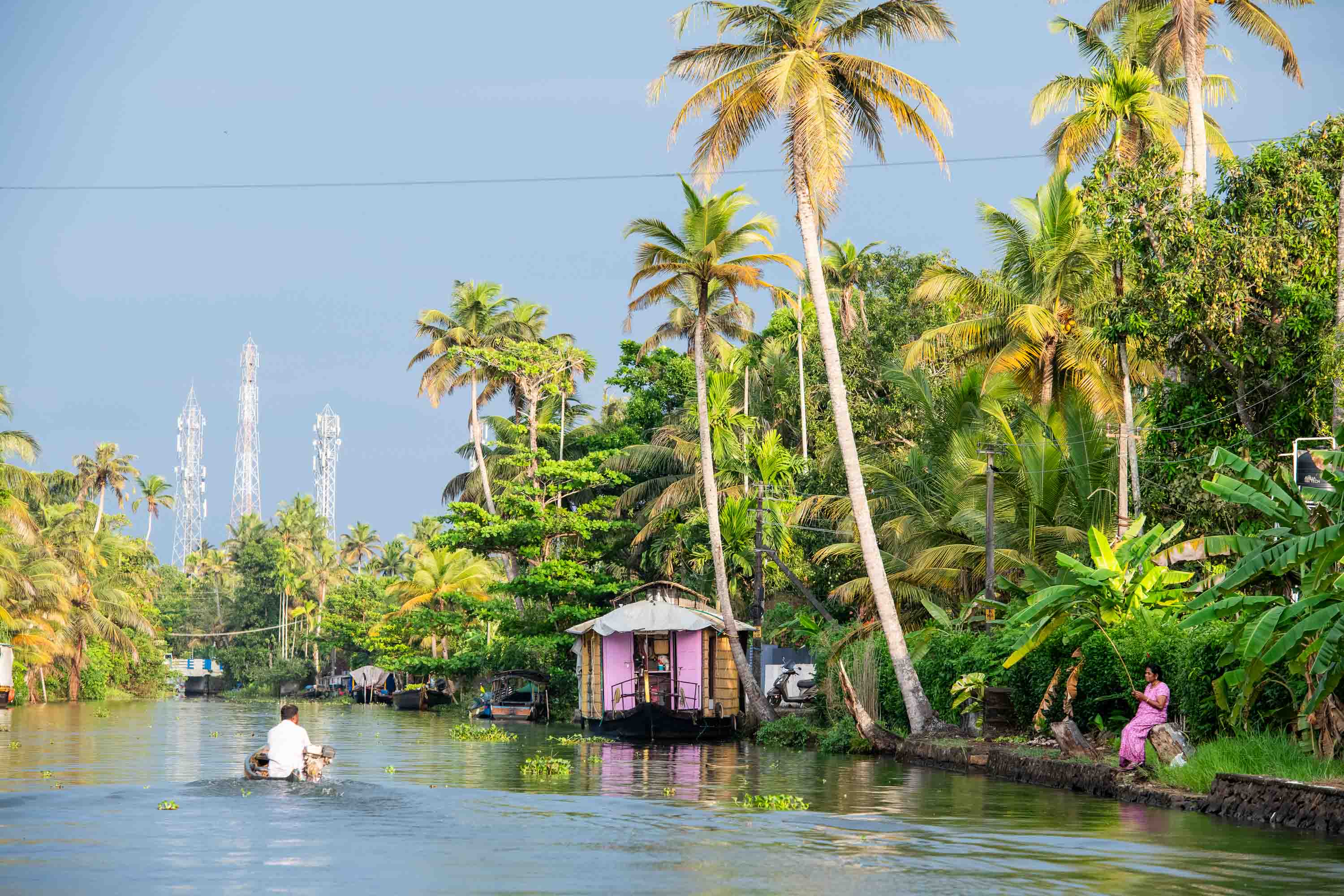
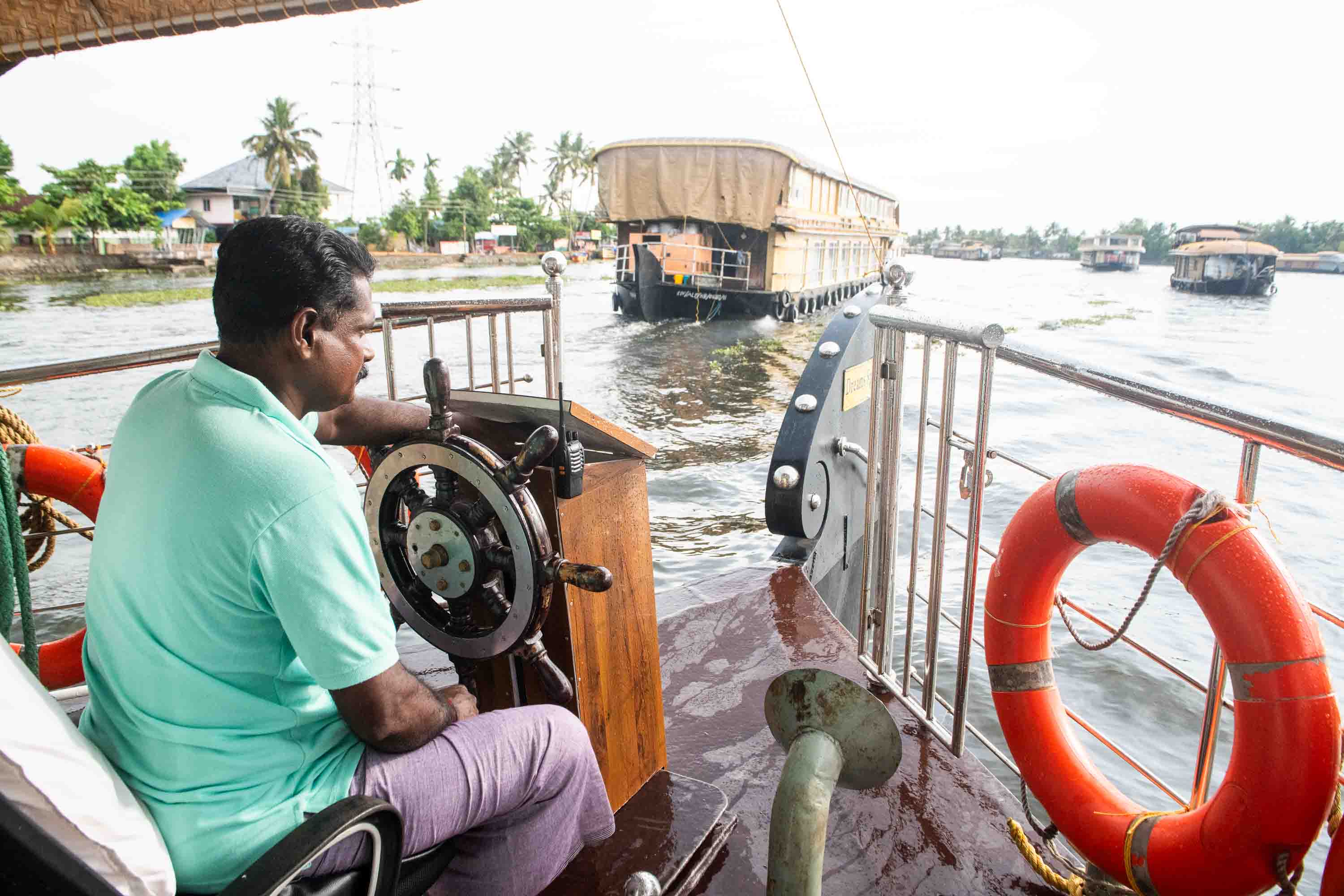
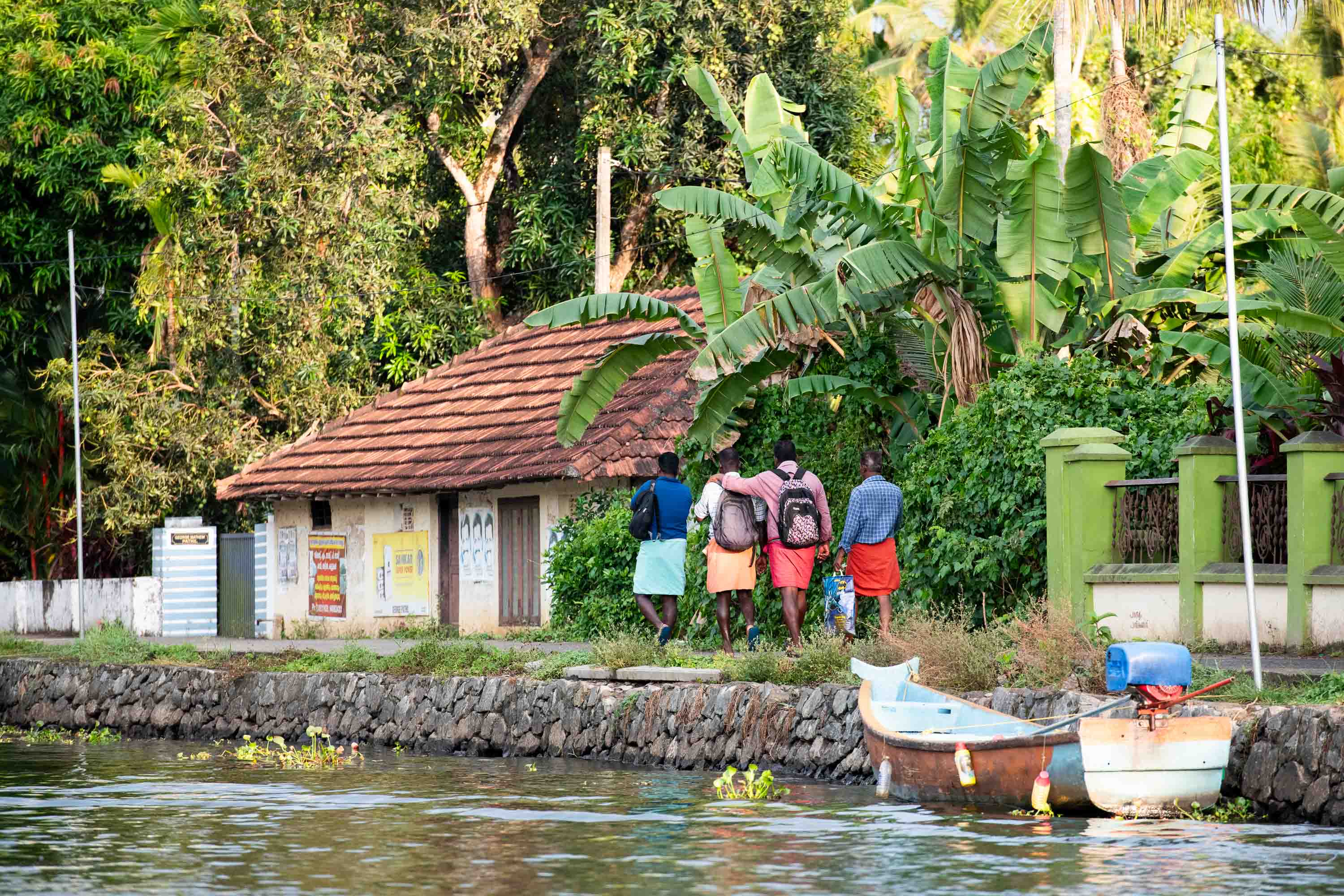
There’s something almost meditative about gliding through the water, watching local Keralan life unfold around you. Fishermen are catching prawns, crabs and the local brackish water favorite, karimeen fish. Villagers on the shore tend to their rice fields, while children can be seen coming and going to school in their small row boats. We hear the crackly sound of music coming from the speakers of a temple, before the temple comes into view. Boats are prohibited from driving after 5:30 pm each day, and so they typically moor at the edge of local villages where travelers can buy snacks and carved figurine souvenirs.
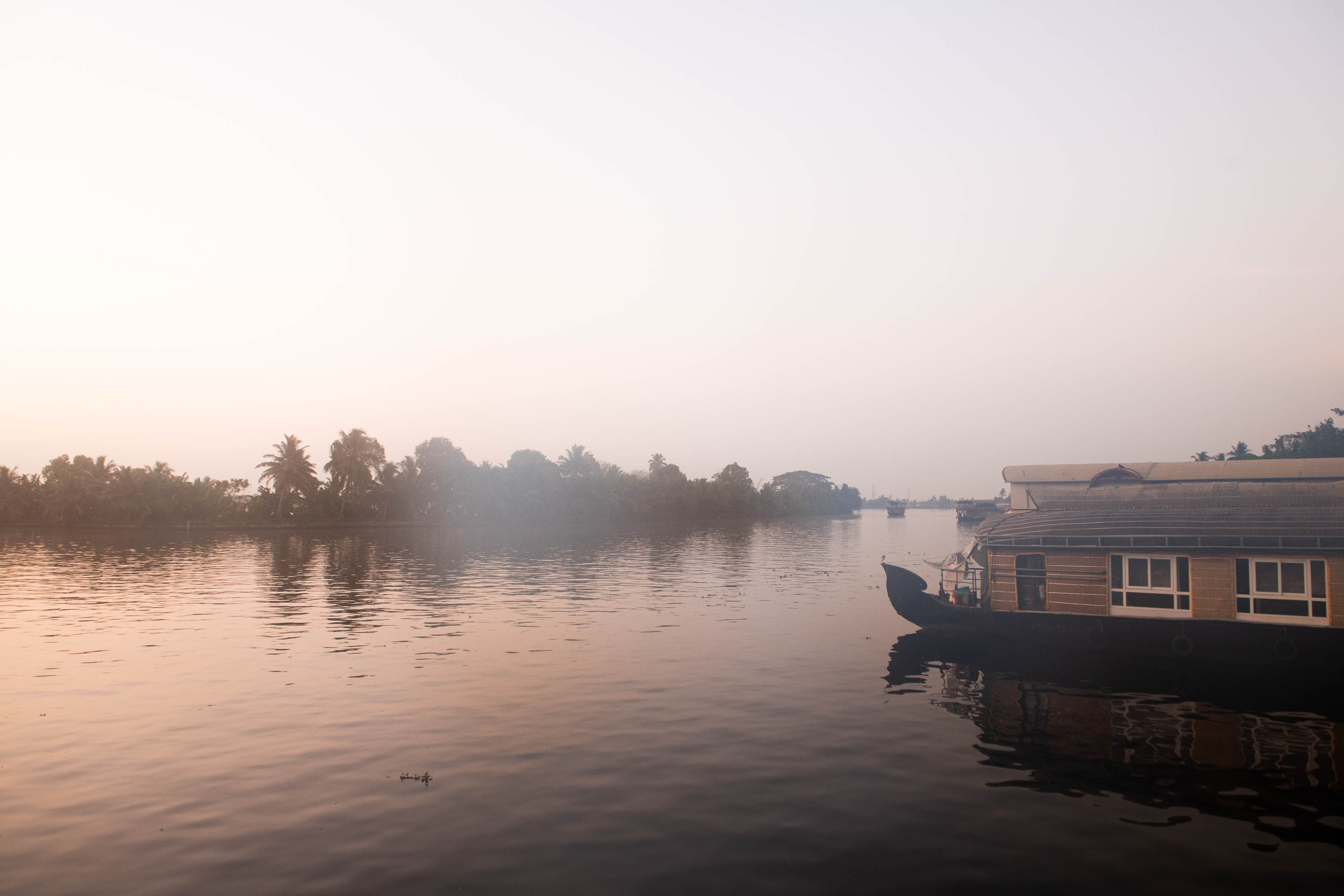
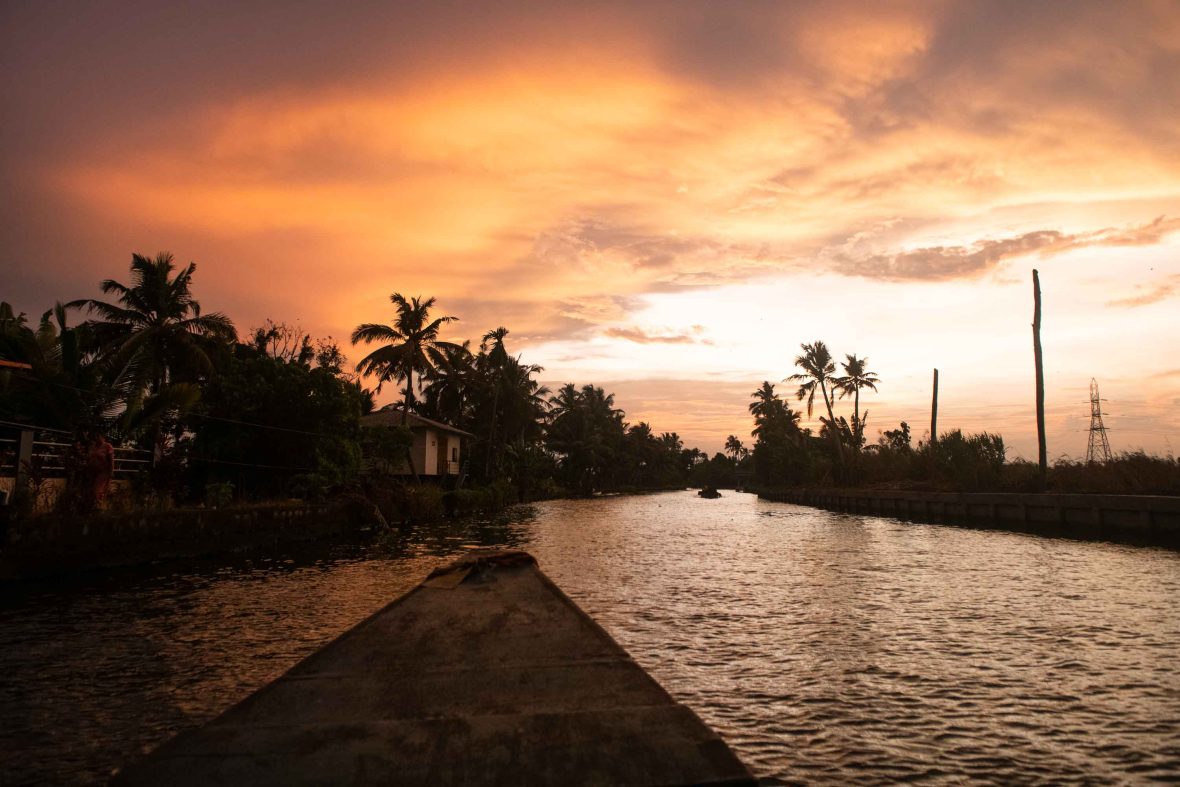
On a shikhara boat we cruise some of the smaller, less accessible canals. Here the waterways quieten, palms hang overhead and the distance from the boat to the shore narrows. The sky is streaked in molten orange.
The longer I sit observing the rhythm of daily life along the banks, I begin to wonder about the houseboat industry’s impact on the communities and ecosystems that depend on these waters. I notice some houses along the water’s edge have erected privacy fences. Closer to shore, plastic bottles compete with water lilies for space. Speaking with Joy Jacob, our boat owner, he explains that the industry provides locals with vital, alternative jobs—outside of fishing and farming—and encourages tourist spending in canal-side communities.
But those benefits do come at a cost. There is a growing number of unlicensed houseboats, and some boats have been accused of dumping untreated sewage directly into the canals. Then there’s congestion. For locals traveling by canoe, the volume of boats poses a genuine safety risk. And NGOs representing canal-side communities report regular complaints about tourists disregarding privacy, behaving inappropriately onboard, taking non-consensual photos, and mooring too close to family homes. This is of particular concern for women and children bathing.
Should we ditch the houseboat industry altogether? Not in my view. The Kerala state government has introduced compliance systems, and while there is still a ways to go, there are signs of positive changes among houseboat operators: Modular onboard plants now treat 100 percent of wastewater; there are enforced capped limits to the number of boats on the water; and houseboat owners can earn a Silver or Gold Star from the Kerala Tourism Department when they meet criteria, including using ec0–friendly materials on board and employing at least 75 percent local staff.
But what can we do as tourists? Beyond behaving respectfully, we can choose licensed operators with strong environmental practices—ask how waste is managed, avoiding single-use plastics onboard. To spread tourism dollars more equitably, consider a longer route that reaches less-visited villages. While the majority of tours leave from Alleppey, nearby Kumarakom and Kollam towns have significantly less traffic. Adding a land-based homestay to your trip will also contribute to canal-side communities.
Cruising the backwaters wasn’t quite the untouched idyll I’d imagined. They’re busier and the issues are more layered than the stories suggest. But that complexity doesn’t make the experience less meaningful—it just makes the responsibility clearer. Because beyond the houseboats and sunsets, this river is still someone’s road, someone’s workplace, and someone’s front yard.
The writer’s trip was self-funded, they traveled with Beach Paradise Day Cruise Houseboat.
***
Adventure.com strives to be a low-emissions travel publication. We are powered by, but editorially independent of, Intrepid Travel, the world’s largest travel B Corp, who help ensure Adventure.com maintains high standards of sustainability in our work and activities. You can visit our sustainability page or read our Contributor Impact Guidelines for more information.

Nicola is an award-winning photographer who lives between her homes in Sydney, Australia and New York City. She has a particular interest in remote and challenging locations, and the visual stories that come out of them.
Full Bio