With a progressive hearing loss that began in early adulthood, taking up birding seemed pointless for Suzanne Morphet. But, as she discovers, excellent guides and innovative technology make all the difference—and not just for the hard of hearing.

With a progressive hearing loss that began in early adulthood, taking up birding seemed pointless for Suzanne Morphet. But, as she discovers, excellent guides and innovative technology make all the difference—and not just for the hard of hearing.
“What are you hearing?” I ask my husband eagerly as we walk along a lit boardwalk early one morning in Ecuador’s tropical rainforest. The sun has yet to rise above the treetops, but I know the dawn chorus has already begun—I just can’t hear it.
The truth is, birdwatching might better be called birdhearing. I’m not the first person to note this misnomer, but I know the truth of it. With severe to profound hearing loss, I can’t hear most birds.
That’s why for years it felt pointless to take up birding. It ended up happening accidentally at Canopy Lodge in Panama in 2017 where I went with a friend to enjoy its natural swimming pools. “We’re bathers, not birders,” I wrote in this story, then explained the unexpected thrill I got when their guide helped me spot birds. Which explains why I’ve come to Sacha Lodge, a 2,000-hectare protected tropical forest rich with birds—and expert local guides who can identify every species here.
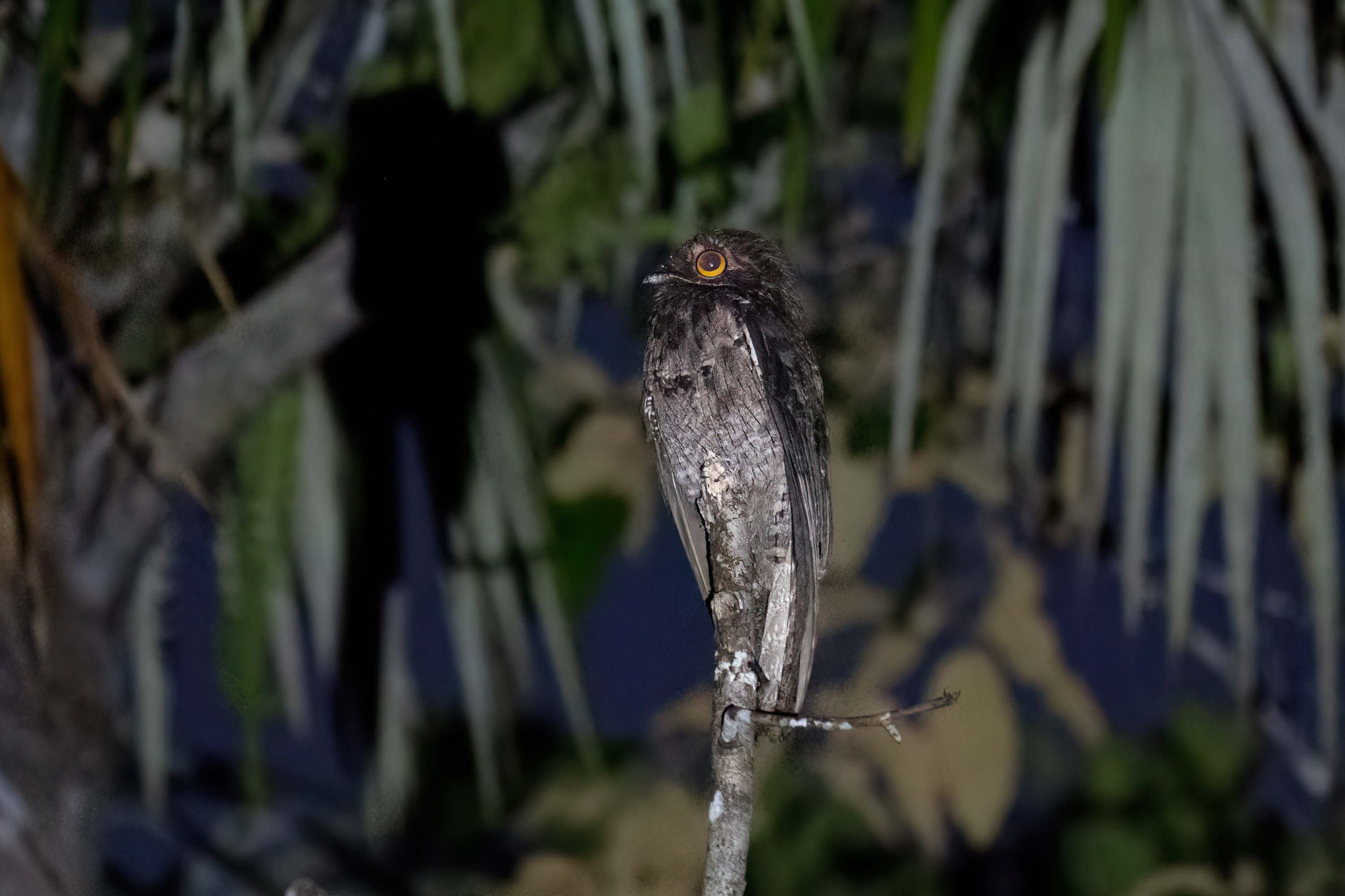
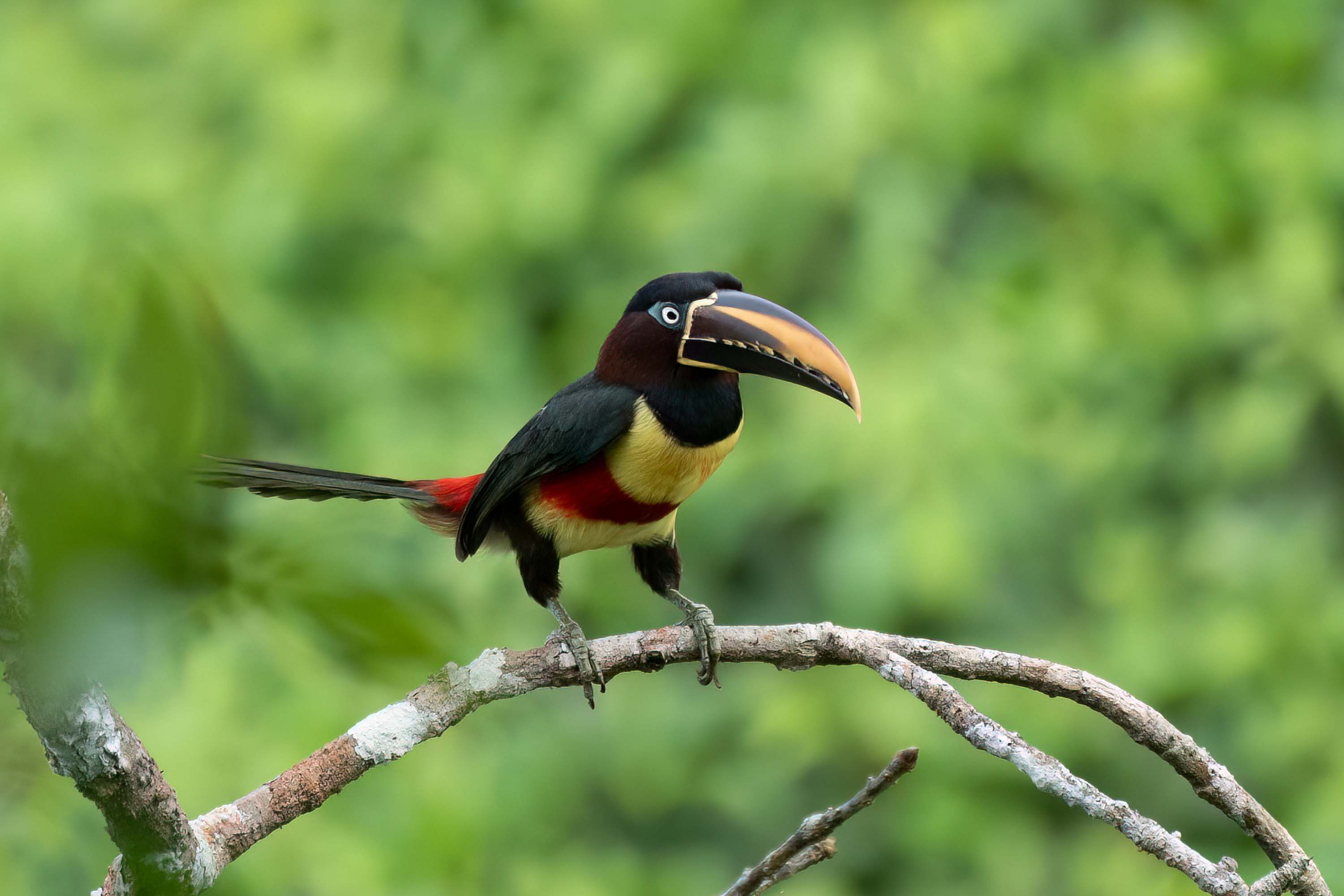
Many of us lose some of our hearing as we age, beginning with the higher frequencies, which is where birds sing. Katie Norie, my audiologist in Sidney, British Columbia, says that’s because the hair cells responsible for high frequency sounds are on the outside of the cochlea—the little snail-shaped organ in our inner ears. “They get stimulated, even for a low frequency sound,” explains Norie, “so they get worn out faster, because they’re used more often.”
I started losing my hearing in my 20s due to a genetic hearing loss. Now, in my mid-60s, I can still hear the hoot of an owl at 1,000 Hz, but sopranos like warblers and waxwings singing at 8,000 Hz and higher are out of my range.
It never occurred to me before coming here that hearing loss isn’t the only disability deterring people from seeing birds.
“Don’t your hearing aids help?” friends sometimes ask when they hear a bird and I don’t. Exasperated, I’ll sigh and say, “Sure, but 10 times zero is still zero.”
Next to the Napo River, which flows into the Amazon, Sacha Lodge is also within the Yasuní Biosphere Reserve, a UNESCO World Heritage Site about the size of Sweden, and one of the most biodiverse areas on the planet. Around 600 species of birds have been spotted at Sacha Lodge itself; that’s almost half the total for all of the Amazon.
“It’s a real paradise,” says Christian Zavala, our Ecuadorian guide. “There’s no hunting and we don’t interfere with nature, so it’s a good place.”
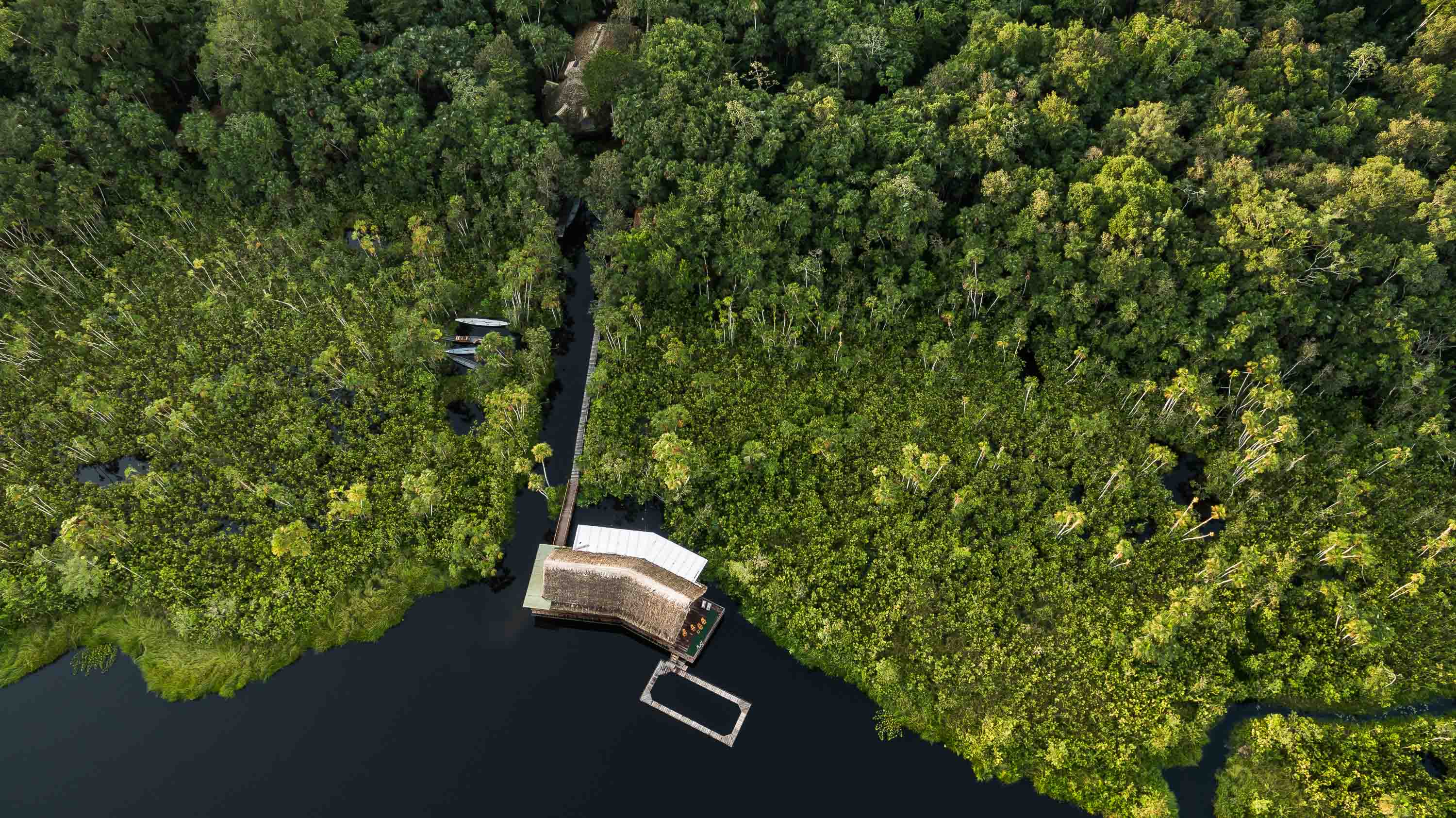
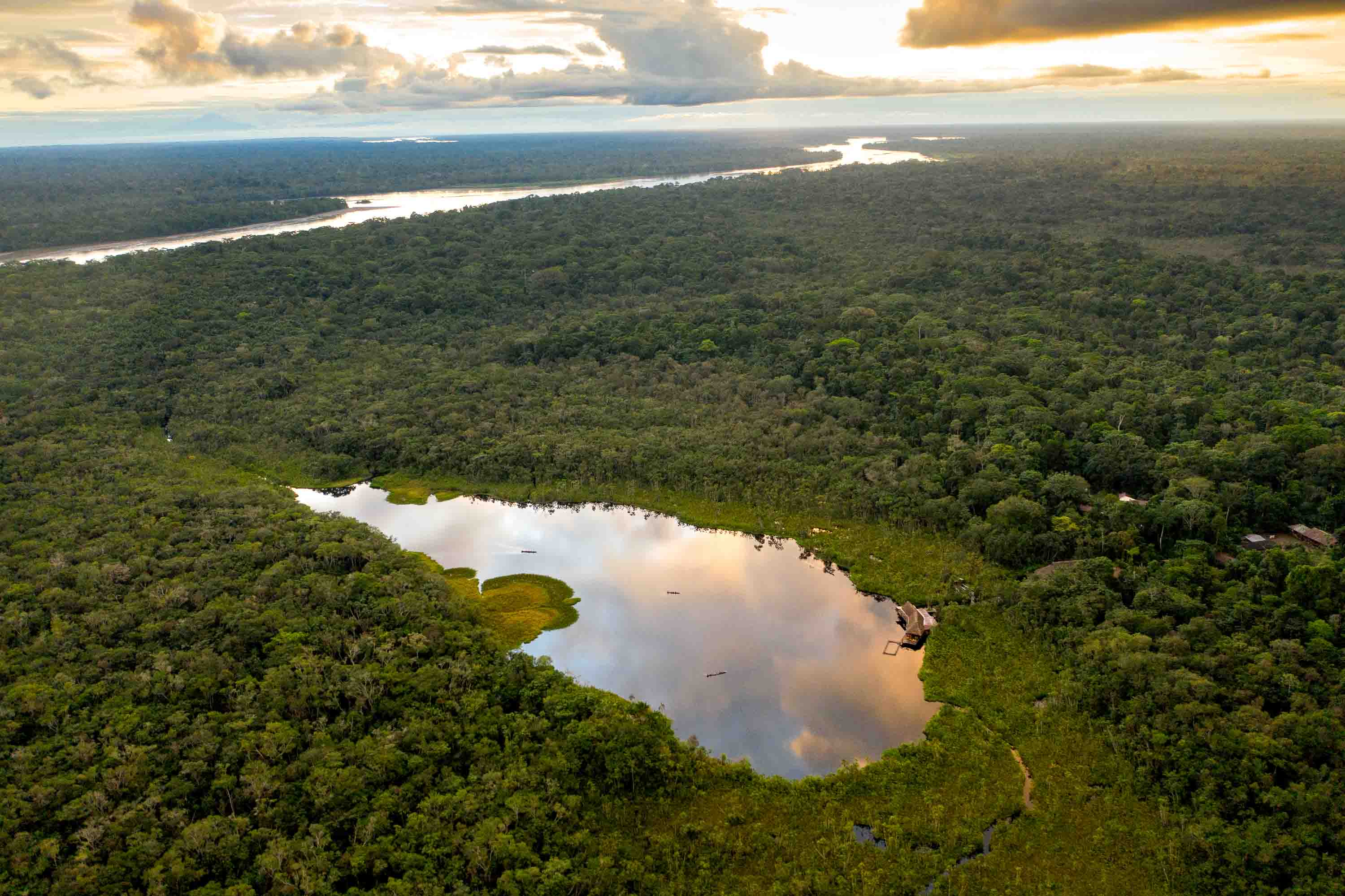
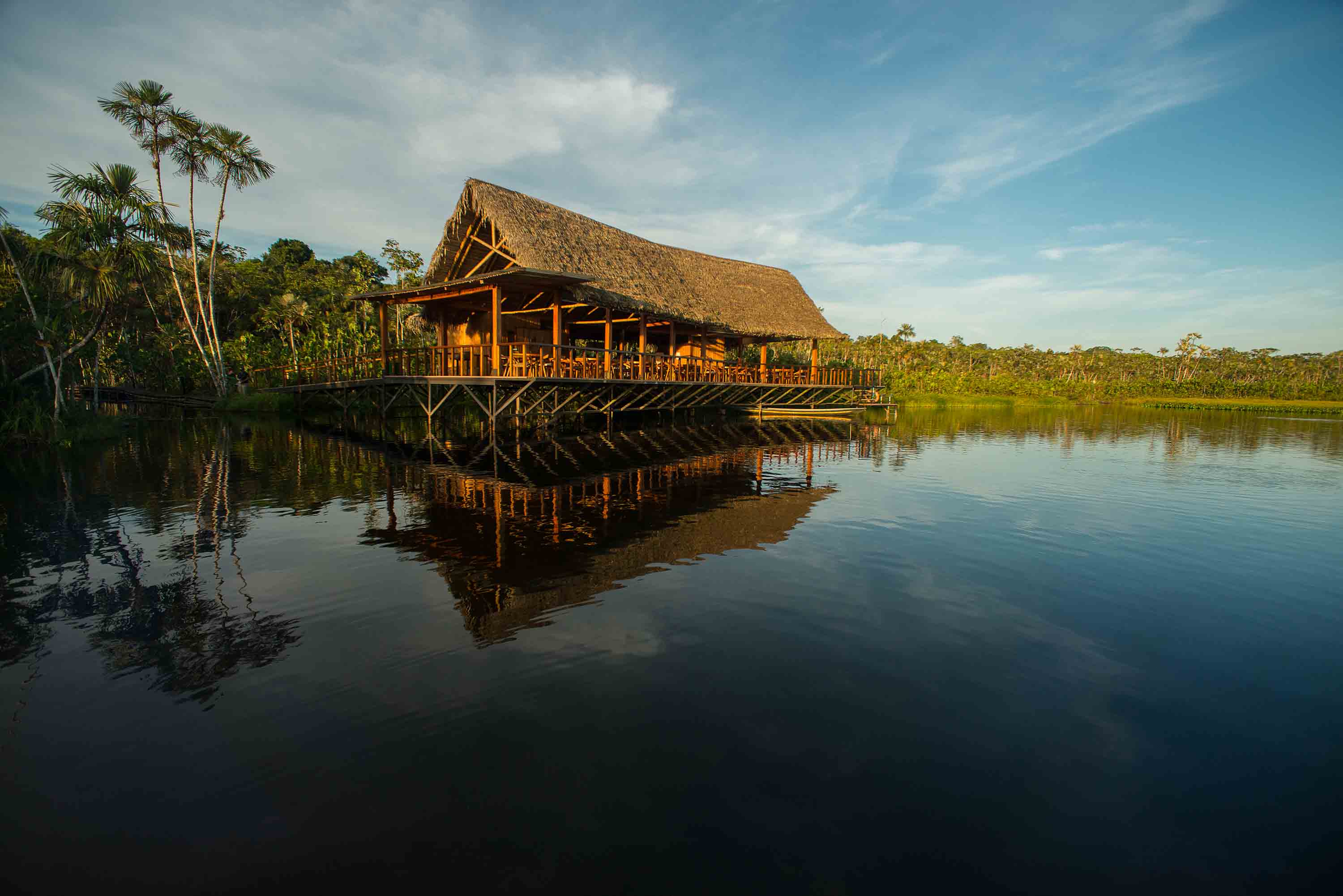
Arriving by canoe on our first day, we follow a creek that opens into a blackwater lake. It feels like we’ve paddled through a portal into an unspoiled, prelapsarian world where animals outnumber people. Three giant river otters surface and give us toothy grins.
Lodges throughout the Amazon typically have one or two observation towers for viewing wildlife, but Sacha Lodge has four different kinds of platforms, including a crane that was the first in the world designed specifically for tourists. The owners were inspired by a similar contraption used by researchers at the University of Washington, says Sacha Lodge’s general manager, Guillermo Zaldumbide. “The university model showed us something rare, a way to move through the rainforest canopy without turning it into a climb.”
It never occurred to me before coming here that hearing loss isn’t the only disability deterring people from seeing birds. In the Amazon, between 60 and 90 percent of life is in the treetops. If you can’t climb a 40-meter-high (130 feet) tower, you’re largely out of luck. But not at Sacha Lodge.
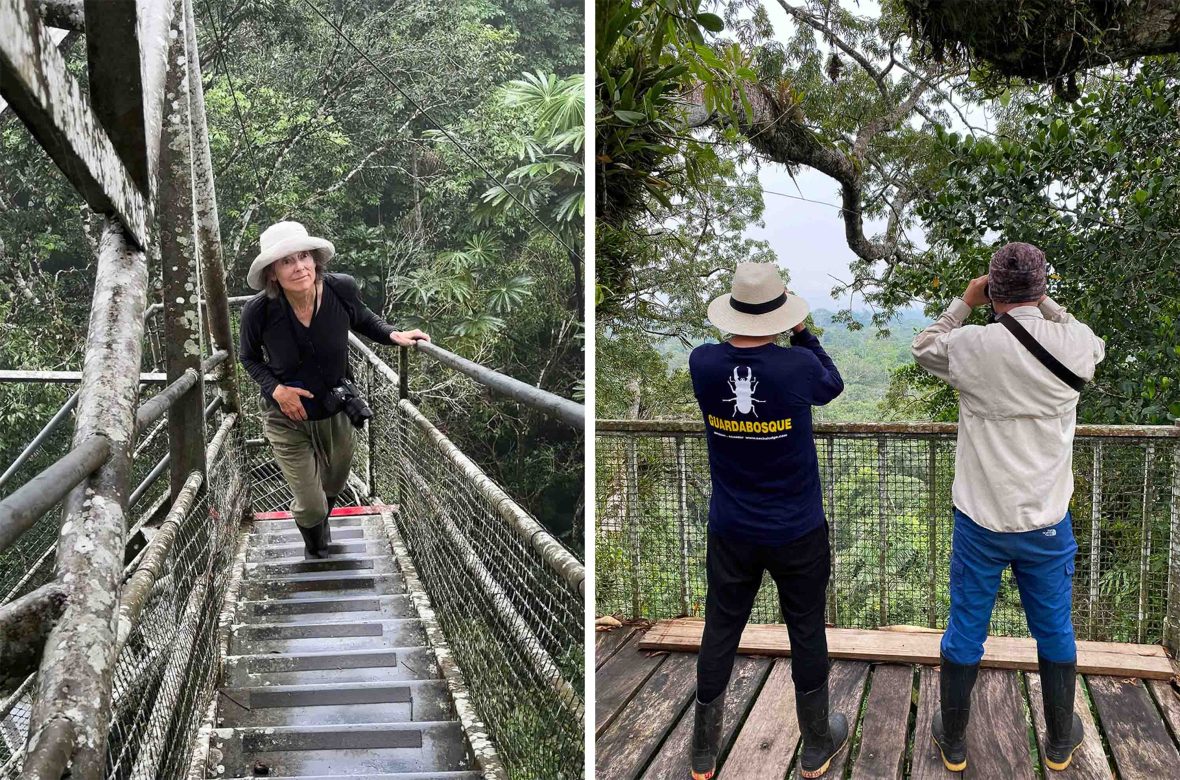
“It’s really good for people with reduced mobility,” notes Christian, as we step effortlessly into the basket of the crane and lift off. It’s like floating in a hot air balloon, but without the noisy hiss. We silently move up, down and sideways, just like cranes at a construction site.
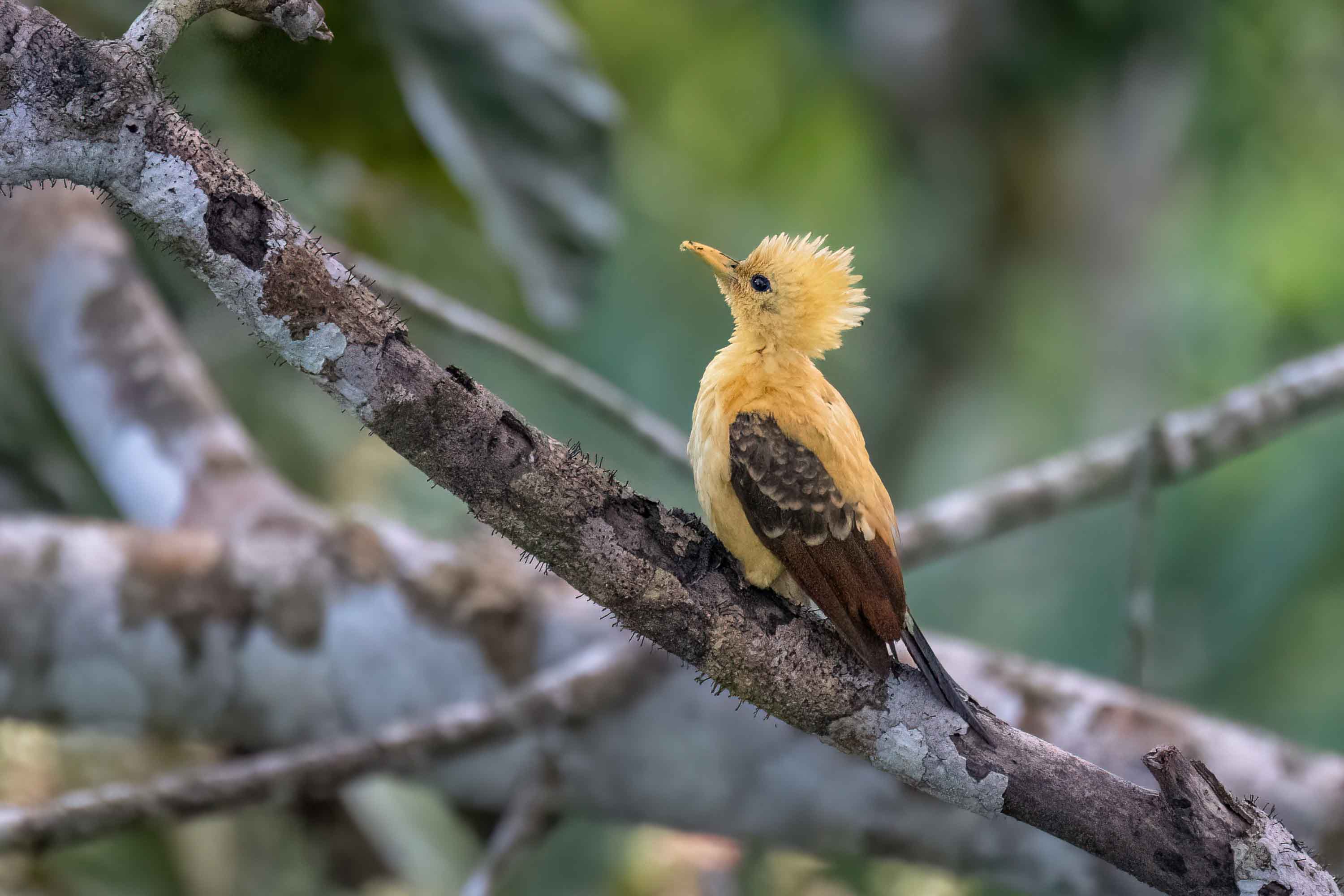
Soon, we’re eye-to-eye with three yellow-tufted woodpeckers. We stay far enough away to not disturb them, but it’s fun to watch them furiously hammer holes and march up and down the tree with their dexterous feet.
Seeing birds immediately makes them more interesting. I learn that the hoatzin, also known as a ‘stinkbird’, that Christian spots near the lodge later would have had claws on its wings as a baby, allowing it to climb up a tree after leaving its nest to escape predators.
I know the air is vibrating with birdsong, but I hear only muted sounds, like white noise. So I’m shocked when suddenly I hear a low, loud roar. It’s unlike any bird I’ve ever heard.
Over three days at Sacha Lodge, we also enjoy birding from the Canopy Walk, a 275-meter-long (900 feet) bridge supported by three towers, and at a clay lick on the Napo River, where hundreds of parrots flock daily to feast on minerals.
But my favorite spot is atop a massive ceiba tree, also known as the kapok tree. Mist swirls around us as we climb 200-odd steps up the Kapok Tower, a birding observation platform that’s been built around this towering, ancient, kapok. Vines as thick as rope hang from on high. Red-flowering bromeliads sprout from the moss-covered trunk. We’re in for a treat.
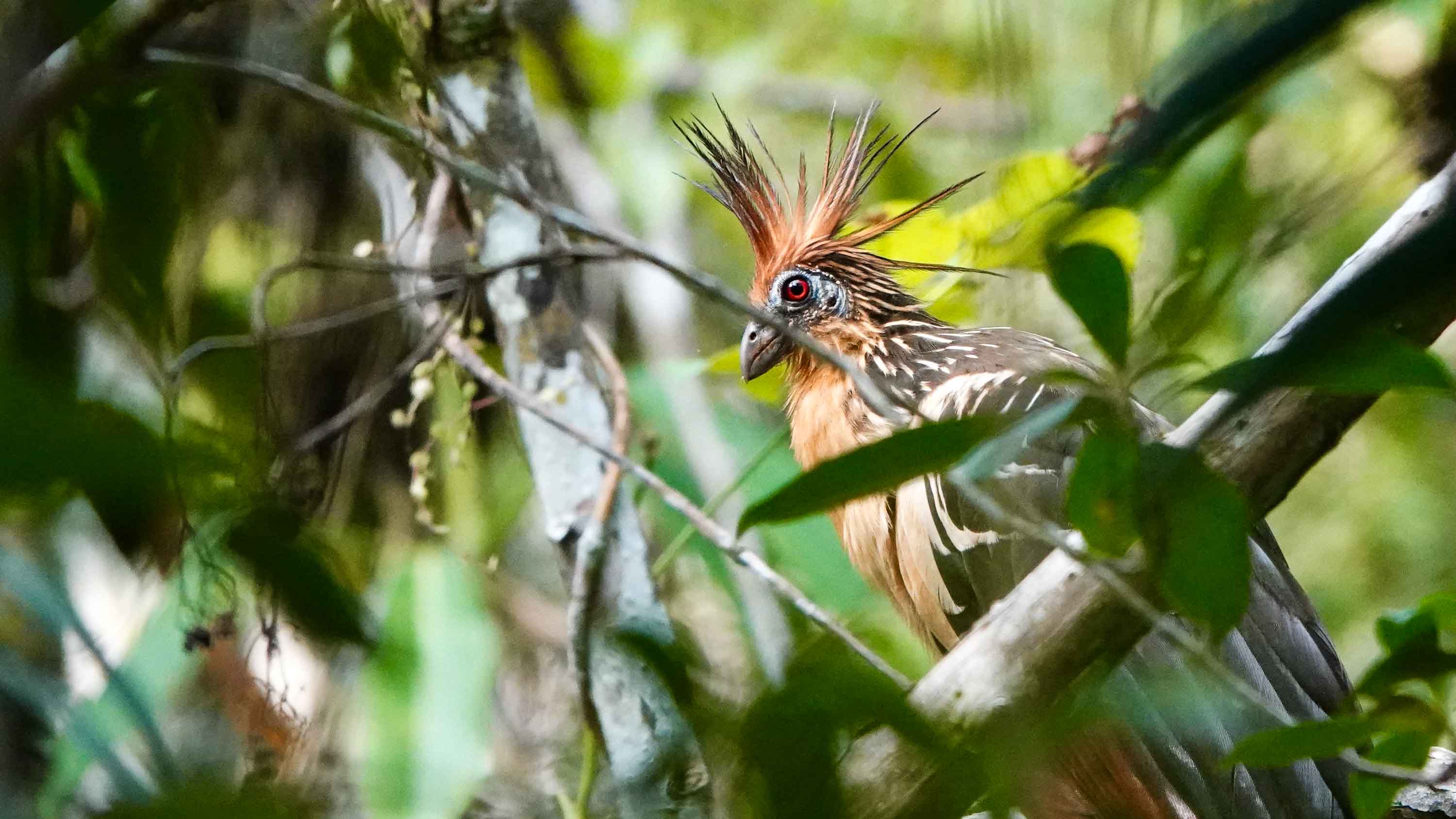
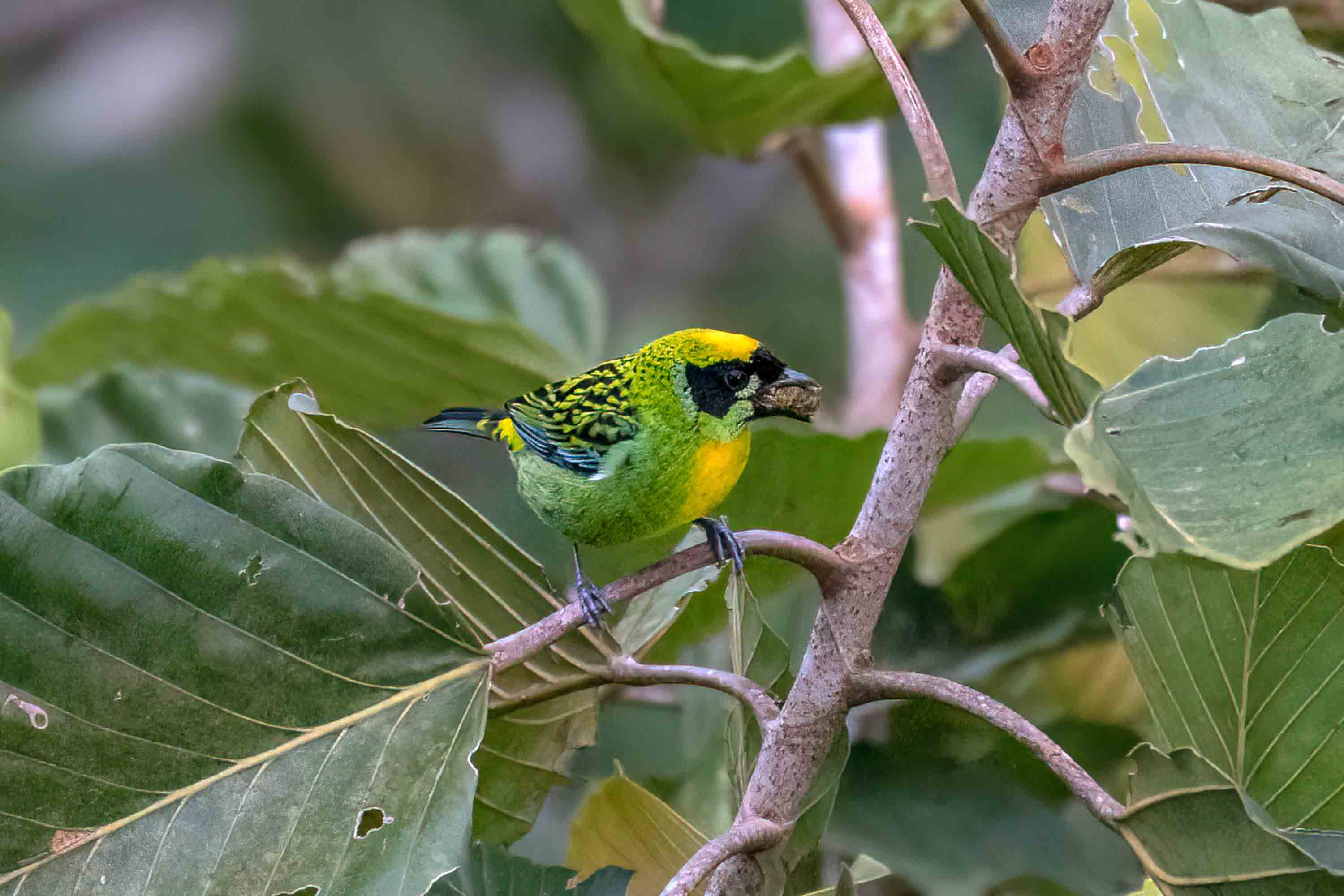
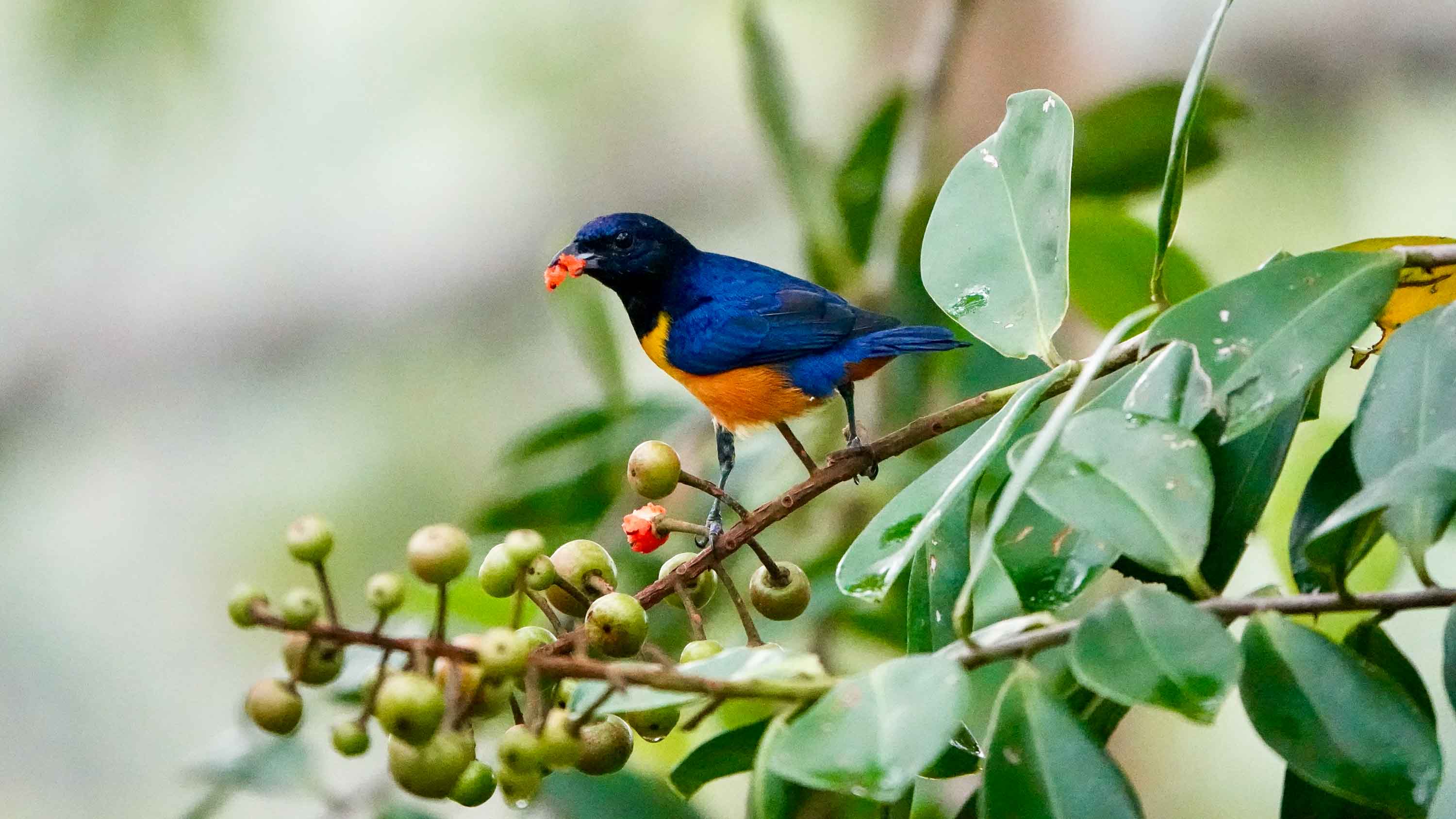
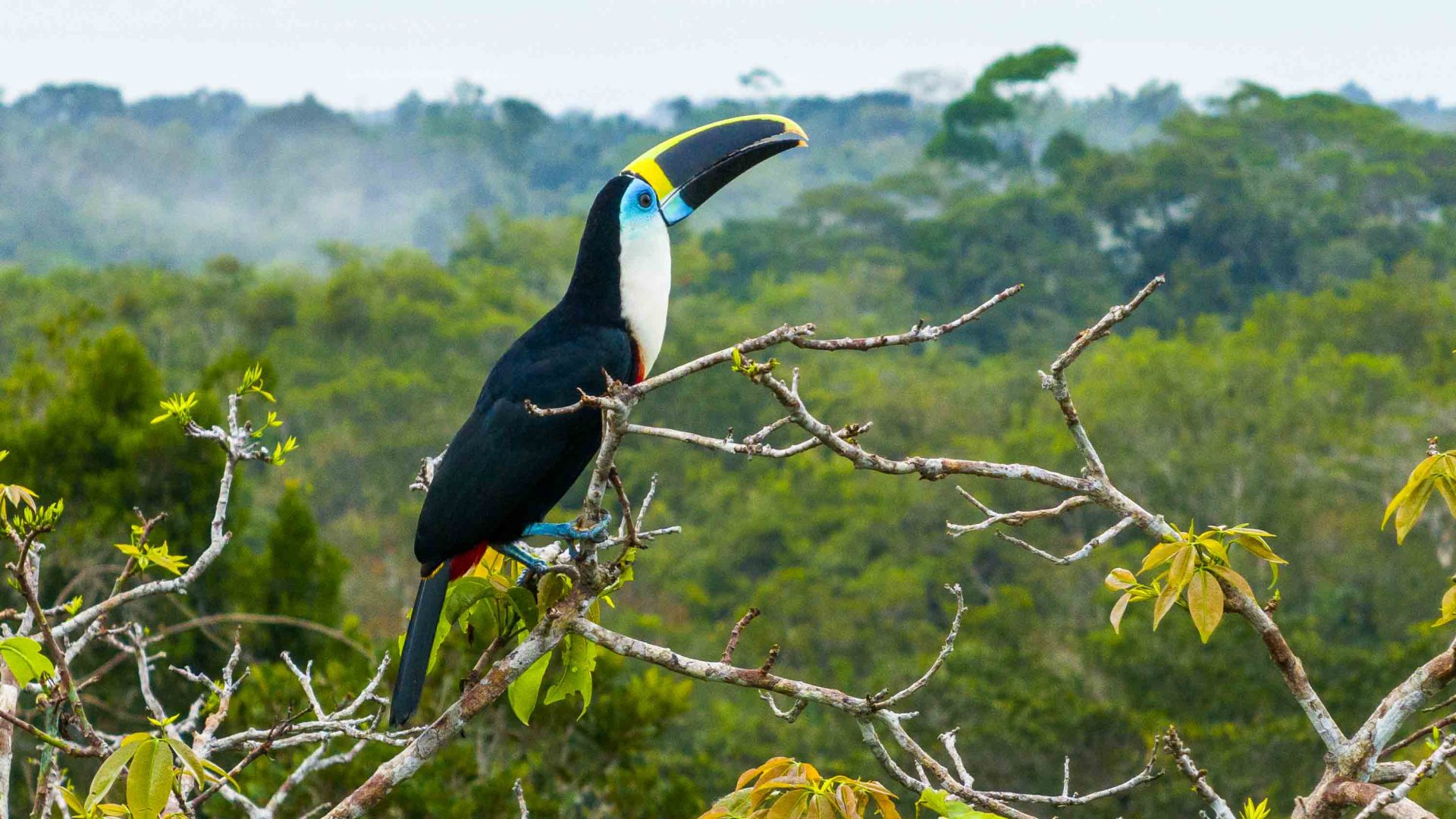
Reaching the canopy, the avian action begins. Green-and-gold tanagers flit between branches. A blue dacnis (a brightly colored neotropical bird in the tanager family) splashes in the natural birdbath inside a bromeliad. With every chirp, an oropendola flashes his yellow tail feathers. “Look, look, look,” cries Christian, who seems as excited as I am, “an orange-bellied euphonia!” And a few minutes later… “Come and see now—a green honeycreeper!”
I know the air is vibrating with birdsong, but I hear only muted sounds, like white noise. So I’m shocked when suddenly I hear a low, loud roar. It’s unlike any bird I’ve ever heard. “Look,” shouts Christian. I turn to see a nearby tree shaking. “Howler monkeys!” he says. We burst out laughing.
Hearing the monkeys makes me grateful for what I still can hear. But coming to Sacha Lodge also makes me realize that when it comes to birding, most of us need help of one kind or another. The morning I asked my husband what he heard, all he could do was shrug and say, “erm, birds.” It takes a trained ear, local knowledge and good visibility for birding to really be rewarding.
**
To support her trip, the writer was hosted by Sacha Lodge. The lodge did not review or approve this story.
****
Adventure.com strives to be a low-emissions travel publication. We are powered by, but editorially independent of, Intrepid Travel, the world’s largest travel B Corp, who help ensure Adventure.com maintains high standards of sustainability in our work and activities. You can visit our sustainability page or read our Contributor Impact Guidelines for more information.

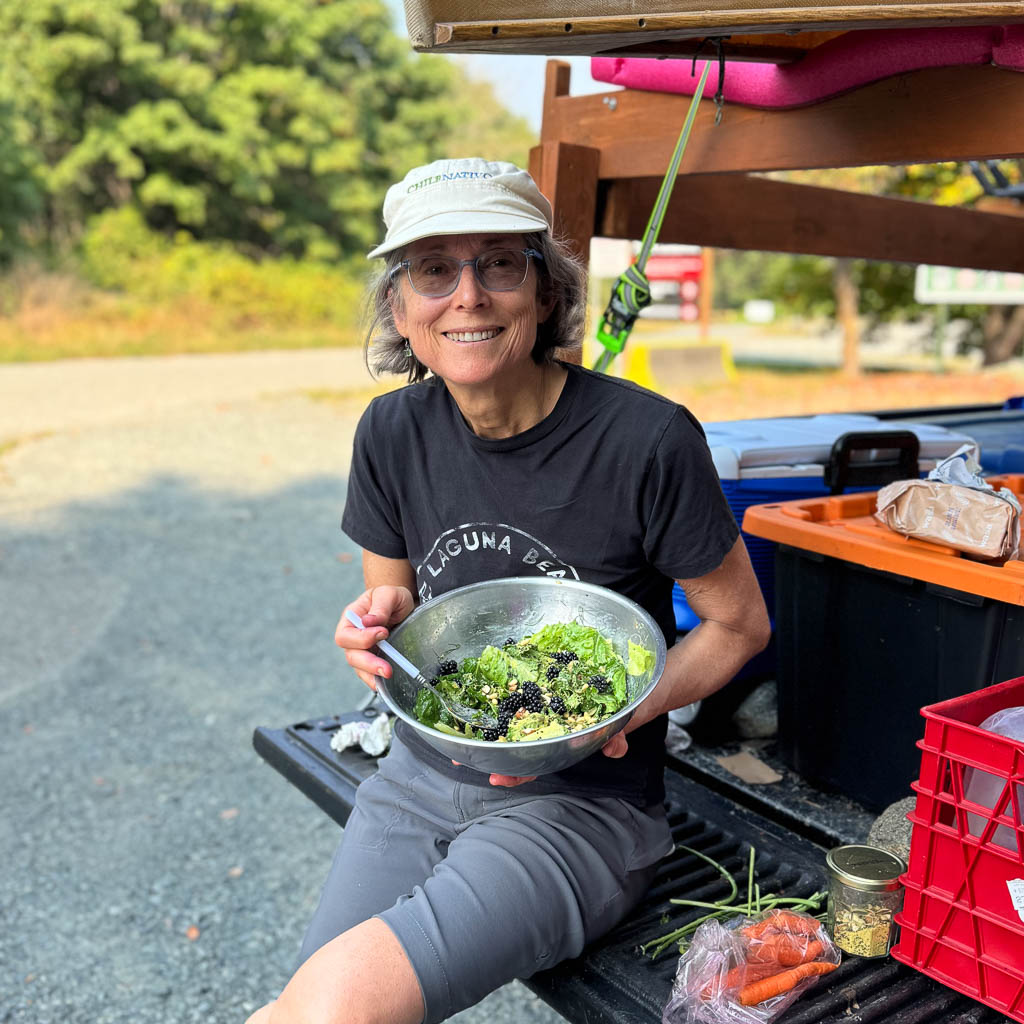
Suzanne Morphet is an award-winning journalist based in British Columbia, Canada. She focuses on outdoor adventure travel and is especially interested in how travel can be made more accessible for people with hearing loss. Her work has been published in a variety of magazines and newspapers including Canadian Geographic, The Globe & Mail and the Toronto Star.