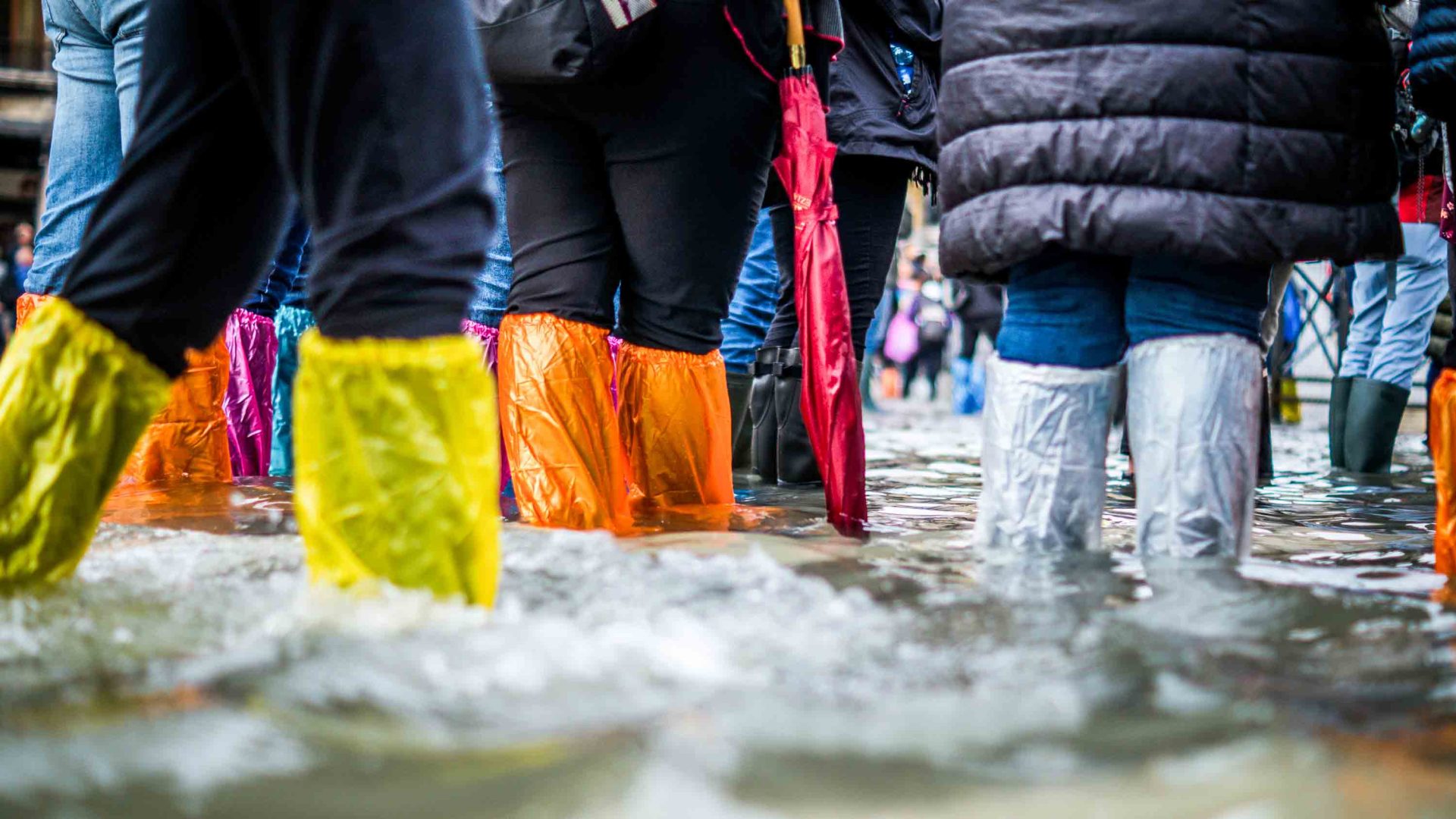
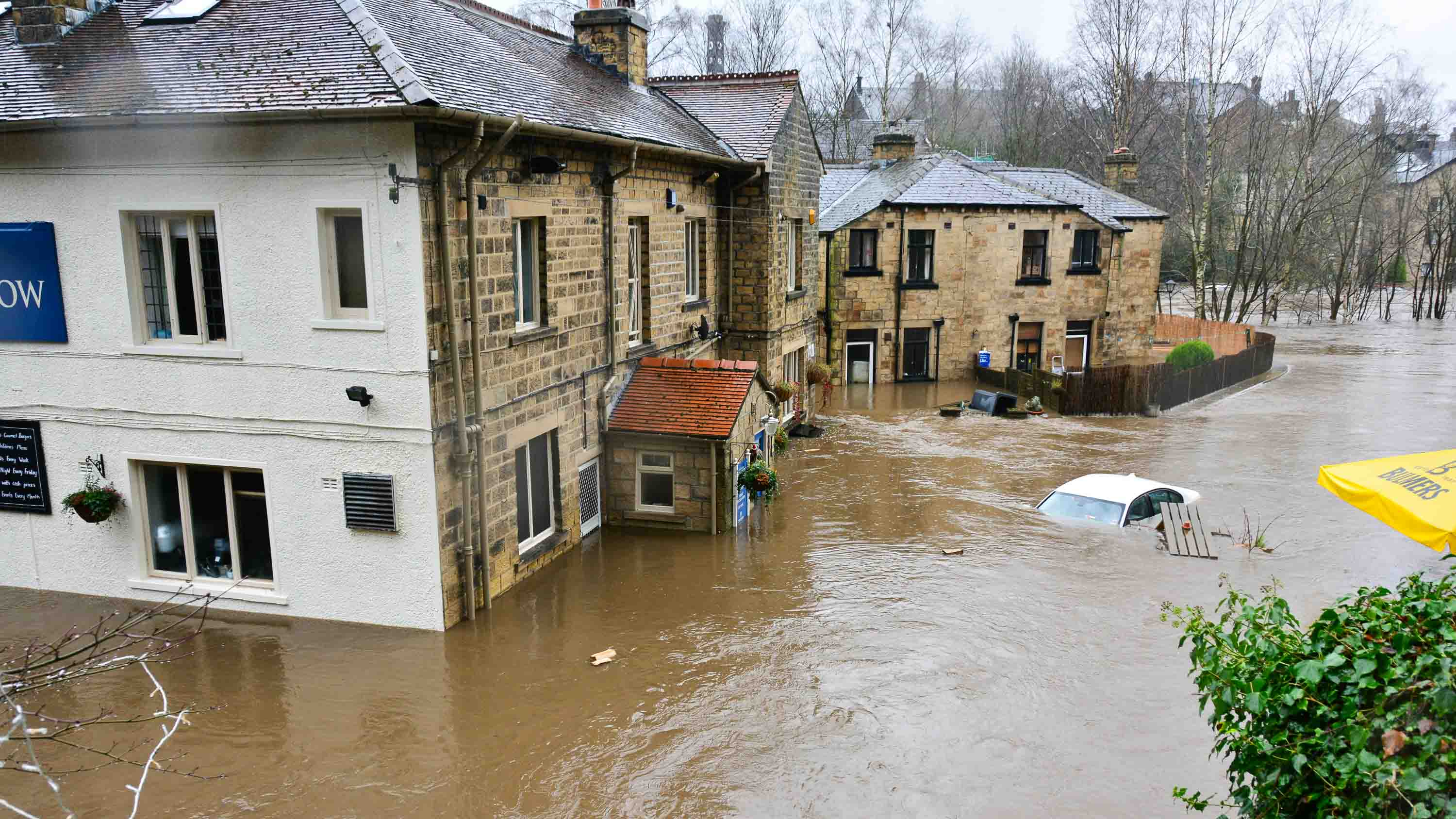
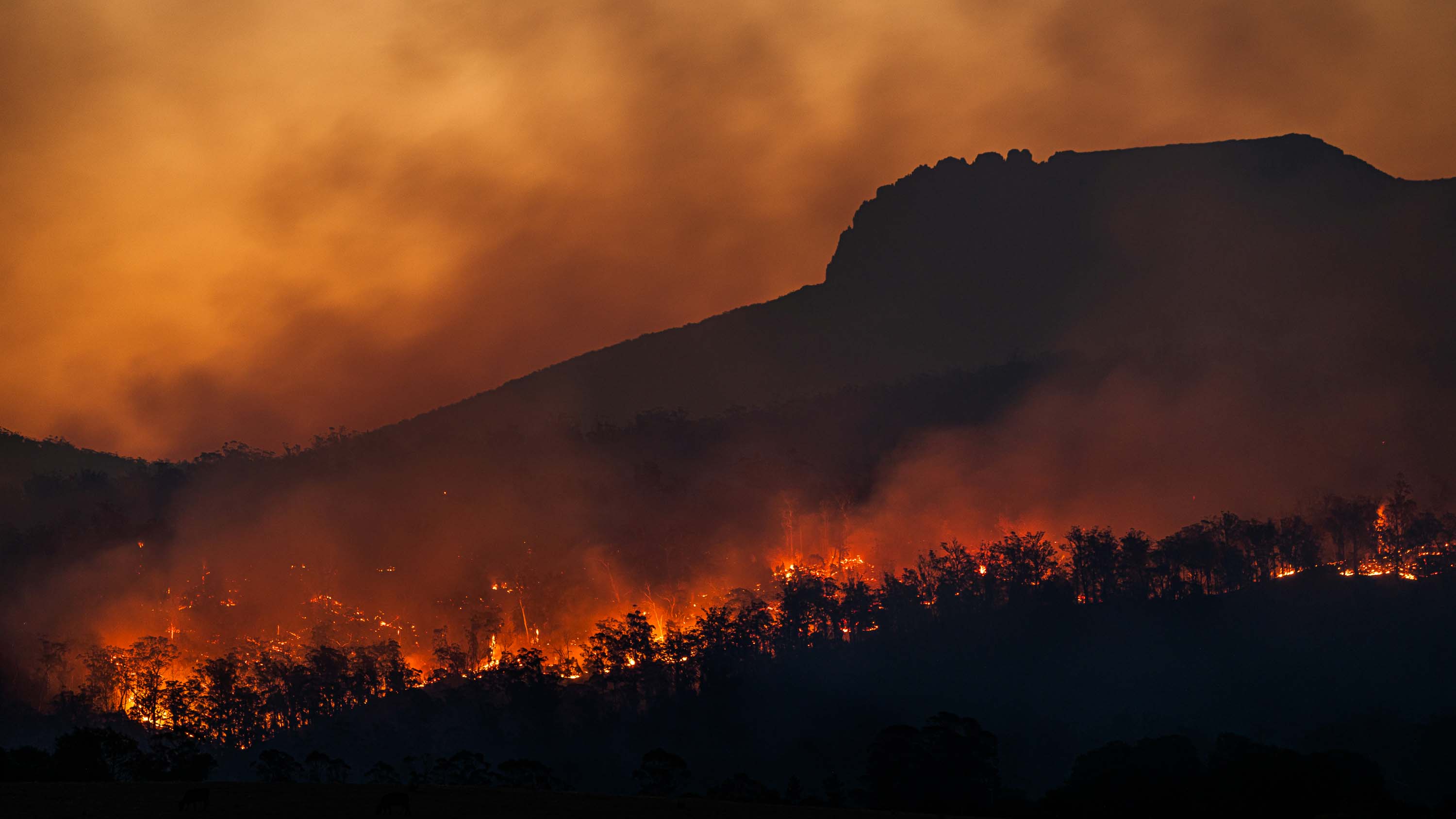
The climate is changing. Weather patterns are becoming ever more unpredictable. From wildfires in Borneo and droughts in Panama to floods in Nepal and heatwaves in Europe, our sense of where to go and when is seeing a veritable shift.


The climate is changing. Weather patterns are becoming ever more unpredictable. From wildfires in Borneo and droughts in Panama to floods in Nepal and heatwaves in Europe, our sense of where to go and when is seeing a veritable shift.
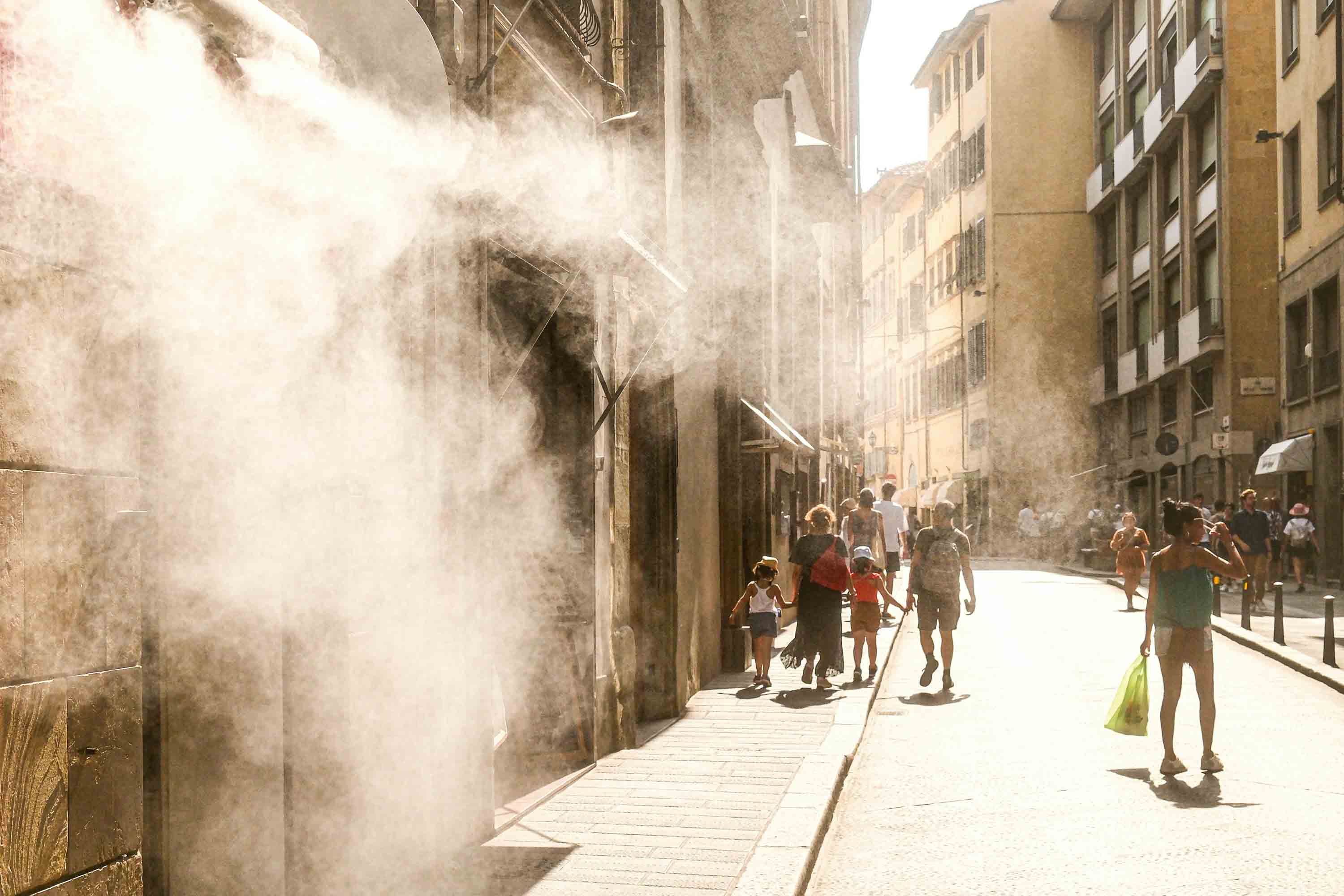
This year, I spent most of my northern hemisphere summer in France when, according to its national weather agency Météo-France, the country experienced its hottest summer ever, since records began in 1900. And this is in a country with a general aversion to air conditioning who, anecdotally at least, see them as an eyesore, opting instead for shutters and architectural design, making heatwaves even more dangerous for local residents when they hit. Only 25 percent of French households have air conditioning, compared to 50 percent in Spain and Italy.
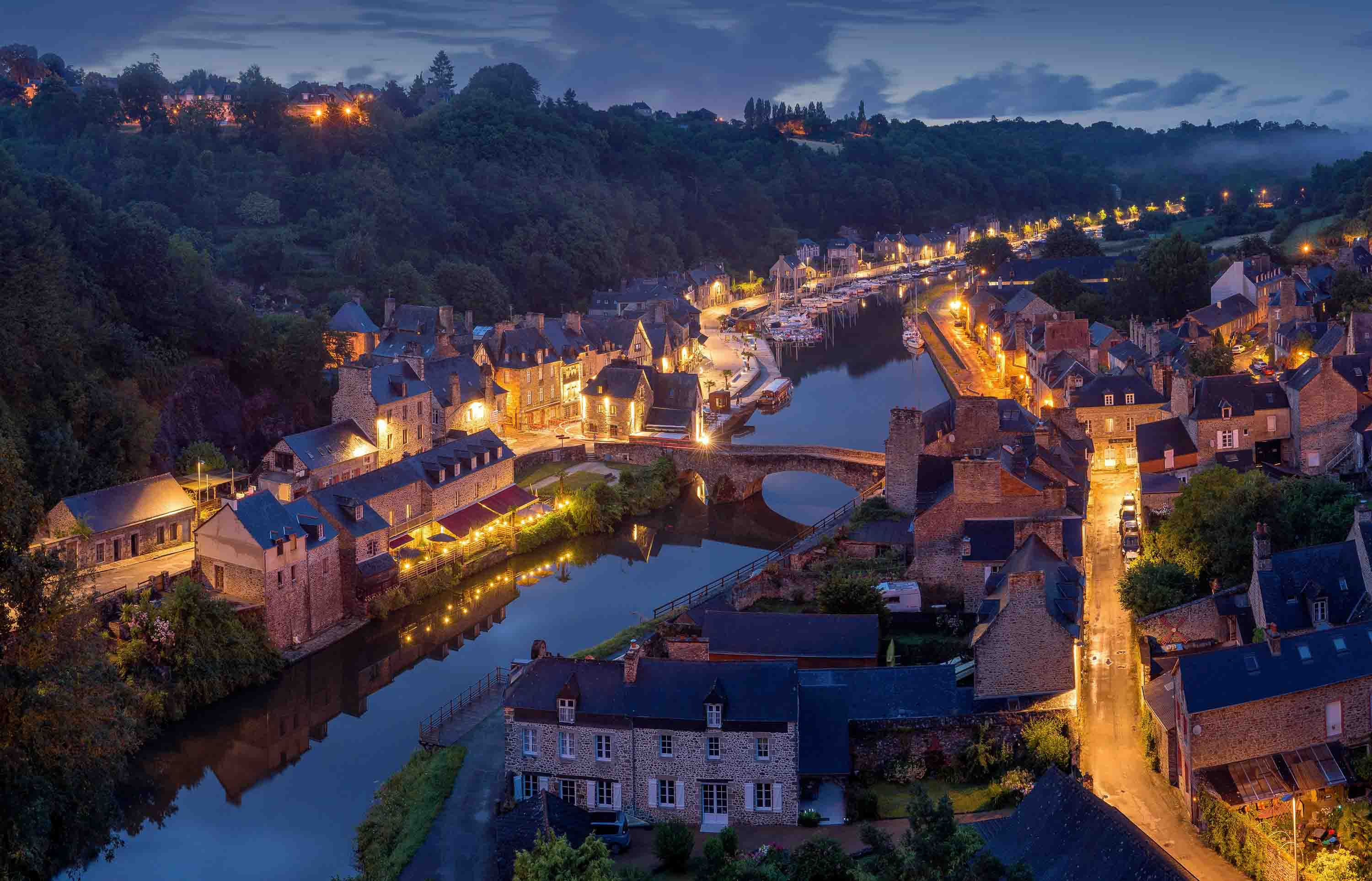
Even places previously considered ‘cooler’ such as Brittany in France’s northwest experienced temperatures peaking around 42.5°C (108.5°F) in parts. I spent very little time in the south of France where I’d ordinarily head, and instead to the Alps; it felt like one of the only breathable parts of the country.
We’ve heard about ‘coolcations’, the term coined for vacations to cooler climates due to rising temperatures. We’re also increasingly aware of ‘off-season’ or ‘shoulder season’ travel, the choice to visit a place outside of its traditional peak months. Seemingly though, this is no longer enough. Climate change means seasons once not considered widely by travelers are now influencing many, like me, to reconsider.
But these new travel habits are chicken-and-egg: While destinations are adapting based on travelers’ changing preferences, they’re also actively trying to encourage tourism at different times of year. So how is it playing out in practice?
In June 2026, giant ant puppets crawled their way through the streets of Maó (Mahón), the capital of Menorca in Spain’s Balearic Islands. This wasn’t the display of a joyous new festival though. It was a protest from residents to express their frustrations about overcrowding and water management due to tourism “crushing” them.
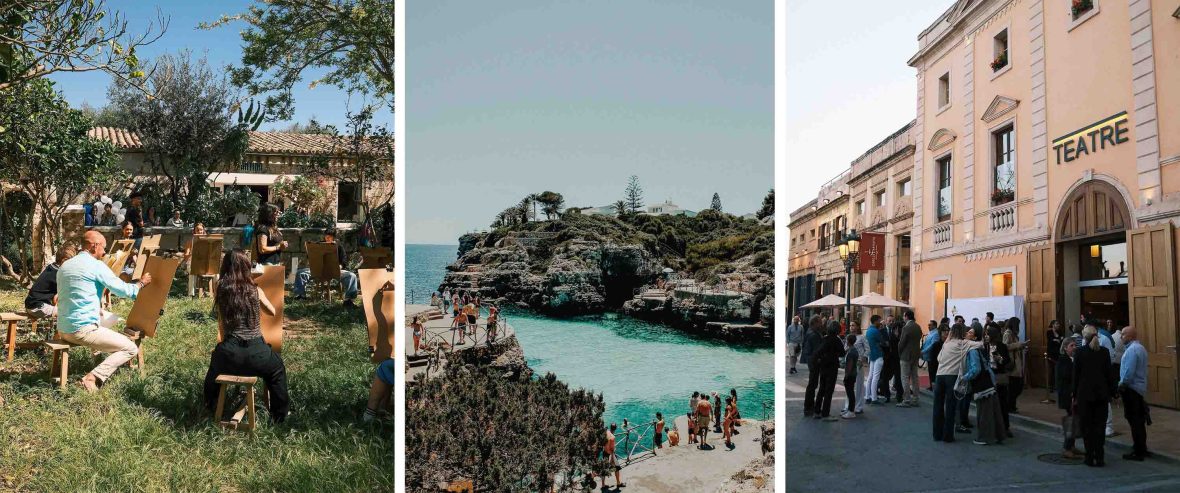
The entire island of Menorca is a UNESCO Biosphere Reserve, so it’s crucial to protect its delicate endemic ecosystems. In a bid to encourage tourism in new seasons outside of the peak months of July and August, the Menorca Tourist Board launched a new annual event this April—Opening Menorca. This culture and arts festival aims to encourage travelers to visit during the island’s spring months, using its art scene as a drawcard. It seems to have worked. According to the Balearic Islands Statistics Institute (IBESTAT), 97,569 tourists visited Menorca in April 2026, 15 percent more than April 2025.
“This year, we just won’t close. Ordinarily, we close at the end of April each year and then re-open on 1st October. For me, it’s much more pleasant in the winter. You have less wind in winter and you have light from 9am to 7pm—it’s not like you only have four hours of daylight.”
- Luiza Mattos, Awasi Patagonia
UK-based PR agency Lemongrass Marketing’s Annual 2027 Travel Trend Report refers to a shift from the rise in ‘coolcations’ to a need for destinations to adapt. “Rather than “climate-proofing” tourism—an impossible promise—the best-prepared destinations understand localized vulnerabilities and adapt accordingly,” the report states. Climate-proofing tourism anywhere is an impossible task—we can know a place is at increased risk of flooding or wildfires, but not the extent of damage caused by, for example, the devastating Nepal-Tibet flash floods in August 2026 or the intensity of the earthquakes that hit Venezuela in June 2026 and Colombia in August 2026.
The report also suggests that destinations and tourist boards have to take on more of a guidance role in how to address climate change-related issues in tourism destinations, from carefully managing how resources like water are used to “rethinking the traditional tourism calendar” and altering when people are encouraged to visit.
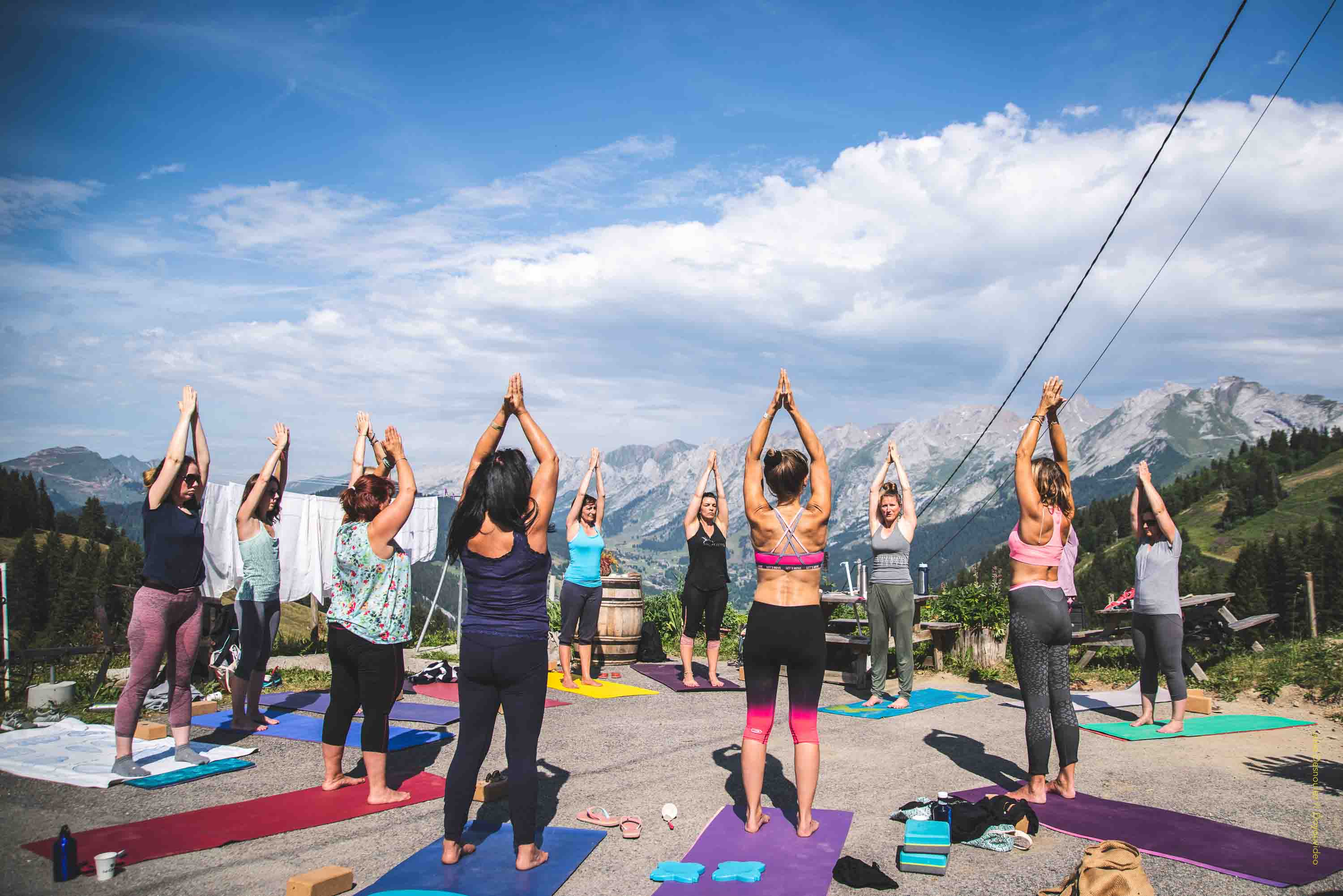
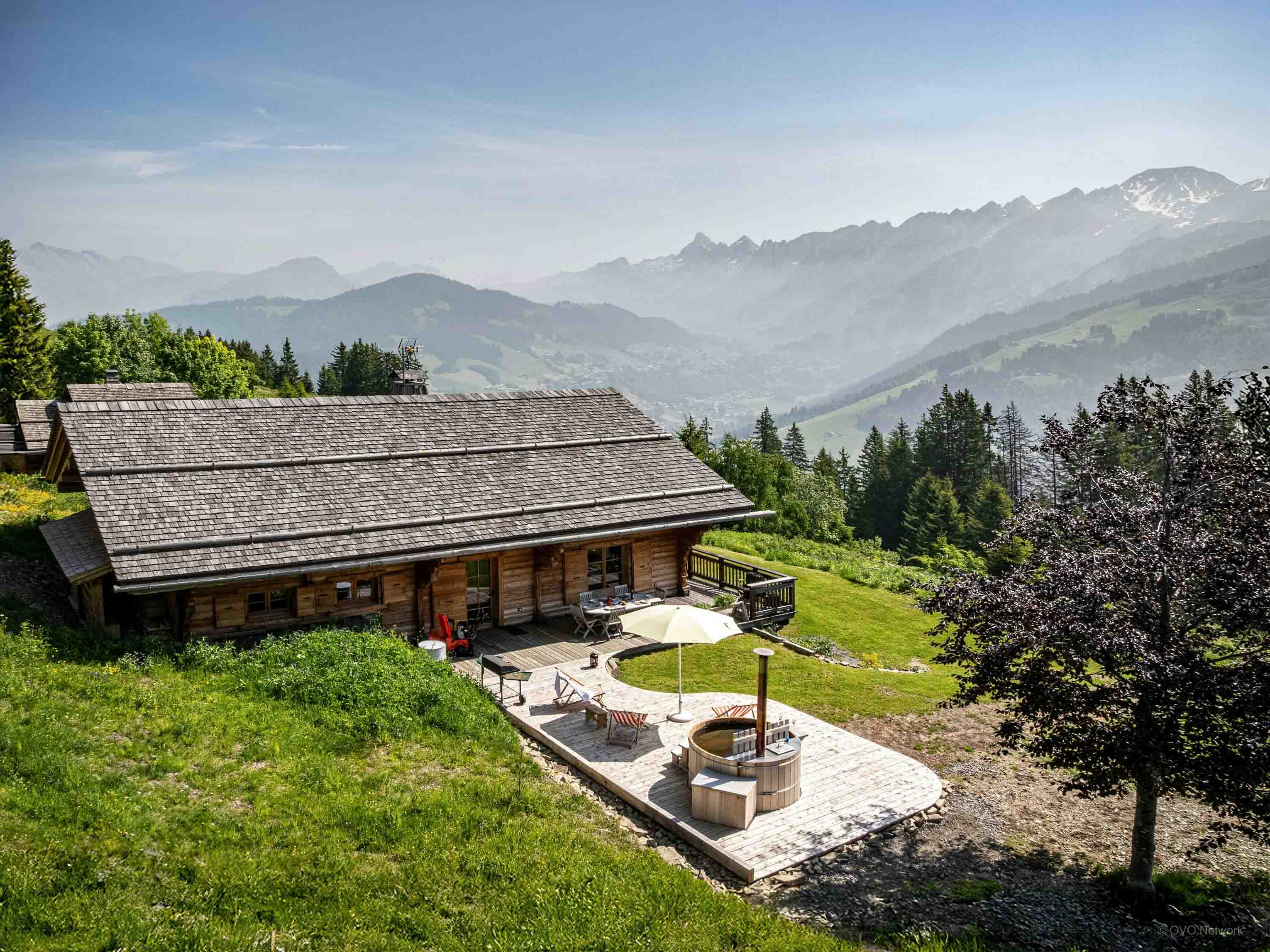
It was in the Alps I realized that destinations we’d most typically associate with winter breaks and skiing vacations are getting busier at other times. In La Clusaz, an alpine resort village in the Haute-Savoie, July’s La Clusaz Yoga Festival draws wellness-conscious travelers during the summer—one vacation rental, Chalet Sisar is only available in the summer, as access is too complicated in the icy winter months, and the owners, along with local rental companies like OVO Network, are trying to encourage more hiking and biking-focused summer trips, rather than snow being the only draw to La Clusaz.
This seems to fit with travelers’ preferences for summer vacations in the mountains rather than at the beach; according to Google Trends data, UK search interest for “alpine summer” has seen an 82 percent year-on-year increase.
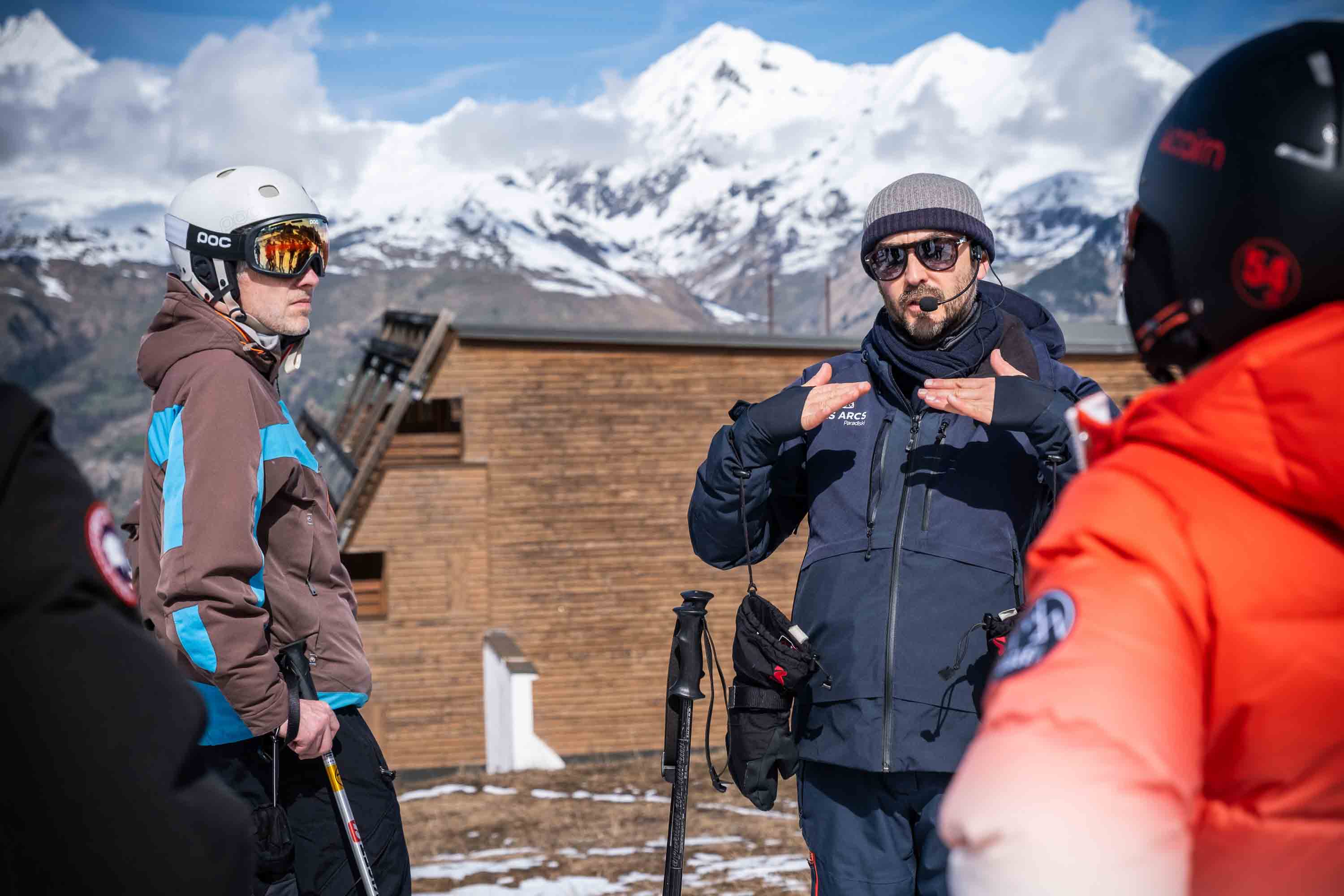
Similarly, the resort of Arc 1600, widely known as the original village of Les Arcs and the lowest of the mountainside resorts, runs a weekly architecture tour to showcase the creations of visionary French architect and furniture designer Charlotte Perriand. Her designs in Arc 1600, like the iconic La Cascade (The Waterfall) apartment building, reflect her belief in creating reasons beyond skiing for year-round visits, and a distinct harmony between design, the art of living and the mountain landscape. She even earned the respect of renowned French architect, Le Corbusier while working in his studio.
Tour guide Jean-Marie Chevronnet who lives year-round in the nearby village of Les Granges where he was born and raised, has seen the resort evolve over the years, which includes demand for his architecture tours—which also run over winter.
In 2024, 1,522 people joined his tour; 75 percent during the winter season and 25 percent over summer. In 2025, he welcomed 1,750 people—60 percent in winter and 40 percent in summer—a marked increase. The tour I joined in August had at least 30 people; the busiest guided tour I’ve ever been on.
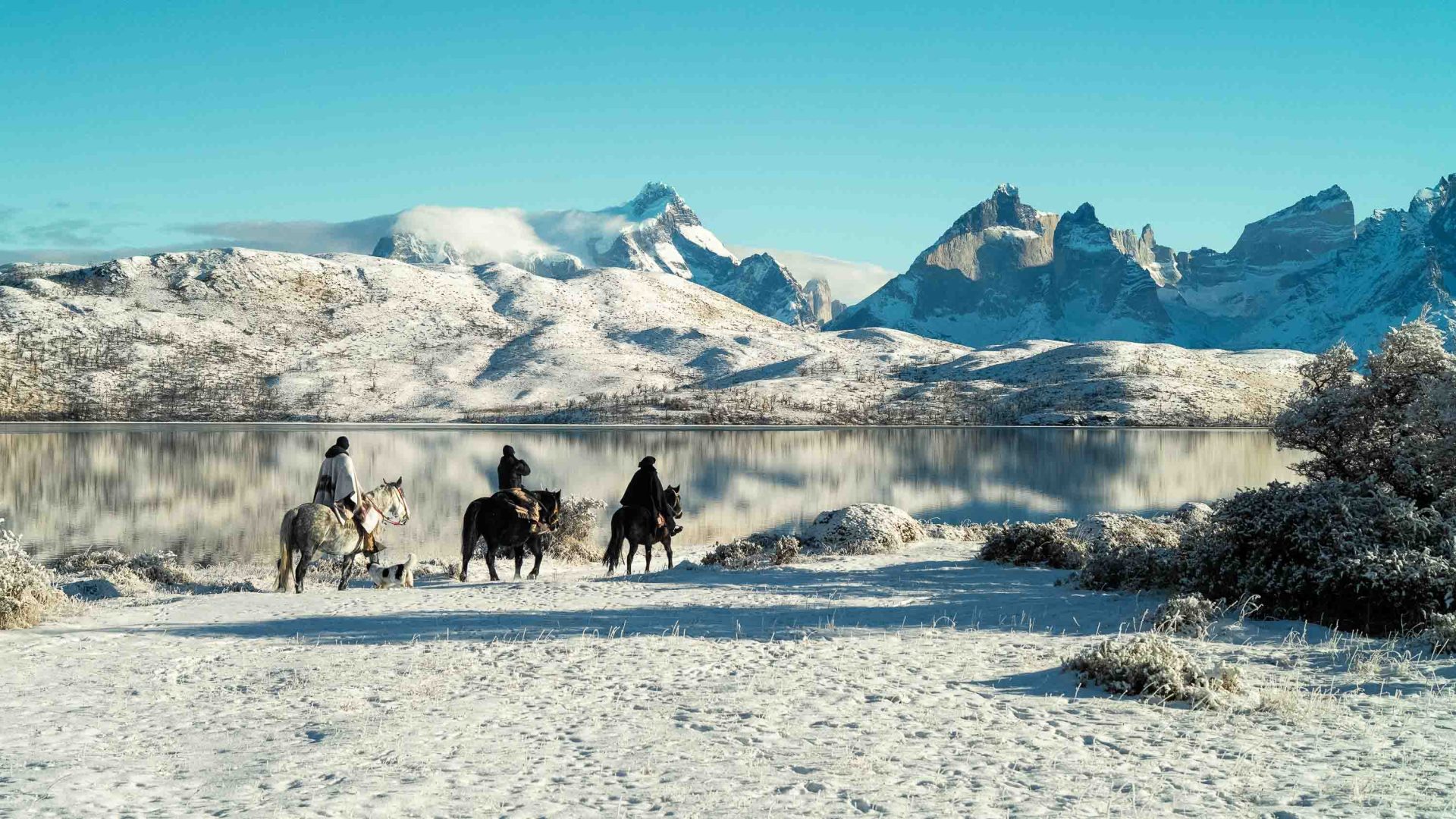
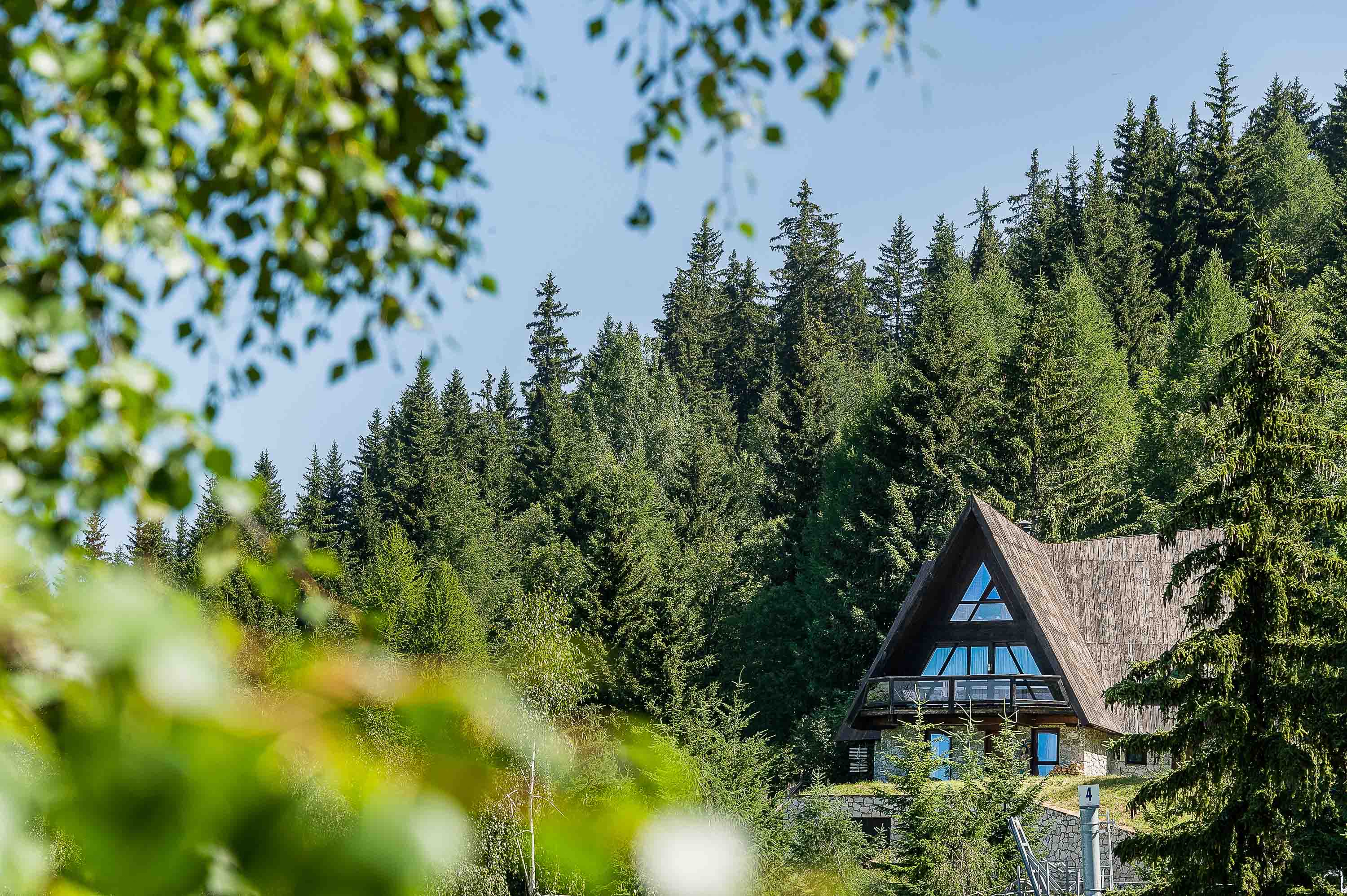
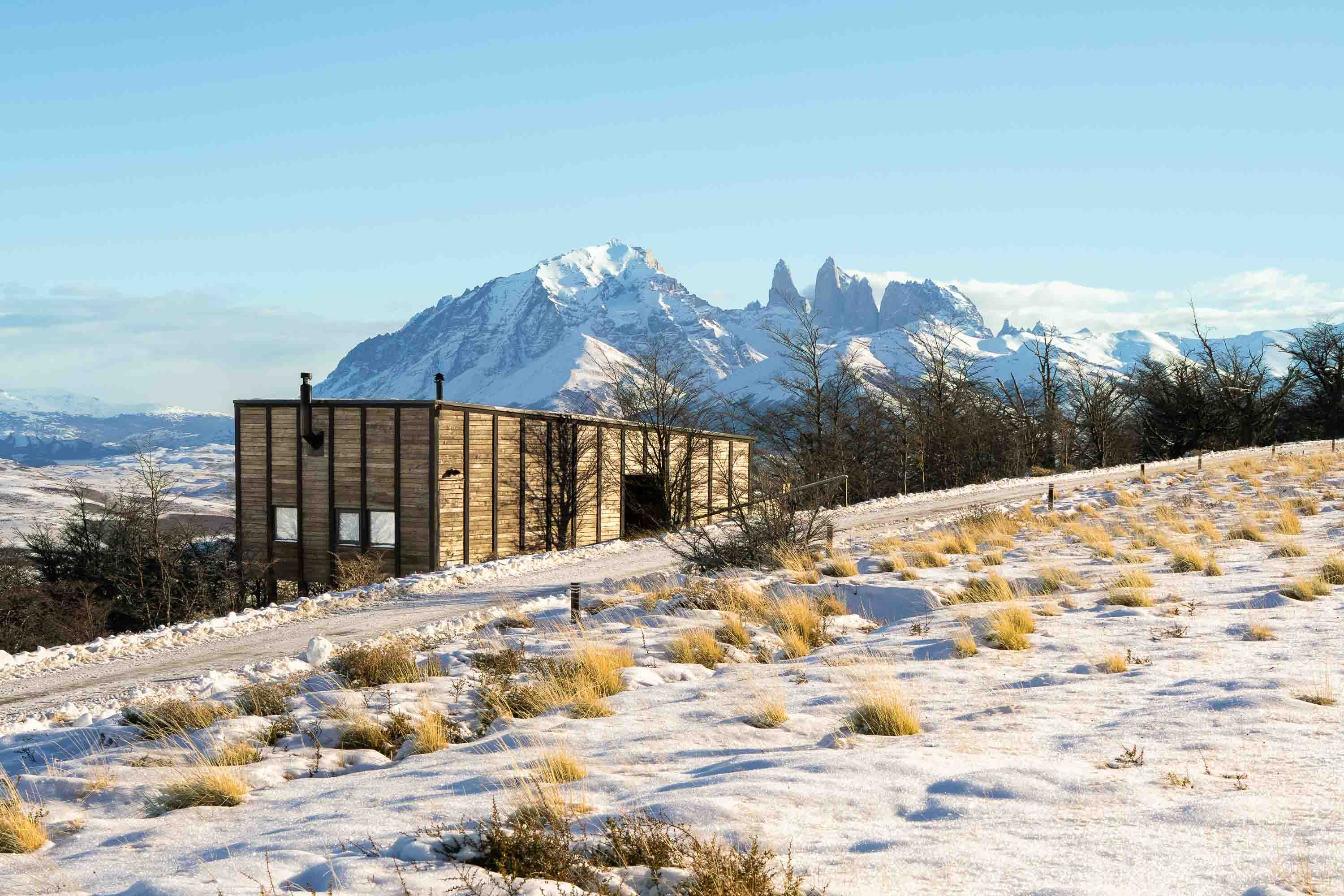
In the southern hemisphere, hiker’s favorite Patagonia has also been evolving due to climate change. Like the Alps, Argentinean and Chilean Patagonia has traditionally been a seasonal destination, with most lodges and tourism activities closing during Patagonia’s winter and re-opening in October. However, this year, luxury lodge Awasi Patagonia remains open year-round for the first time due to Patagonia experiencing milder, drier winters.
“This year, we just won’t close. Ordinarily, we close at the end of April each year and then re-open on 1st October,” Luiza Mattos from the Awasi management team tells me. Based in São Paulo, Brazil, she visited Patagonia in July this year, her first time during its winter season. “For me, it’s much more pleasant in the winter,” she says. “You have less wind in winter and you have light from 9am to 7pm—it’s not like you only have four hours of daylight.”
As Svalbard has transitioned away from its coal mining industry, Norway has sought to increase tourism in a considered way In January 2025, the Norwegian government introduced a cap to cruise visitors to Svalbard.
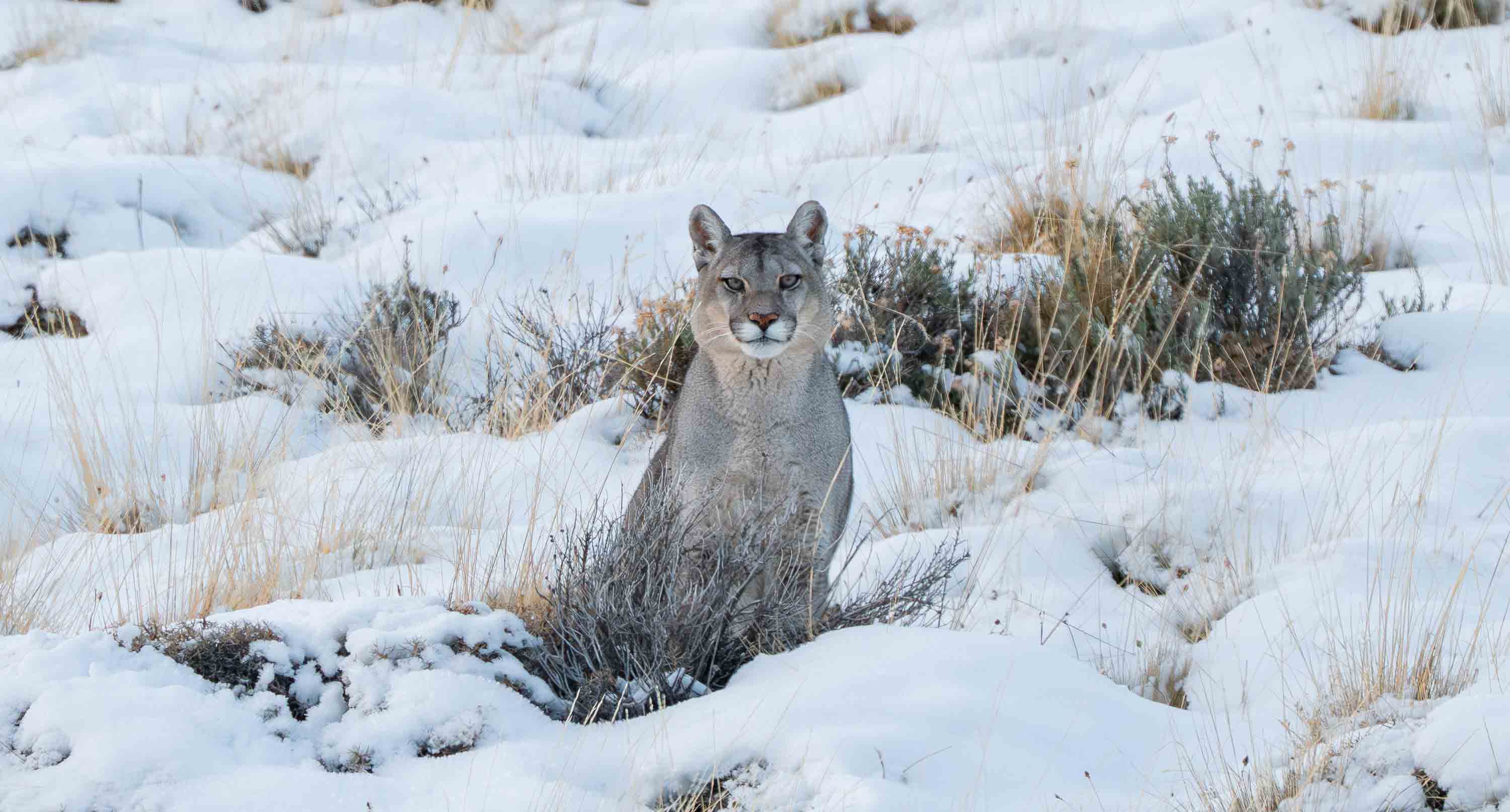
They’ve had to adapt the hotel to ensure it has necessary infrastructure to operate over winter, such as pipes deep enough to provide the villas with warm water. Mattos also says it’s a better season for puma-spotting—they roam more freely with fewer people around and it’s easier to spot their dark fur against white snowfall. She says she’d never seen a puma here until her July visit—when she saw three.
I ask her about the local community and creating year-round employment. Mattos says because their employment was seasonal, Awasi’s employees, who live in the nearby Chilean city of Puerto Natales, were used to traveling or working elsewhere during the five months the hotel closed. I realize it’s not a given that everyone wants year-round work. If anything, Mattos admits, some were reluctant as they enjoyed their months of downtime to travel and work in different climates.

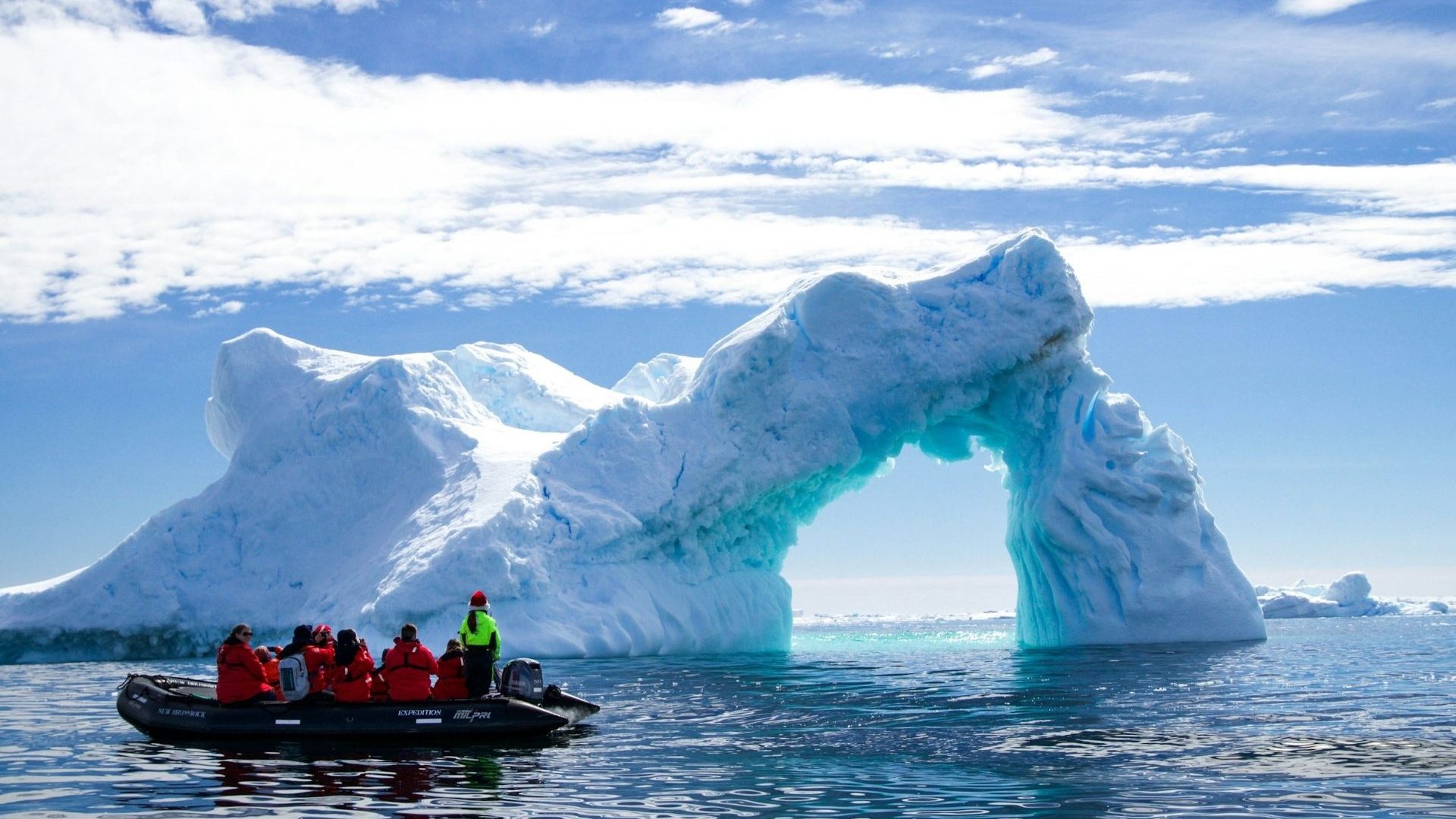
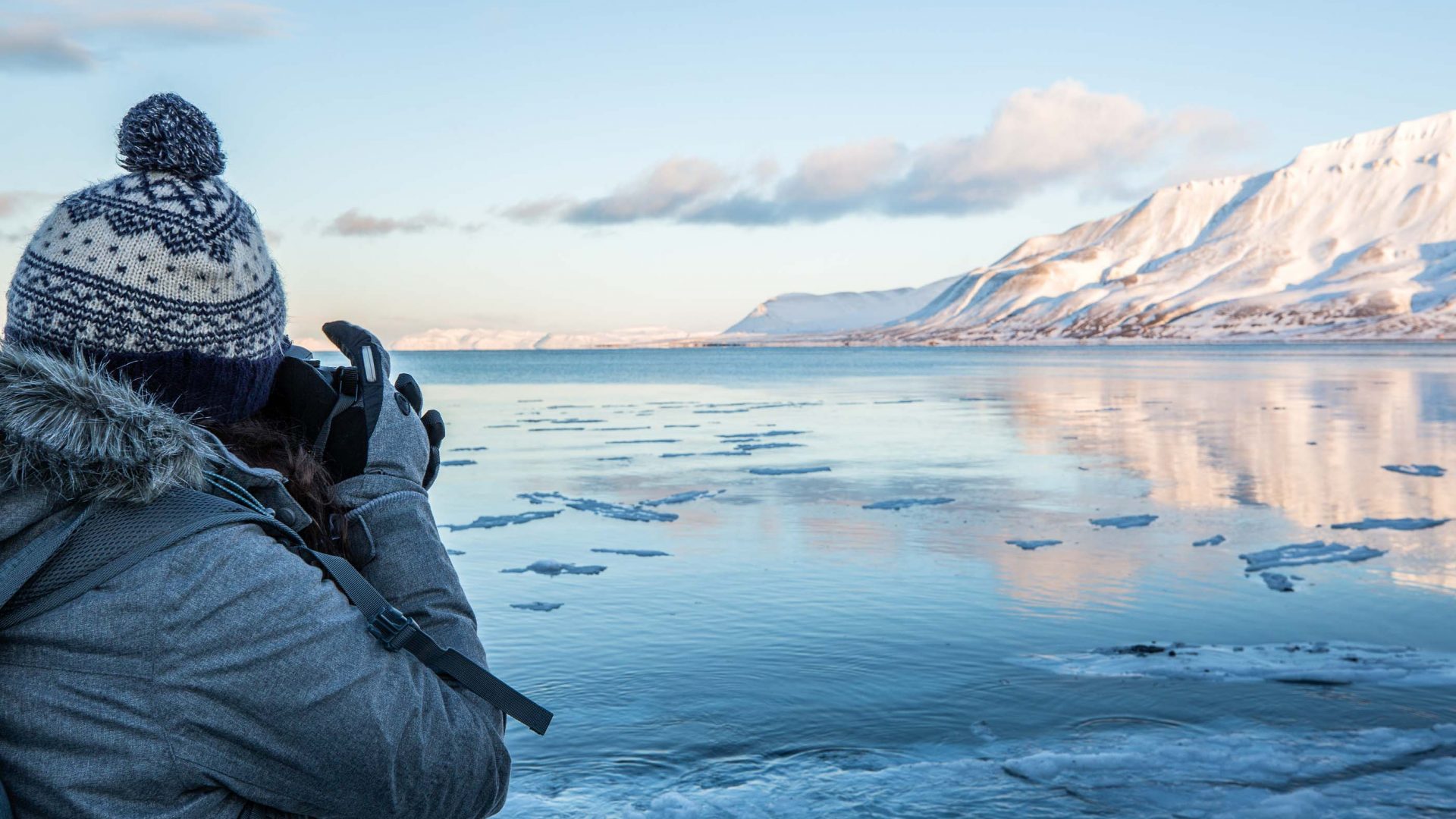
Another place seeing increased tourism is Svalbard and the Arctic. An increased desire for ‘coolcations’ and remote places that few others visit (or can afford to) are alleged reasons for this increased interest. So too is the changing climate and a sense it might be now or never for travelers to see places that are more vulnerable to warming global temperatures, such as glaciers that might cease to exist.
Small-ship expedition cruise operator Aqua Expeditions launched its first cold-climate expedition to Svalbard and the Arctic in May 2026.
Similarly, expedition cruise line Hurtigruten introduced two new Svalbard tours in 2026, having seen a 40 percent increase year-to-date in interest from North American travelers wanting to experience Svalbard. For the 2026-2027 season, Aurora Expeditions also added a new small ship, MV Douglas Mawson for Svalbard visits.
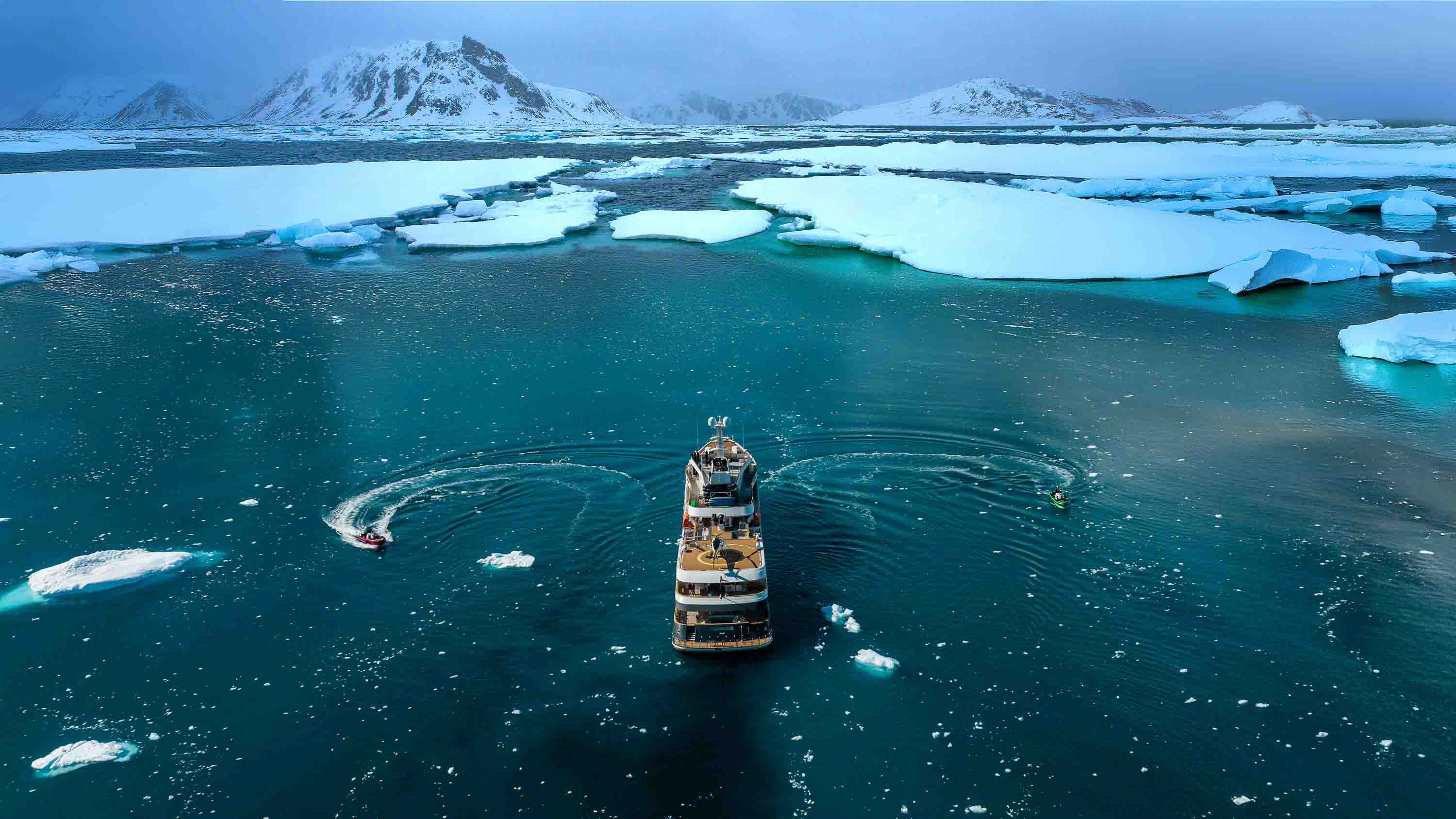
As Svalbard has transitioned away from its coal mining industry, Norway has sought to increase tourism in a considered way In January 2025, the Norwegian government introduced a cap to cruise visitors to Svalbard; cruise ships now have a maximum of 200 passengers and are restricted to landing at 43 designated spots. It’s part of a conscious effort to ensure the benefits of tourism income and cultural exchange are felt in Svalbard, so tourists don’t amalgamate in one place like the town of Longyearbyen.
By spreading out the designated landing spots, visitors from smaller vessels tend to spend more money locally on guided history tours and museums, thereby contributing to Svalbard’s local economy. The cap is also intended to curb the potential negative effects of uncontrolled tourism, such as large crowds disrupting sensitive wildlife habitats like walrus haul-outs, and damaging Arctic tundra vegetation. For now, the balance seems to be intact.
Change it seems is the only constant. Our changing climate will continue to shift traveler habits and how a destination approaches how and when to welcome visitors. It’s also a reminder for travelers to always think about the people who are sharing their homes with us. Anyone traveling for pleasure is privileged to choose when and where to go—it’s only right that the local communities have a say in when and how they receive us.
****
Adventure.com strives to be a low-emissions travel publication. We are powered by, but editorially independent of, Intrepid Travel, the world’s largest travel B Corp, who help ensure Adventure.com maintains high standards of sustainability in our work and activities. You can visit our sustainability page or read our Contributor Impact Guidelines for more information.

Based in Buenos Aires, Laura is a trilingual travel writer and journalist specializing in Latin America. Her interests lie in food, wellness, culture, artisan craft, adventure, social impact and stories of regeneration.