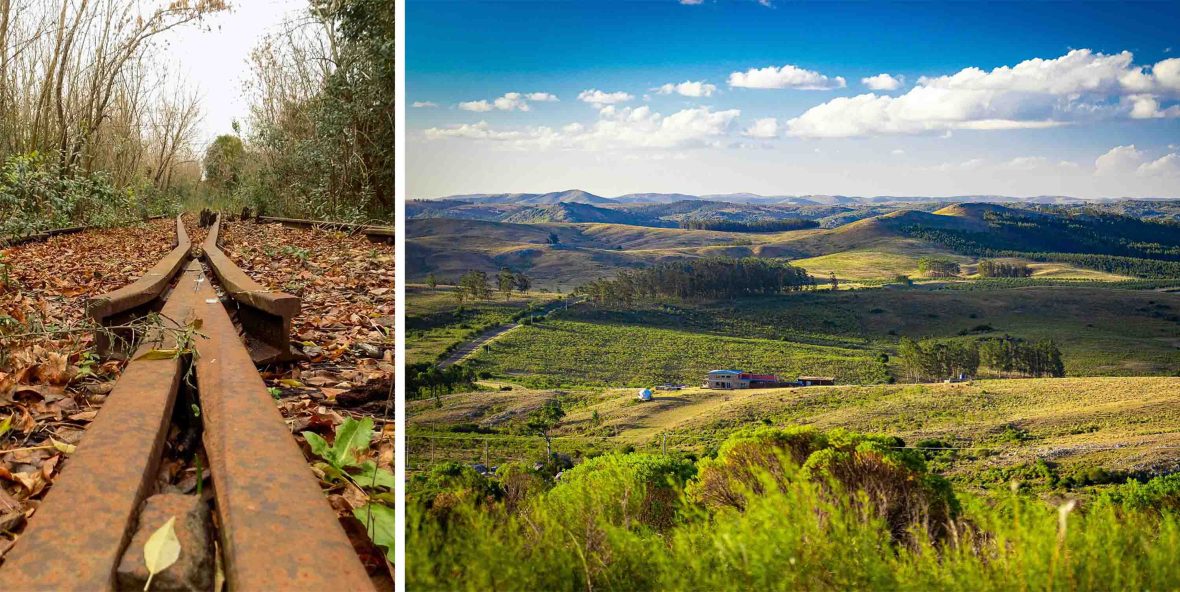
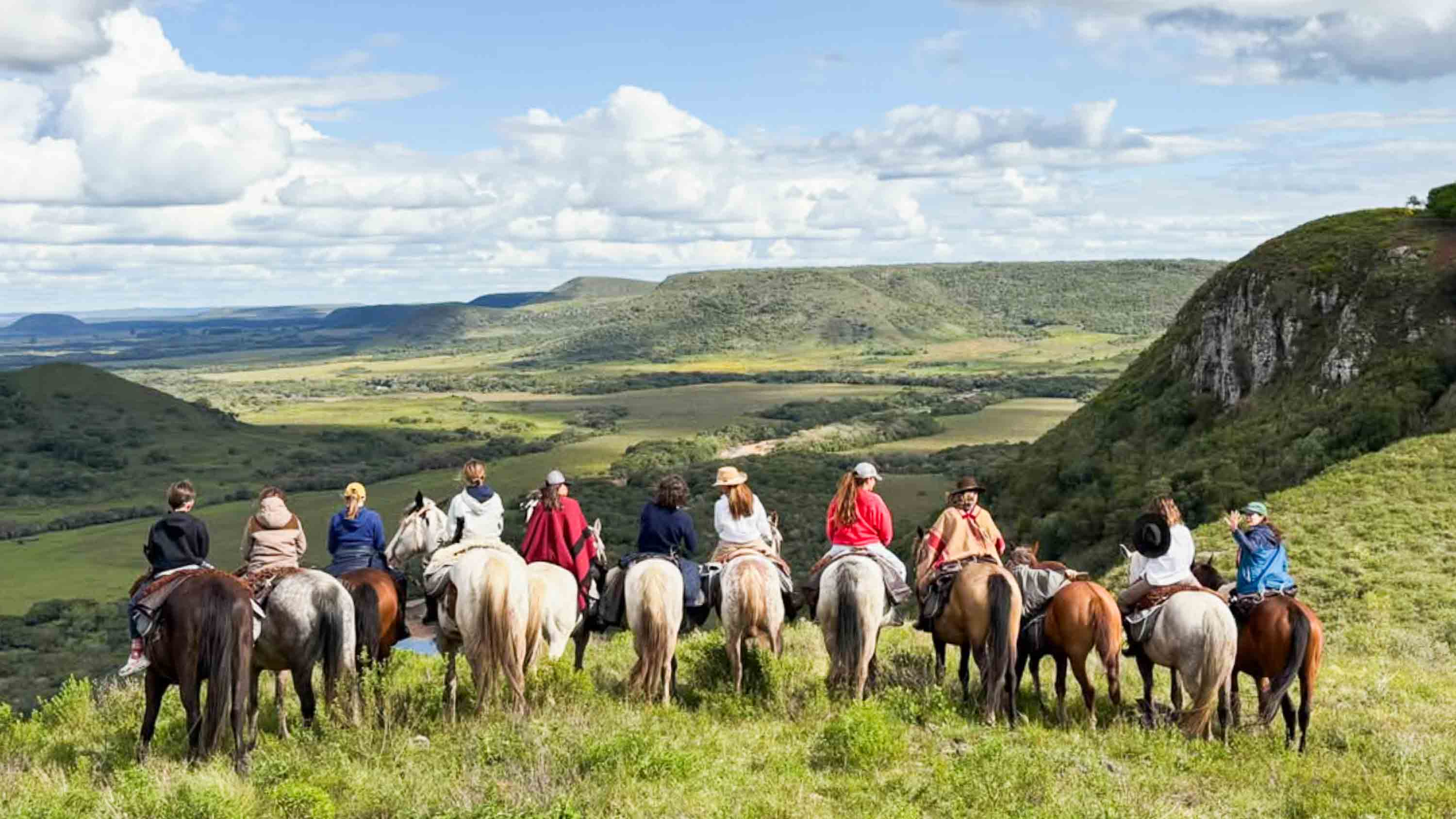
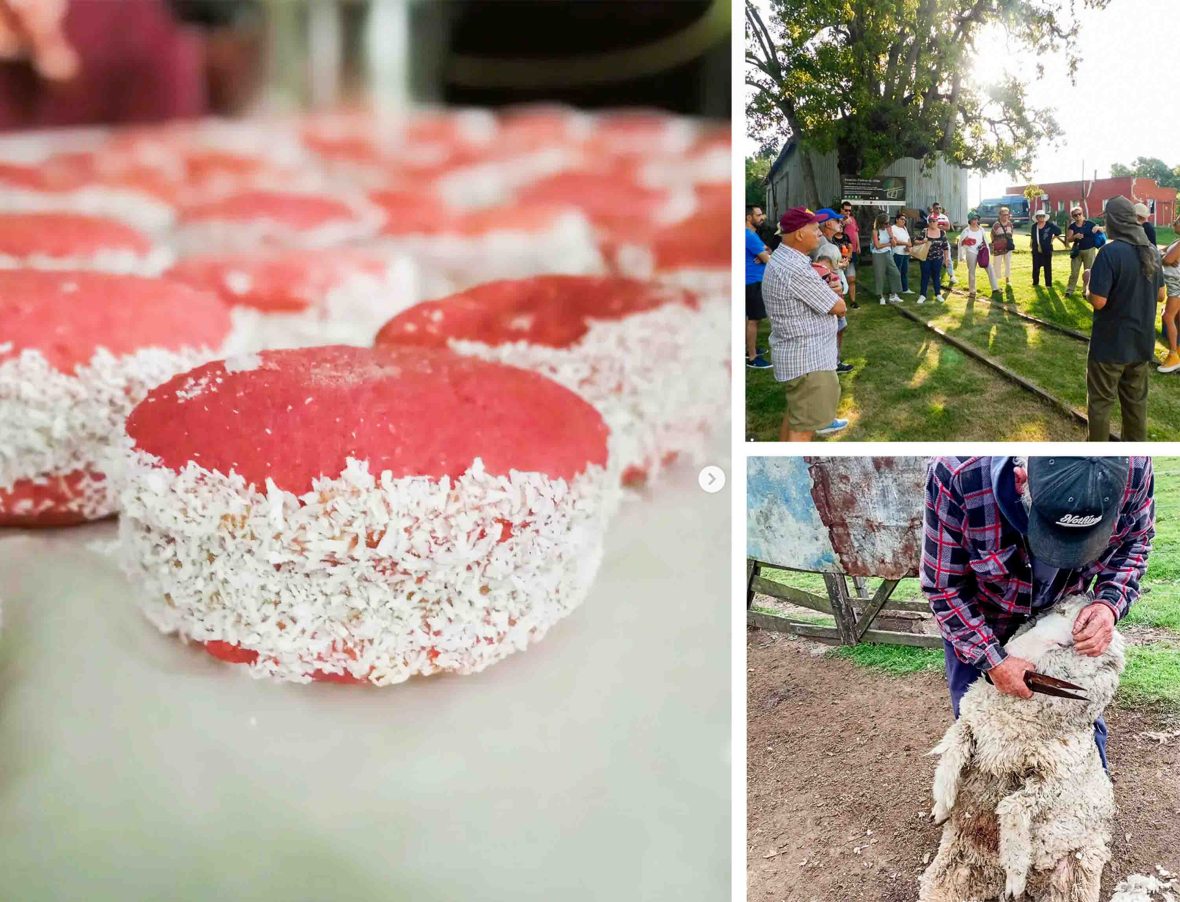
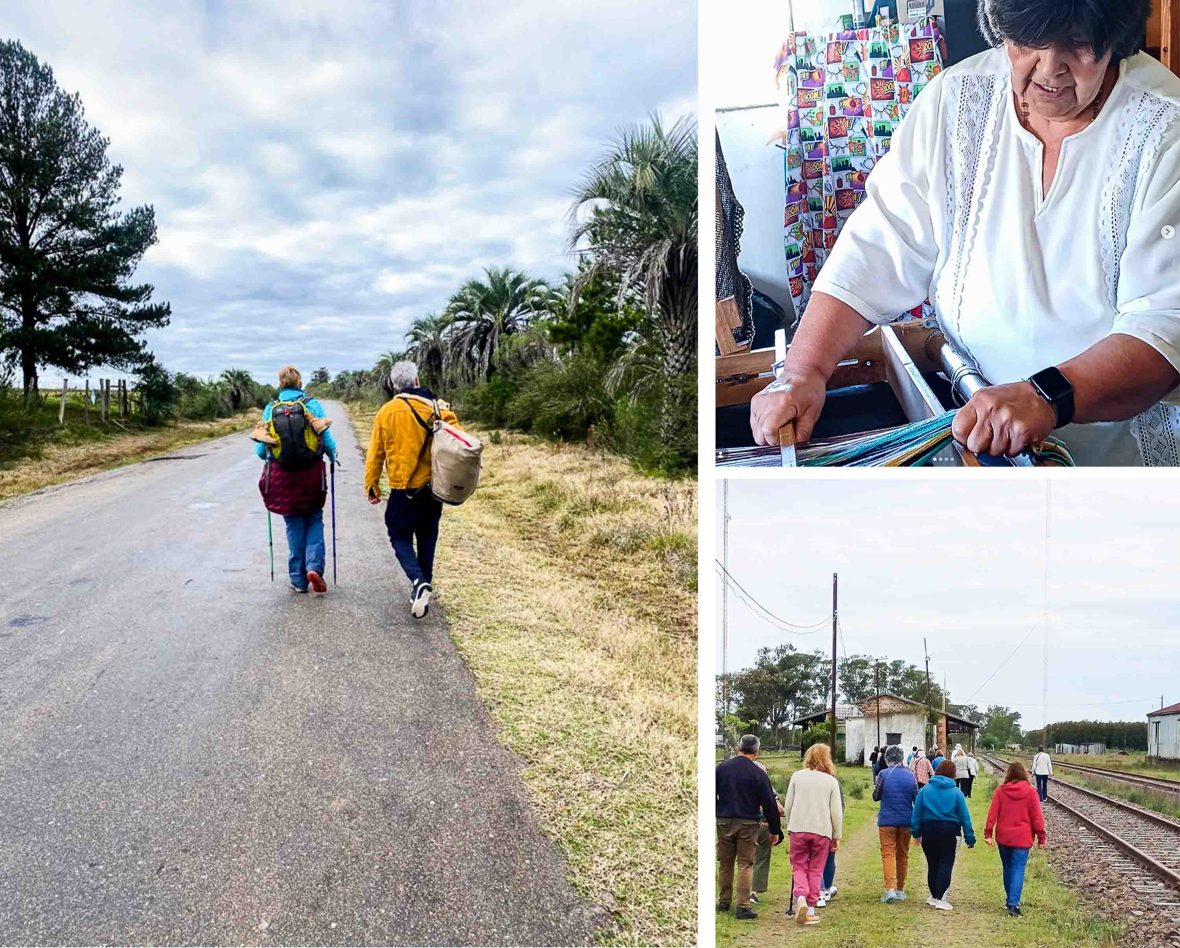
The Camino a Tiatucura, established in 2020, was set up by local business owners Gloria Duarte and Jannet Lasaga. The 50-mile (80-kilometer) pilgrimage route connects five isolated rail-era towns – Guichón, Piñera, Merinos, Morató and Tiatucura—and is coordinated by a network of local women. Duarte and Lasaga were born and raised in Guichon, a town of 6,000 people in western Uruguay, and the start point for travelers walking the Camino.
“Travelers can also choose to travel the route by car, bicycle, or motorcycle, whether that’s due to age, time constraints, or simply for the pleasure of the experience,” they explain. “Tiatucura, the final village, is the smallest of them all, yet it is the most significant from a historical perspective.” Home to fewer than 100 residents today, Tiatucura four miles (six kilometers) from the site of the 1831 Salsipuedes massacre of the Indigenous Charrúa people. It later became a refuge for Afro-descendant women who escaped enslavement in Brazil, bringing with them traditional spring-water healing practices which earned the settlement its name (from “la tía te cura,” or “the auntie heals you”) which local women honor and share with visitors today.