In the 1960s, the Mexican government backed mass-market tourism with its development of Cancún, but a 2026 directive by President Scheinbaum now puts the focus on regenerative tourism. What does that mean for the region?


In the 1960s, the Mexican government backed mass-market tourism with its development of Cancún, but a 2026 directive by President Scheinbaum now puts the focus on regenerative tourism. What does that mean for the region?
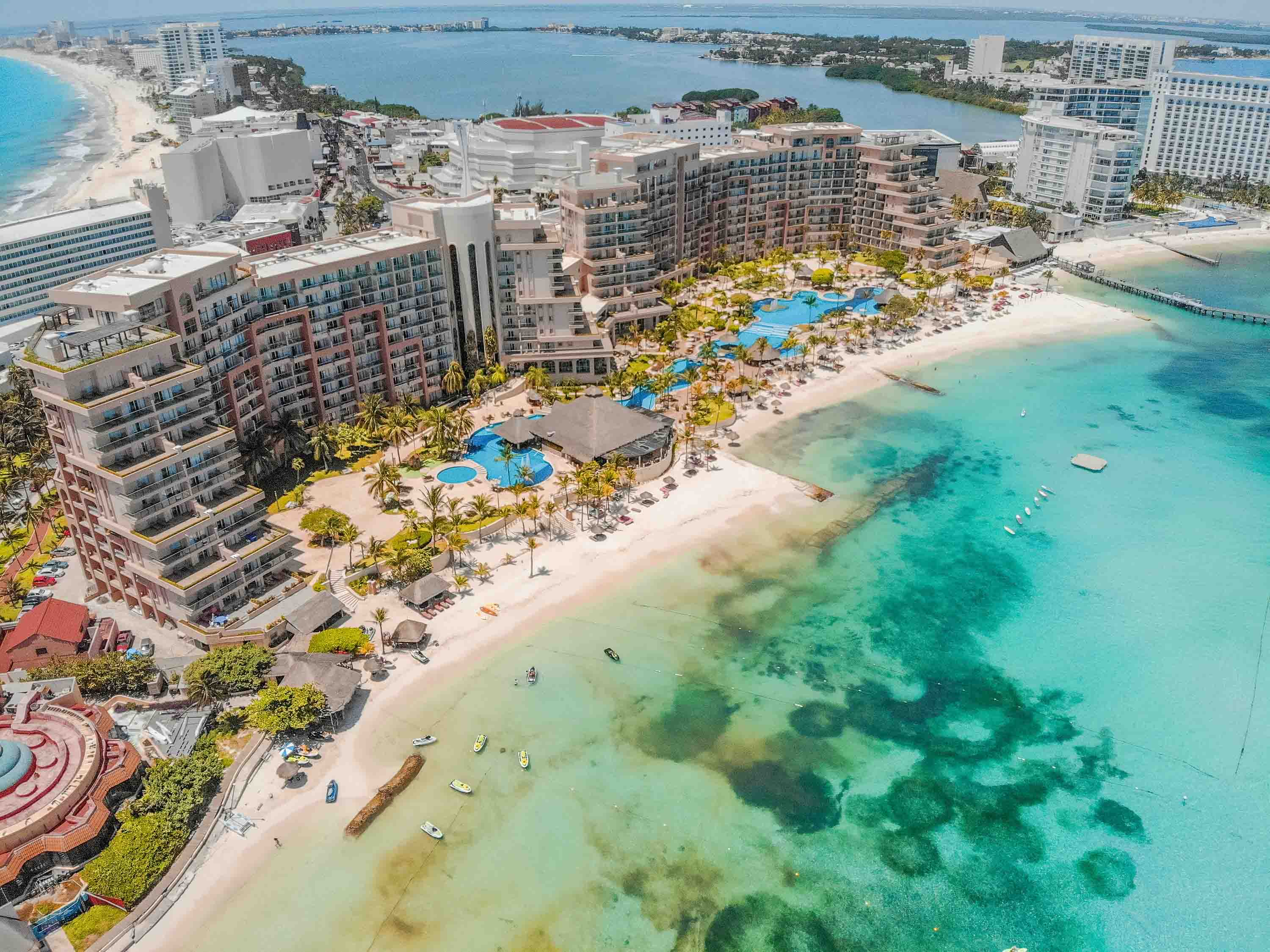
The Yucatán Peninsula is a dichotomy. You only need to look out of the airplane window as you start your descent into Cancún to see the contrasts. One moment, you’re looking at a 12-mile-long (20-kilometer) spit of sand lined with huge hotel resorts. The next, as the plane drops further, an impenetrable carpet of dark-green jungle rolls out as far as the eye can see.
Cancún’s Hotel Zone sprung up in the 1970s and since then, has cultivated its reputation for all-inclusive resorts, high-energy nightlife and out-of-the-box holiday experiences. Overdevelopment has placed a strain on natural resources; the demand for fresh water is draining the region’s ancient cenote (sinkhole) network, while sudden demand for workers is creating overcrowded, unplanned inland neighborhoods.
But you don’t have to go far to find pockets of low-impact, community tourism. And this year, for the first time ever, the Mexican government has recognized the importance of the latter.
In March 2026, Mexico’s National Fund for Tourism Promotion (Fonatur) and the government signed an agreement to encourage its tourism industry—which represents nearly 10 percent of the country’s GDP—to serve as a tool for social justice, allowing local communities to become active participants in a region’s economic growth.
While the Mexican government’s focus was on resorts like Cancún several decades ago, President Claudia Sheinbaum’s current vision is different. They want to support destinations where local communities are the protagonists, ensuring the conservation of natural resources under the stewardship of people who have lived there for generations.
The government has named three community tourism projects—Pueblos Mancomunados in Oaxaca, and Maya Ka’an and Camino del Mayab in the Yucatán Peninsula—to receive support during 2026. For the latter, the investment will fund better water and wastewater management, trail maintenance, project equipment, public space maintenance and signage. With the Maya Ka’an and Camino del Mayab within 180 miles of Cancún, it appears to show a change of focus.
“Maya communities are not treated as attractions or objects of observation. Instead, they’re recognized as active participants, storytellers and custodians of their own culture and territory.”
- Fernando Sarvide, local guide
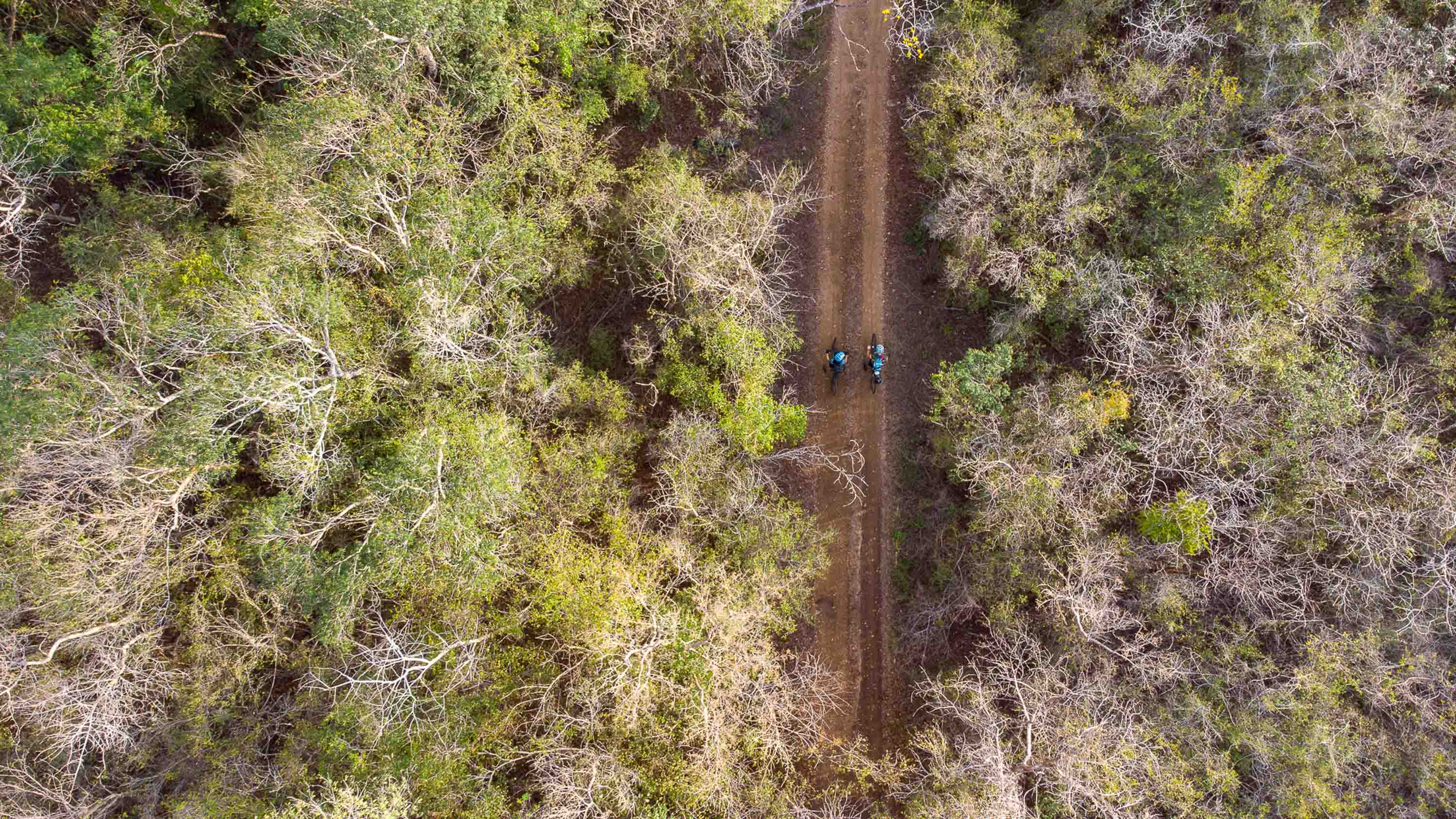
This summer, I hiked the Camino del Mayab in Yucatán with local guides José Luis Bé and Fernando Sarvide. The Camino is a 68-mile (110-kilometer) trail through the jungle just south of Mérida, in the northwest of the Yucatán Peninsula, which connects 14 Mayan communities. The terrain on this route, which opened in 2020, is flat and undemanding, but the high temperatures add challenge to the distances, which average around 14 miles (23 kilometers) per day.
My hike began with a short opening ceremony in which our guide Fernando reminded the group that we were guests in the jungle, walking through a place that had existed long before us. The three-mile (five-kilometer) walk from X‘Matkuil to Molas, two of the communities on the Camino, runs along the disused railway that once transported henequen (sisal) from haciendas to the coast for export.
In Molas, we learnt more about the Mayan way of life, the history of the haciendas, and the surrounding jungle from community members, before finding refuge in the home of Doña Norma for lunch; we enjoyed traditional pibil chicken and refried beans alongside jugfuls of ice-cold horchata (white rice with milk or water, sweetened with cinnamon and sugar). I soon learnt that mornings start early in these communities, with most activity is done and dusted by lunch. Afternoons are set aside for cooling off with a dip in a cenote or taking a siesta in a hammock in the shade.
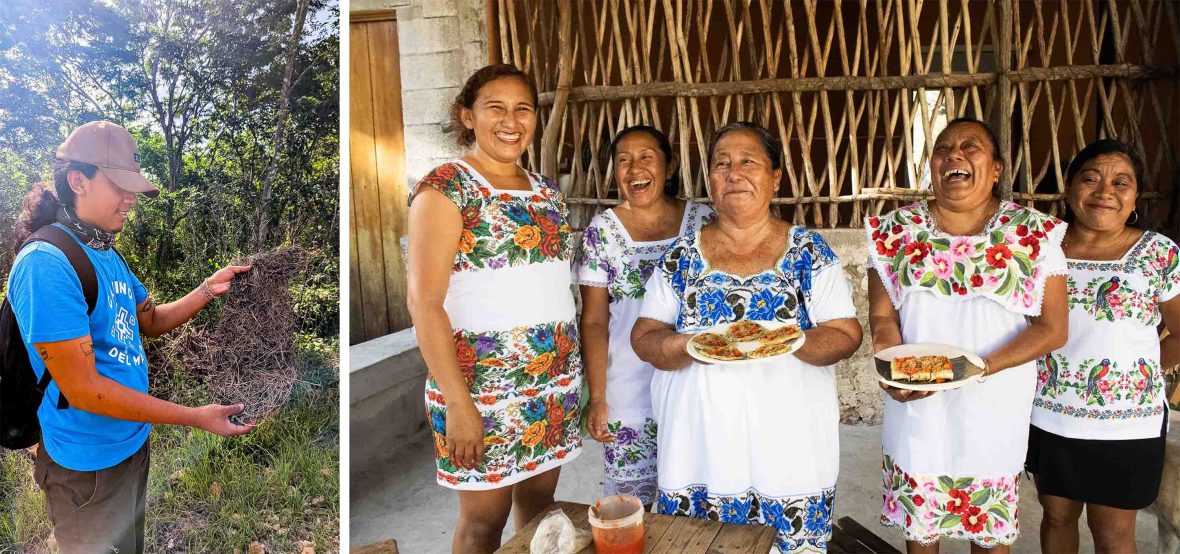
Camino del Mayab was founded by EcoGuerreros, an initiative that promotes community development, environmental conservation and sustainable tourism. One of the project’s greatest achievements is creating opportunities for local people to earn a living within their communities, instead of having to relocate to Yucatán cities such as Mérida or Cancún for work.
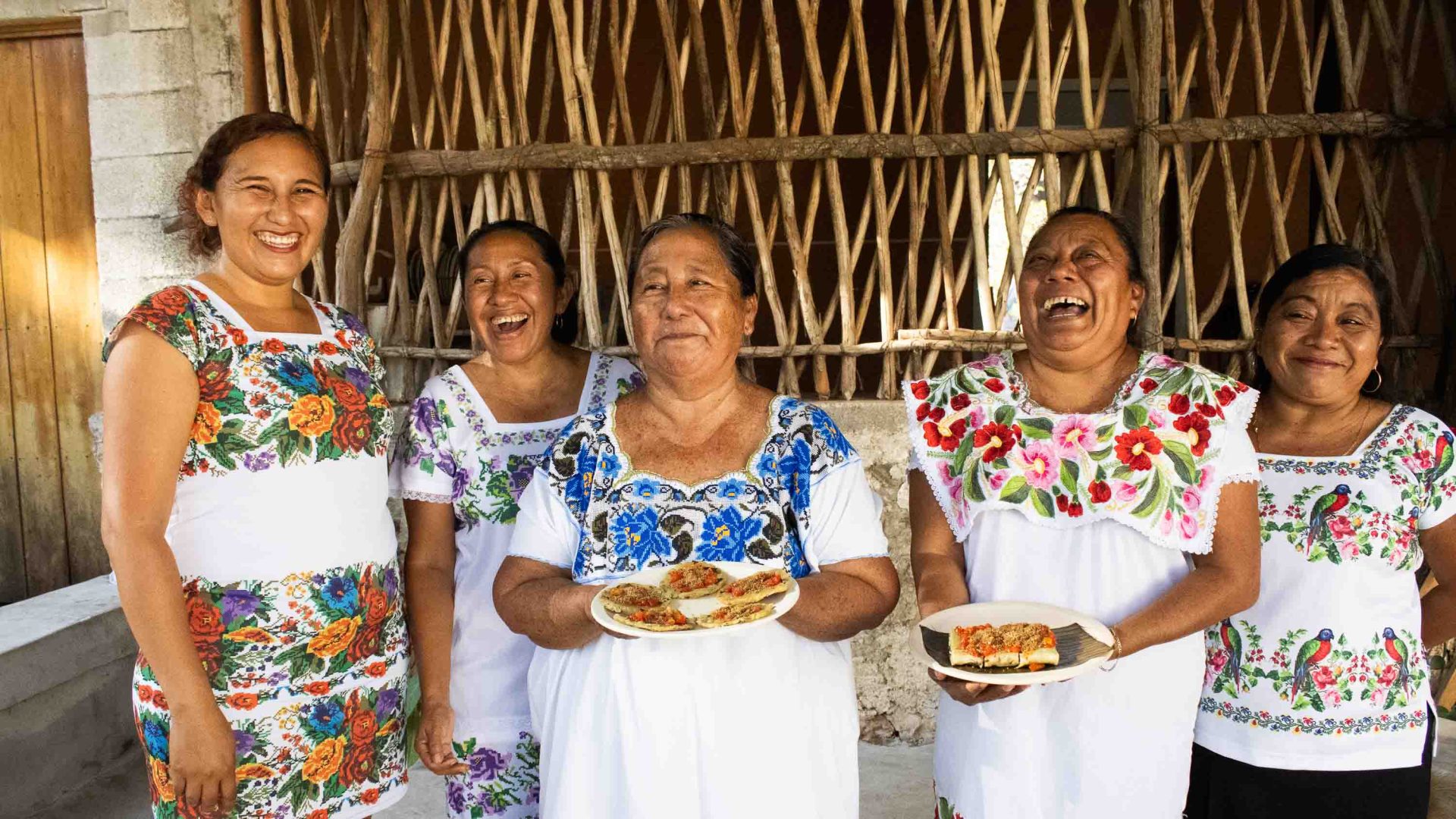
Doña Norma is a case in point. She had no way of earning money in her community before but now, she loves cooking lunch for trekkers, welcoming them in her home as part of the Camino del Mayab ‘package’. “It opens the door to new experiences for everyone,” she told me. “Visitors learn about our culture, and we learn from them as we share stories, traditions and perspectives. These meaningful connections go far beyond a shared meal.”
Chatting to José Luis, who grew up in the Tzacalá community, he said he believed the Camino has had a positive impact. “It’s helped diversify the local economy while strengthening our cultural identity. It’s encouraged us to value and preserve the traditions, knowledge and heritage that make our community unique.”
Thanks to the Camino del Mayab and EcoGuerreros, the community now has a library in a previously disused building. As well as distributing books and keeping local stories alive, it’s also a place where young people can get help applying for university, and other life and work opportunities.
For Fernando, a guide from Mérida and former teacher of Mexican history, the hike has changed the relationship between visitors and local people. “Maya communities are not treated as attractions or objects of observation,” he told me. “Instead, they’re recognized as active participants, storytellers and custodians of their own culture and territory.”
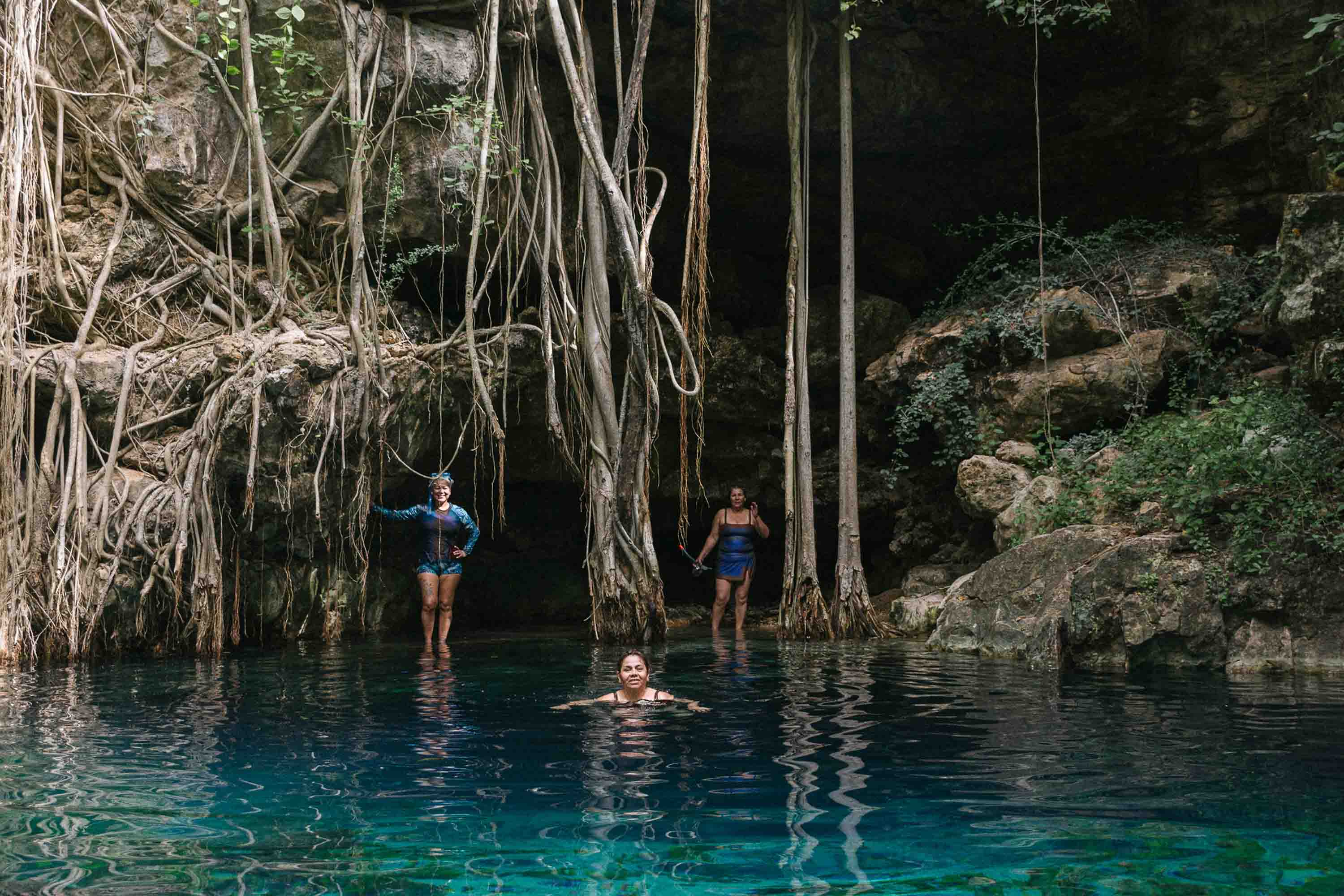
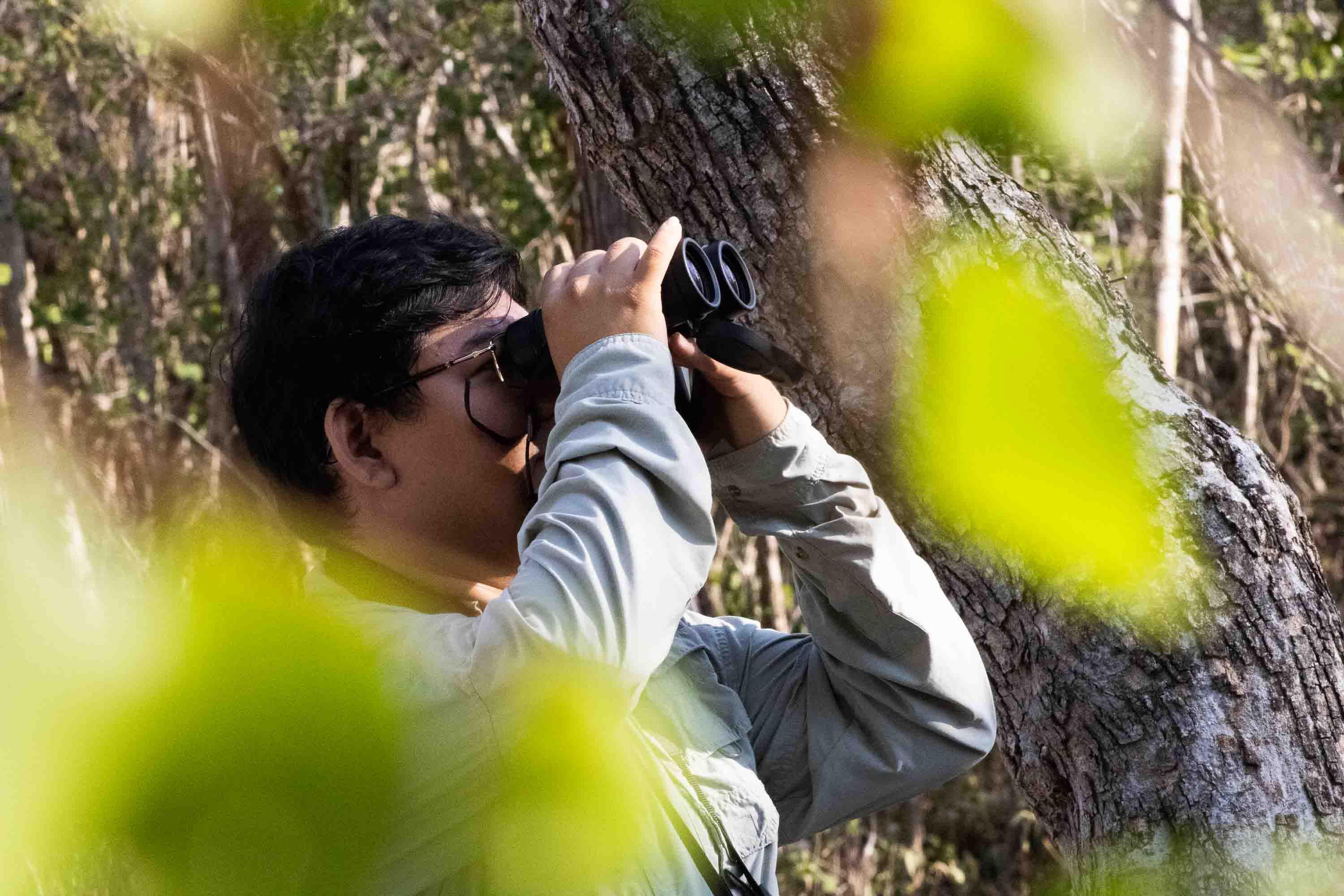
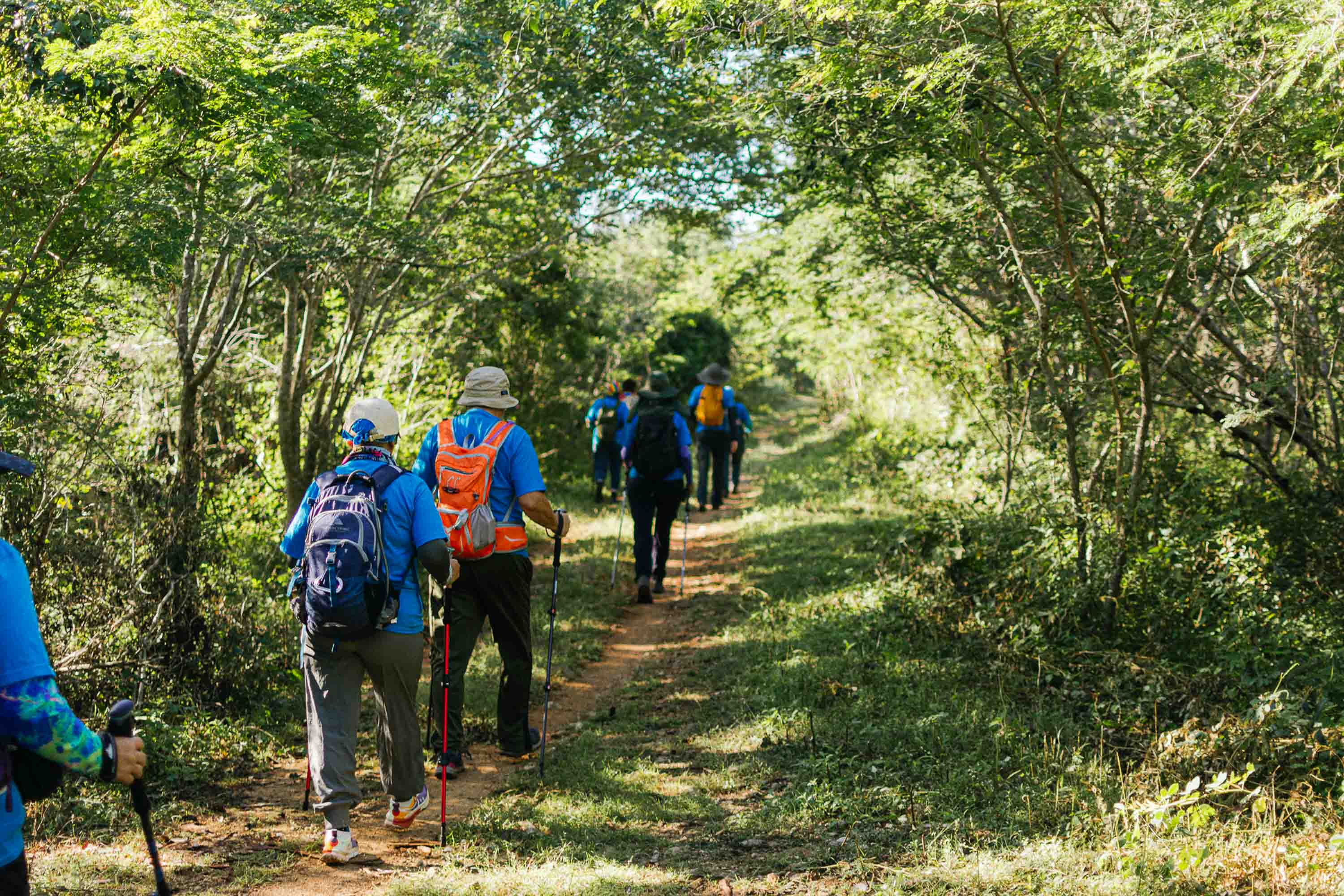
During the afternoons, we bathed in cenotes, the sinkholes scattered about the Yucatán Peninsula. Now a welcome respite from the merciless heat for hikers and locals, they were once believed to be doorways to the Mayan underworld and are still seen as sacred spaces by many.
The hike had been an enriching experience. I had gone hoping to learn more about Mayan culture and met many passionate locals keen to share their way of life with me; particularly memorable was learning to play pok da pok, an ancient Mayan ball sport still played in seven Latin American countries, and sees players hitting the ball with only hips, knees and elbows with the aim of getting it through a hoop suspended from the ceiling.
“Those of us who live here have fallen back in love with it, thanks to our visitors. Seeing someone’s eyes light up in wonder… that’s the most powerful thing I’ve experienced.”
- Manuel Enrique Galindo Triay, guide and biologist
It was the more recent history of the haciendas and henequen dictatorships that struck home the most. Haciendas in Yucatán operated as dictatorships until the 1980s, taking land from Indigenous communities and small farmers. José Luis told me part of the Camino’s mission is to change the mindset in the communities: “You work hard, you accept your lot and you have no power.”
I’d met old men who’d worked in the hacienda regime as young boys, while the grand buildings, many of which now lie in ruins, are an ever-present reminder of the injustices of the past and of how life once was in those communities. I was heartened to know that 80 percent of what I’d paid to hike the Camino del Mayab would go directly to local people.
Mariana Ramos, commercial coordinator for Camino del Mayab, was optimistic about the impact of government support: “It will help improve infrastructure and signage,” she told me, “and fund safe places where visitors can obtain information, eat, shower and stay overnight, supporting the expansion of our self-guided hiking experiences.”
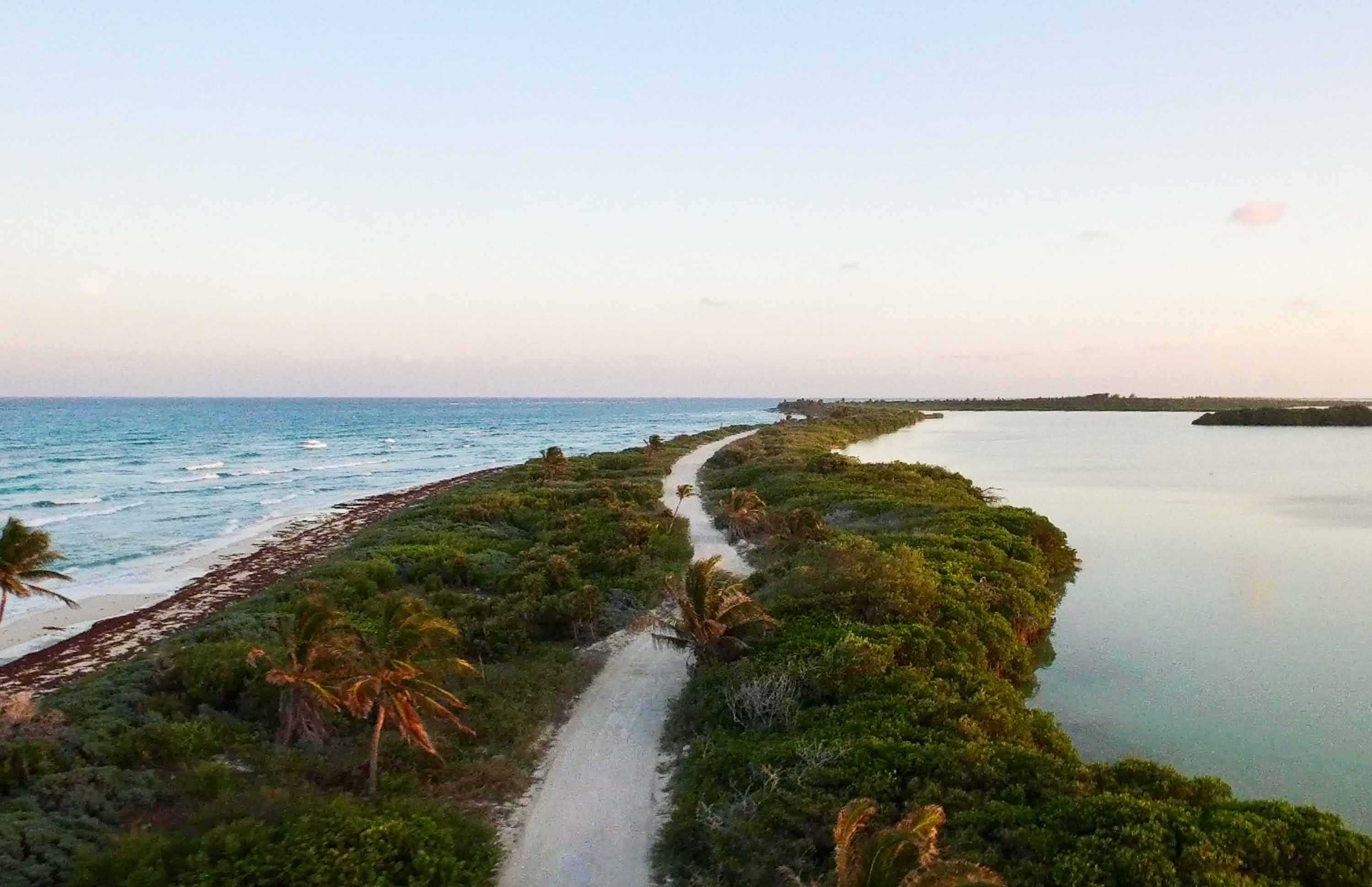
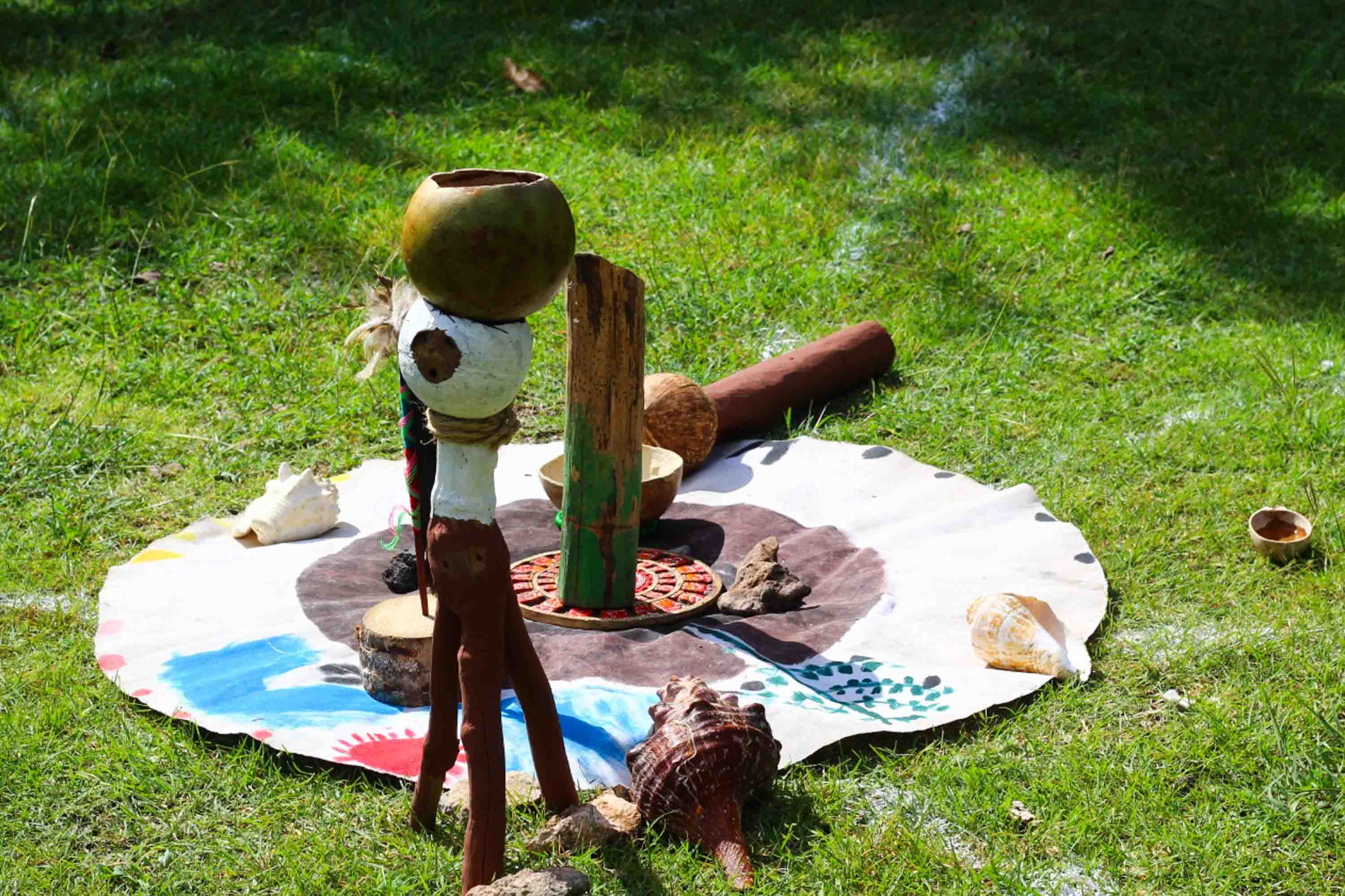
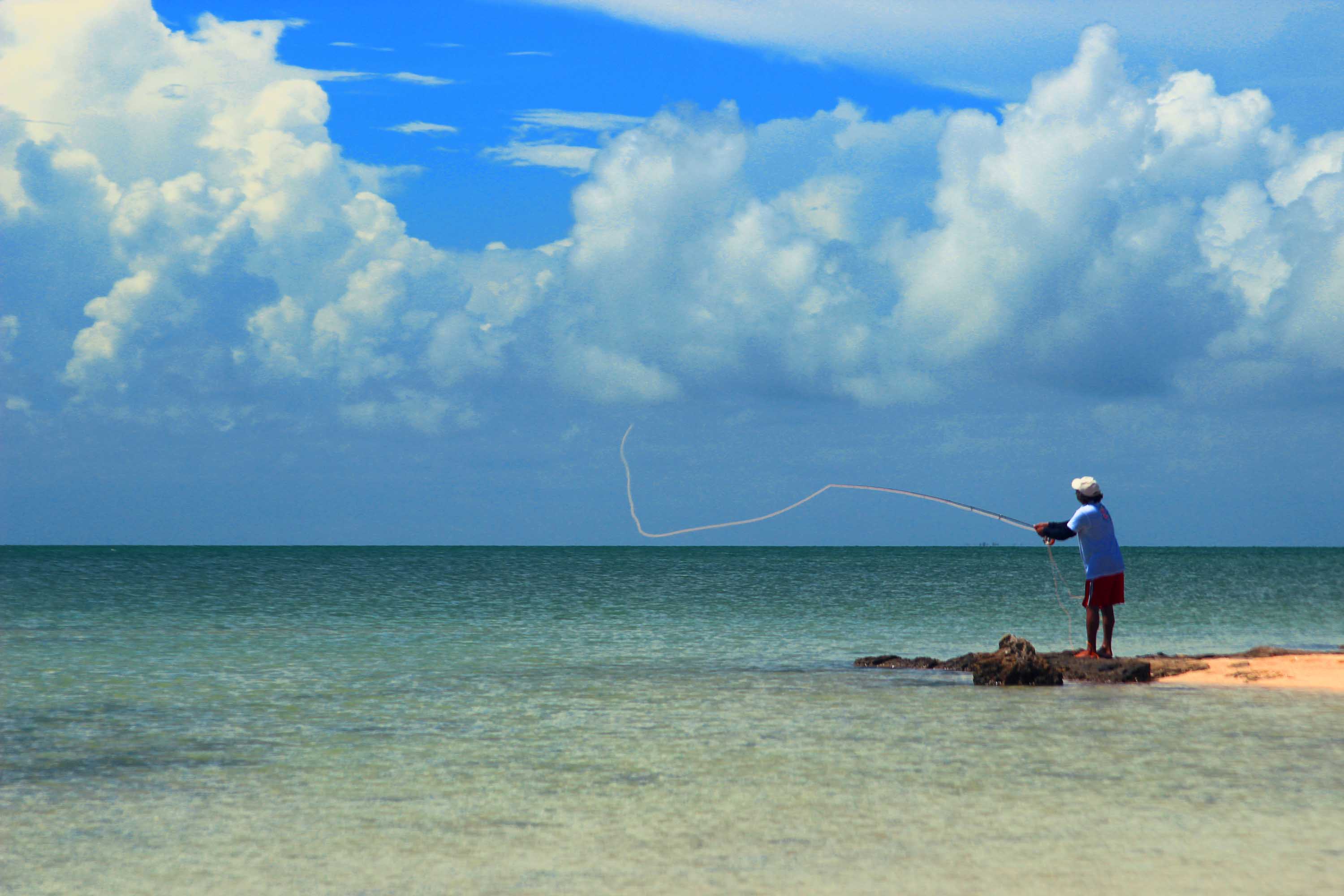
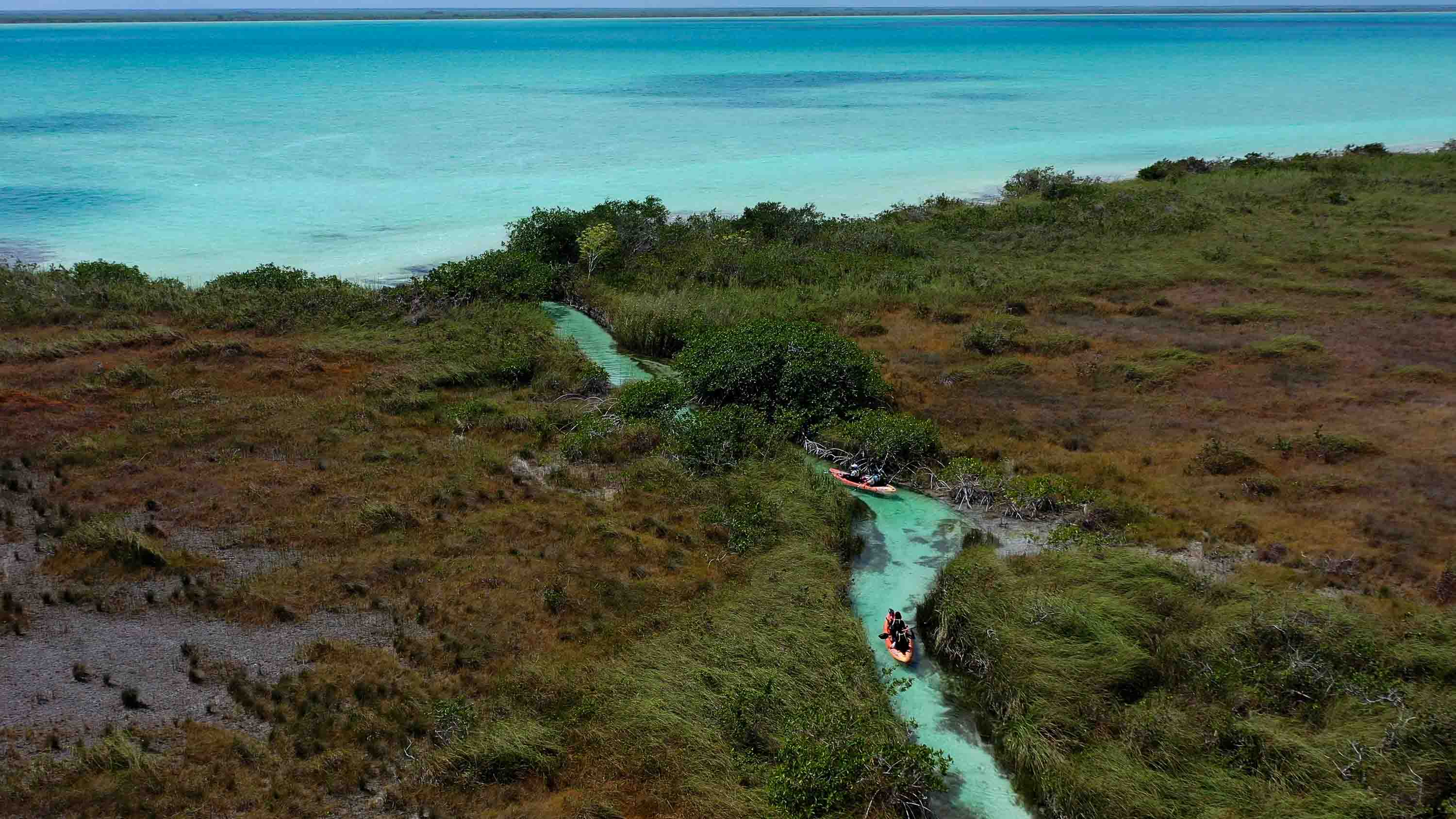
The other initiative in the Yucatán Peninsula to receive support from the government is Maya Ka’an, a large sustainable tourism project that encompasses the Sian Ka’an Biosphere Reserve 16 miles (25 kilometers) south of Tulum, created in 2012 to protect the area’s tropical jungle, wetlands, mangroves, freshwater canals and coastal marine environments while prioritizing community leadership in tourism.
Like Camino del Mayab, Maya Ka’an focuses on nature-based and cultural experiences and it’s hoped that government support will help improve infrastructure as well as visibility. Román Caamal Coh, general manager of Community Tours Sian Ka’an (CTSK), led by a 100 percent Maya cooperative and one of the projects within Maya Ka’an, explained why he thinks it was chosen by the government. “It’s a low-impact model, managed by communities and community-based enterprises, and it’s one of the most mature and representative examples in Mexico of conservation led by the communities that live there.”
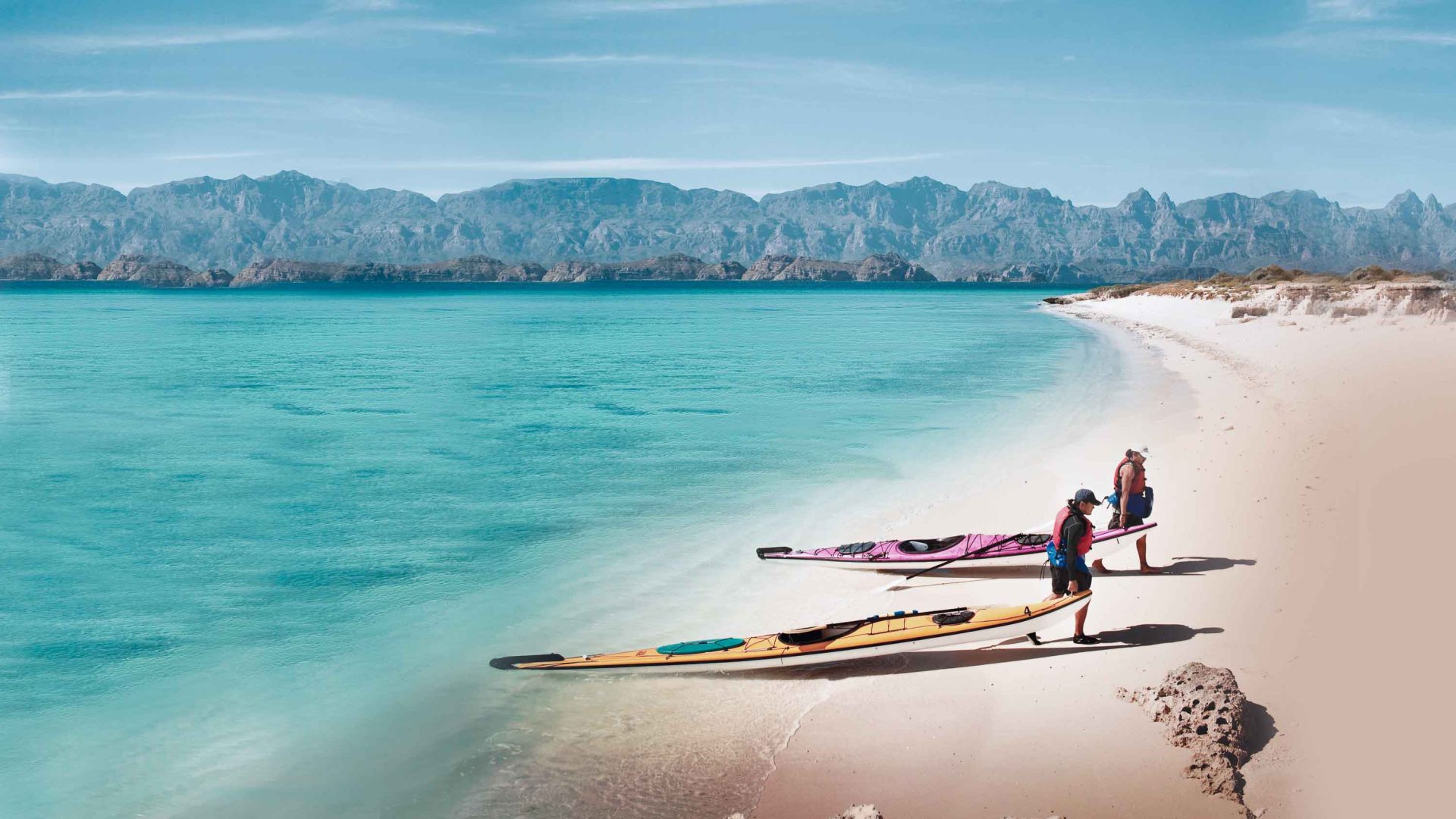
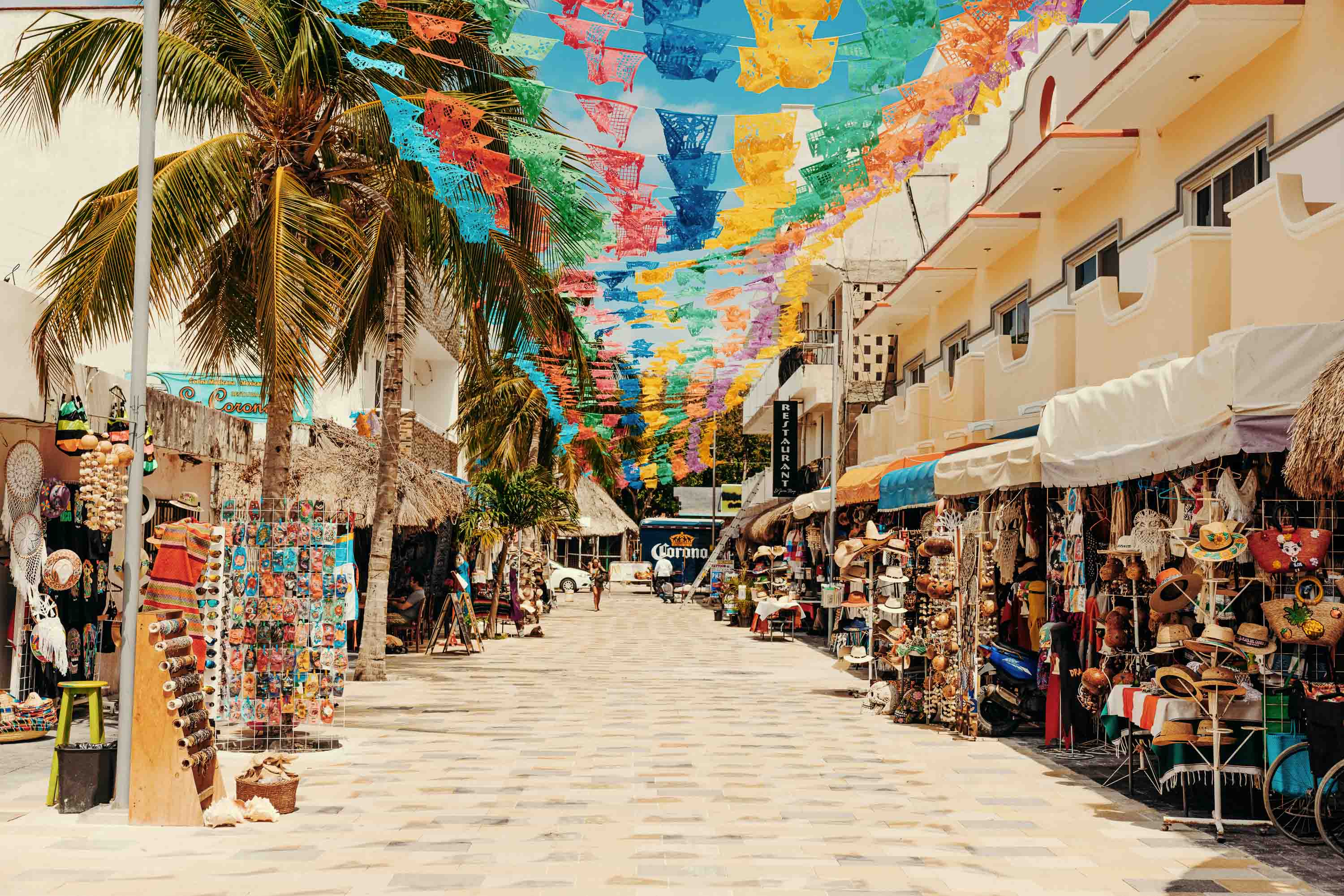
Maya Ka’an’s jungle walks, kayaking, birdwatching, cooking and handicraft workshops are a far cry from the pools, beach bars and snorkeling boats that line the Mexican Caribbean coast. And its accommodation offering—intentionally limited to eco-lodges, rustic cabins or guesthouses—contrasts with the large chain hotels that lie behind gated perimeters along Highway 307 from Cancún to Tulum.
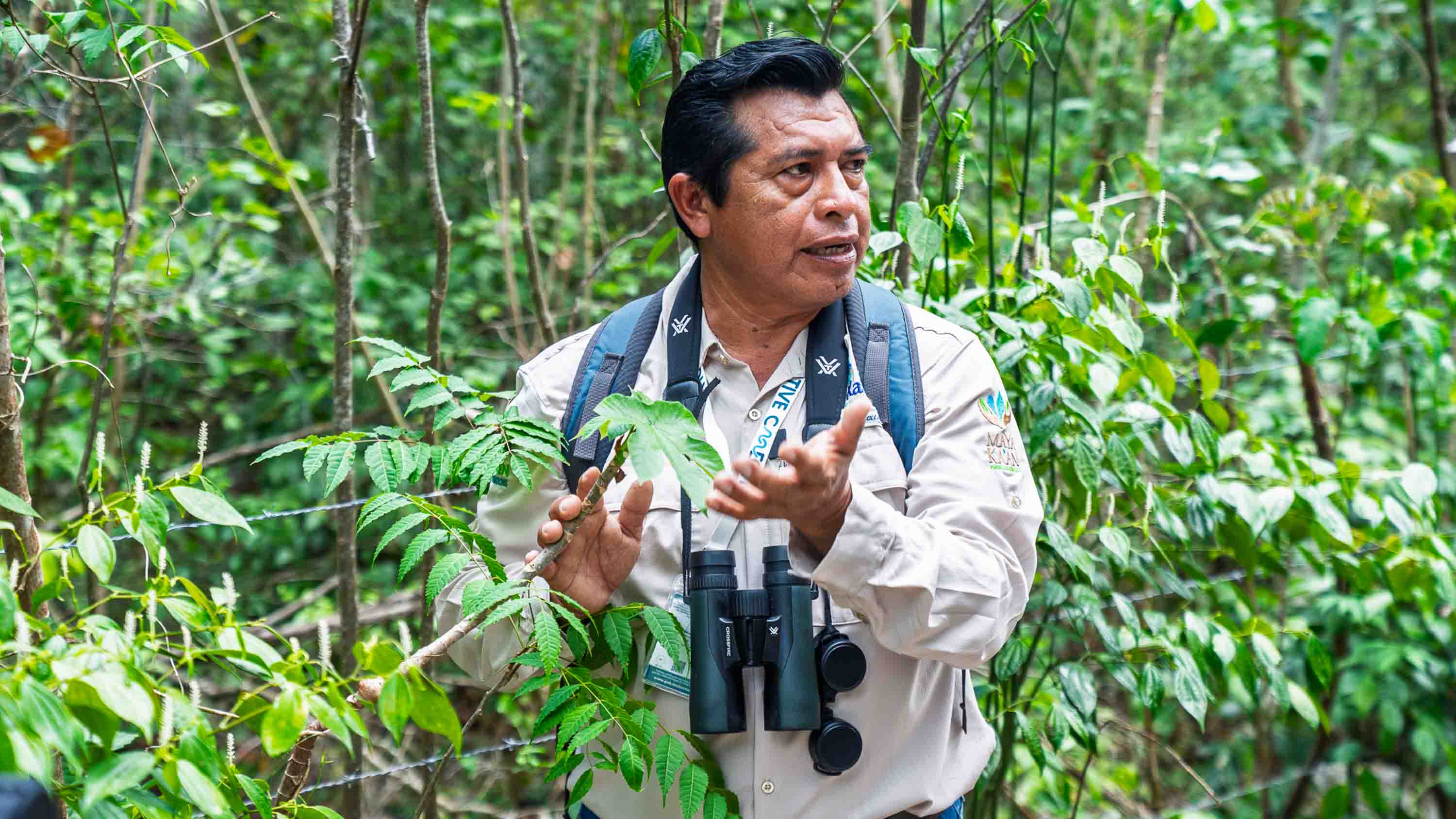
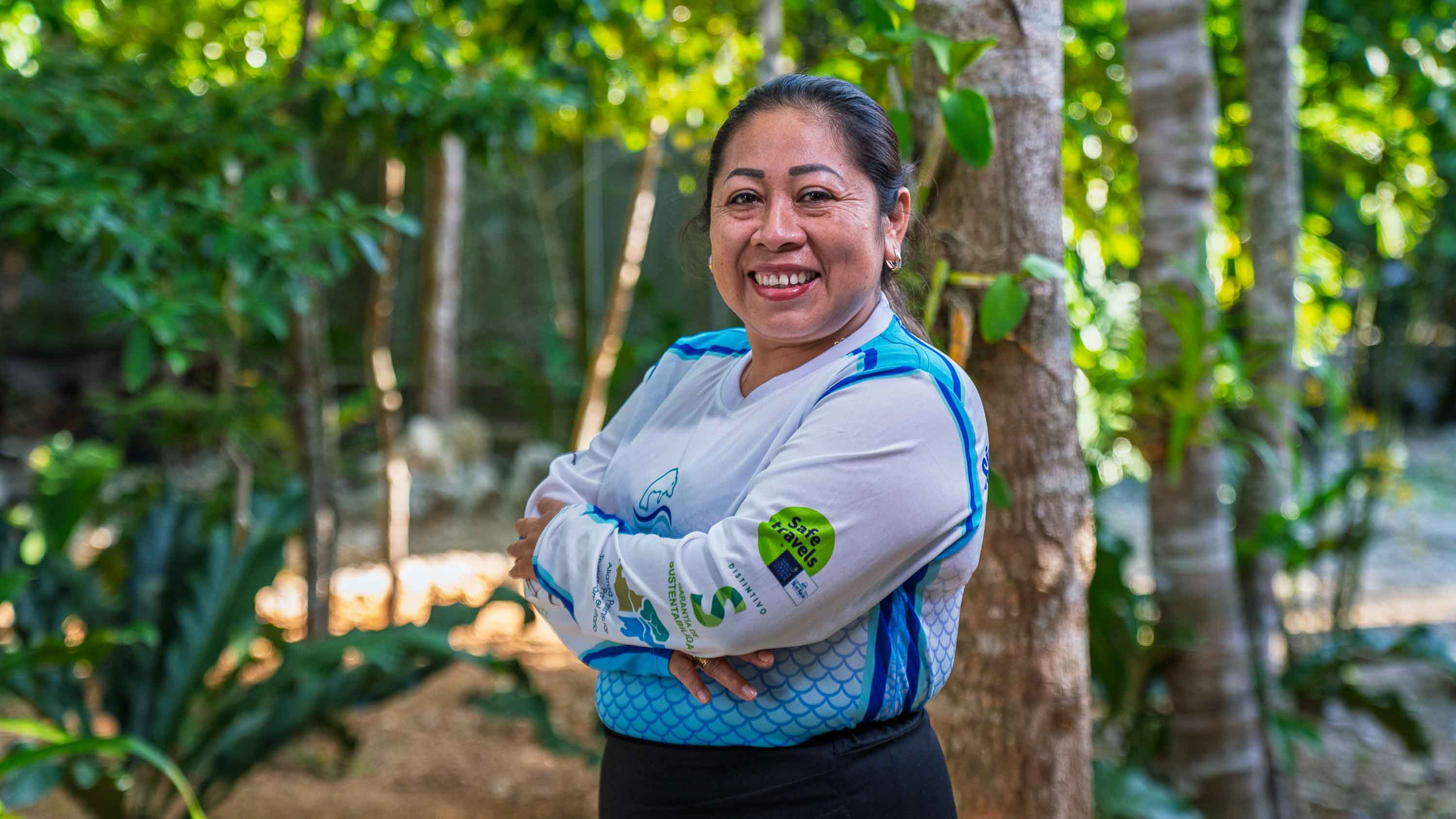
I met the team behind Community Tours Sian Ka’an to see how the initiative has been transforming the lives of locals. For its treasurer Lucía Pacheco May, her work has enabled her to pay for her children’s education. “I’m happy, because I never had the chance to study,” she told me. “Where I’m from, there’s only a primary school.”
Boat captain Ricardo Caamal Aban, who takes visitors on the project’s Ancient Canal tour through Mayan lagoons and mangrove channels, told me: “I’m proudly Maya… I’m passionate about being in contact with nature and sharing what I know with the people who visit us.” It’s a similar story for guide and biologist Manuel Enrique Galindo Triay: “Those of us who live here have fallen back in love with it, thanks to our visitors,” he said. “Seeing someone’s eyes light up in wonder… that’s the most powerful thing I’ve experienced.”
For the Camino del Mayab and Maya Ka’an, recognition by the national government as a worthy alternative to the mass tourism and private investment of Tulum and Cancún has been a significant gamechanger. As CTSK’s Román told me, “”The Maya Ka’an tourism model translates into dignified employment, less migration to the cities, and a community that values its own culture and natural resources.”
**
The writer traveled with her family and self-funded this trip including their time with Community Tours Sian Ka’an. Her own spot on the Camino del Mayab was hosted by environmental conservation organization, EcoGuerreros.
****
Adventure.com strives to be a low-emissions travel publication. We are powered by, but editorially independent of, Intrepid Travel, the world’s largest travel B Corp, who help ensure Adventure.com maintains high standards of sustainability in our work and activities. You can visit our sustainability page or read our Contributor Impact Guidelines for more information.

Rachel Ifans is a travel writer who loves exploring the great outdoors. She enjoys meeting people and learning about the culture and history of a place and wherever she goes. Bylines include The Independent, iPaper, The Guardian, BBC Travel, Rough Guides and Lonely Planet.