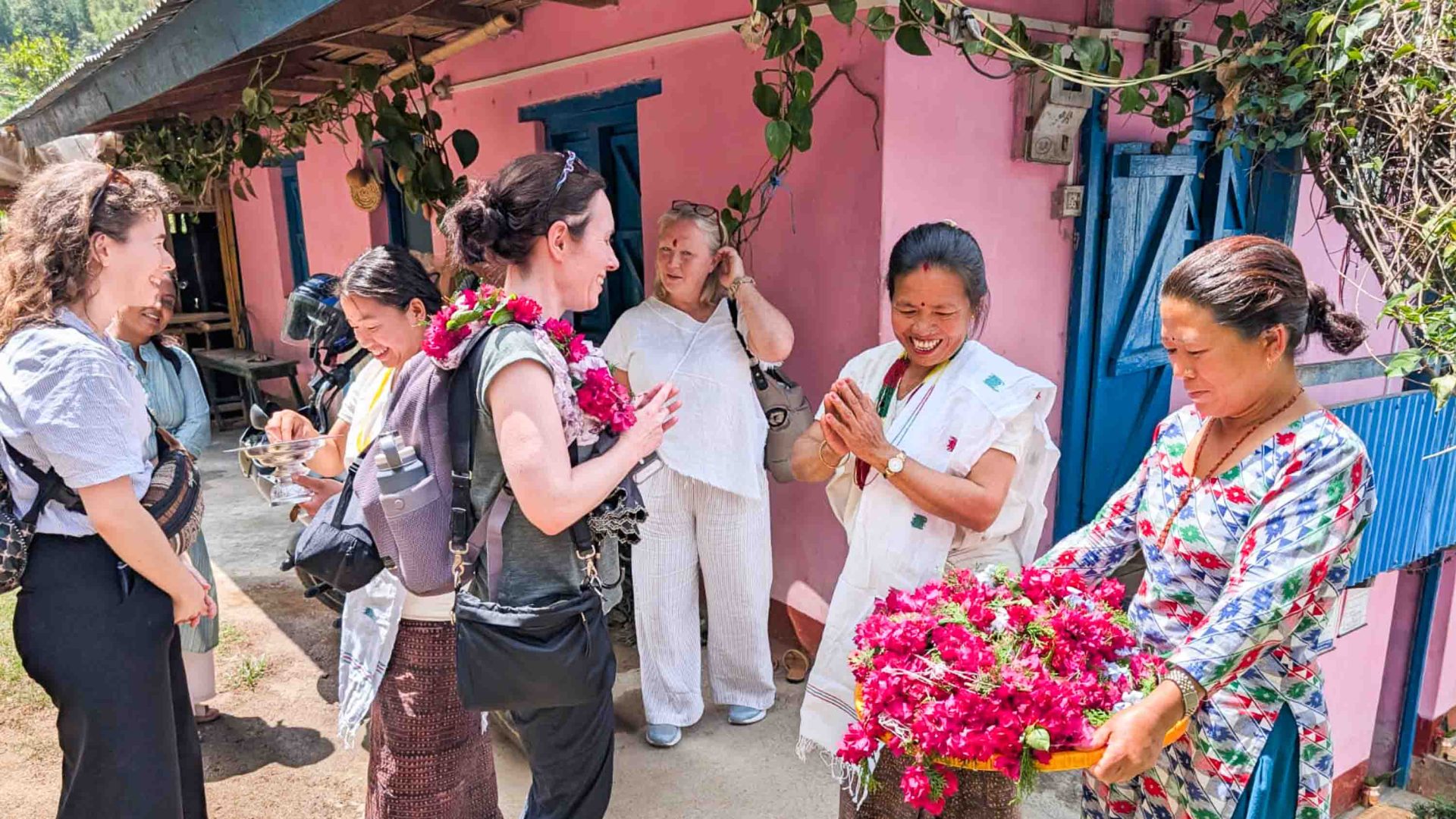
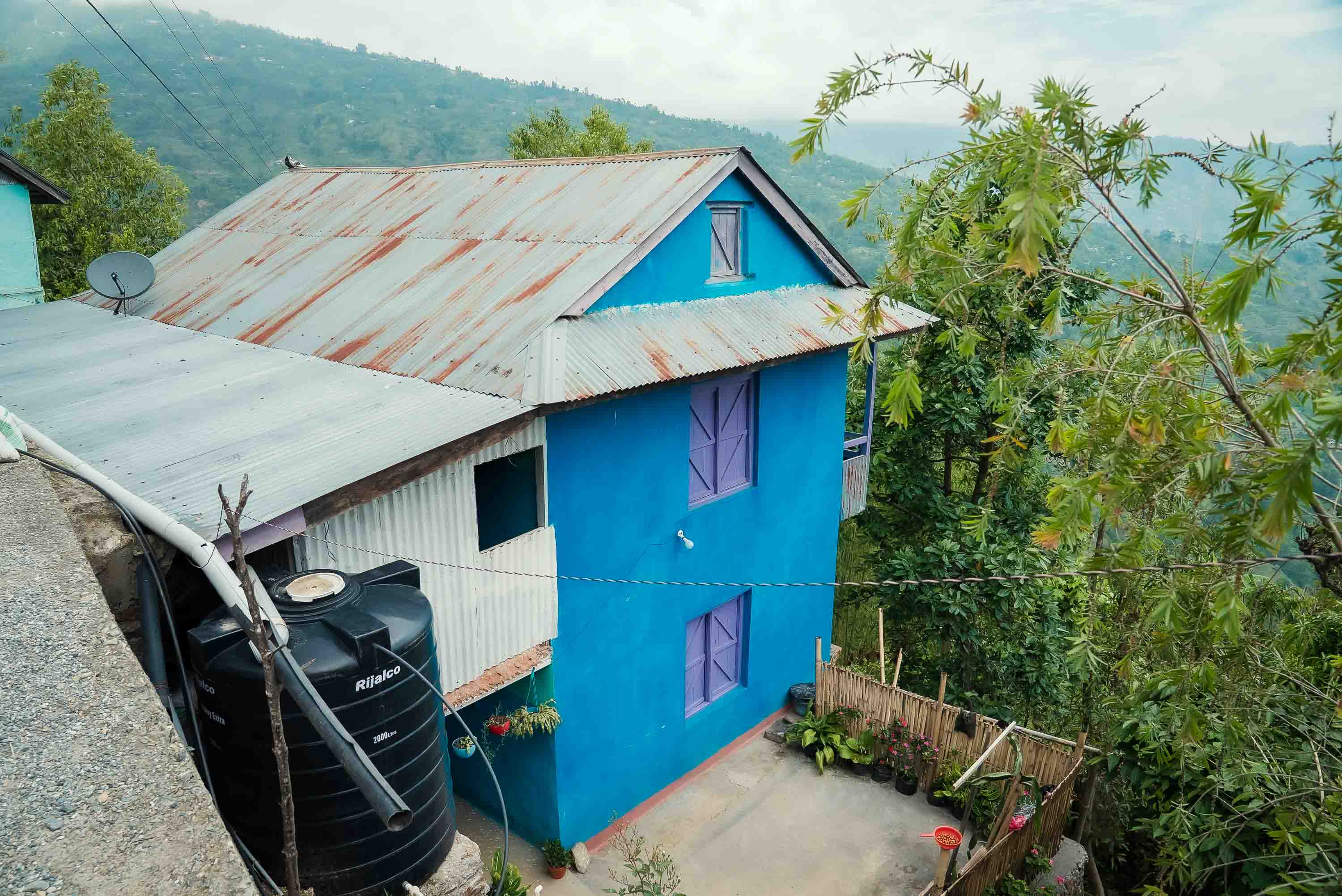
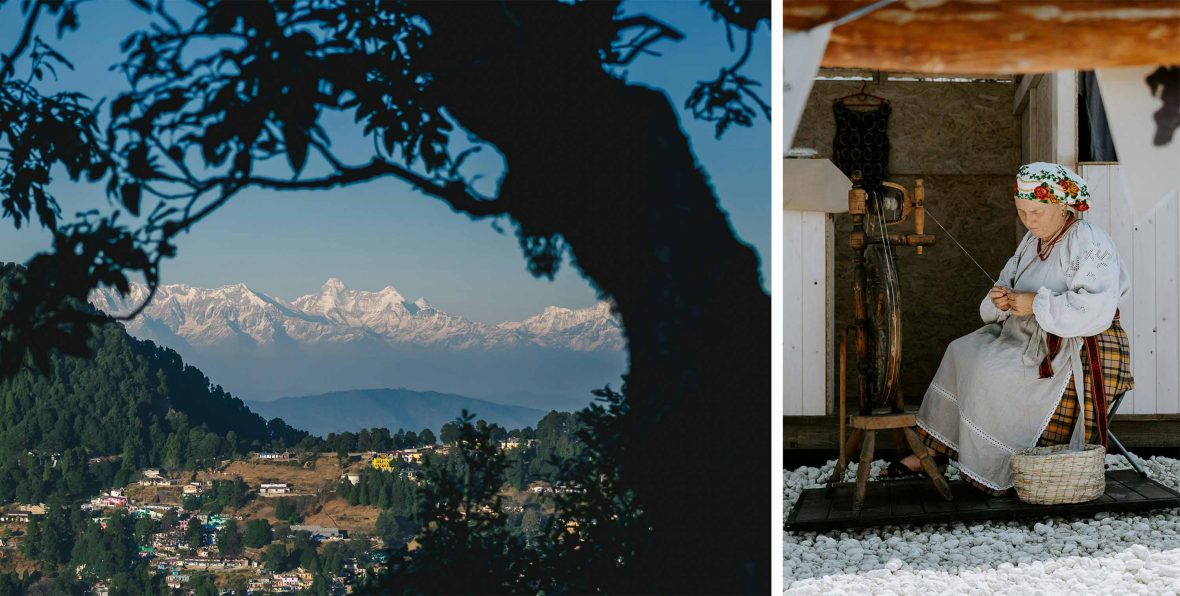
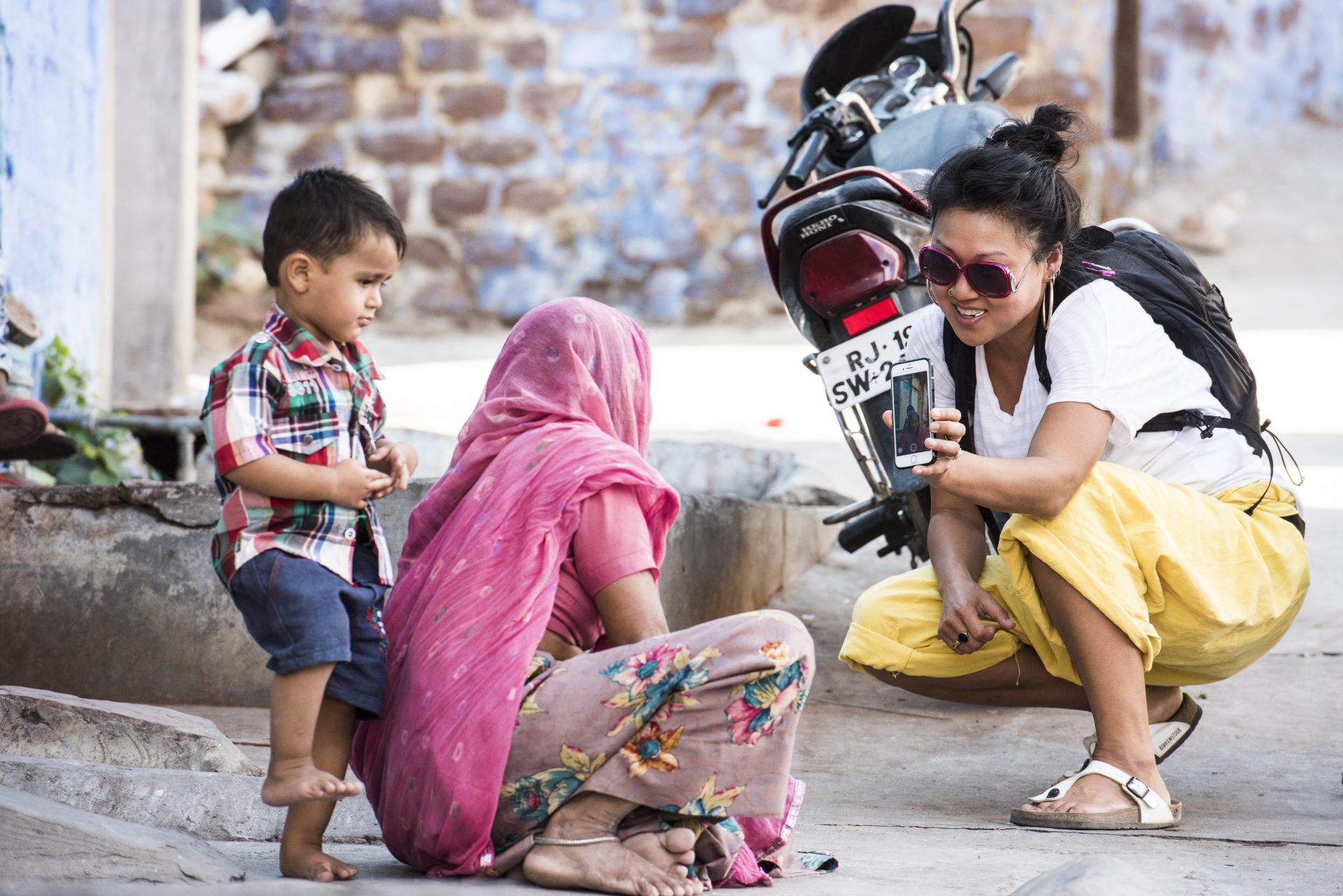
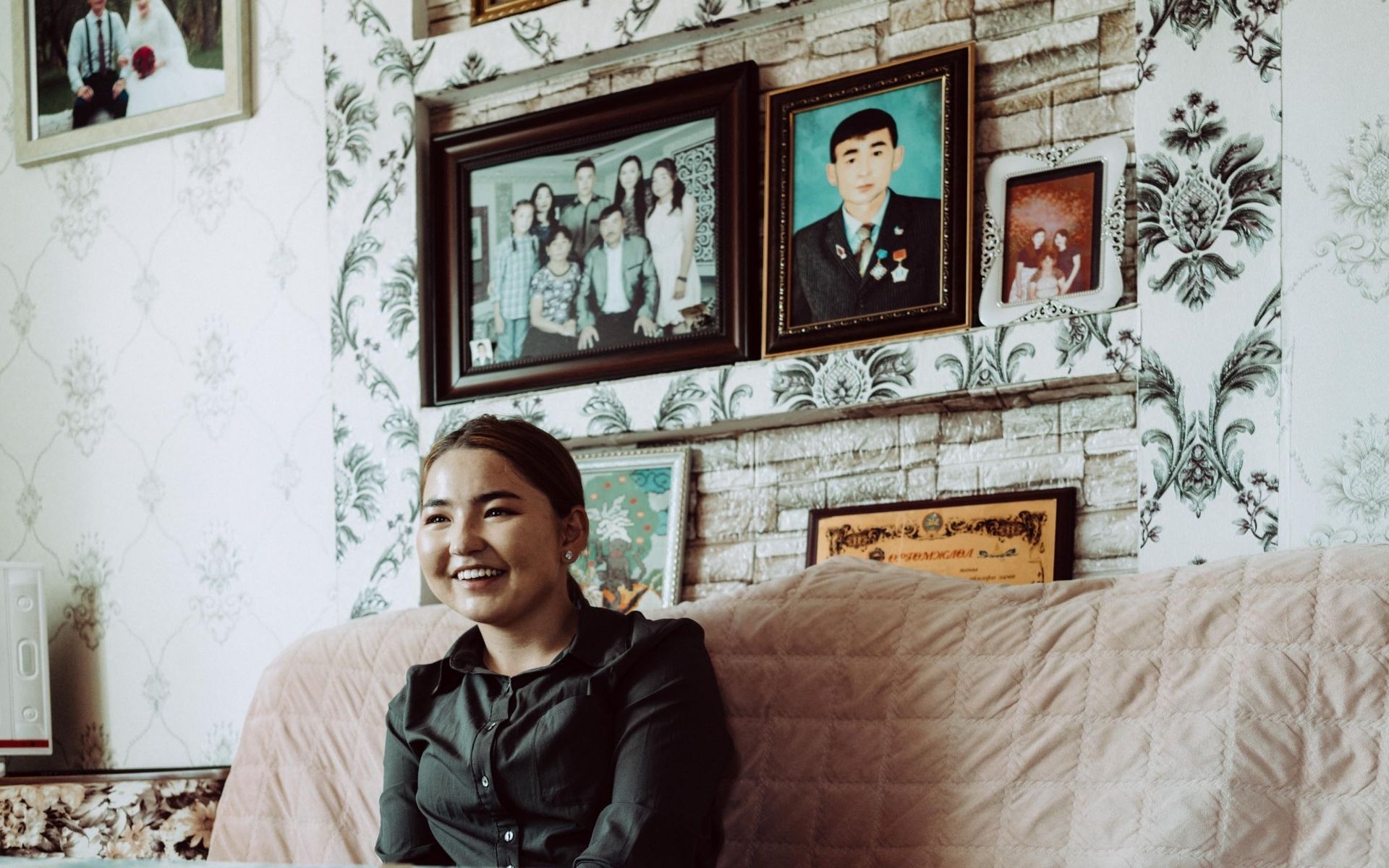
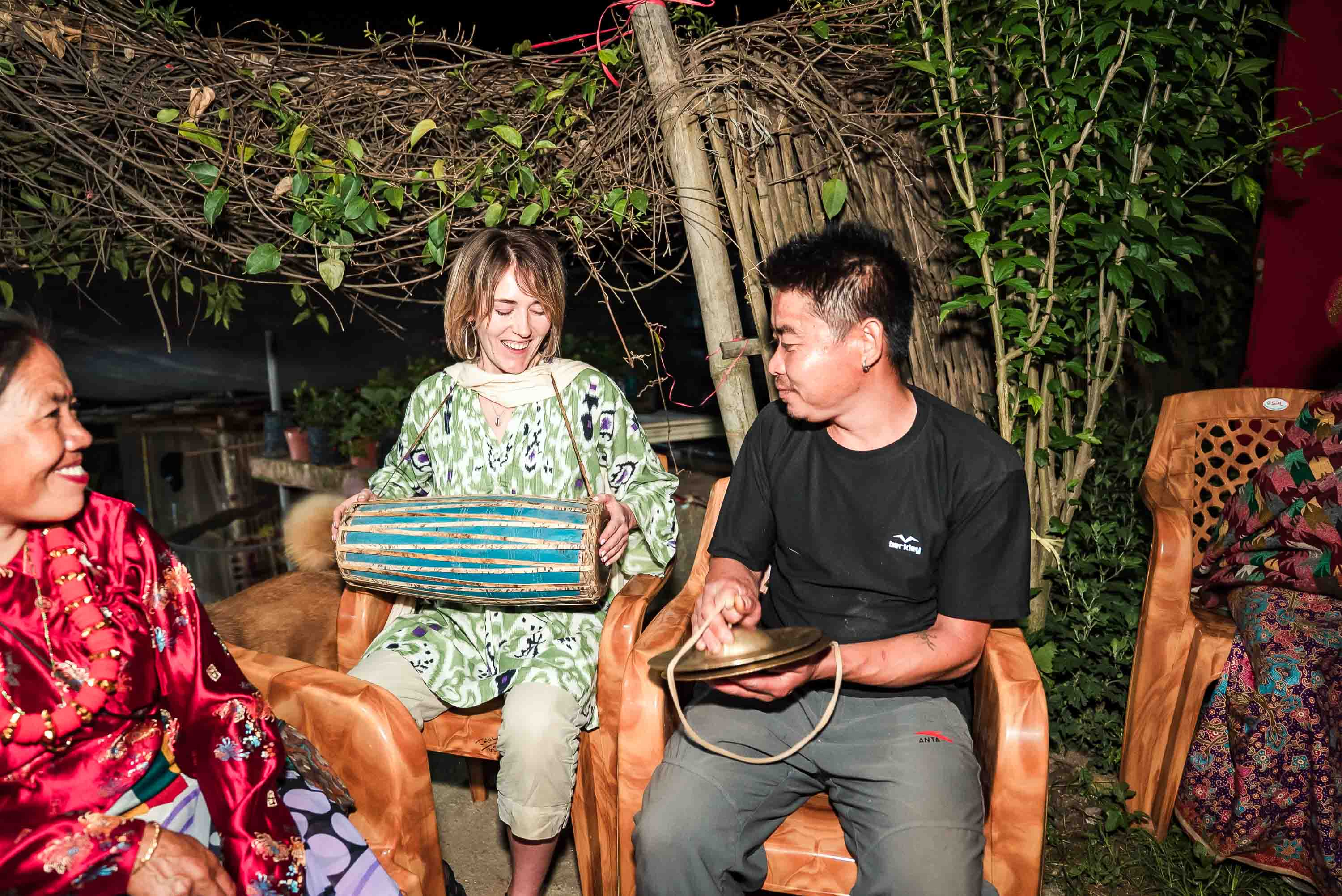
The sunrise may be gilding the valley hundreds of meters below, but for Prem Maya Rai and her daughter Alina, tempting my fine hair into a braid is more interesting. They may wake up to rarefied air and cries of cockerels every day, but for me, it’s a privileged glimpse into life in Sipting, a remote Indigenous community who live surrounded by spirits and sacred forests among eastern Nepal’s glistening peaks.
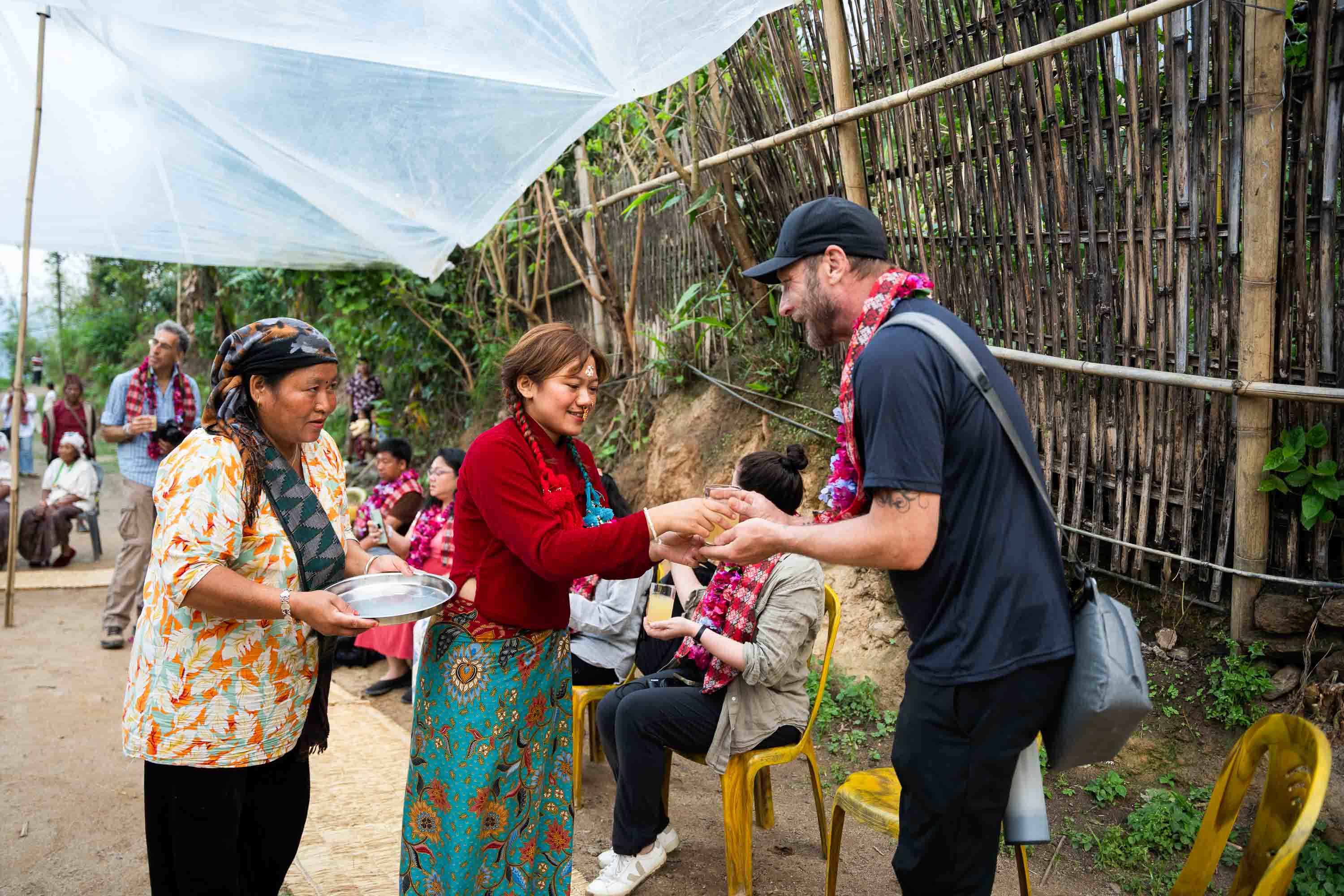
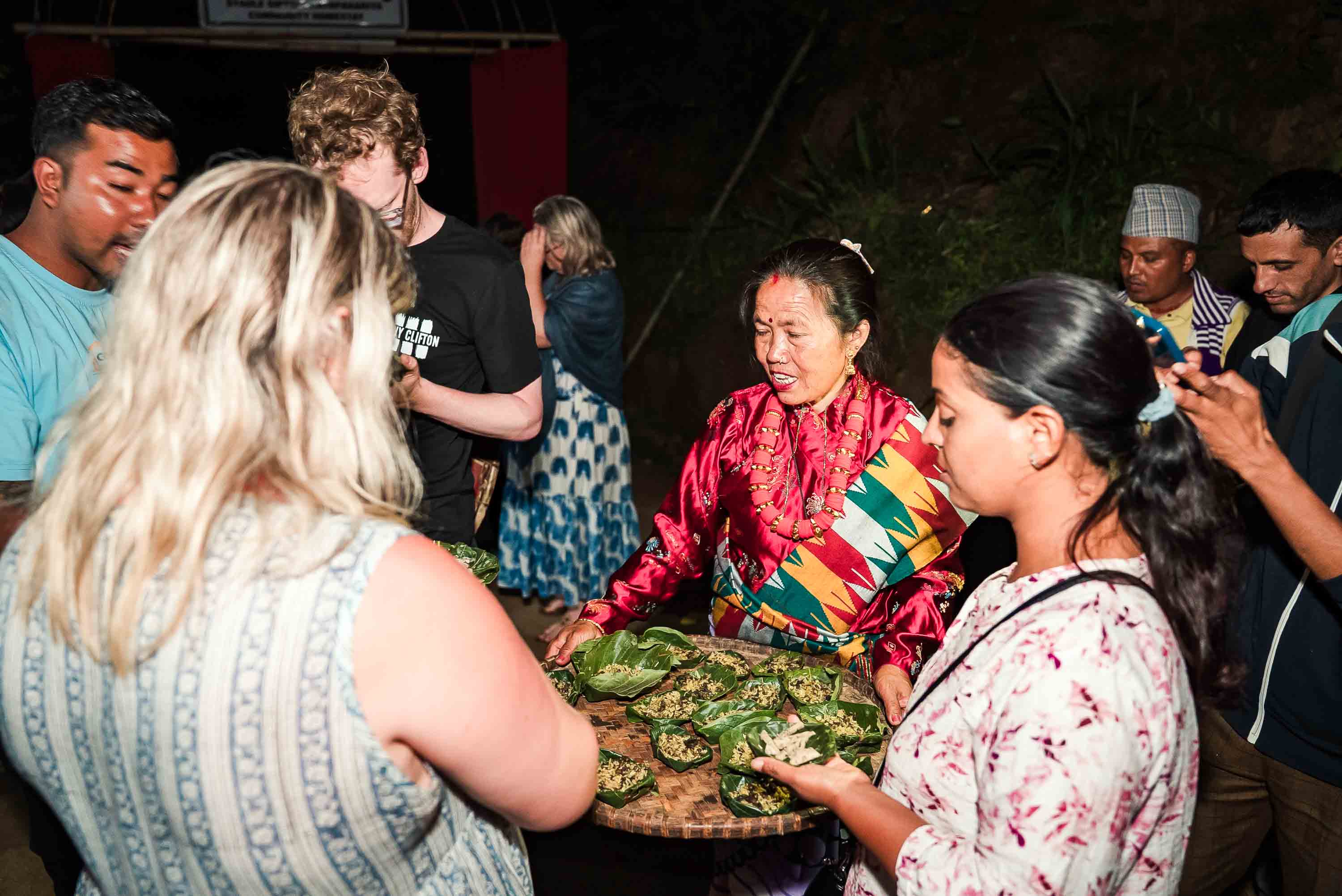
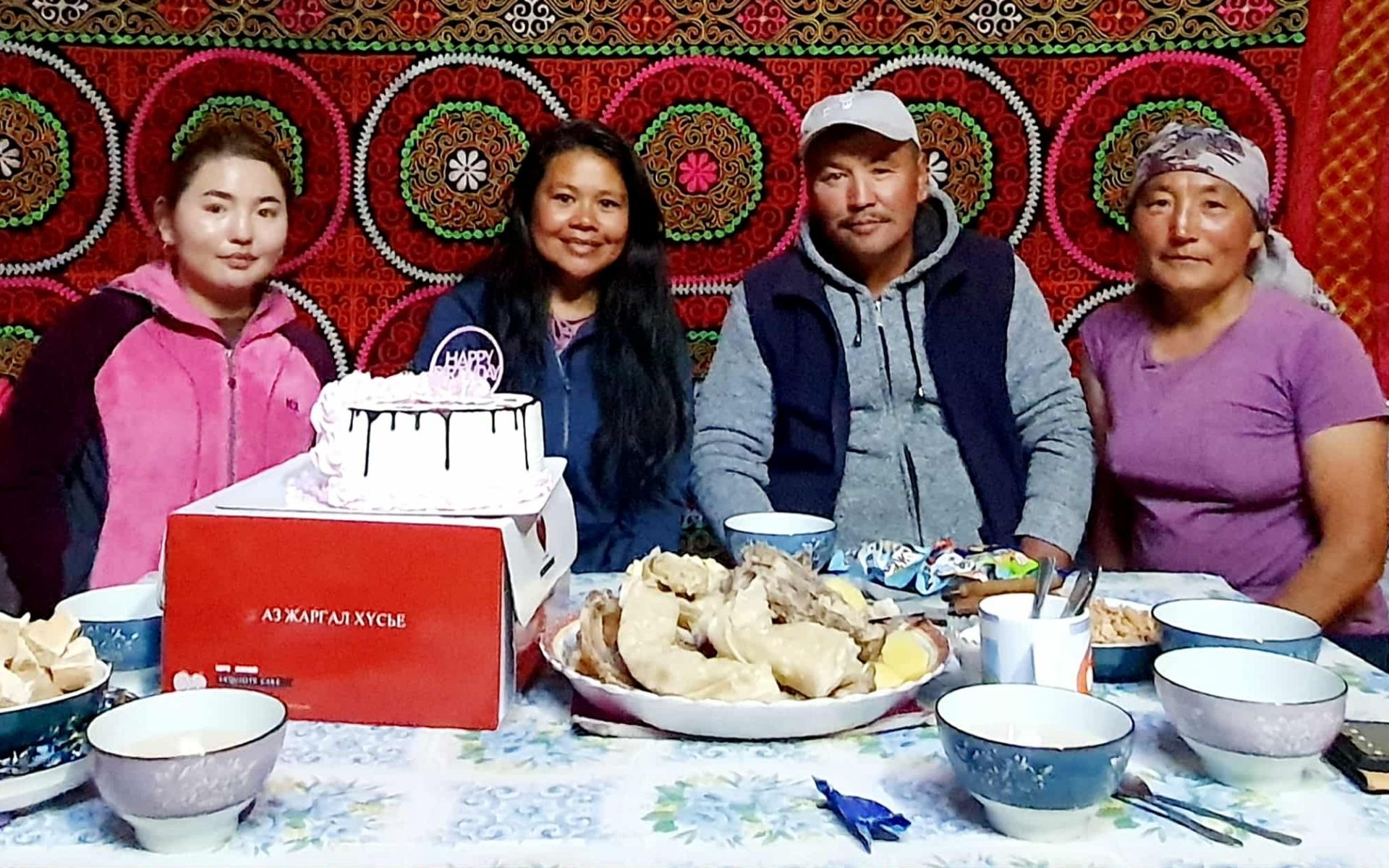
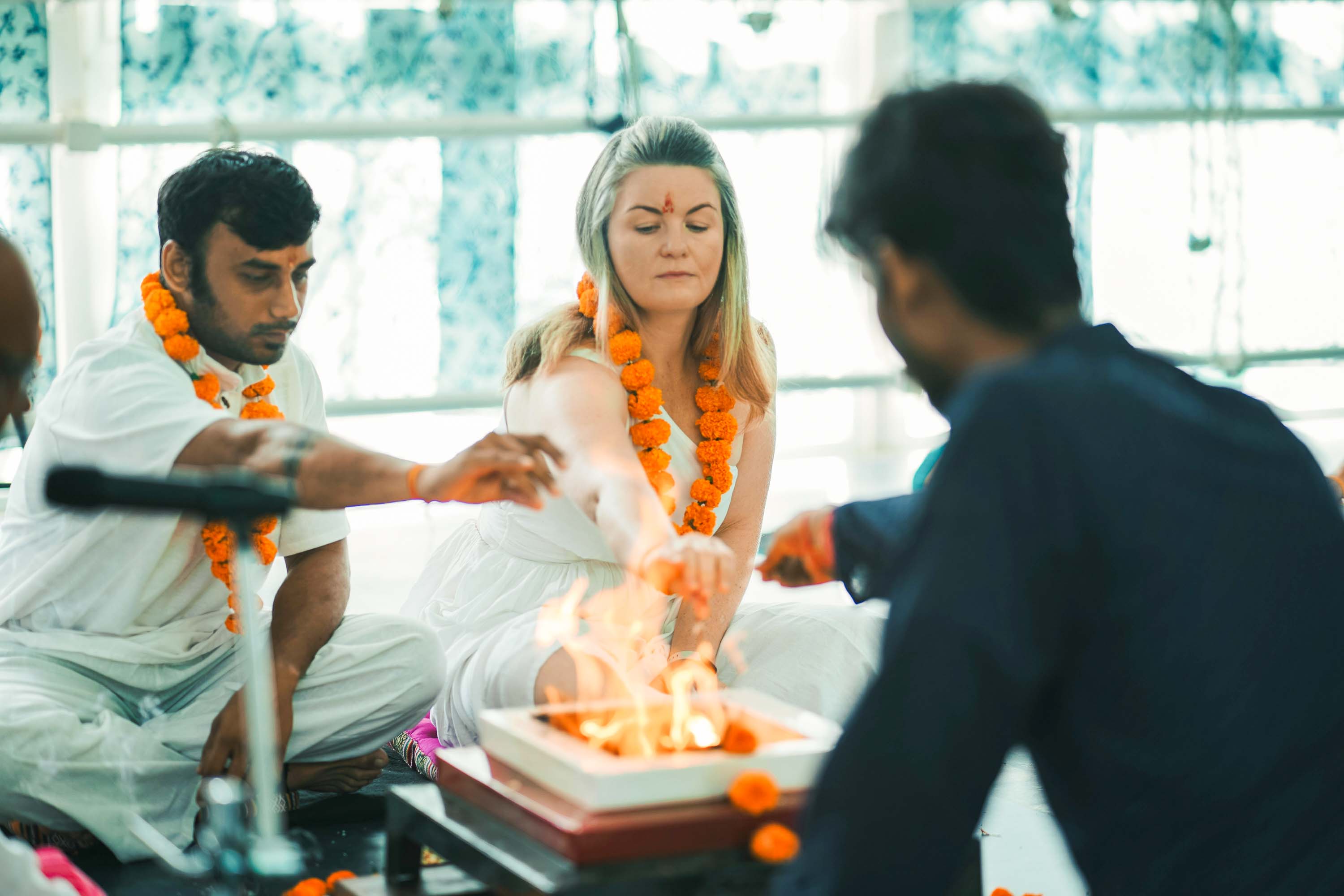
Prem is one of five Aath Pahariya Rai women who earlier this year began welcoming travelers into their homes—a first both for their small hillside village and the little-visited Dhankuta region in eastern Nepal. Mostly living from the lower reaches of Dudh Koshi to the Arun River, the Aath Pahariya Rai have traditionally been farmers and continue to practice Kirat, a religion based on nature’s animism. When it comes to international tourism, their experience has been very limited – until now. “A homestay is more than a place to sleep. It is a gateway into the life, culture and spirit of a community,” says Shiva Dhakal, founder and chairperson of Community Homestay Network, the social enterprise that connects hosts with spare rooms, such as Prem, with travelers like me seeking meaningful trips.
As with any form of genuine, community-led tourism, homestays give local people the power to choose how they engage with tourists—while ensuring more money stays in the community. This is particularly pertinent in low-income countries where just USD$5 of every $100 stays in the local economy due to international hotels and operators creaming off much of the profit, a process referred to as economic leakage or tourism leakage. So how do we play our role, as visitors?