Lurking in the tangled undergrowth are four diabolical faces crowned with sickle-like horns. Behind them loom bodies that bulge like hairy coconuts. Their eyes, unblinking polished cannonballs embedded within leathery skin, are fixed on mine.
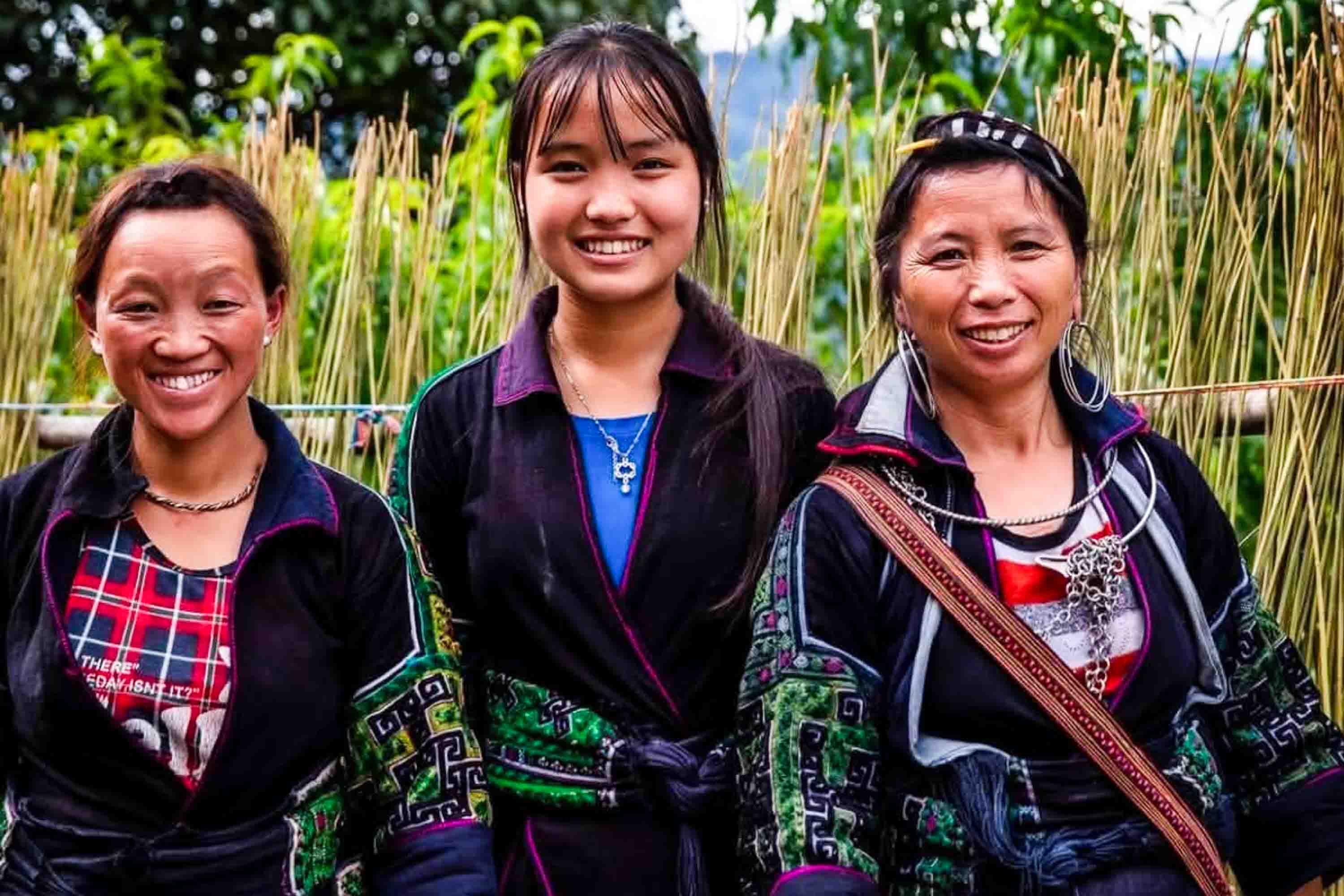
“Do you know why they’re looking at you?” asks Lý Thị Cha, my H’mông tour guide.
“Because I’m a clumsy foreigner?” I offer.
“No—because you smell,” she quips, dancing up the hill giggling.
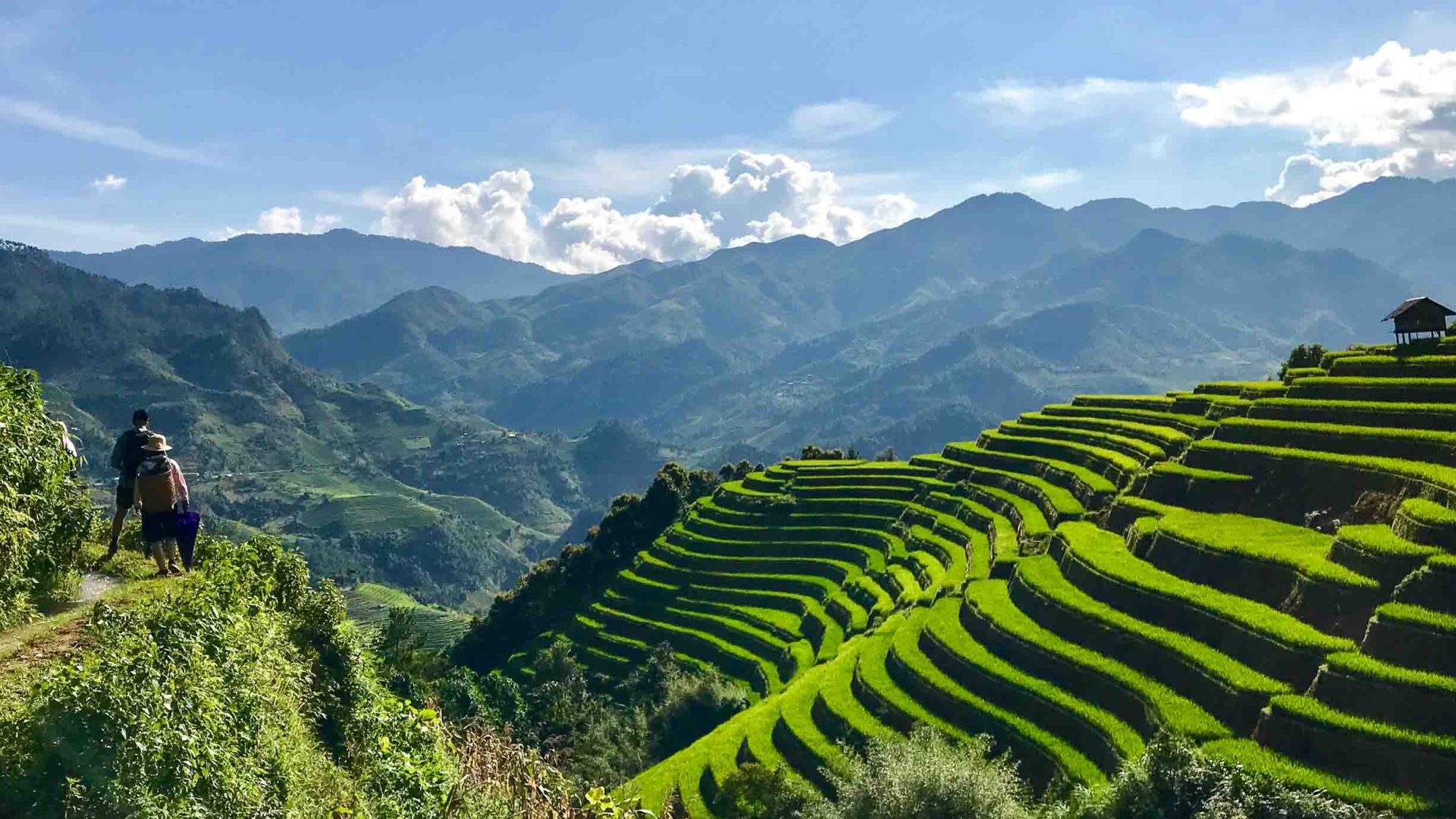
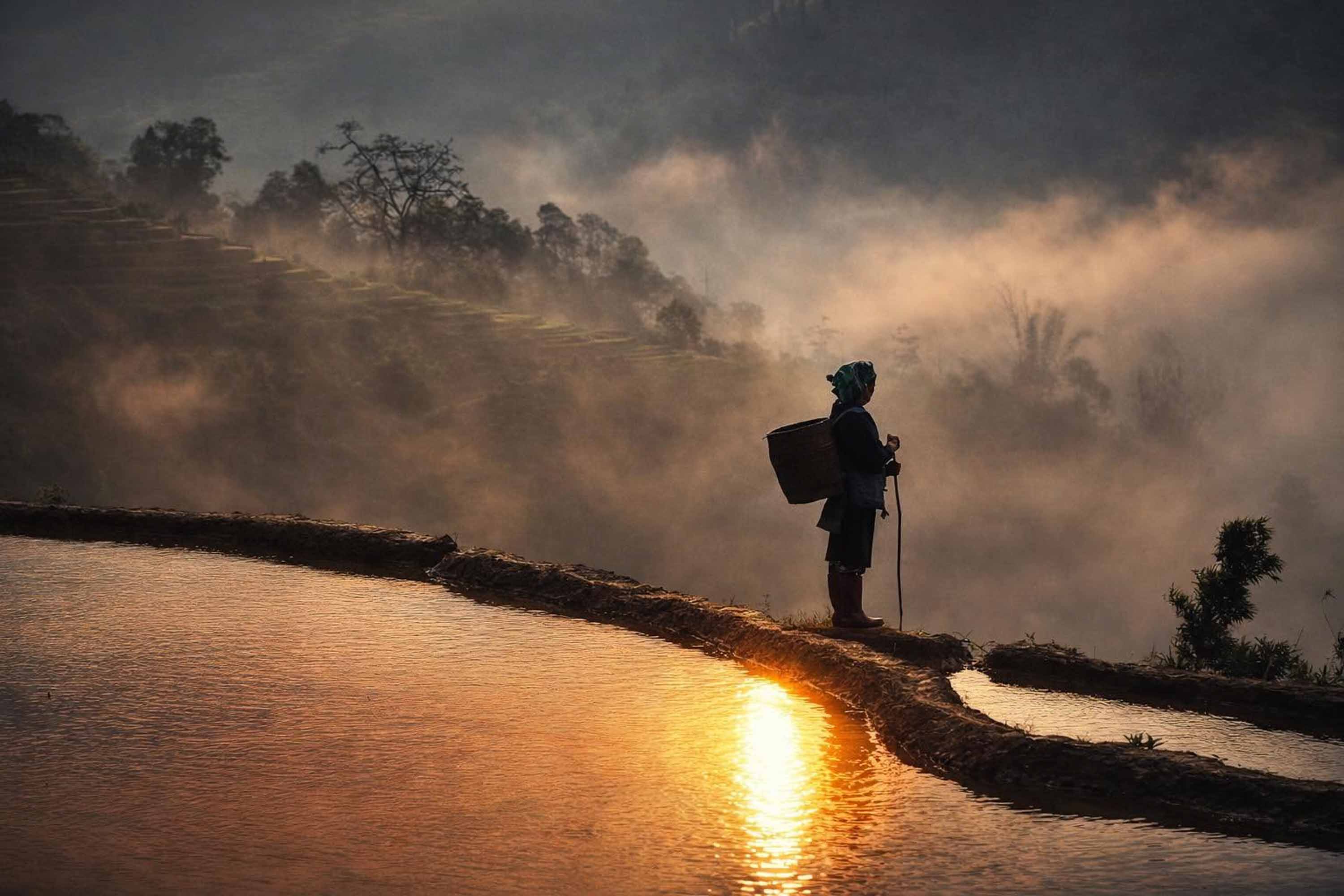
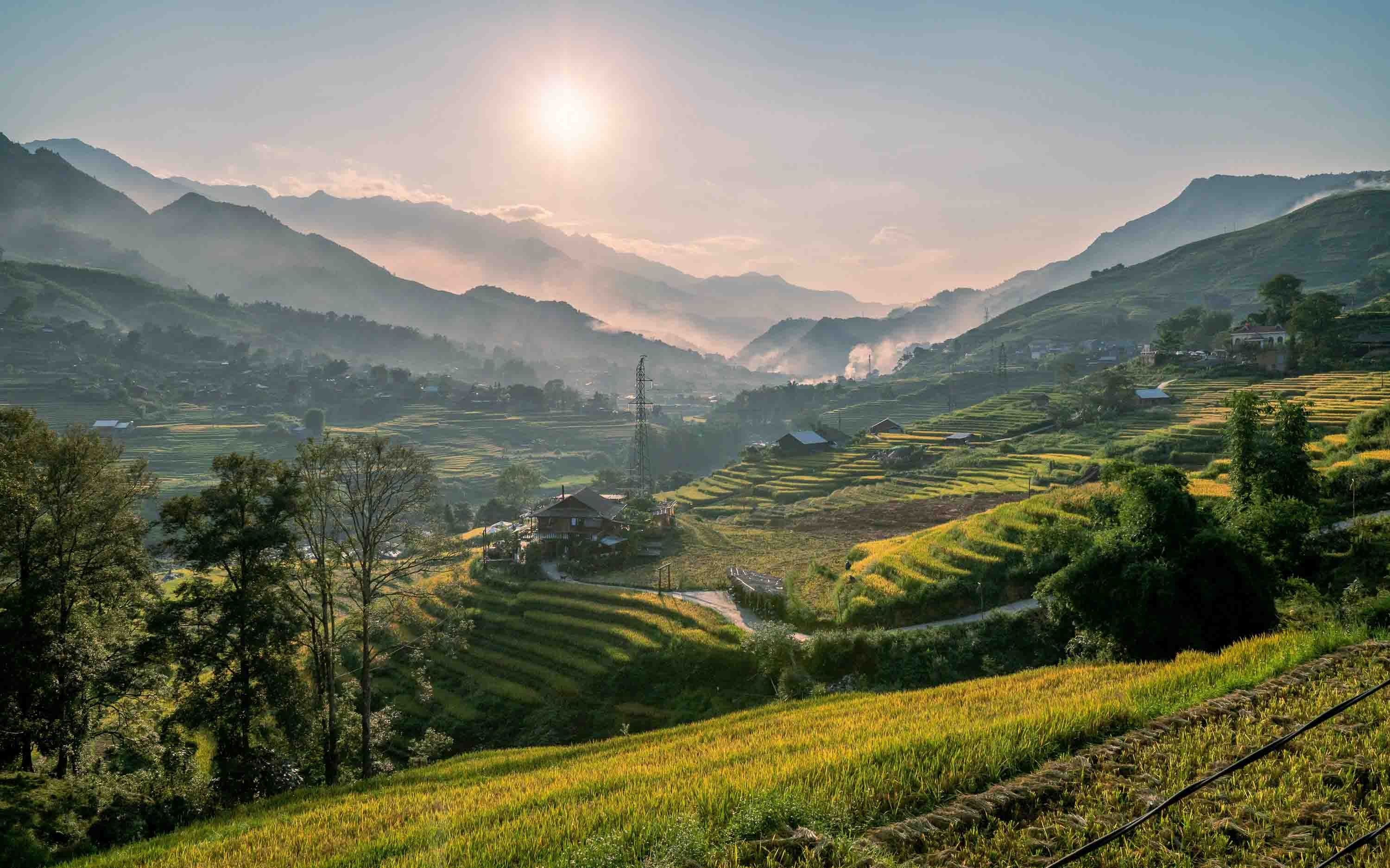
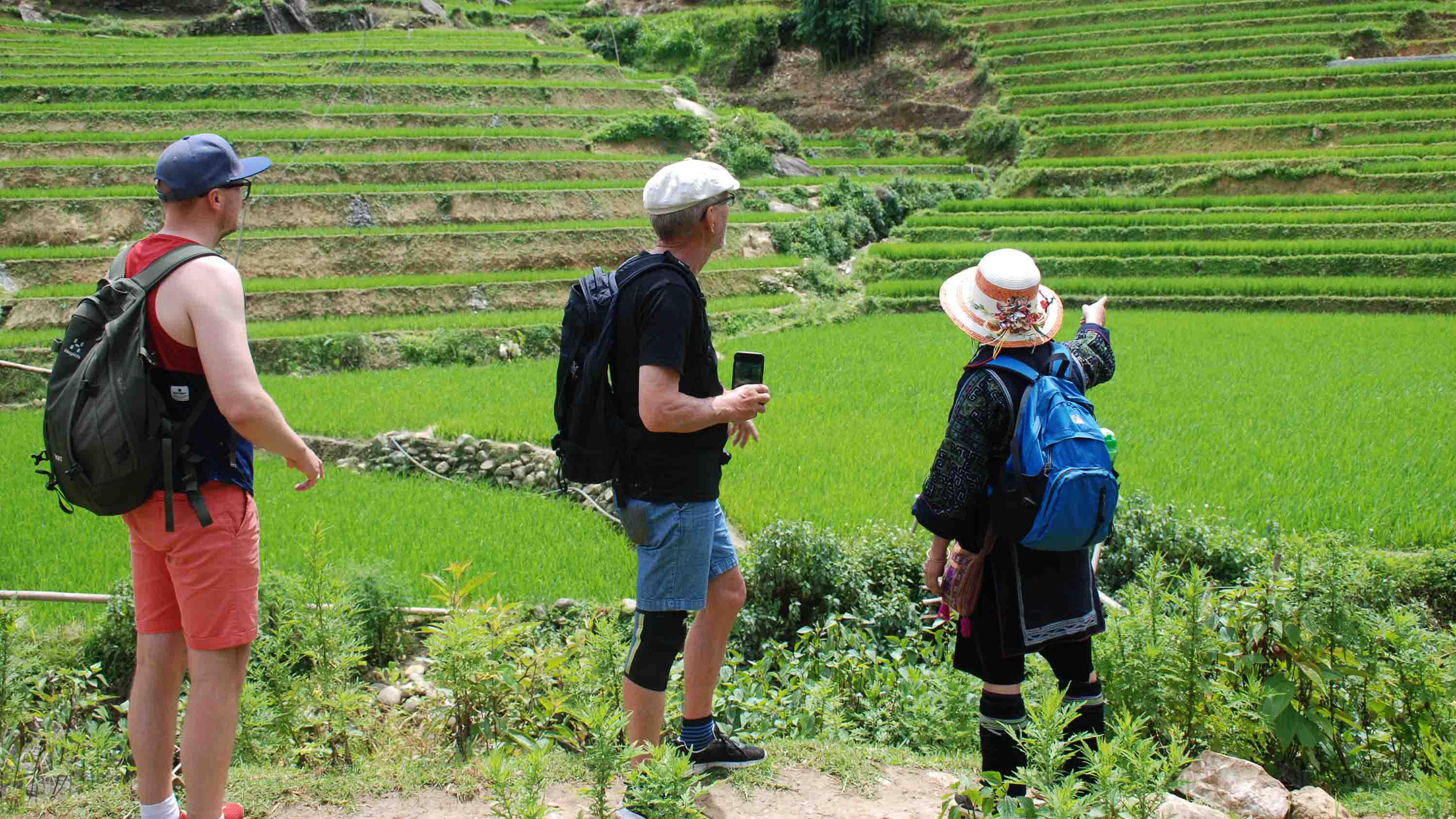
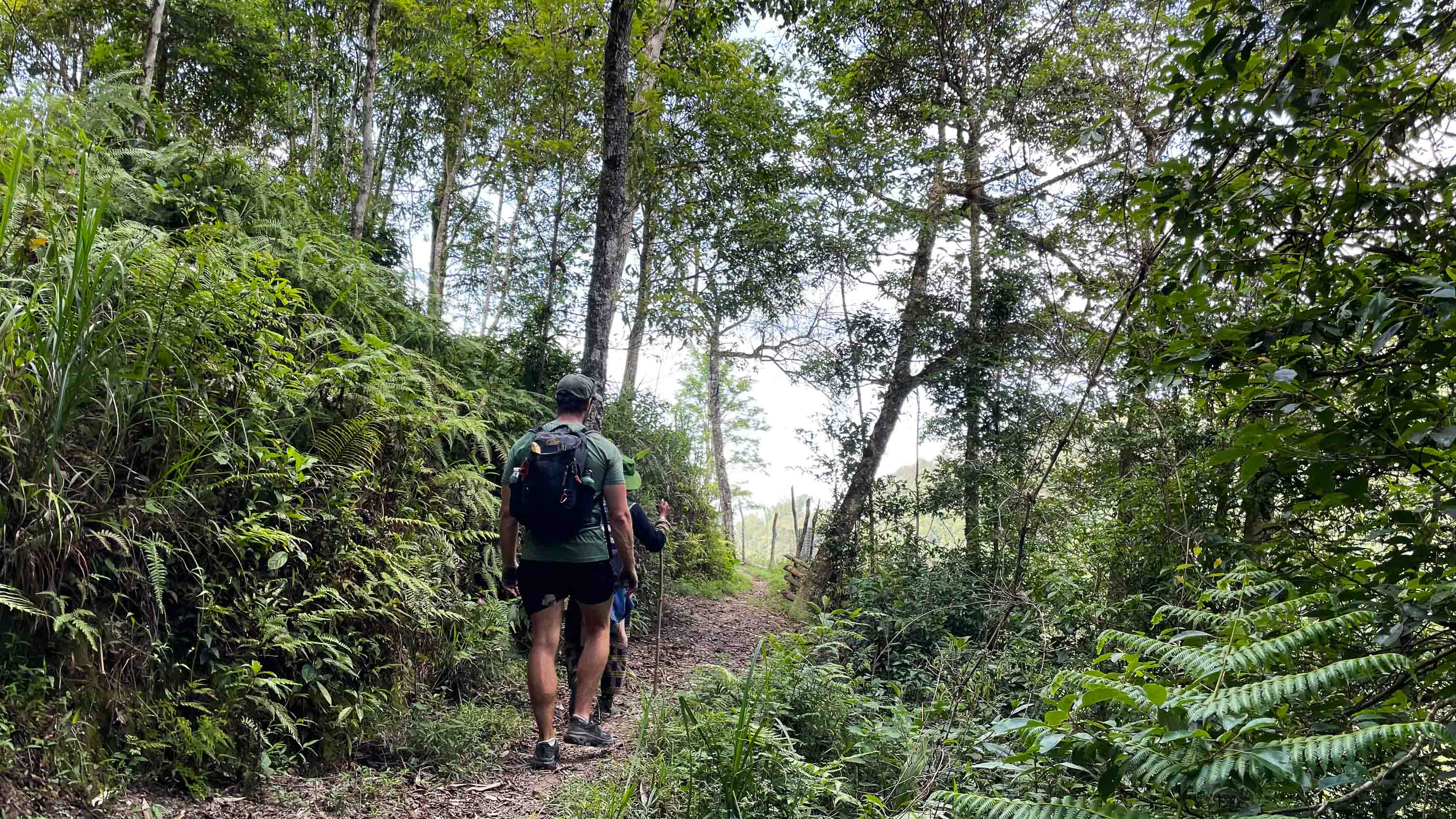
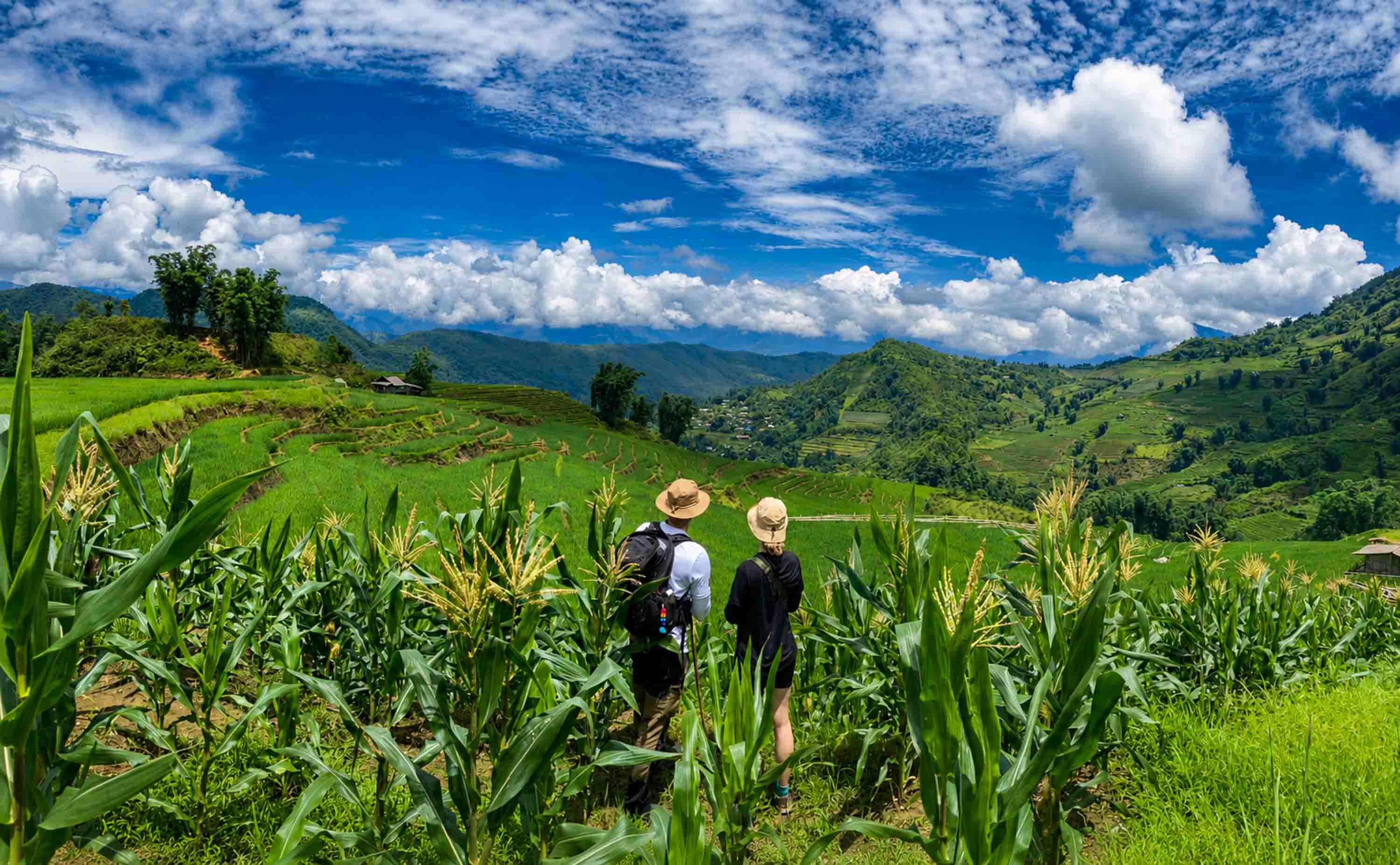
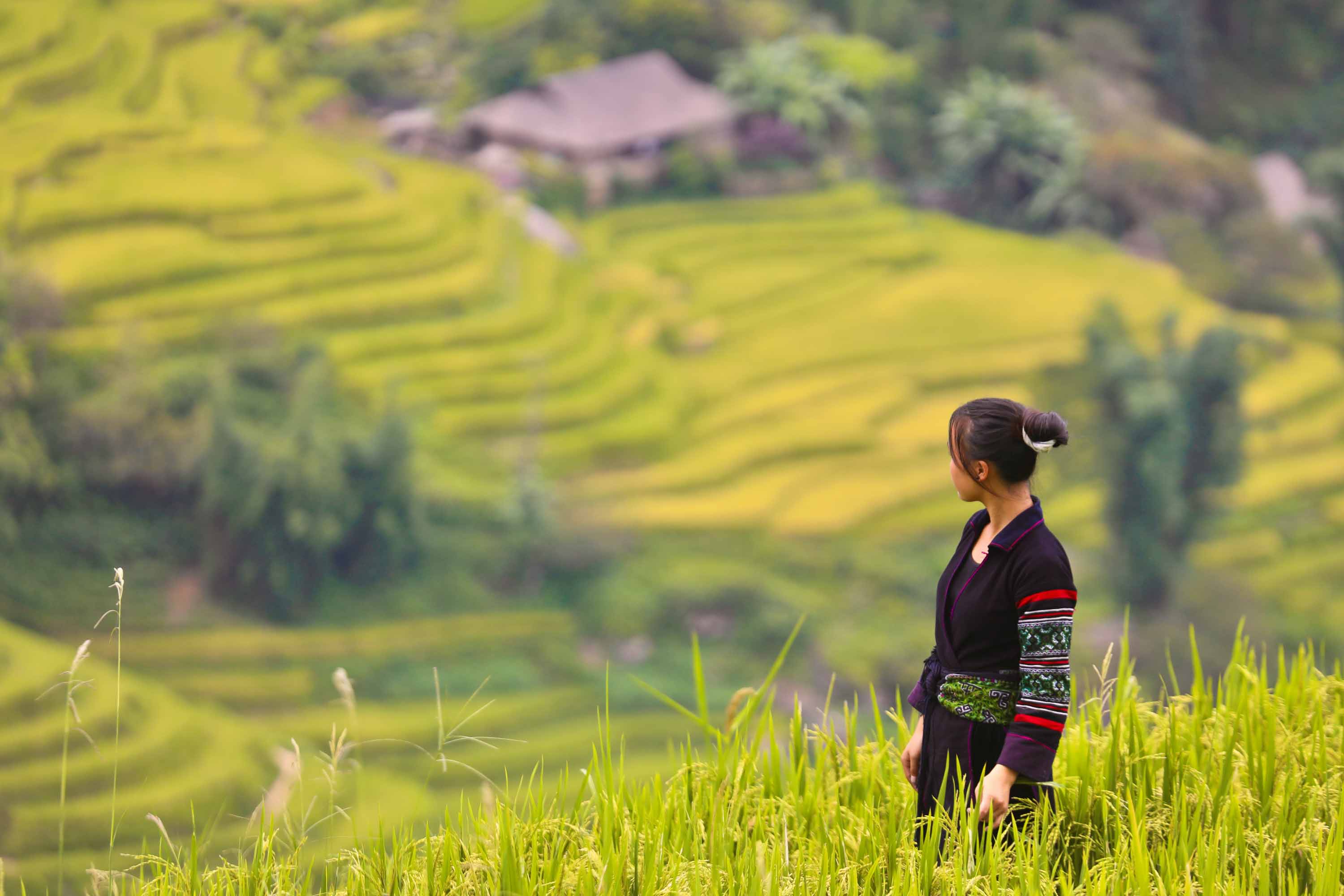
Fighting the urge to sniff my armpits, I spot a woman emerge from the trees. With a sharp shout, she coaxes the water buffalo into a wooden shack. Behind it, a dozen flooded rice terraces cascade down the hill, reflecting the jungle-cloaked mountains and cloud-speckled sky beyond. We’ve been hiking through the northern Vietnamese highlands for most of the morning, so Lý is probably right, but an earthy musk seems a trivial sacrifice for an experience like this.
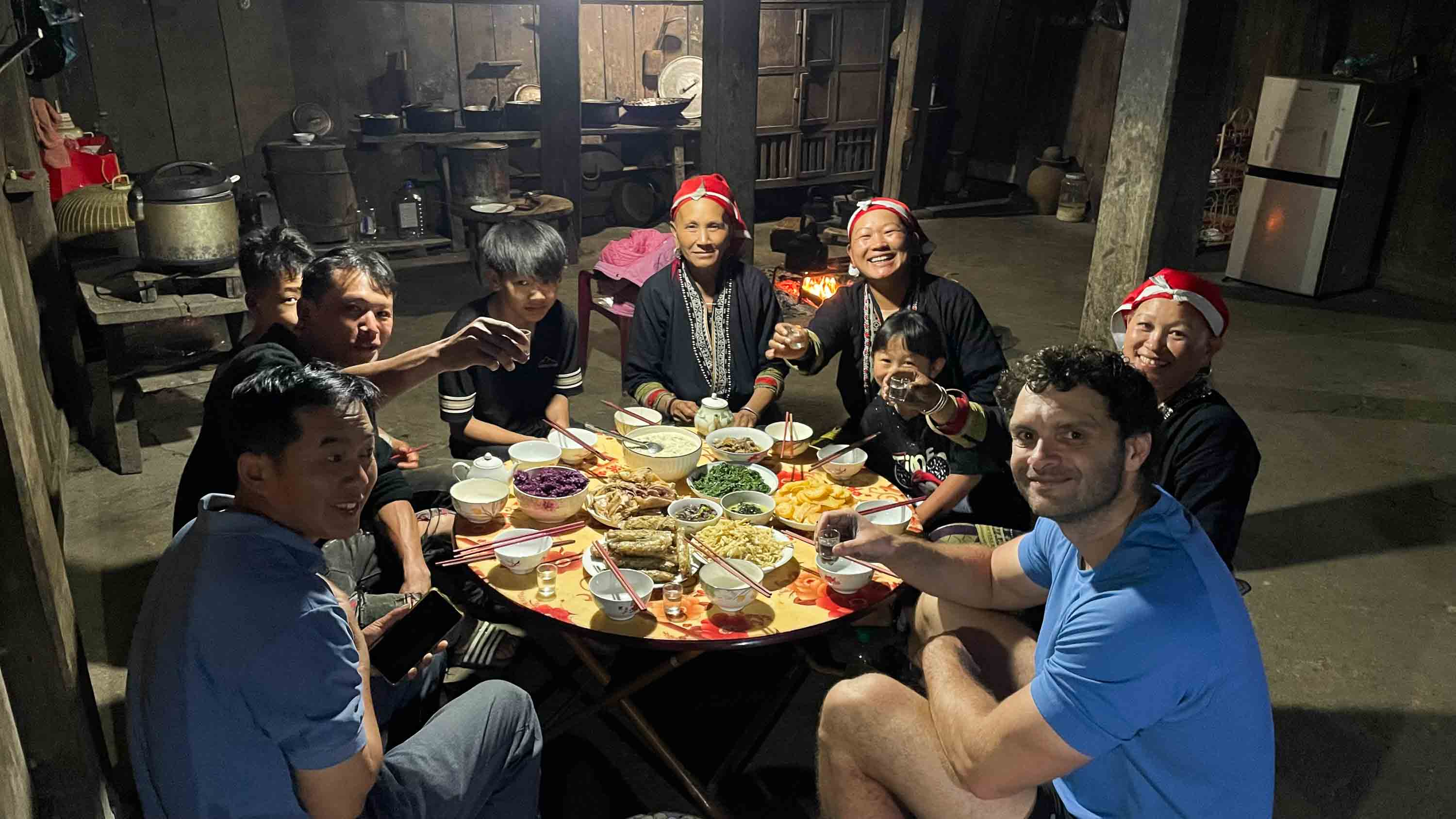
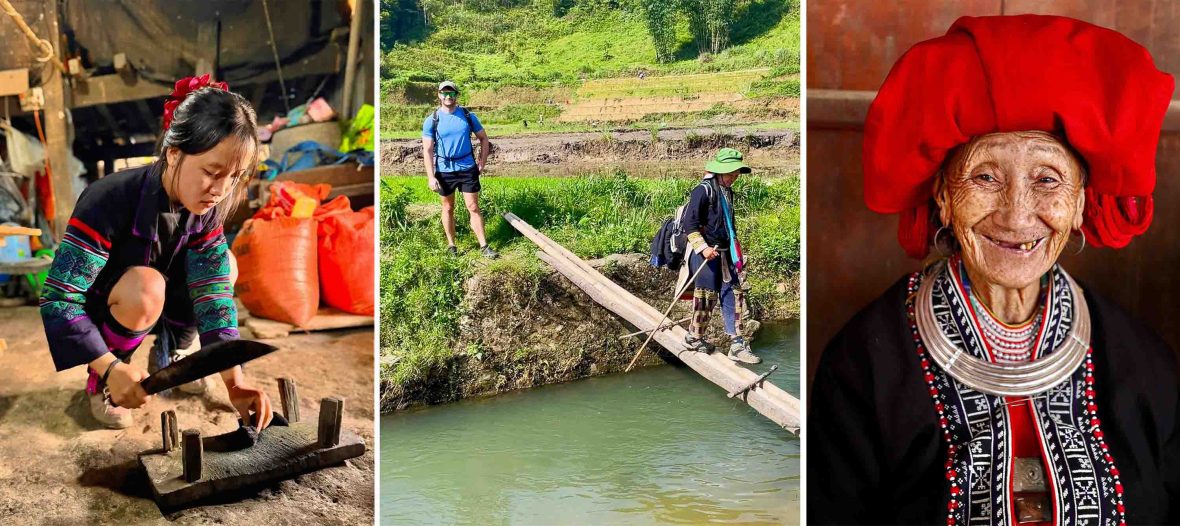
Since beginning the hike, I’ve rubbed indigo leaves between my palms to reveal the deep blue dye used to color clothes. I’ve foraged for medical plants, tasted mountain berries, and fashioned toy animals from wild fern. Most fun of all, I spent an hour barefoot and shin-deep in mud planting rice under the cackling supervision of Mẩy Linh, a Dao grandmother who knows these mountains better than I do my balcony garden.
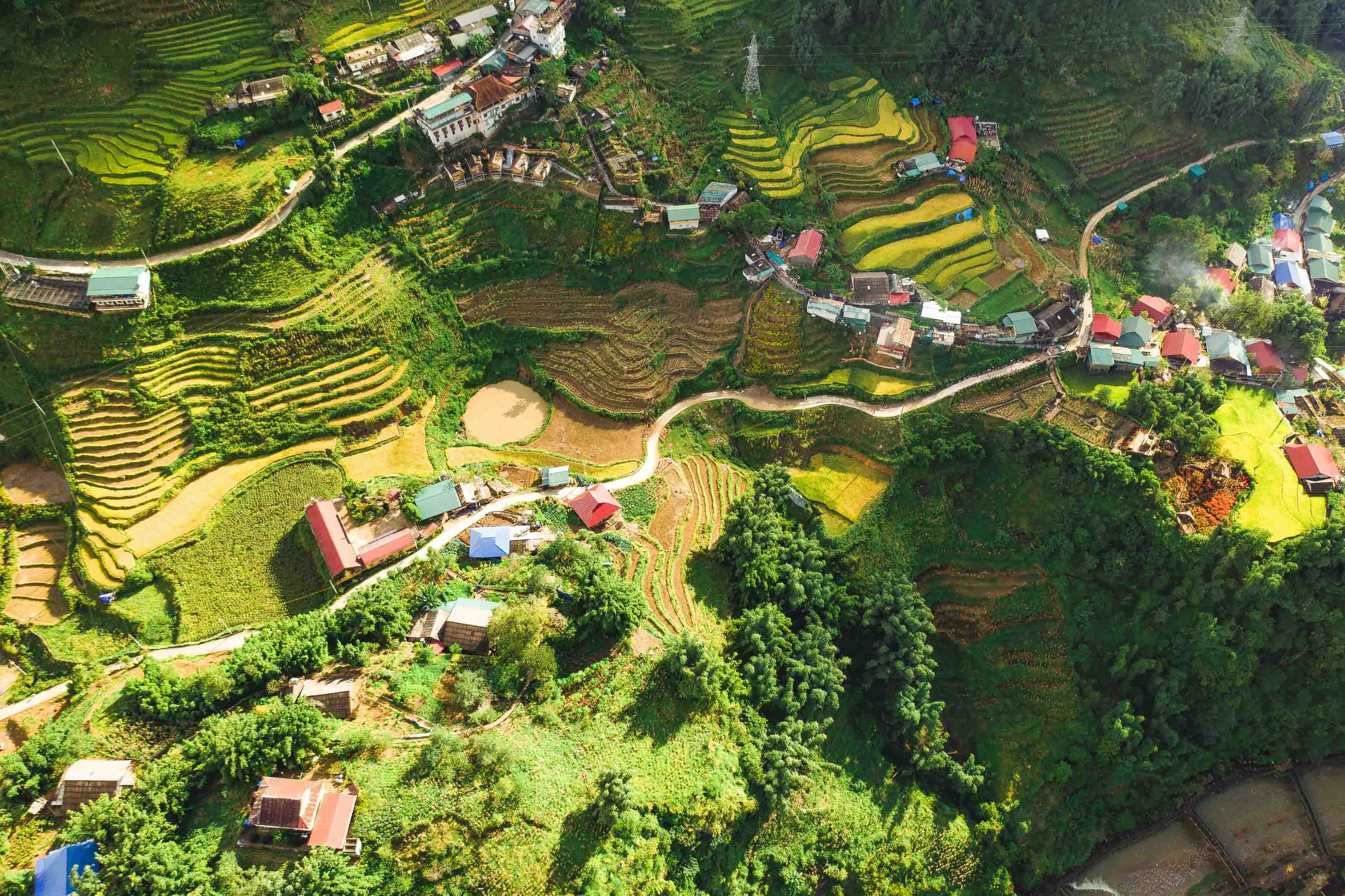
Lý and Mẩy Linh are tour guides for ETHOS, an organization that has arranged hikes, homestays, and cultural experiences in the mountains surrounding Sa Pa since the 1990s. Without them, this experience would hardly be possible.