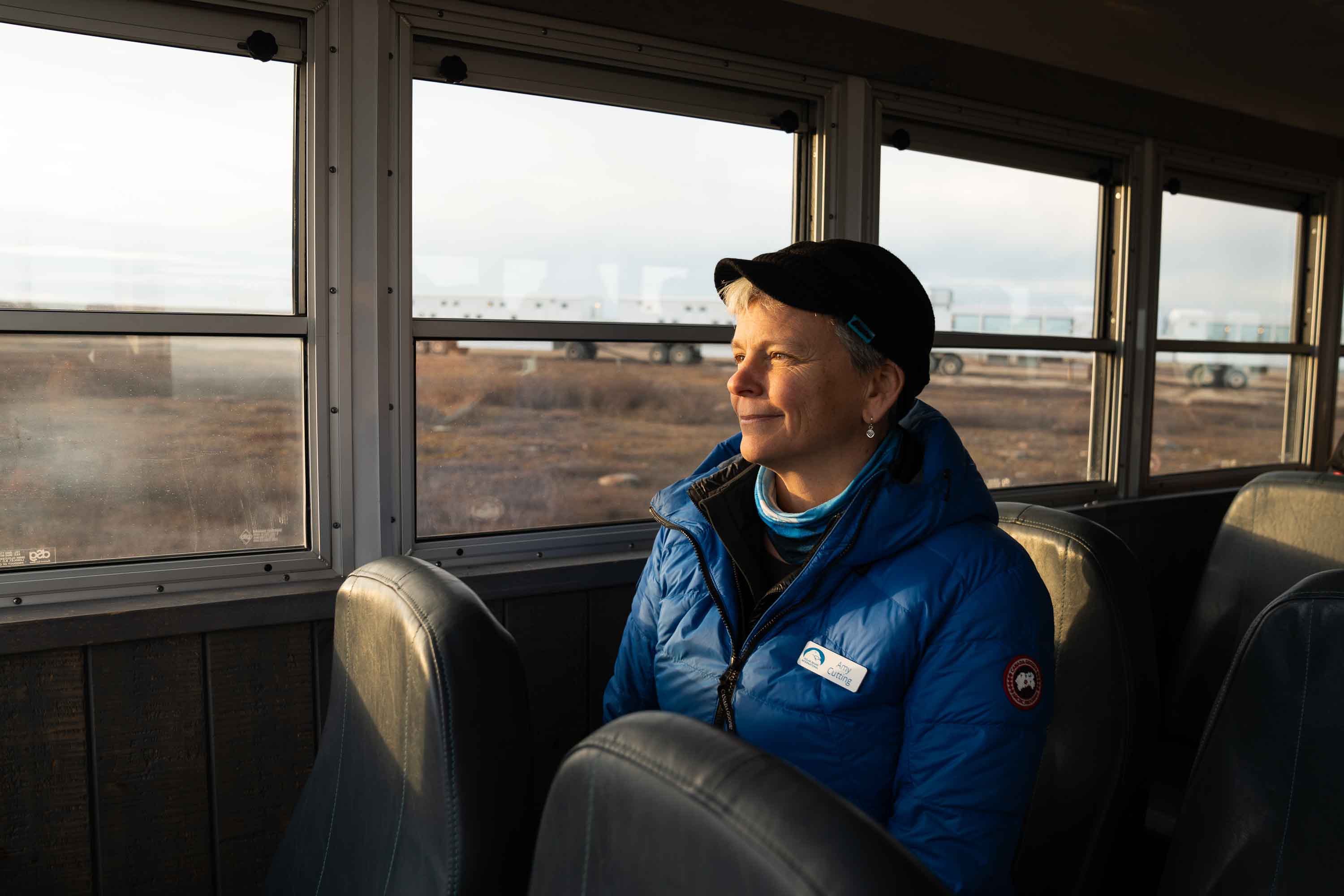
On our final evening, I ask Cutting what we’re meant to do with all of this. Not just the bears, but the inevitable that is climate change. “People think their individual choices don’t matter. And they’re right, in a way… switching off light bulbs isn’t the thing that will save this,” she says. “The point is the conversation and it starts at the kitchen table. Most people care about climate change. They’re just not talking about it because they think they’re the only one who does. Policy shifts when it becomes something people talk about every day. When it becomes a voting issue.”
She stops for a moment, and then: “We don’t have to fix everything today. If we don’t get it right today, tomorrow is another chance. It’s never too late to begin. The worst thing is deciding it’s already over.”
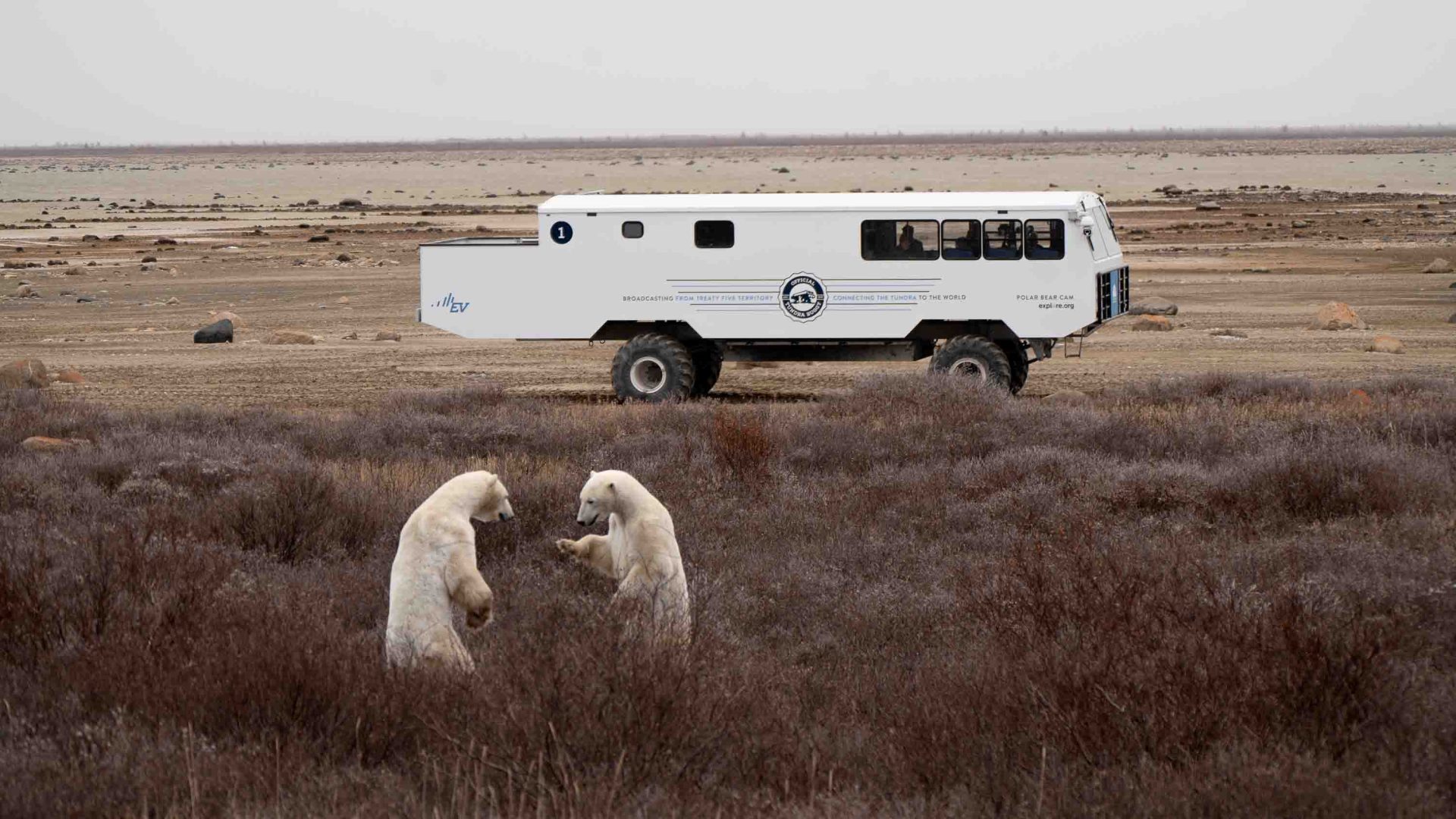
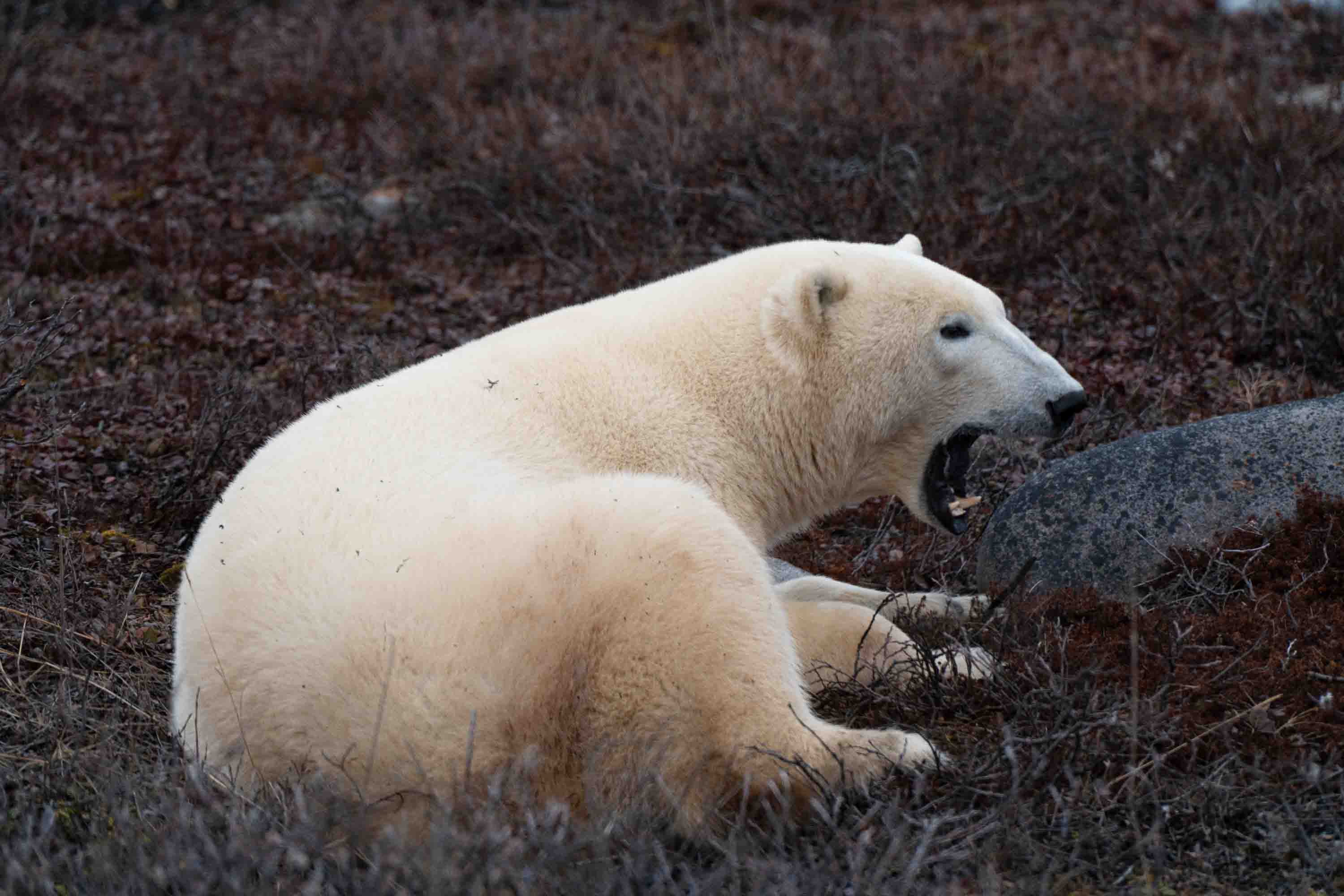
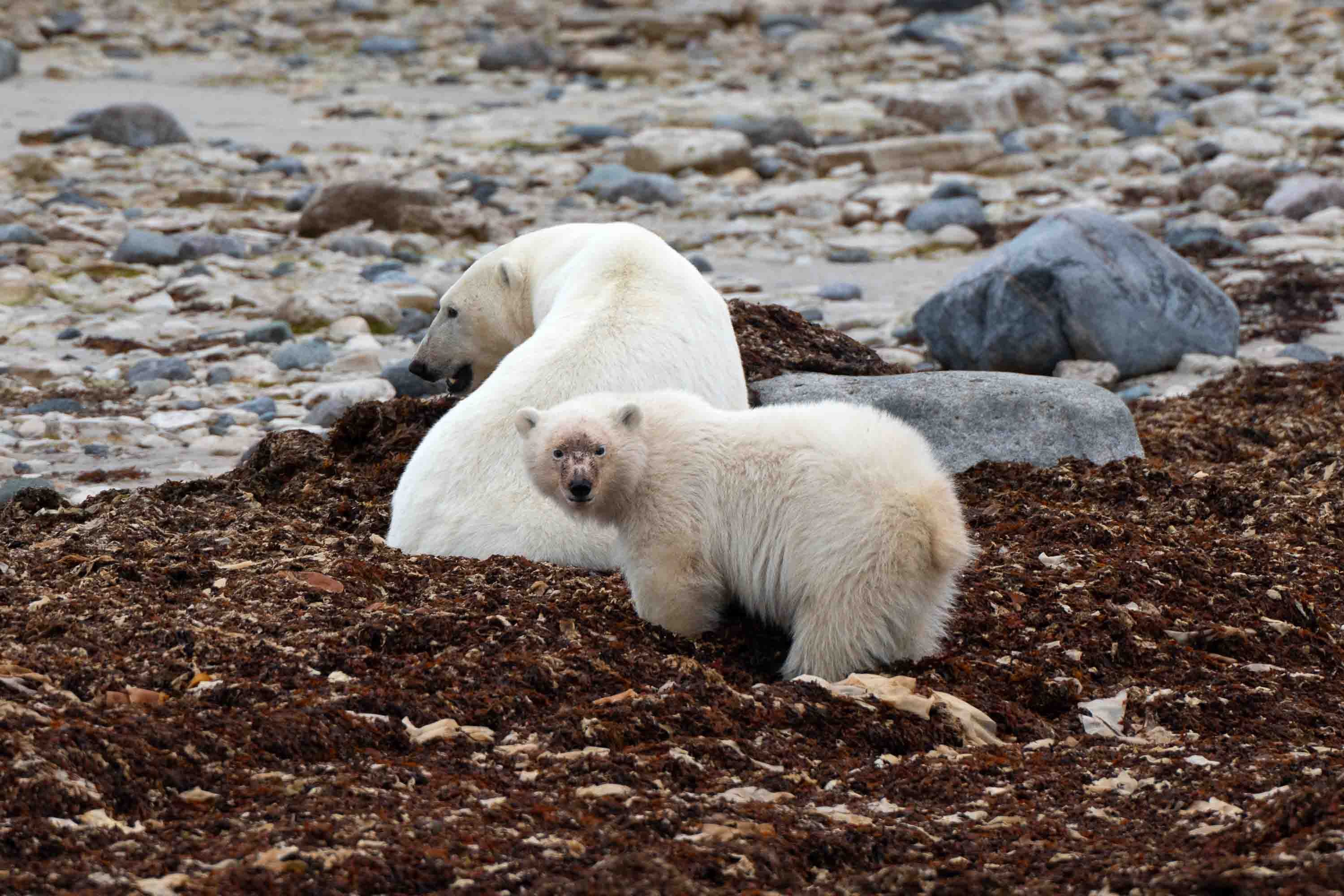
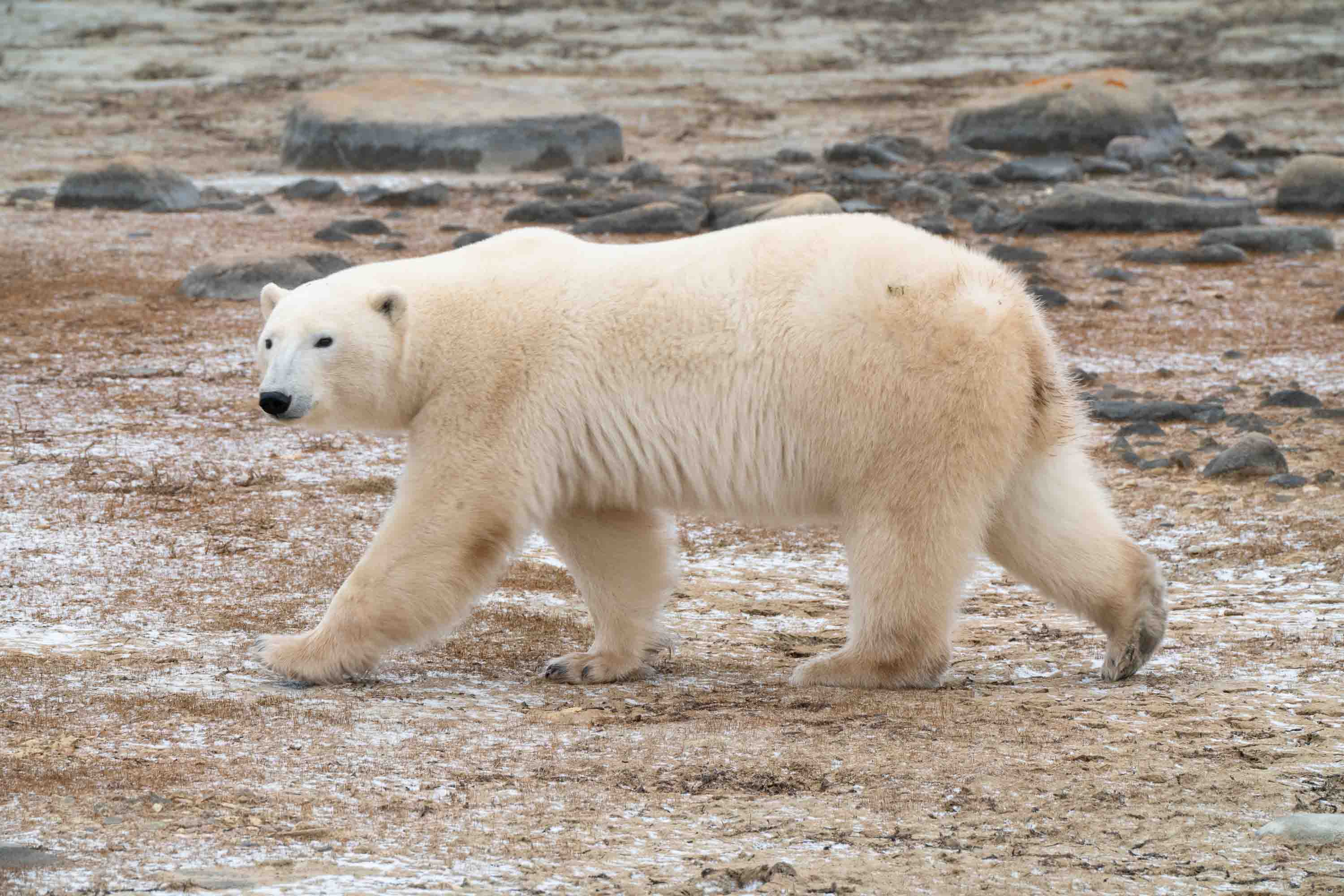
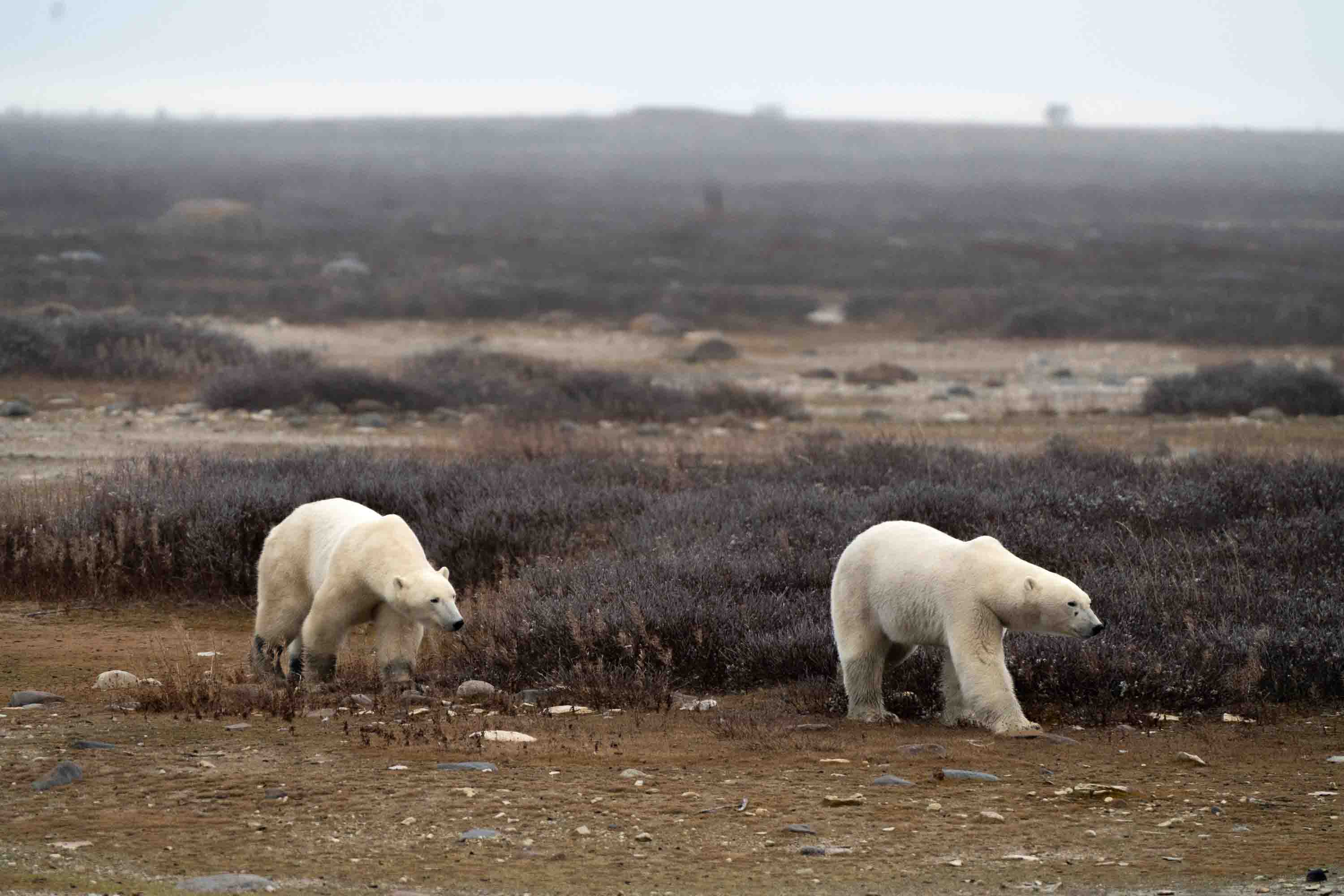
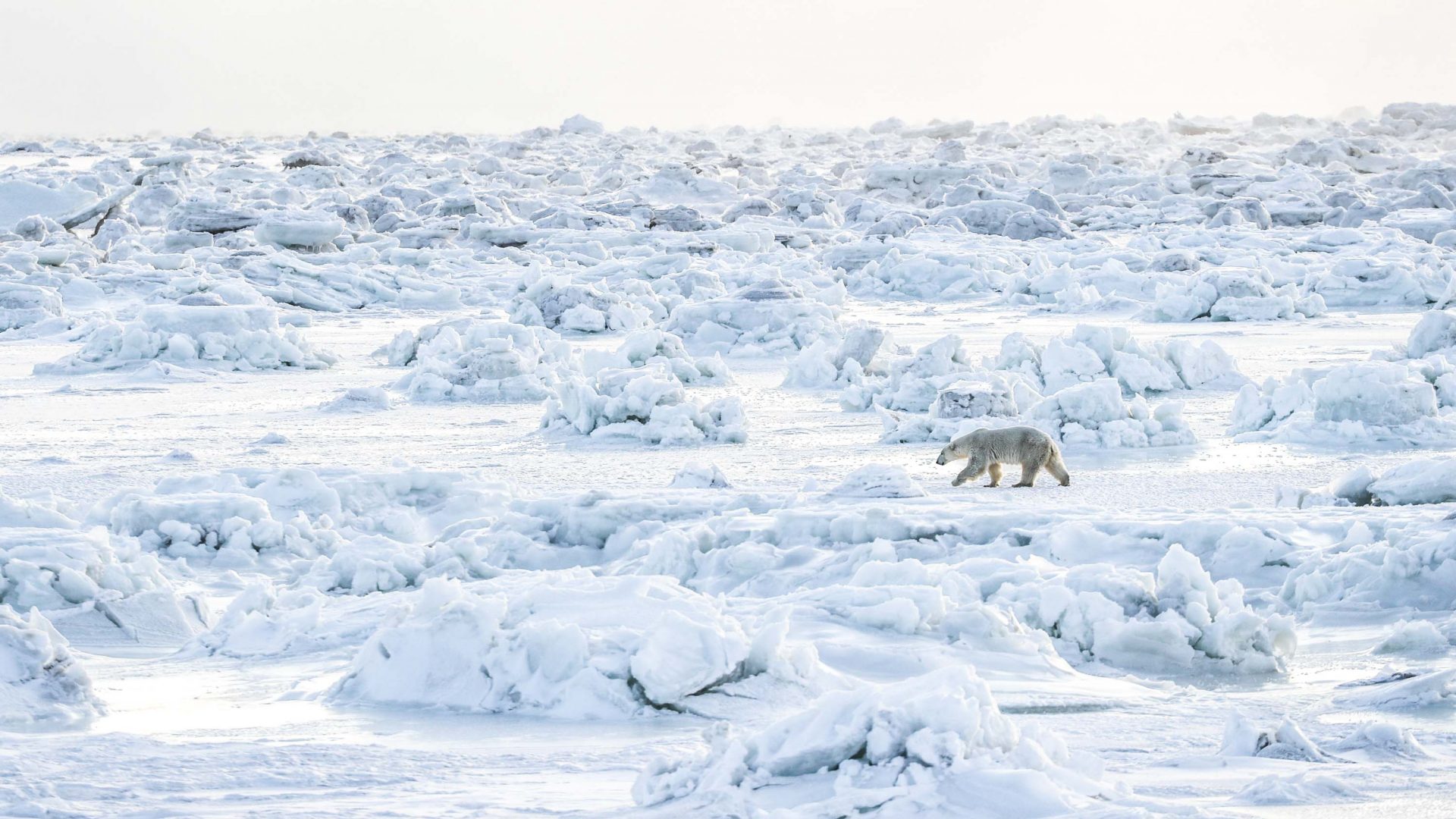
After seeing the viral image of a starving polar bear in 2017, I arrived in Churchill expecting something very different to what I found. The bears here are declining, and the future is fragile, but it gave me real hope to see that many of the animals are looking healthy, conserving their energy as they wait for the ice.
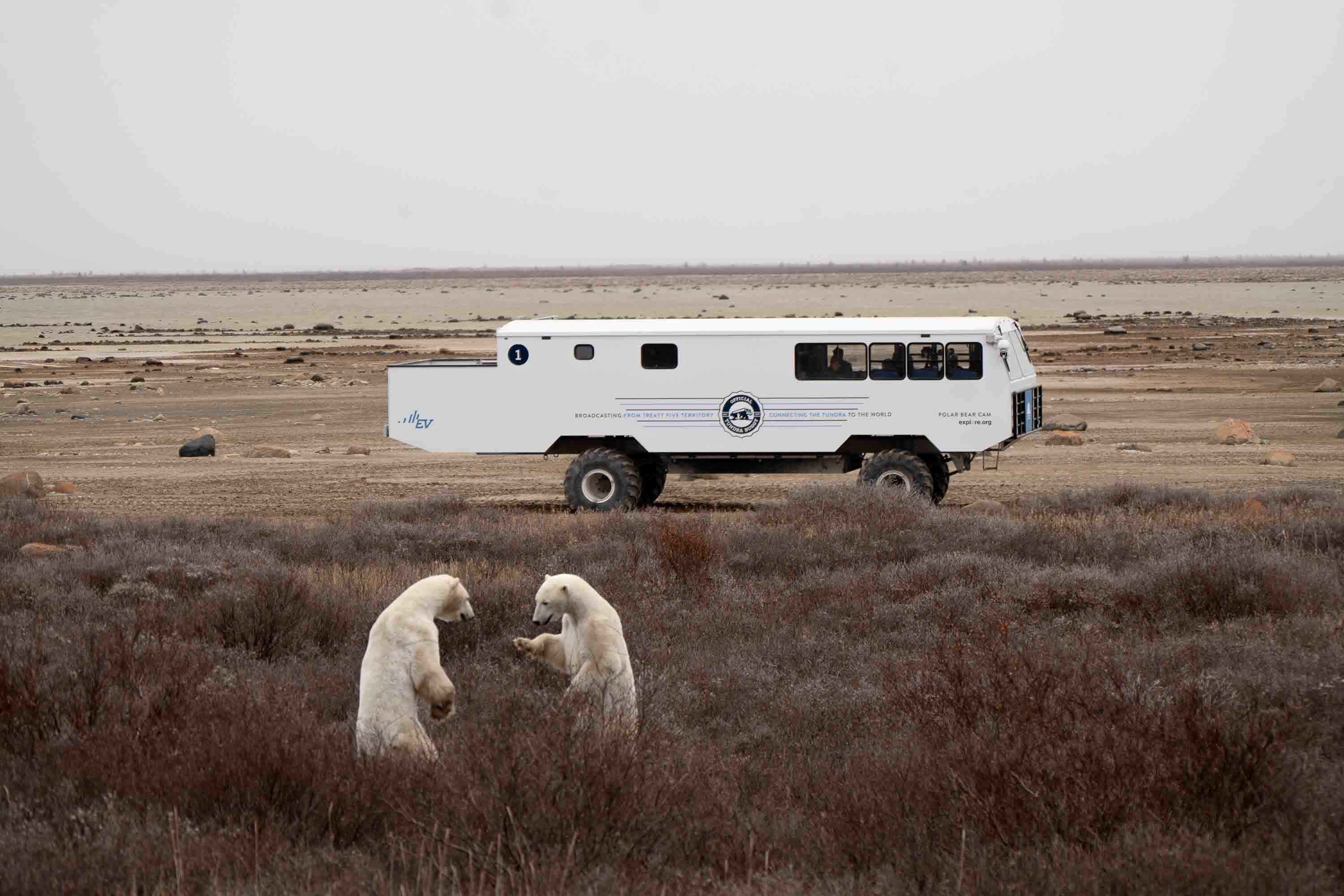
Witnessing polar bears up close, and learning from the people who study and live alongside them, is both a privilege and a reminder that we have the responsibility to carry on these conversations at home. Change, as Cutting put it, doesn’t happen all at once. It happens when people start talking about it. Often, around the dinner table.
The writer was hosted by Travel Manitoba and Frontiers North Adventures