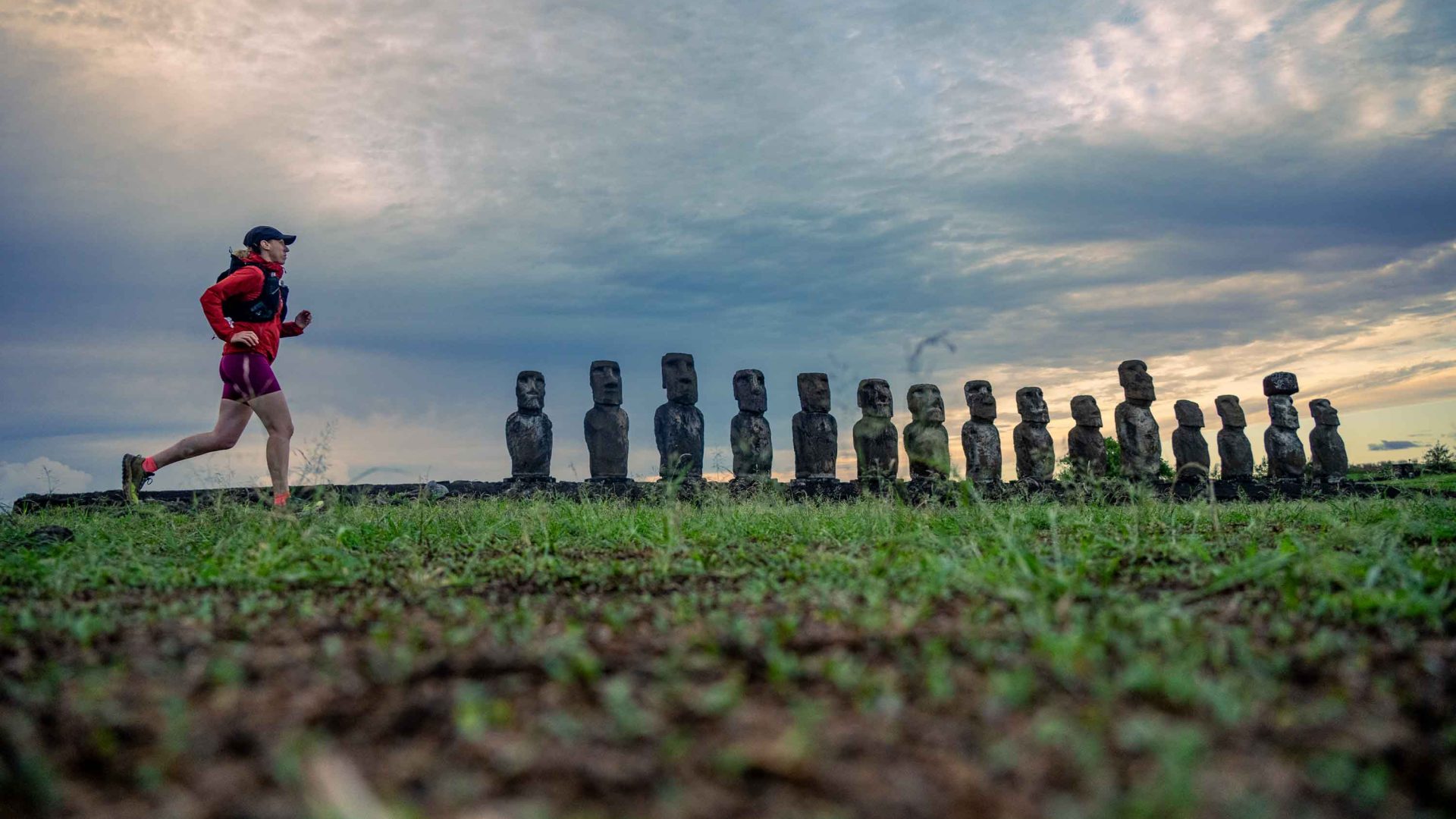
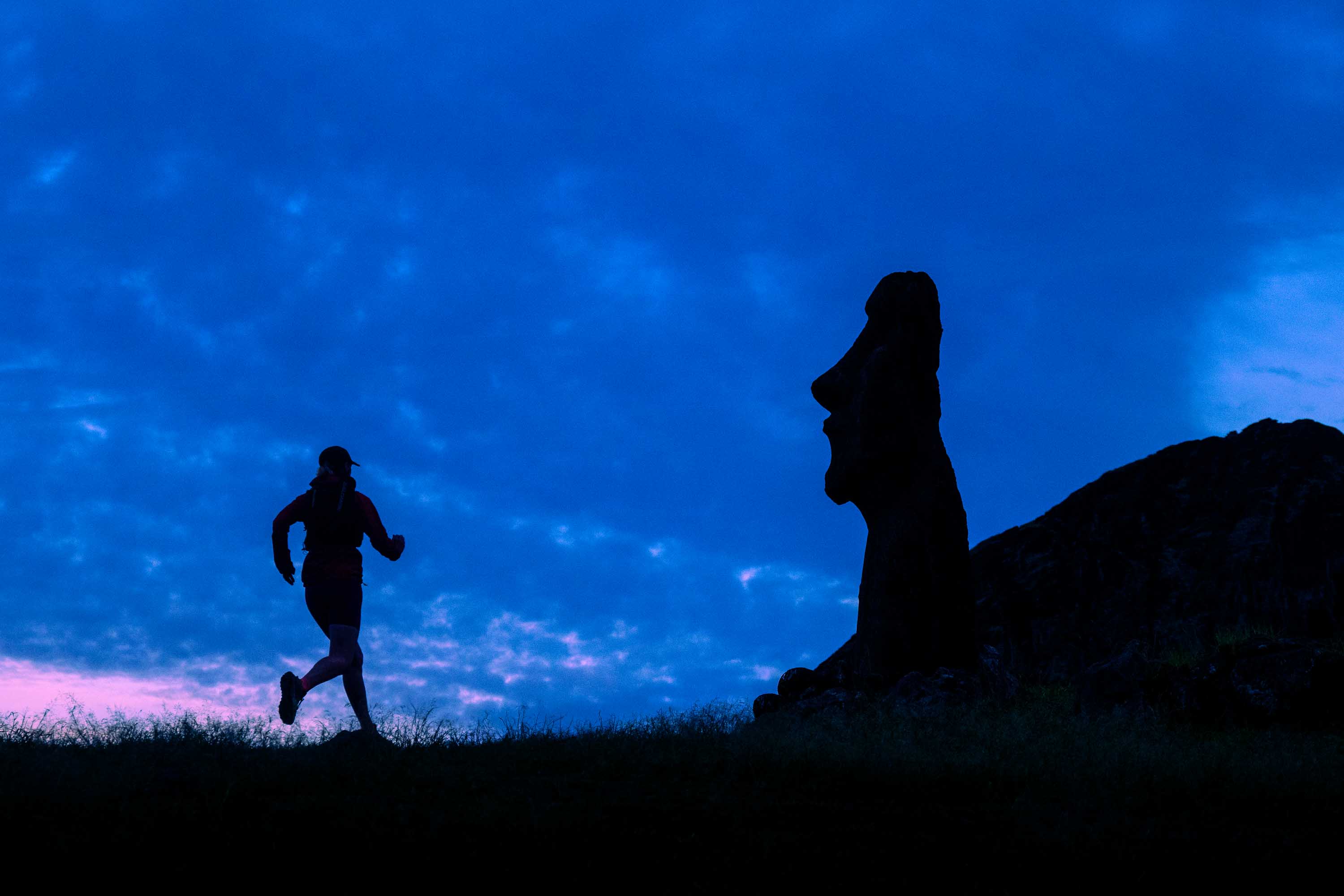
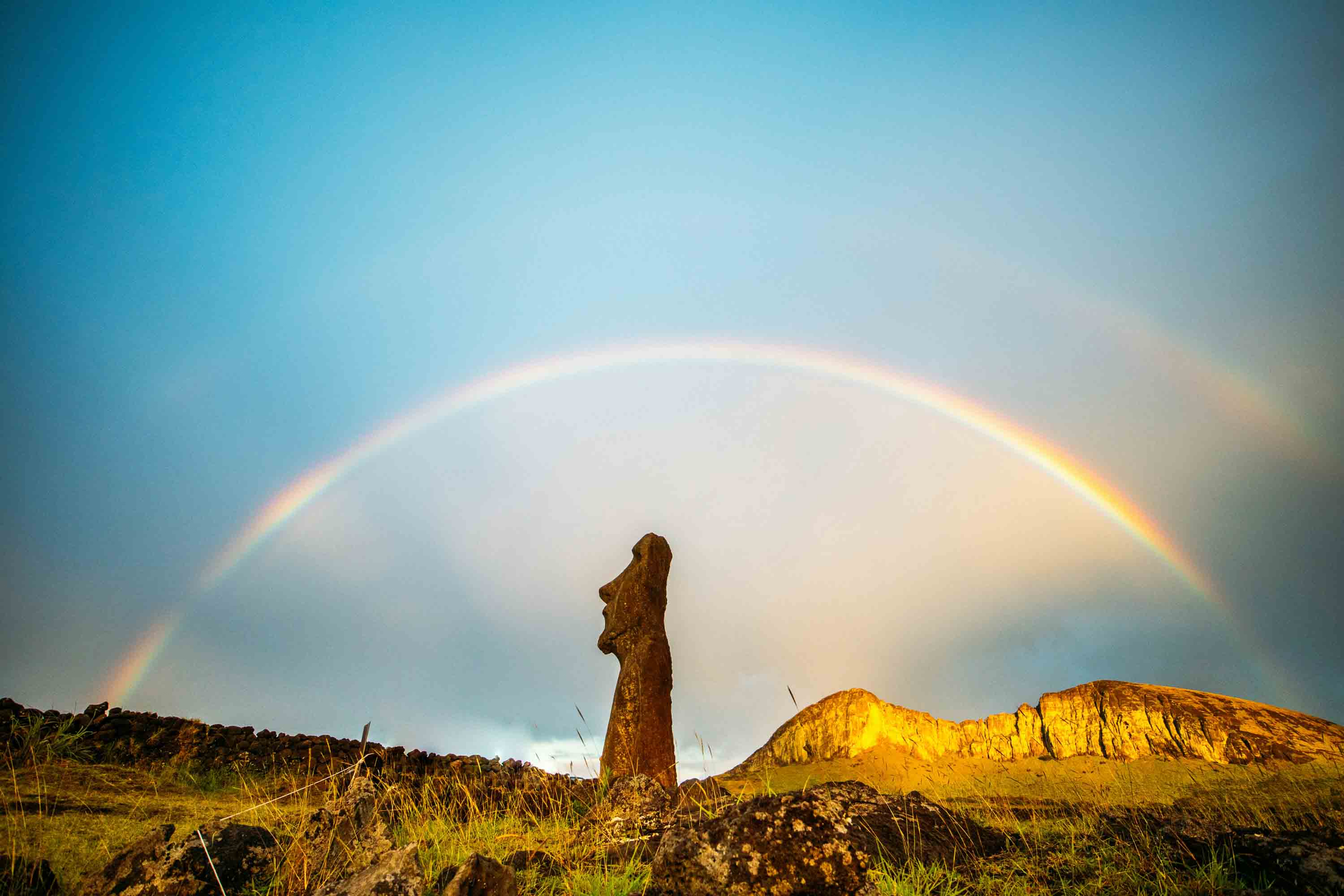
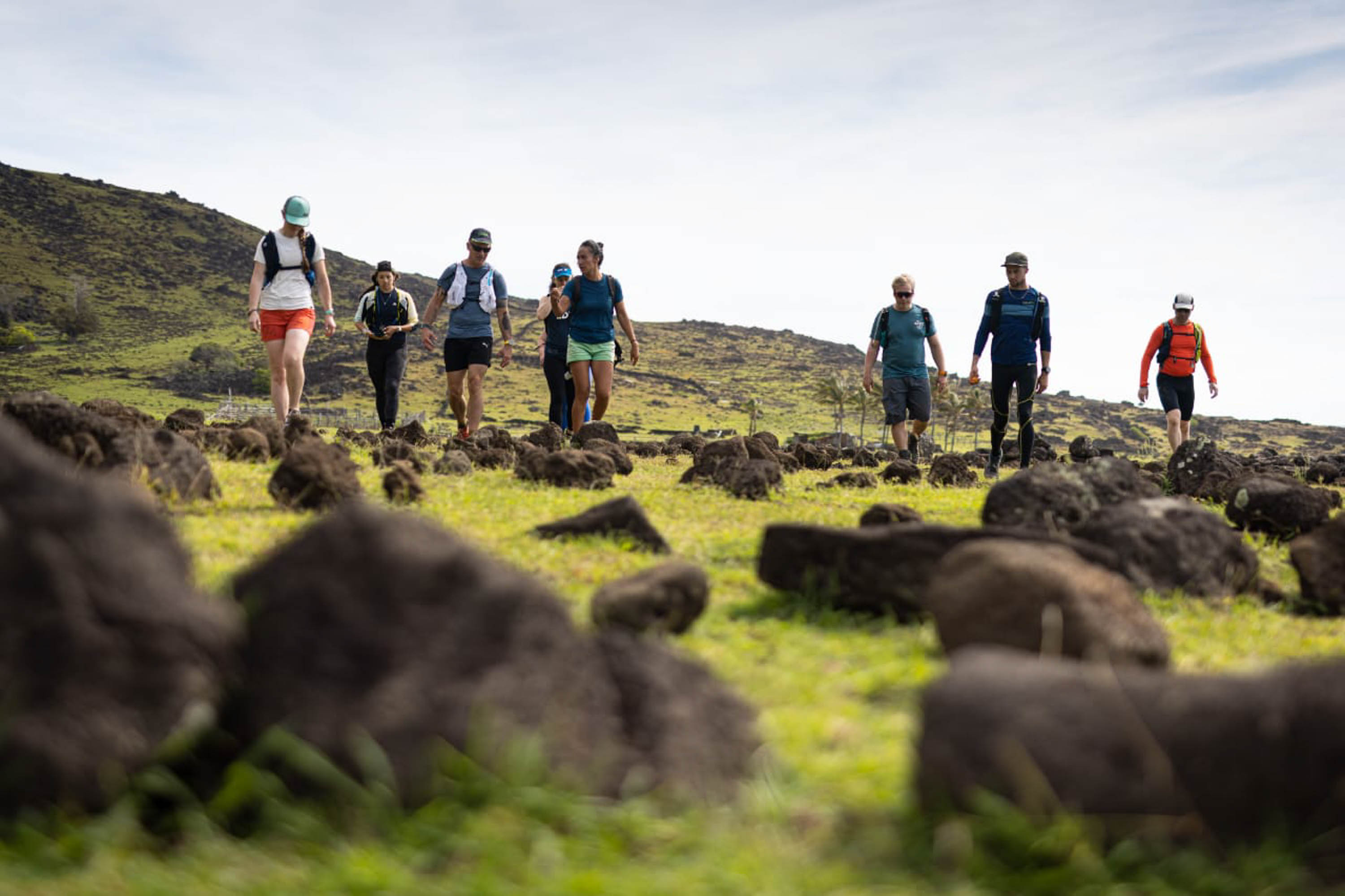
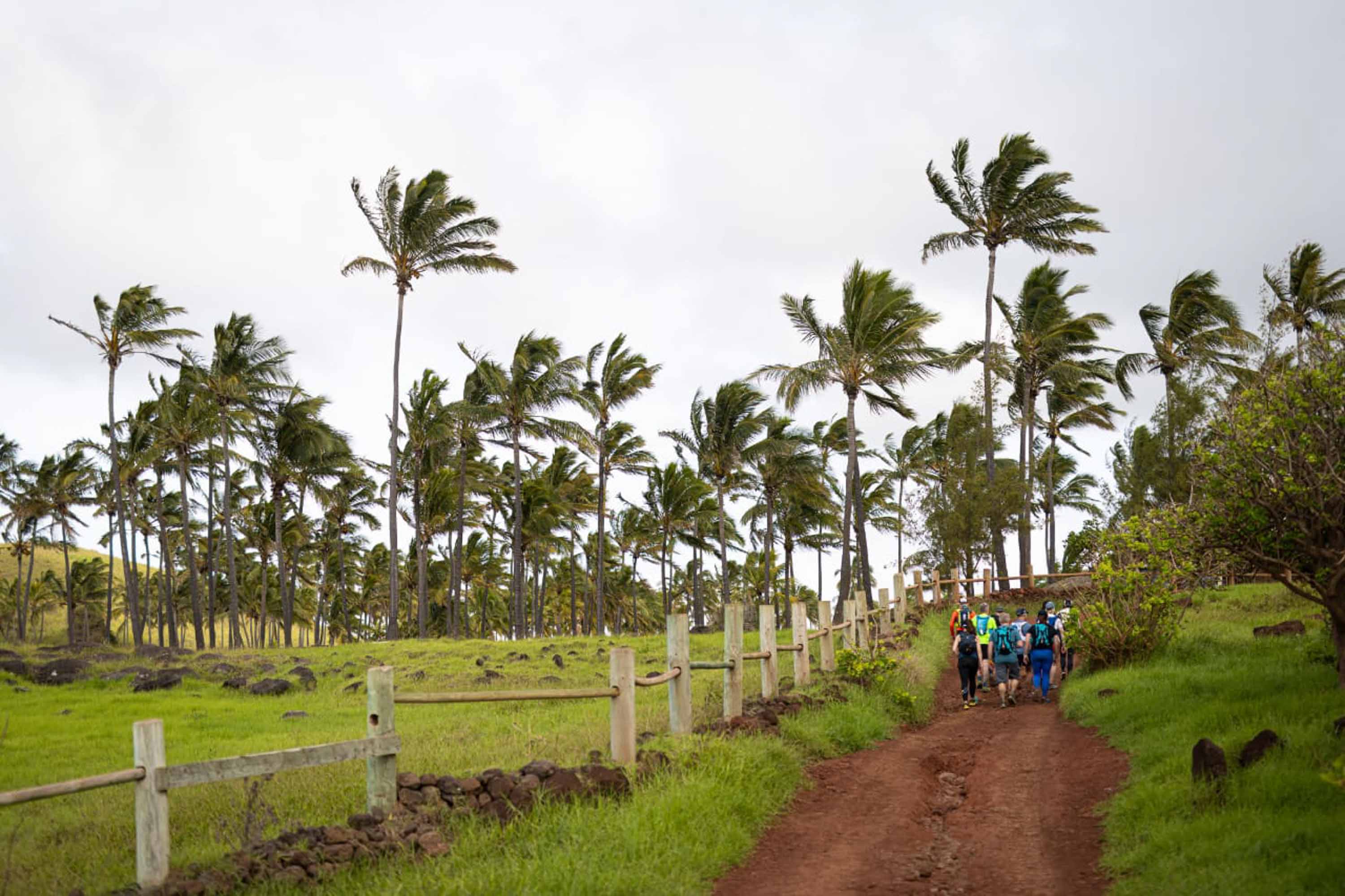
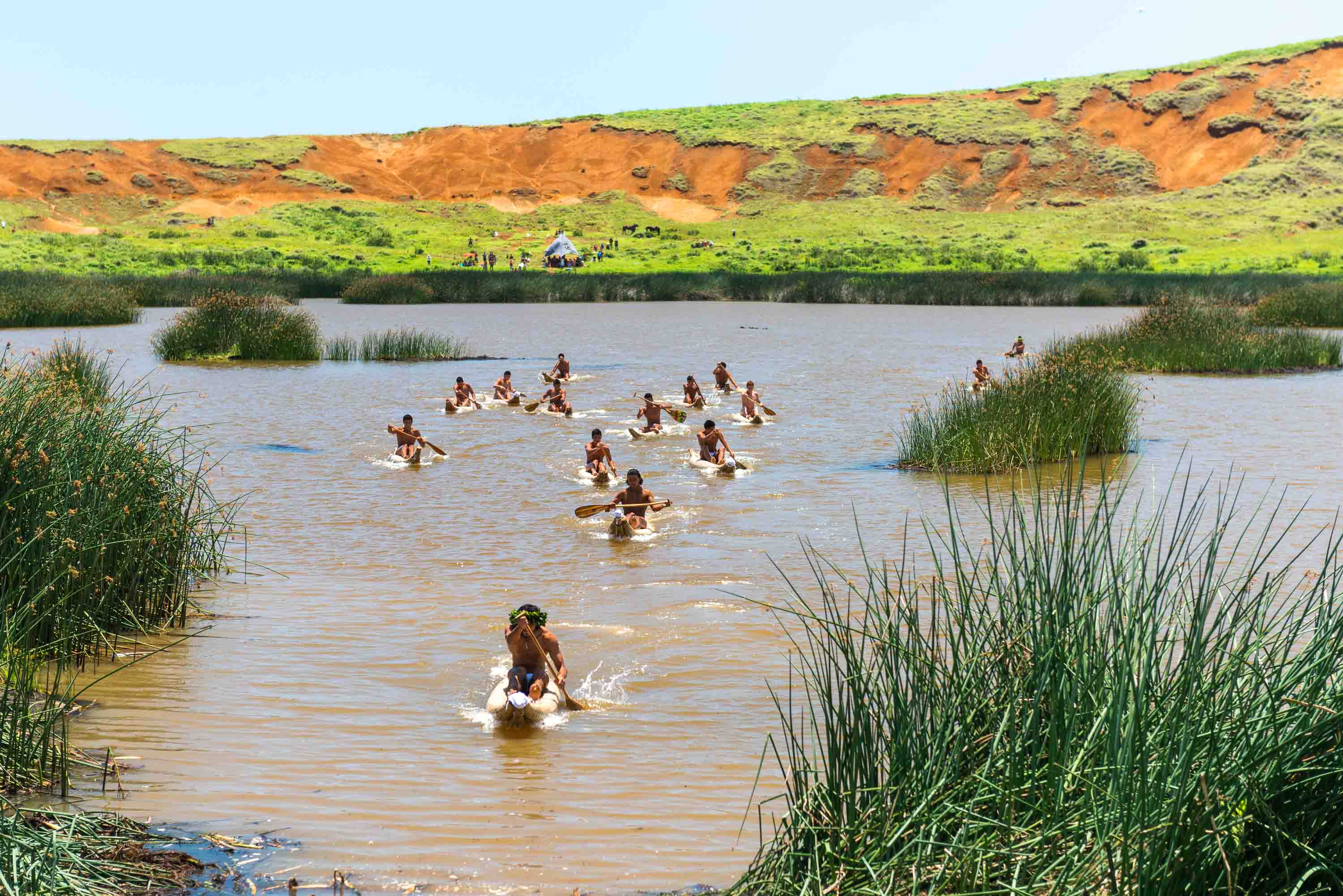
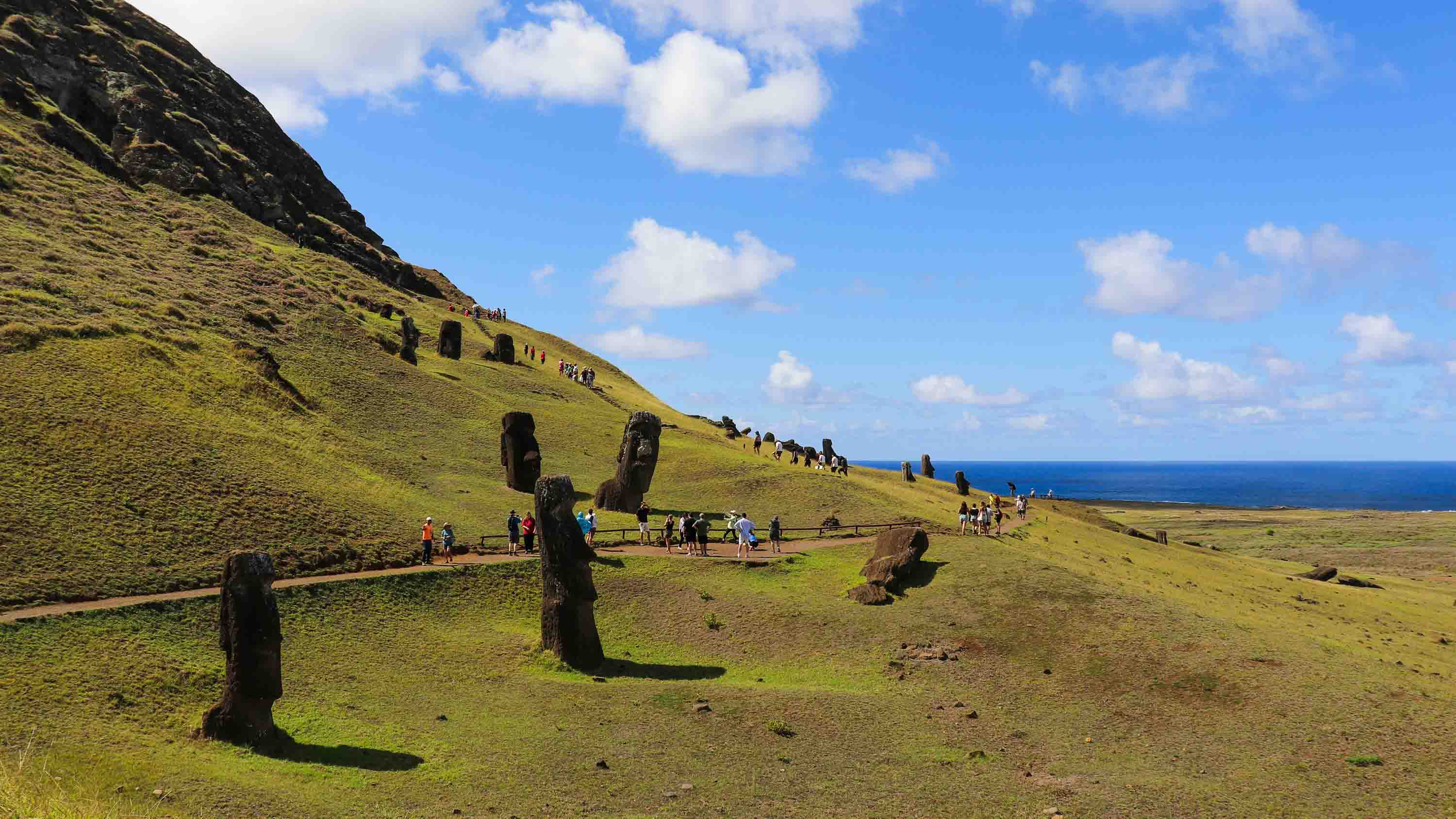
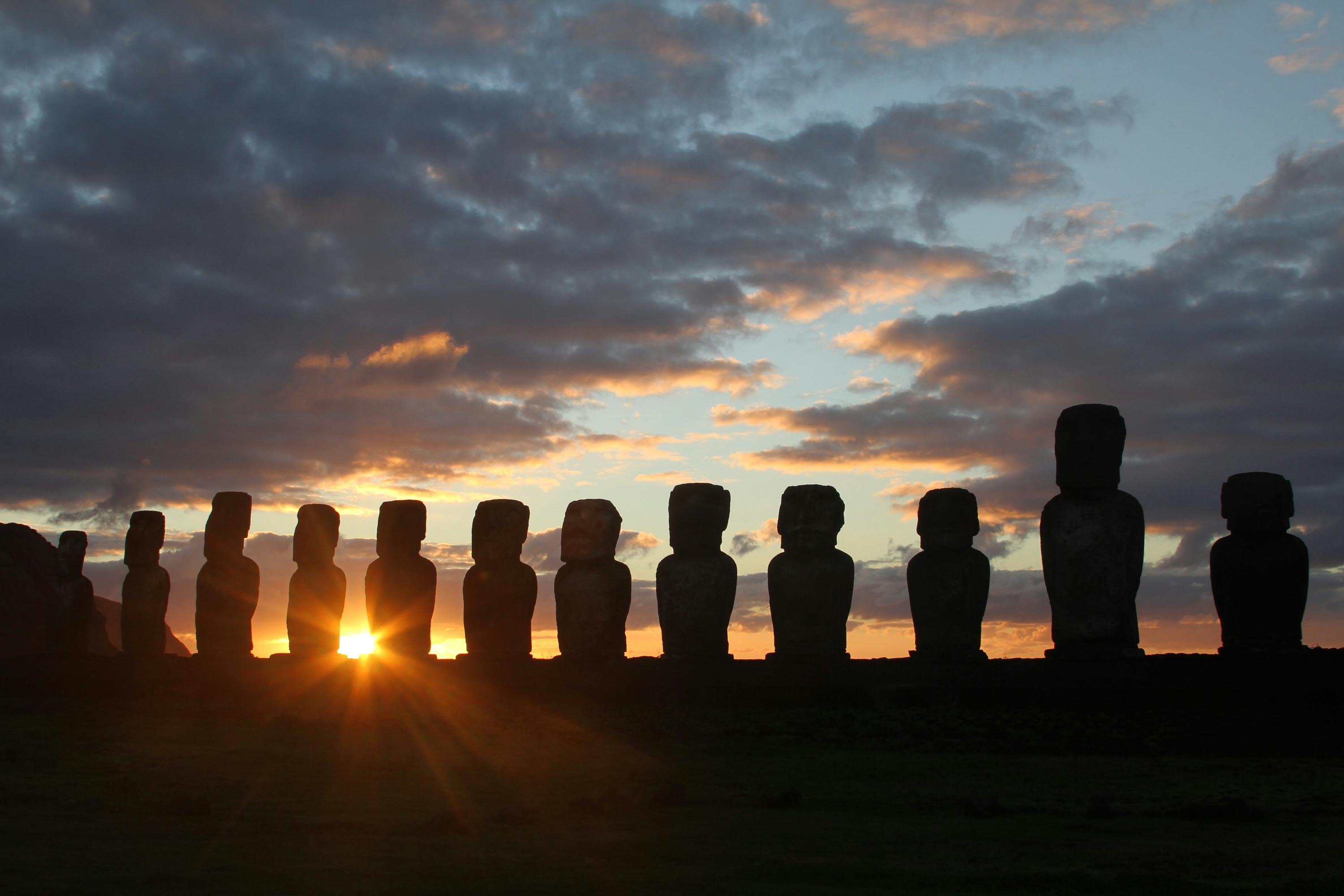
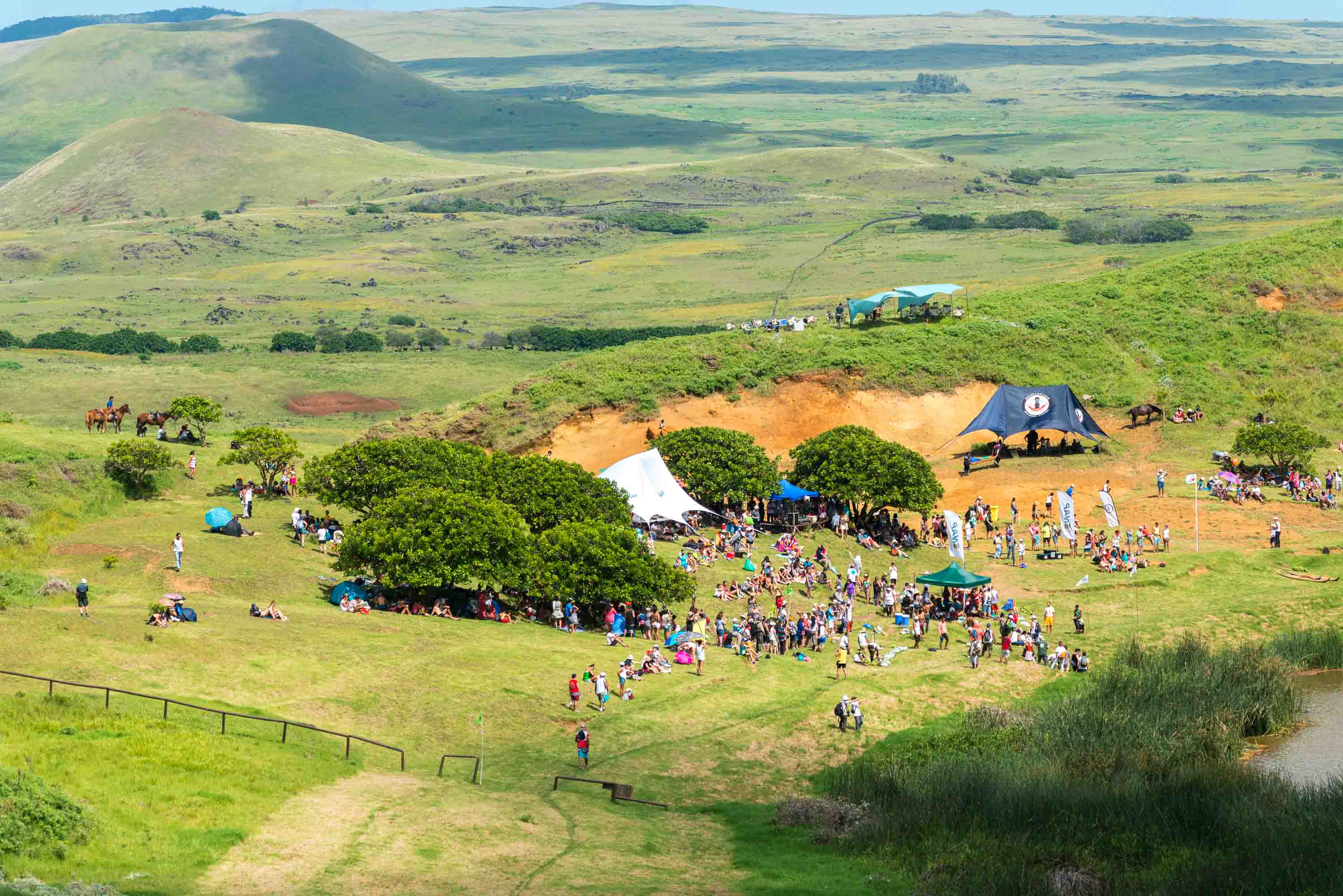
As I pass yet another abandoned moai lying beside the road, I’m struck by the tranquility around me. I’m midway through a five-day running trip across Rapa Nui (Easter Island), following an empty coastal road beneath a gray Pacific sky. Turning left, I move inland through open grassland scattered with horses, cattle and fallen statues, before reaching Rano Raraku, the volcanic quarry where hundreds of moai—giant human stone figures —appear to rise directly from the earth.
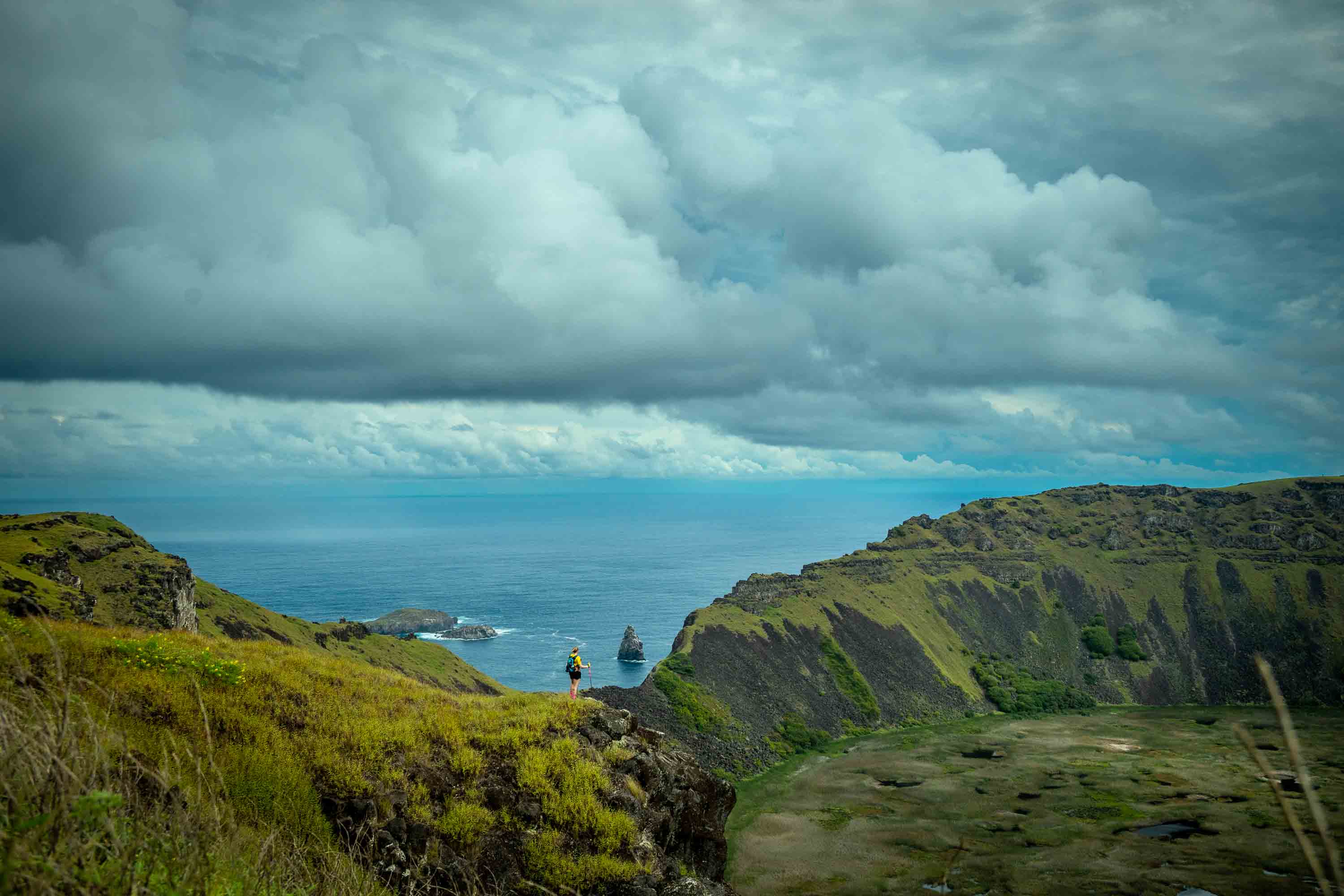
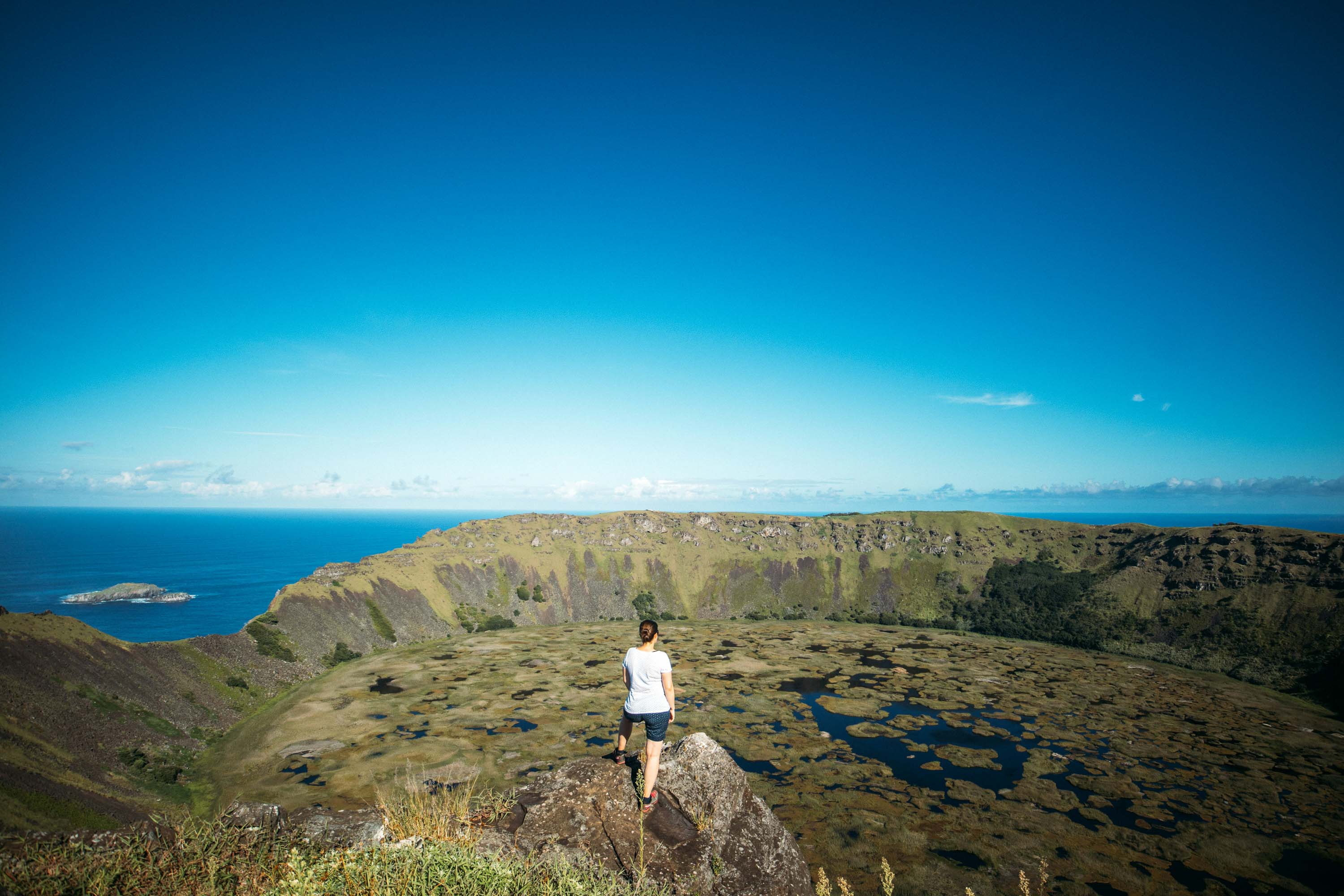
It feels profoundly peaceful. The island, now widely referred to by its Indigenous name Rapa Nui, is one of the most remote inhabited places on Earth. Located more than 2,300 miles (3,700 kilometers) west of mainland Chile, this triangular-shaped 14-mile (23-kilometer) speck of volcanic land, dominated by three extinct volcanoes, covers 63 square miles (165 square kilometers).
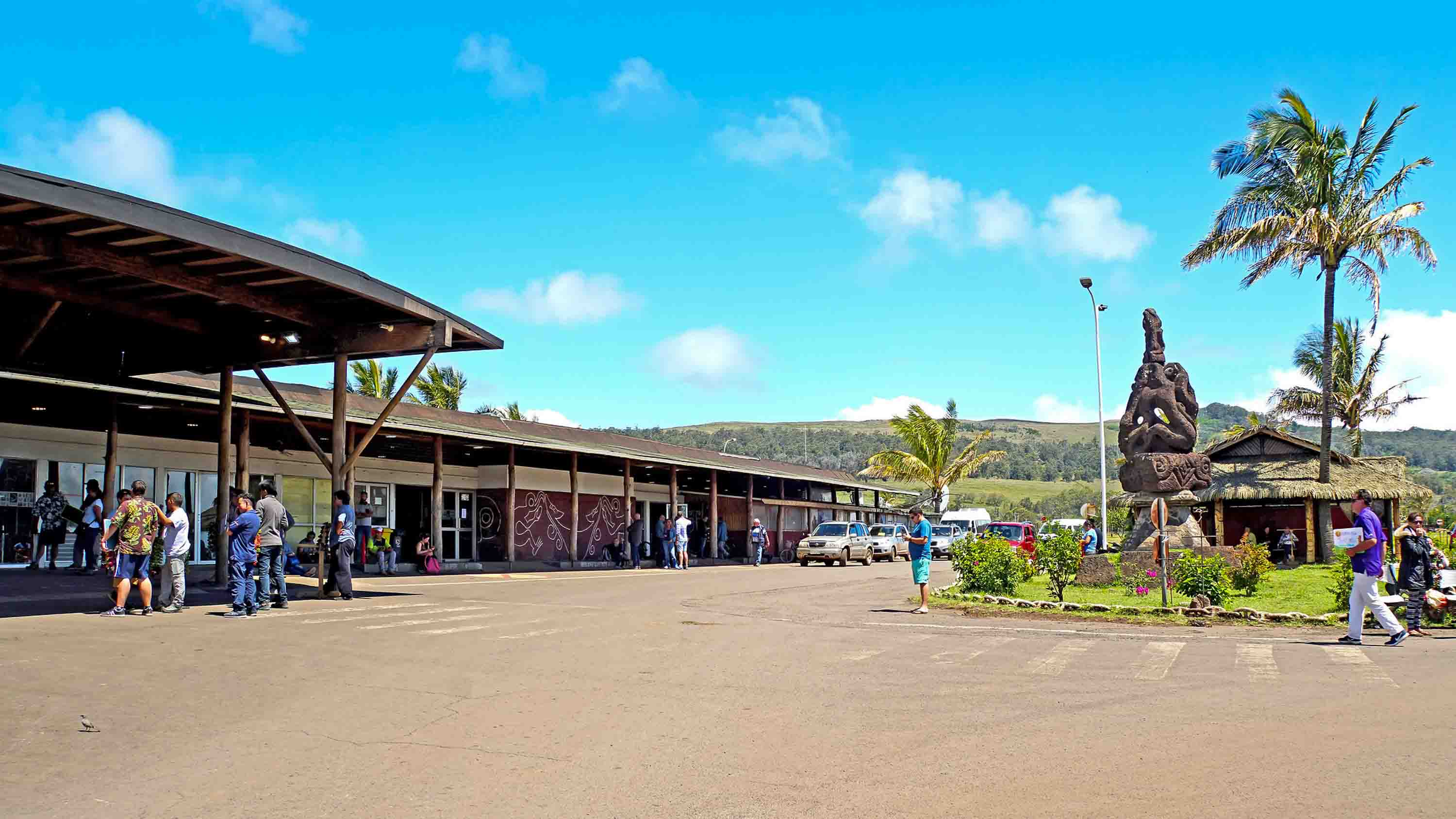
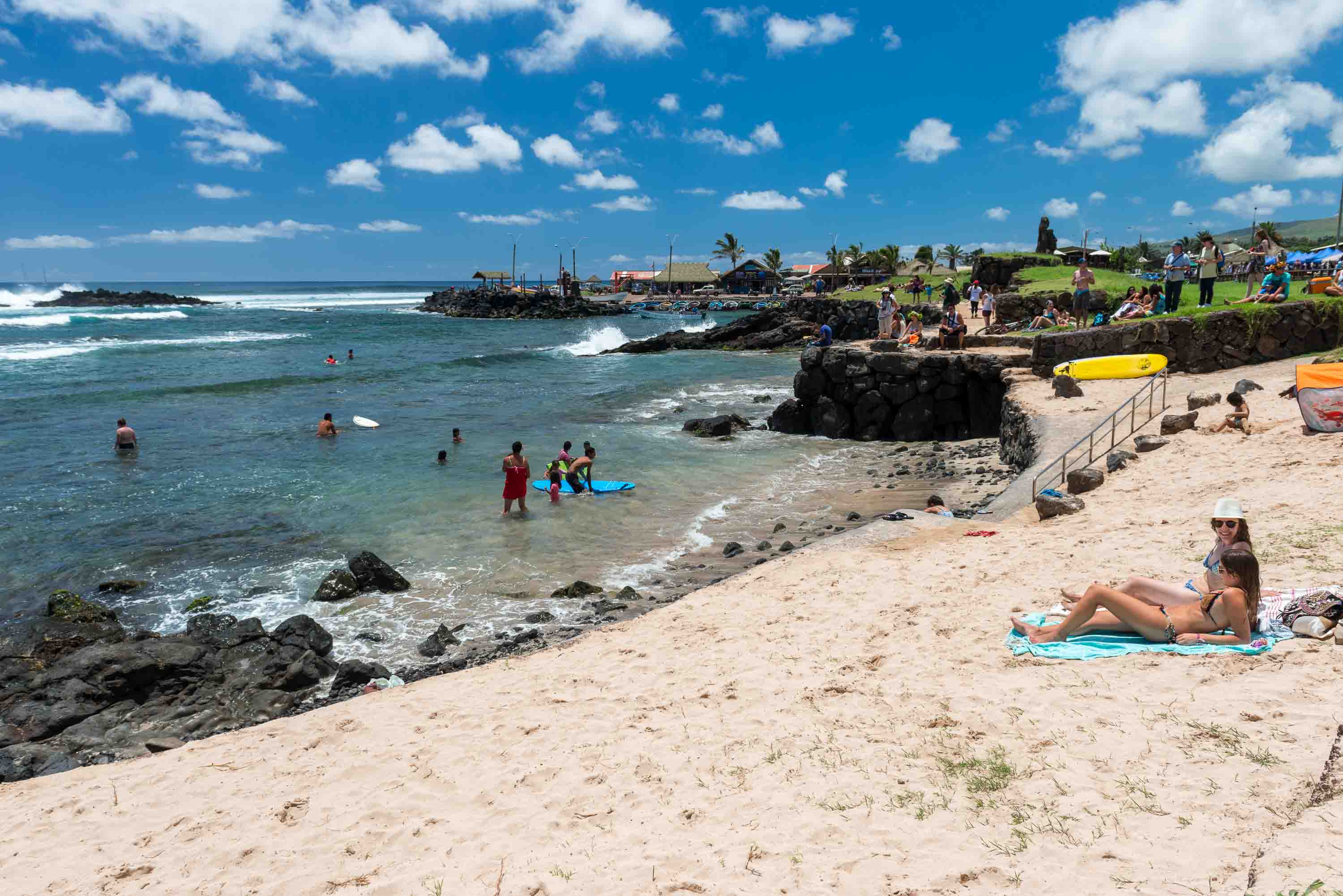
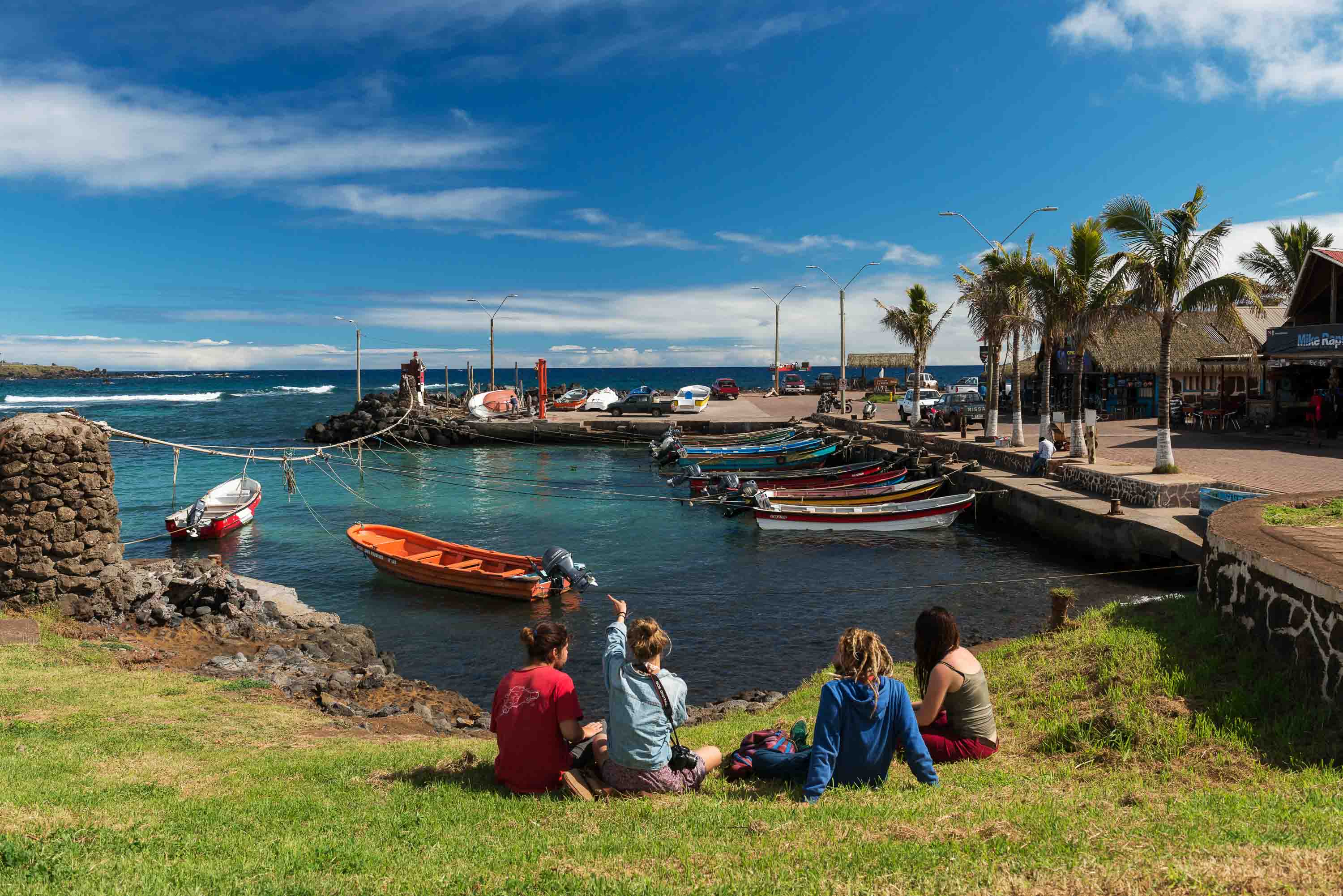
But as I realize during my stay, the island’s magical stillness is somewhat deceptive. Rapa Nui is not simply an archaeological wonder or an open-air museum housing 1,000 stone statues. It is a living Polynesian culture wrestling with how much tourism it can sustain, to what extent Chile should control its future, and who ultimately gets to decide what happens to the land.