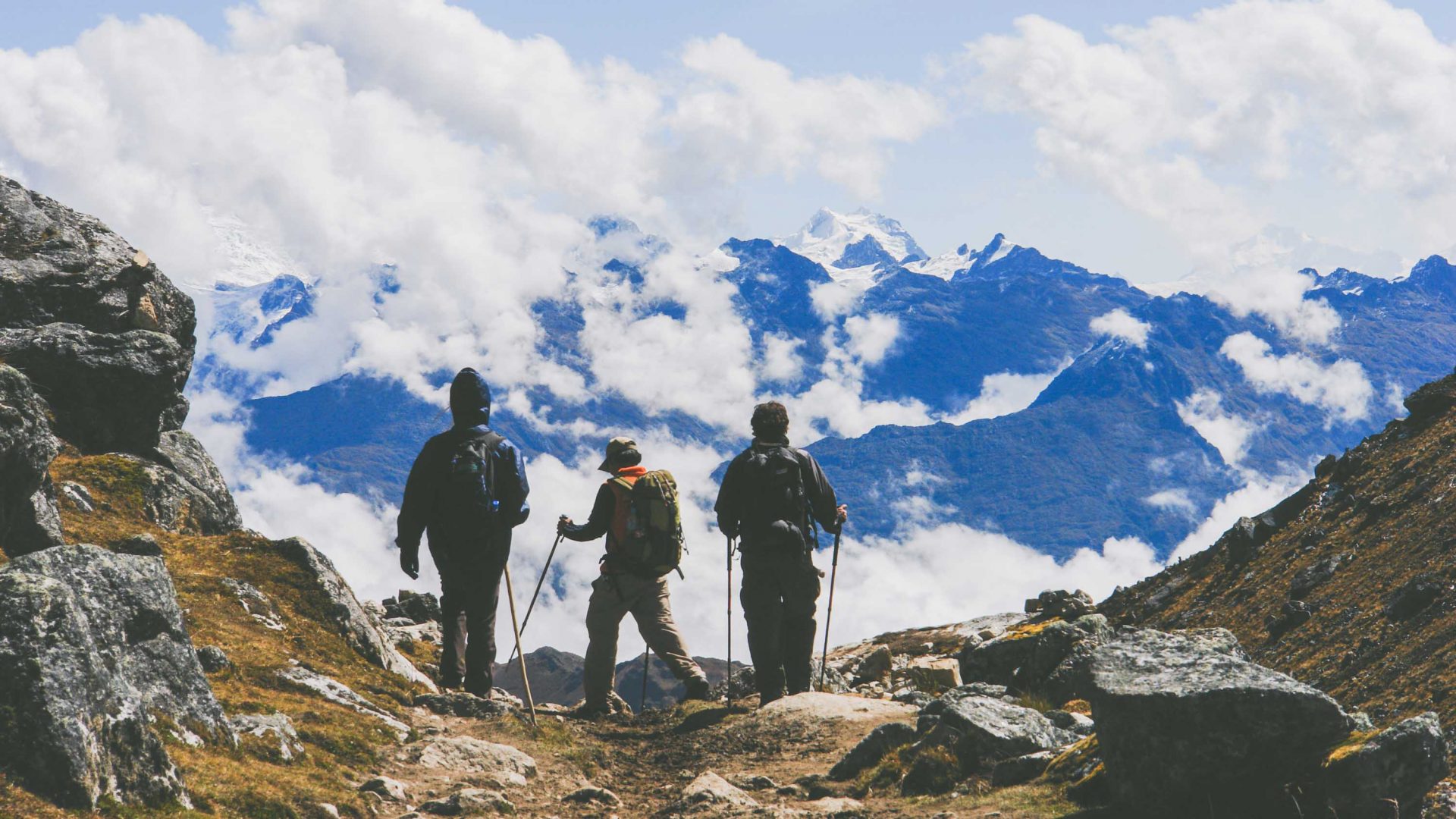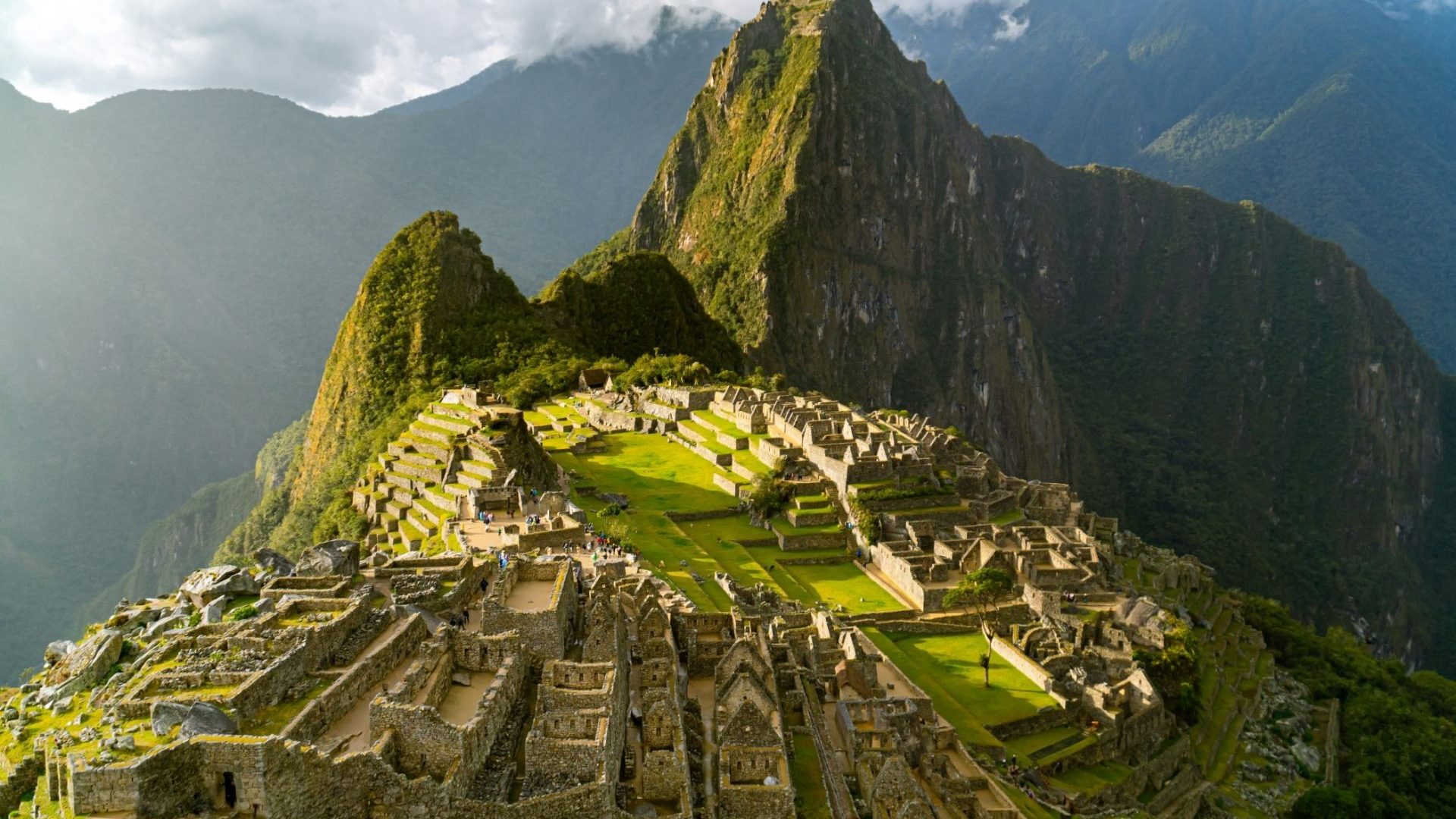
After decades of delays, it looks like a new airport will be opening near Cusco. Will it alleviate pressure on the already-overtouristed site of Machu Picchu—or will it bring fresh problems to a farming region steeped in tradition?


After decades of delays, it looks like a new airport will be opening near Cusco. Will it alleviate pressure on the already-overtouristed site of Machu Picchu—or will it bring fresh problems to a farming region steeped in tradition?
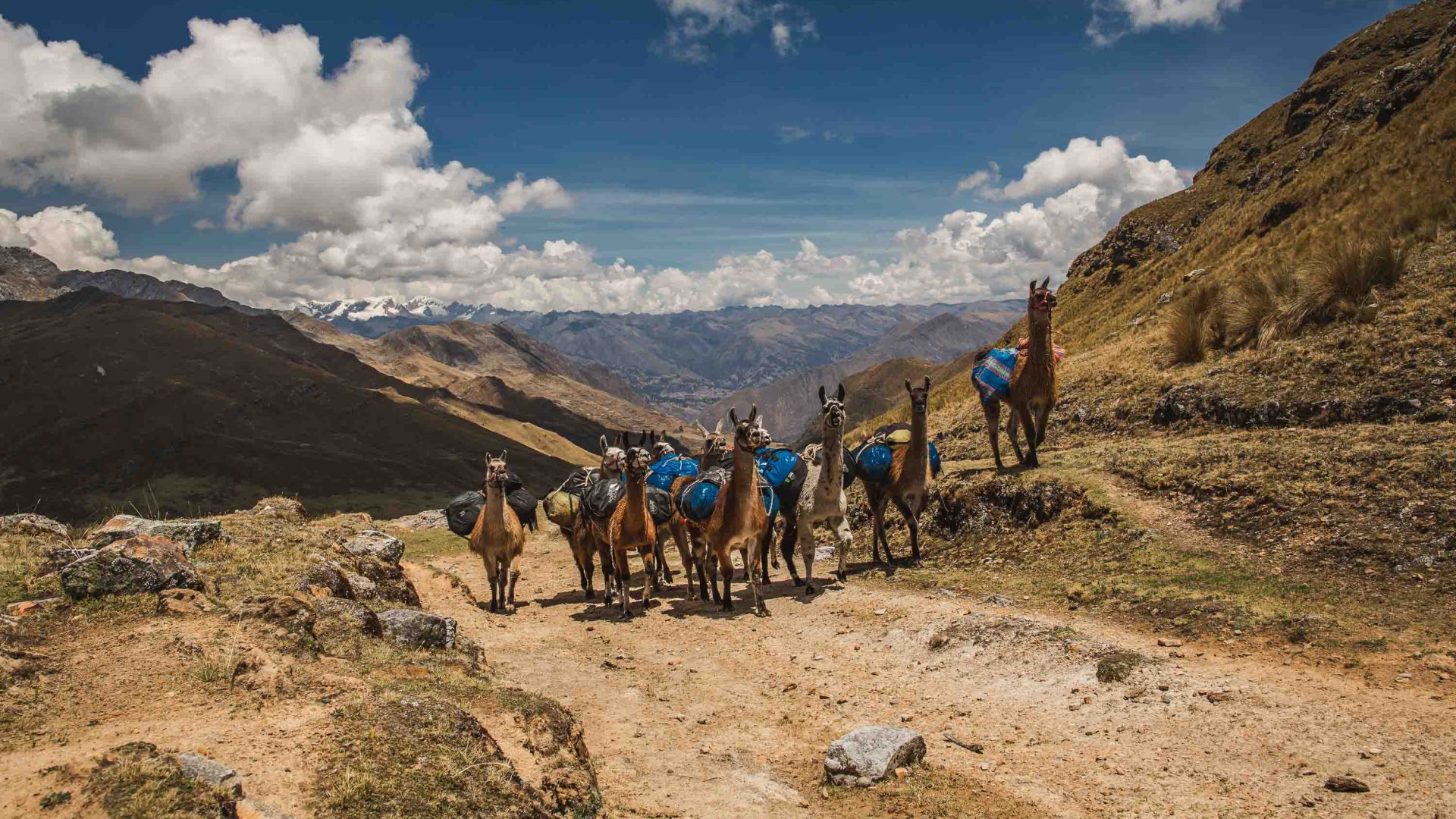
It’s a typical day during the dry season in the Peruvian Andes: Bluebird skies, the sun catching between wisps of cotton clouds, a chill slicing the air when the wind blows. With my guide, Selinda Humilde from community tourism operator La Base Lamay, I’ve been invited to the town of Poqes where, 12,630 feet (3,850 meters) above sea level in Peru’s famous Sacred Valley, homes and buildings cram the steep hillside on whatever level ground is available.
The town president, Américo Gutiérrez, wants to show me what life looks like in an Andean community. But unlike many similar tours accessible from Cusco—the closest city to Machu Picchu—there’s no set agenda. Instead, I experience real, day-to-day Andean life and that depends on whatever today’s task might be.
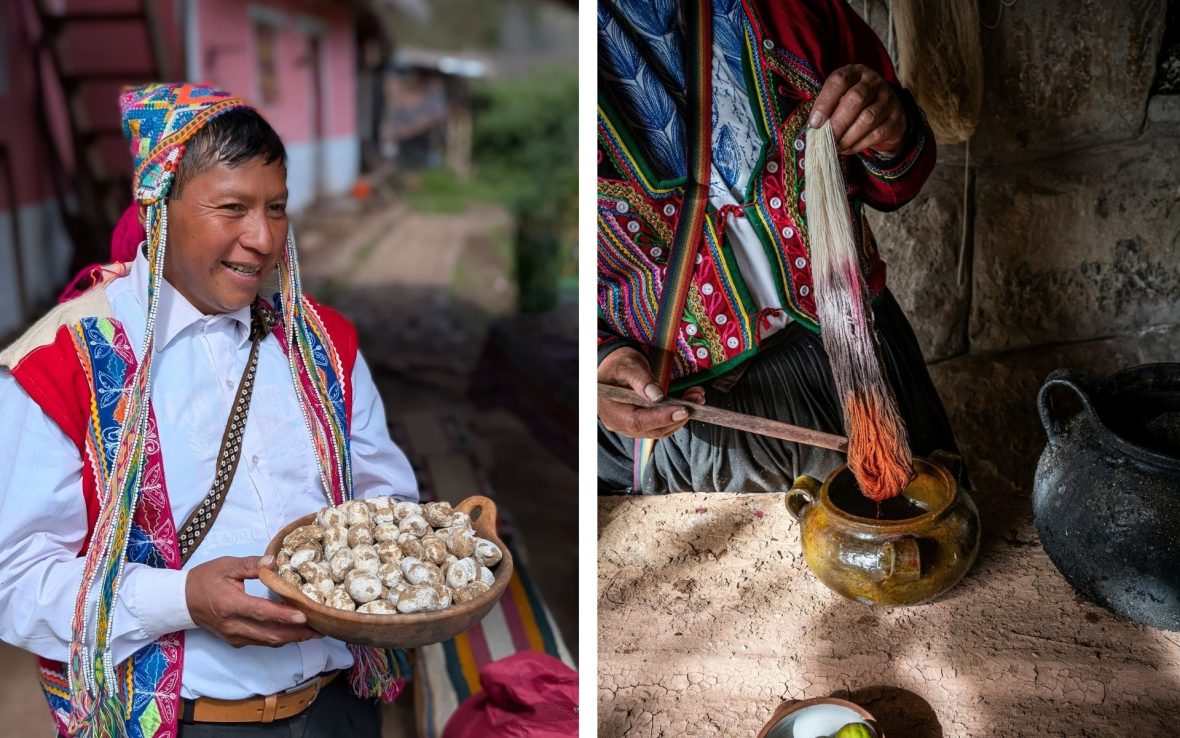
Lesson one is potato farming. Gutiérrez demonstrates how to break the earth using a chakitaqlla, a traditional spade made from three bound pieces of wood and tipped with a narrow length of metal. We offer coca leaves and sip fermented corn chicha (fruity beer) to Pachamama—Mother Earth—to thank her for the crops, before digging out the smooth yellow bodies of añu, a tuber his family will use in soups and stews.
I’ve experienced community tours elsewhere in the valley, but many are the antithesis of true Andean life—a half-hearted weaving demonstration paid for by tour operators who claim to sell ‘authentic’ local experiences. For the community, it’s an opportunity to sell their textiles; the designs are rooted in ancestral spirituality but most are no longer made in the valley and instead, mass-produced abroad. La Base Lamay is doing it different, proving tourism can be developed in tandem with, and bring concrete benefits to, communities. But a new challenge looms.
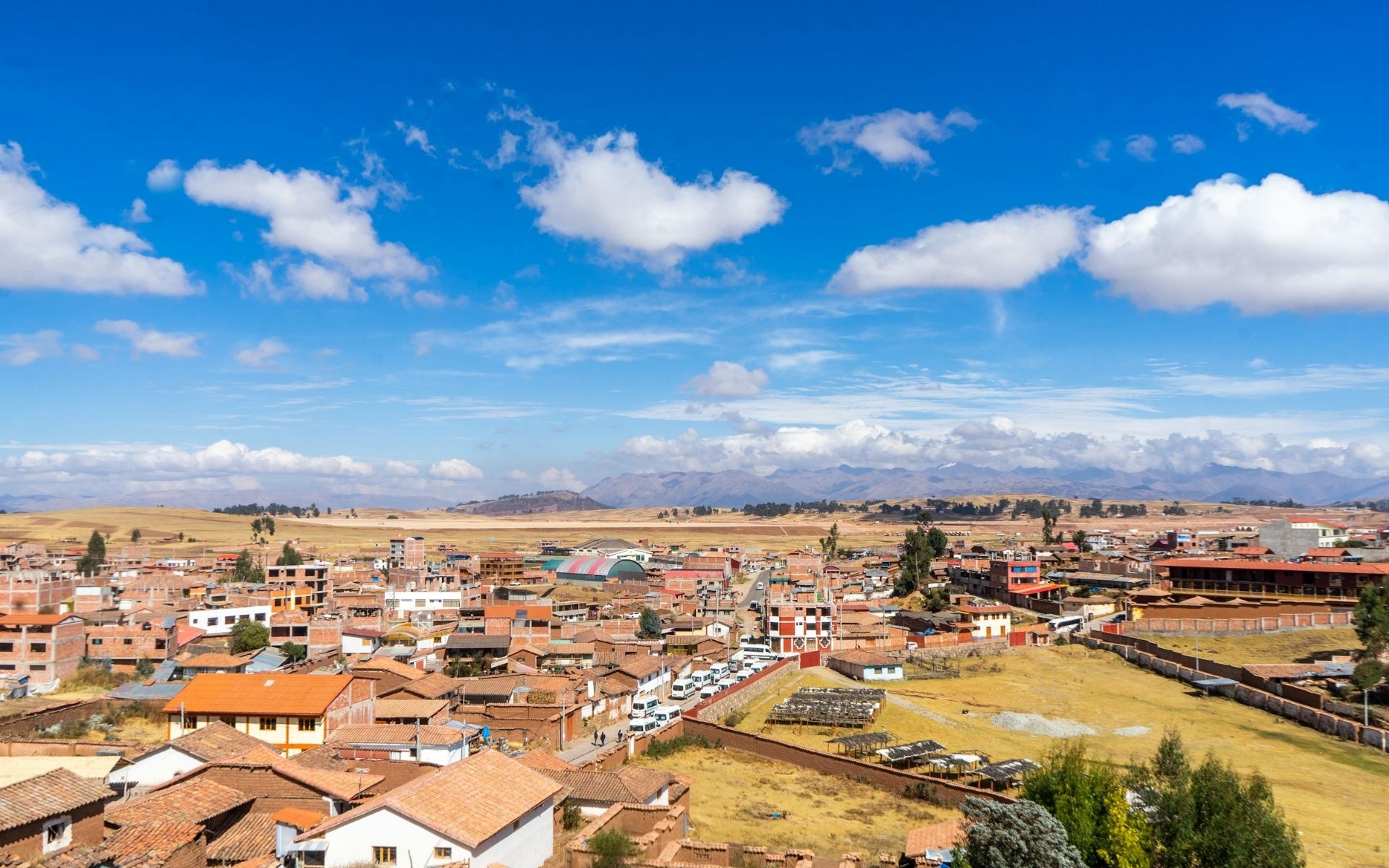
After decades of false starts, construction on a new international airport in the area began in January 2019. Some 19 miles (30 kilometers) northwest of Cusco on the road towards the Sacred Valley, its location is on the outskirts of 12,335-feet-high (3,760 meters) Chinchero, a town with a rich history of weaving and home to the remains of a spectacular Inca palace belonging to the 10th Inca Emperor, Tupac Yupanqui.
Multiple delays mean its completion date has been pushed to late 2028, but with the runway now visible from Tupac Yupanqui’s erstwhile home, it seems likely the project will eventually come to fruition. Its capacity of eight million annual visitors equates to an increase of up to 160 per cent on current arrivals. The problem? Few people locally are happy about it.
“Communities would have a greater chance of being visited and increasing their income by selling their textiles. But if this isn’t handled carefully, the experience will change.”
- Selinda Humilde, La Base Lamay
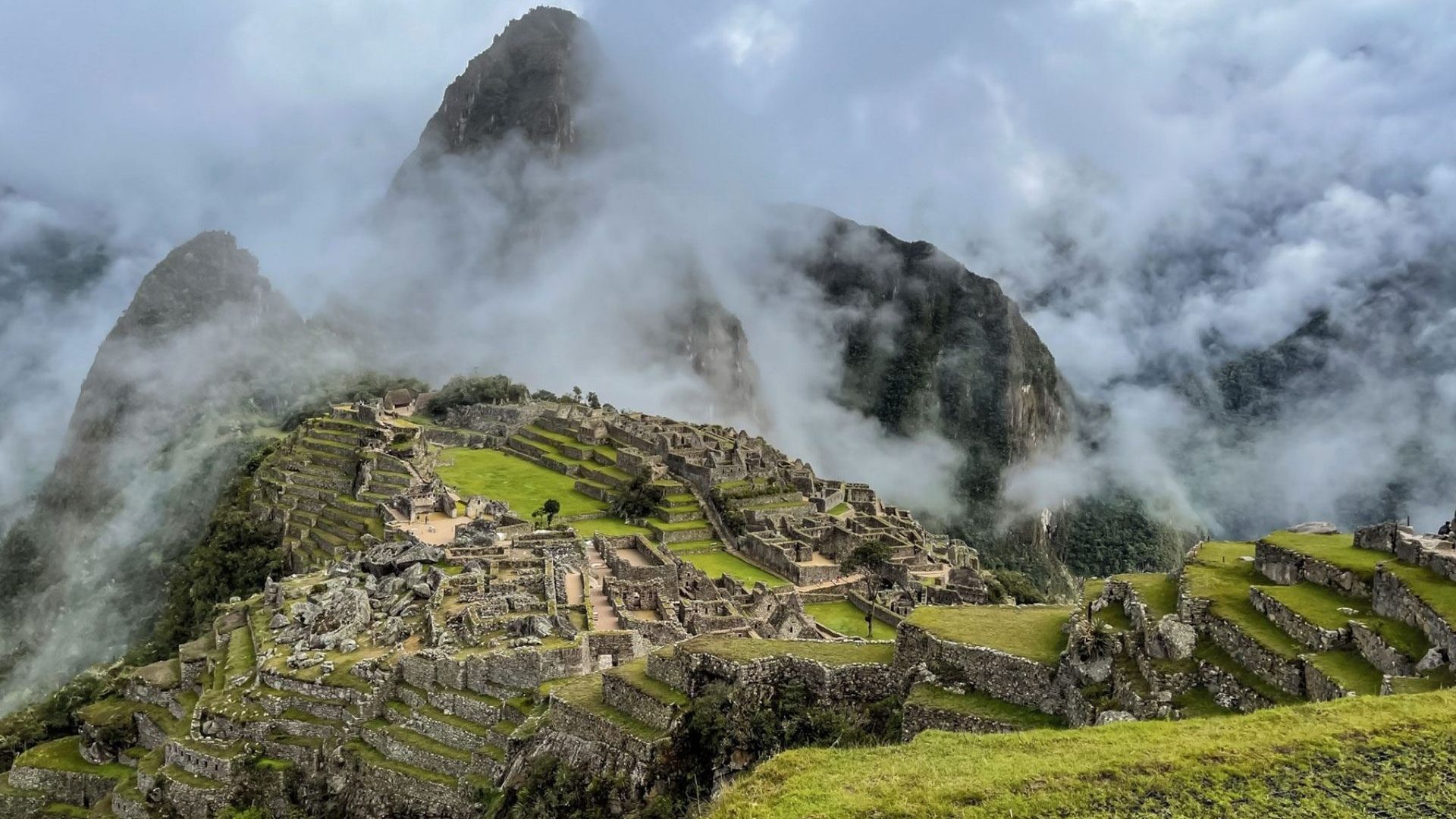
From Chinchero, it’s a half-hour drive down into the Sacred Valley, fertile farmland revered by the Inca. Agricultural terraces cling to the steep valleysides, some still planted with corn and potatoes, hanging high above towns dating back to the Inca Empire. Some 1.5 million visitors pass through each year on their way to Machu Picchu, a 90-minute train journey northwest.
Critics of the new airport ask why the government is building it so close to Machu Picchu, a site many regard as already at capacity. Pressure from overcrowding and unchecked development has seen UNESCO threaten, on multiple occasions in the last two decades, to place the site on its list of World Heritage in Danger; this precipitated an overhaul of how people visit the site with timed entry tickets, visitor circuits and a cap of 5,600 tickets per day during high season introduced. However, tickets are so in demand, they must be booked five or six months in advance.
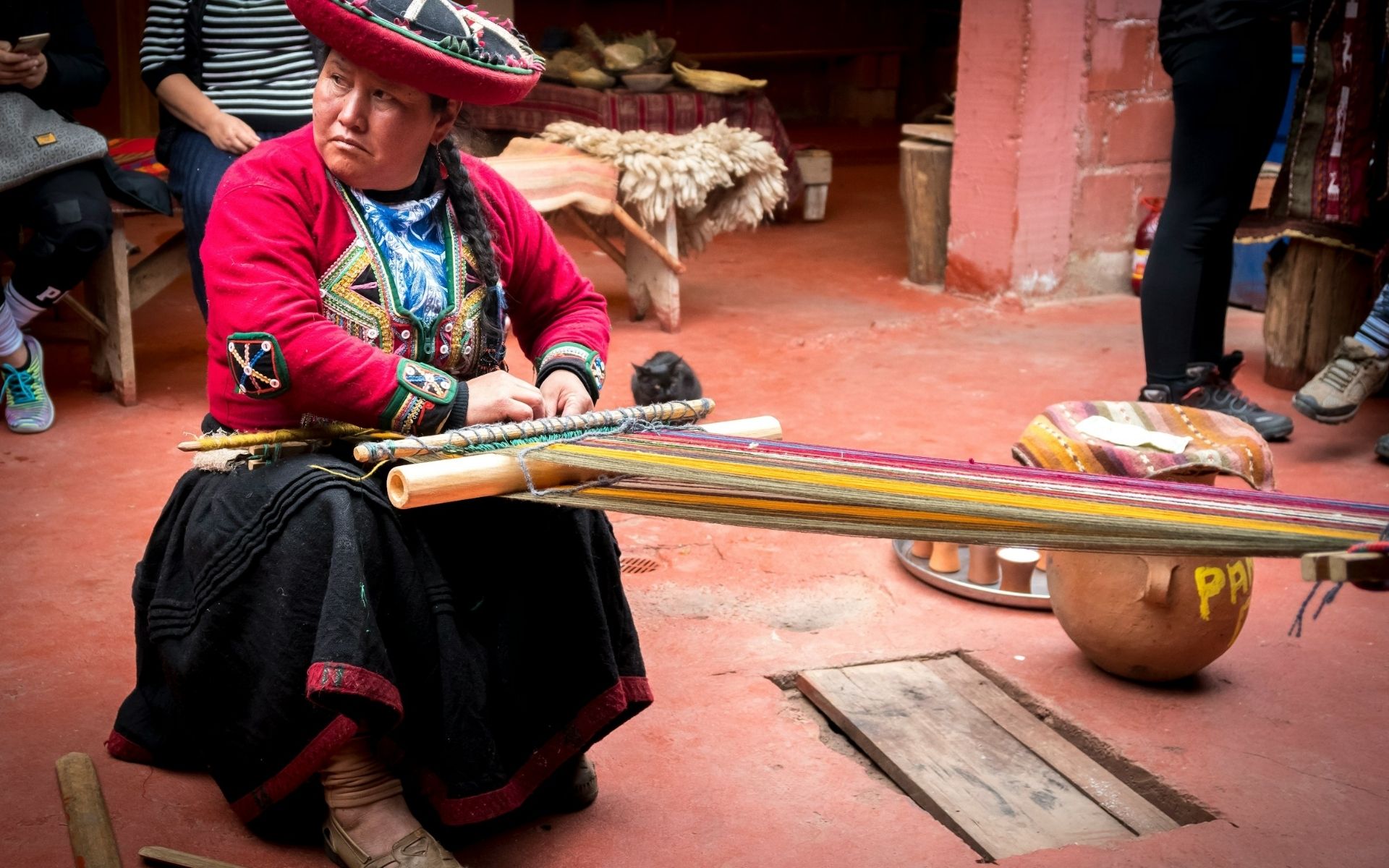
In a statement, the tourism board argues that people are missing the point. “It’s not about building an airport to bring more visitors to one archaeological site,” it says. “It is about redefining how southern Peru manages connectivity, disperses economic opportunity, protects heritage and improves quality of life for local populations.”
They believe it will provide a much-needed boost to other regional destinations, such as Choquequirao, Ollantaytambo and Santa Teresa. According to Cusco’s Chamber of Tourism, the new airport could contribute up to USD$12 billion to the economy of Cusco and surrounding regions, doubling the Cusco tourism GDP. While it’s difficult to confirm costs to date, it’s been reported there’s a budget deficit of S/65m (USD19m) to continue the project, and a USD$895m debt to suppliers in rural communities.
However, even supporters have grave reservations about the preparations being made. “The regional government of Cusco has shown no intention of reaching a consensus on a joint work plan to address the challenges inherent in the Chinchero airport project,” says Carlos González, president of Cusco’s Chamber of Tourism, over email.
González argues that essential infrastructure needs to be addressed before construction finishes: Namely, a new railway to connect the airport south to Cusco and northwest to Machu Picchu; and an upgrade of the regional sewage system, which currently discharges into the Vilcanota River basin. Both projects remain in the planning phase.
In 2019, the World Monetary Fund also called on the government to complete a heritage impact study due to the risk that construction posed to the extensive Inca remains in and around Chinchero. The airport is also being built on wetlands, which feed the nearby Laguna Piuray. The study, conducted by researchers from universities in Peru and France, found the construction of the airport, alongside new hotels and other proposed urban infrastructure projects, could increase the amount of sediment being washed into this lake—contaminating water that provides nearly half of Cusco’s drinking water supply.
What’s more, the project hinges on the government’s claim that the new runway will be long enough to receive non-stop direct flights to Cusco from the Americas and Europe, removing the need to fly via the Peruvian capital, Lima. However, aviation experts have questioned whether the airport’s high elevation will make take-off difficult for aircraft which require sufficient fuel for long-haul destinations. No carrier has yet committed to specific routes.
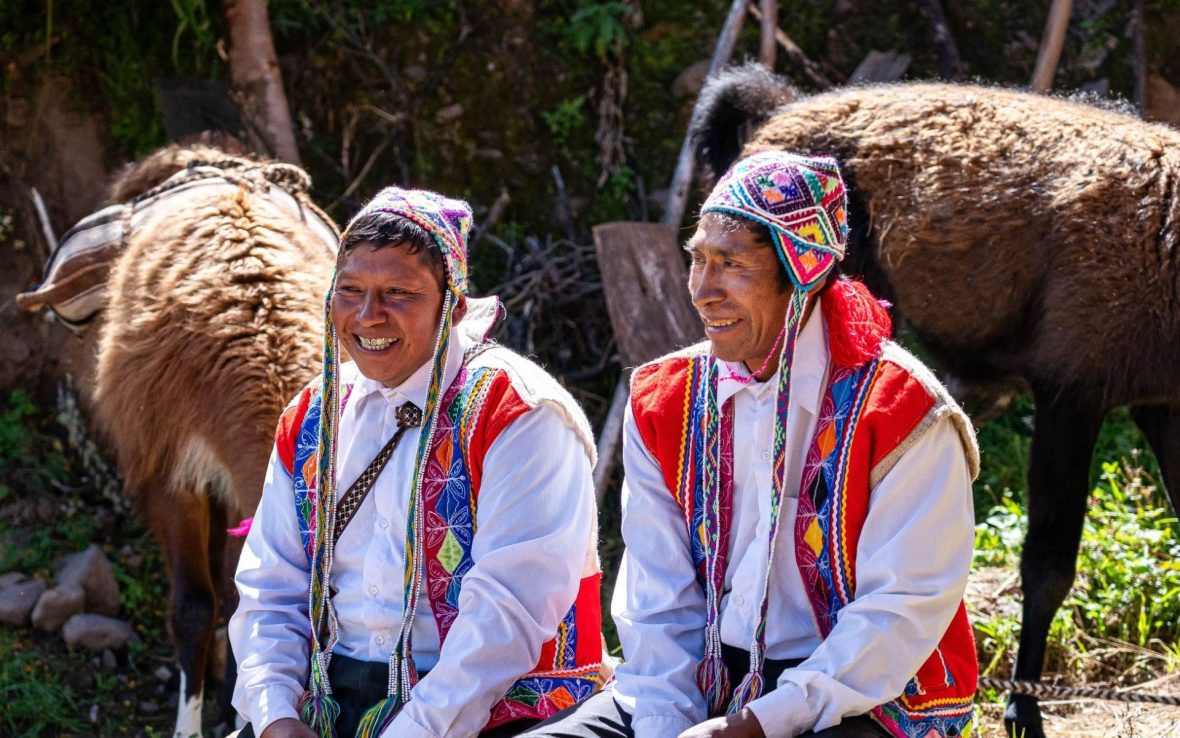
Back in Poqes over an infusion of wild Andean mint known as muña, I chat to Humilde. She’s seen first-hand how communities can be damaged by mass tourism, particularly when development hasn’t placed their best interests at heart.
“Local people are working the land less, starting to buy more at the markets, and, well, customs, clothing and food are changing,” she says, explaining how the brightly dyed and handwoven textiles once worn proudly by Andean villagers are being eschewed for more practical Western clothing by younger generations. “Obviously, there are economic benefits when there is tourism, but at the same time, the authenticity of the experience is lost.”
Humilde also recognizes that the airport brings vital economic opportunity for local people. “Communities would have a greater chance of being visited and increasing their income by selling their textiles,” she tells me. “But if this isn’t handled carefully, the experience will change.”
****
Adventure.com strives to be a low-emissions travel publication. We are powered by, but editorially independent of, Intrepid Travel, the world’s largest travel B Corp, who help ensure Adventure.com maintains high standards of sustainability in our work and activities. You can visit our sustainability page or read our Contributor Impact Guidelines for more information.

Steph Dyson is the founder of the travel website WorldlyAdventurer.com and is an award-winning travel journalist based in Manchester, UK. She spent nearly six years living across South America, in destinations including Santiago, Chile; Sucre, Bolivia; Cusco, Peru and Medellin, Colombia before arriving back in the UK, which she now calls home.