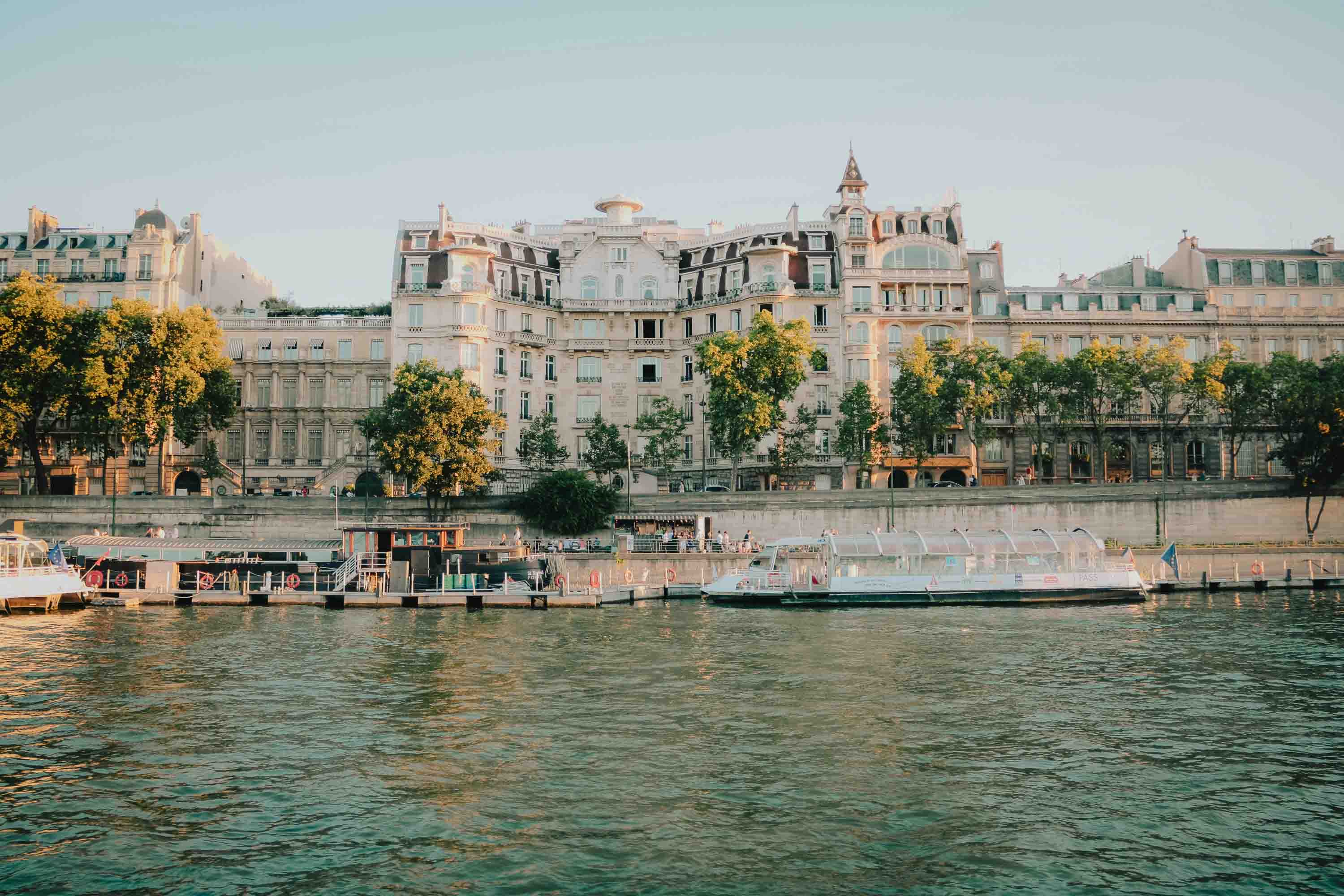
France has done something similarly ambitious in Paris. Swimming in the Seine was banned for more than a century. But after heavy investment in sewers, treatment works and stormwater storage ahead of the 2024 Olympics, the river now has public bathing sites.
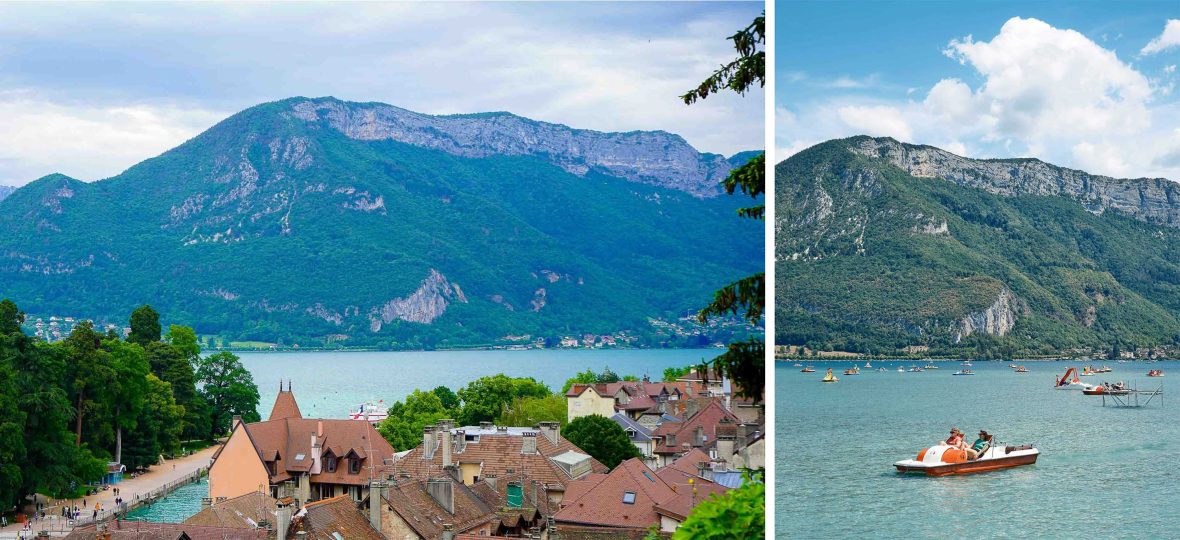
Nor is Annecy the only lake to have been cleaned up this way. In the 1960s, Seattle built more than 100 miles of interceptor sewers to divert wastewater away from badly polluted Lake Washington. Yet with successful examples in France and America, why has it taken so long for Windermere, one of Britain’s best-loved natural landmarks, to consider doing something similar?
The impact of inaction could have a huge economic impact too. A 2021 assessment by the Environment Agency and Cumbria Tourism, the region’s official tourism body, estimated that if Windermere’s water quality deteriorated, the local tourism economy could lose up to £122 million a year, putting up to 2,304 jobs at risk.
For the past five years, Save Windermere’s Staniek has been fighting to stop sewage entering the lake. At first, he says, United Utilities was reluctant even to release information about its sewage discharges. Getting answers was “like drawing blood from a stone”, he says. When he first proposed taking sewage out of the lake altogether, he was told it was impossible. But the example of Annecy was too powerful to ignore. “If the French can do it, why can’t we?” he tells me.