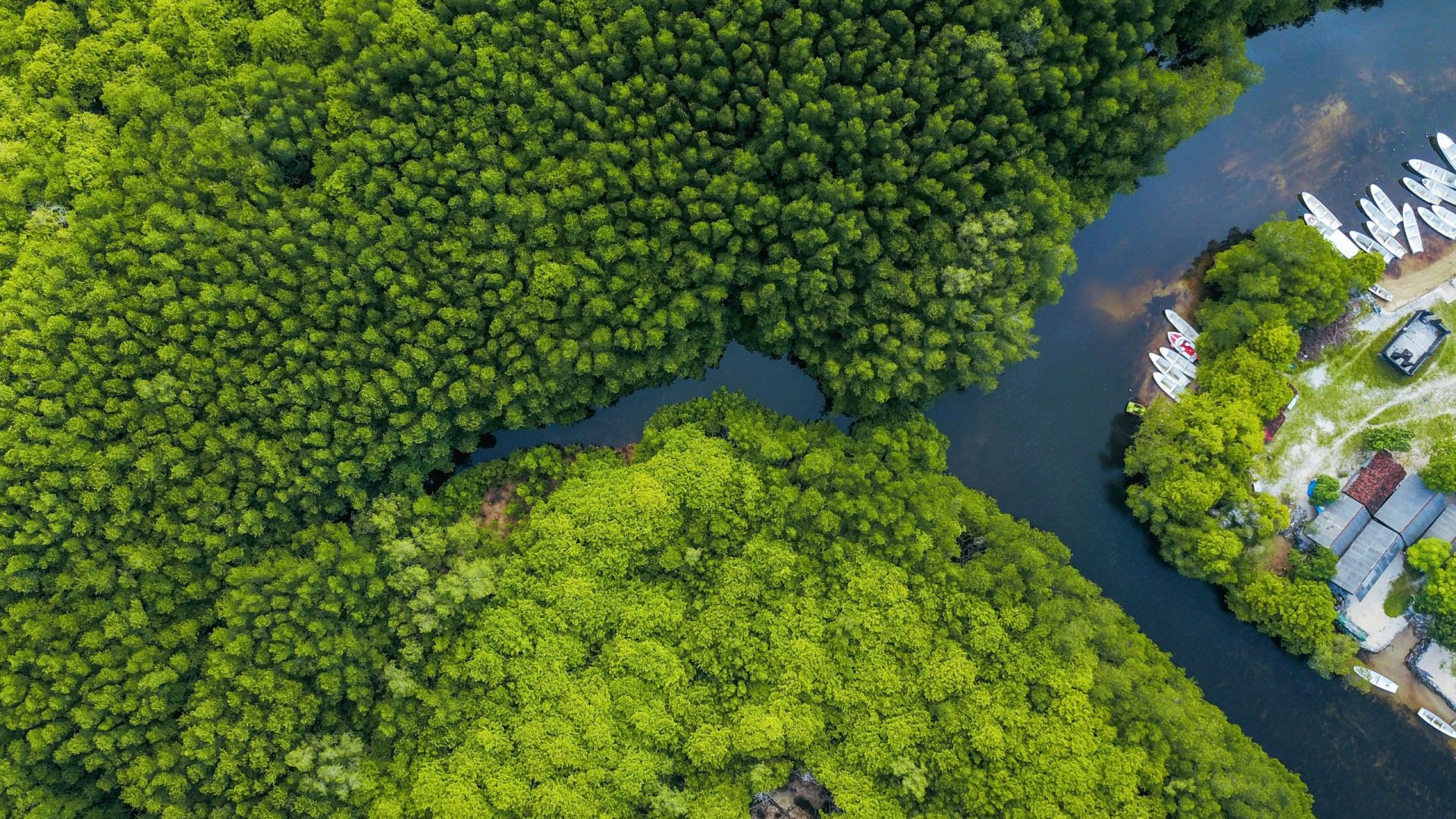



Seen this way, restoration projects can have three broad outcomes. In the first, the ecosystem recovers and local people hold a fair share of the value. In the second, it recovers but the value drains to intermediaries and distant buyers. In the third, the scheme collapses because the rush to sell was never governed.
The uncomfortable part is that the second outcome can still count as success. A 2026 review of 77 ocean or coastal carbon storage projects found it is rarely possible to tell which outcome you are looking at, because community involvement is so seldom documented. The second outcome is the one worth fixing: The most common and the most deceptive. That means putting the people who live in and around restoration projects at the center of deciding what worked.
This is the question our Revive project is exploring. Working across three Malaysian sites, we start with what residents themselves count as a good outcome, then trace how those outcomes trade off against the value chains built around the forest. Trade-offs cannot be designed away. What can change is who decides. At present, decision-making often follows whoever is paying, which is how success can be met while the people doing the restoring are worse off. Communities who have managed these forests for generations should be setting the terms, not receiving them.
We can measure a mangrove’s carbon to the tonne. We still cannot say who paid for it, in fish, in access or in time. Until those who pay are the ones defining success, tripling the money risks tripling the imbalance.
**
Aarti Krishnan, Senior Lecturer in Sustainability and Innovation, University of Manchester; Ahmad Aldrie Amir, Associate Professor of Mangrove Ecology, Universiti Kebangsaan Malaysia (National University of Malaysia), and Behara Satyanarayana, Associate Professor, Institute of Oceanography and Environment, Universiti Malaysia Terengganu
This article is republished from The Conversation under a Creative Commons license. Read the original article.