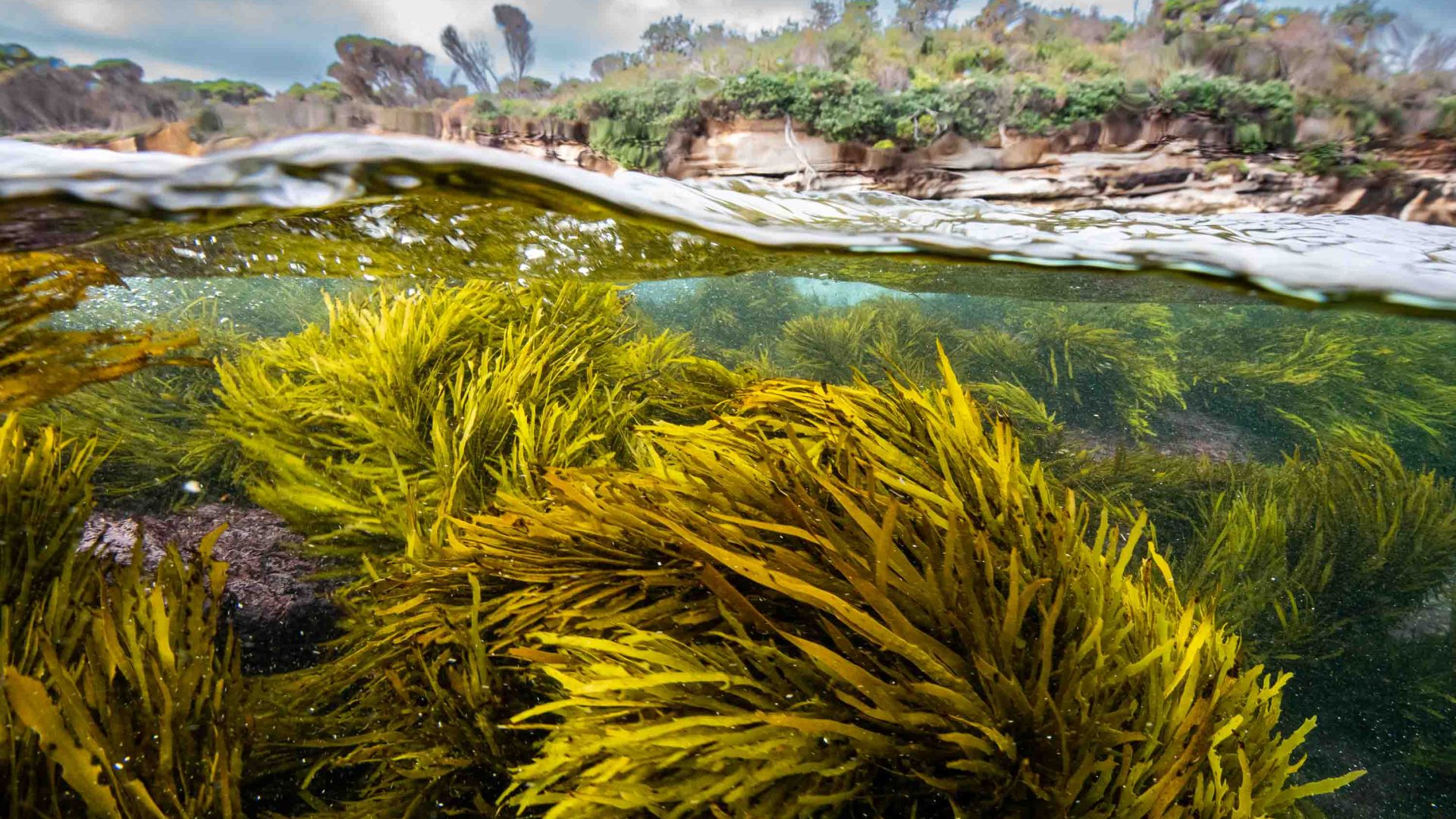
In Sydney, Australia, scientists and Indigenous experts have been working hard for years to restore seaweed forests along the coast. The next step? Giving these forests a name befitting of their environmental significance.

In Sydney, Australia, scientists and Indigenous experts have been working hard for years to restore seaweed forests along the coast. The next step? Giving these forests a name befitting of their environmental significance.
The Amazon. The Black Forest. The Daintree. Most of us can name a land forest without hesitation. But ask us to name a forest beneath the sea, and we’d be at a loss.
“Land forests have names. So do parks, meadows, mountains and rivers. But sea forests still go unnamed.”
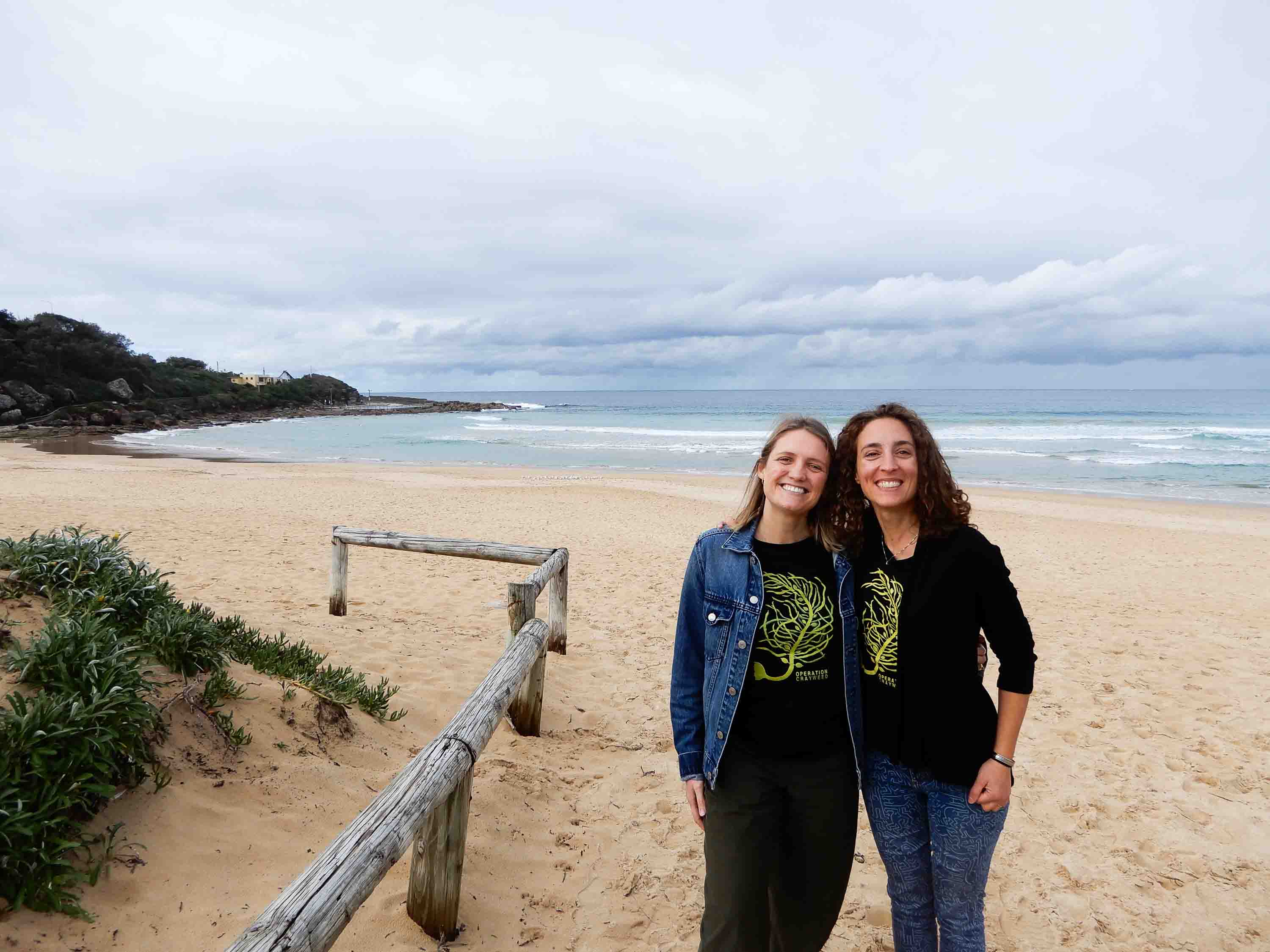
This is our introduction to today’s workshop led by Dr. Claudia Santori, program coordinator of Operation Crayweed at Australia’s University of New South Wales (UNSW). This research and restoration program’s main purpose is to bring crayweed (a species of seaweed) back to the reefs along Sydney’s coastline, where it once flourished in dense seaweed forests. Instead of the trees, vines and mosses that you’ll find on land, seaweed forests are made up of different species of seaweeds, kelps and seagrasses. The program also aims to reconnect Sydney’s coastal communities with the ocean through ceremony and marine science.
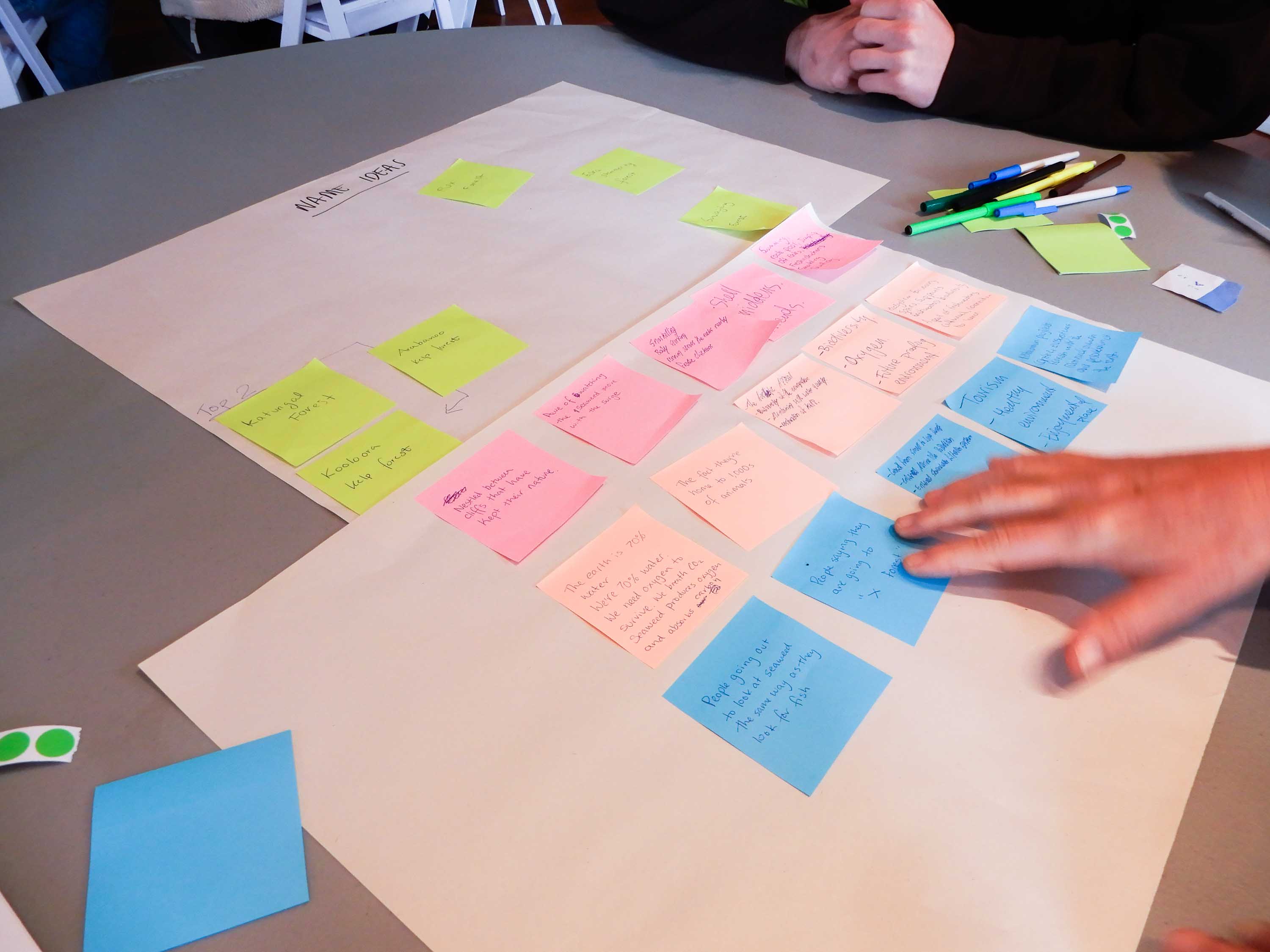
They know forest restoration is only part of their work; they need people to know they exist. That’s why Dr. Santori is facilitating this community workshop to brainstorm an official name for the seaweed forest growing offshore from Freshwater Beach on Sydney’s Northern Beaches. But it’s a two-step process for the 30 ocean lovers—residents, students, business owners and marine researchers—who are here. First, we’re invited to connect with the seaweed forest we’re naming.
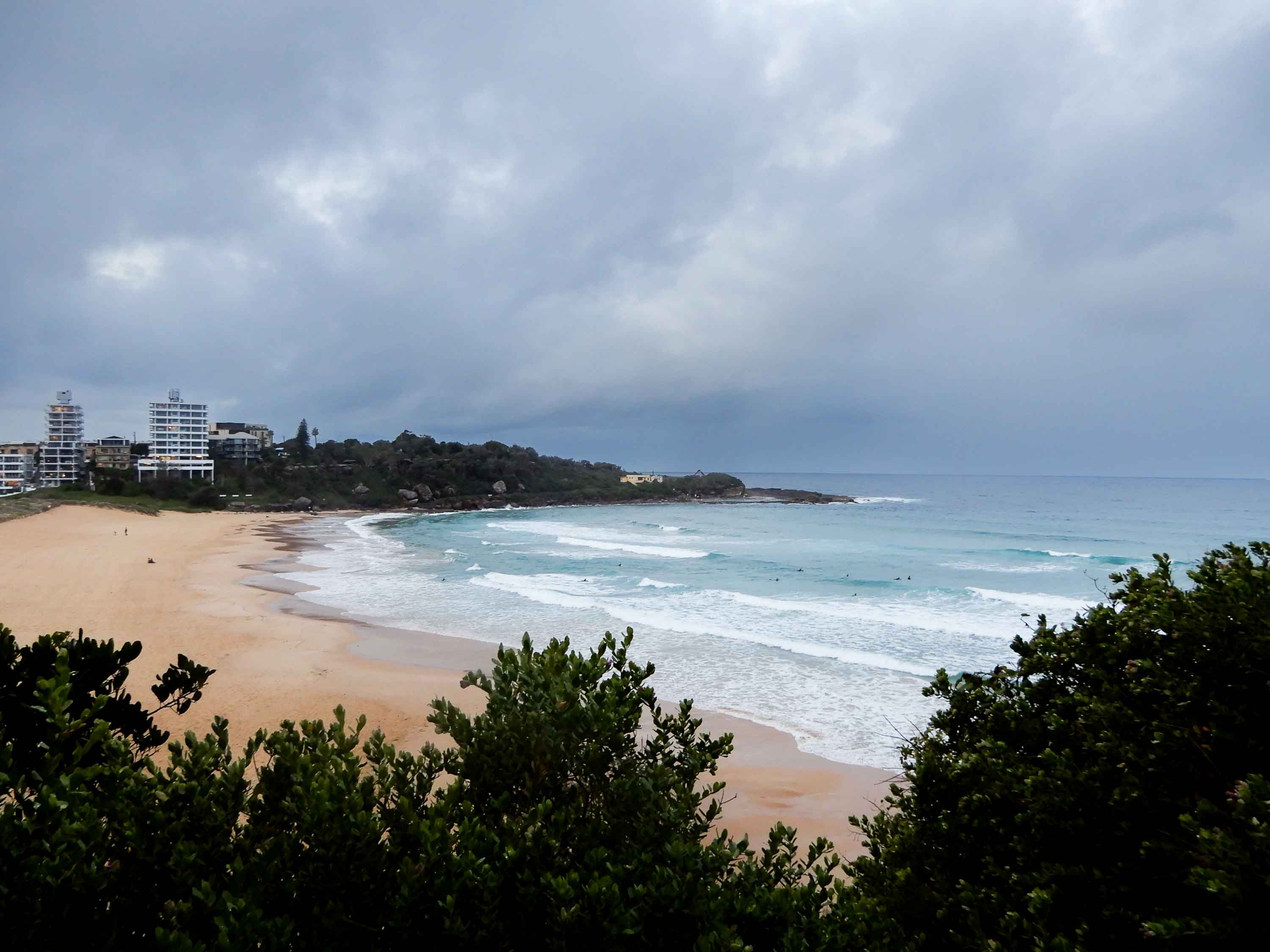
As the first rays of sunlight appear over the Pacific Ocean, we huddle around a ceremonial fire ignited by Arthur Little, a descendant of the Wiradjuri, Kamilaroi, Ngunawal and Yuin nations, and Brenden Newton, a teacher and professional bodyboarder.
So began Sea the Weed, a monthly initiative co-led by Little and Newton, created by the Indigenous mentoring organization AIME (Australian Indigenous Mentoring Experience), and run in partnership with Operation Crayweed.
“I grew up feeling like seaweed… is just seaweed. Then I started to understand its relationship to Earth.”
- Brenden Newton, co-lead, Sea the Weed, teacher & pro bodyboarder
The waves crash against the headland as Little leads us through a ceremony. We express gratitude to Grandfather Sun, cleanse ourselves with the smoke that Little guides over us, and contemplate our place among the estimated eight million species on Earth.
“People are isolated from their stories, from Sea Country,” Little tells me, explaining Sea Country as the interconnected cultural, spiritual, and physical relationship between the ocean and each species. “We wanted to bring people down to the water and share ceremony with people.”
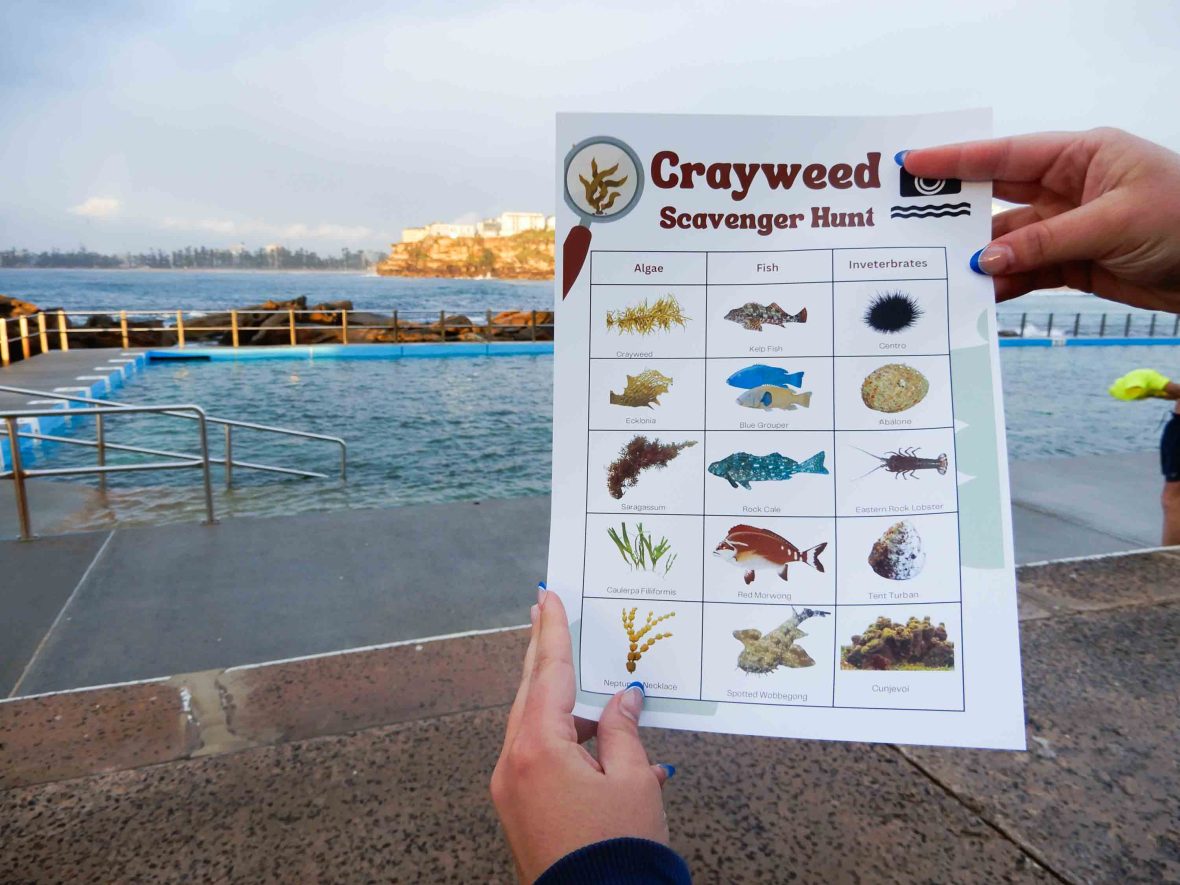
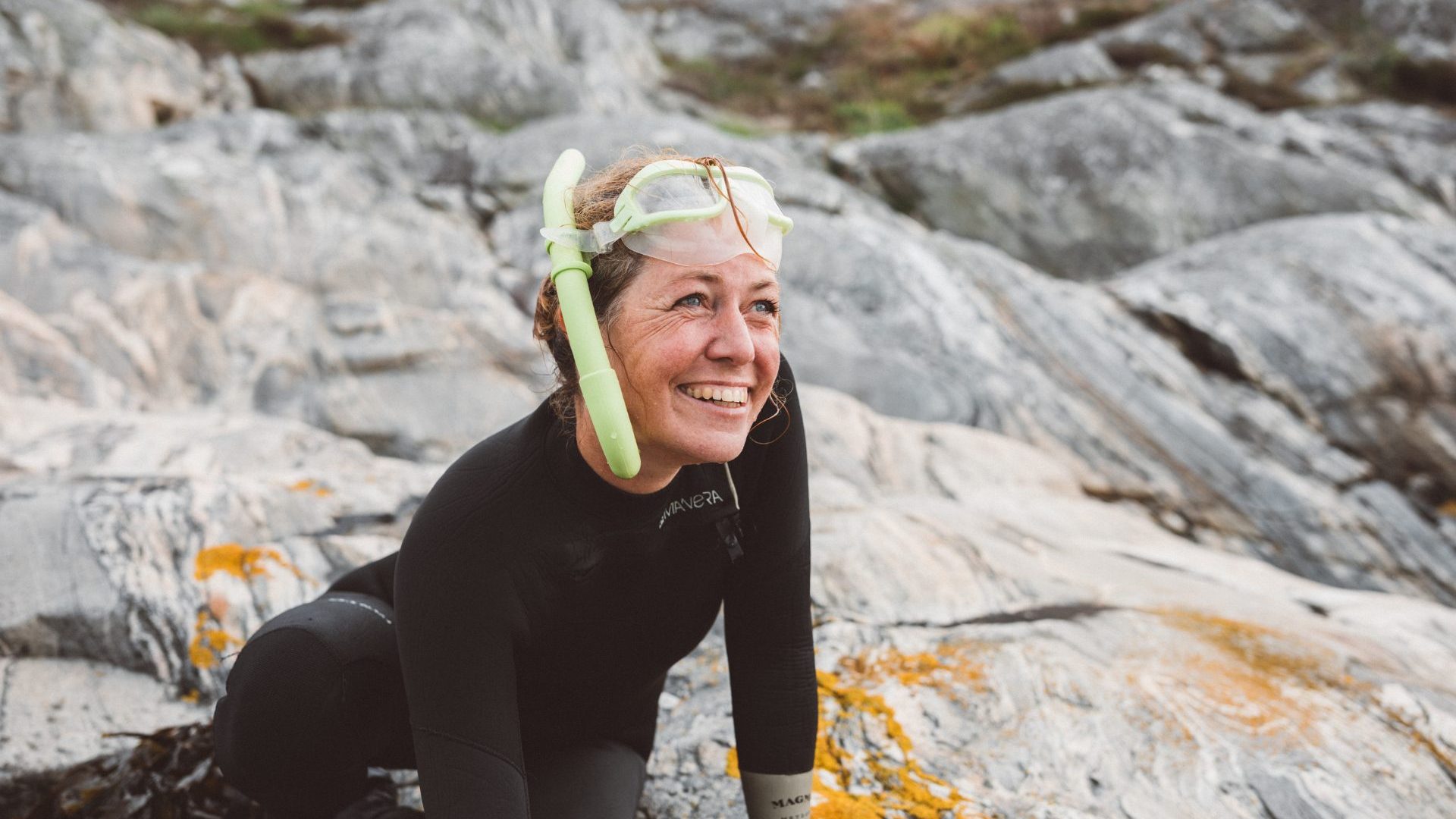
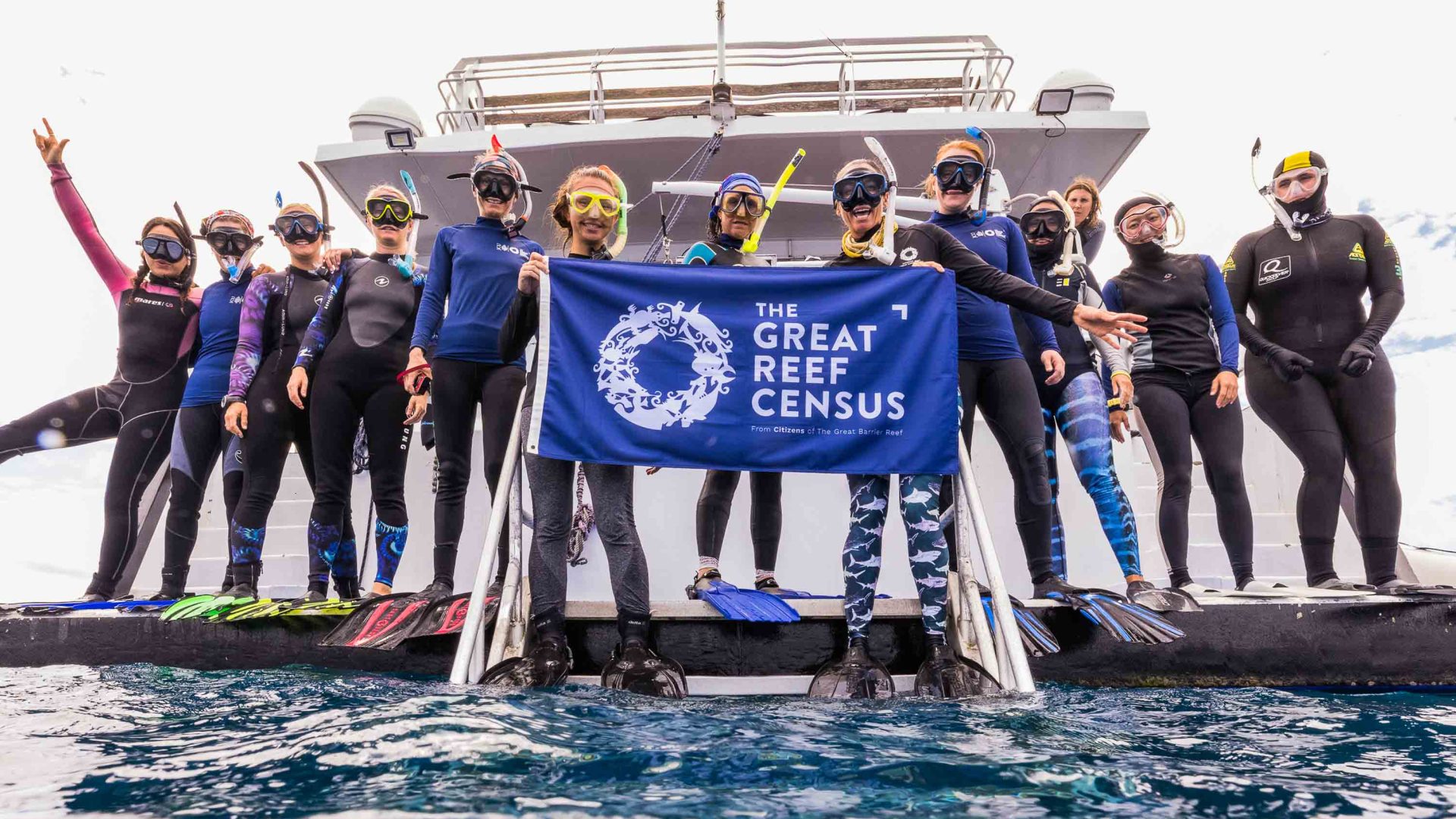
Before donning wetsuits and snorkels, Operation Crayweed presents a brief lesson on how to identify male and female crayweed and the other marine species we may encounter.
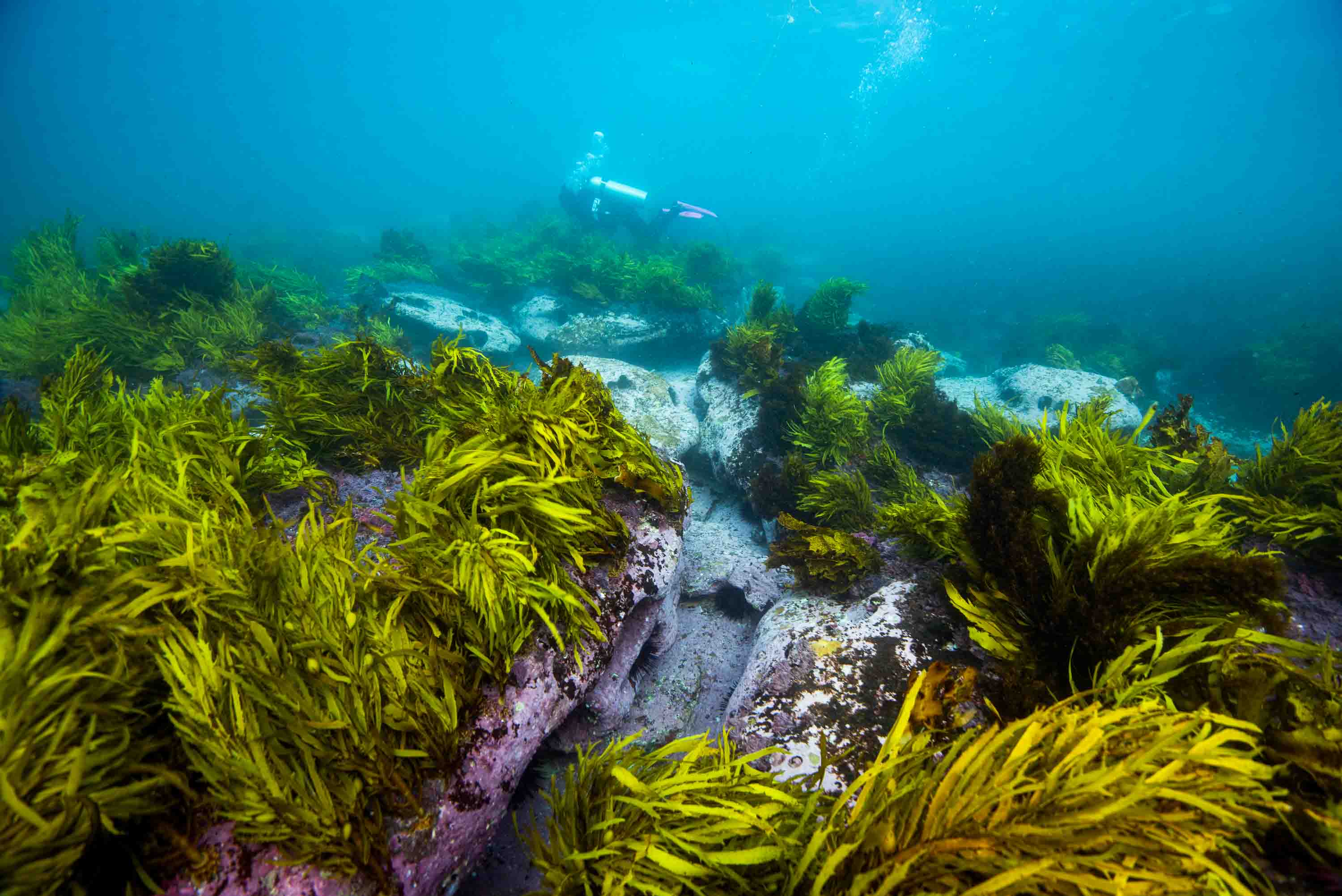
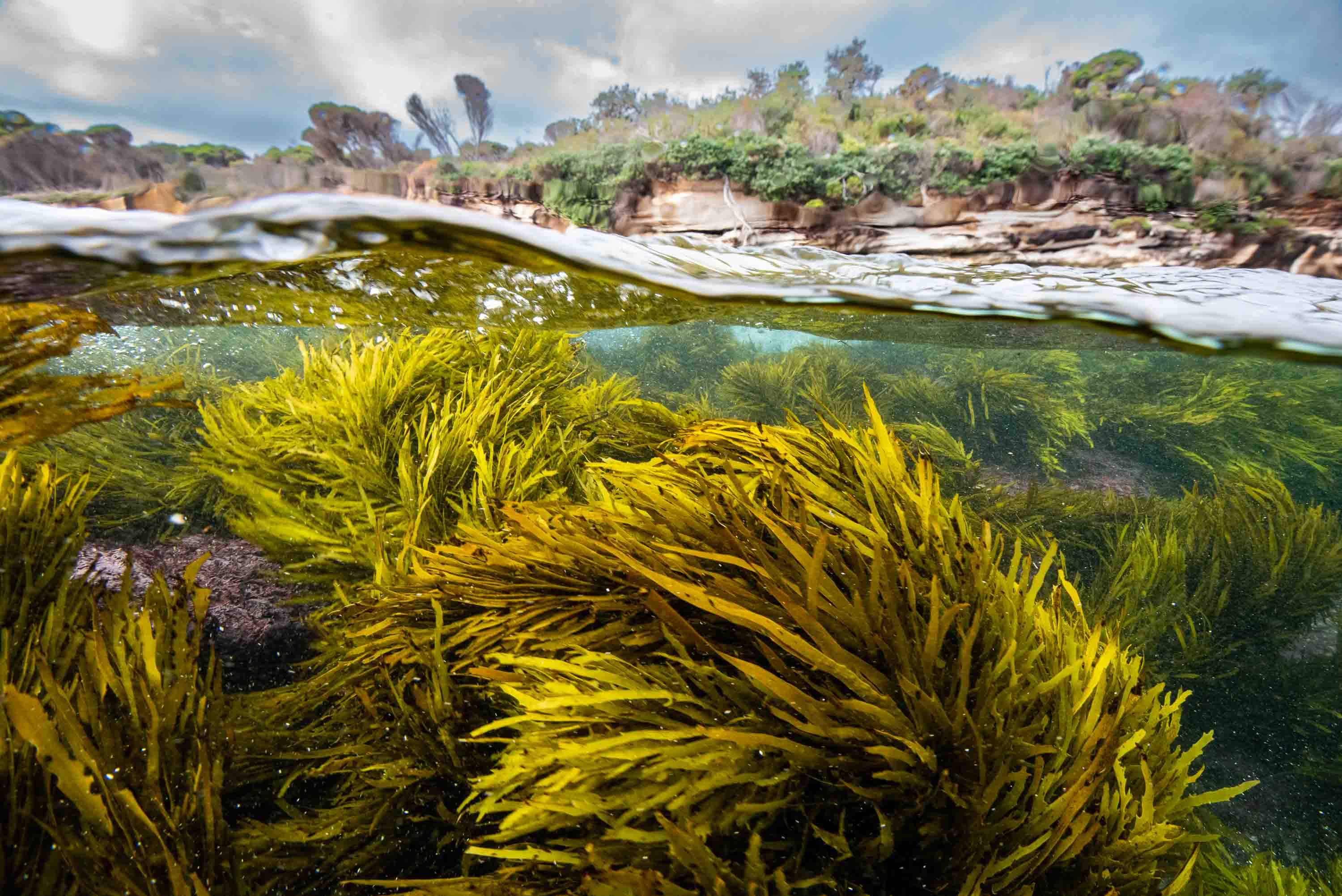
Little and Newton then lead us among the seaweed and algae: Large golden kelp with its broad wrinkly fronds, tufts of mulberry-stained sargassum, luminescent green caulerpa filiformis (seaweed species), and the golden spindly fronds of crayweed. The sea forest billows from blue-gray boulders, undulating with the tide.
Newton admits that, despite spending almost every day bodyboarding, he didn’t always see the ocean this way. “I grew up feeling like seaweed… is just seaweed,” he says. “Then I started to understand its relationship to Earth.”
Little tells me my reaction is exactly why Sea The Weed exists. “We wanted to bring people back into relation with ‘Gadu’ (the ocean), regenerating that crayweed and understanding why it’s important to Sea Country,” he says. “People don’t really understand its role, and it was starting to disappear in front of our eyes.”
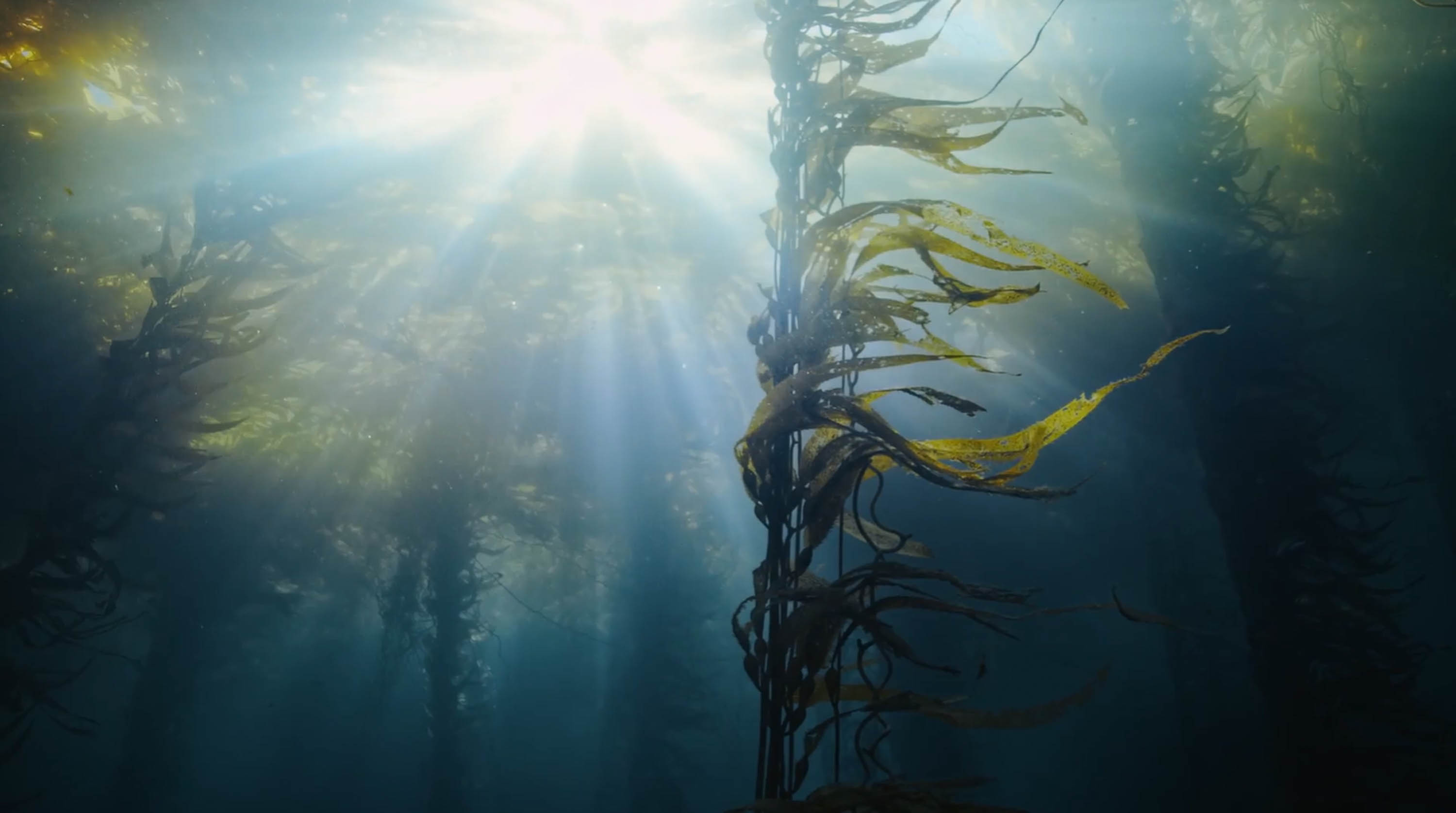
Fifty years ago, these seaweed species formed dense sea forests along the Great Southern Reef, which spans the lower half of Australia’s coast. In the 1980s, pollution from inadequate sewage treatment decimated a 43-mile (70-kilometer) stretch of crayweed forests along Sydney’s coastline, causing its local extinction.
While water treatment systems improved drastically, the crayweed did not show signs of recovery. For the past decade, Dr. Santori and her team have been restoring the crayweed forests by relocating adult male and female crayweed from outside the city into their six Sydney restoration sites. Once the adults are brought together, they are left to do what crayweed do best: Have sex. Or at least the crayweed version of it—gametes (eggs and sperm) are released and fertilized right there in the water. Dr. Santori affectionately calls the next generation ‘craybies’.
“I hope they become a household name when people think of the ocean,” Eger tells me when I ask what he hopes for the future of sea forests.
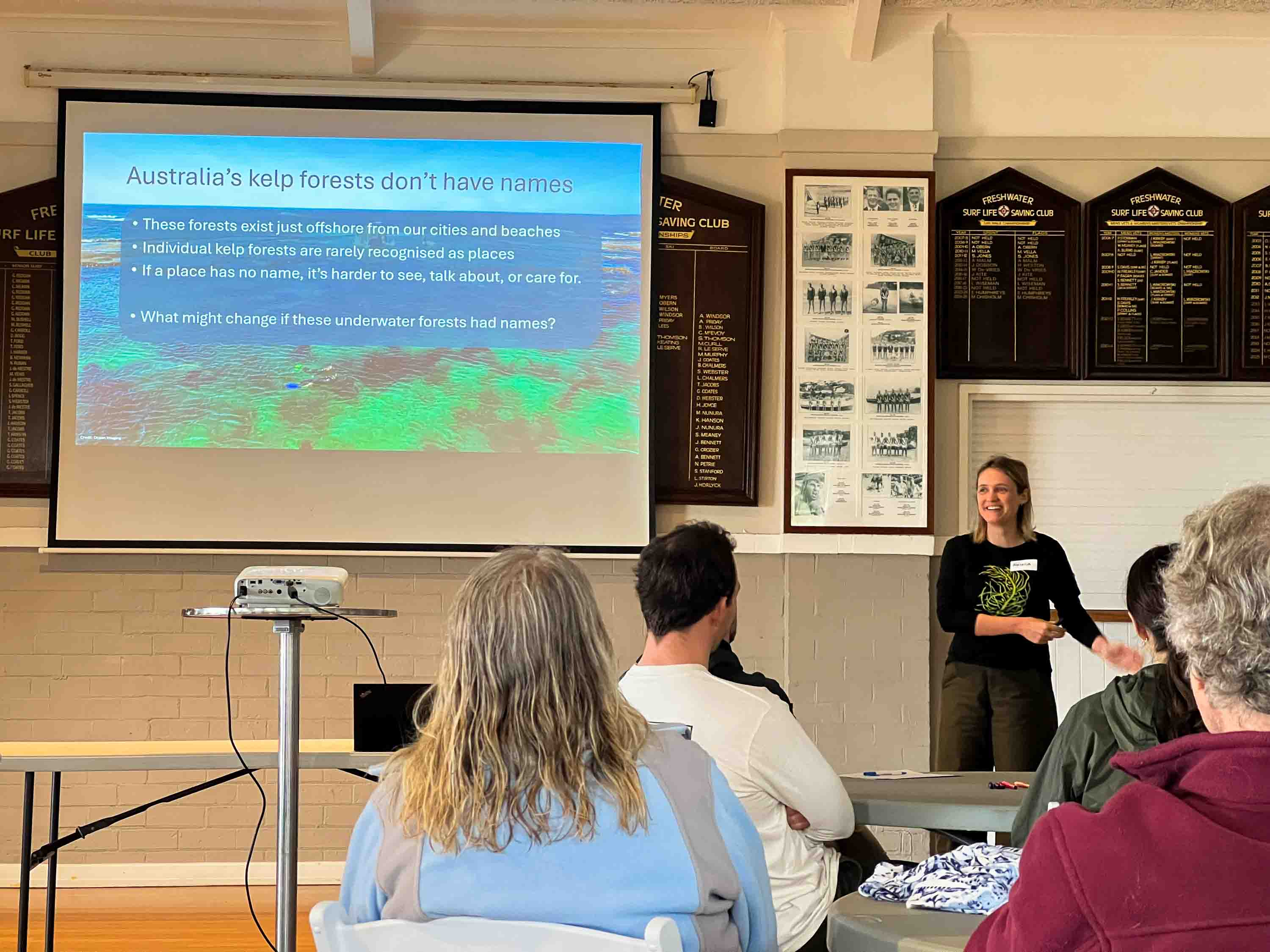
Operation Crayweed’s work is bringing these underwater forests back. The next challenge? Making sure people know about them. “Ecologically, these forests are reappearing; however, socially, they’re still largely invisible,” Dr. Santori tells us during the workshop. “If a place has no name, it’s harder to see, to talk about, and ultimately to care for.”
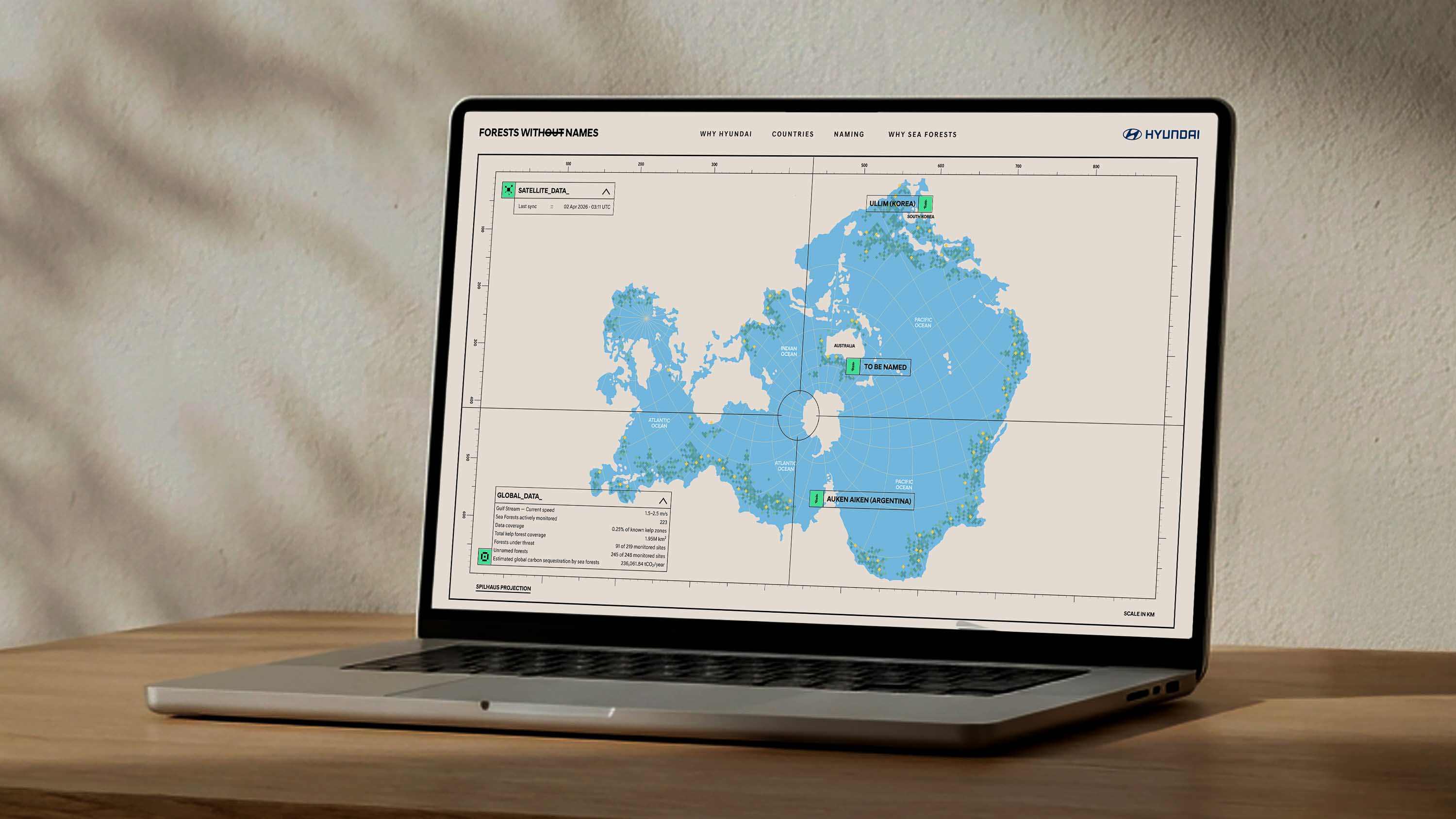
Operation Crayweed’s idea to name Sydney’s sea forests was inspired and supported by Forests Without Names, a global initiative led by Hyundai. The automaker has been investing in ocean restoration projects since 2023, most notably in South Korea and Argentina, with scientific and community relationship support from the not-for-profit Kelp Forest Alliance, with a mutual aim to name, map and raise awareness of underwater forest ecosystems. For the Alliance’s founder, Aaron Eger, the initiative was an opportunity to tackle a question he’d been thinking about for years. “I’d been wanting to find a way to connect people to their local kelp forest for a little while now,” he says. “People living outside the tropics have a kelp forest right next door and may just not be aware of it.”
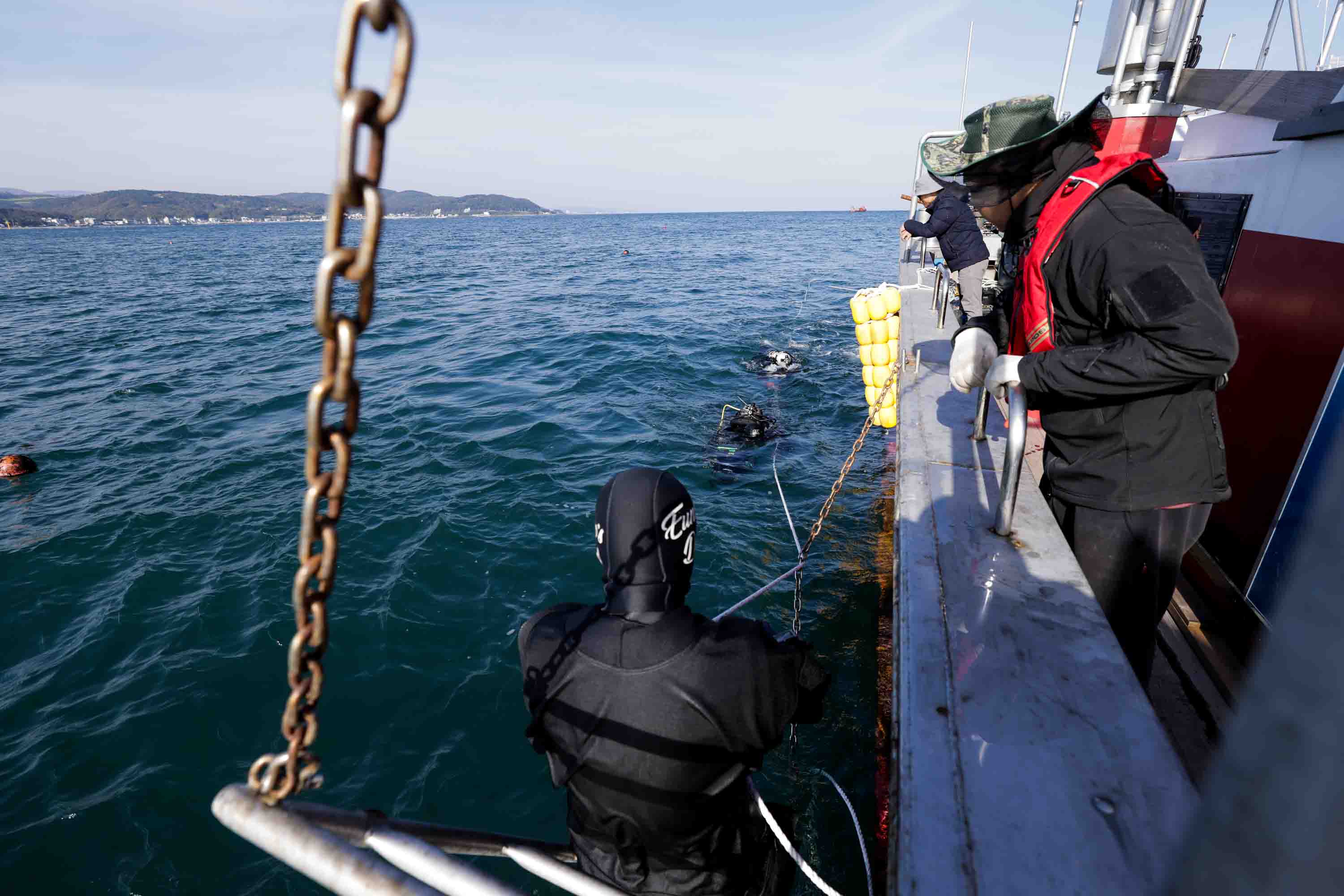
Sea forests cover a third of the Earth’s coastlines, stretching from Norway to Patagonia. “I like to call [kelp] the thread of our cold-water seas. It really holds everything together,” Eger says. Like coral reefs in the tropics, sea forests allow biodiversity such as lobsters, abalone, and blue groupers to thrive in temperate waters. They’re responsible for the oxygen in the water, and globally, they absorb as much carbon as the Amazon.
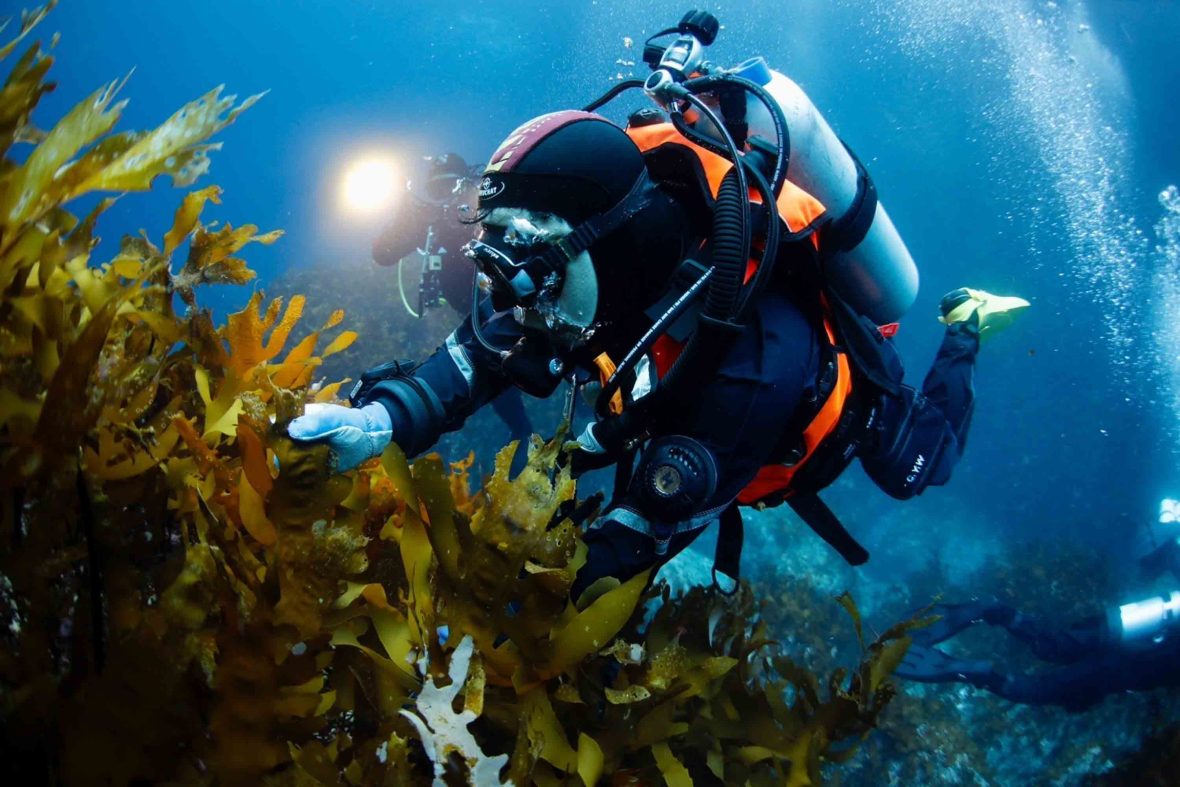
Despite their importance, sea forests have been largely ignored in environmental policy, leading to a 38 percent loss over the past 50 years. Marine deforestation caused by rising sea temperatures, overgrazing, overfishing, and water pollution has similar consequences to deforestation on land: Loss of habitat and biodiversity, coastal erosion, and detrimental impacts on the coastal economies.
After our snorkel, our group gathers at Freshwater Beach’s Surf Life Saving Club where Dr. Santori hands the facilitation over to marine social scientist at UNSW Amanda Schadeberg, who guides us through the naming process.
So far, four sea forests have been named through engagement with NGOs and local communities. After Hyundai worked with the Ministry of Oceans and Fisheries to name Ullim and Tonggumi Natural Sea Forests in South Korea, Argentina’s Fundación Por el Mar (For the Sea Foundation) led the process for Auken Aiken Sea Forest, which means ‘Field of Life’ in the Indigenous Tehuelche language. Operation Crayweed joined the movement in April, helping the community name Yanggaa Kelp Forest after the Dharawal word for crayfish. Today’s community naming workshop, funded by the carmaker, is the first step toward naming a fifth sea forest.
Through a series of exercises, we discuss our own connections to Freshwater Beach and the sea forest. At my table, two high-school students recall boogie-boarding and jumping off the rocks into the ocean, and a local dive photographer speaks of the seahorses, cuttlefish and wobbegong sharks she’s encountered in the seaweed. We reflect on these memories and brainstorm potential names. Pulling together favorites from each table, we generate a shortlist of 12 names which we put to a vote.
The names vary. There’s Hook Reef, highlighting how the reef curves around the headland; names like Golden Sea Forest and Delightful Forest; and an eponymous name, Old Duke’s, honoring Duke Kahanamoku, the first person to surf in Australia, here at Freshwater Beach. Many of the proposed ideas are to translate names like ‘fresh water,’ ‘sunrise’ and ‘water and earth’ into the local Aboriginal language. Dr. Santori provides the list to the local Aboriginal Land Council who translate those names into Gomberee, giving us ‘Kadjung,’ ‘Coing Bibola’ and ‘Baado Bamal’ respectively.
A couple of weeks later, Operation Crayweed invites the public to vote for the sea forest’s official name. Over 200 people vote, and ‘Kadjung Kelp Forest’ is announced as the winning name. Over the coming weeks, Dr. Santori will submit the name to the Geographical Names Board of NSW for review—once it’s approved, Kadjung Kelp Forest will be uploaded to global mapping platforms such as Google Maps, allowing anyone to find another newly named sea forest that, for too long, has gone unnamed.
“I hope they become a household name when people think of the ocean,” Eger tells me when I ask what he hopes for the future of sea forests. “That they think of them in the same way that they currently think about the Amazon.”
****
Adventure.com strives to be a low-emissions travel publication. We are powered by, but editorially independent of, Intrepid Travel, the world’s largest travel B Corp, who help ensure Adventure.com maintains high standards of sustainability in our work and activities. You can visit our sustainability page or read our Contributor Impact Guidelines for more information.
Ren O’Flaherty is an Australian freelance travel journalist with a degree in Human Geography. Her story ideas are sparked by yarns with locals, a love of birds and a desire to connect to her Wonnarua (Aboriginal) and Irish heritages. With bylines in BBC Travel and The Asuncion Times, she digs into what travel can teach us about conservation, Indigenous knowledges, and the relationships between people and the earth.