But it wasn’t until the early and mid-2000s, after China joined the open market, and fish prices dropped dramatically, that momentum started to build. “As Chinese communities started their foray into hospitality, came an opportunity in the market: The rise of fascination with, and taste for, Japanese culture and food,” he says.
In this climate ideal for growth, the AYCE formula meant restaurants could keep costs low by buying cheap fish wholesale, and focus their expenditure on other costs, such as overheads and staffing. As Rizzuto puts it, the demand for cooking skills specific to Asian cuisines led to “Chinese chefs becoming kind of superstars.” Soon, the restaurants started serving more than just sushi, and came to embody a pan-Asian or fusion approach.
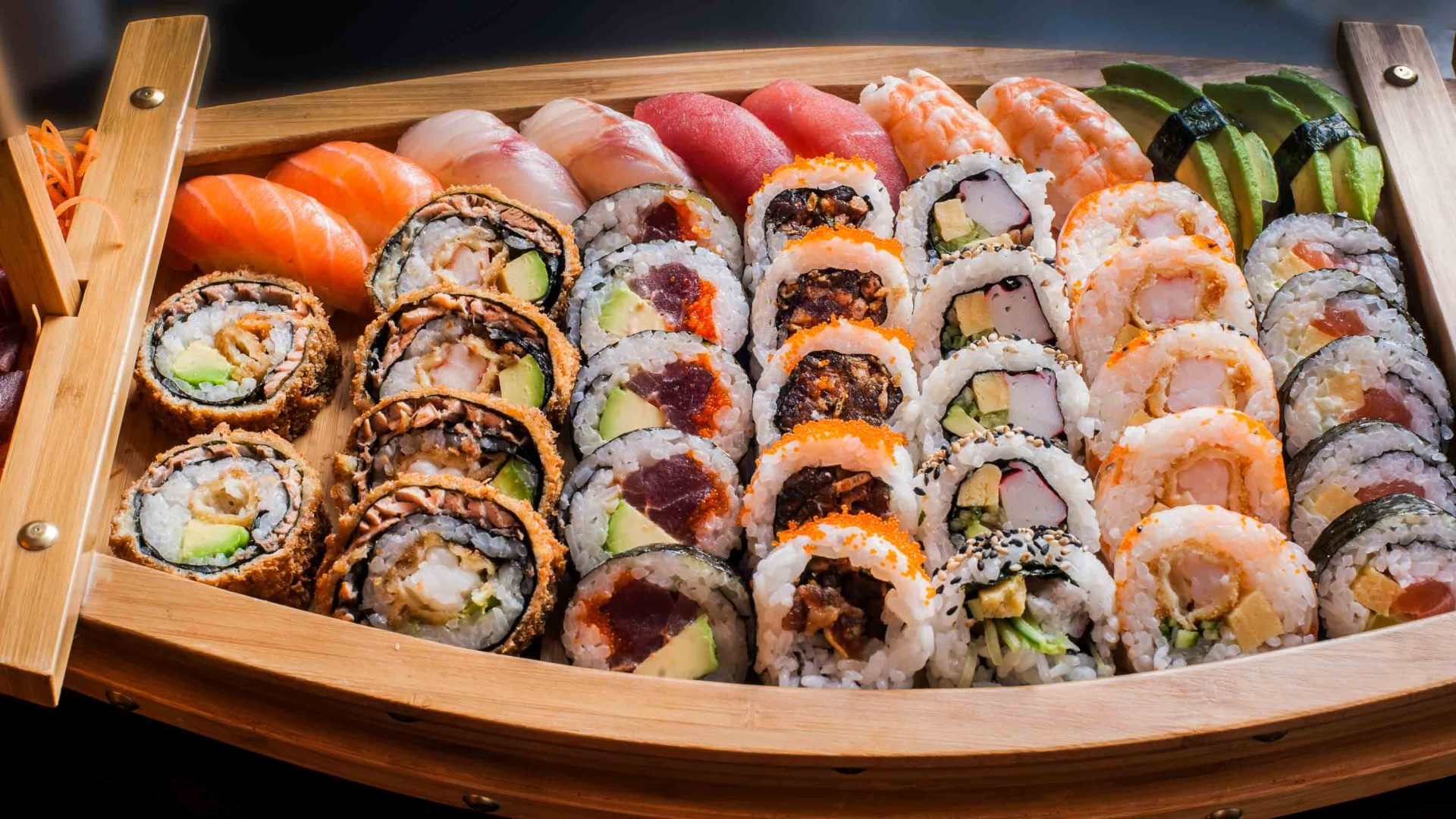
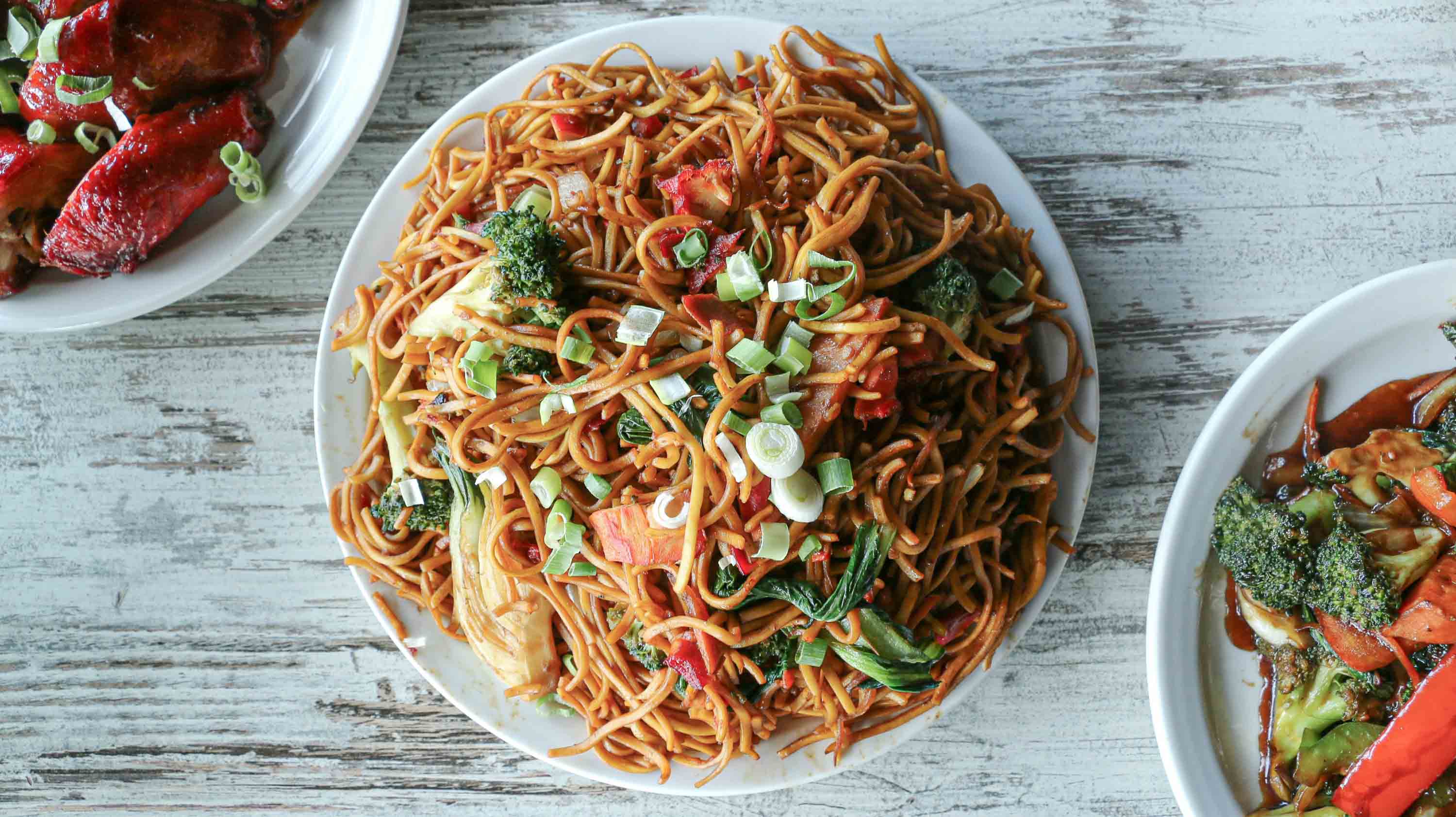
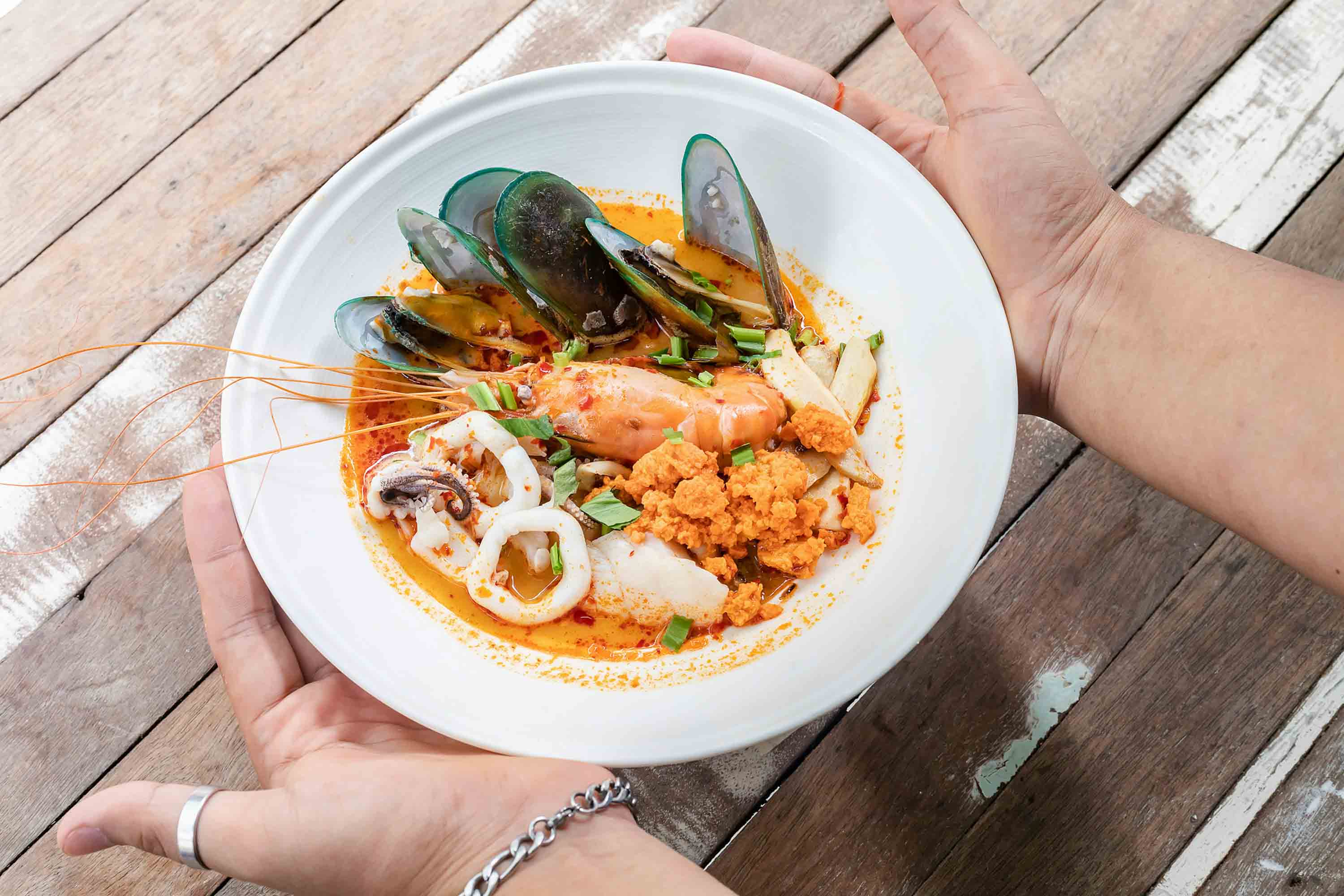
Sitting at my favorite all-you-can-eat restaurant, I can still see that: Salmon hosomaki [thin sushi rolls] are sitting side-by-side with chow mein, and even tom yum soup. Whereas some, like me, will religiously focus on the sushi, some diners are there just to enjoy the ride and try a bit of everything.