Hawaiʻi’s new tourist Green Fee made history as the first statewide levy in the US explicitly dedicated to environmental protection. But does it do enough to address the state’s tourism woes?


Hawaiʻi’s new tourist Green Fee made history as the first statewide levy in the US explicitly dedicated to environmental protection. But does it do enough to address the state’s tourism woes?
Earlier this year, Hawaiʻi made history as the first US state to levy a fee on tourism to generate money for climate resiliency. The landmark ‘Green Fee’ went into effect on Jan 1, 2026 and charges visitors an additional 0.75 percent tax on each night’s accommodation, although not on cruise ships, as things stand.
While guests may not notice the fee tacked onto their hotel bill, many initiatives are expected to reap the benefit; the Green Fee is slated to generate over USD$130 million for environmental causes across the state. Funds have yet to be officially allocated, but environmental leaders are thrilled by the prospect of increased funding. “Local projects need the money, and tourism should fund it,” says Tim Leichliter of Kaua’i Coral Restoration Nursery, a community-driven initiative that restores local coral reef ecosystems using scientific coral cultivation techniques.
At its inception, the Green Fee was only meant to fund projects across three pillars: Environmental stewardship, climate and disaster resiliency, and sustainable tourism. “The Green Fee will provide the necessary financing to ensure our [natural] resources are available for our future,” said Governor Josh Green upon signing the bill into law in May 2025. When the Green Fee Advisory Council held an open-call for project suggestions, they were overwhelmed by the response, receiving over 600 applications amounting to over USD$2 billion.
Ironing out where exactly funds will go has been a long journey. As a sustainability researcher and environmental reporter from the island of Kaua’i, I’ve covered the Green Fee from its inception as a policy to its rollout earlier this year. As Hawai’i faces overcrowding and unprecedented pressure on housing and natural resources, I want to know: Can it make a positive difference to my home state?
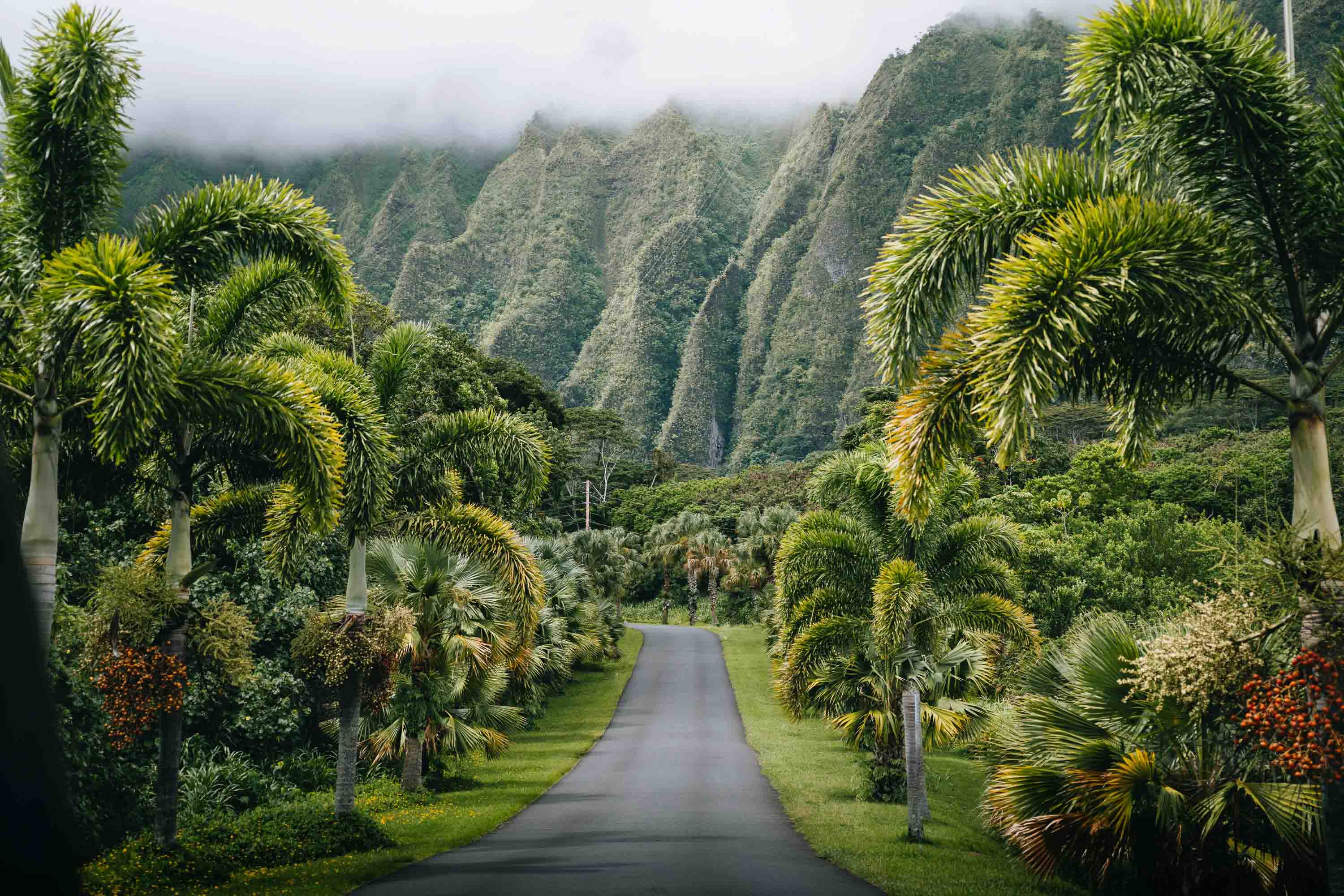
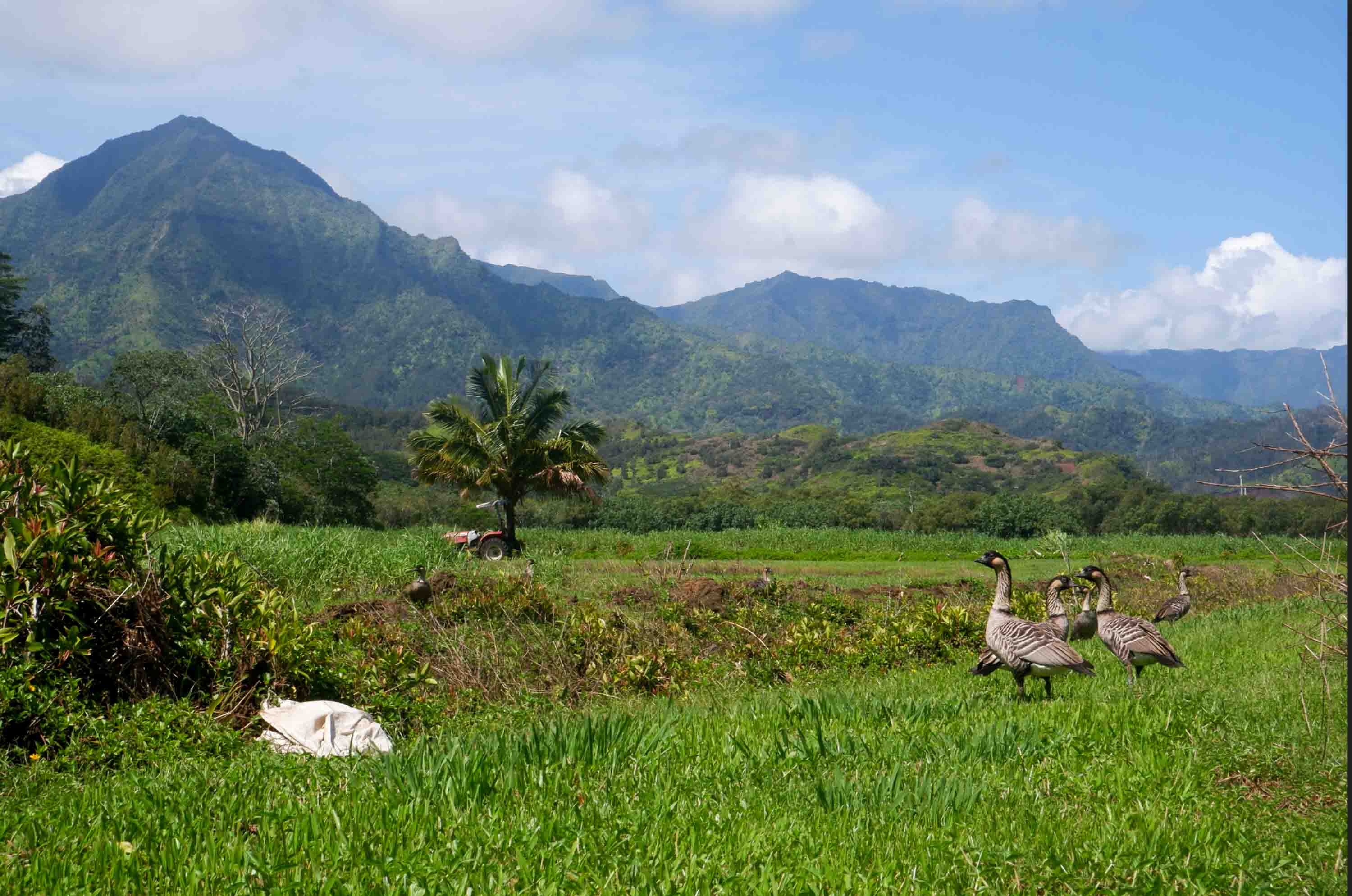
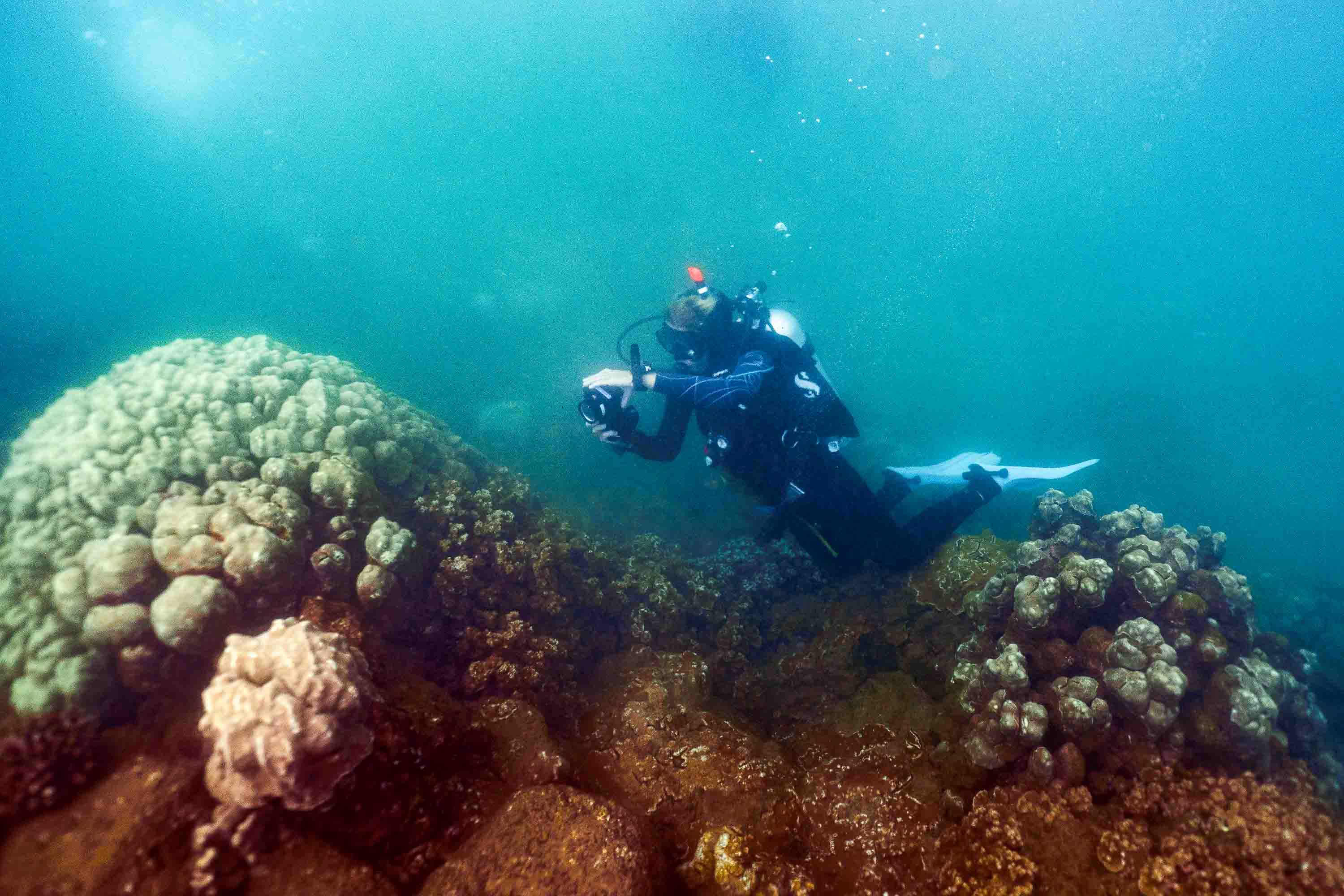
After much debate, on May 1, 2026, the Hawaiʻi State Legislature approved the state’s supplementary budget bill HB1800 which, among other items, allocated Green Fee funding to environmental initiatives. Highlights include an earmarked USD$6.6 million for land and watershed restoration, and USD$5.7 million set aside for wildfire prevention across the state—in fire-ravaged Maui, this is especially crucial to build a more climate-resilient Hawaiʻi.
While about 60 percent of Green Fee projects came from community-sourced project recommendations and another 15 percent toward new environmentally-related additions, some funding went to more questionable projects, including provisions for a new cattle slaughterhouse and disability compliance infrastructure for a local Oʻahu public high school—worthy but not environment-related. “One of our greatest fears was this Green Fee was going to pass… then folks were going to use this for their parochial sort of projects in various districts,” Green Fee Advisory Committee chair Jeff Mikulina told reporters at Honolulu Civil Beat. “Unfortunately, some of it does feel like that.”
However, environmental leaders like Mikulina and Leichliter also feel any additional funding for the environment is positive. Notably, the Green Fee comes after Hawai’i non-profits lost an estimated USD$100 million in federal funding following the Trump administration’s rampant ‘Department of Government Efficiency (DOGE)’ cuts of 2025.
When I returned home after studying on the continental US, I cleaned vacation rentals—it was the highest paying job I could get on the island, even with a bachelor’s degree from a top-ranked university. In fact, the cost of living and lack of job opportunities in Hawaiʻi are partly why I, and many others, have left. Most recently, I relocated to New York City to pursue career opportunities.
When it comes to Hawaiʻi’s tourism struggles, the Green Fee takes one specific approach: It uses tourism dollars to directly fund climate resilience and conservation work. While this is a positive, historic step towards mitigating some of the harm caused by tourism in Hawaiʻi, the bill alone does not address many underlying challenges faced by the local community, including overcrowding and pressure on housing.
To many, it feels like the days of making a living in the tourism industry are long gone—combined with overcrowding, high prices, and strained resources, Hawaiʻi’s tourism model is no longer working for its local population. But there are solutions. “Managed access programs, such as Hui Makaʻainana o Makana on Kaua’i’s North Shore limit the number of visitors to a certain area while generating income that goes directly to the local community,” says Tyler Gomesm, from the Hawaiian Council’s tourism division.
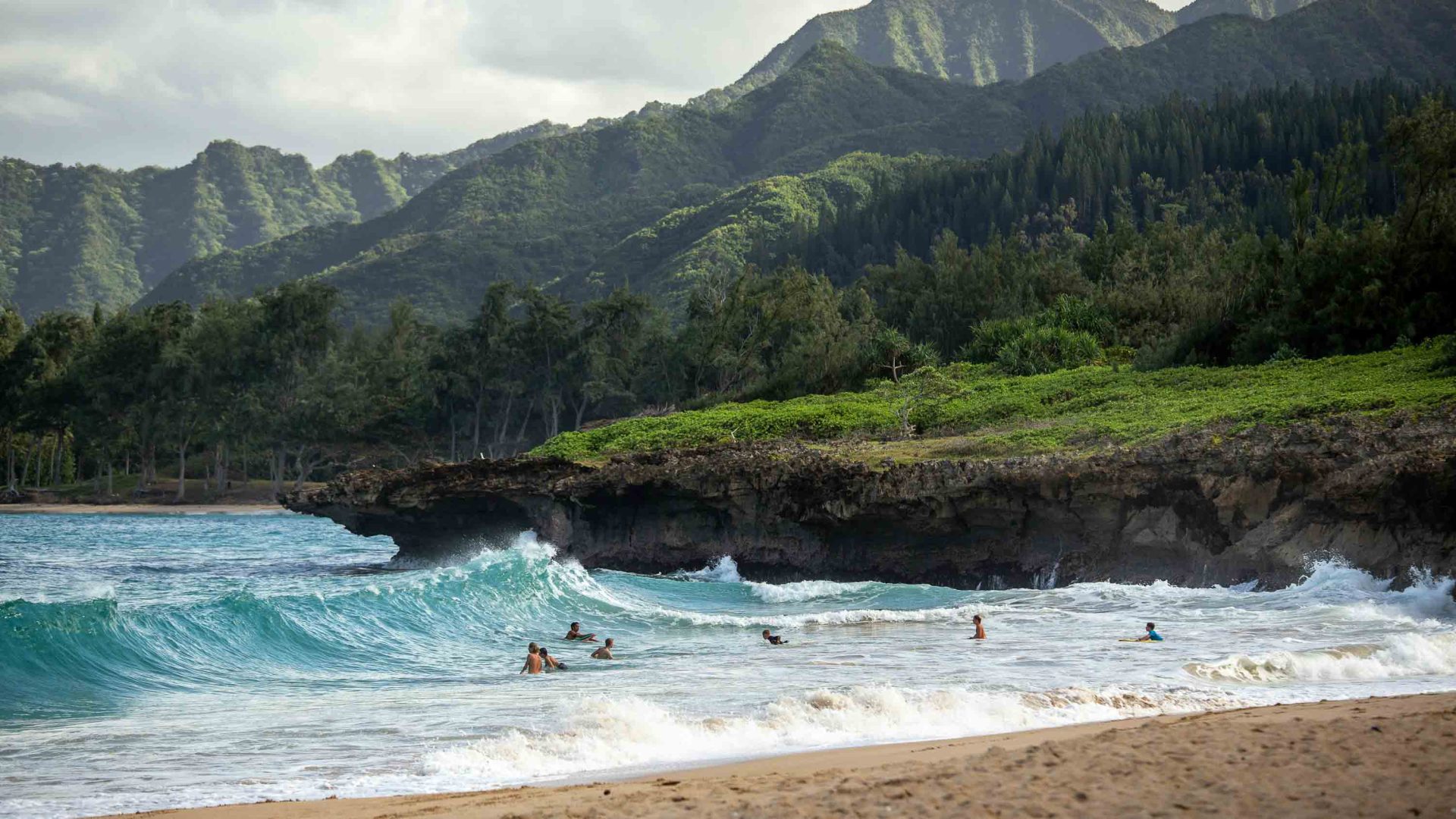
As an example, Hawaiian-led nonprofit Hui Makaʻainana o Makana established a reservation system that charges out-of-state visitors an entrance fee to the popular Ha’ena Beach Park. This funds the salaries of bus drivers and park attendants, and local environmental and education initiatives; it’s been widely considered a success.
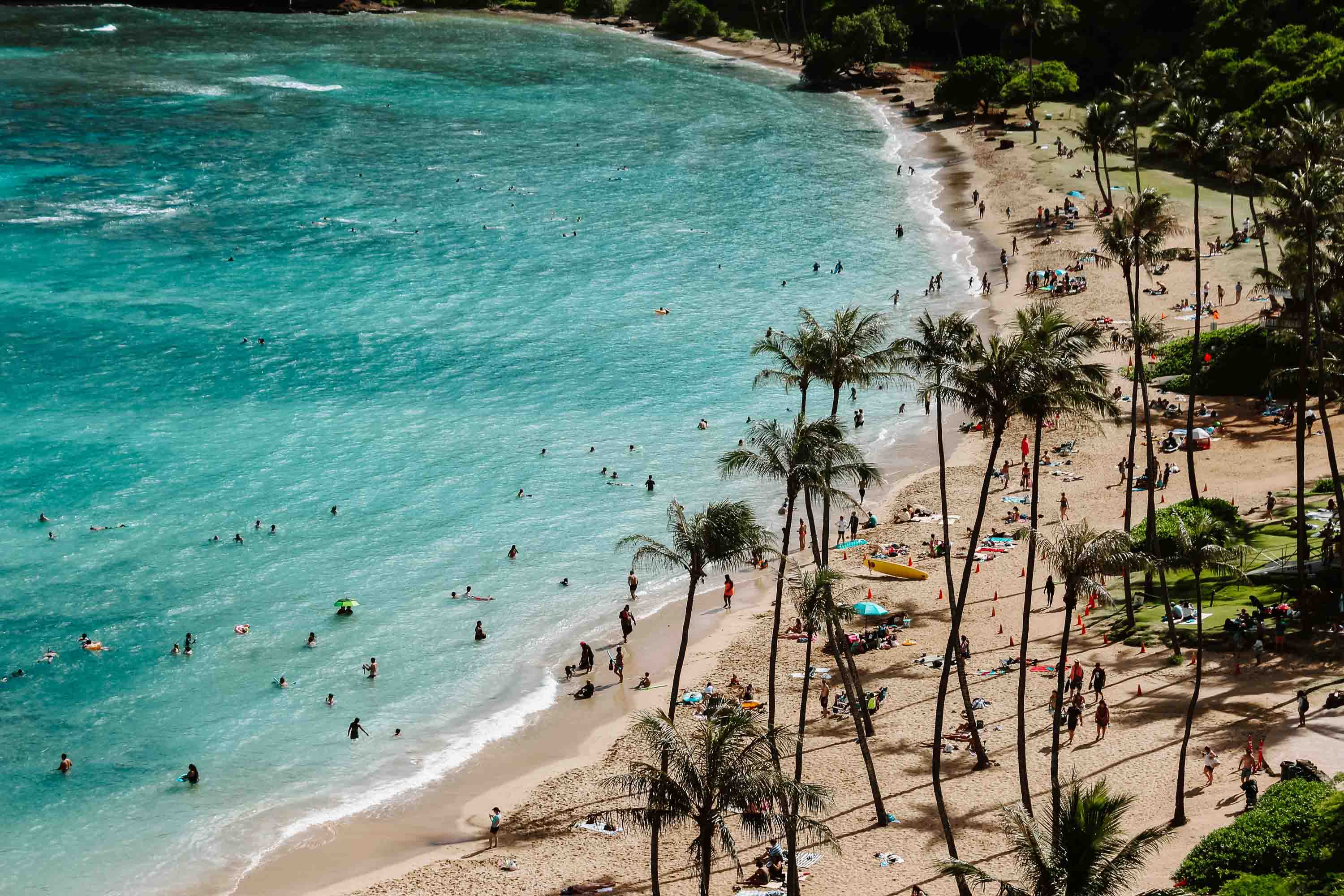
The effects of overtourism runs deep throughout Hawaiʻi and the community is feeling the pressure. I grew up on the island of Kauaʻi and see many folks working multiple jobs to keep up with rising costs. I’ve worked in the tourism industry since high school, from adventure guiding to waitressing at resort restaurants.
When I returned home after studying on the continental US, I cleaned vacation rentals—it was the highest paying job I could get on the island, even with a bachelor’s degree from a top-ranked university. In fact, the cost of living and lack of job opportunities in Hawaiʻi are partly why I, and many others, have left. Most recently, I relocated to New York City to pursue career opportunities.
Rebecca Soon, president of regenerative tourism consulting firm Solutions Pacific, works with many local communities across O’ahu facing challenges related to the state’s tourism economy. “We hear all the time local folks who grew up in an area saying, ‘I don’t even feel like I can go to the beach anymore’ or ‘I don’t even feel like I can go fishing at that spot anymore because there’s too much traffic, it’s been too degraded’, things like that.”
The current median single-family home price in Hawai’i hovers around USD$900,000. Groceries tend to be 30-50 percent higher than in continental US—a gallon of milk costs around USD$8 in April 2026. According to the last census, there are more Native Hawaiians living outside of Hawaiʻi than in-state, with many citing the exorbitant housing prices as reason for leaving.
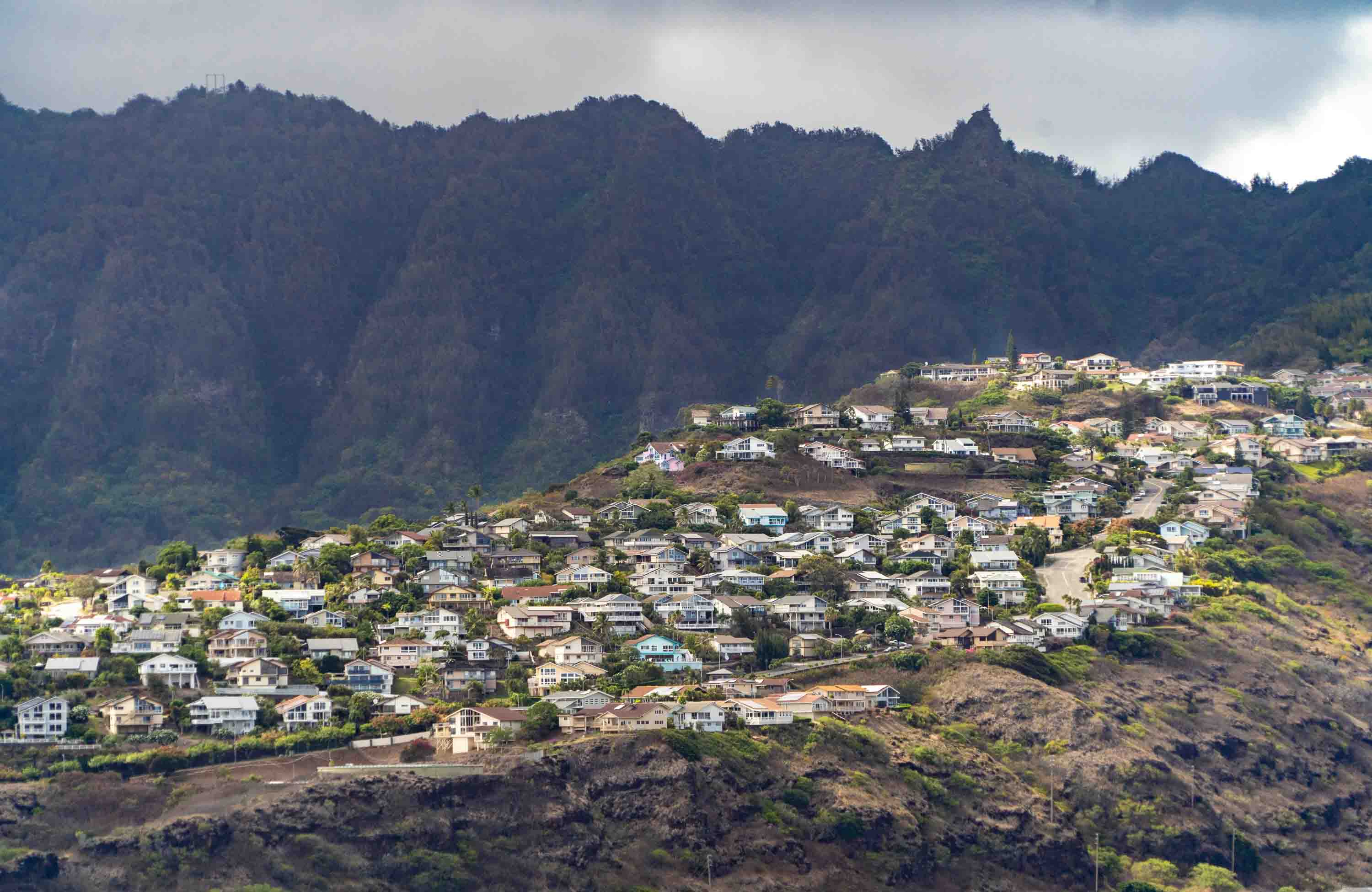
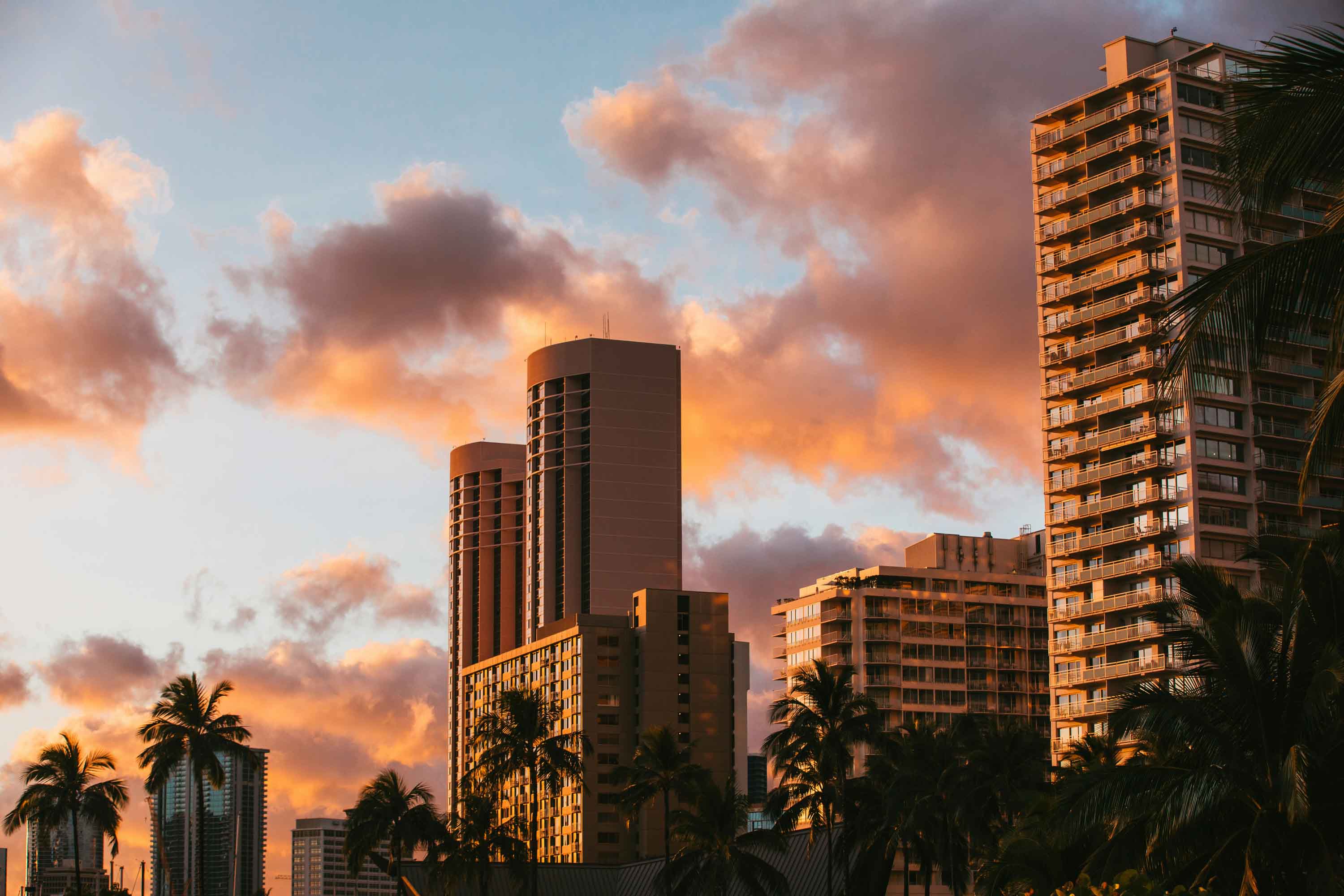
While tourism isn’t the sole cause of Hawaiʻi’s housing crisis—lengthy permitting processes and costly imported building materials also contribute—it does add stress to an already-crowded market. According to Soon, tourism in Hawaiʻi shapes the housing market in two distinct ways: Firstly, single-family homes are converted to short-term vacation rentals; and secondly, wealthier visitors who fall in love with Hawaiʻi decide to buy their vacation home here.
Many of the rentals I used to clean were converted single family homes, some charging between USD$700 to USD$10,000 per night. On an island chain where land is particularly scarce, the impact is loud and clear: Each housing unit used for tourism means one fewer unit available for local families.
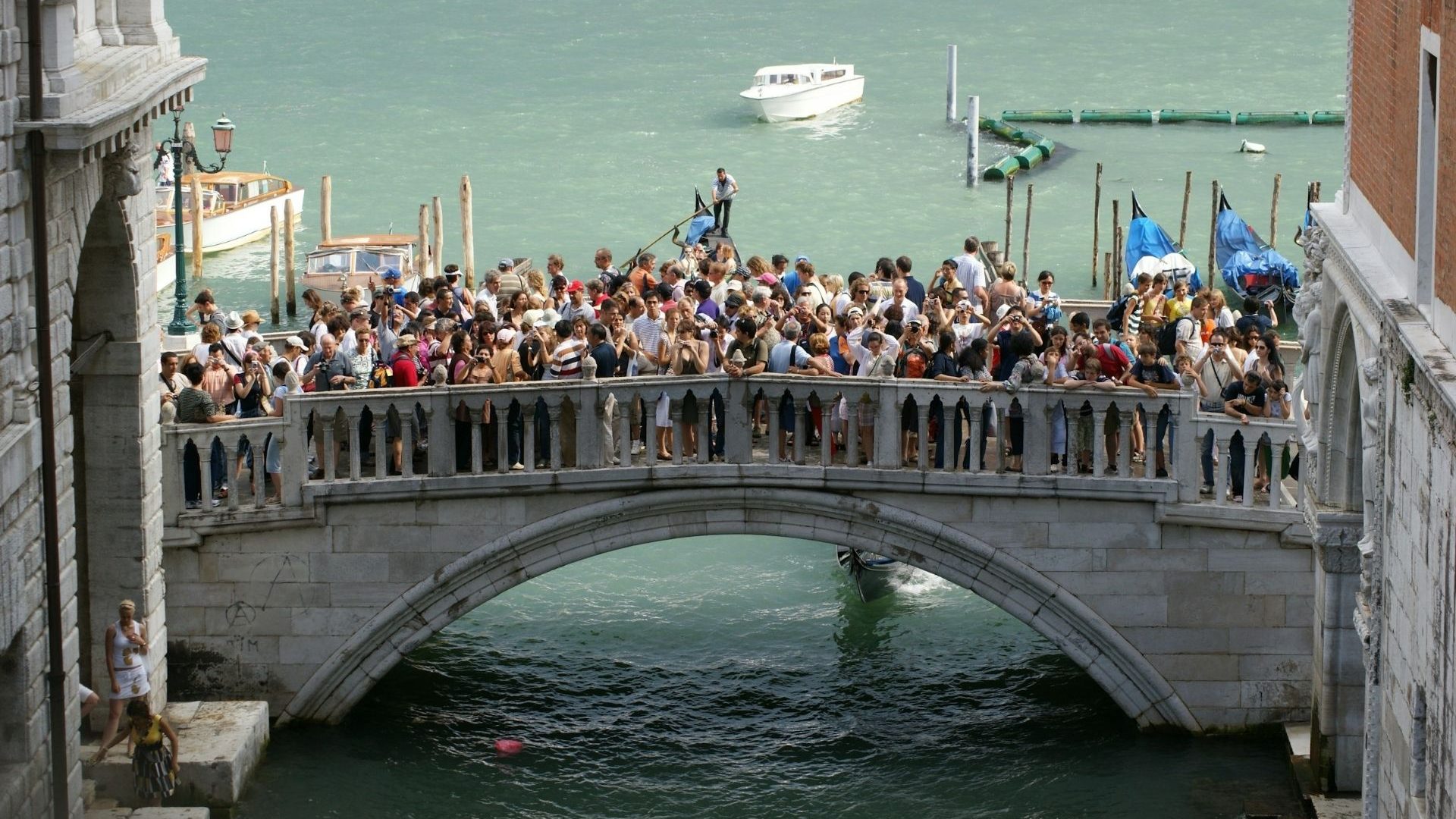
Hawaiʻi has prided itself on its renowned ‘Aloha Spirit’ and its culture of welcoming guests from around the world. However, the current overtourism situation has made it difficult for many communities to do so.
According to a report by the Hawai’i Tourism Authority, there were 836,500 short-term units across the state as of June 2025. While there’ve been a few notable legal pushes to curb the spread of vacation rentals into residential areas, such as Honolulu’s 2022 ban on short-term rentals outside of resort areas, recent data shows that the number of vacation rentals has risen over recent years.
Illegal vacation rentals are a huge problem. “In some communities on Oʻahu, we’re seeing upwards of 25 percent of the units are illegal vacation rentals,” says Soon. “Imagine what that does to your neighborhood, to your community, to the spaces that you grew up in.”

Hawaiʻi has prided itself on its renowned ‘Aloha Spirit’ and its culture of welcoming guests from around the world. However, the current overtourism situation has made it difficult for many communities to do so. One Native Hawaiian community member expressed to Brandon Fairchild, Regenerative Tourism Program Manager of Solutions Pacific, that the stress of overtourism had made it impossible for her to live out the value of hoʻokipa, or hospitality—being hospitable in the current environment means putting her community at risk to overcrowding.
While the Green Fee only addresses a portion of Hawaiʻi’s tourism woes, environmental leaders broadly agree that it’s a positive move. However, it must sit alongside tried-and-tested measures to limit tourism numbers and generate a viable economic future. And state leaders need to enforce existing limits on short-term vacation rentals, and create housing policy that prioritizes affordability for the people of Hawai’i.
****
Adventure.com strives to be a low-emissions travel publication. We are powered by, but editorially independent of, Intrepid Travel, the world’s largest travel B Corp, who help ensure Adventure.com maintains high standards of sustainability in our work and activities. You can visit our sustainability page or read our Contributor Impact Guidelines for more information.

Emma Schneck is a storyteller, writer and photographer whose work has appeared in Business Insider, Hawai'i Now News, and the Oxford Climate Review among others. She holds a Masters degree in Environmental Governance from the University of Oxford and runs a newsletter on sustainable tourism. When she isn’t writing or taking photos, she’s usually out exploring, hiking, surfing, or in the ocean.