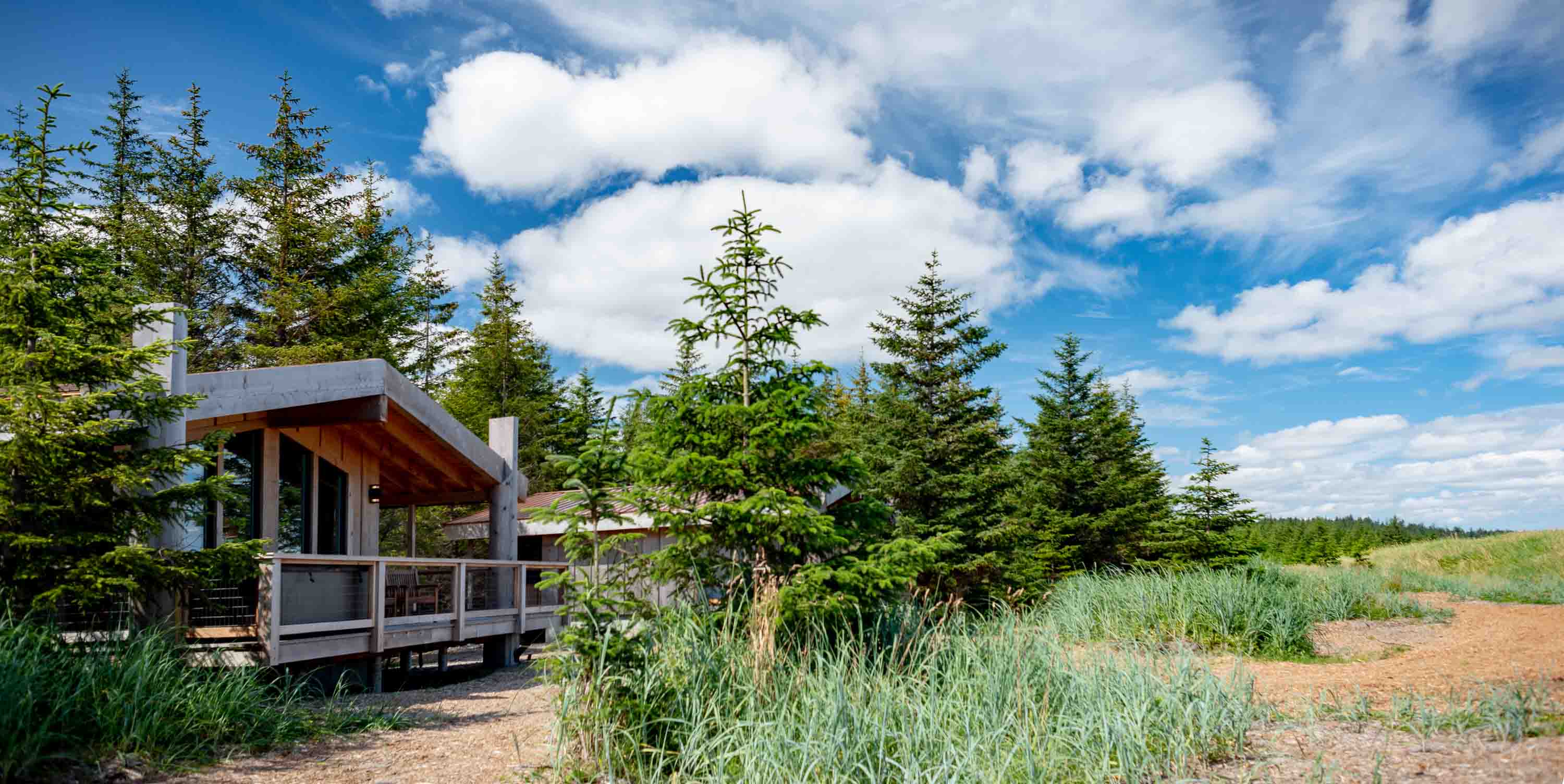
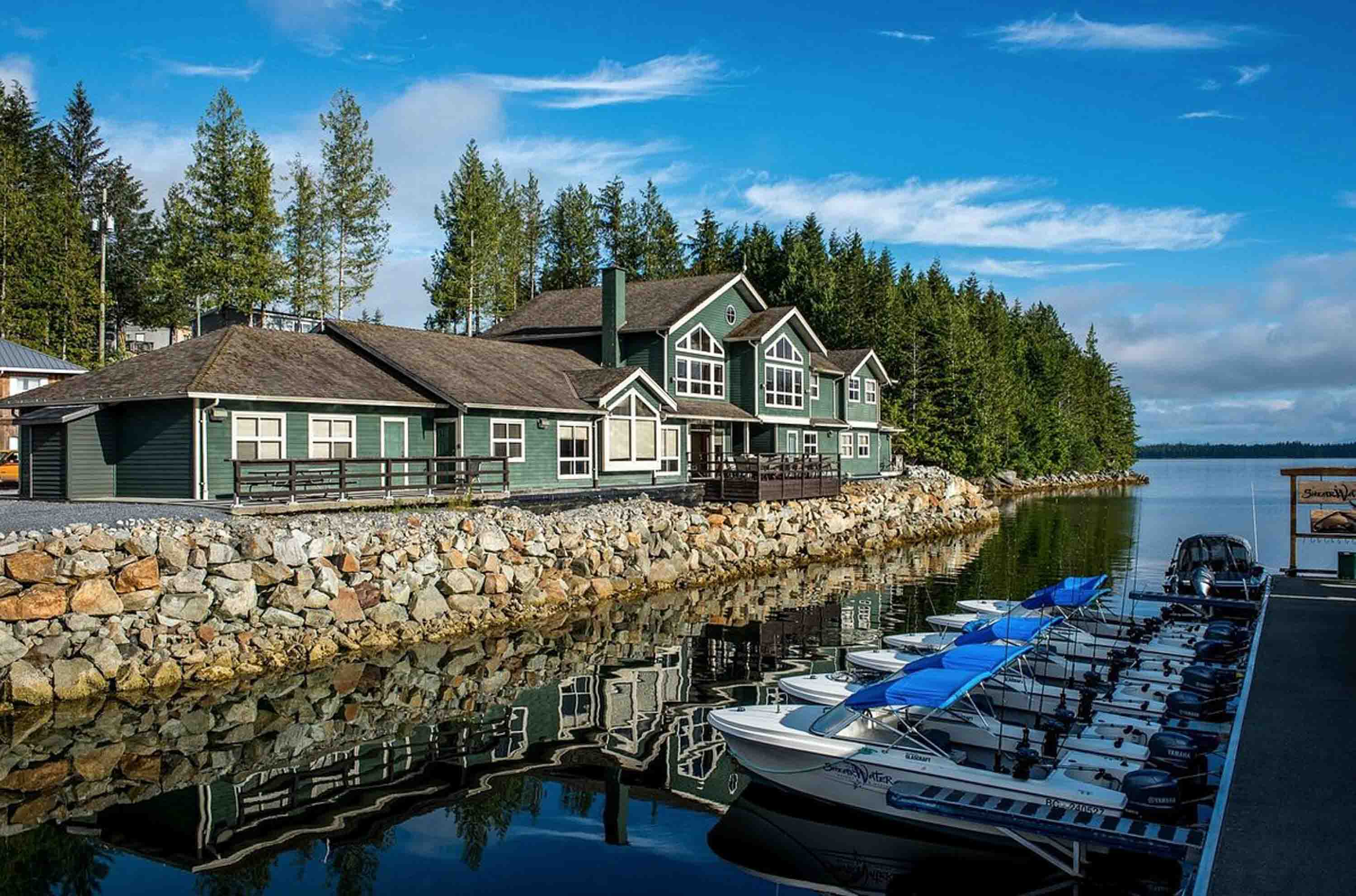
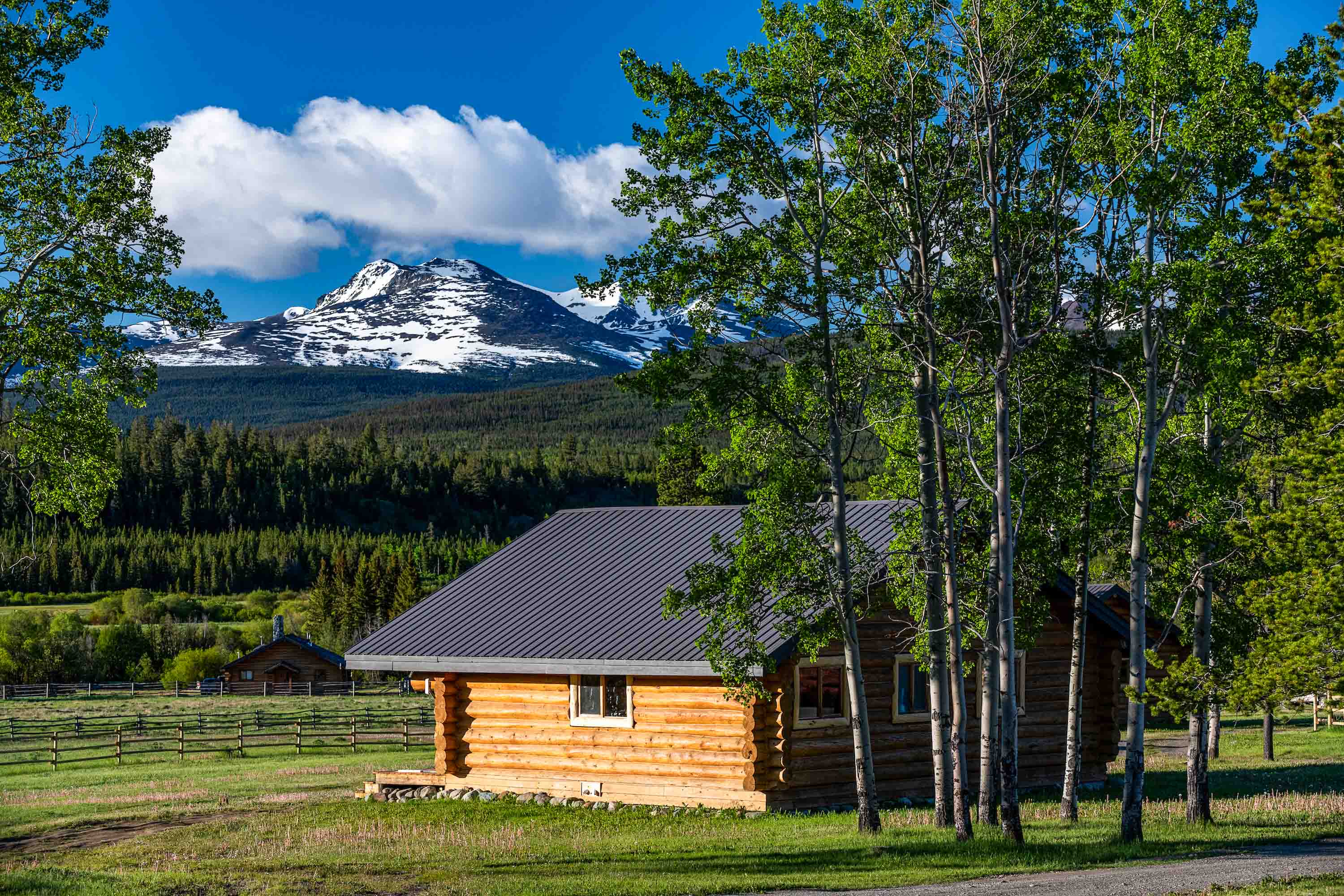
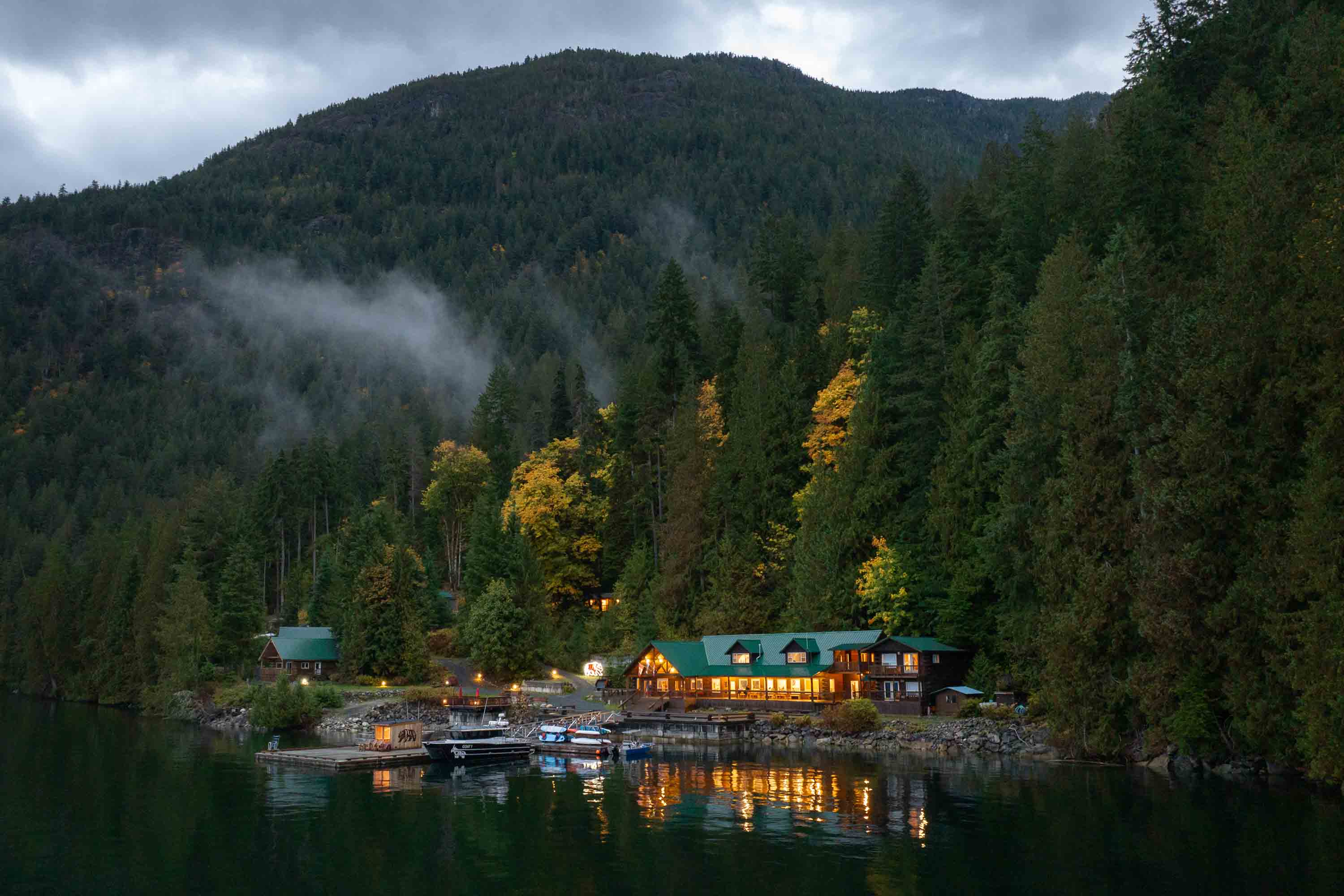
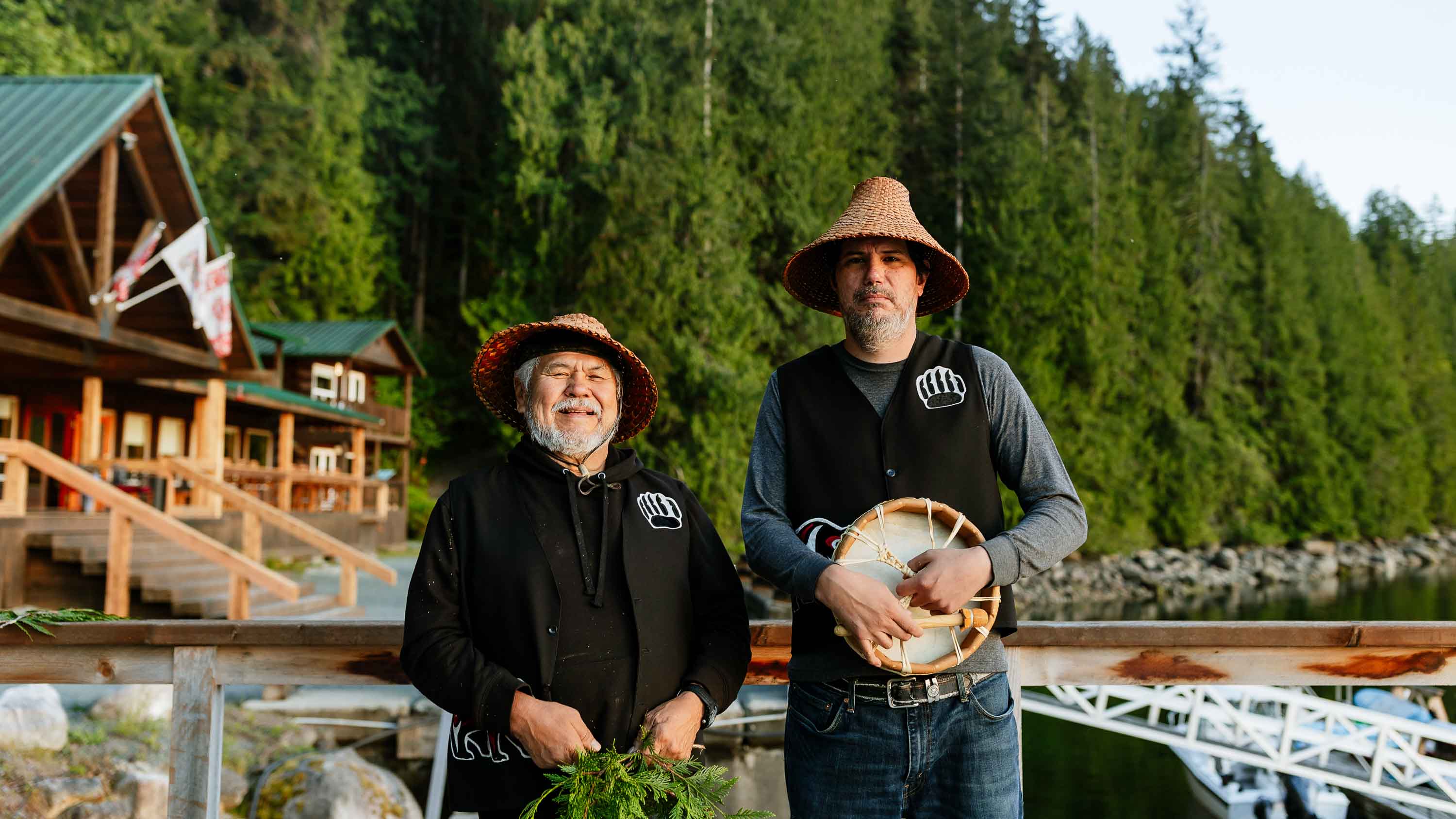
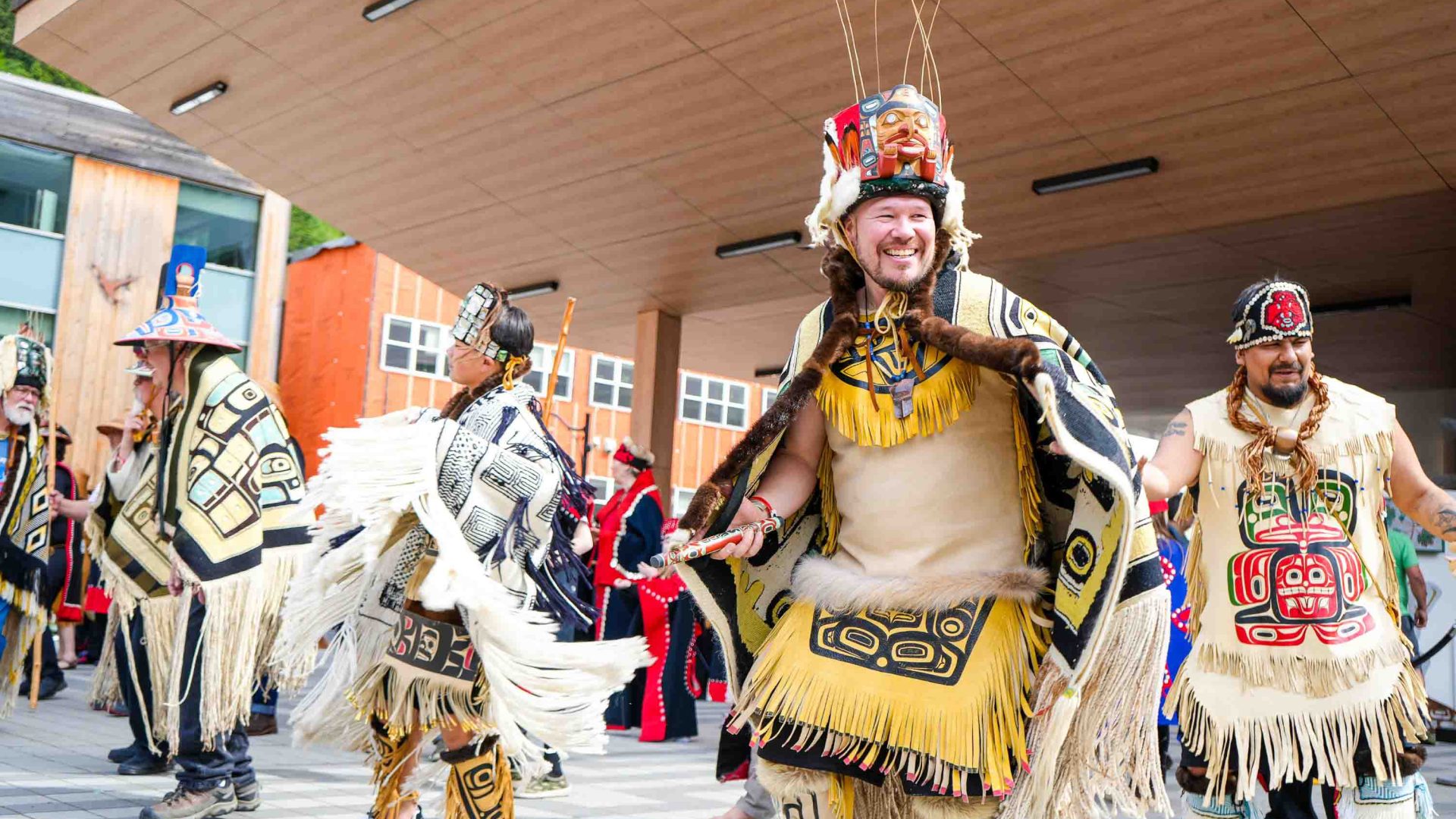
On the windswept archipelago of Haida Gwaii, some 50 miles (80 kilometers) off the coast of British Columbia, a series of cedar cabins and a lodge sit ensconced in pine trees by a driftwood-strewn beach without a soul in site. This is Haida House, a former bear-hunting lodge that’s now a base to explore Haida culture across the islands—and my temporary home a few years ago.
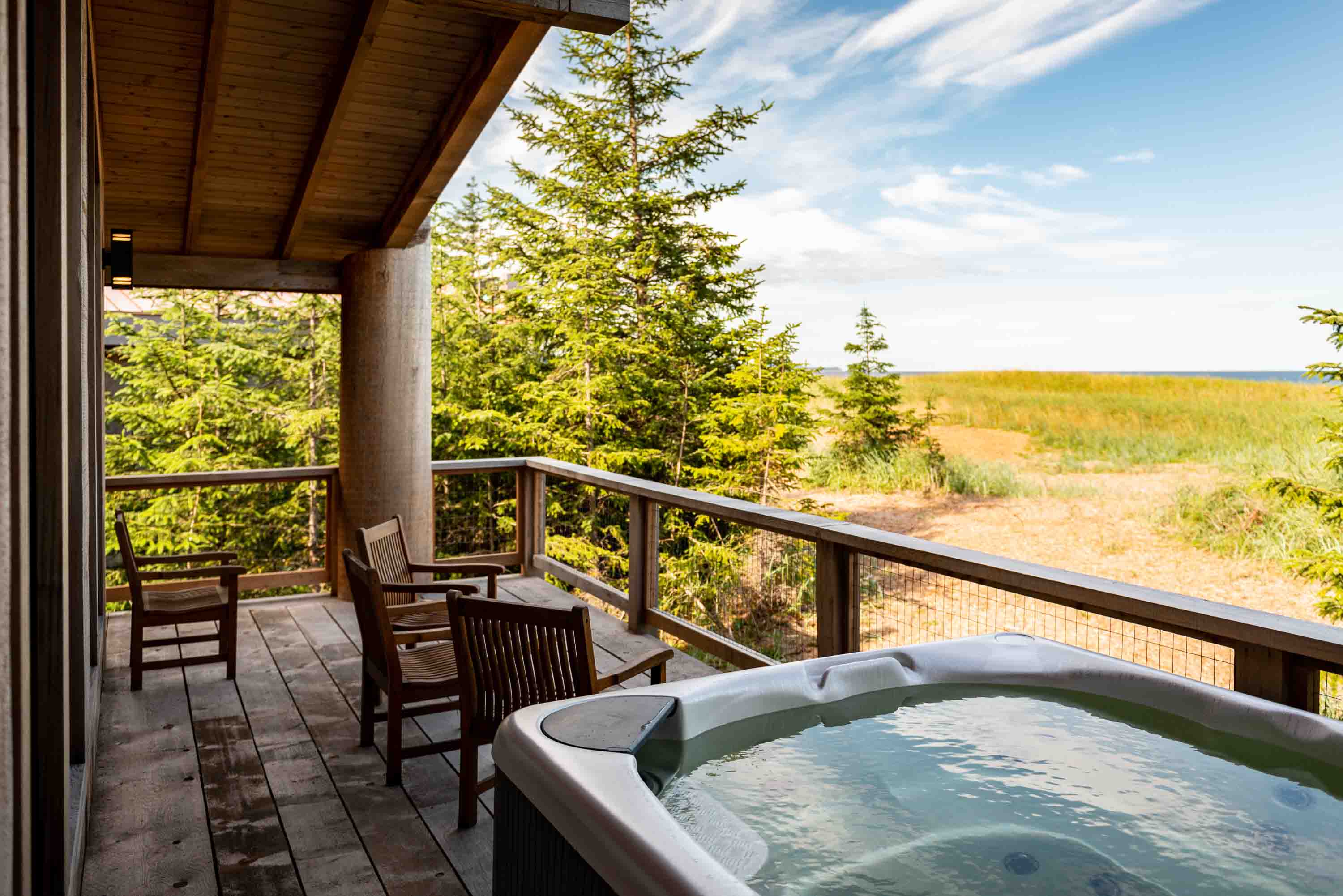
It’s the kind of hotel you don’t forget, a beautifully designed, low-impact site that immediately puts you at ease and integrates elements of Haida culture: Hot tubs overlooking deserted sands; a restaurant on the banks of the Tlell River serving tide-to-table dishes including salmon with smoked black cod dumplings; walls decked in Haida symbolism and black-and-white photography of historic memorial poles. You’re not far from British Columbia (or K’aada Tllgaay, “out there land”, as it’s written on one map in the lodge) but you really do feel a world away. It’s often called the “edge of the world.”
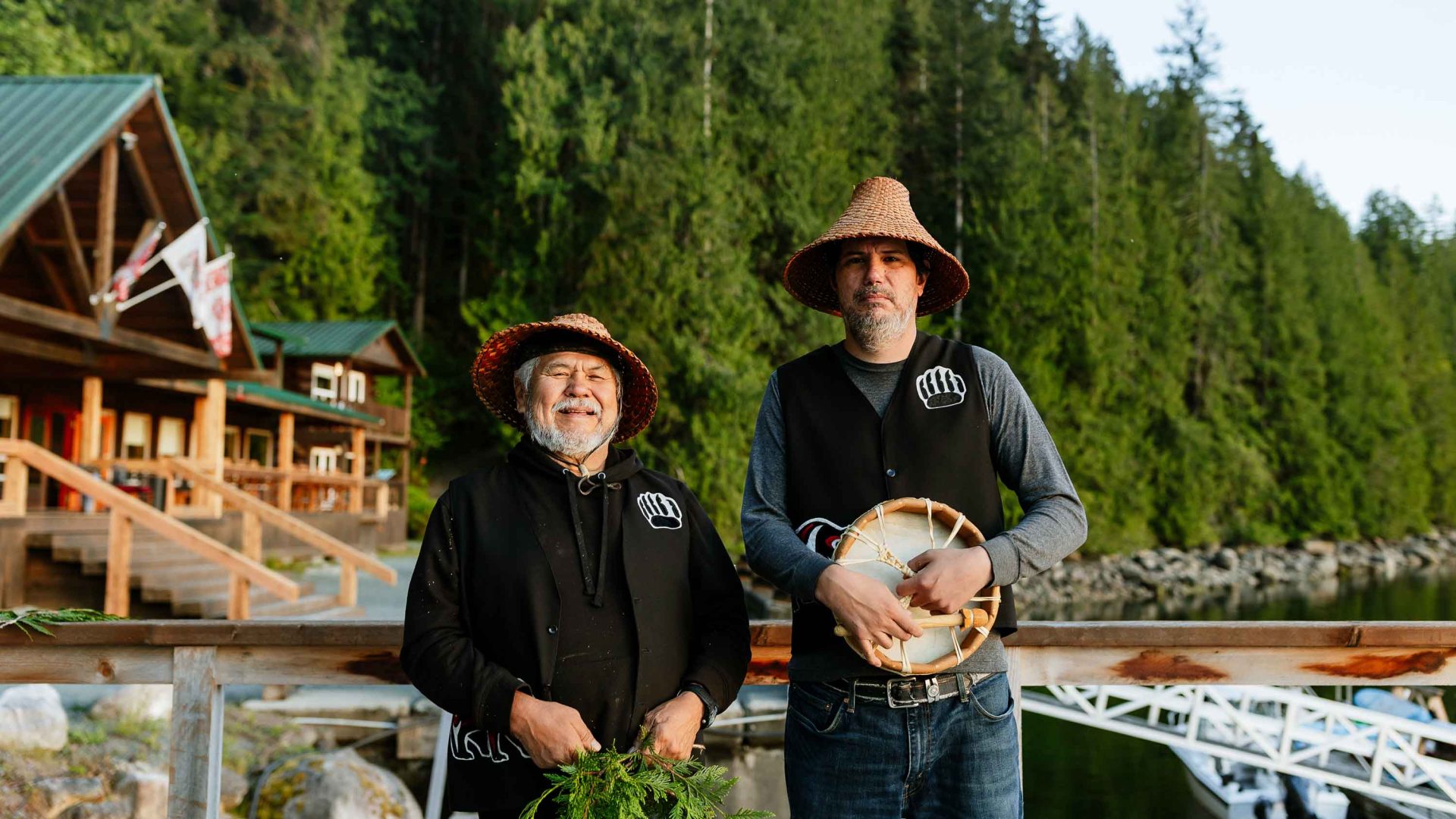
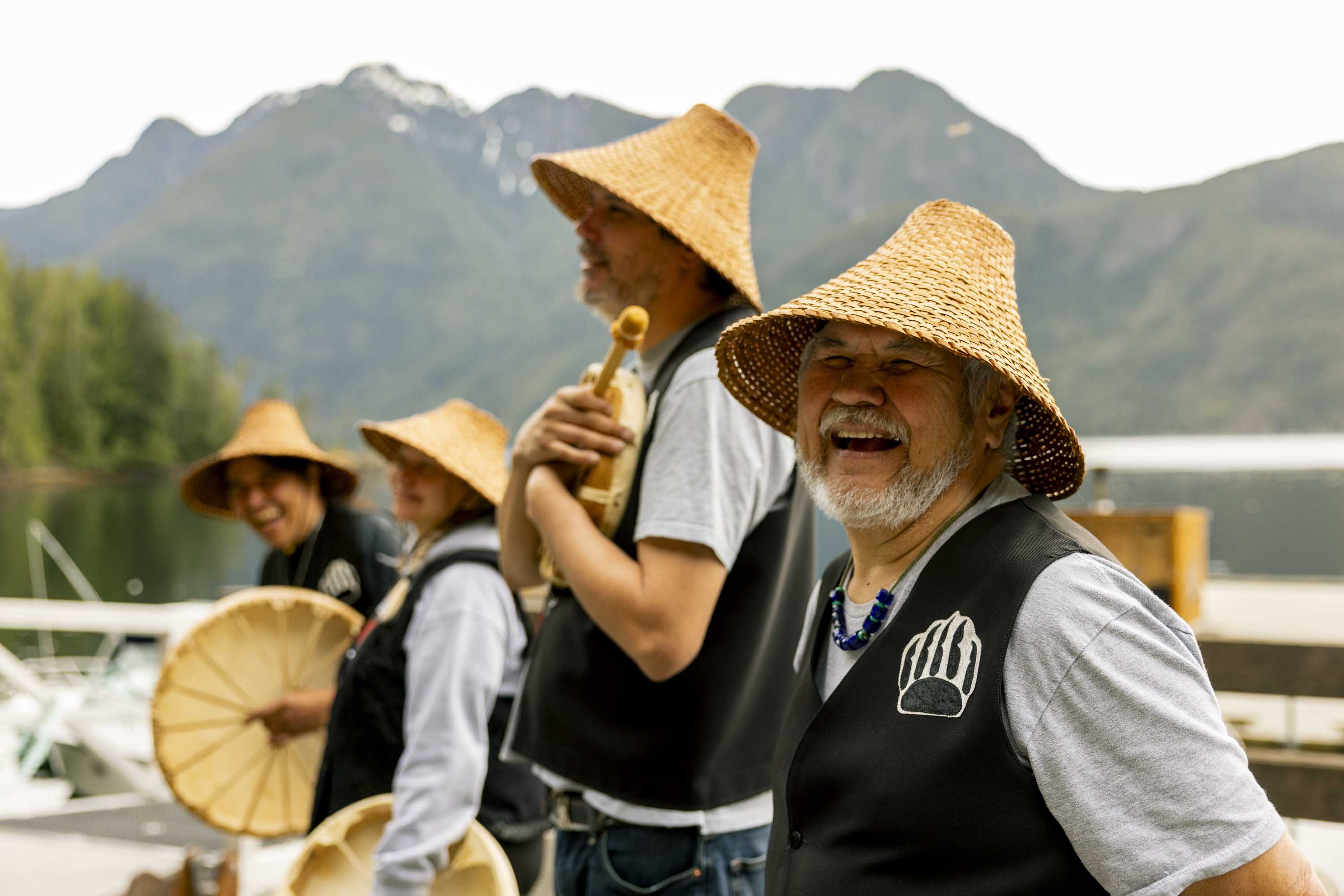
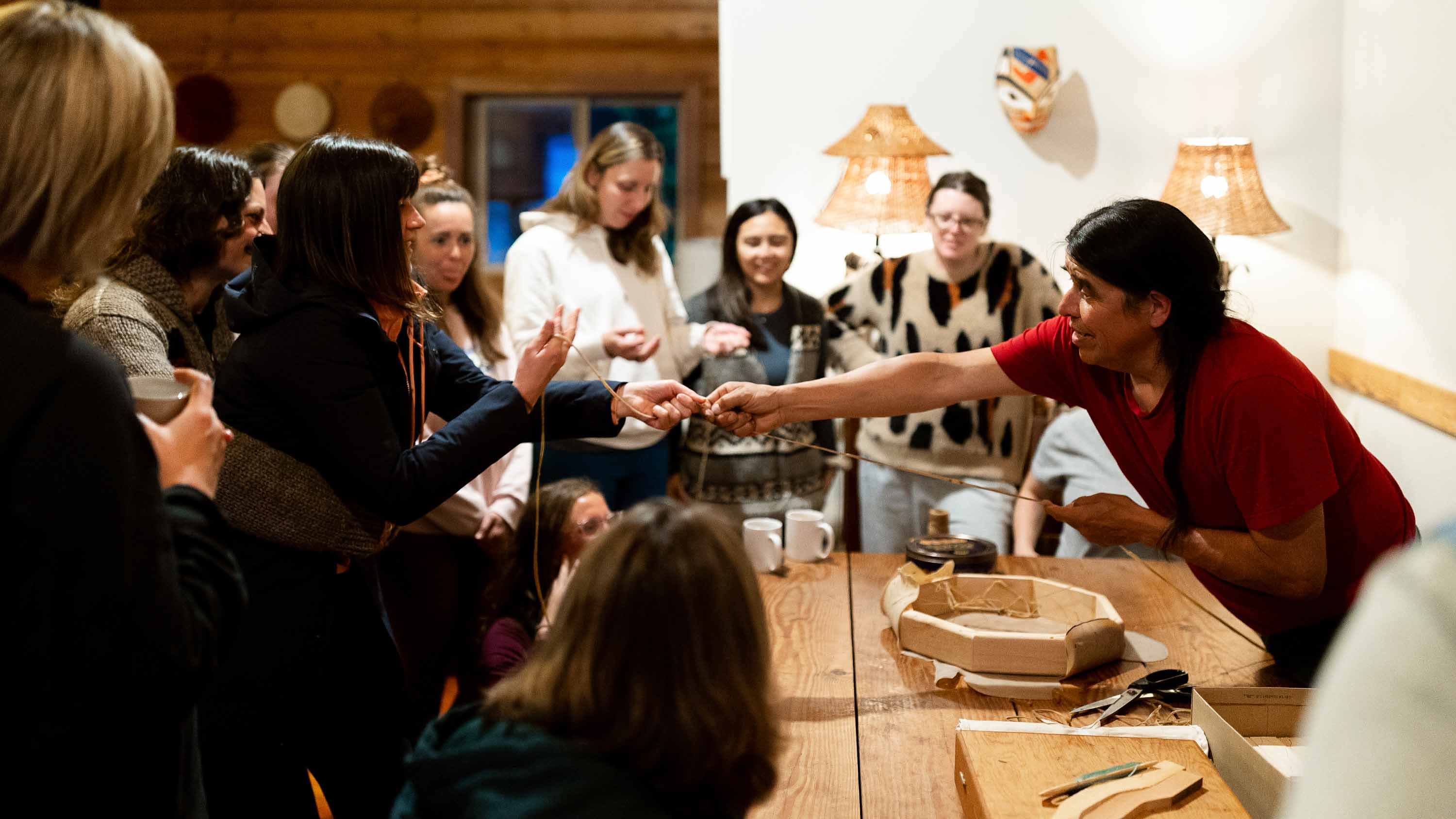
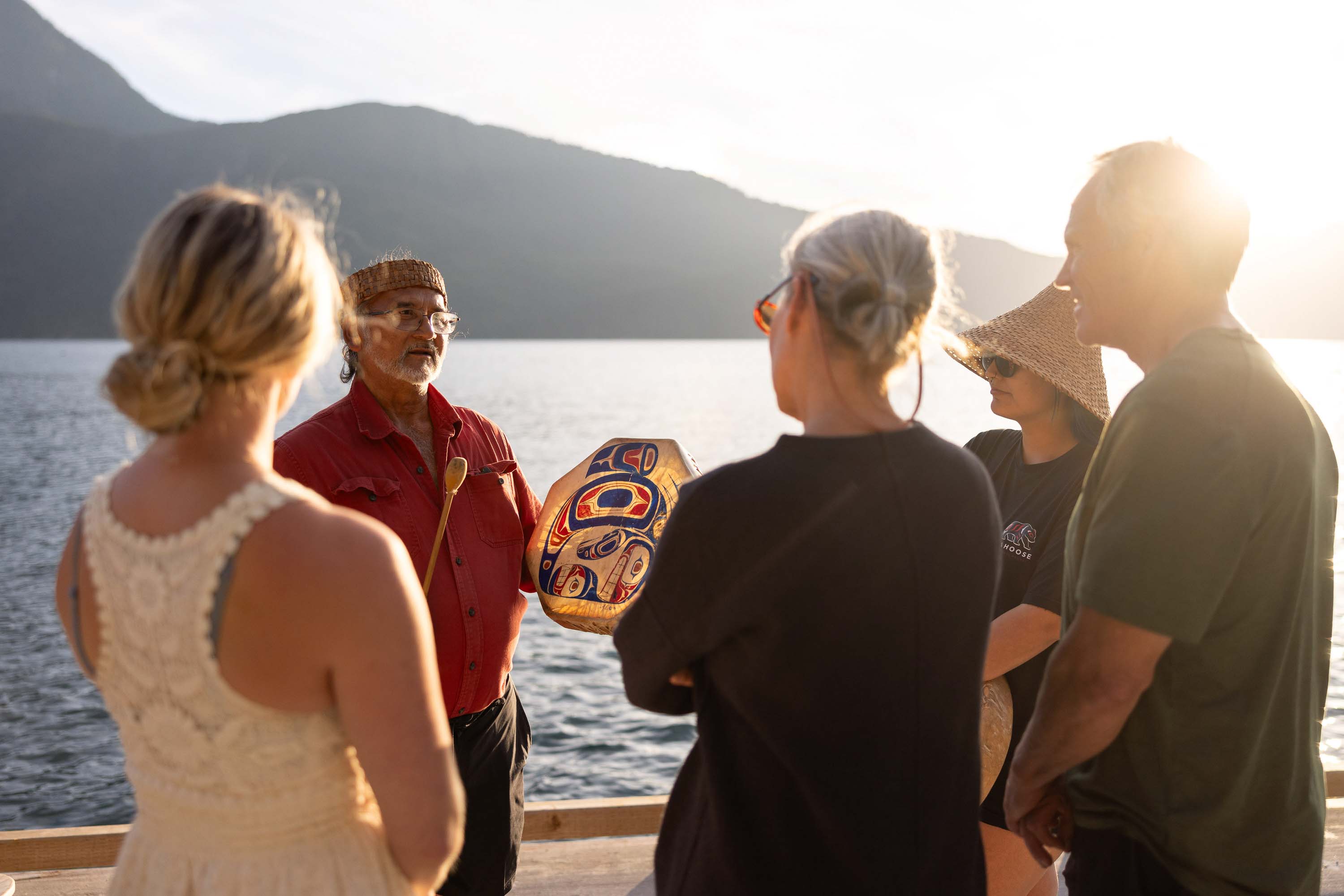
What makes Haida House particularly special, though, is it’s run by Haida Tourism, a 100-percent Haida-owned organization. This means visitors get to appreciate and learn about an Indigenous culture with representatives from that culture. The organization is guided by the idea of Yahguudang, or “respect for all living things and the interdependence that binds us.”
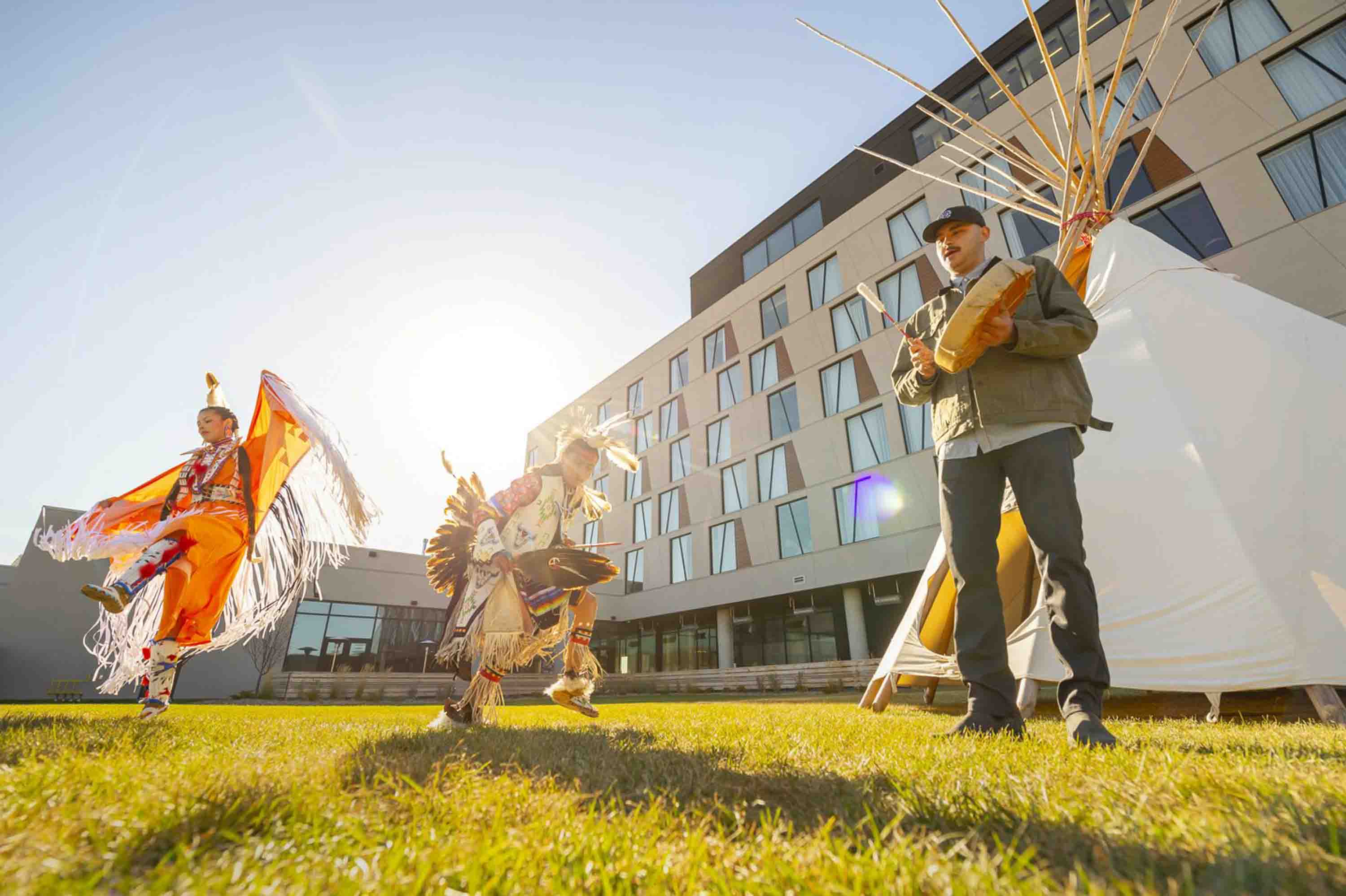
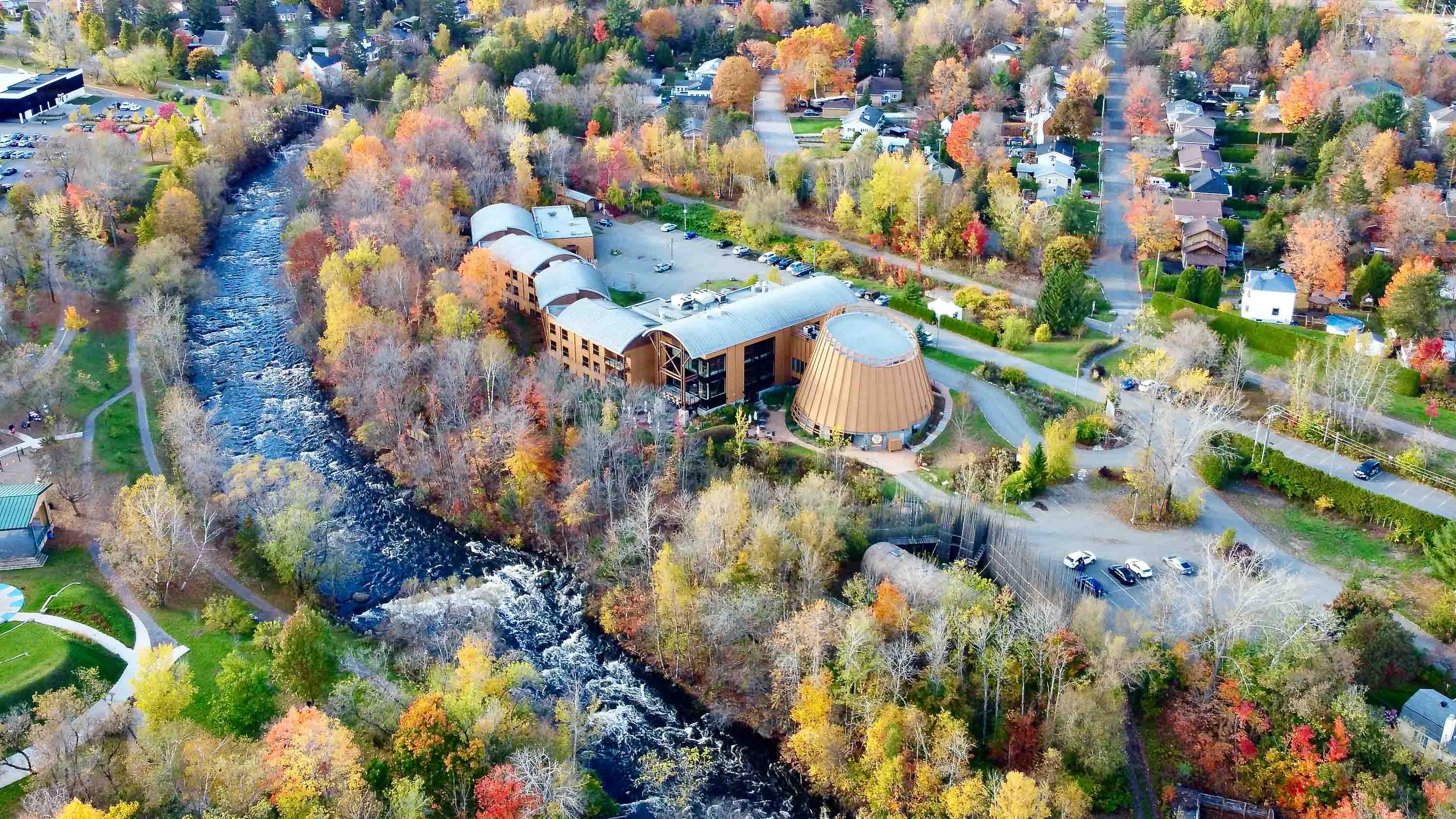
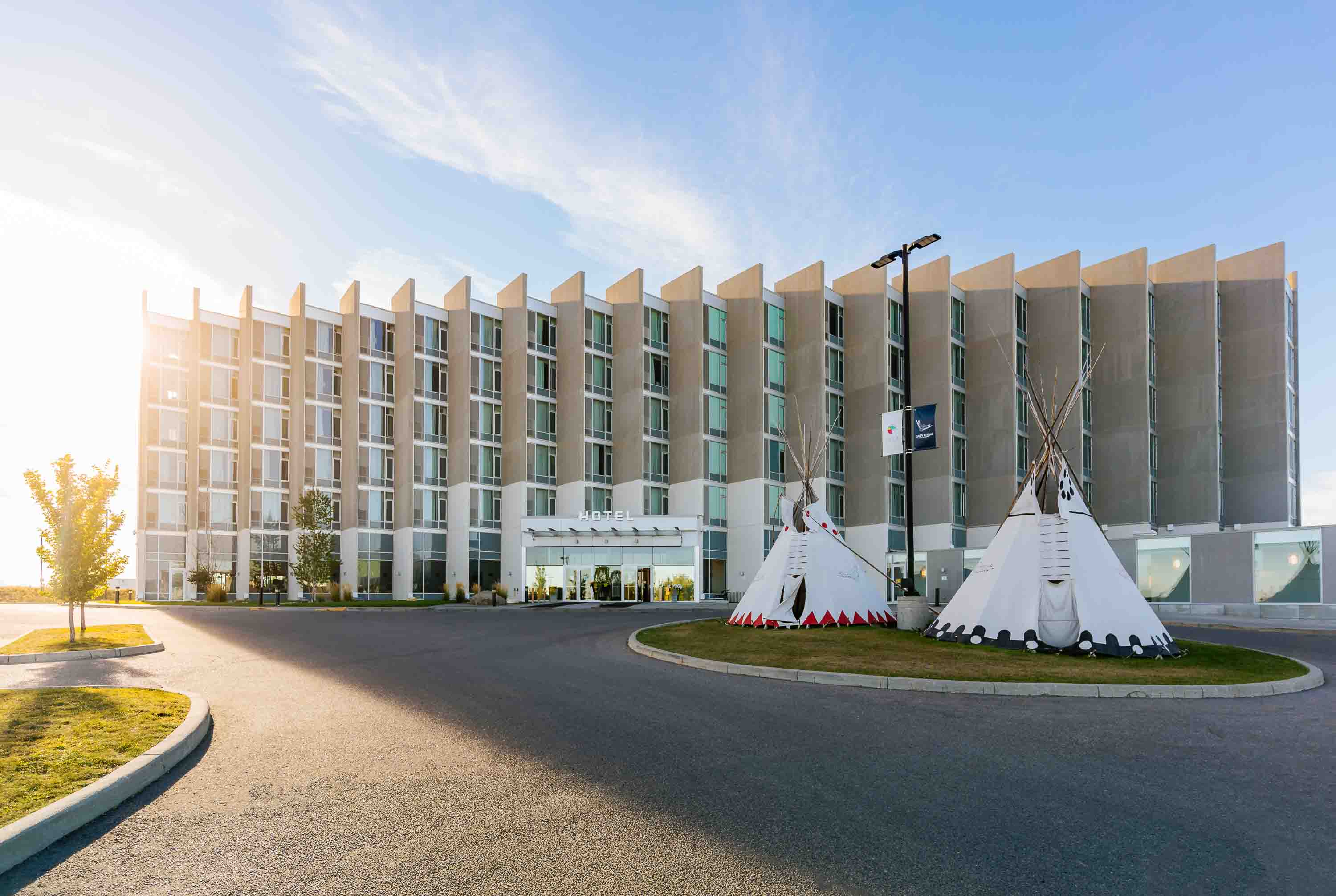
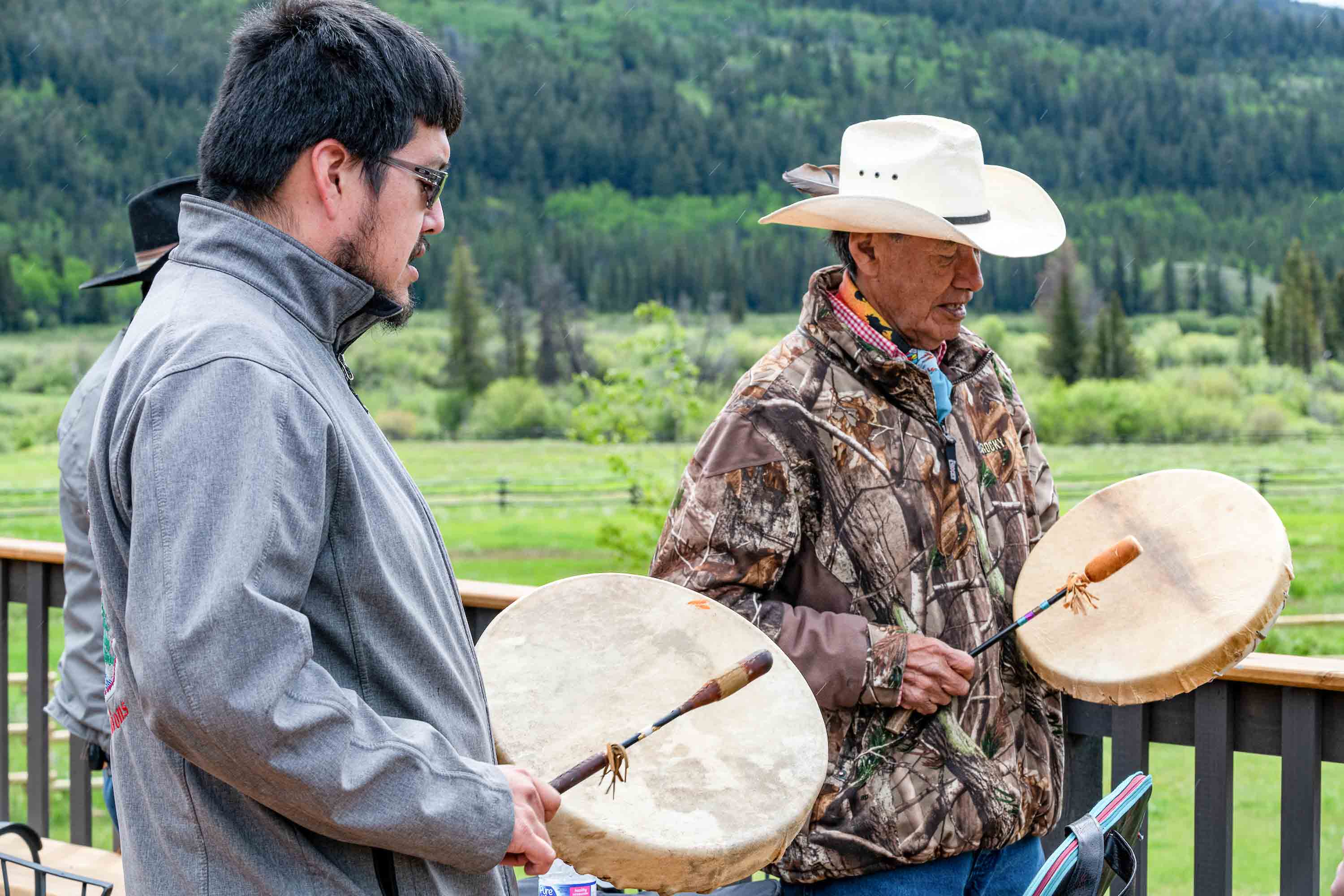
It’s just one of many hotels in Canada opened or acquired by Indigenous groups in recent years. What makes them different is they’re telling their own stories, and introducing visitors to their culture the way they want to—a welcome trend given Canada’s long, painful and complicated history with its First Nations groups.