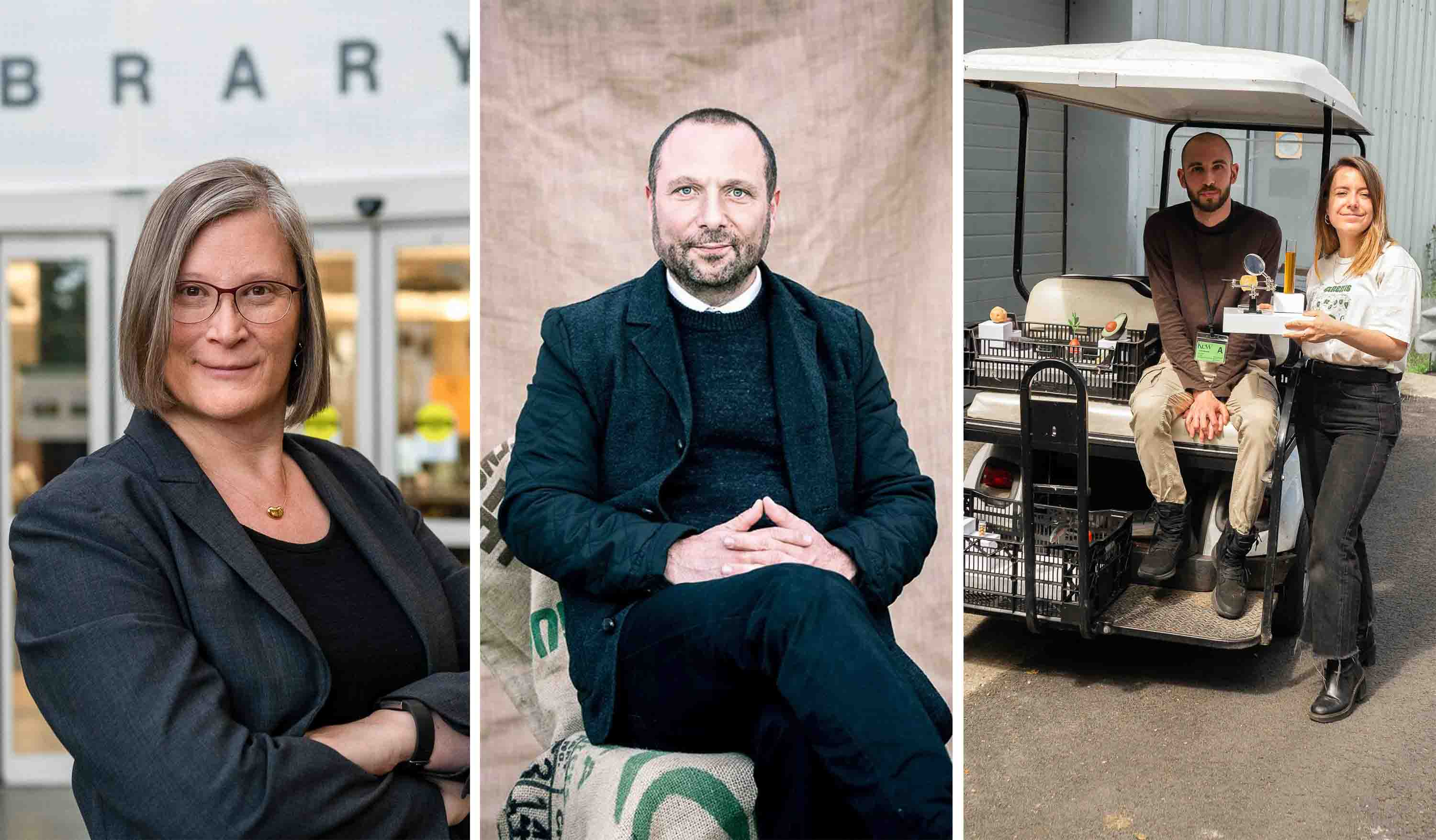
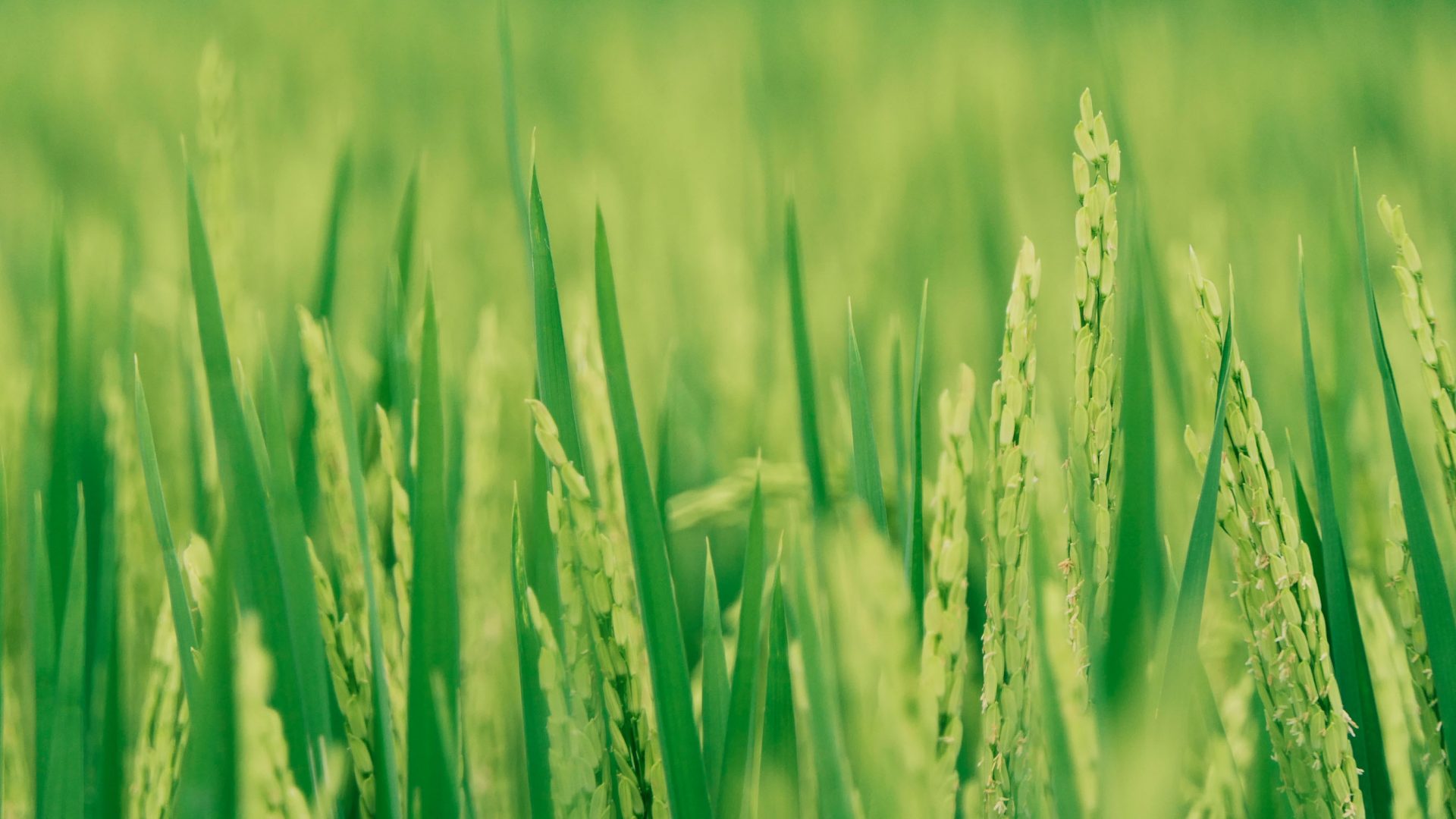
Food journalist Dan Saladino, who curated the list alongside award-winning author and broadcaster Yasmin Khan, is the author of Eating to Extinction. He sees an endangered dish as a warning signal. Losing a dish doesn’t just mean losing a recipe; it can also mean losing agricultural knowledge, biodiversity, skills and memory. “In a rapidly changing, unstable world, these are things we need. They provide resilience and they give us options for our food future,” Saladino says.
Over thousands of years, humans found ways of adapting to different environments, often experimenting with plants and animals to create strategies for survival, and find sources of pleasure. “Many of the endangered dishes we helped to identify are part of that story,” adds Saladino. “All are ingenious, Indigenous and delicious ways in which life could be sustained and enjoyed in a specific location for the long-term.”
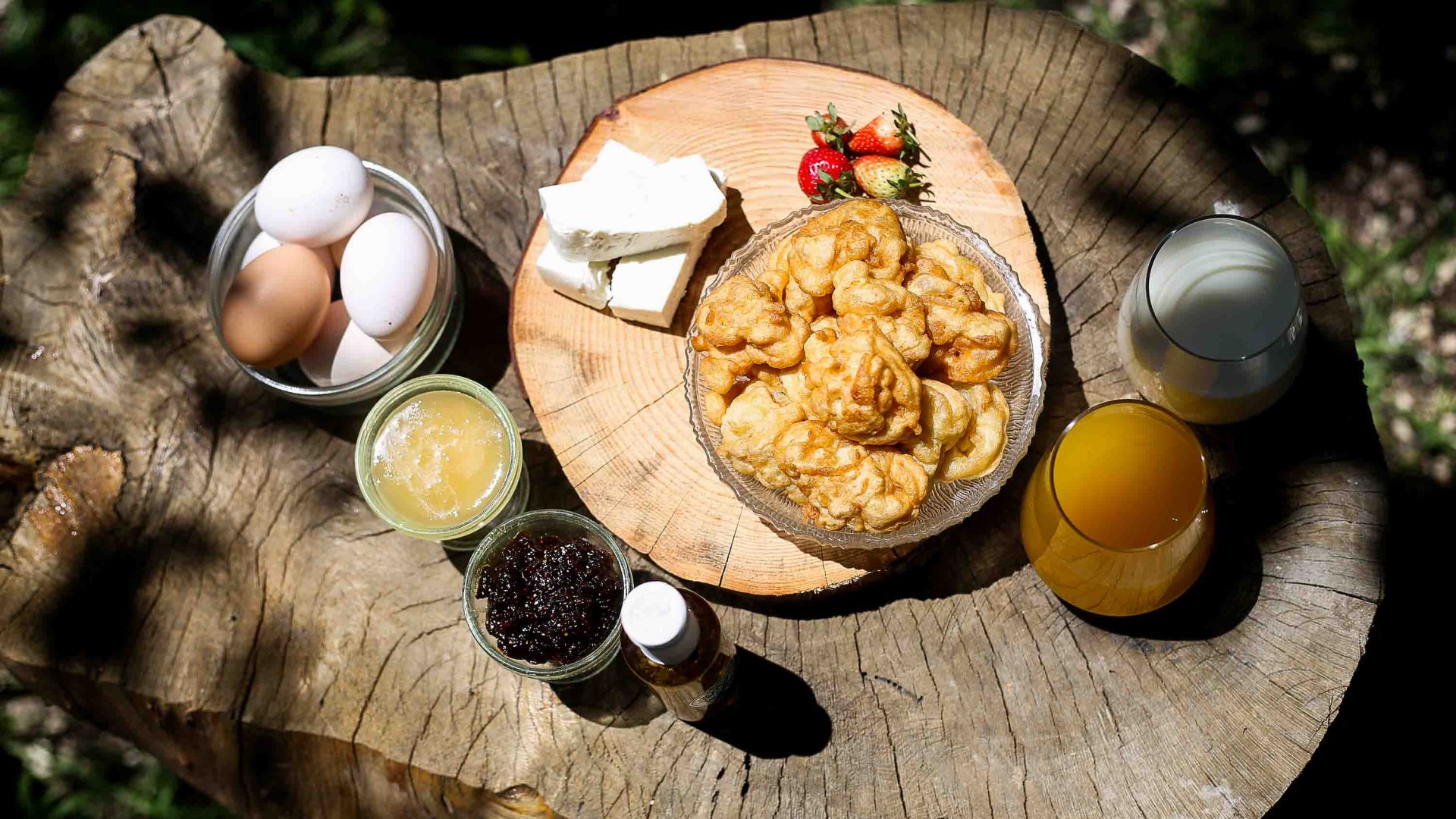
The list includes Petkhvis Chvishtari, a savory patty mixed with egg and cheese, made from Petkhvis, a rare black millet variety native to Georgia (the country); Mosbolletjies from South Africa, soft, slightly sweet buns made with mos, freshly crushed grape juice containing skins and seeds; Inanchila, a sweet sticky rice dessert topped with caramelized coconut cream from The Philippines; and Cuscos Transmontanos com Coelho, a slow-cooked rabbit stew from northern Portugal served with hand-rolled wheat pasta.