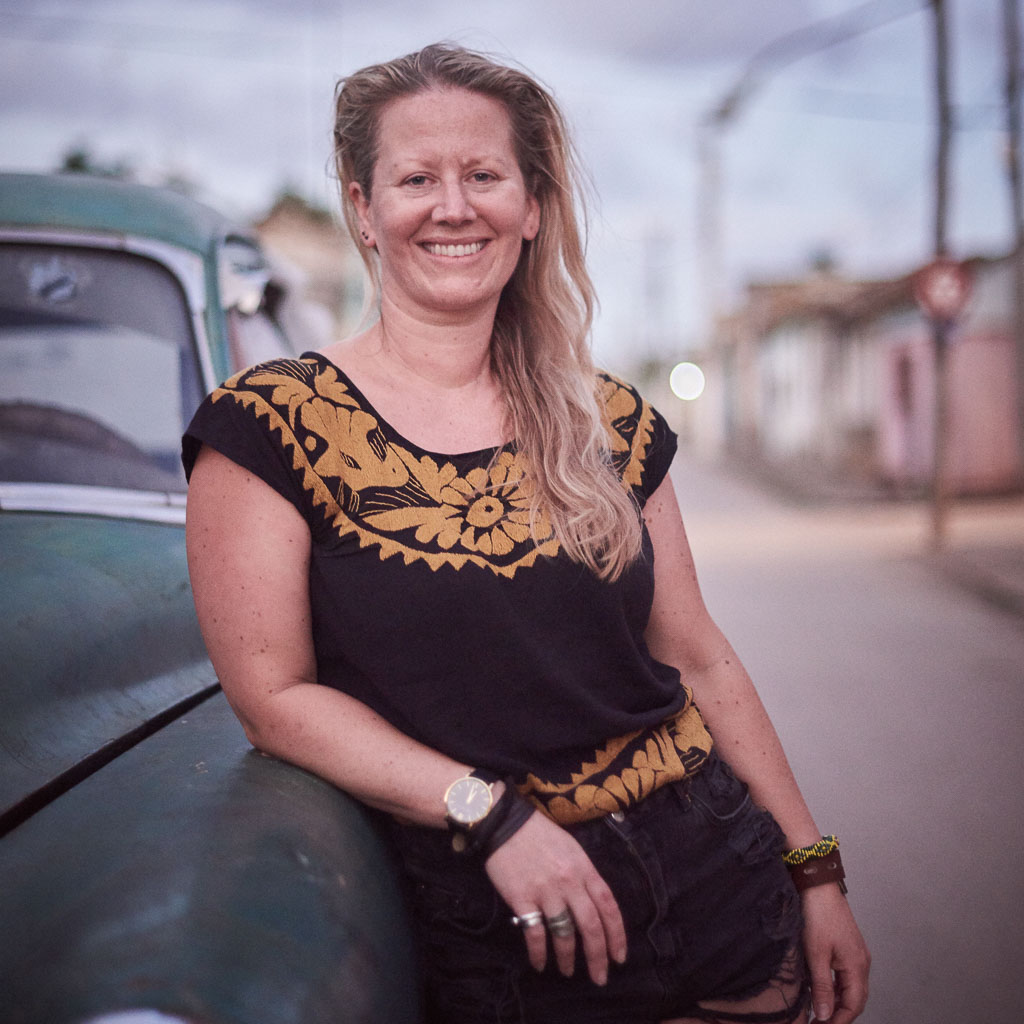
The last monthly pay cheque of 6,000 CUP (US$10) Tania Rodríguez received for work at a foreign-managed hotel was in February. Speaking from her home in central Cuba, the university graduate says the government offered her replacement work as a hospital cleaner for 3,000 pesos a month (US$5). She declined.
Later, cleaning work at a beach hotel emerged, but it meant sleeping on-site—not possible with elderly parents and a young child. Rodríguez cooks on her patio with charcoal—a 20-liter bottle of gas on the black market is unaffordable at 60,000 pesos (US$90). She’s emotional as she relates how she sells clothes, shoes, sheets of wood lying around the house; she’s contemplating selling a fridge and water tank to buy food. “We are going downhill without any brakes,” she says. She credits her family’s survival to a friend, a Canadian tourist she met years ago, who tops up her bank card.
An oil blockade imposed on January 29th by the Trump administration has almost paralyzed Cuba. Blackouts hit islanders for 22-23 hours a day, fuel prices have shot up, and cross-country transport is withering. Water supply is increasingly unavailable to many homes as water pumps need a power supply, hospitals are struggling to function, and many medicines are only available on the black market. The energy choke triggered airlines to begin pulling out, and countries including the UK, Ireland, Switzerland and Australia banned non-essential travel to Cuba. In a shock move, Canada, historically the source of most of the island’s visitors for decades, repatriated its tourists in February.