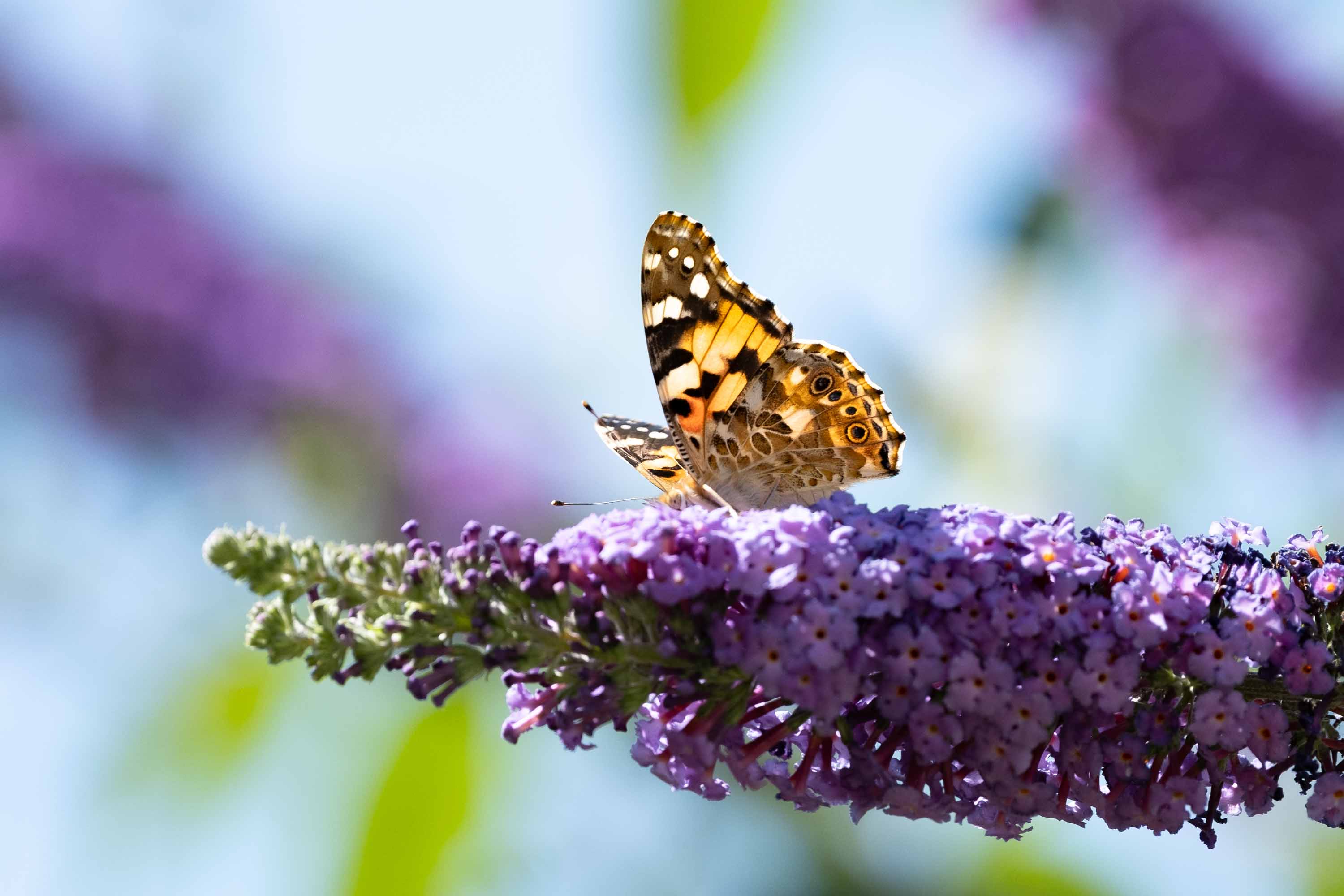
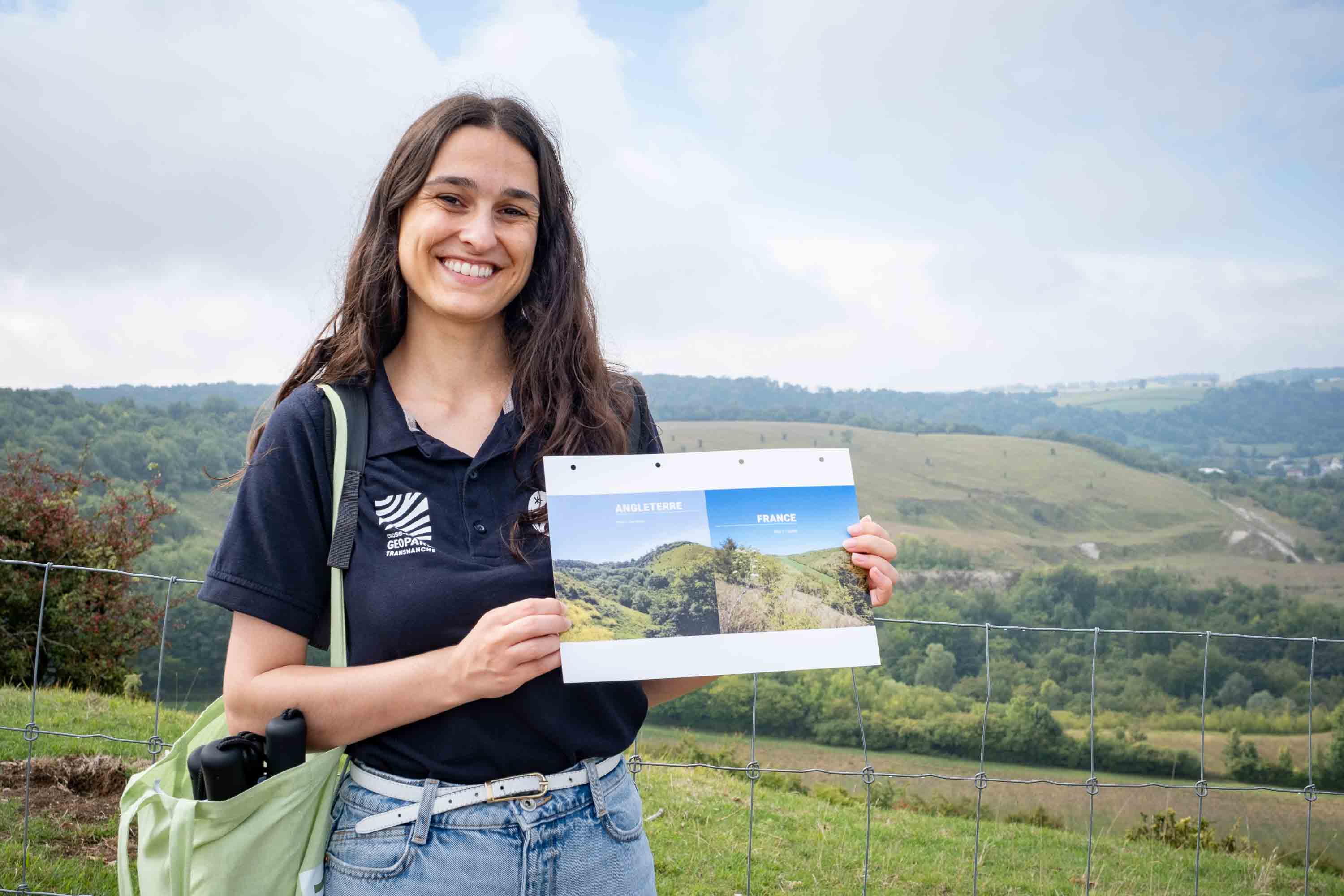
A delicate orange-and-white-flecked butterfly dances on a gentle breeze and perches on a thistle. “That’s a painted lady,” Kevin Wimez, my guide from conservation organization Eden 62, tells me.
“They have an astonishing annual migration between North Africa and the Arctic,” he says as he pulls out a map. I notice that these butterflies, like me, have chosen the Dover–Calais trajectory between France and England. “It’s not the same butterfly traveling the whole route; it takes at least six generations to cover the 9,000-mile [1,450-kilometer] round trip. Favorable wind conditions over the narrow channel makes their journey easier.”
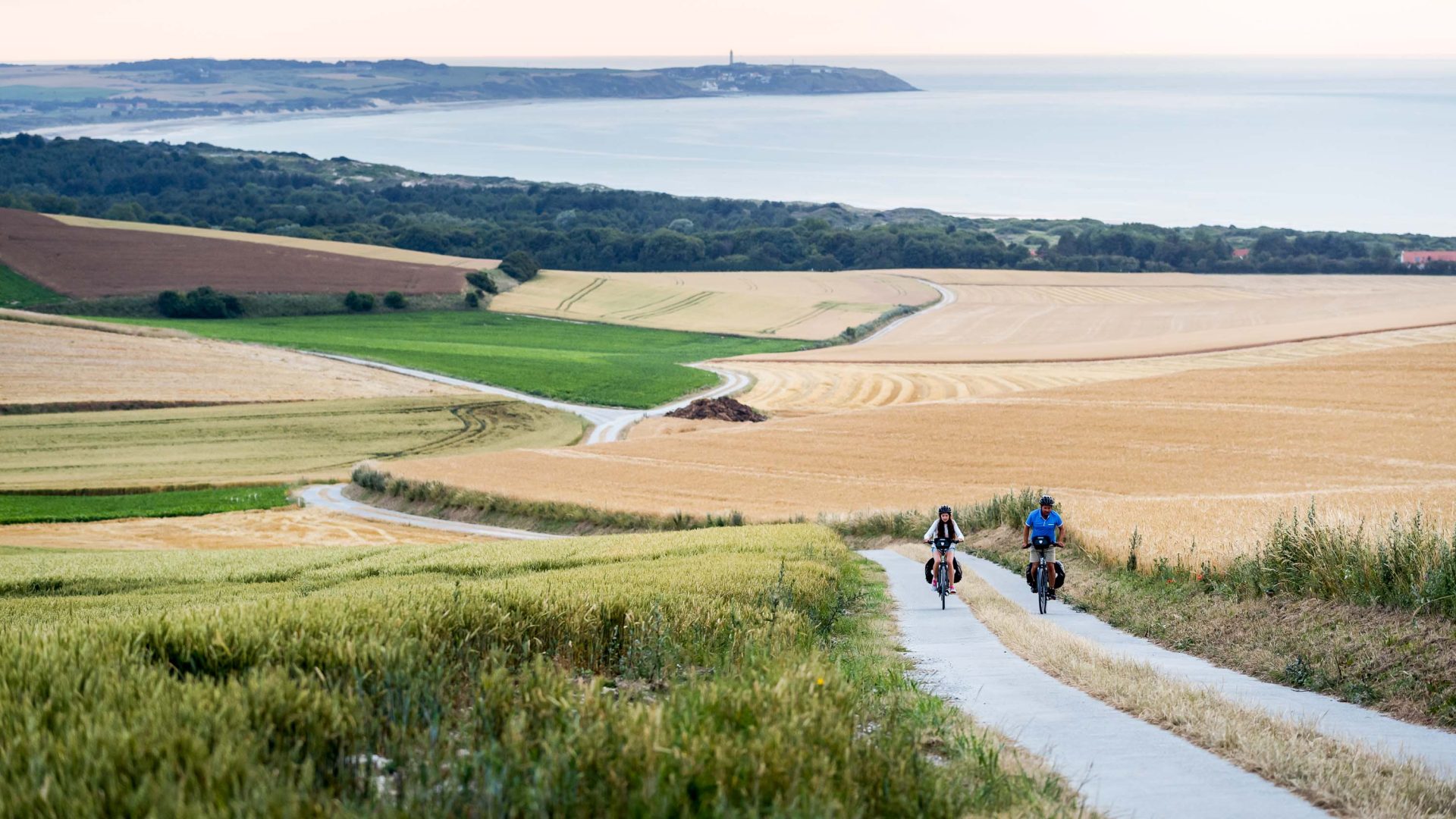
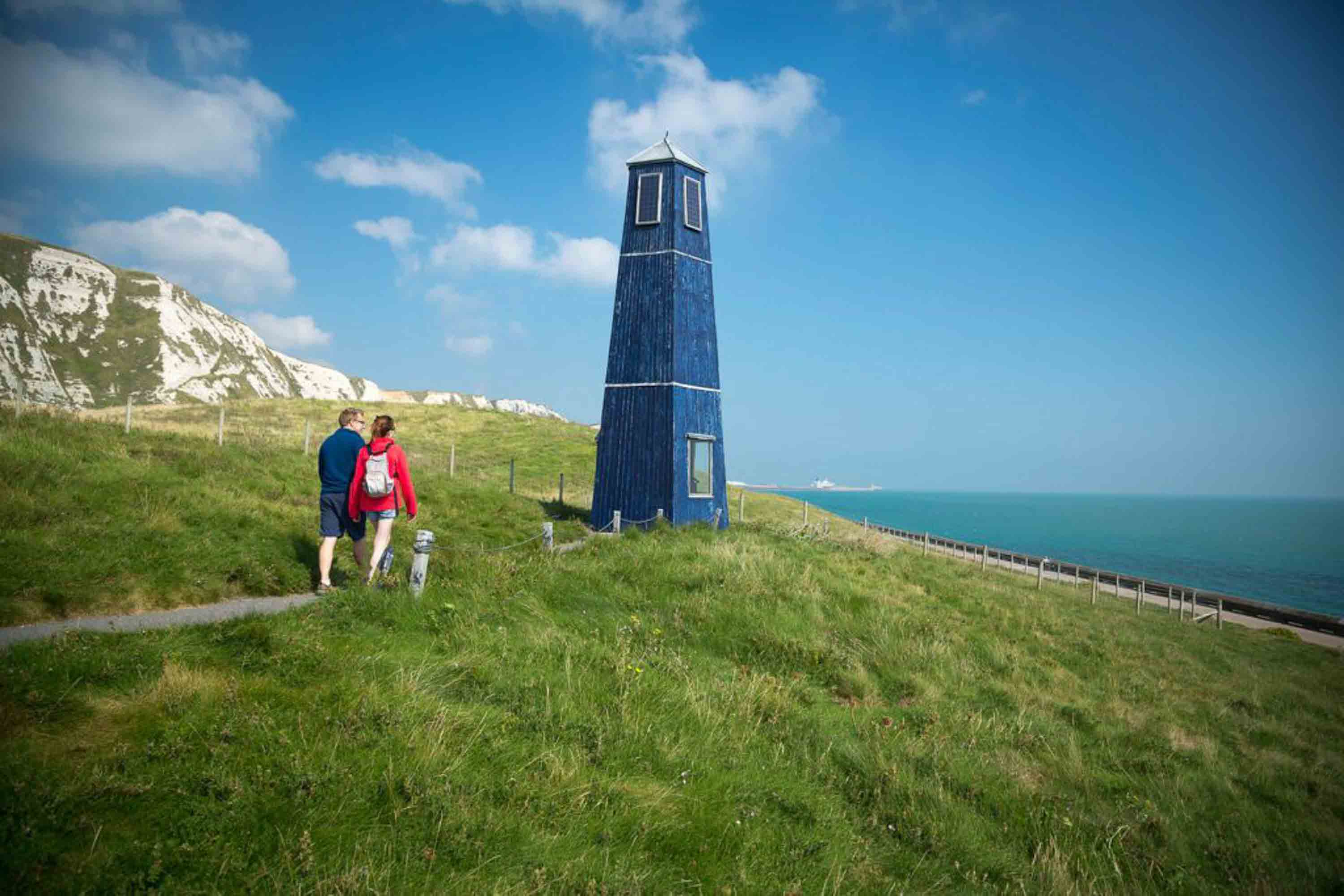
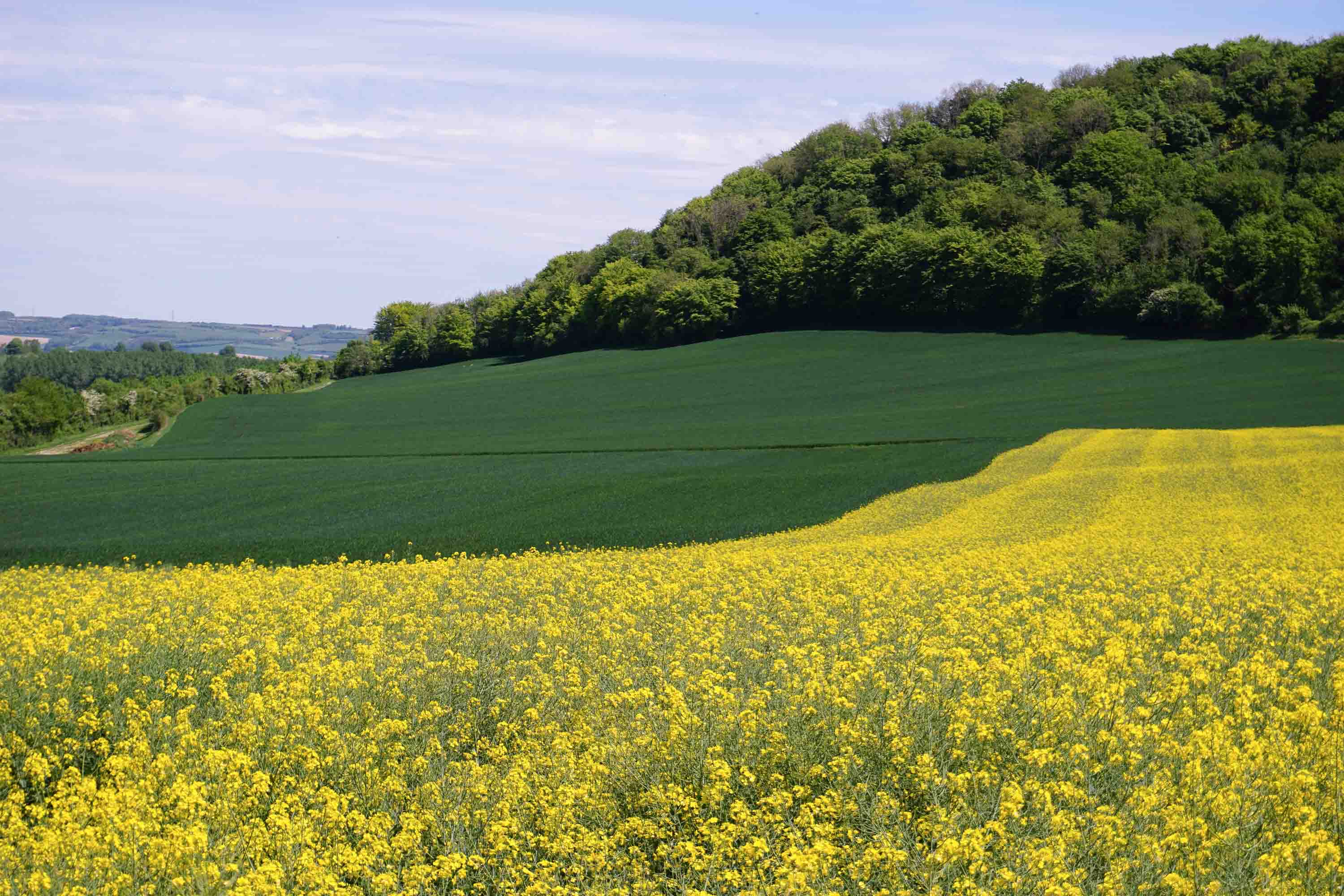
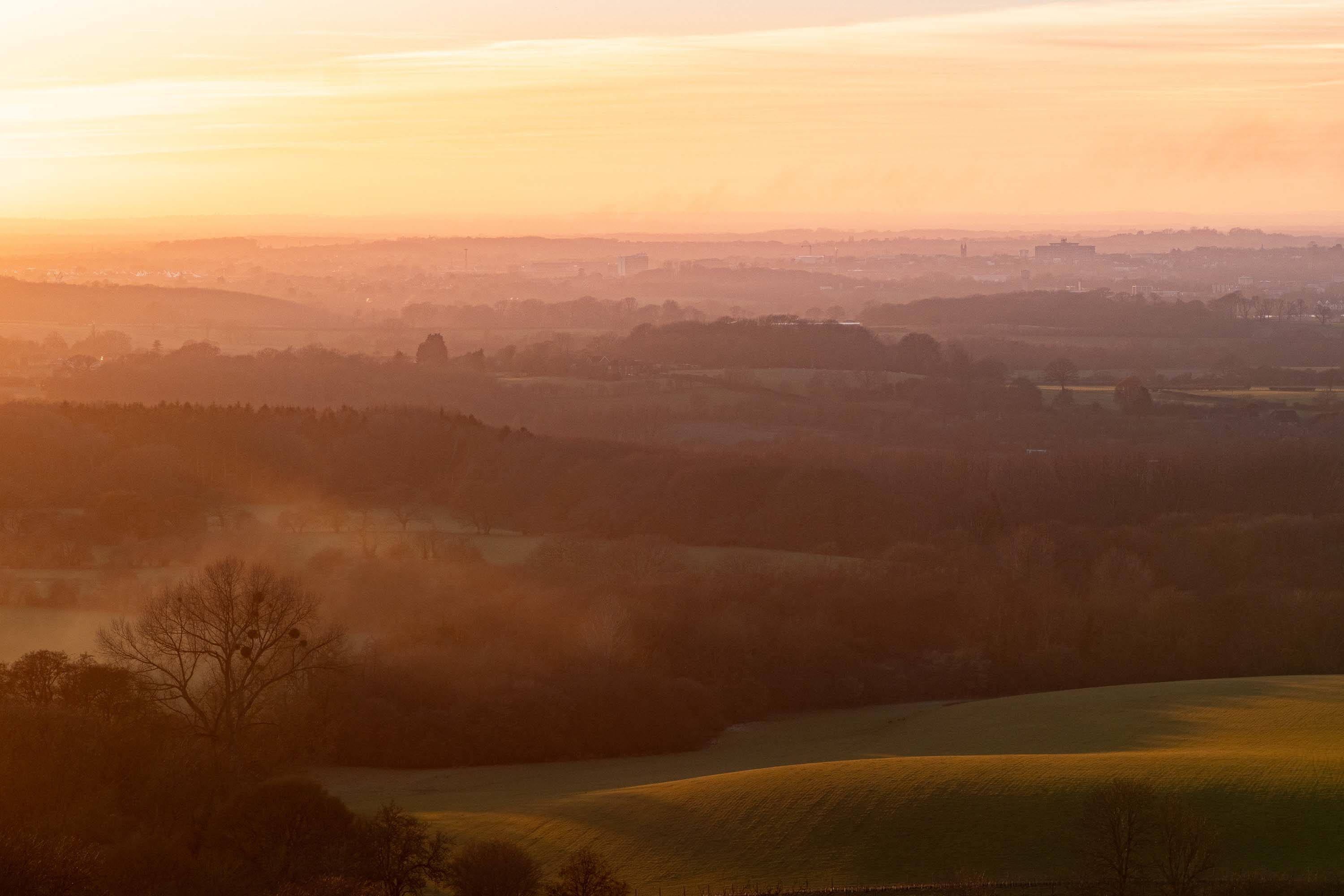
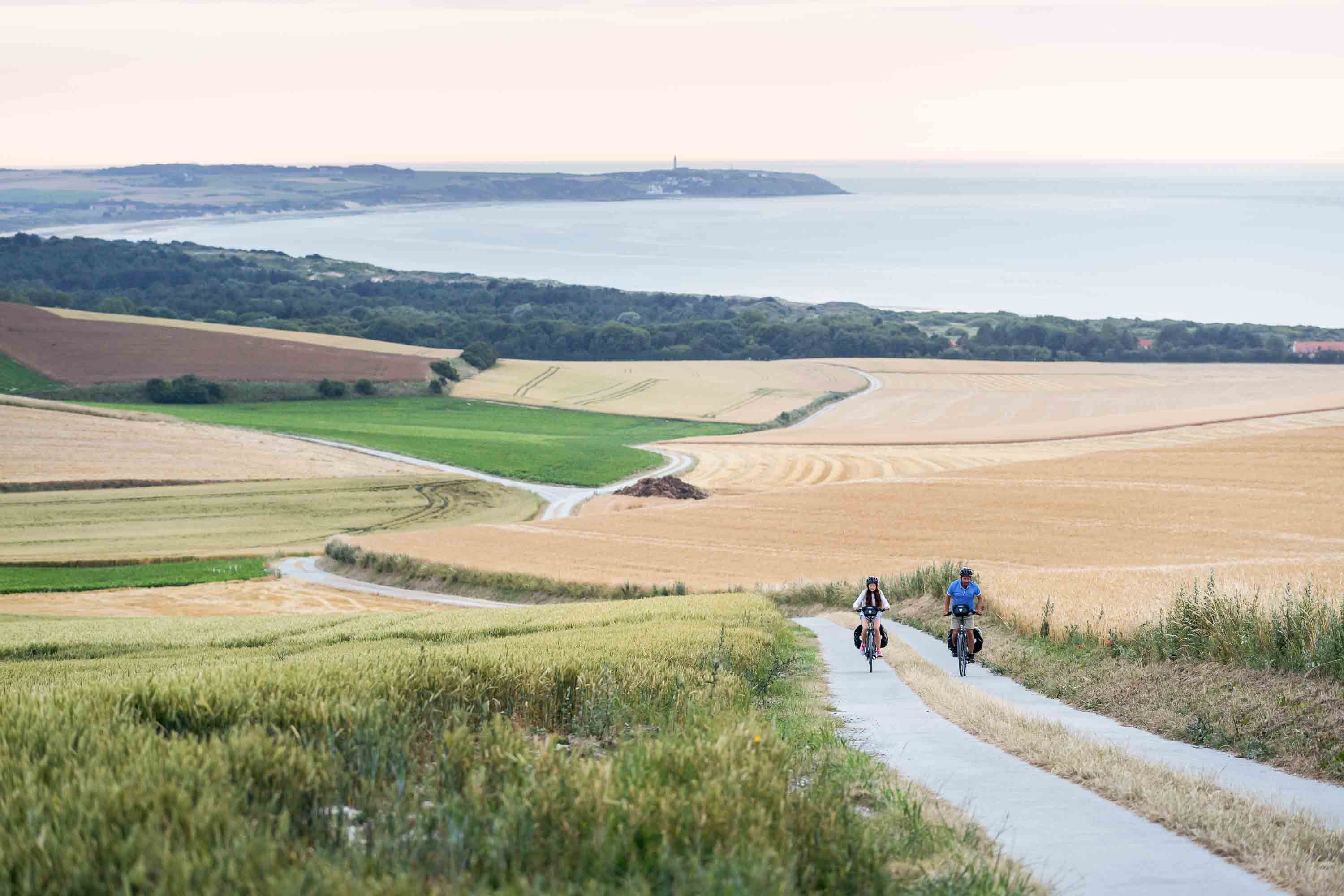
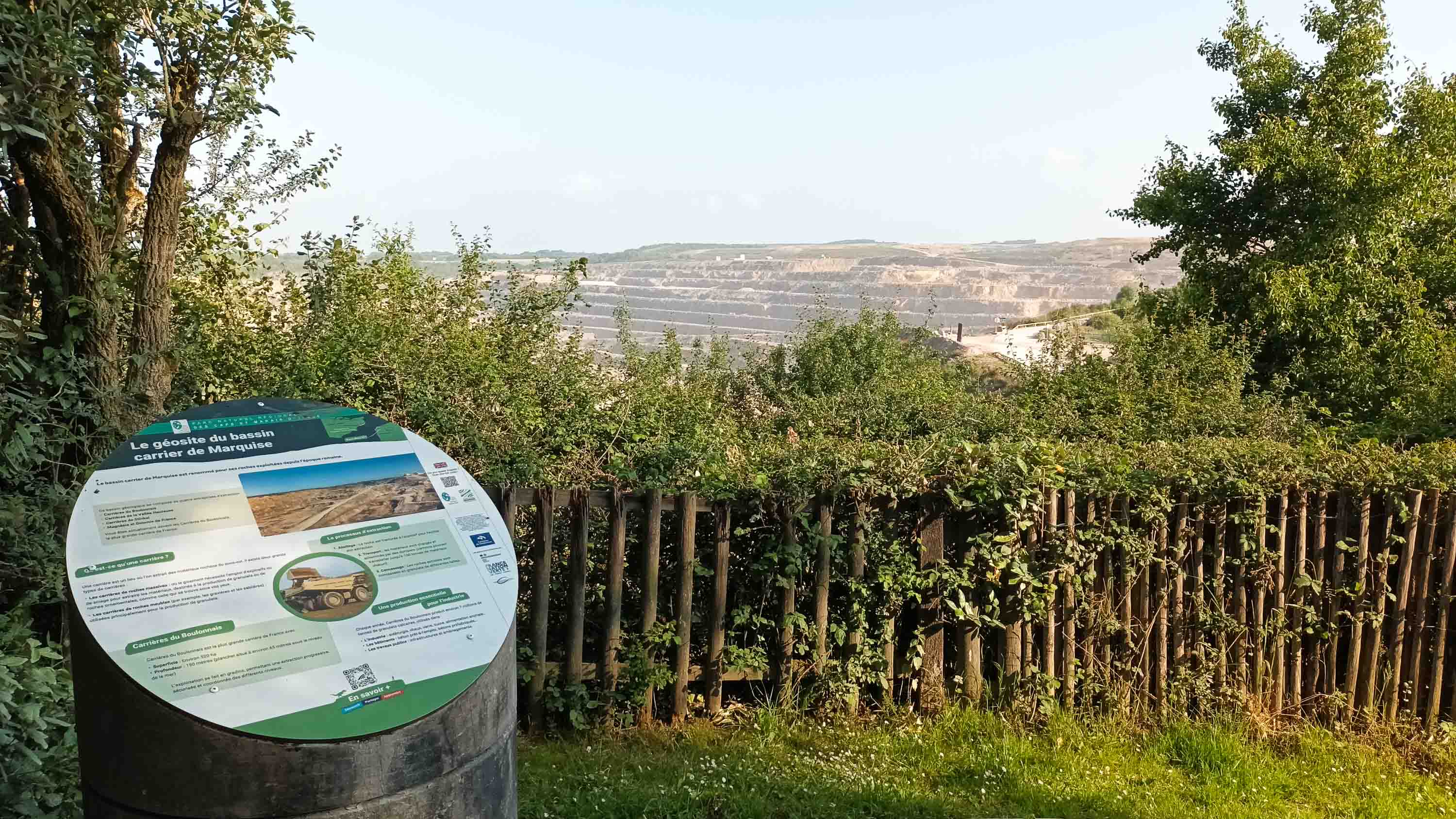
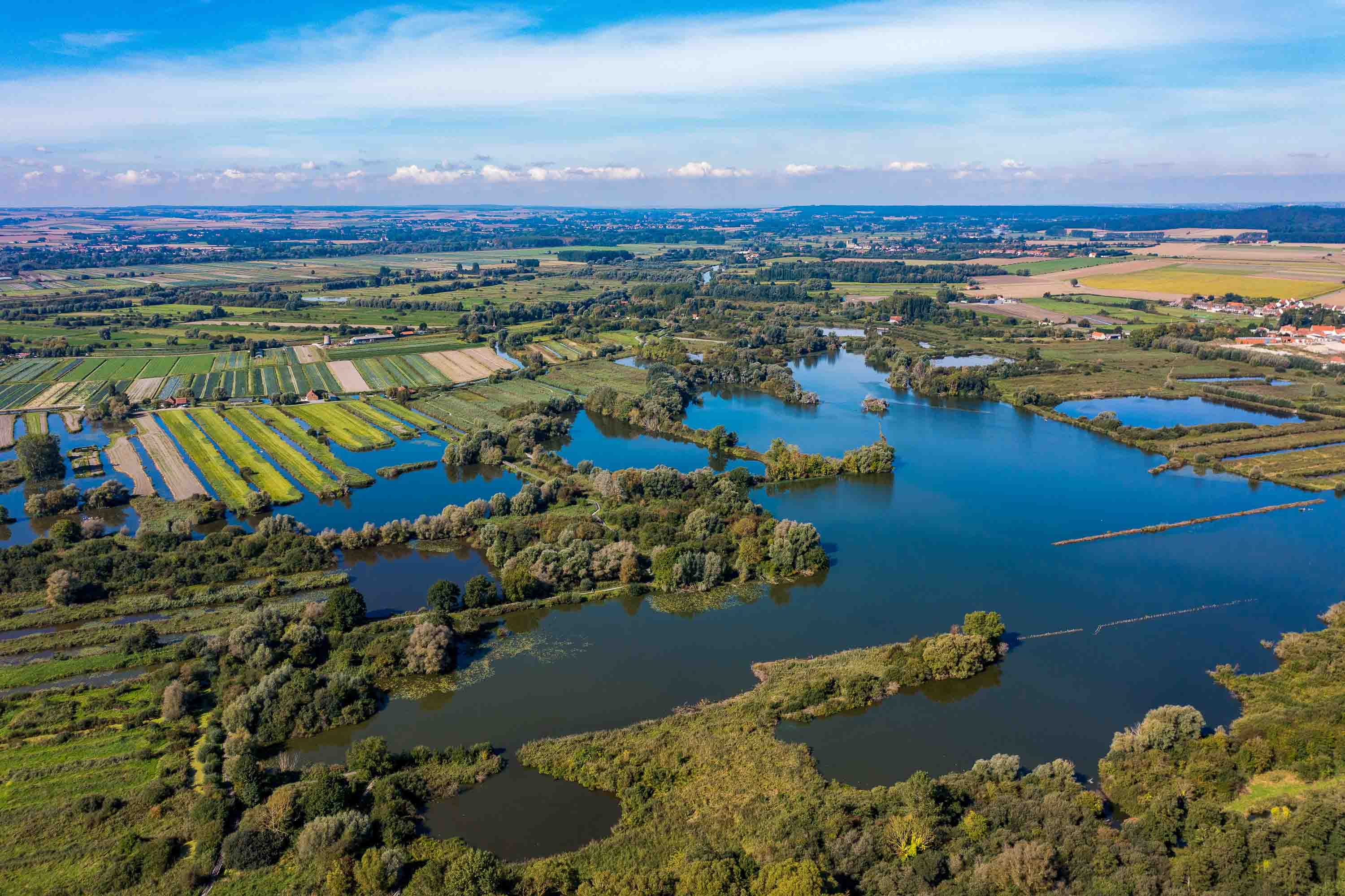
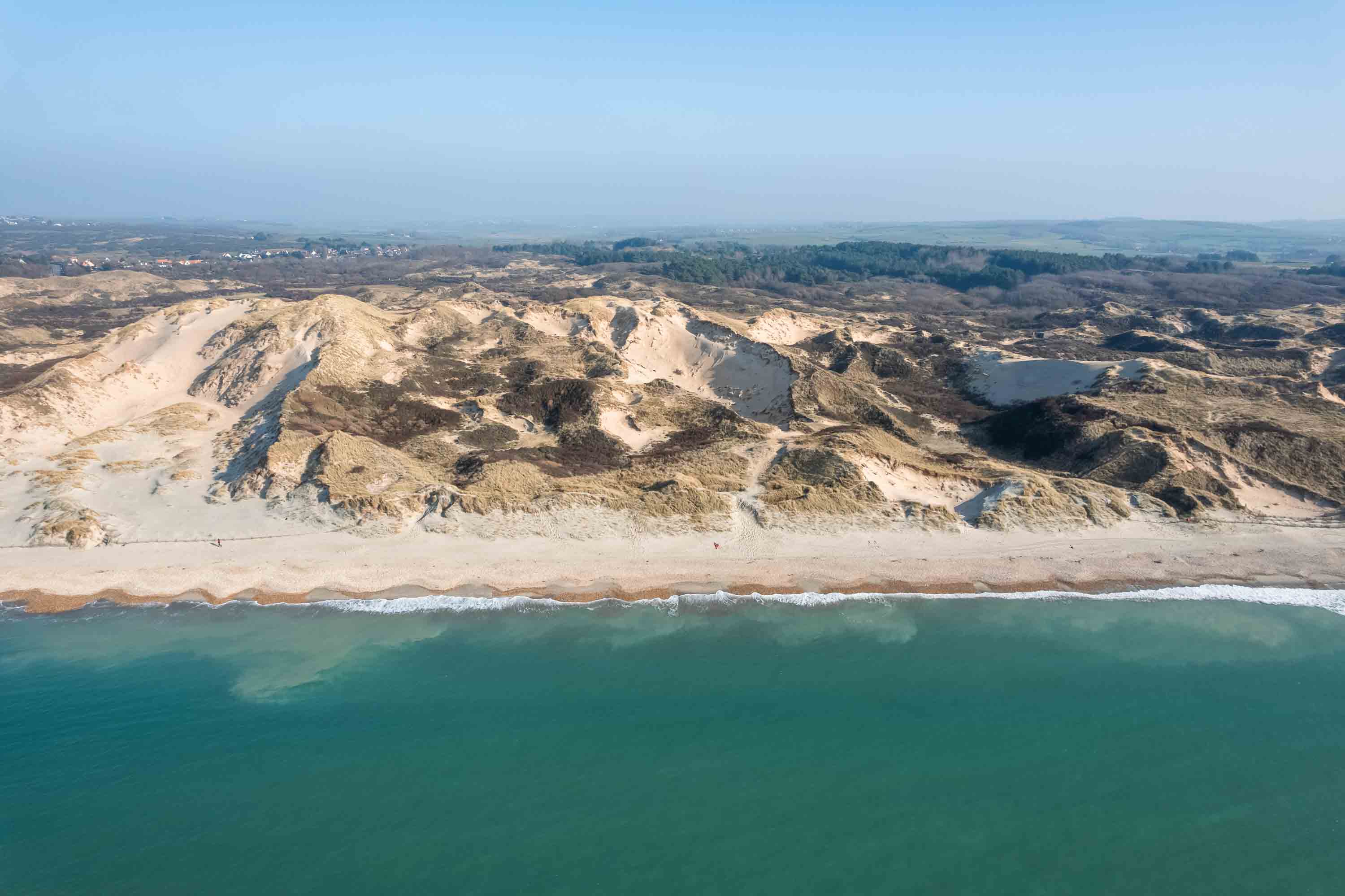
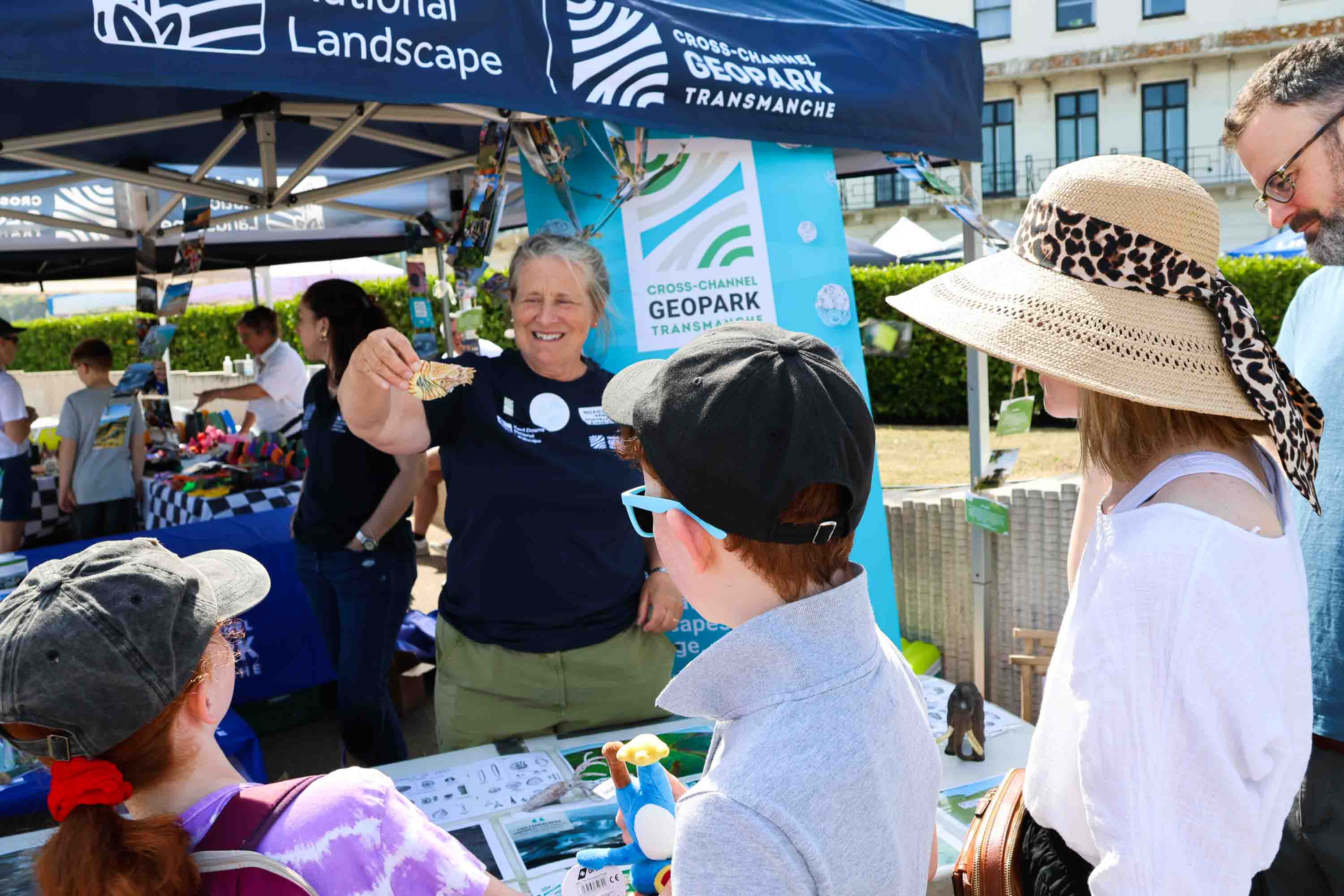
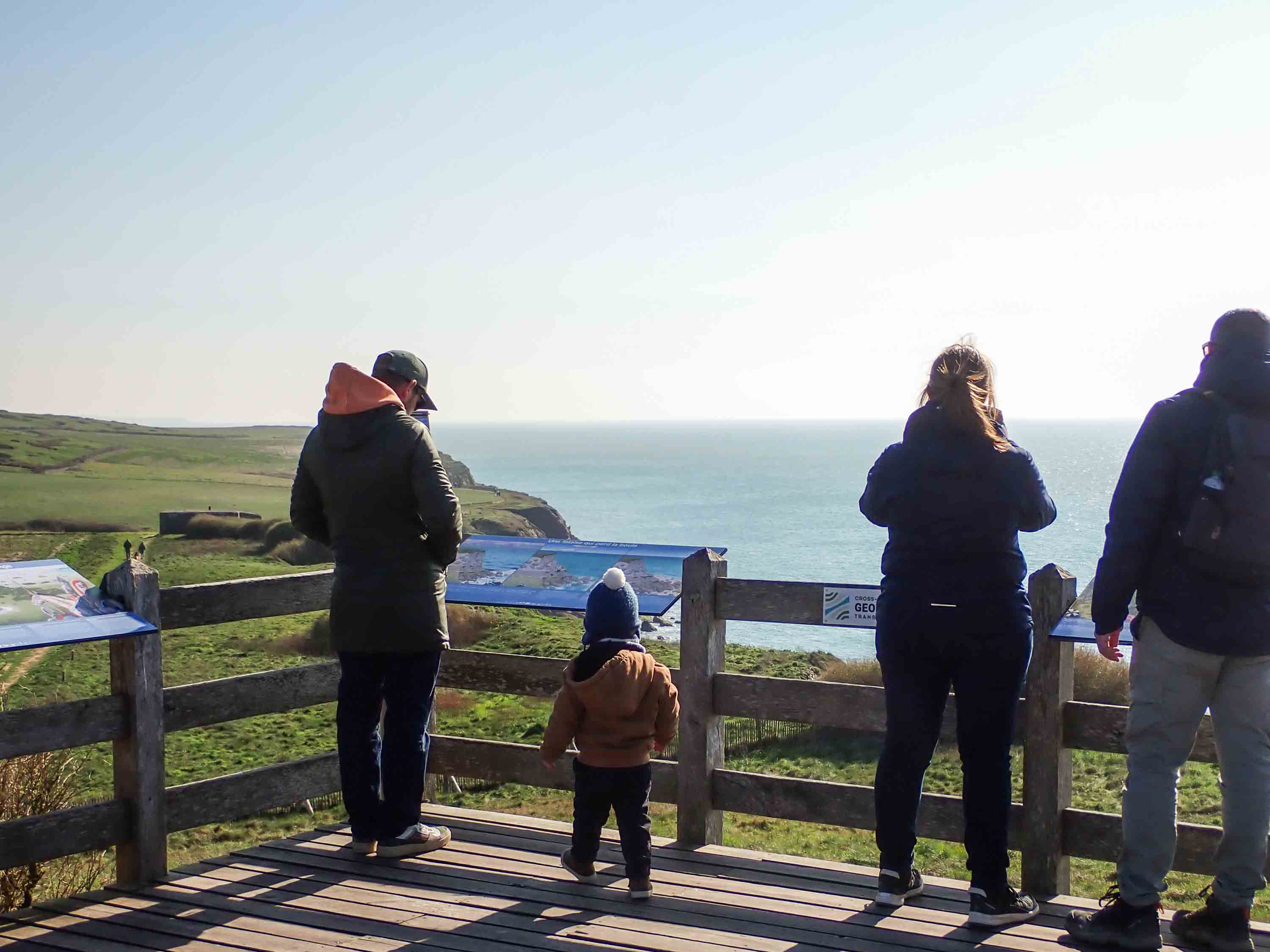
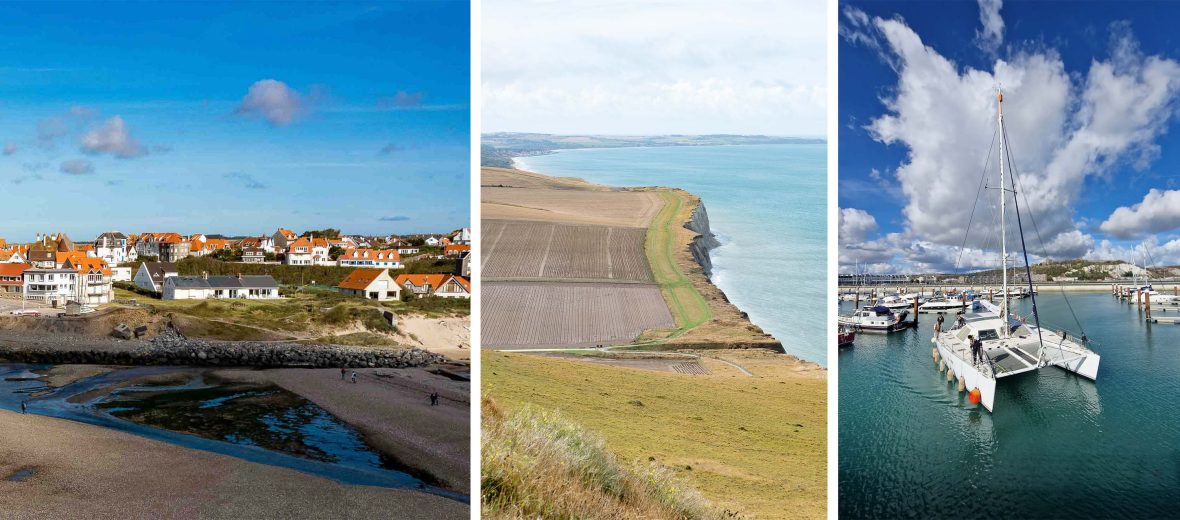
I recognize these butterflies from my garden back home in Kent, southeast England. Yet here we are walking among the soft grassy hills of Mont Hulin and Mont Pelé, a 62-hectare (153-acre) protected area in the Cuesta du Boulonnais, rolling chalk downlands southeast of Boulogne on France’s north coast. It’s one of 43 specially selected Geosites (sites selected for their scientifically important geology) across the Kent Downs National Landscape, and the Caps et Marais d’Opale Regional Nature Park in France. Together, they comprise the Cross Channel–Transmanche Geopark.
French and English experts have worked together for over 20 years, sharing scientific research, conservation knowledge and promoting tourism, but this year, they’ve joined closer forces—to gain UNESCO status. If successful, it will be the world’s first UNESCO Global Geopark comprising two countries divided by a sea.