In 1995, Anguilla was assigned the .ai internet country code top-level domain. Fast forward to 2026, and the island is making much-needed revenue by selling the much sought-after domain to start-ups and tech companies.


In 1995, Anguilla was assigned the .ai internet country code top-level domain. Fast forward to 2026, and the island is making much-needed revenue by selling the much sought-after domain to start-ups and tech companies.
Generative Artificial Intelligence (AI) platforms, such as ChatGPT, are creating tensions worldwide, with fears over privacy, bias, copyright infringement and the cost to the environment countering arguments of increased productivity. And yet, the small Caribbean nation of Anguilla has found itself a surprise beneficiary.
The island, situated in the eastern Caribbean between the British Virgin Islands and Saint-Martin, lures in A-listers from both sides of the Atlantic—from power couple Beyoncé and Jay-Z to Sir Paul McCartney. Follow their footprints in the sand and you not only have a very real chance of bumping into Harry Styles—all 33 of the island’s beaches are public—but you’ll also bear witness to a quiet and unexpected AI-funded revolution, all thanks to a quirk of fate that saw Anguilla assigned the now highly-popular .ai top-level domain.
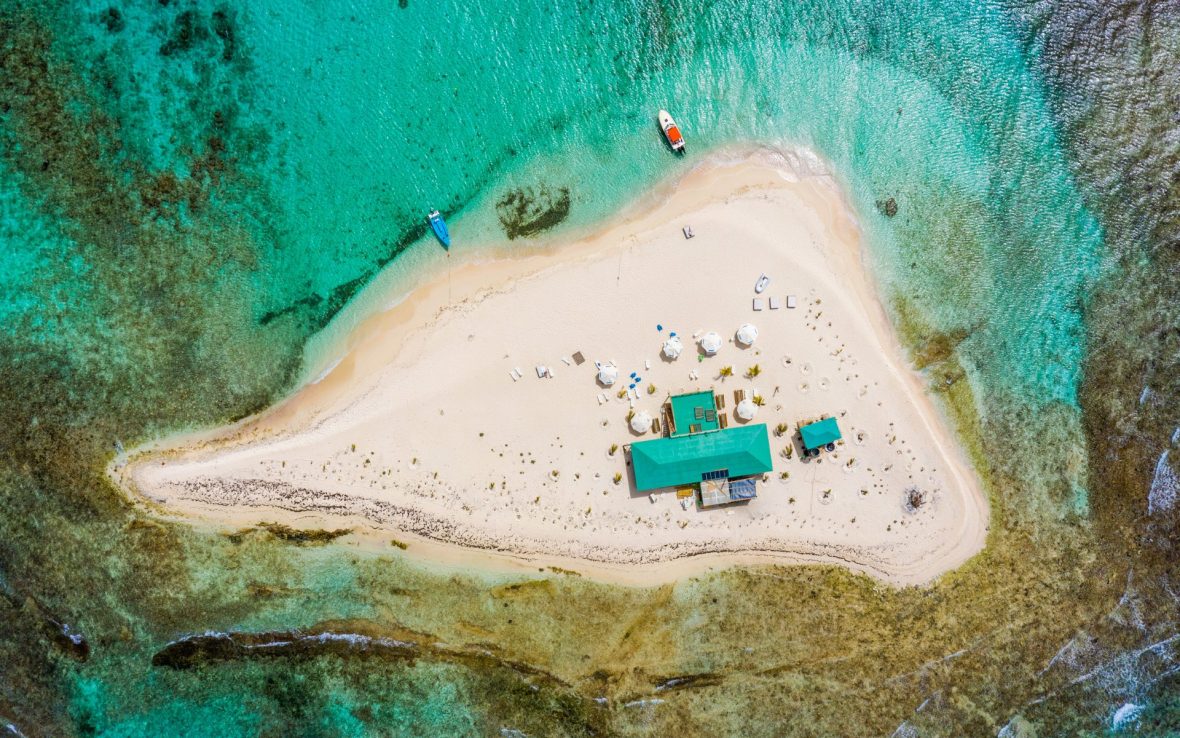
Despite being a British Overseas Territory, which means King Charles III is head of state, Anguilla is self-governing and largely economically independent from the UK. Spanning roughly 37 square miles (96 square kilometers), the territory is smaller than Paris, France and half the size of Baltimore, limiting its opportunities for agriculture and other industries.
Historically, the island has been reliant on fishing and international tourism. The latter accounts for up to 37 percent of the territory’s Gross Domestic Product (GDP) according to the International Monetary Fund (IMF).
“The success of .ai has enabled Anguilla to invest in critical infrastructure that will serve our people for generations.”
- Cora Richardson-Hodge, Anguilla Premier
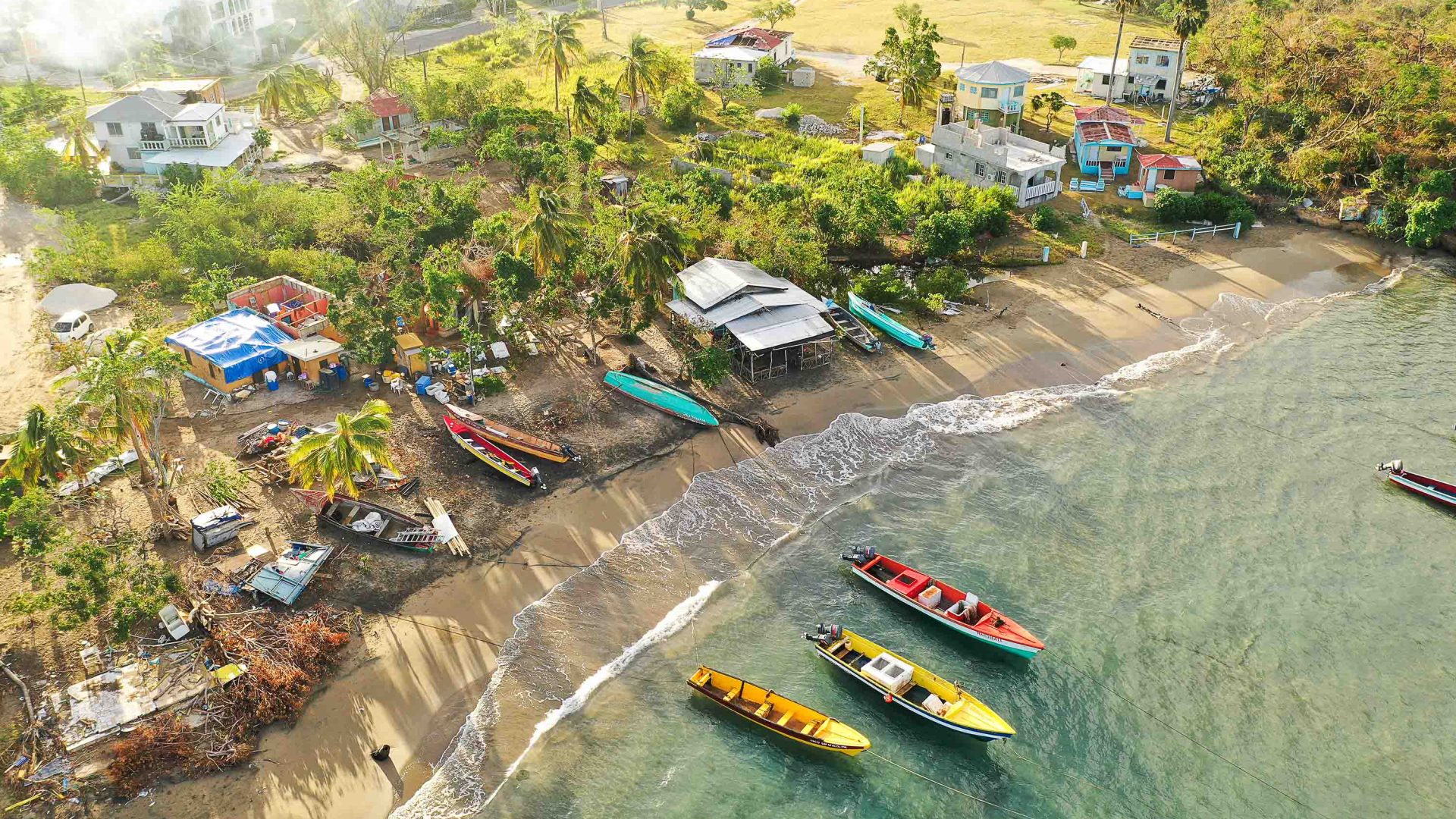
But Anguilla’s reliance on tourism has faced multiple setbacks. The island’s location within the Caribbean’s hurricane belt means tourist footfall is fickle: Anguilla has been hit by damaging winds on average once every 10 years since 1995, taking years to recover each time.
Hurricane Irma in September 2017 was the most powerful to ever strike the island, causing material damage in excess of USD$320 million. A devastating number when you consider the annual national expenditure totals less than USD$150 million.
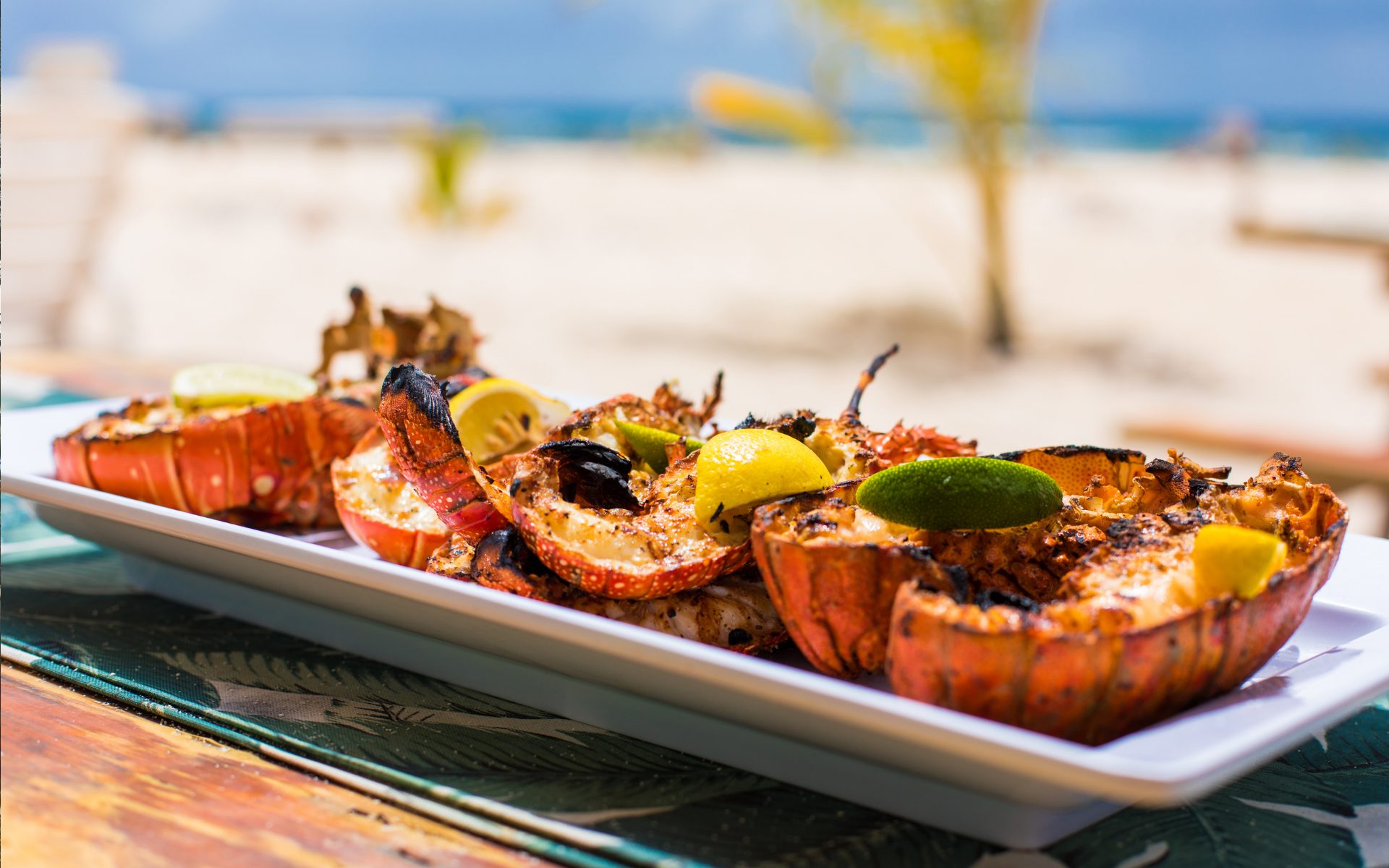
“It devastated the island, but because of our resilience we recovered,” says Anguillan-born chef Dale Carty. He opened Tasty’s Restaurant, specializing in Anguillan staples such as curry goat stew and grilled lobster, two years later. By then, data from the island’s Immigration Department showed visitor numbers had returned to expected levels after a fall of 42 percent the year after Irma made landfall.
But no-one could have envisioned the economic resiliency that AI would bring in 2026. It all started, technically, in 1995 when Anguilla was assigned the .ai internet country code top-level domain. At first, the domain was for island-based websites, like the government, only. Then in 2009, the domain became publicly available to sell. By 2018, the island was registering 50,000 .ai domains a year, earning it a cumulative windfall of USD$2.9 million.
However, it was the public release of ChatGPT, and its competitors, in November 2022 which changed everything—.ai domain name registrations started jumping. Fast forward to January of this year when Anguilla surpassed one million total domain sales, a feat considering they’d only sold a total of 500,000 in late 2024. These domain sales bring in roughly USD$85 million, or 47 percent of the island’s GDP, even when already-registered domains can be sold on by their current owners at a personal profit.
This milestone is about far more than domain registrations,” said Anguilla’s Premier (Prime Minister) Cora Richardson-Hodge. “The success of .ai has enabled Anguilla to invest in critical infrastructure that will serve our people for generations.”
At the time of writing, registrations are nearing 1.3 million, as roughly 28 percent of technology startups now choose an .ai domain. That’s despite the .ai domain costing up to 17 times more over the two-year mandatory registration period than equivalent .com domains. Nor is there significant buyer’s remorse, with over 90 percent renewed at their end of their initial 24 months.
Certain domains which are expected to see significant competition for ownership are often auctioned off to the highest bidder. In February 2026, ‘bot.ai’ became the costliest known after selling for USD$1.2 million.

While sales are sure to plateau, Anguilla’s government predicts as much as 15 percent of government non-tax revenue will continue to come from .ai domain sales.
Ministers want to spend this unexpected income on economic resilience: Paying down the national debt, establishing a sovereign wealth fund (a ring-fenced government kitty earmarked for major infrastructure investment), and diversifying the economy.
Road and air infrastructure is also in for upgrade, with a new passenger terminal and runway extension at Clayton J. Lloyd International Airport costing an otherwise unaffordable USD$175 million. The upgrade will allow larger aircraft to bring in increasing numbers of visitors without the need for regional connections.
The windfall is well-known on the island, and Carty says he’s already seen business pick up as a result of increased tourist board activity funded by the sale of .ai domains. “I have benefited directly from increased tourist arrivals,” he told Adventure.com. “But I hope for better healthcare, education, and skills training so our youths can benefit from this massive thing that’s about to hit this island in terms of development.”
“The vegetation restoration is about establishing a more secure future. The more diversity you have in terms of the vegetation, the more resilient it will be to a changing climate.”
- Devon Carter, conservationist
Longer-term development goals include a desire to reduce the reliance on expensive imported oil and fuel, by investing in renewable energies, as is happening in Barbados.
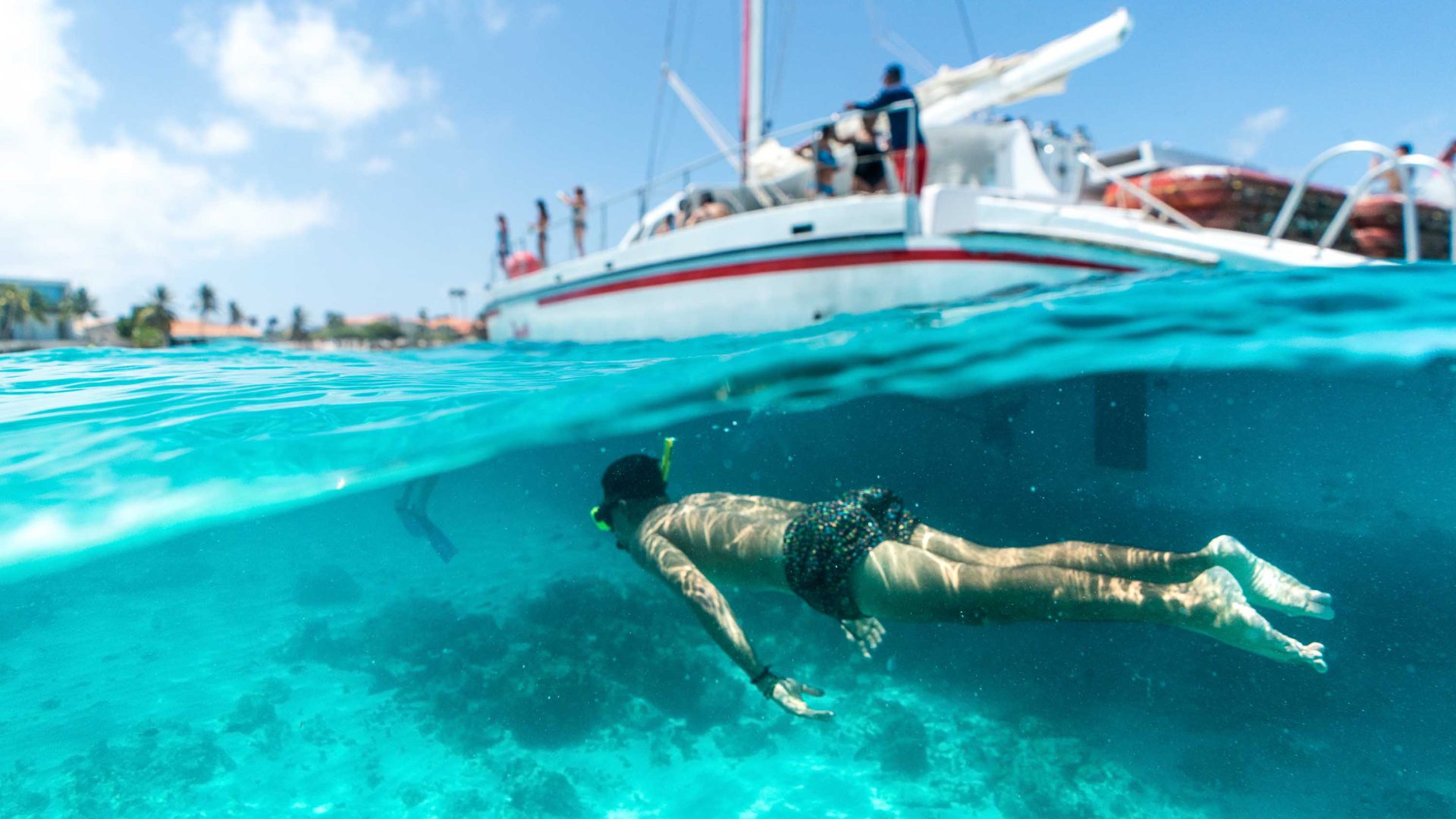
Perhaps fittingly for an island whose name translates to ‘eel’, derived from the Italian word for ‘eel’ and believed to have named by Christopher Colombus for its long, thin shape, Anguilla’s government is looking to support its ‘blue economy’—defined as the sustainable use and conservation of marine habitats.
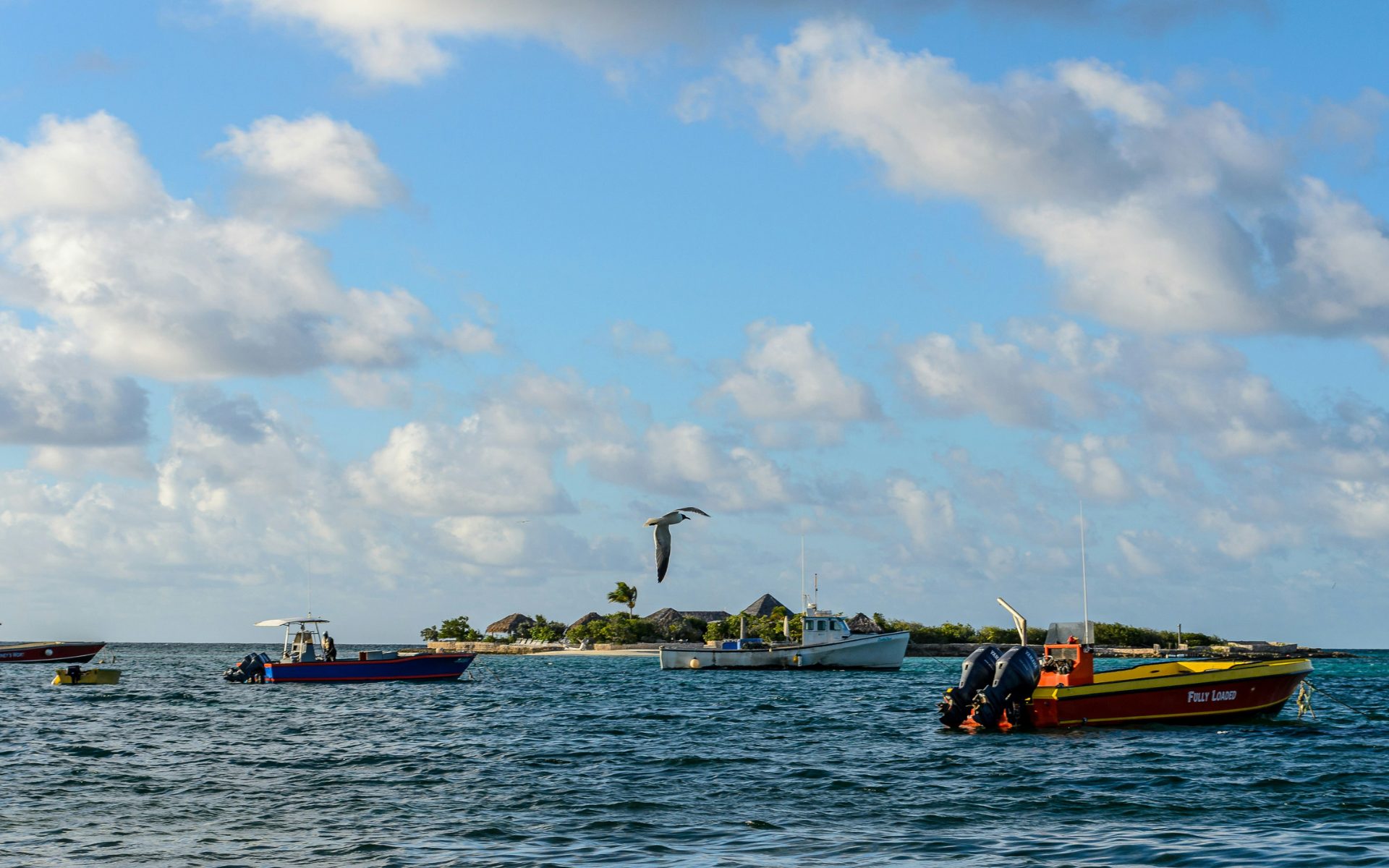
Island fisheries, processing Caribbean spiny lobster (panulirus argus) and queen conch (strombus gigas), provide jobs for up to 20 percent of Anguilla’s total work force. Ensuring the sustainable management of these shellfish stocks is therefore important.
Much of this work is being done through the installation of artificial coral reef habitats in Little Bay Marine Park on the island’s north coast by the Anguilla National Trust, an organization partly funded by government statuary grants as defined by the Anguilla National Trust Act. Though financial information isn’t yet publically available for the years after the .ai windfall, it can be supposed that funding could be increased as the government seeks a more sustainable future.
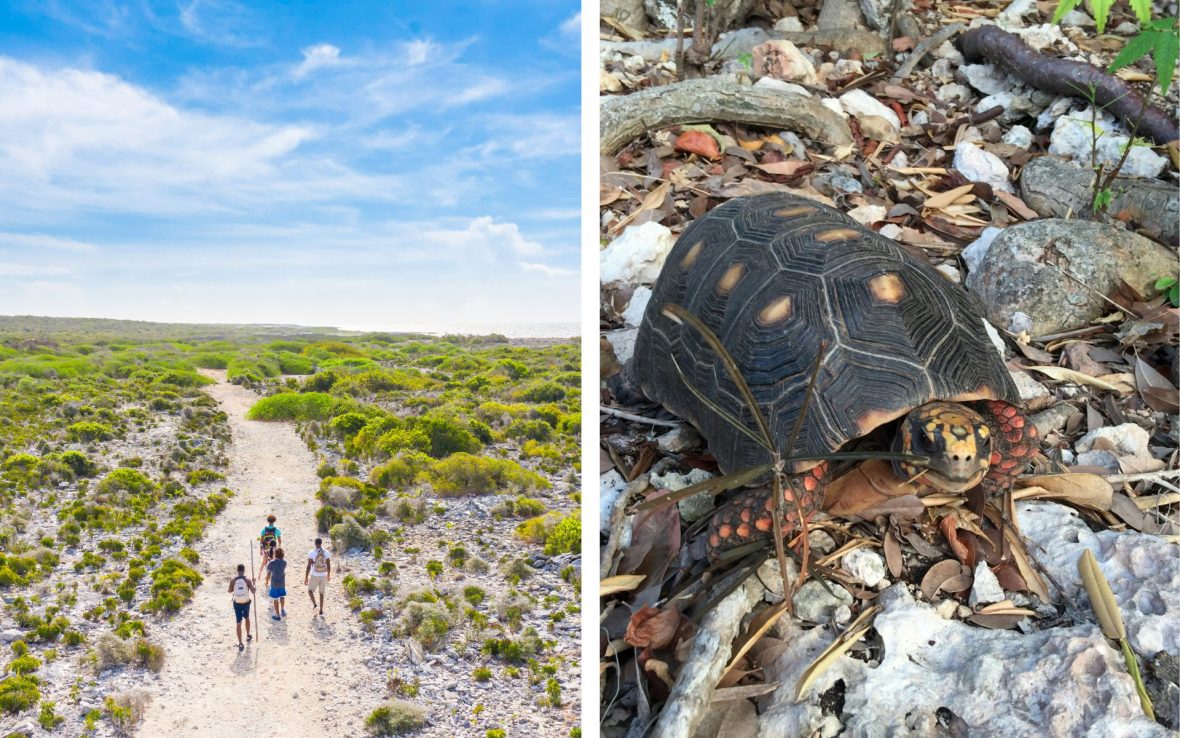
Another Trust project focuses on restoring degraded vegetation on offshore islands to support endangered species—like the Sombrero ground lizard (ameiva corvina)—and improve climate resilience by protecting the islands from storm surges.
“The vegetation restoration is about establishing a more secure future,” says local conservationist Devon Carter, a Trust research assistant. “The more diversity you have in terms of the vegetation, the more resilient it will be to a changing climate. Already, the island is looking greener and healthier. In the future we hope to see a whole different landscape and much more wildlife.”
While the future can be notoriously difficult to predict, as mid-20th-century forecasts of flying cars and personal jetpacks remind us, Anguilla’s considered use of its unexpected AI revenue, alongside awareness that it might not last forever, has already ensured some benefit for its people. And is looking like it will help protect its idyllic beaches and celebrity-filled waters too.
****
Adventure.com strives to be a low-emissions travel publication. We are powered by, but editorially independent of, Intrepid Travel, the world’s largest travel B Corp, who help ensure Adventure.com maintains high standards of sustainability in our work and activities. You can visit our sustainability page or read our Contributor Impact Guidelines for more information.

Ian Packham is an award-winning freelance travel writer specializing in Africa, but whose portfolio includes stories on destinations as varied as Chamonix, Bangladesh, and his hometown of Sheffield, England. A frequent visitor to the African continent, he has visited 40 of Africa’s 54 nations on multiple occasions.