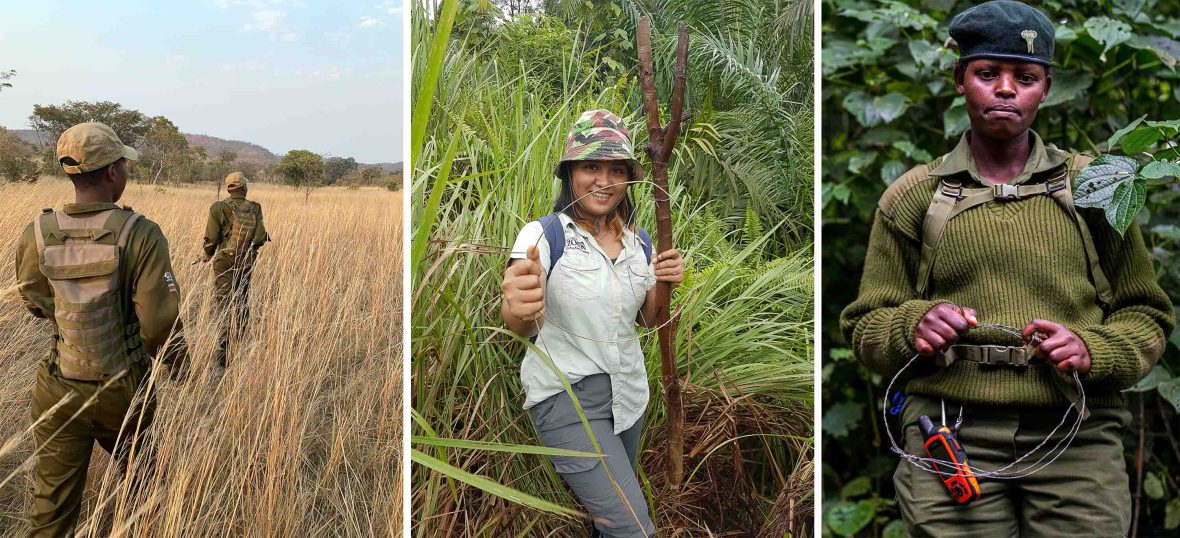
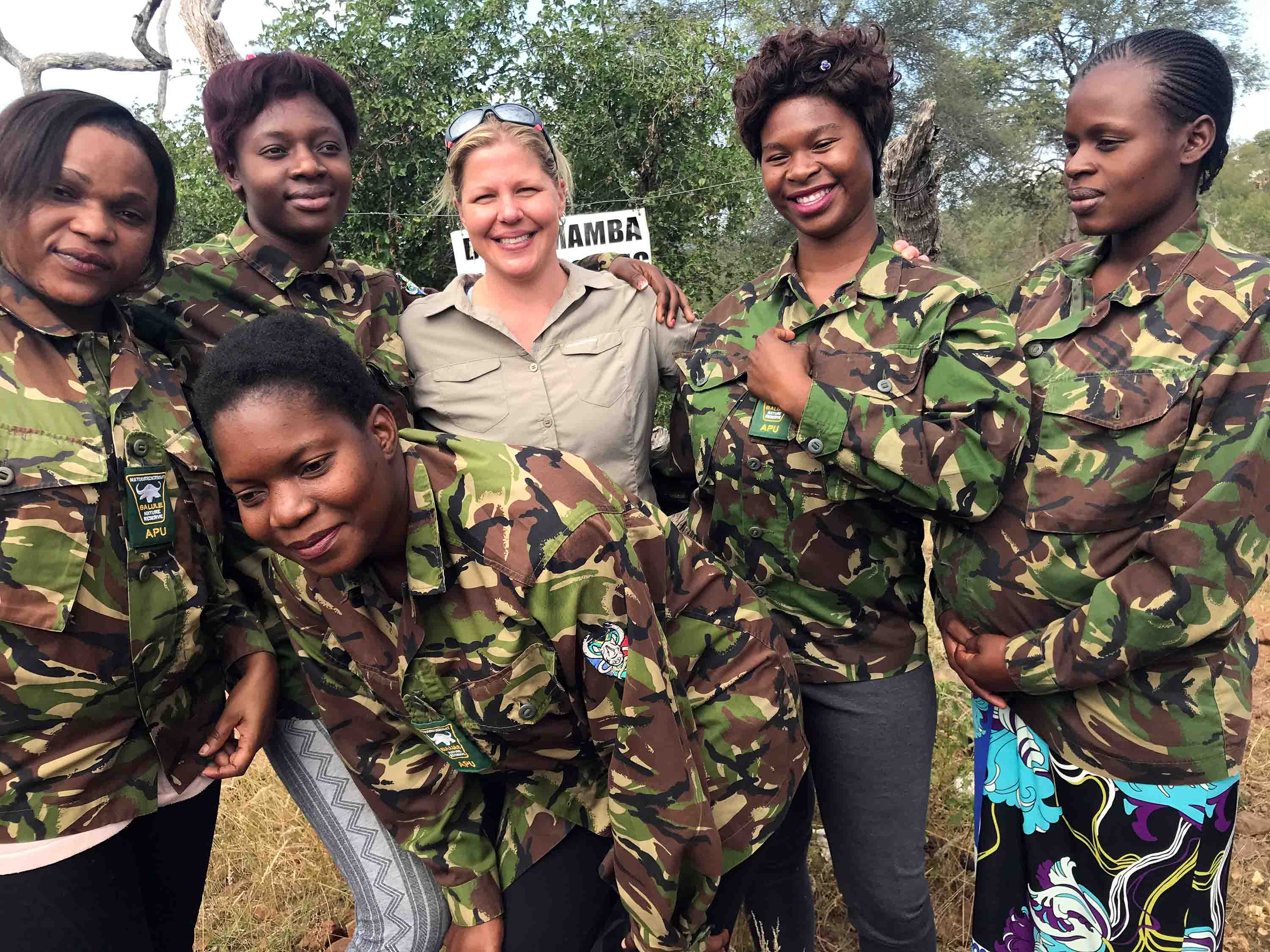
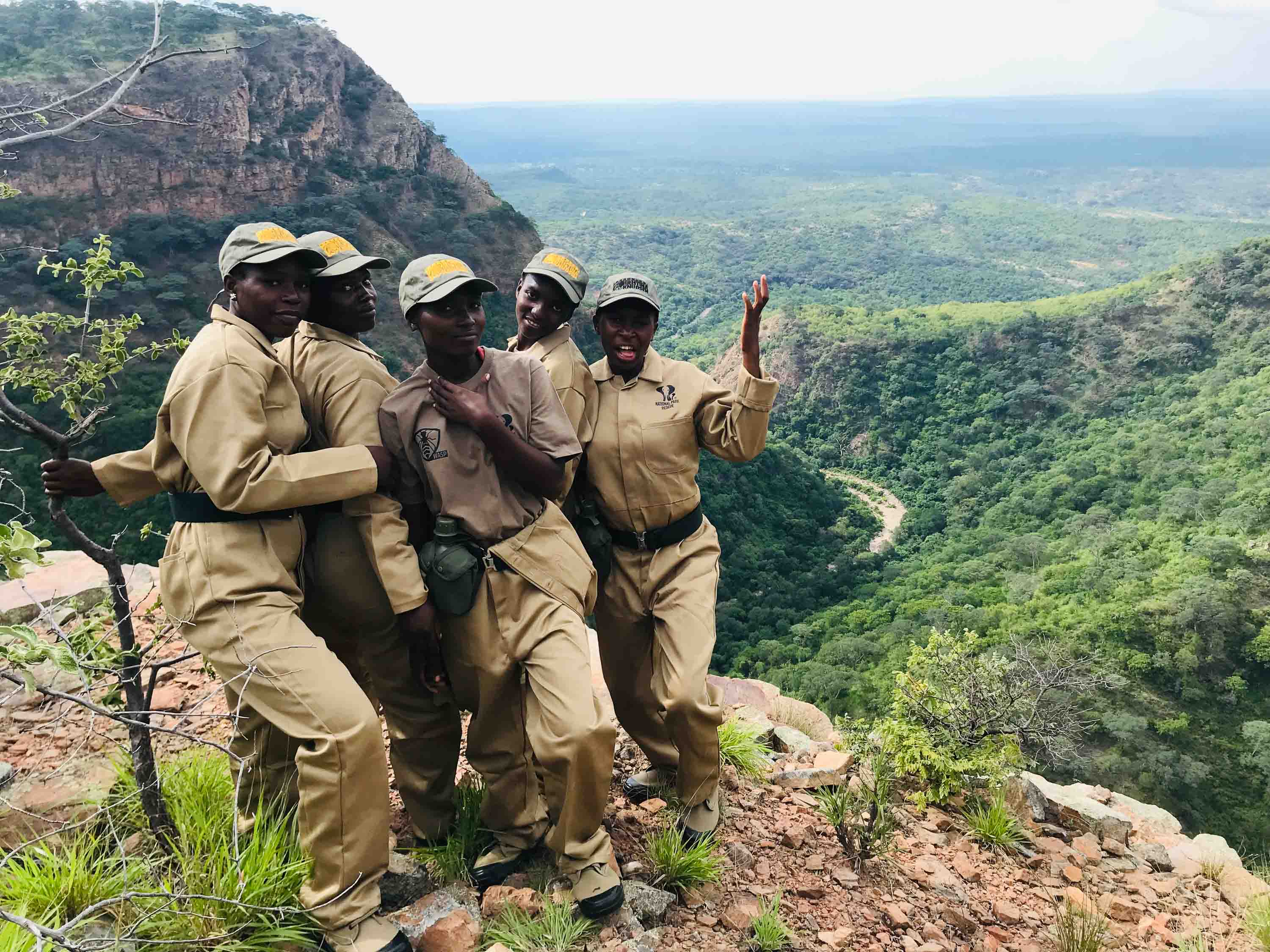
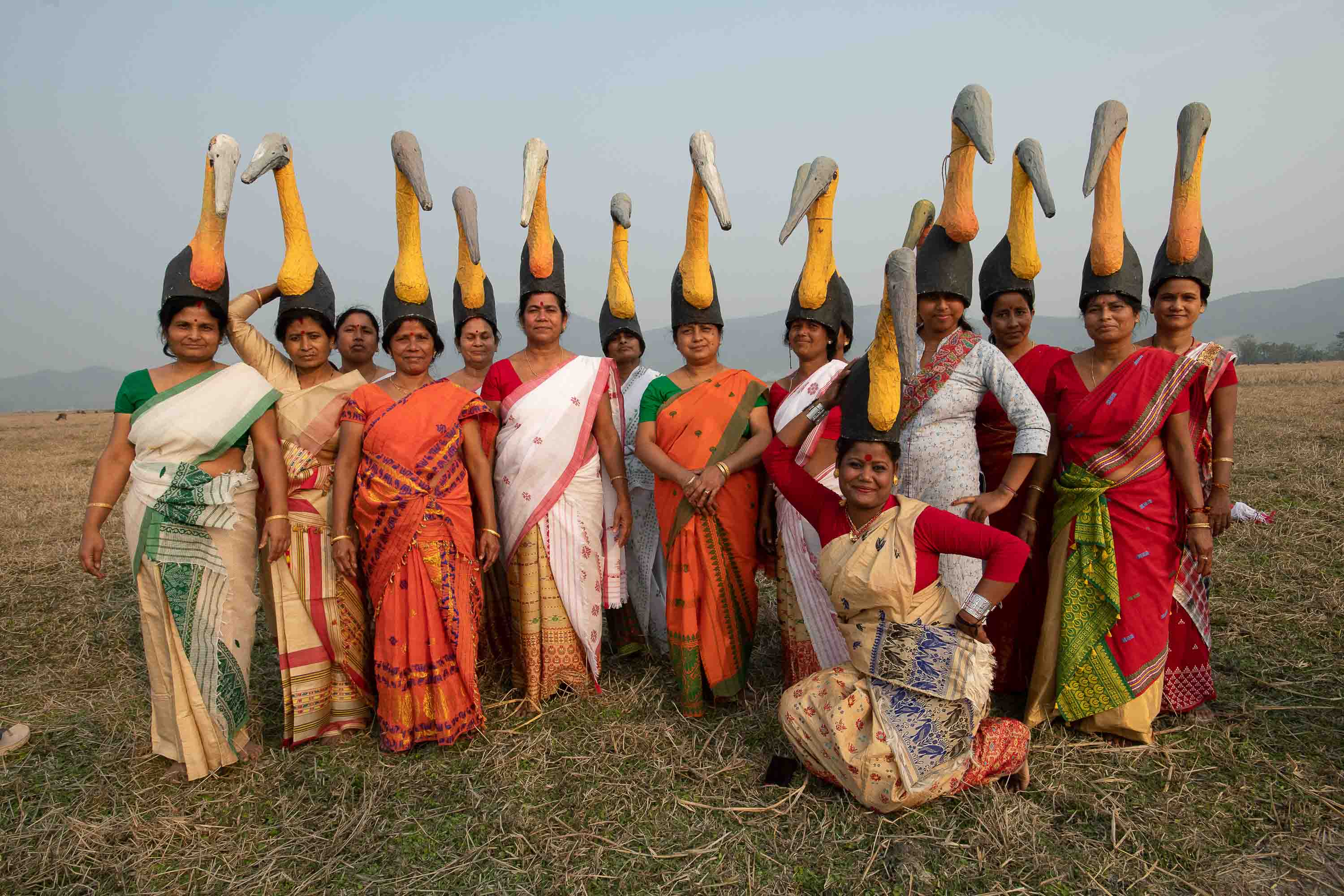
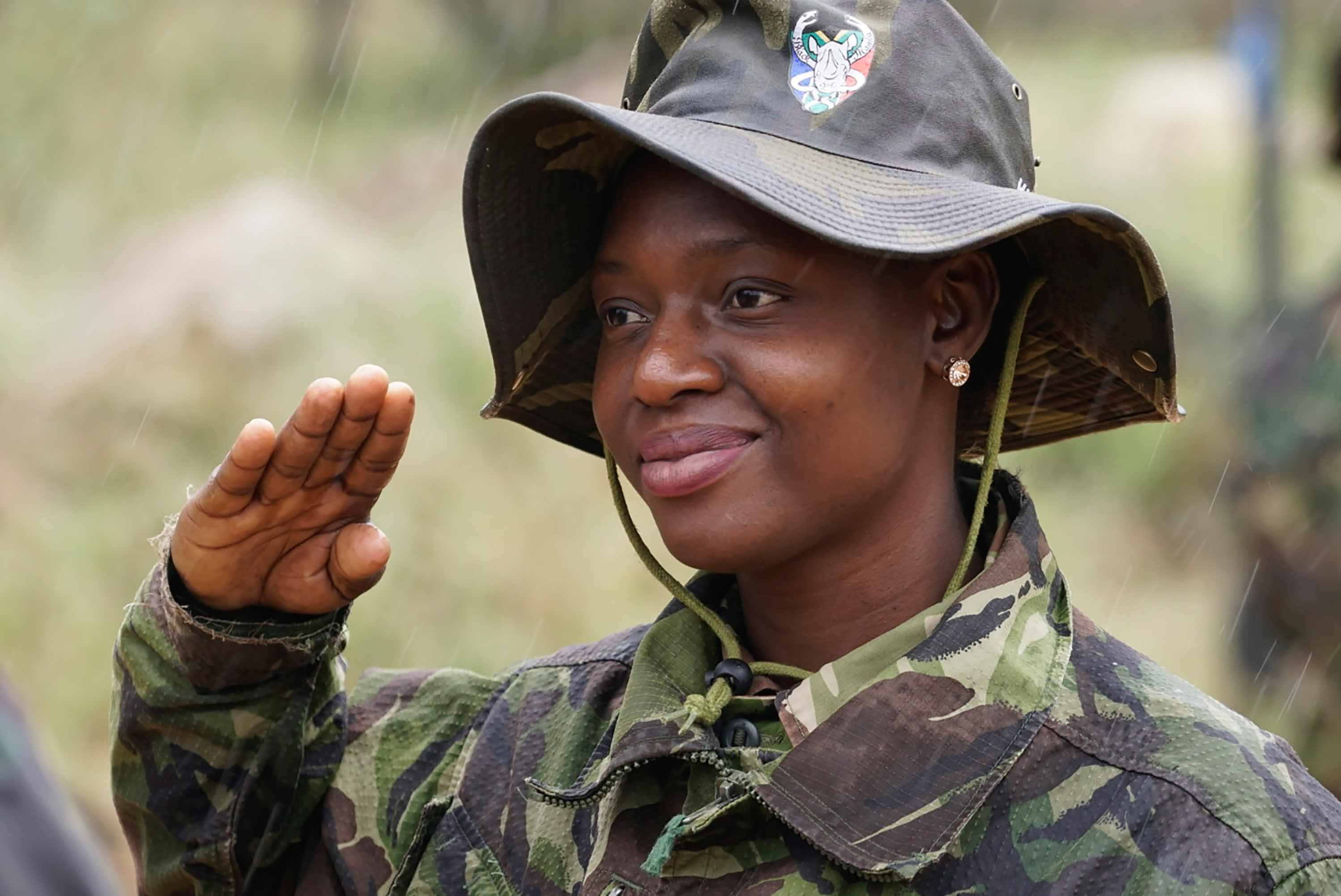
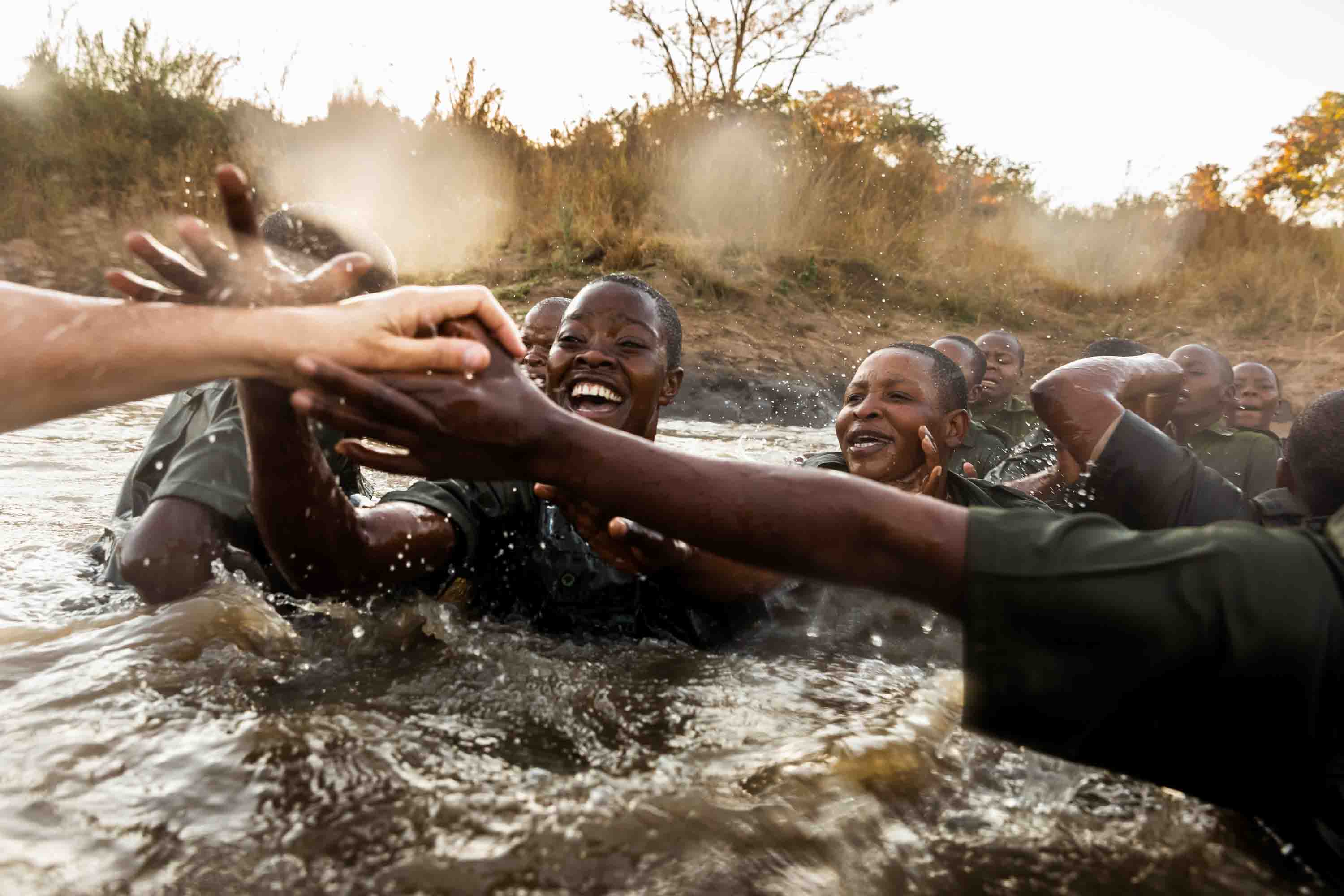
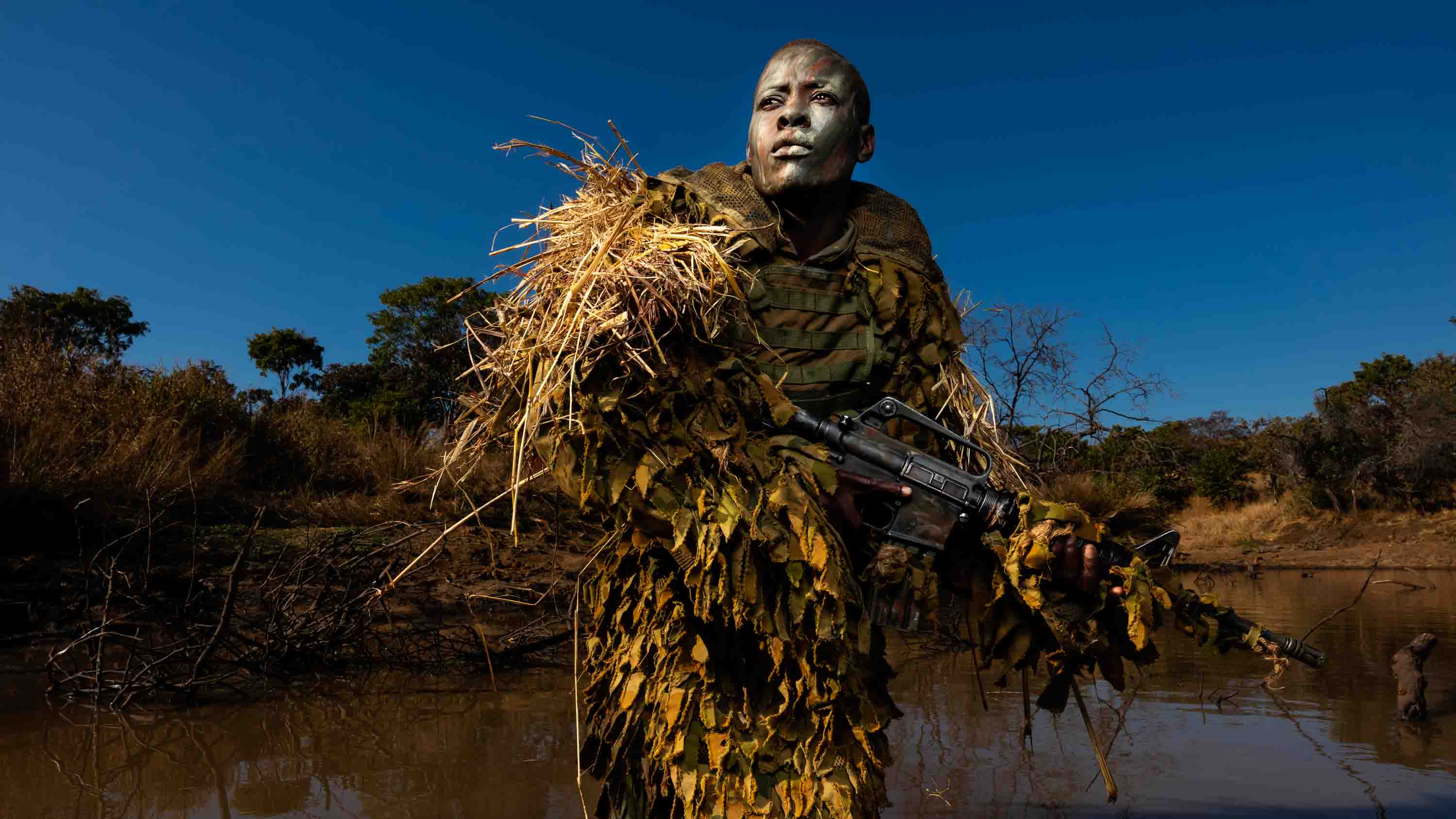
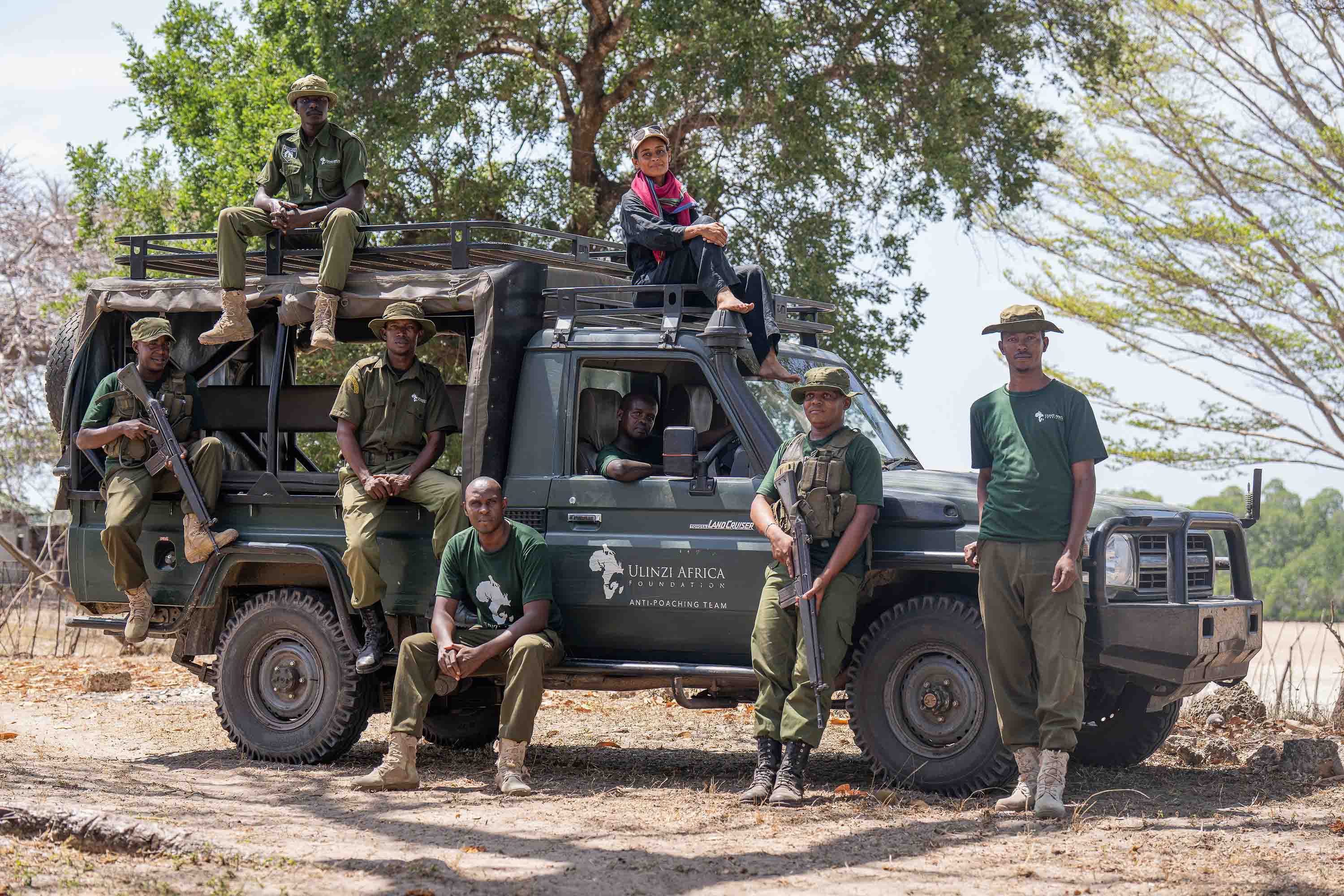
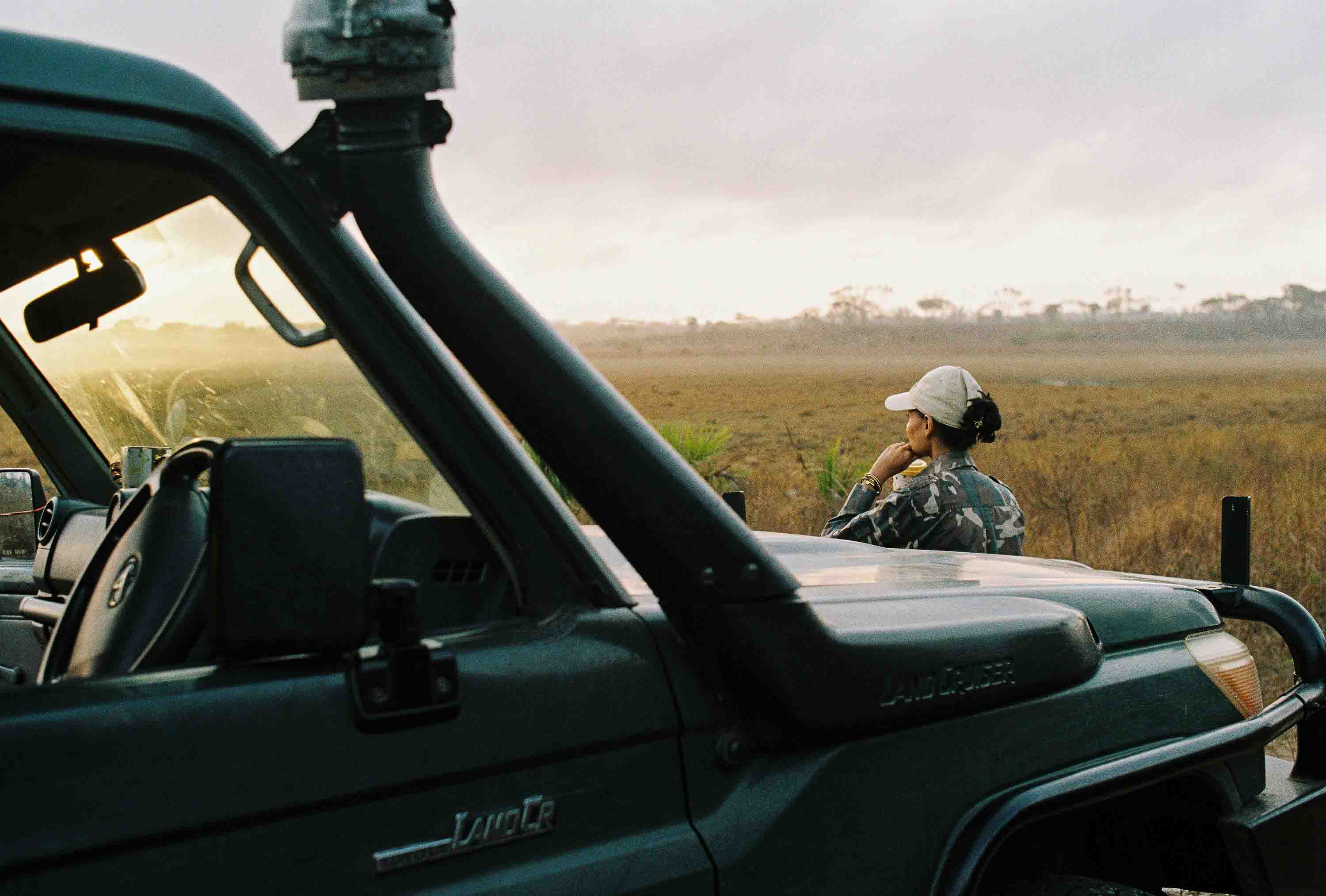
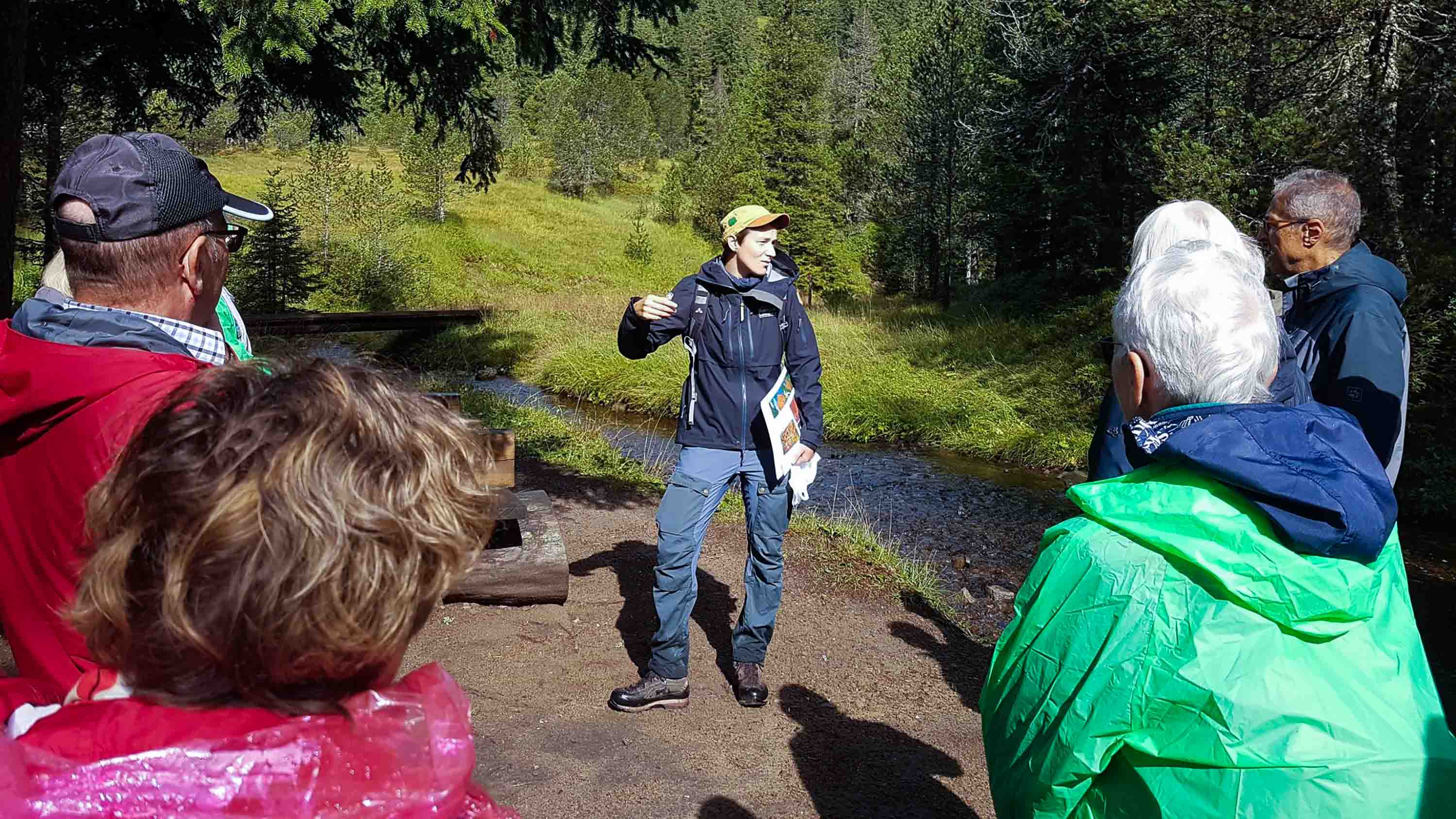
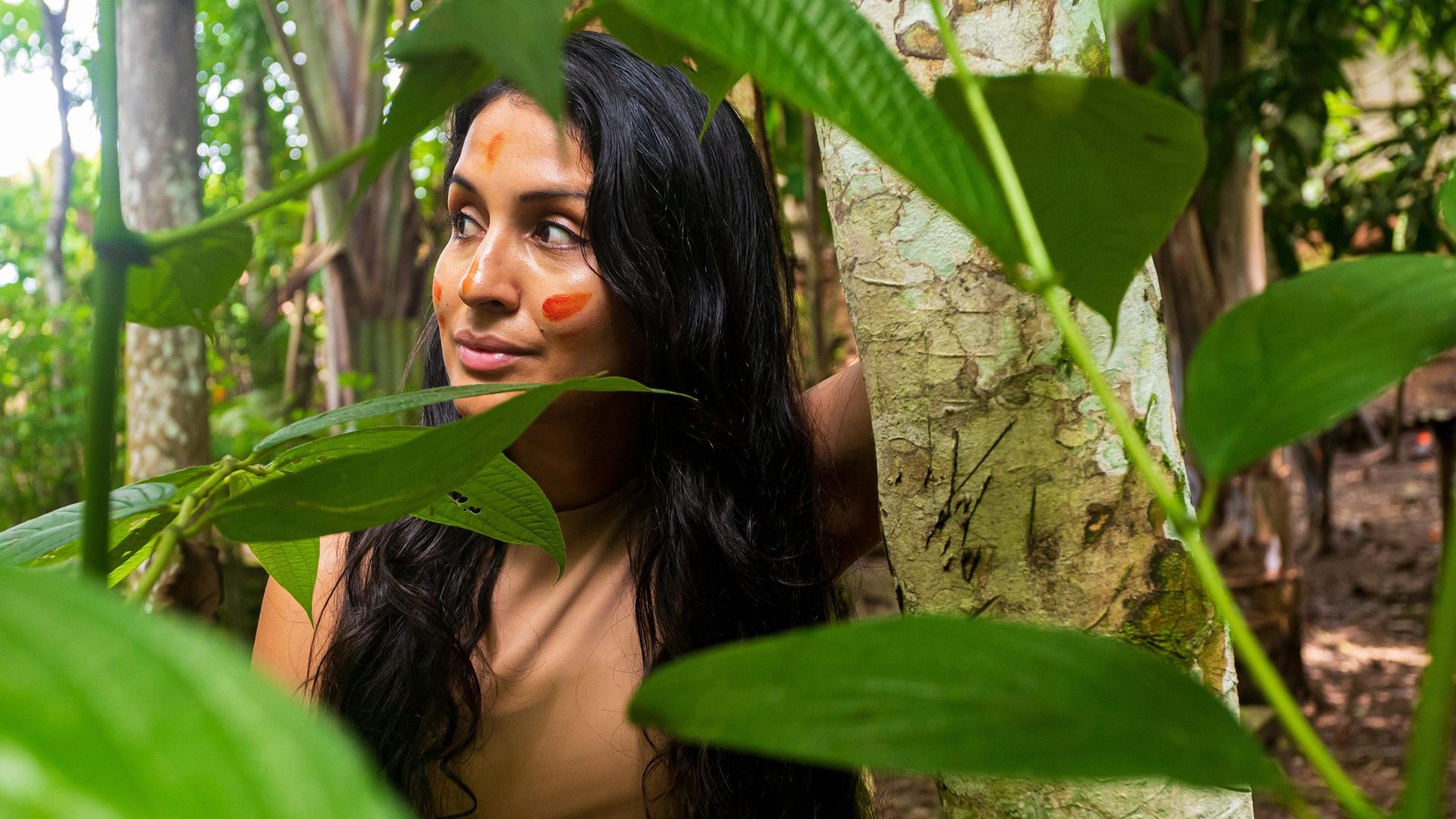
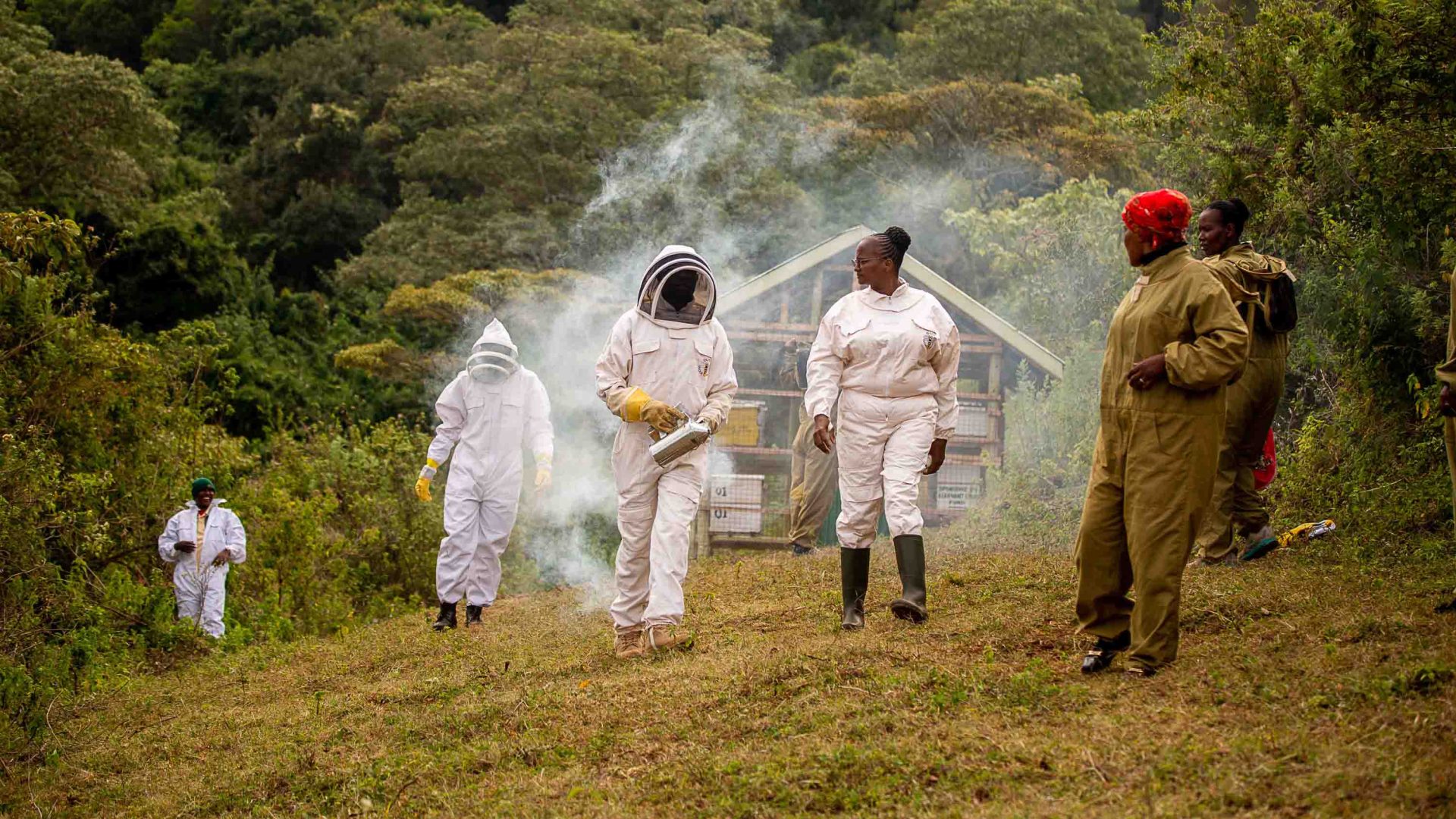
Female rangers have taught me that courage is often quiet, built through consistent effort, and continuing despite systems that don’t fully support them. The work is hard, but their passion for the natural world and their dedication to protecting it runs deep. Across continents, female rangers are protecting savannahs, forests, oceans and ecosystems that the rest of us depend on.
Through World Female Ranger Week, we have sought to move the conversation beyond celebrating female rangers to understanding and addressing the realities they face. By creating a global platform for women to share their experiences, the campaign has highlighted issues ranging from ill-fitting equipment and inadequate facilities to security risks, social stigma, menstrual health, and barriers to career progression. The initiative has also provided direct support through grants, elevated role models, and fostered a growing network of over 6,000 female rangers globally. In many cases, simply making these challenges visible has helped drive important conversations within conservation organizations about what more can be done to support and retain women in the profession.
Organizations such as Universal Ranger Support Alliance, the International Ranger Federation and Game Rangers’ Association of Africa are pushing for minimum standards around ranger welfare, healthcare, insurance and safety. Some conservation organizsations are also introducing gender-responsive policies, from maternity support and menstrual health provision to female-specific uniforms and accommodation. The challenge now is scaling what works so that support becomes the norm rather than the exception.
The conservation sector has made progress, but the stories in this article make one thing clear: We still have a long way to go. If we value the women protecting our wildlife, wild places and communities, we must ensure they have the safety, support, equipment, opportunities and recognition they deserve.