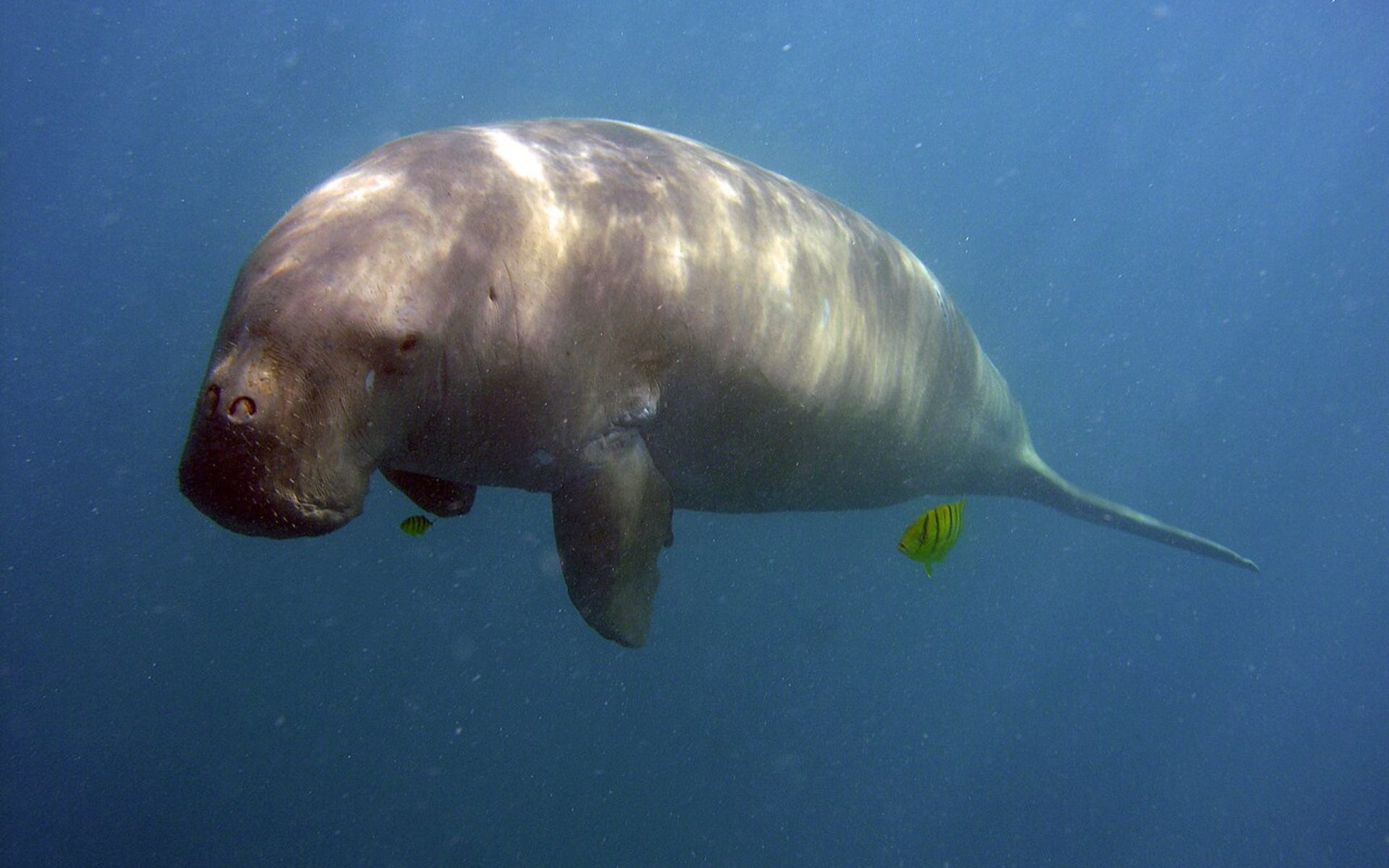
As southern seagrass meadows shrink, dugongs have begun migrating north to areas like Phuket and Phang Nga, places where they were rarely seen in the past. Their arrival reflects clear evidence of the crisis—but it also presents an opportunity.
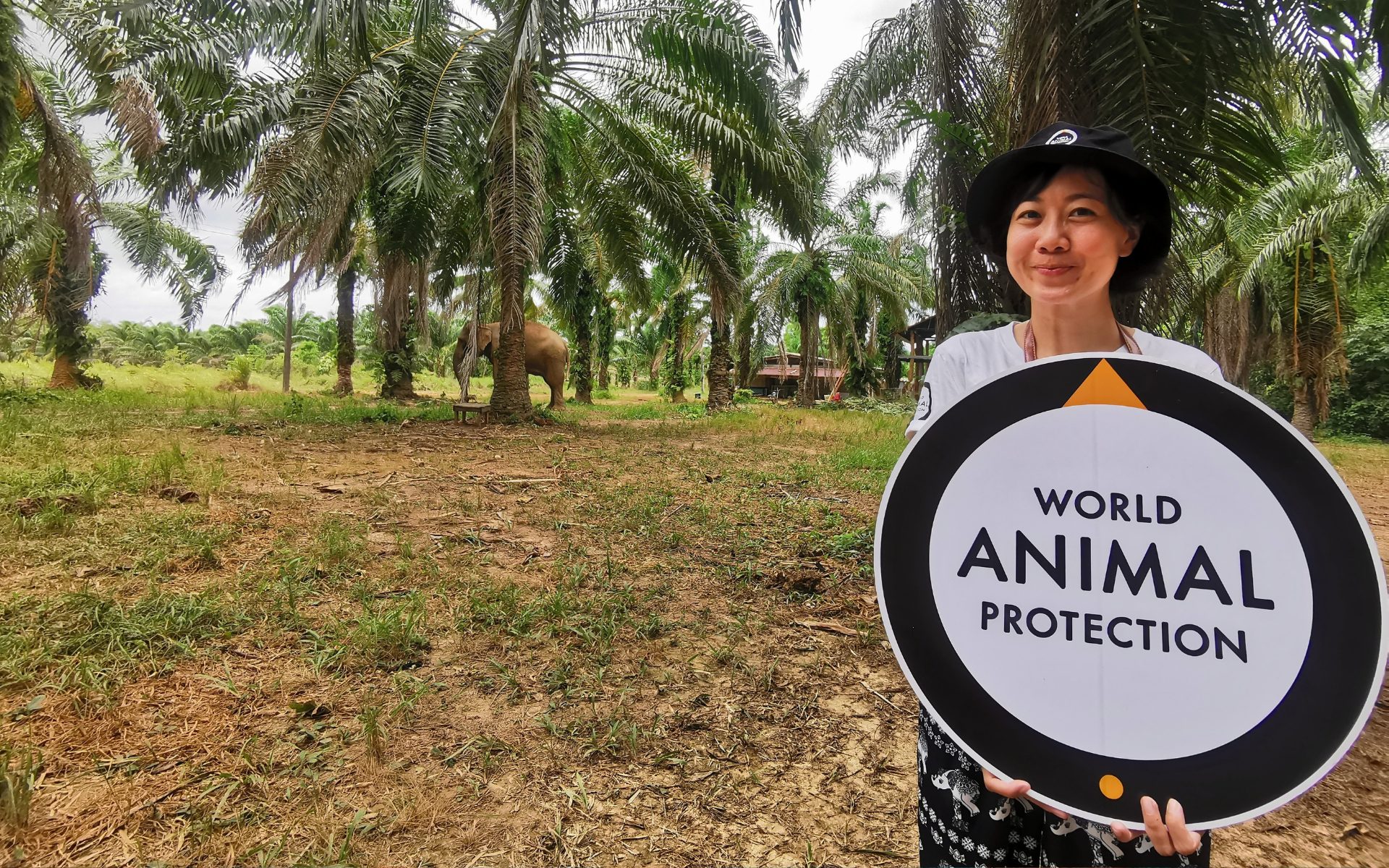
“These northern areas could become long-term dugong habitats because they still have rich seagrass,” says Khemratch Amornwatpong, an environmental scientist with more than three decades’ experience with wildlife NGOs, a master’s in environmental management, and now regional campaign manager at WAP.
But a change of habitat doesn’t always mean a change of fortune.
“A big threat now is boat propellers. In new areas where dugongs migrate, fishermen and tourist boats don’t know they’re there, so accidents happen,” says Amornwatpong. According to WAP, contact with boats and ensnarement in fishing nets were responsible for nearly a quarter of recorded losses between 2020 and 2023.