As the US-Israeli war on Iran enters its second month and jet fuel prices continue to surge, the global aviation industry is being forced to re-evaluate operations. But what does this mean for the average traveler with upcoming trip plans?


As the US-Israeli war on Iran enters its second month and jet fuel prices continue to surge, the global aviation industry is being forced to re-evaluate operations. But what does this mean for the average traveler with upcoming trip plans?
Life is full of uncertainty, but one thing we do know right now is that the US-Israeli war on Iran is making travel more expensive. Jet fuel prices have risen from an average of USD$90 up to $200 per barrel due to attacks on refineries, disruptions to supply chains and access to the Strait of Hormuz, one of the world’s most important oil chokepoints.
This corridor—deep enough for oil tankers but only 20 miles (33 kilometers) wide at its narrowest point—is used by Middle Eastern oil and LNG producers. According to the US Energy Information Administration, about 20 million barrels of oil passed through the Strait of Hormuz per day in 2024, roughly 20 percent of global petroleum liquids consumption. If the Strait stays closed, the world will be forced to significantly reduce its dependency on oil and gas, but not before price increases affect global economies and the fuel crisis—which is already hitting Asia—spreads to the rest of the world.
According to Reuters, some airlines are already raising prices. Air France-KLM said it plans to increase long-haul ticket prices, with cabin fares set to rise by USD$57 (50 euros); Air New Zealand was one of the first to announce ticket increases, adding USD$6 (NZ$10) to one-way economy fares and USD$51 (NZ$90) on long-haul flights; Thai Airways is raising fares by 10 to 15 percent; Hong Kong Airlines raised fuel surcharges by up to 35 percent; and US-based low-cost carrier Jetblue Airways is increasing fees for optional services, like baggage. Essentially, the rising price of jet fuel is being passed onto the consumer.
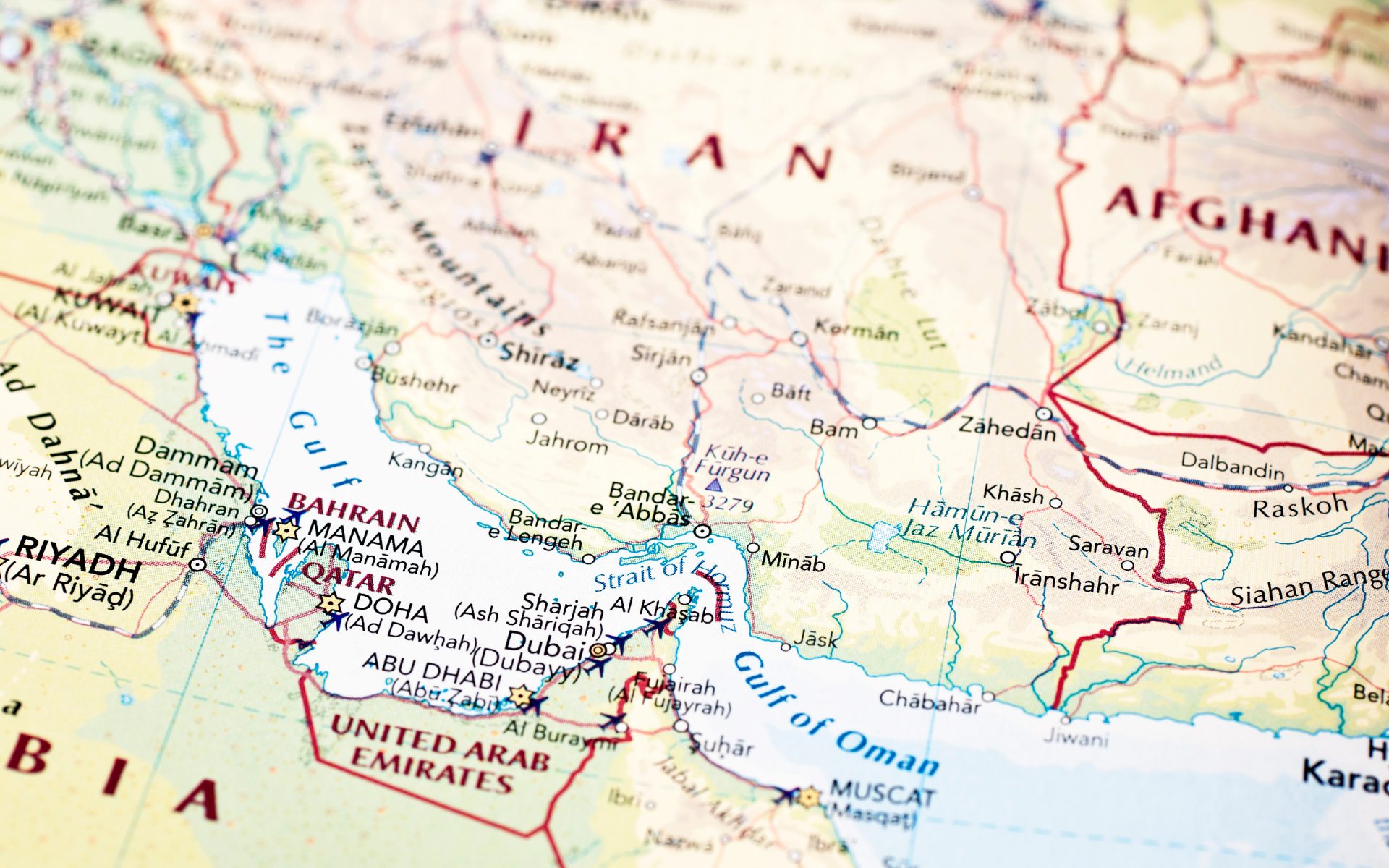

Before the conflict began, the Gulf air hubs—primarily Dubai, Doha and Abu Dhabi—were significant connectors linking Africa, Europe and Asia. According to a recent report from the International Air Transport Association, the region saw 277 million passengers in 2025; Dubai ranked as the world’s second-busiest airport. Now, airlines are choosing to avoid large swathes of Middle Eastern airspace and are rerouting long-haul flights.
British Airways has canceled its Dubai services until late October; Cathay Pacific has canceled all flights to Dubai and Riyadh until May 31, but has added more passenger flights to London, Paris and Zurich; Qantas has added flights to Rome and Paris to meet demand for European routes; while Singapore Airlines has suspended flights to Doha and added routes to London Gatwick and Melbourne.
But these Middle East international airports became strategic global aviation hubs for good reason—their locations place them within a four to eight-hour flight radius of two-thirds of the world’s population. To circumvent these airports can mean flying via, for example, Nairobi, Kenya or Addis Ababa, Ethiopia, or rerouting through the Caucasus and Afghanistan. For long-haul routes, such as flights between Europe and Australia, some airlines are stopping to refuel in Singapore, adding several hours in travel time. These longer routes also burn more fuel—only adding to the rising cost of travel.
“For now we have reports, pilot reports, or sometimes controllers spot drones. The problem is there’s not much you can do except shutting down the airport.”
- Tim Friebe, Air Traffic Controllers European Unions Coordination
According to United Airlines CEO Scott Kirby, the answer is ‘yes’. He recently told ABC News that travelers should lock in any planned trips now at current airfare rates, as ticket prices will likely need to go up by 20 percent to cover the rising cost of fuel.
Whether he is correct still stands to be seen; there are many variables at play. But given the unpredictability, there’s a strong argument for not buying the most ‘basic’ fare. Opting for a mid-range fare that allows you the flexibility to change your flight without paying an extra fee, or cancel your trip for a full credit or refund, is a safe bet in today’s climate. Essentially, lock in your fare but allow yourself a little flex.
In fact, it’s a good idea to just be more flexible in general. Travelers should expect more delays, longer travel times, fewer flight options and occasional cancellations. The global aviation industry is still functioning, but it’s reacting to geopolitical instability in real time.

From Ukraine to Afghanistan and Israel, an accumulation of conflicts in recent years has forced pilots to manage shrinking airspace and an increased use of military drones, even away from active war zones. Airports in European cities, such as Stockholm and Munich, have faced drone disruptions.
The issue with drones is that they do not emit a signal, like most registered planes do, so regular radars struggle to catch drones. If a drone strikes an aircraft’s engines, it could cause total power loss; damage to a wing can inhibit maneuverability.
Tim Friebe, an air traffic controller in Germany and a vice president at the Air Traffic Controllers European Unions Coordination (ATCEUC), told Reuters that drones were a “threat that is growing”. “For now we have reports, pilot reports, or sometimes controllers spot drones,” he said. “The problem is there’s not much you can do except shutting down the airport.”
The US Department of State issued a new worldwide security travel advisory on March 22 which urges American travelers to “exercise increased caution”, especially in the Middle East. The advisory notice refers to periodic airspace closures and the chance of “groups supportive of Iran may target other US interests overseas.”
The UK Foreign Commonwealth and Development Office (FCDO) also routinely updates its travel advisory warnings. There are currently 226 countries or territories with foreign travel advice pages, and 76 are flagged as having no-go zones.
While it may feel like the temperature is rising due to an uptick in media-covered regional conflicts, the actual act of flying remains as generally safe as it always has been. Flight safety standards have not been compromised, and airlines continue to fly millions of people safely around the world everyday.
Always make sure your passport is up-to-date and has six months validity remaining, opt in for travel insurance, and sign up for trusted travel advice notifications.
While group travel operator Intrepid Travel has cancelled departures in Jordan, Oman and Saudi Arabia until the end of April and beginning of May 2026, their trips in other destinations are operating as per normal. “In destinations unaffected by this conflict, we encourage people to continue travelling responsibly, supporting people and communities,” said Zina Bencheikh, Intrepid Travel’s managing director of Europe, Middle East and Africa, in a recent statement.
If you are concerned about safety, one of the best things you can do is to consider your final destination and check it against your respective country’s travel advisory board—is travel to Australia/Japan/Switzerland/Vietnam/insert-your-holiday-destination considered safe by your government’s standards?
Beyond that, always make sure your passport is up-to-date and has six months validity remaining, opt in for travel insurance, and sign up for trusted travel advice notifications. The US recommends STEP and Australia provides Smart Traveller, but most nations have their own platforms.
The conflict in the Middle East is evolving, changing day-by-day. Right now, it shouldn’t mean your trip to Bali should be canceled, but we highly recommend staying on top of the news, triple-checking your flight routes, and entering into all travel plans knowing that the costs are, at least for now, rising.
****
Adventure.com strives to be a low-emissions travel publication. We are powered by, but editorially independent of, Intrepid Travel, the world’s largest travel B Corp, who help ensure Adventure.com maintains high standards of sustainability in our work and activities. You can visit our sustainability page or read our Contributor Impact Guidelines for more information.

Tayla Gentle is managing editor of Adventure.com and an award-winning freelance writer, video producer and host. She specializes in storytelling that sits at the intersection of culture and responsible adventure.