Urban-Arctic streetwear is ‘the look’ in Greenland, with all the style, versatility and confidence to go global, as Samantha Falewée discovered while browsing the shops of the capital of Nuuk.


Urban-Arctic streetwear is ‘the look’ in Greenland, with all the style, versatility and confidence to go global, as Samantha Falewée discovered while browsing the shops of the capital of Nuuk.
Set against dark Atlantic water and the hulks of distant blue-white glaciers, Nuuk’s fashion scene sneaks up on me. As I walk in the Greenlandic capital’s downtown, a flurry of shapes and dark colors encircles me like a snowstorm: Silhouettes of broad-shouldered, long-waisted anoraks; the slouch of baggy pants; and understated-palette outerwear of black, bruise-blue, and greenish gray.
“A lot of what’s considered cool starts here in Nuuk,” says Mala Johnson, a co-founder of one of the country’s leading clothing brands, Bolt Lamar. “The heart of all of it is here.”
Nuuk is a hub of Greenlandic (and Greenlandic-owned) fashion, an effortlessly hip urban-Arctic vibe that is distinct to this fierce, beloved island. If you visit Nuuk and want to learn more about this look—and trust me, you will—there are a few names you need to know.
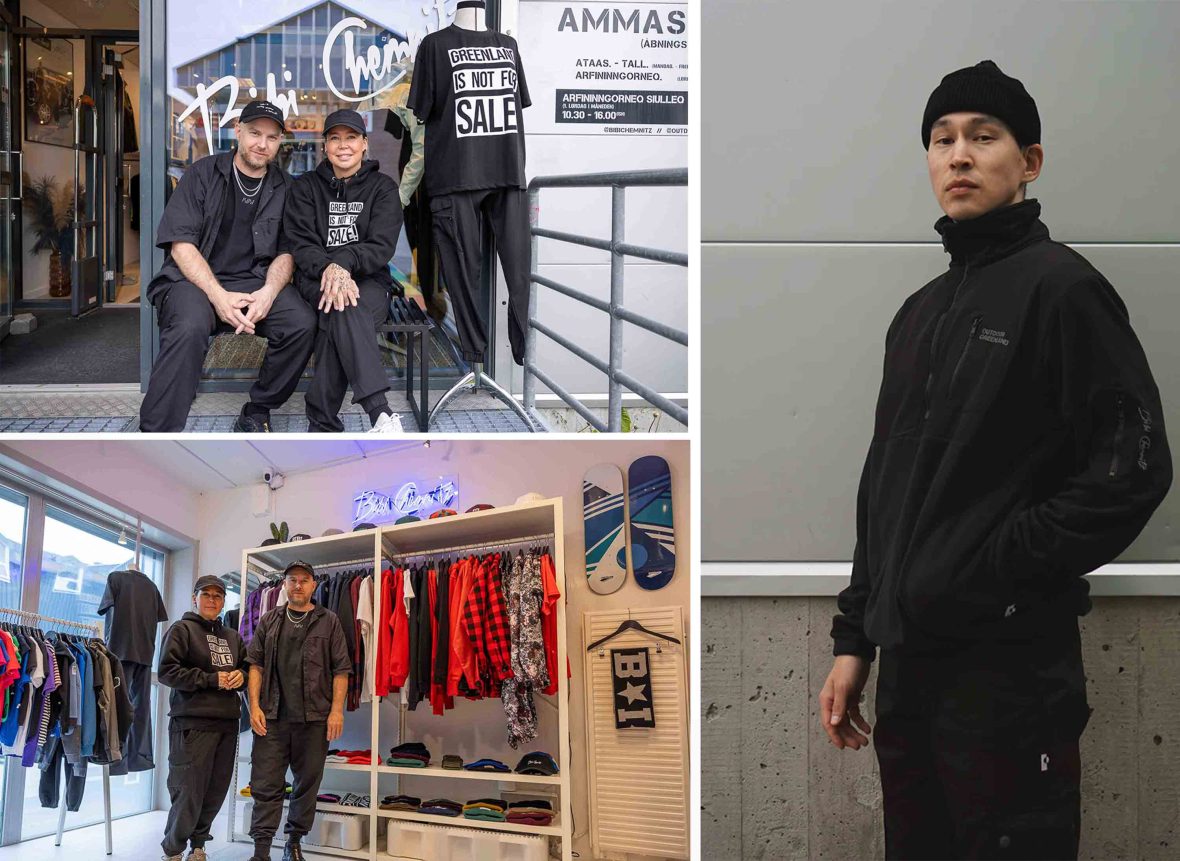
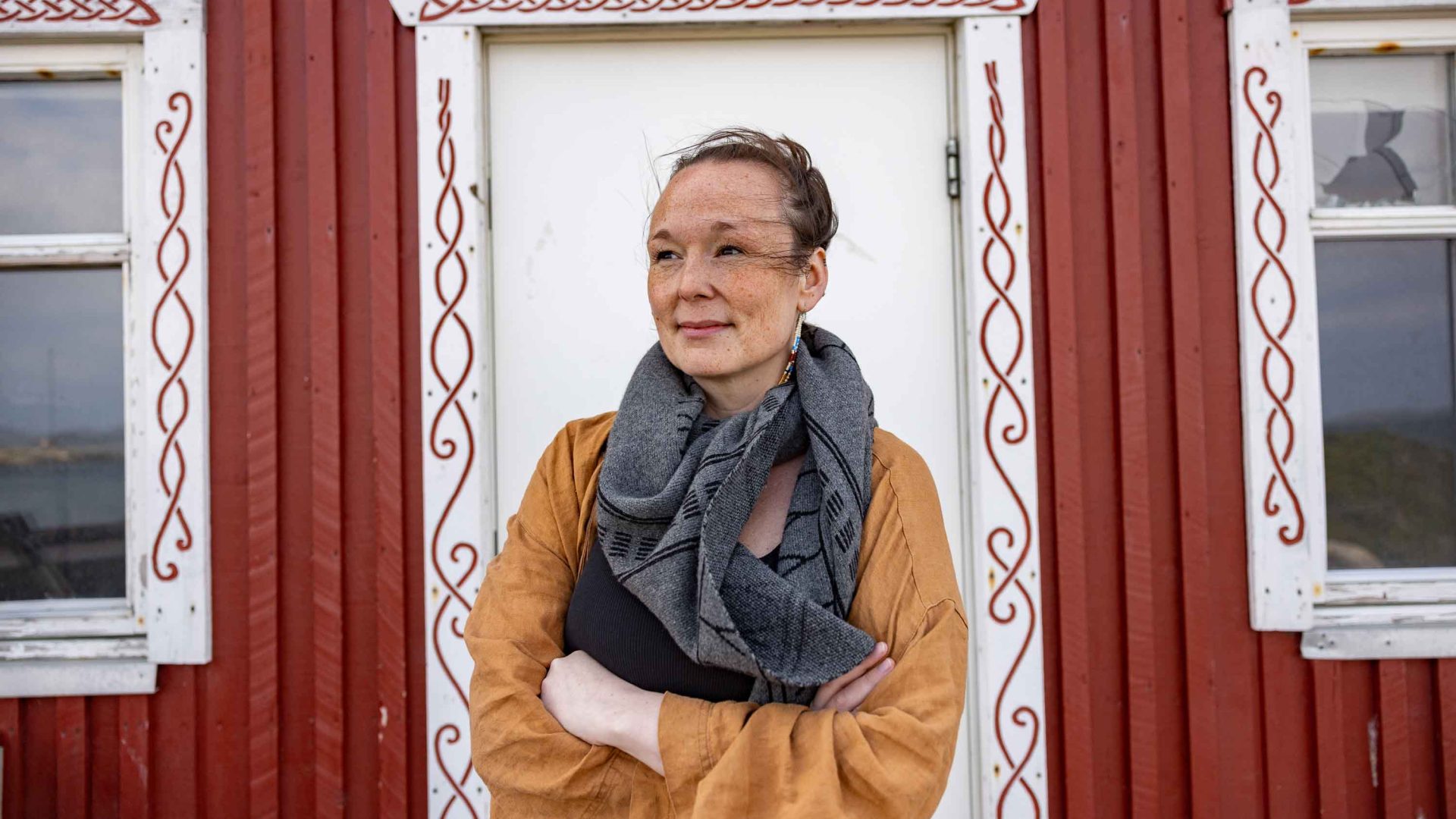
On my first day in Nuuk, I walked from my hotel to Outdoor Greenland, a shop owned by Bibi Chemnitz and her partner David Røgilds. “Clothing in Greenland is rooted in functionality,” Chemnitz tells me. “The weather always plays a role in what you wear, and it can shift very quickly here, so you have to dress for that.”
Chemnitz and Røgilds founded Bibi Chemnitz 20 years ago, drawing on Chemnitz’s background in construction, sewing and designing, and Røgilds’ expertise in graphic design. They opened the Nuuk shop in 2021 after years of selling their clothes wholesale, from designer boutiques in Copenhagen to Galeries Lafayette in Beijing.
There are so many gifted designers around the world, but almost none come from Greenland. For me, it’s almost a duty to show the world what Greenland is—and what it is not.”
- Bibi Chemnitz
Today, the brand is a favorite amongst Greenland locals, especially Gen Z and Millennials. The pieces embody the meeting point of cold-weather functionality, streetwear versatility, and counterculture confidence.
“Often streetwear comes from movement—people like to be able to move around and be comfortable,” Røgilds tells me as I talk to the couple outside their shop. “Almost every day here, you have to be able to jump over water, or do some rock-climbing to save time instead of walking all the way around the road.”
I know what he’s talking about. On my walk, I’d seen a couple locals climb up a steep grassy slope instead of following a serpentine road. I followed suit and took the shortcut, panting by the time I reached the top. Walking around downtown Nuuk, wearing practical, movable streetwear feels like a logical choice.
Bibi Chemnitz’s style is deeply connected to Greenlandic identity too. “Incorporating my heritage and the nature I grew up with has been very important for me as an Inuit designer,” she says. “There are so many gifted designers around the world, but almost none come from Greenland. For me, it’s almost a duty to show the world what Greenland is—and what it is not.”
Even if you haven’t been to Greenland, you might recognize one of Bibi Chemnitz’s most iconic pieces: A block-printed t-shirt shouting ‘GREENLAND IS NOT FOR SALE’ in san-serif capital letters. “Many young Greenlanders look up to me and I have a voice,” Chemnitz tells me. “So I decided to make my opinion clear.”
Aside from that statement tee, the brand’s flagship item is its anorak, a quintessential, typically hooded outerwear staple in Inuit Greenlandic culture. Originally only worn by men, anoraks are now considered to be largely unisex—and are very popular. During my time in Nuuk, I buy an olive-green and black anorak with the Greenland flag emblazoned on the left upper arm. The heavy stitching, large zipper, and water-repellent polyester all feel tough, like they can withstand a lot of use.
While the Bibi Chemnitz brand ethos is rooted in tradition, the fabrics are decidedly hi-tech: Wools, polar fleeces, and a material Chemnitz compares to what you’ll find at Fjällräven. “A fabric called 65%PES+35%CO is strong and durable,” she tells me. “It can stand a hard beating.”
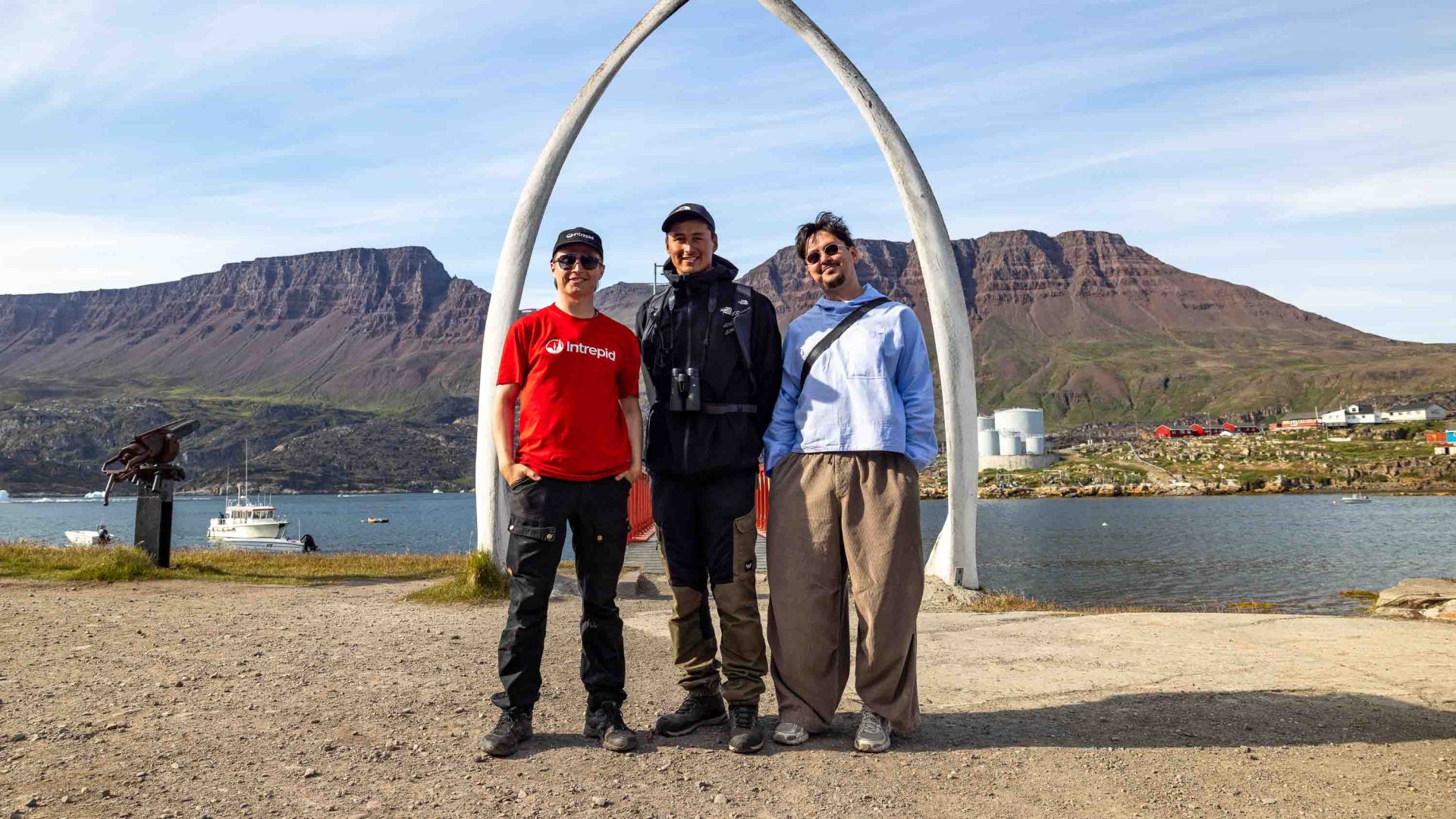
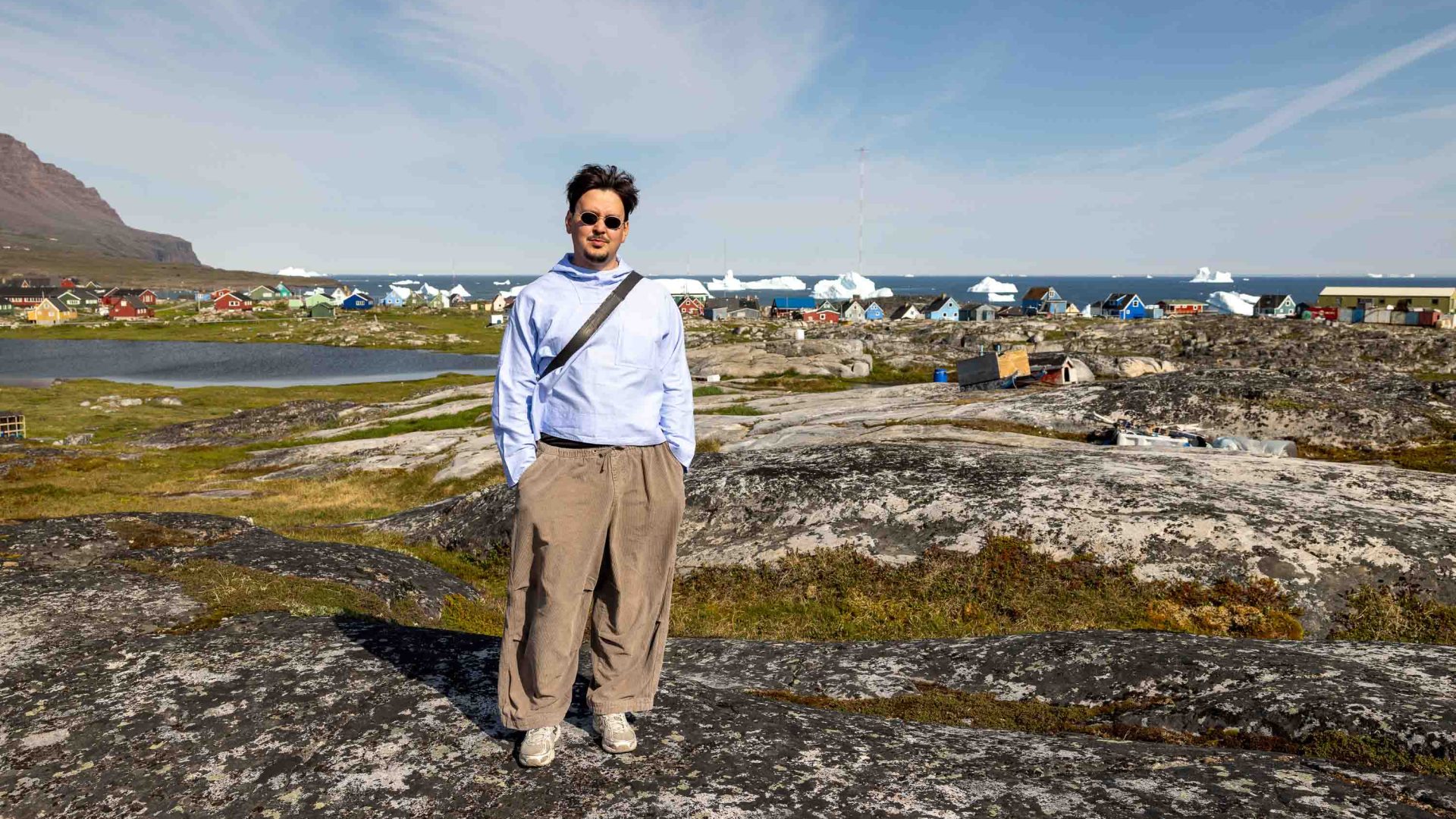
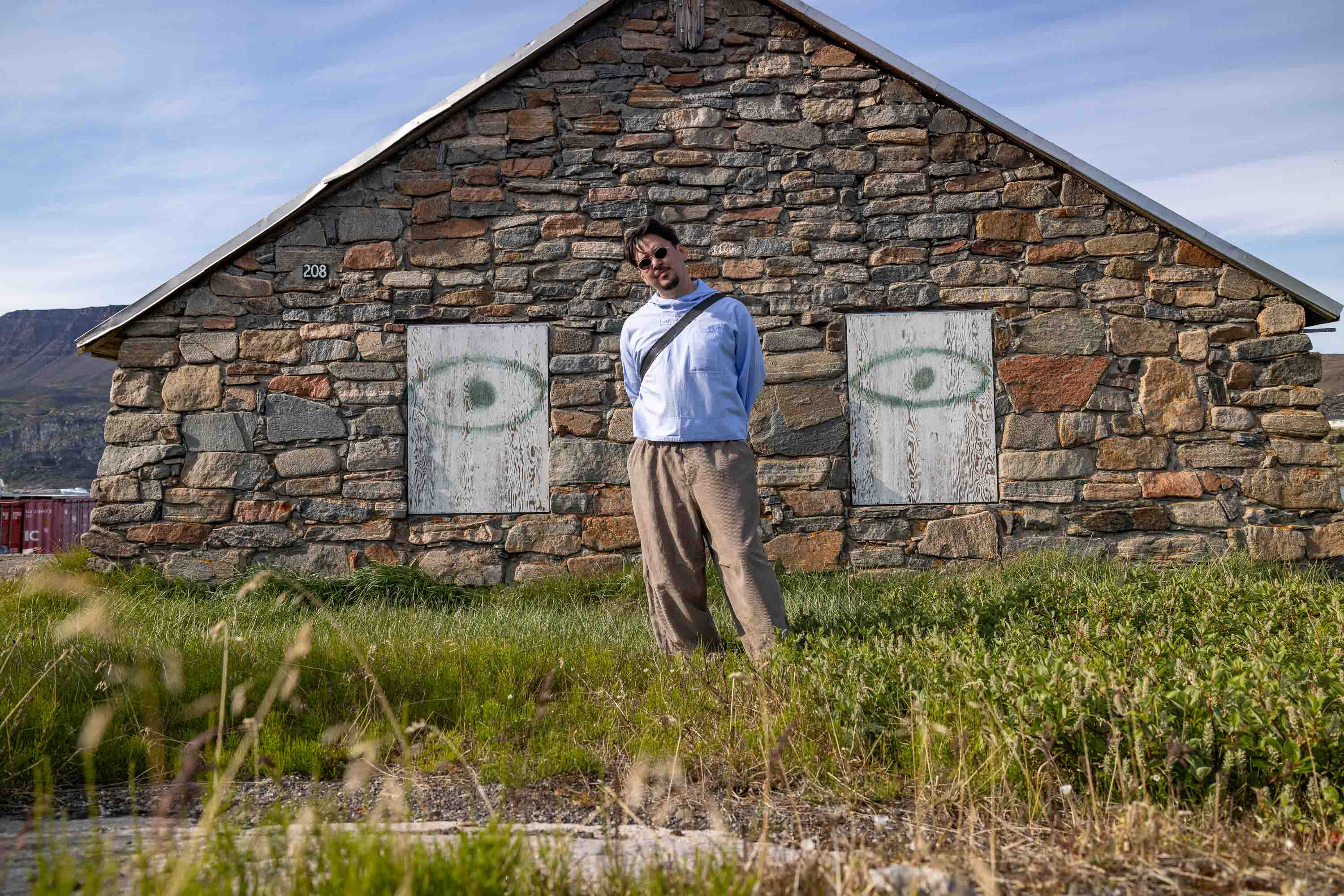
A couple of days later, I meet local actor, designer, and musician Hans-Henrik Suersaq Poulsen, and I can’t help but notice his look, which includes spectacled steampunk sunglasses and a self-sewn anorak. “I’d describe Bibi Chemnitz as very street, very modern,” Poulsen says when I ask him about Greenland’s burgeoning fashion scene. “But they also tend to take things that are traditional and evolved from there. Like the anorak jackets that Bibi has—those are fucking awesome.”
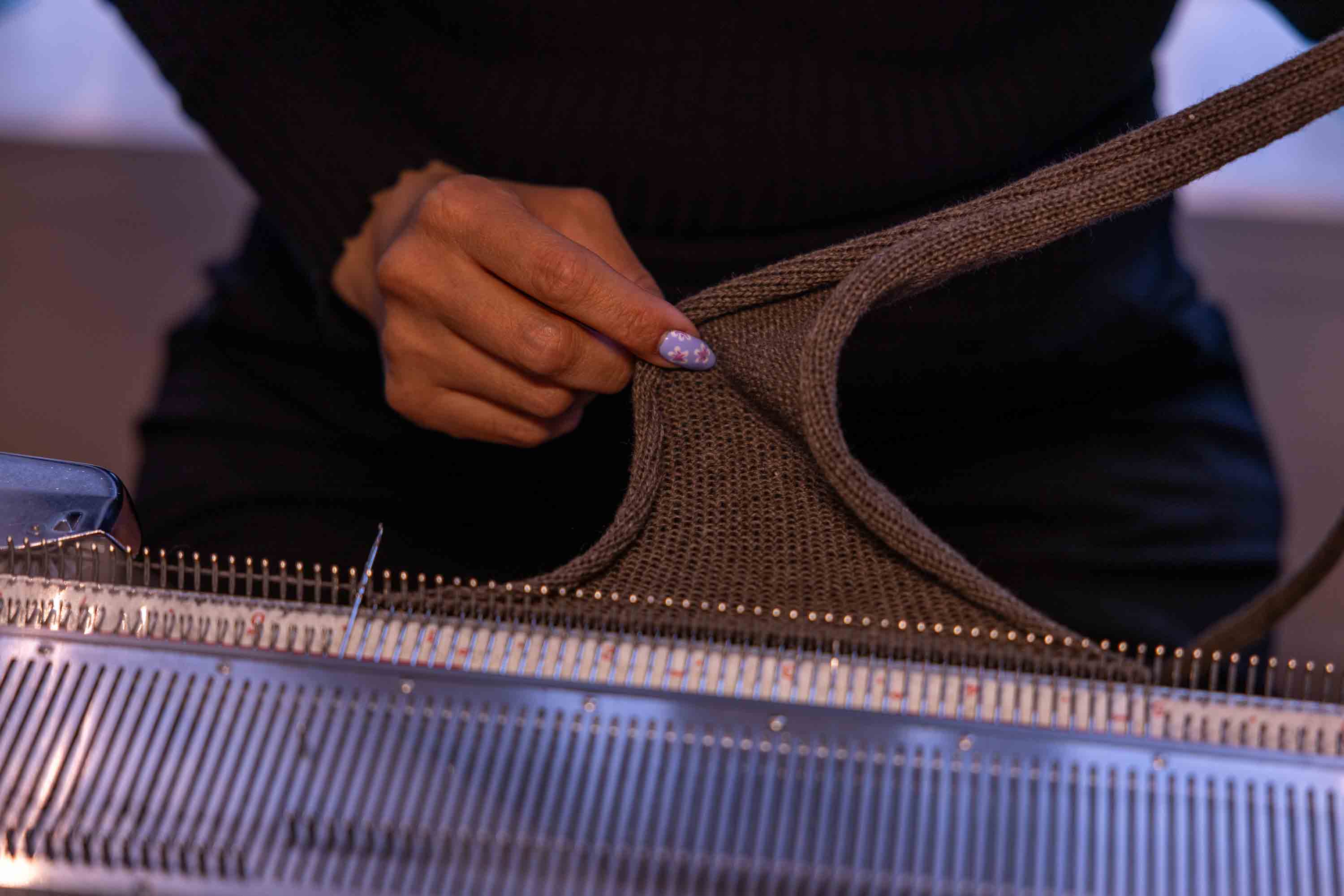
Just across the street from Outdoor Greenland, another shop sells a very different type of apparel. Owned and run by mother-daughter team, Anita Høegh and Mia Chemnitz, Qiviut in downtown Nuuk specializes in keeping people warm with more tried-and-tested means.
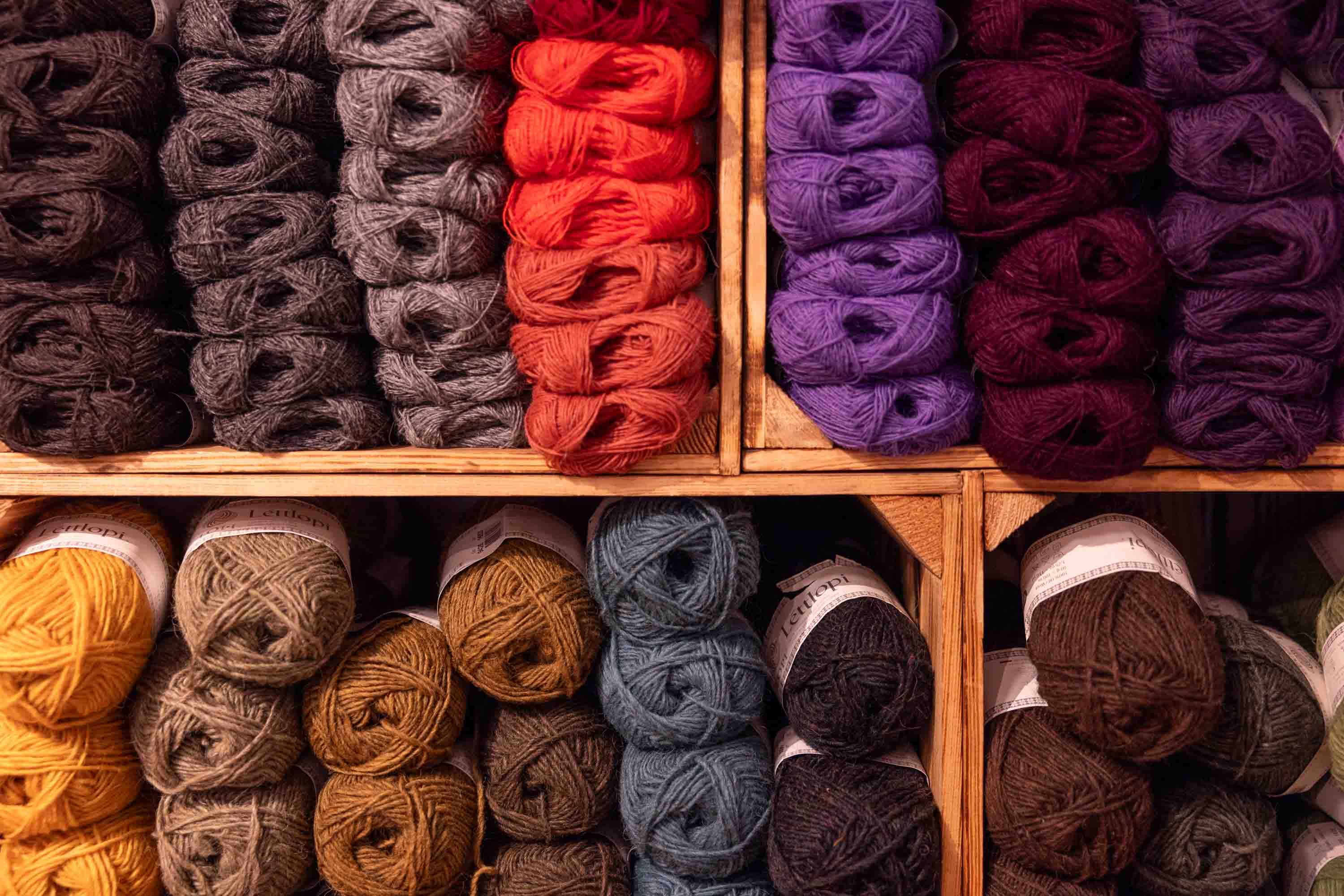
Rooted in the traditional Inuit harvesting of seal and musk ox meat, the shop sells slippers and mittens made of seal fur, as well as yarn, hats, and neck buffs made of musk ox, which Høegh claims is eight times warmer than lambswool.
“When we decided to make clothes, we thought, ‘everybody is using Greenlandic motifs like kayaks and harpoons. We said to each other, ‘lets do the opposite.’”
- Mala Johnson, Bolt Lamar co-founder
“Seal fur and musk ox wool are important in Greenlandic culture,” store manager Magdalene Hansen tells me when I step inside. “Qiviut only makes and sells goods made in line with the Inuit tradition of using the whole game.”
Greenland has been experiencing a shift in the past 10 years, as younger generations like Poulsen’s wear more traditional-turned-modern gear as everyday threads. “Even though we still have our Greenlandic culture in fishing and dog-sledding and hunting, we’ve been so colonized that we’ve started to lose our culture in other ways,” Poulsen says. “But now it’s so cool that we are starting to have our own clothing made by Greenlanders. We’re seeing more traditional tattoos too. It’s amazing.”
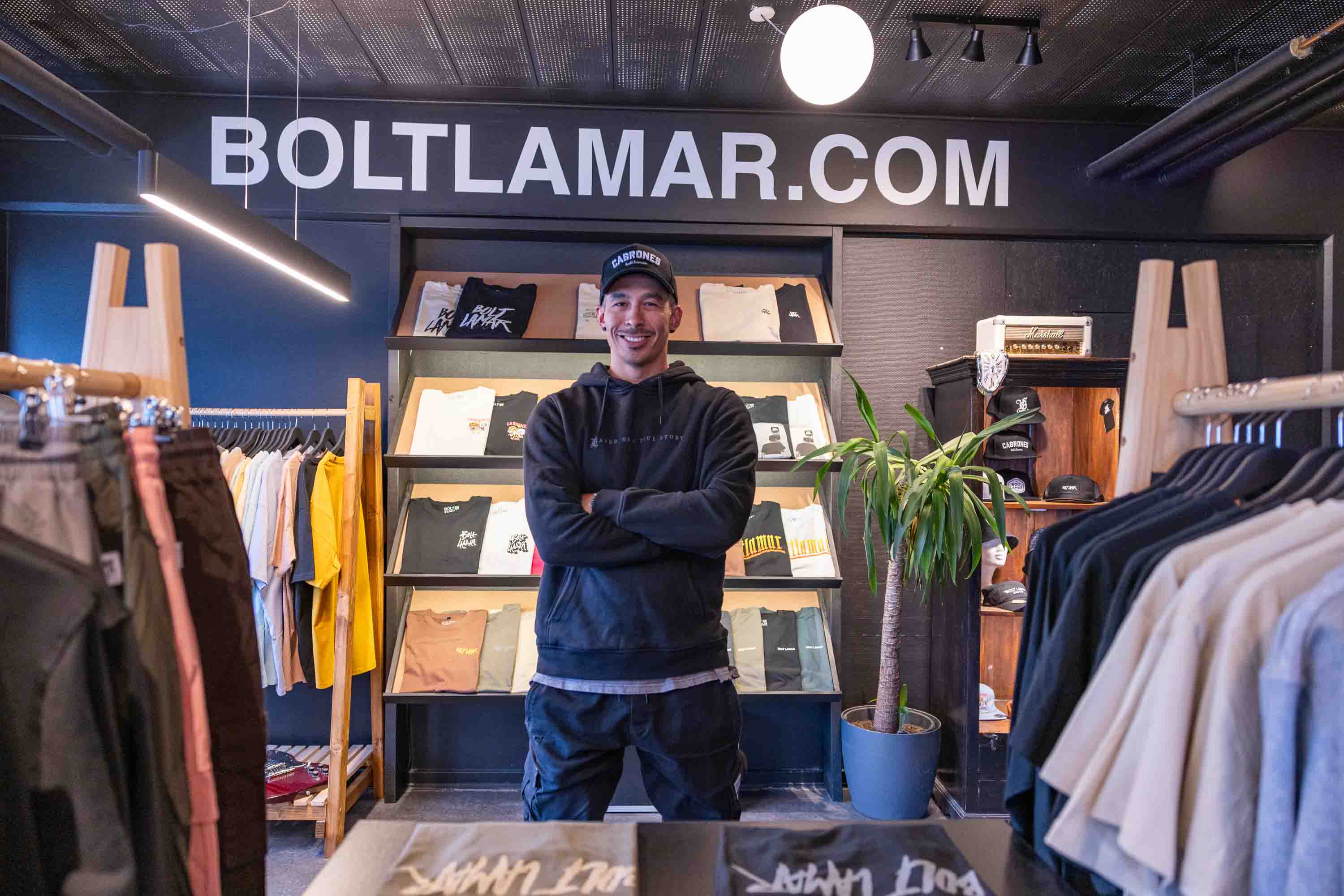
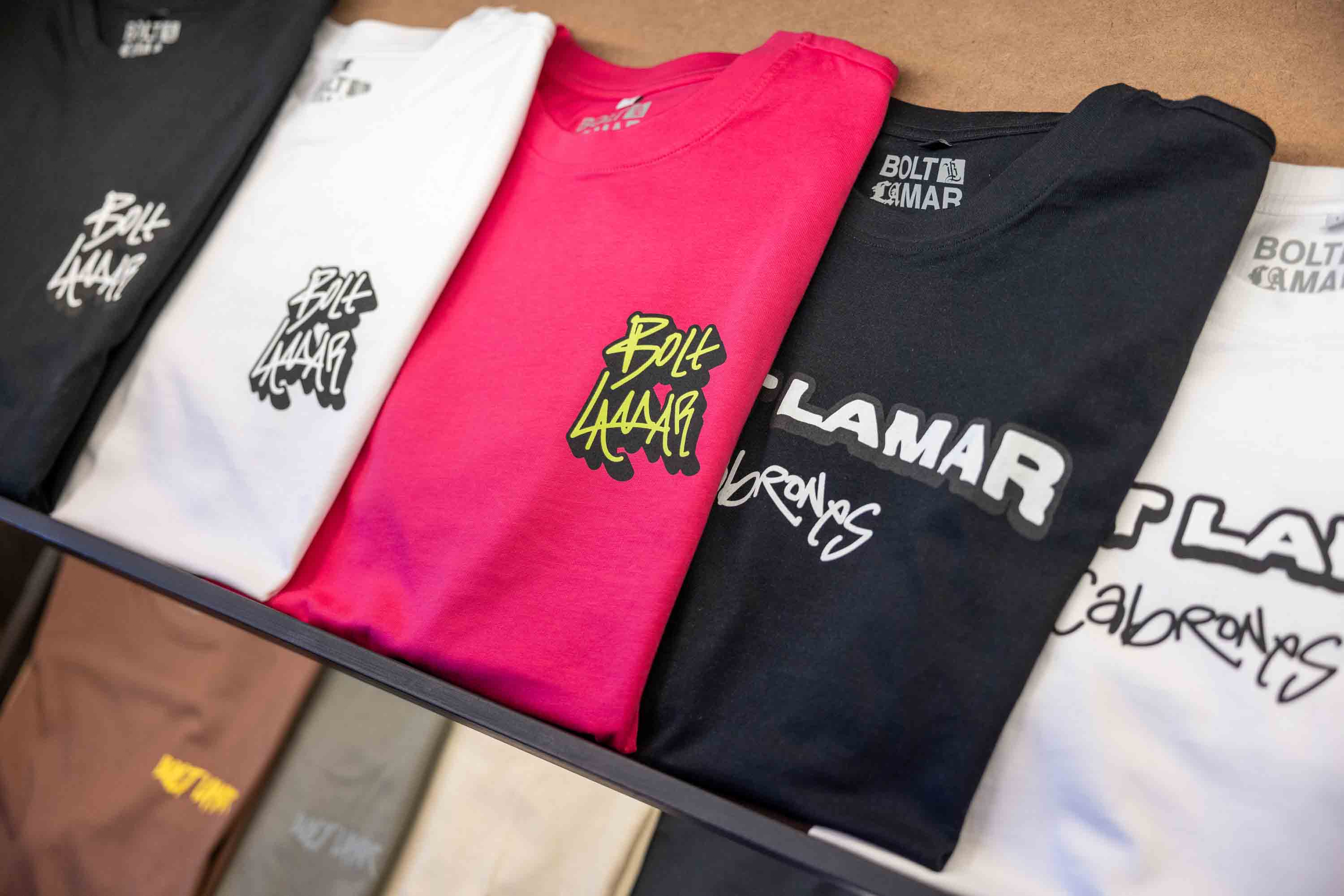
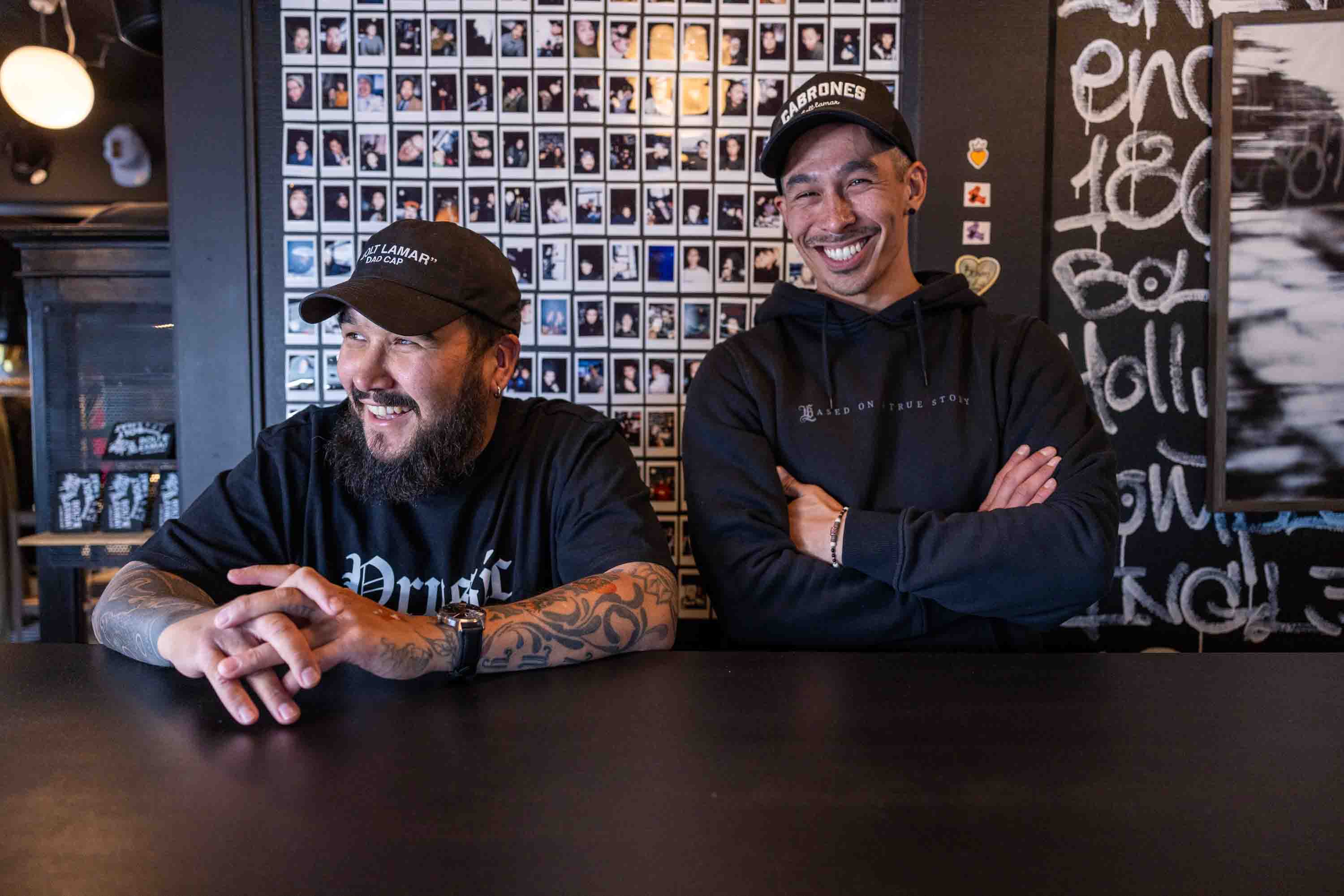
Another fast-rising brand has taken the concept of traditional Greenlandic wear and turned it inside out. When I first stepped into Bolt Lamar’s flagship shop in Nuuk, I thought I’d mistakenly entered a lounge. Once you pass the black-leather couch, the dark interior is lined with cargo pants, monogrammed snapback hats, heavy cotton t-shirts and hoodies, and Y2K-style beanies’. You’ll find no modernized anoraks here.
Bolt Lamar began in 2021, which automechanic Mala Johnson and graphic designer Arny Mogensen initially launched as a video production company. The company’s name was inspired by a photograph of Olympic athlete Usain Bolt and famed rapper Kendrick Lamar. Since then they’ve opened four shops in Greenland, including the Nuuk operation.
“When we decided to make clothes, we thought, ‘everybody is using Greenlandic motifs like kayaks and harpoons,’” Johnson tells me, sitting with co-founder Mogensen. “We said to each other, ‘lets do the opposite.’”
Despite this, or perhaps because of it, the laid-back street style of Bolt Lamar is worn widely by Greenlanders. “We have a lot of Greenlandic customers, but there’s very good interest from outside too,” Johnson says. “We’ve been told by Danes here on vacation, when they find this brand they say ‘this is great quality, and what a sharp price,’ because they’re used to more expensive clothing at that quality. They ask us why we’re not selling in Denmark. It’s something we want to do.”
And while Bolt Lamar touts an international scope, the creative minds behind this 100 percent-Greenlandic-owned company have invested in helping their home community. In the past they’ve partnered with the local Polar Seafood processing plant to design company gear, and occasionally collaborate with other local companies to arrange photo shoots.
“We always encourage people to do what they love and what they’re good at,” says Johnson. “We want to spread that message—because if you do that, everybody wins in the end.”
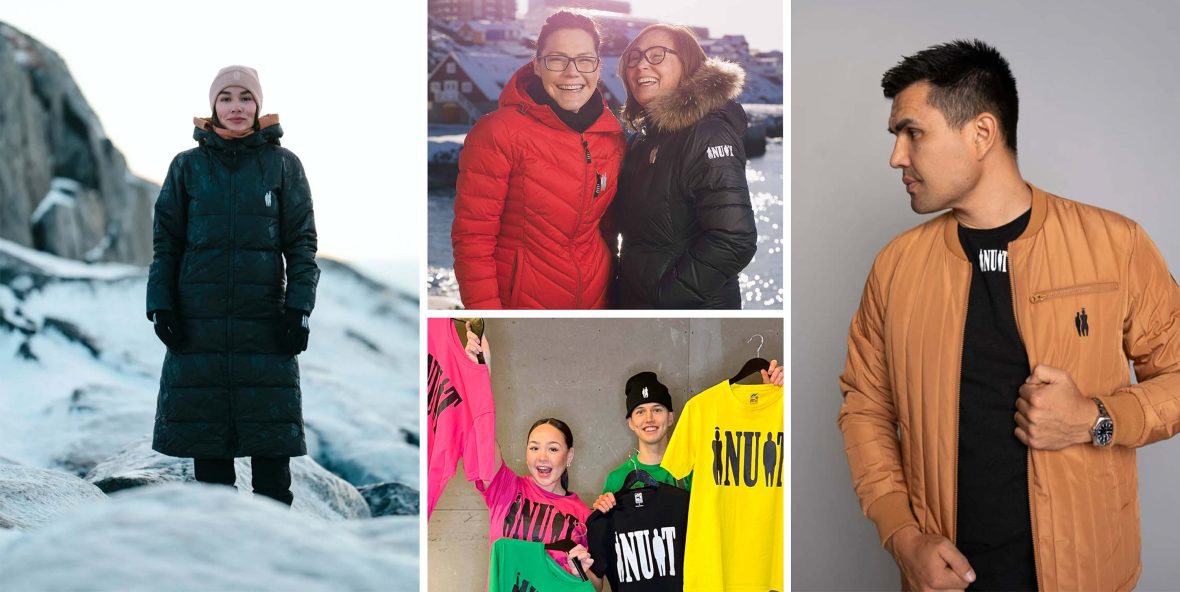
There are plenty of other fantastic brands in Greenland’s growing style set. Walking around downtown, I see coats from Inuit Quality Clothes of Greenland, a company founded by two Greenlandic women that sells high-quality outwear, pants, t-shirts, and accessories. In February, actor Viggo Mortensen was photographed browsing their coats.
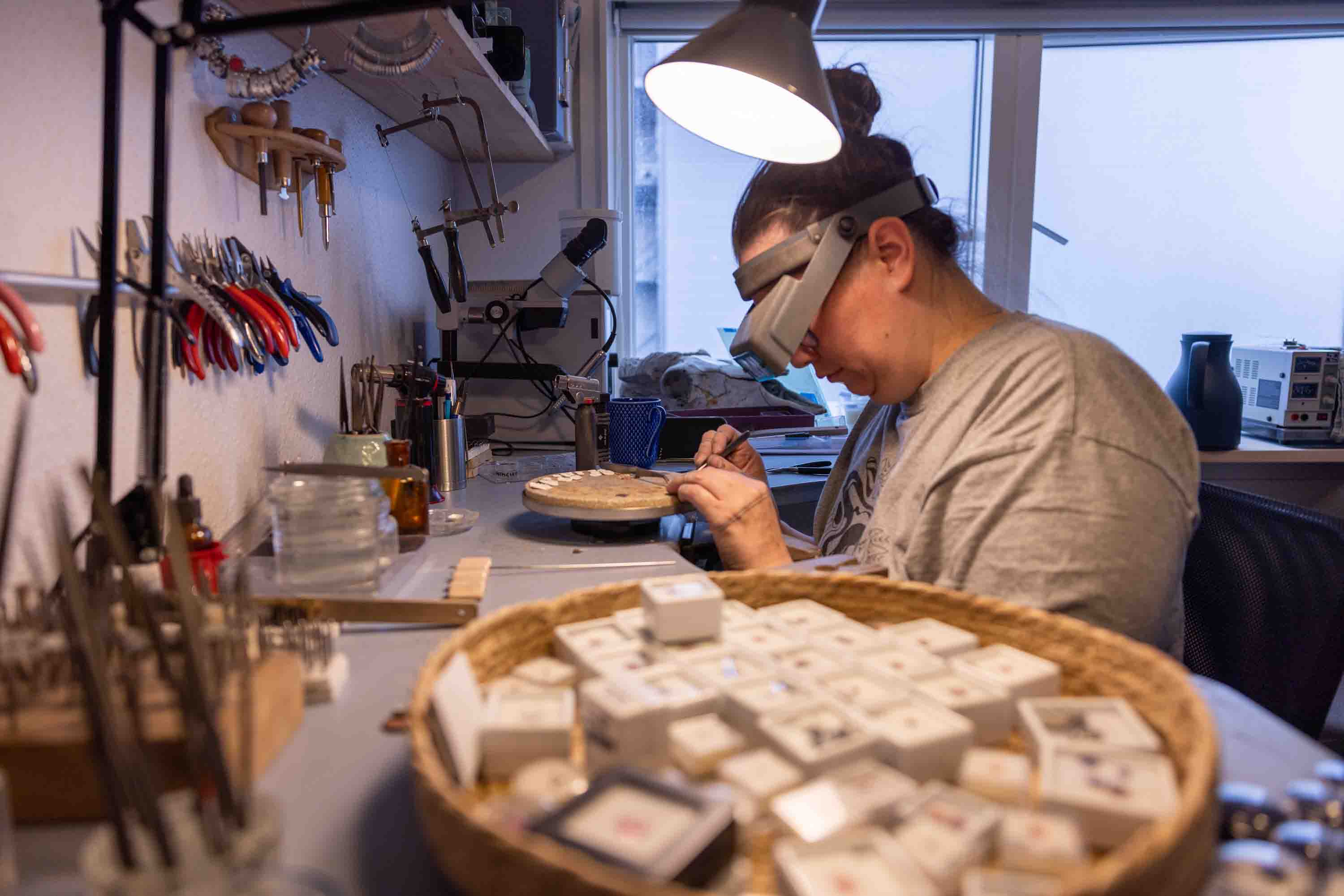
At the same time, a largely women-led industry of jewelers looks set to capture visitors’ attention, an exciting convergence of craftsmanship, animistic values, and native-Greenlandic fashion. Nadja Arnaaraq Kreutzmann, for instance, is the country’s only professionally certified goldsmith, working with rare Greenlandic gemstones–rubies, endemic quartz, and a red stone called tugtupite–along with sterling silver and gold to craft wearable works of art.
She’s in good company with jewelers like Karen Fly, who creates bone-bead amulets among her nature-inspired work, and ceramicist Kristine Spore Kreutzmann, who makes stunning statement-piece necklaces, dinnerware, and three-dimensional art. She also created a ceramic art piece that was part of a multi-artist exhibition called ‘Kusanartuliat: Impressions & Expressions’ that examines Greenlandic culture and modern craft, which appeared in Denmark, Sweden, and the Faroe Islands.
But from this rich scene, it was the modern-meets-ancient anorak from Bibi Chemnitz that I came home with. I wear it around cold days in New York City, pairing it with slouchy white-washed jeans and my gnarliest pair of sunglasses. When the anorak evokes a remark, as it inevitably does, I tell curious onlookers they have to go to Greenland—a low-key hub of one of the coolest looks.
The writer traveled to Greenland as a guest of Intrepid Travel on their new 10-day Greenland Expedition which starts in Nuuk and ends in Ilulissat.
Find out more about the stores and designers mentioned: Outdoor Greenland, Bibi Chemnitz, Qiviut, Inuit Quality Clothes of Greenland,
Nadja Arnaaraq Kreutzmann, Karen Fly and Kristine Spore Kreutzmann
****
Adventure.com strives to be a low-emissions travel publication. We are powered by, but editorially independent of, Intrepid Travel, the world’s largest travel B Corp, who help ensure Adventure.com maintains high standards of sustainability in our work and activities. You can visit our sustainability page or read our Contributor Impact Guidelines for more information.
Samantha Falewée is a French-American writer and editor focused on the intersection of wildlife conservation and Indigenous culture. You can find her byline in Condé Nast Traveler, Travel + Leisure, Virtuoso, and others. Her editing work has been awarded for 'Diversity, Equity, Inclusion, and Accessibility Travel' by the North American Travel Journalists Association. She is a certified wildlife tracker by the Field Guides Association of Southern Africa.