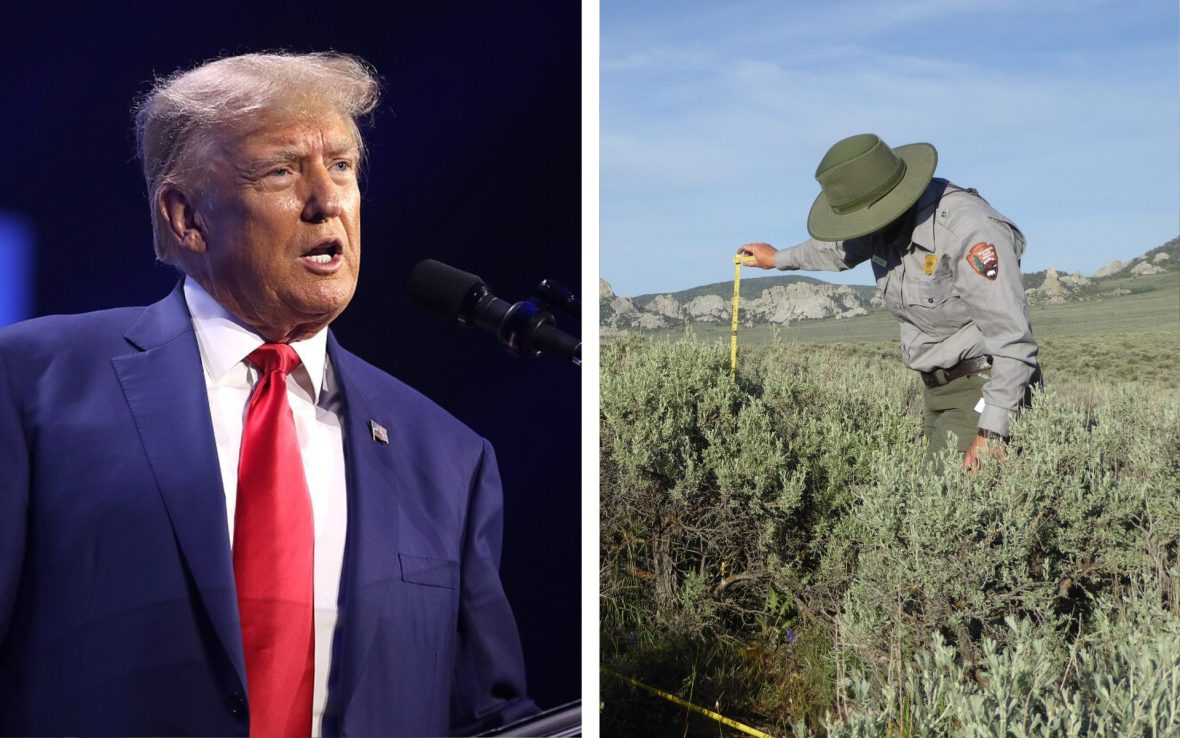
On October 20, during the shutdown, Department of the Interior documents detailing plans to eliminate roughly 2,000 jobs—including 272 at the park service—were made public. Conservation groups immediately warned that such losses would ripple across the parks.
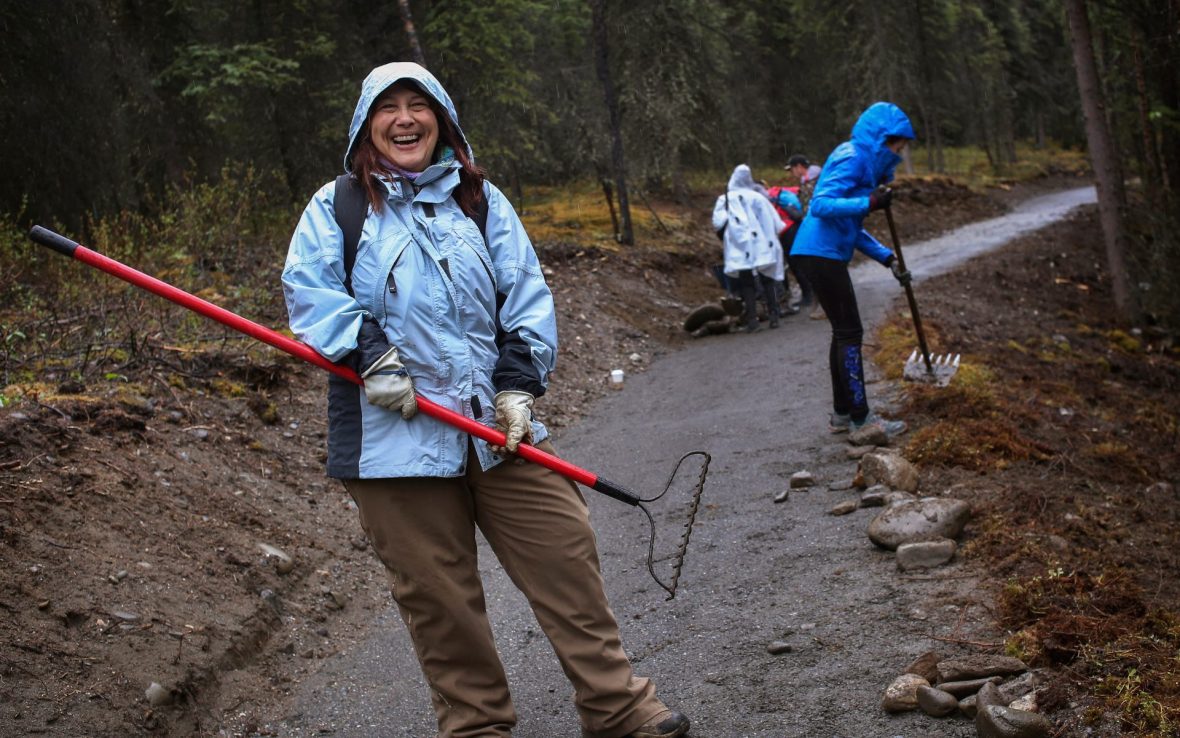
“This will hurt natural and cultural resource protection and important construction and maintenance projects if it goes through,” Kristen Brengel, NPCA’s senior vice president of government affairs, told Reuters. And while the biggest parks might absorb some losses, smaller parks with fewer staff may not. “[They may] have no other way to obtain the support” they need, added Bill Wade, executive director of the Association of National Park Rangers, speaking to The Washington Post.
Cuts to regional capacity and leadership also degraded visitor services in less obvious ways, from slower emergency response to delayed maintenance schedules. Other services, like hospitality offerings, are contracted out to private companies instead of being provided by federal employees. But even this privatization isn’t a guarantee of quality. Yosemite’s hospitality company, Aramark, was rated “marginal” for performance in 2023, followed by “unsatisfactory” in 2024 by the National Park Service inspections.
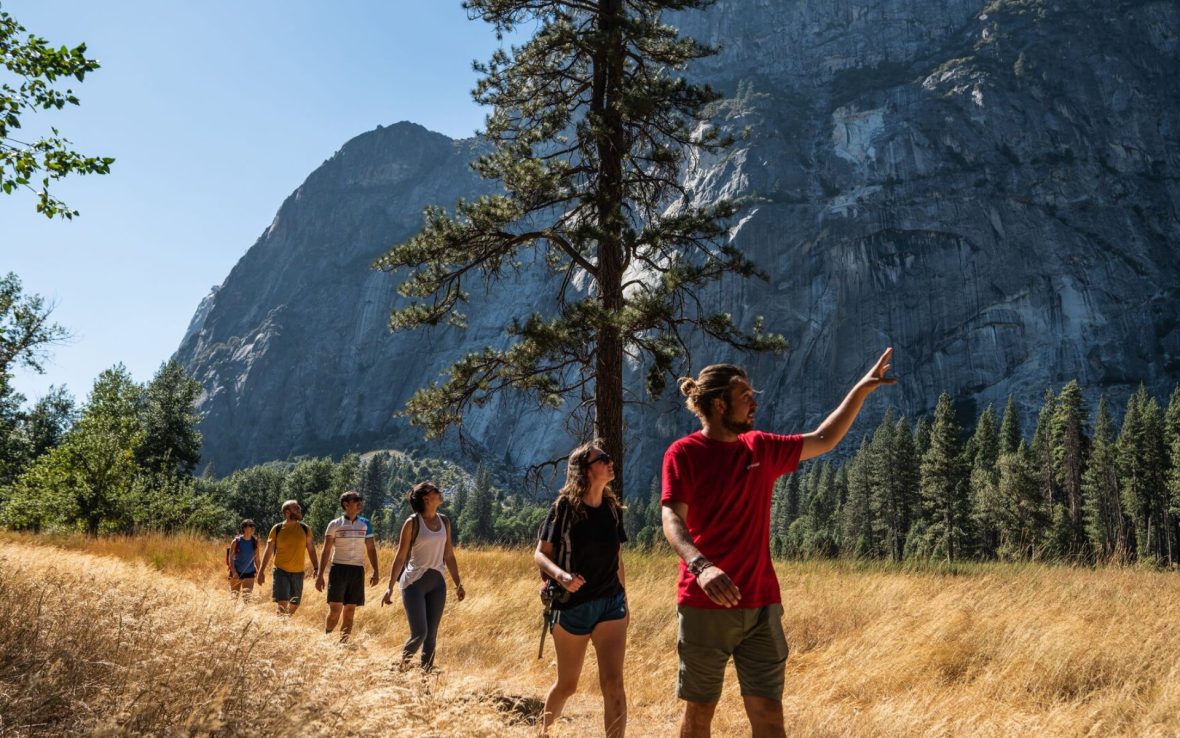
“It feels like the park experience is going to be completely different in coming years—it isn’t going to be about people making a connection with nature and preserving these beautiful places,” Alex told me. “My colleagues and I are public servants. We love this place, and at the end of the day we just want to be able to help people. That’s why we are here.”
You can support the work of the National Parks Conservation Association by donating via The Intrepid Foundation