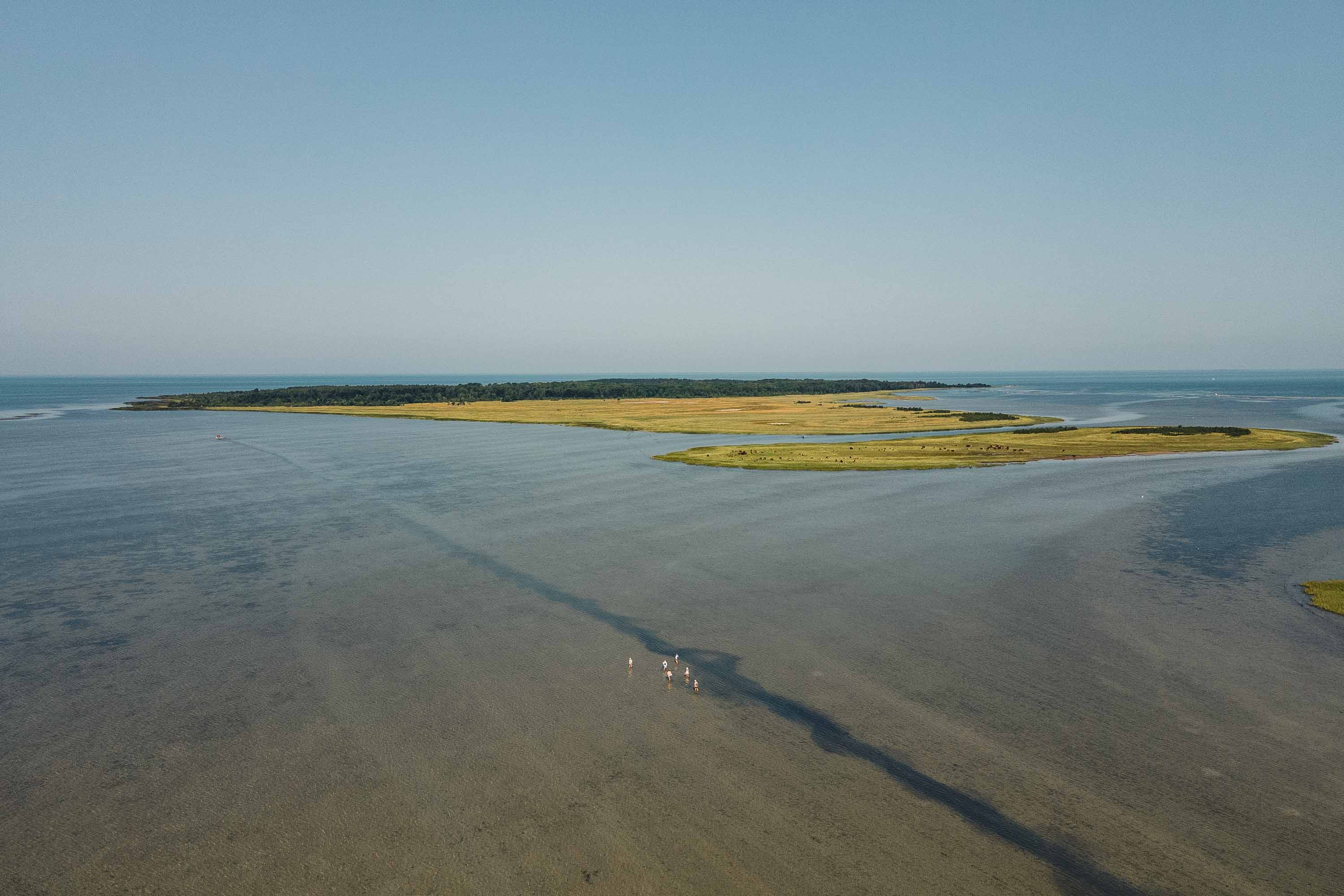
Ironically, when the time for nation-building arrived following the collapse of the USSR in 1991, not all voices in Saaremaa were equally represented. Back at the westernmost edge of the island, I cross the invisible border of the Kingdom of Torgu.
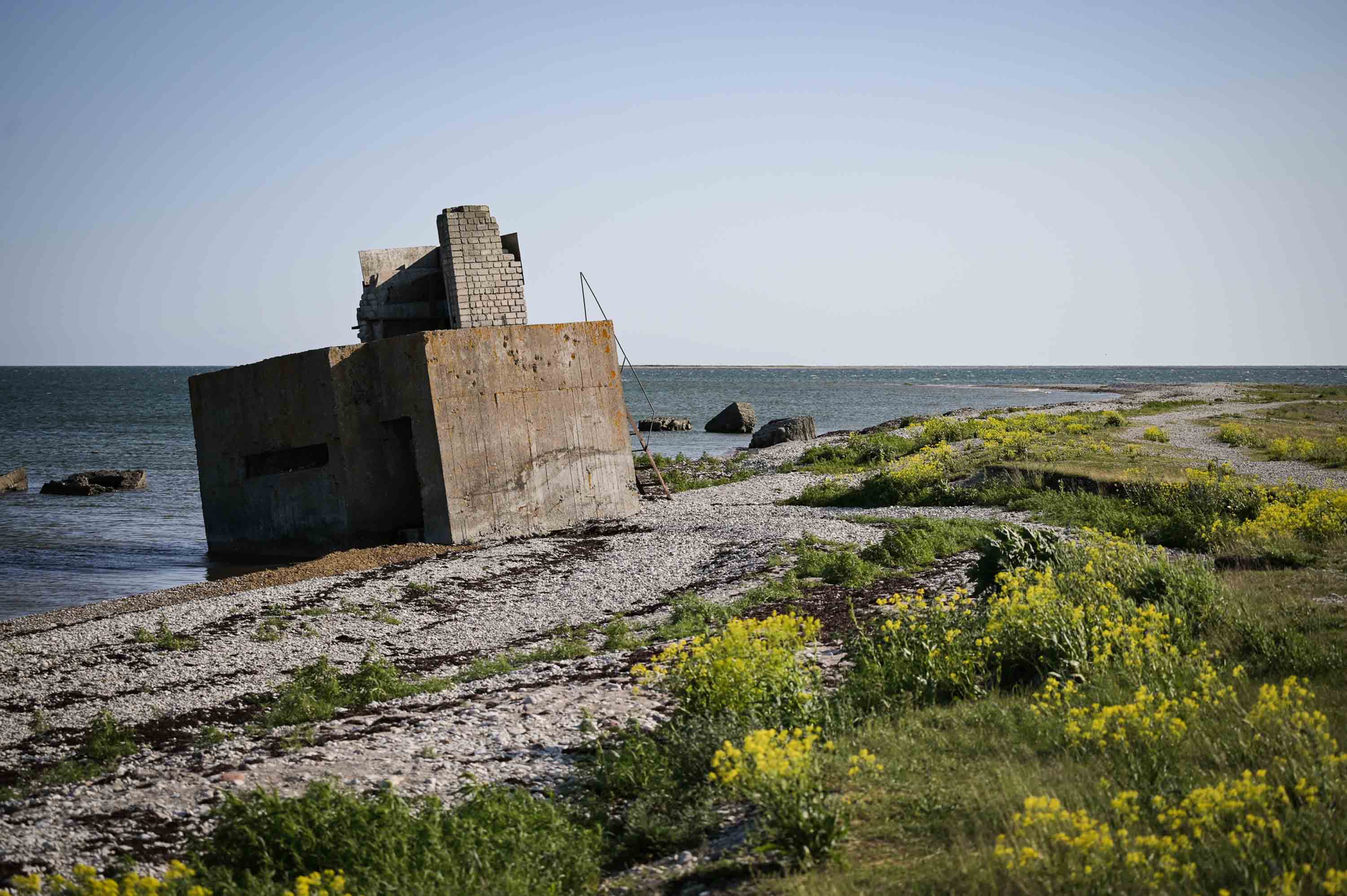
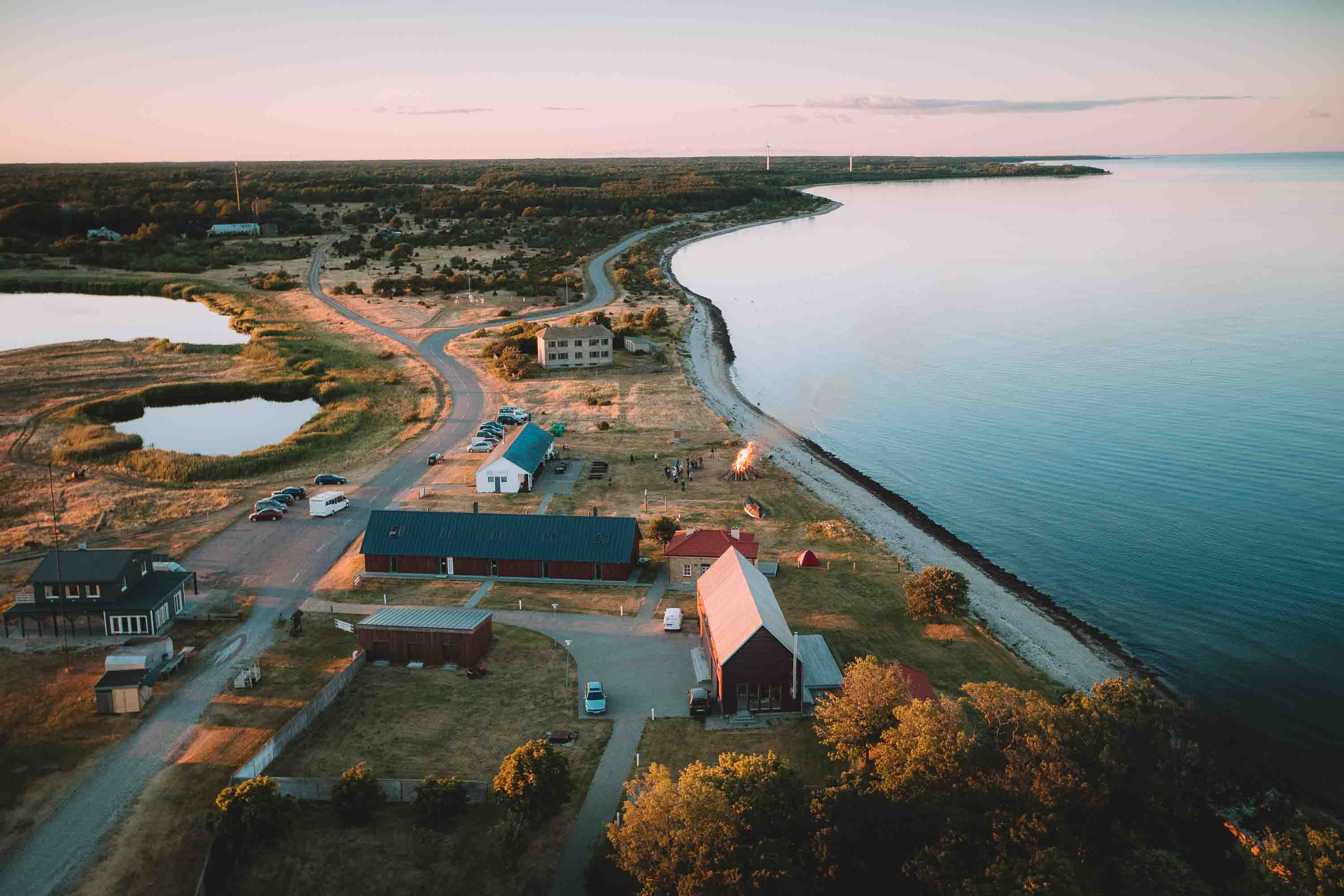
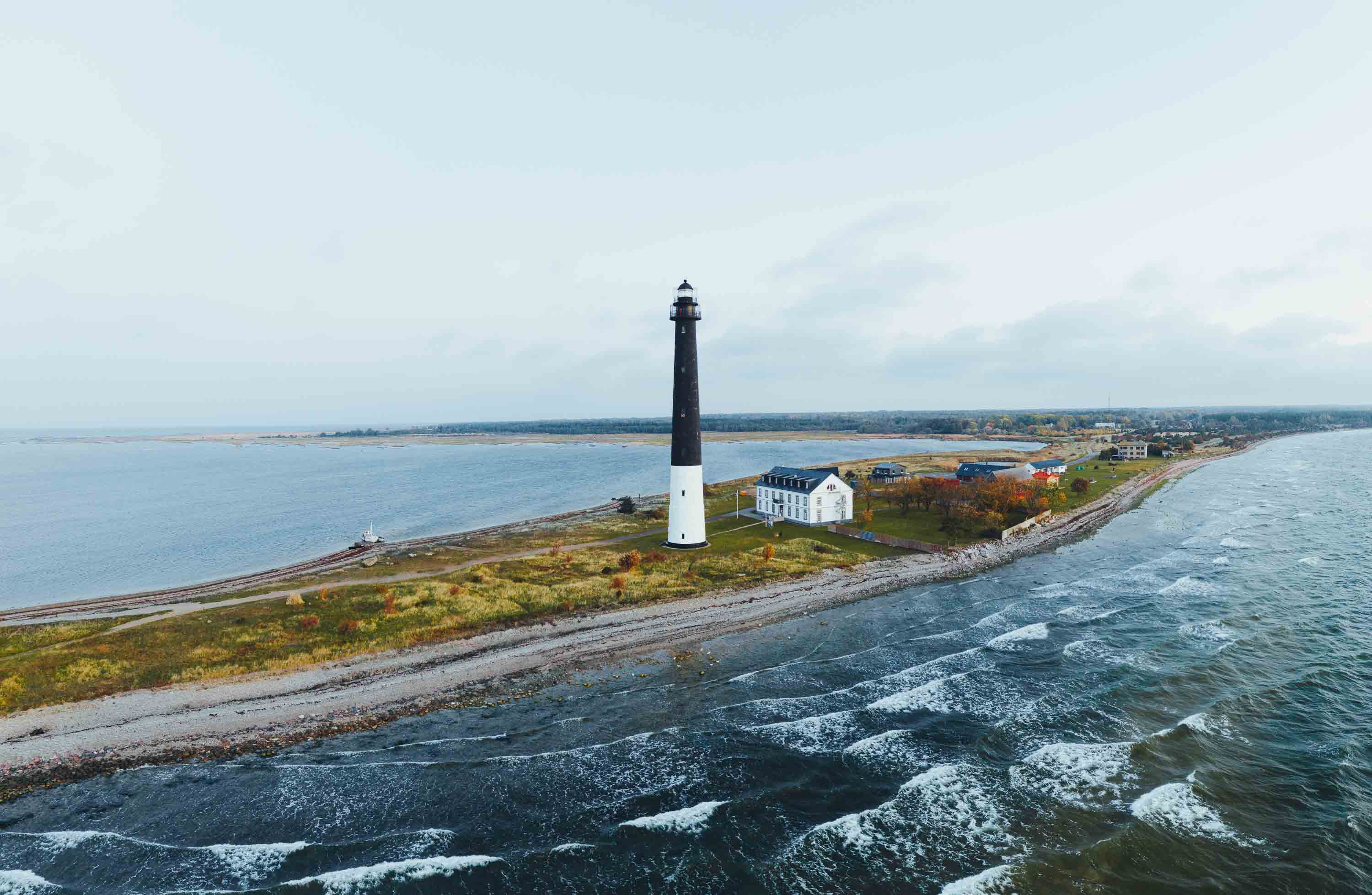
Besides the black-and-white lighthouse at the tip of the Sõrve peninsula, there is, admittedly, not much to see in this windswept micronation borne out of an administrative error. Following Estonia’s restoration of independence, the new government introduced a reform to establish the administrative territories of the free country. It did, however, forget to list remote Torgu, a territory of 54 square miles (140 square kilometers). Torgu became technically stateless.
The error was fixed rapidly, but not rapidly enough to stop the people of Torgu from electing their own king, policeman Kirill Teiter, aka King Kirill I, and issuing their own currency—tied to the price of half a liter of Viru valge vodka.
As of August 2022, Kristian I, son of Kirill, is the new King of Torgu. Between the hypnotic refrains of songs that nearly vanished, the 35-year-old joke still echoes from lighthouse to lighthouse. A joke that, in all its abstraction, is rooted in a profound local truth: In a land that has been bargained over by Teutonic Knights and Stalinist commissars, if you do not claim yourself, someone else will.