“And forward … and pull … and forward … and pull.”
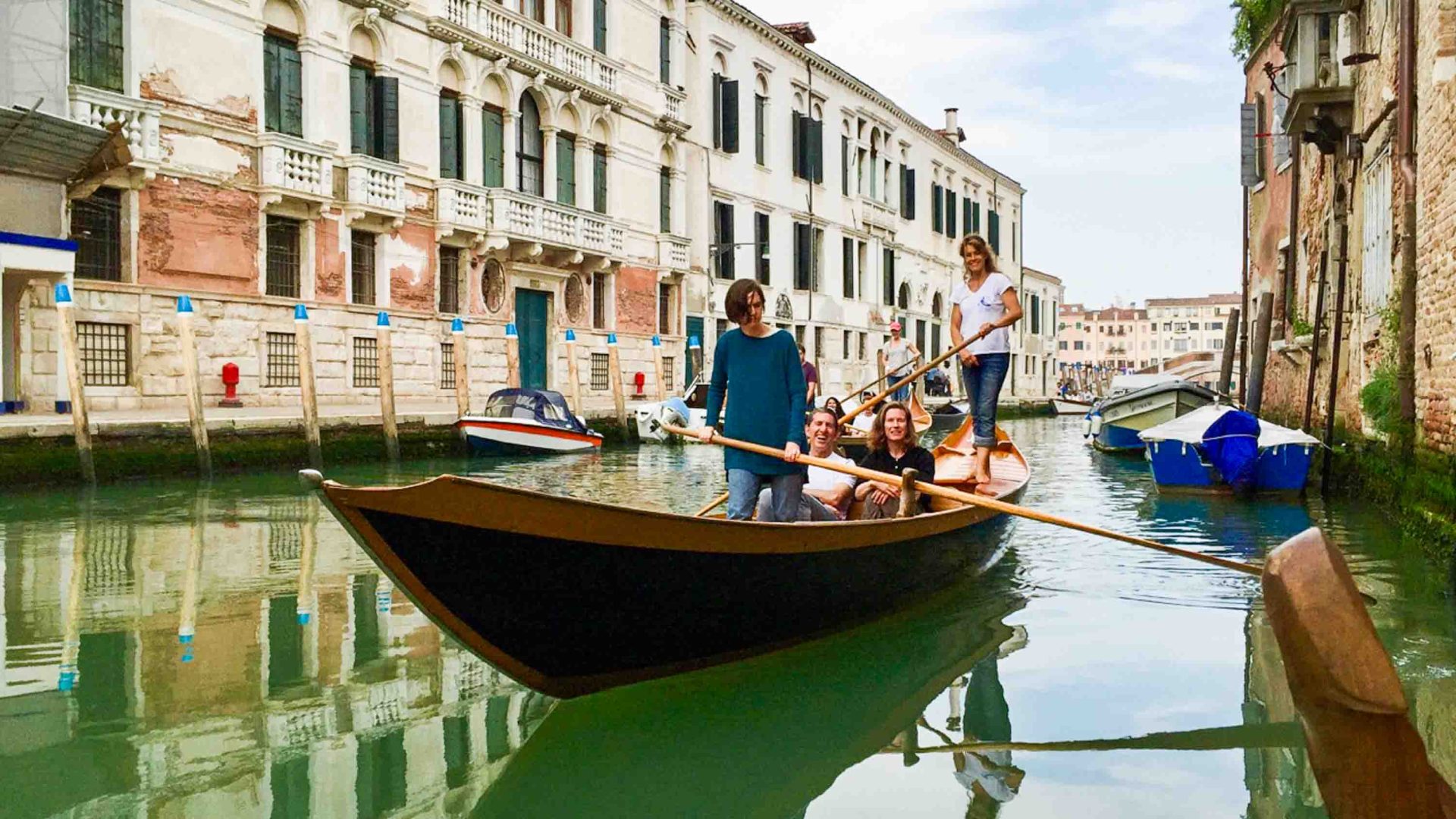
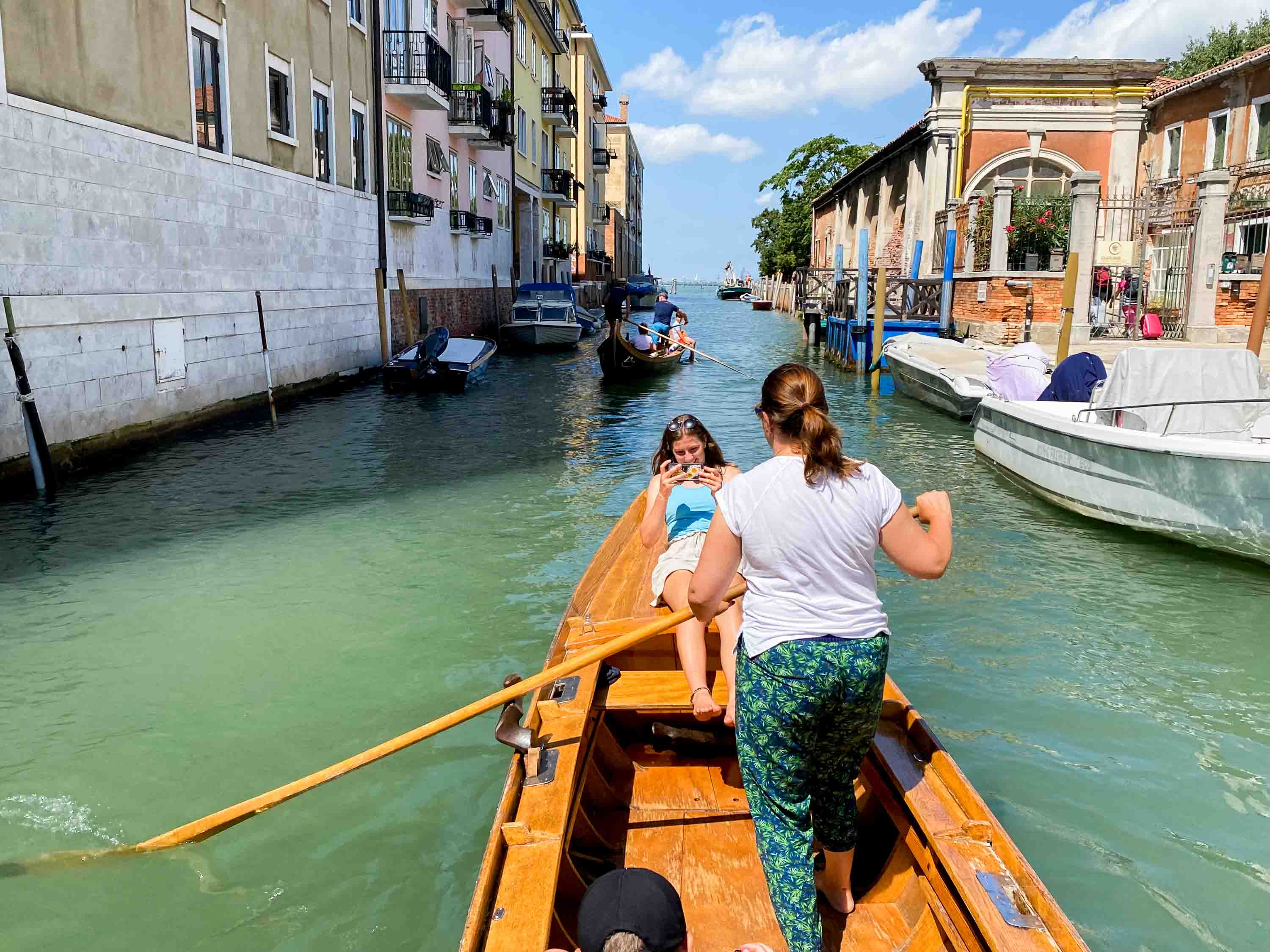
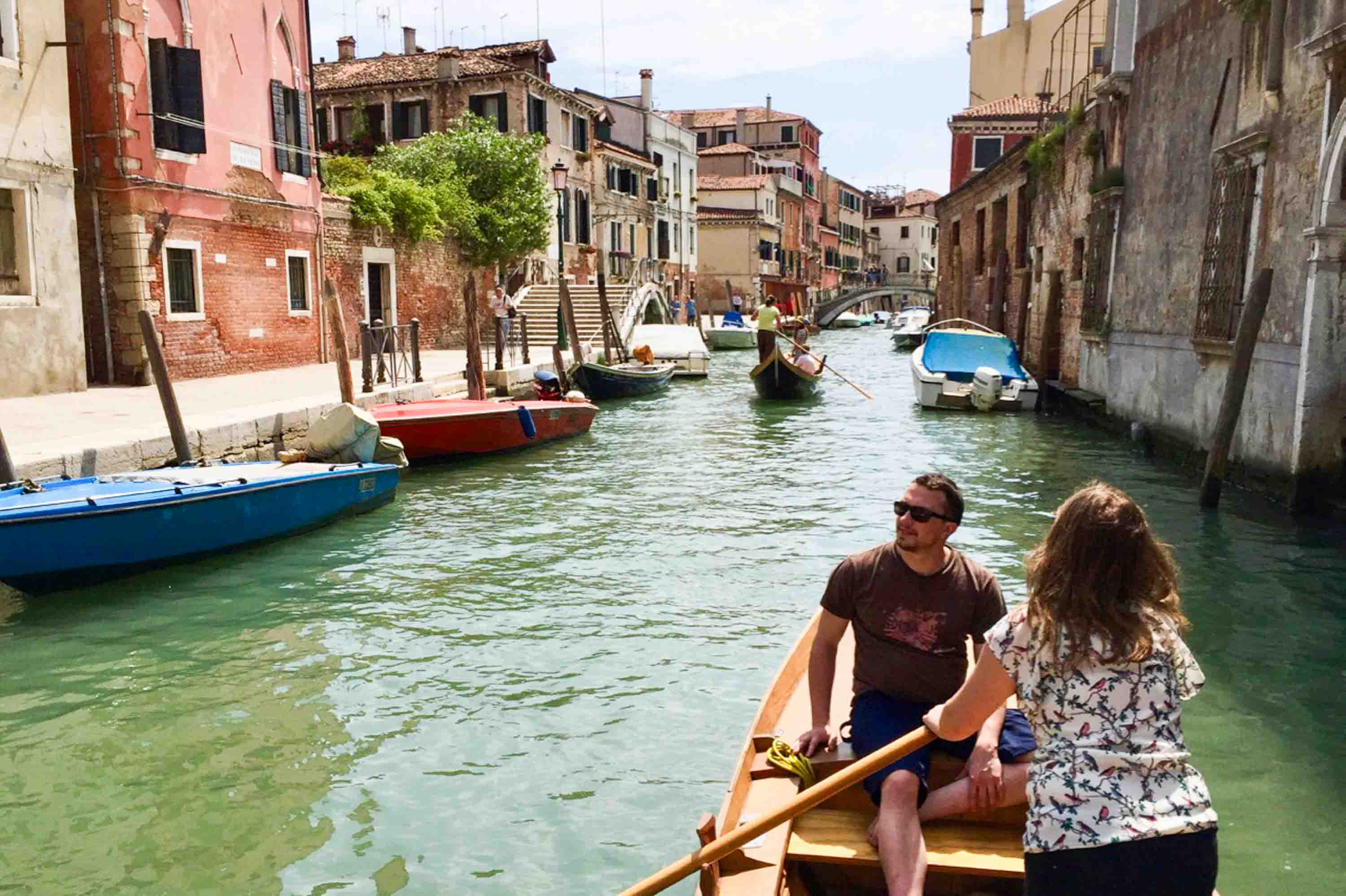
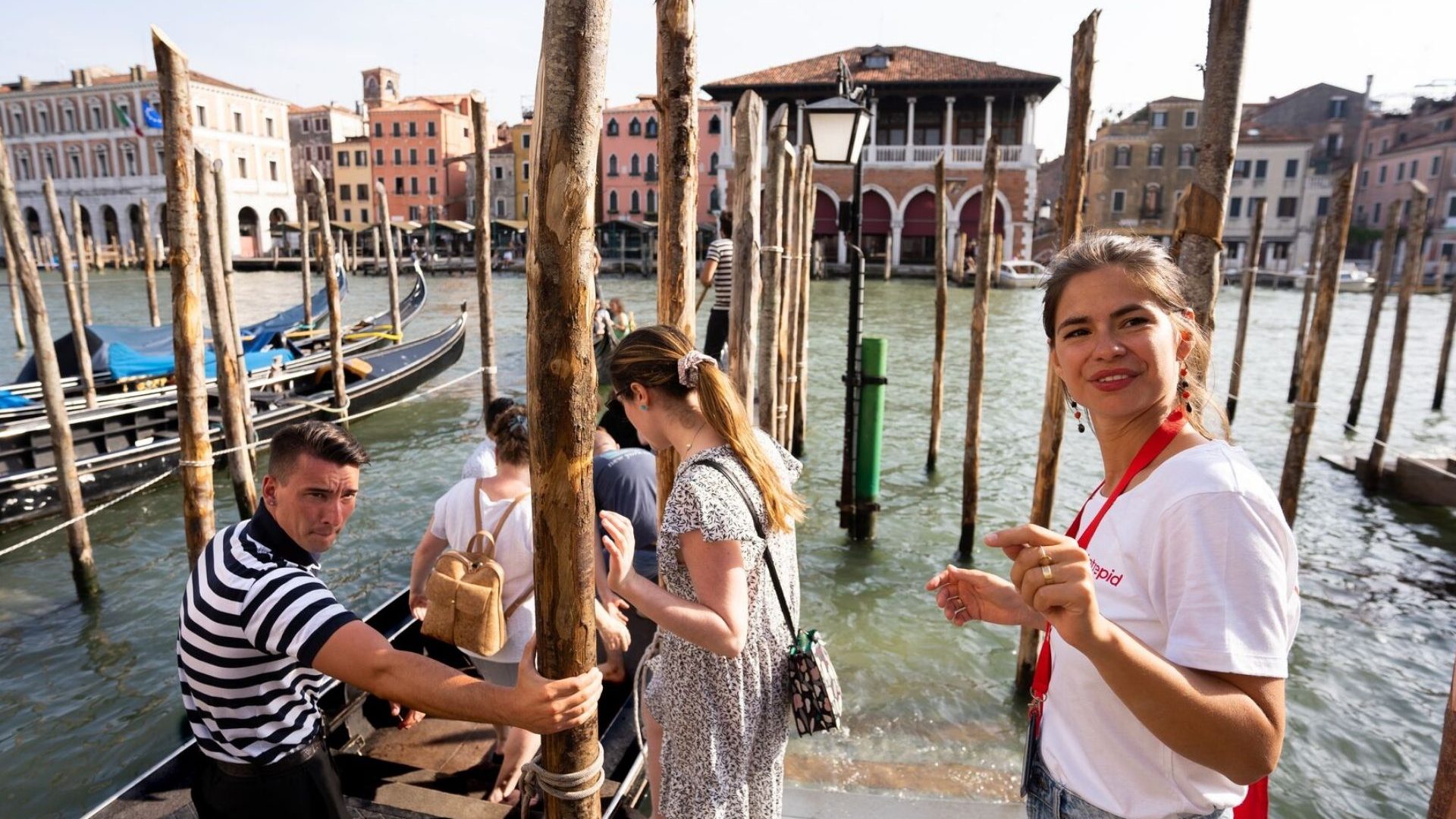
Standing by the side of a mercifully quiet canal in Venice’s Cannaregio district, I feel unutterably daft as I lunge forward, arms stretched in front of me, and then rock onto my back foot, elbows tucked tightly into my waist. But then, perhaps not as daft as I’m about to feel once I take to the water.
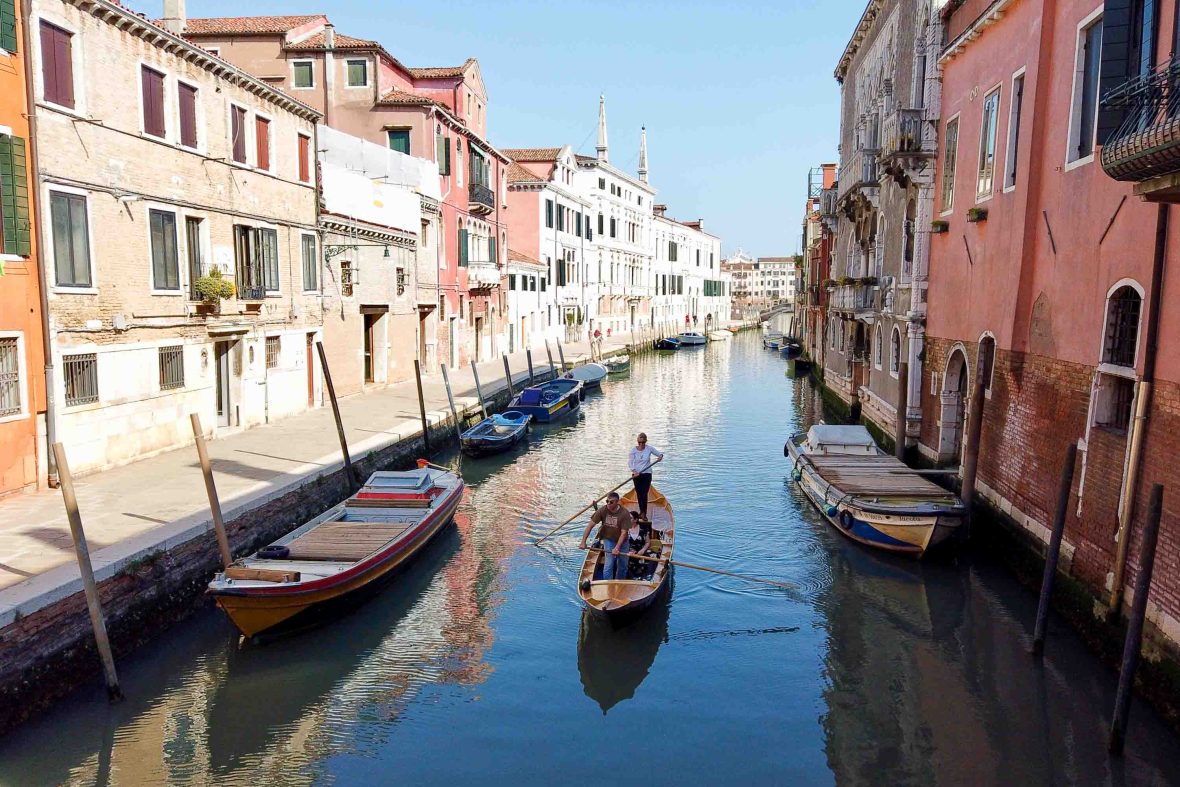
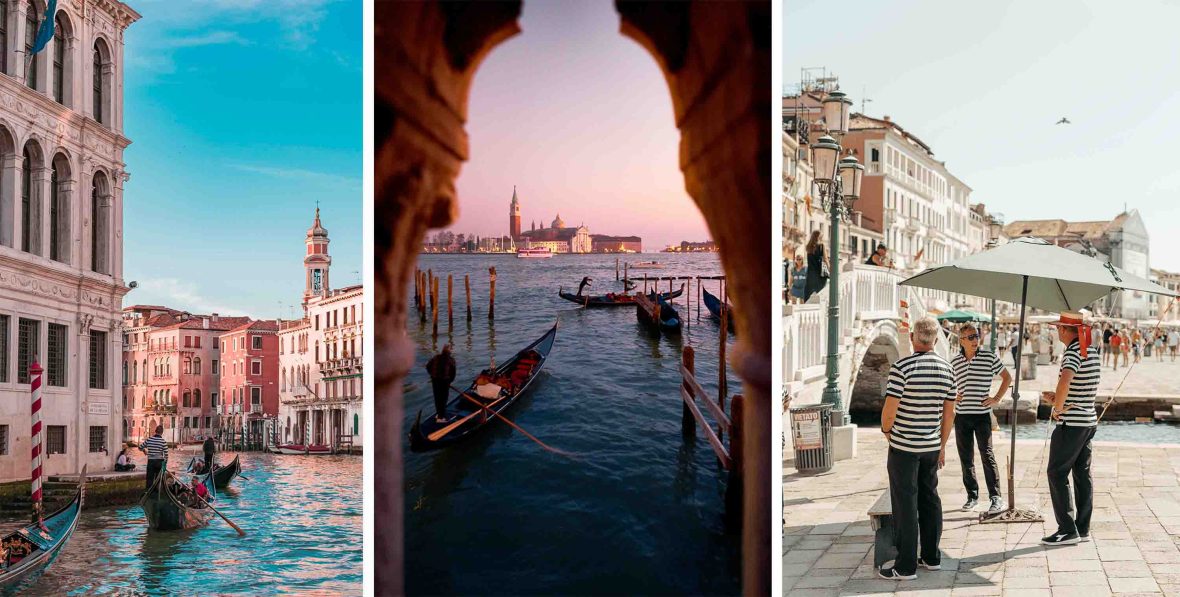
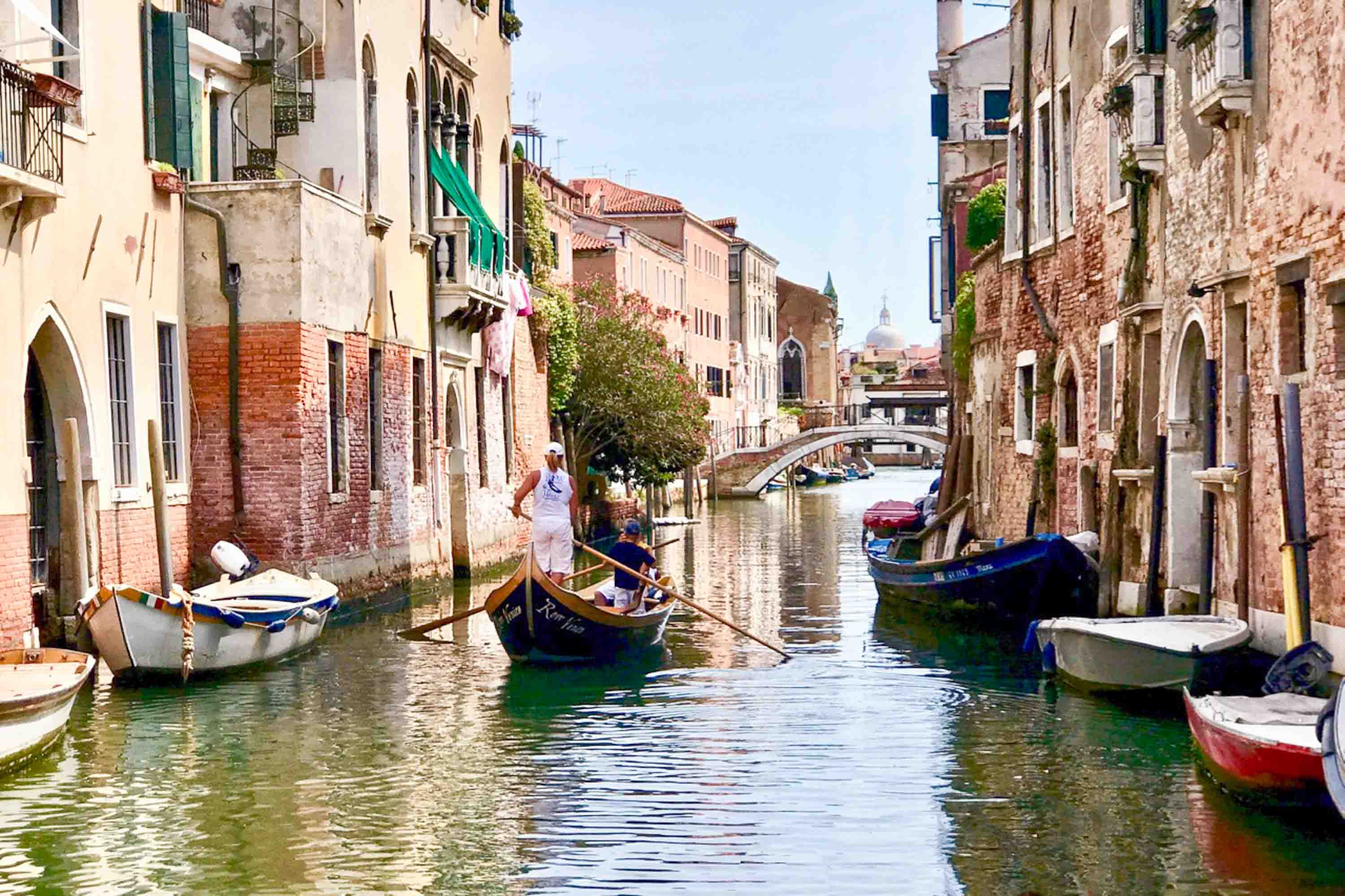
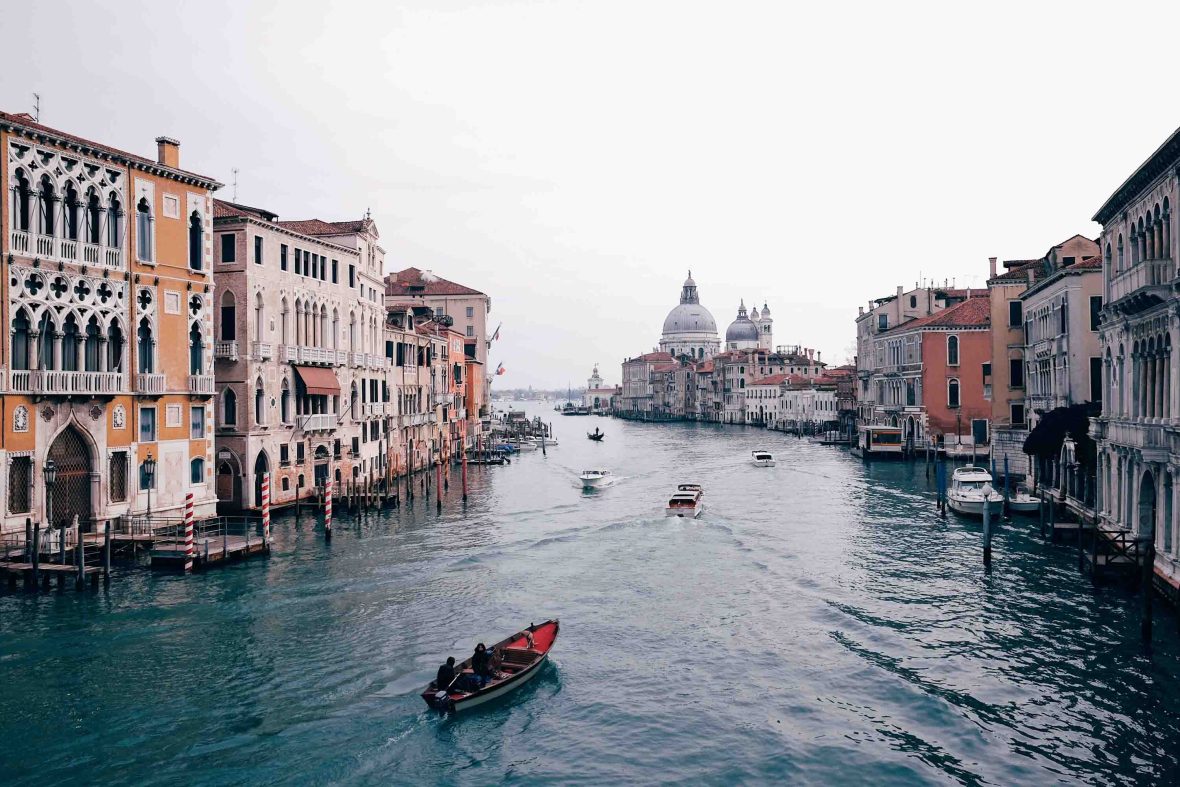
The relative emptiness of my surroundings shows a rarely-seen side of Venice. This is, after all, a city that’s become almost as synonymous with overcrowding, tick-box tourism and the demise of local culture as it has with its canalside setting and crumbling Gothic architecture. Here, however, the streets bordering the waterways chatter with the brisk clip of sensible, square heels as women drag shopping trolleys behind them.
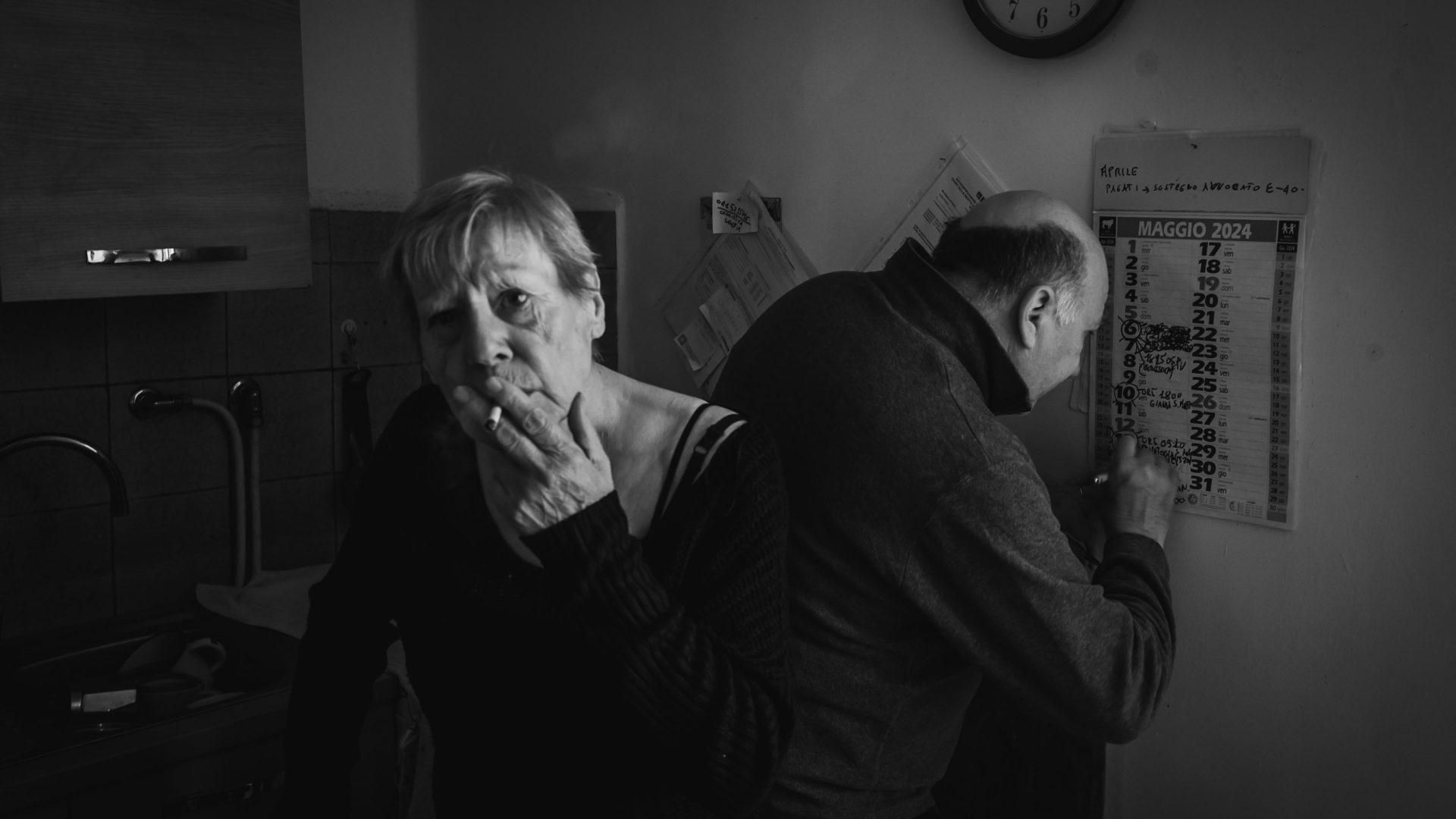
In a few hours, the neighborhood will echo with the cacophony of children set free from lessons. This area is one of the last bastions of residential life in La Serenissima, the city’s historic nickname. I’d barely noticed it at the time, but now that I think about it, the tables outside the cafés I’d walked past on the way to my lesson had been remarkably devoid of iPhones and pouts: I’d seen, instead, unruly eyebrows, pluming cigarette smoke, and creased copies of the daily paper, Corriere della Sera.
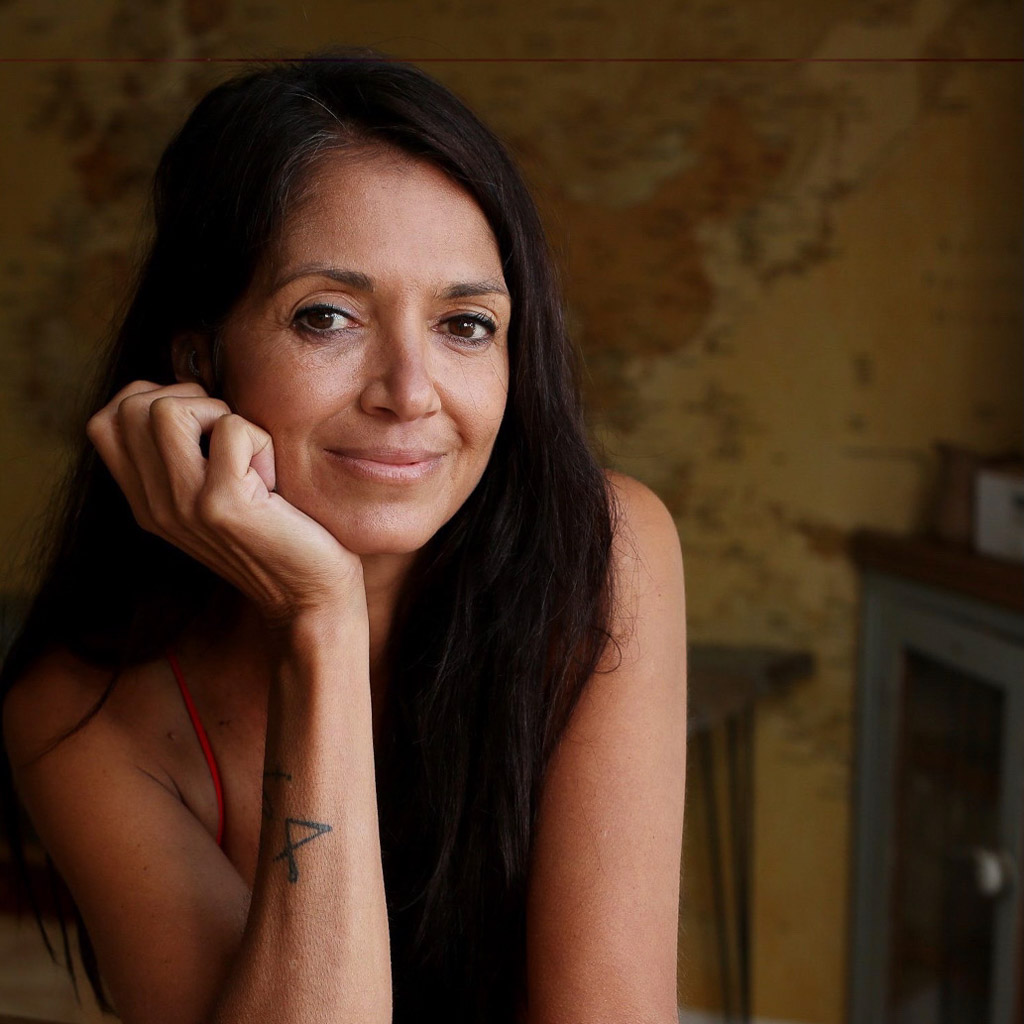
My instructor is Jane Caporal, a British-Australian; her Aussie accent is pronounced when speaking English. Married to an Italian, a short stint in Venice while her husband was carrying out some academic research has now lasted for more than 30 years. Venice is home and where her two sons have been raised. It’s also where Jane learned to row.