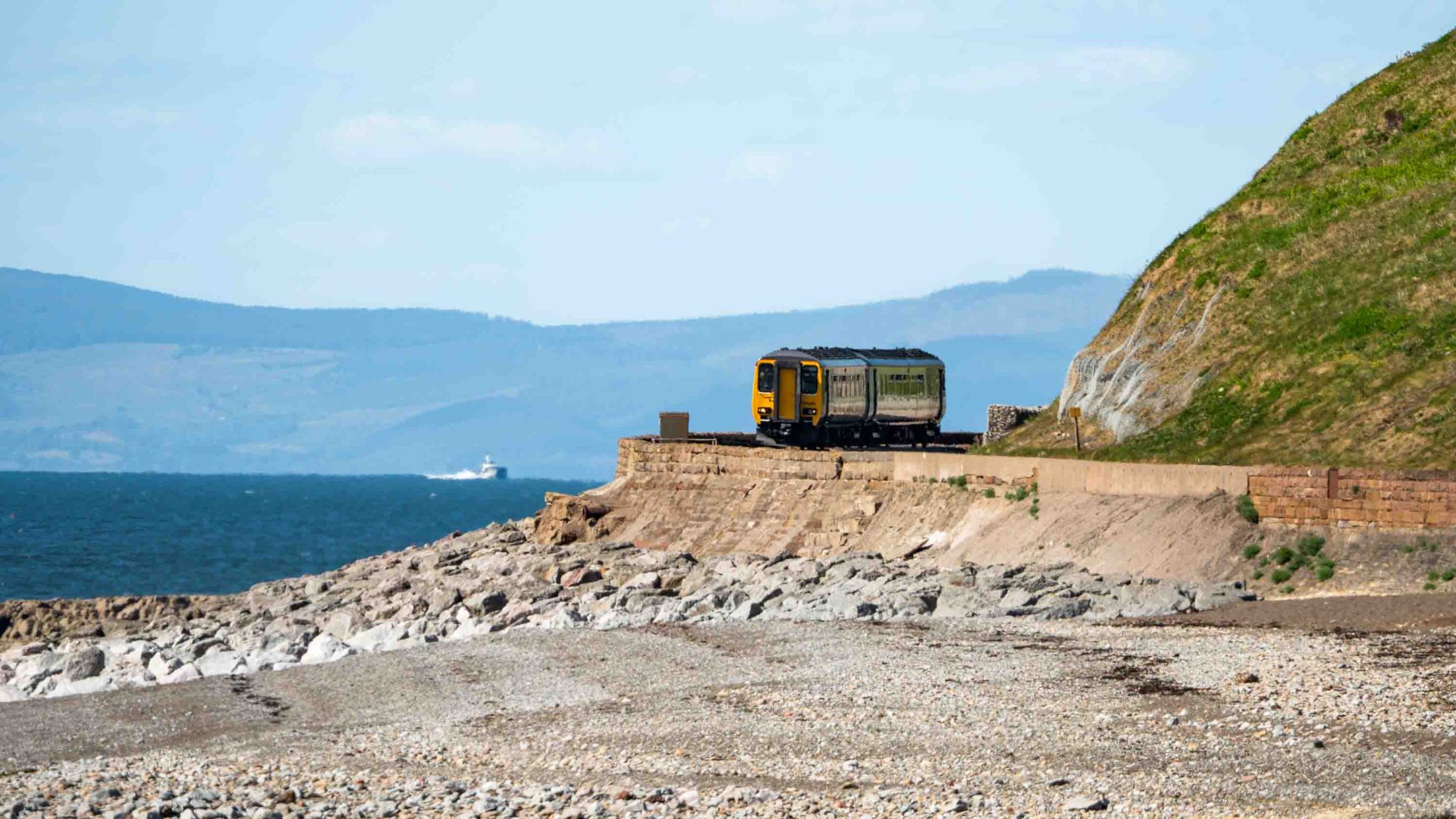
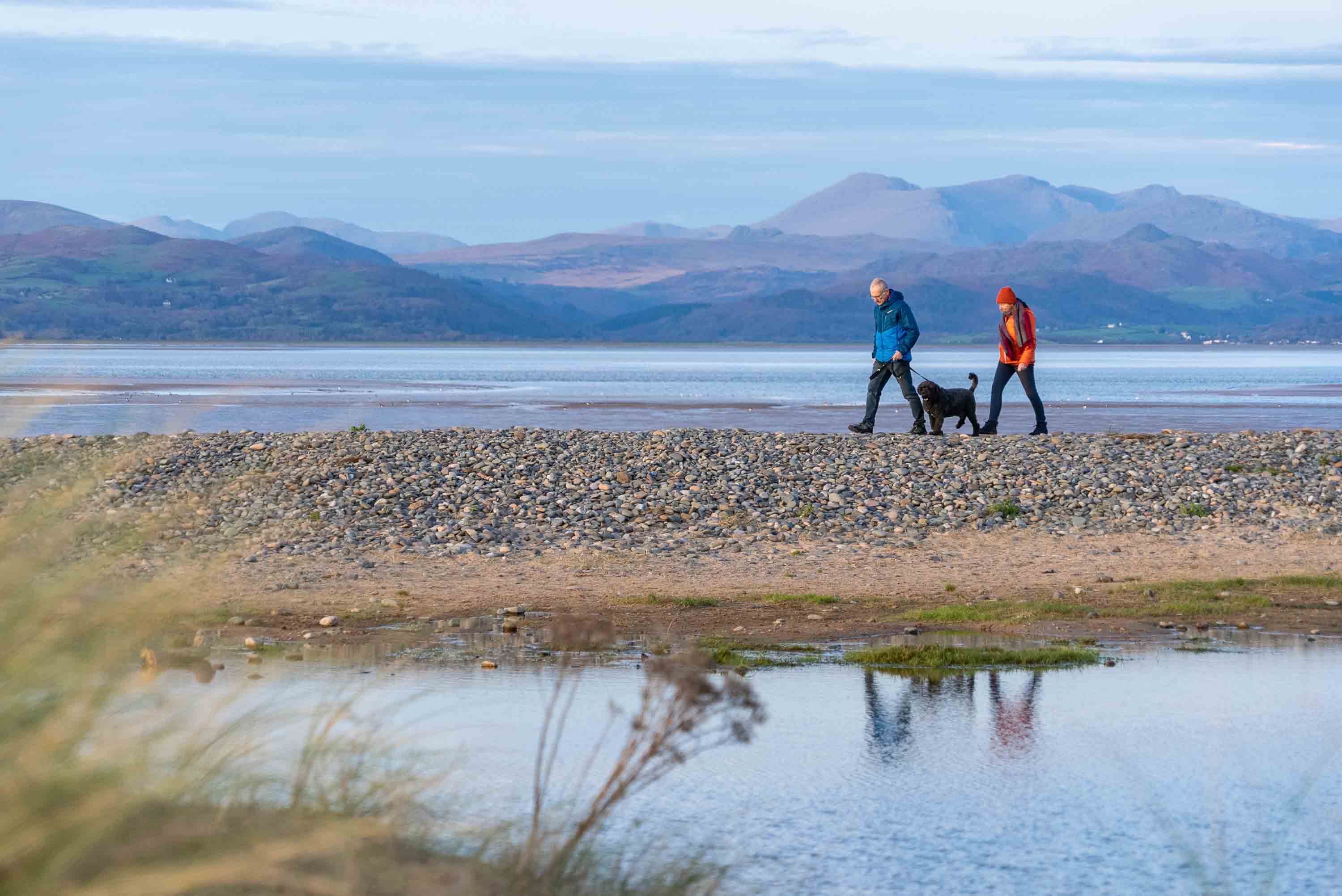
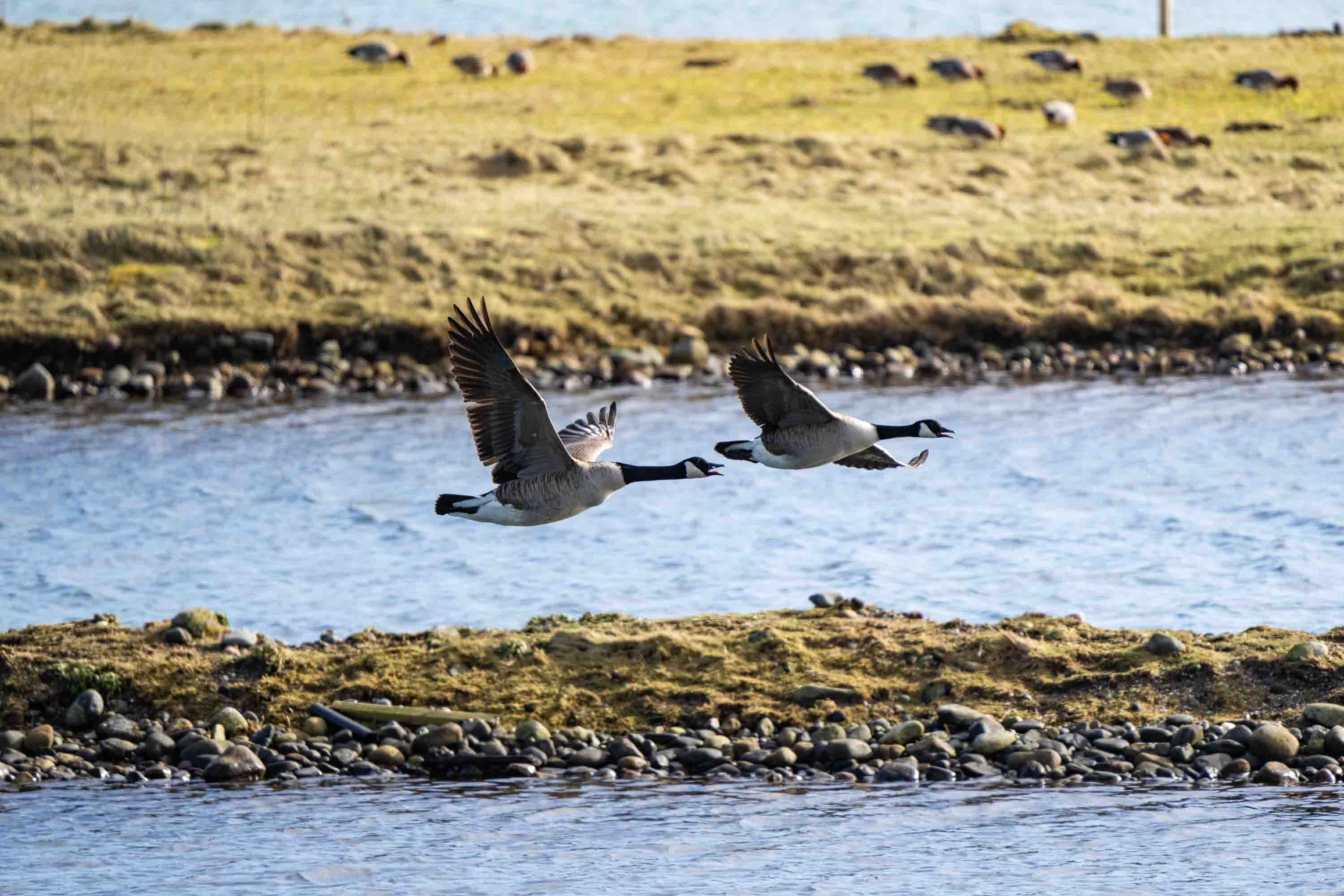
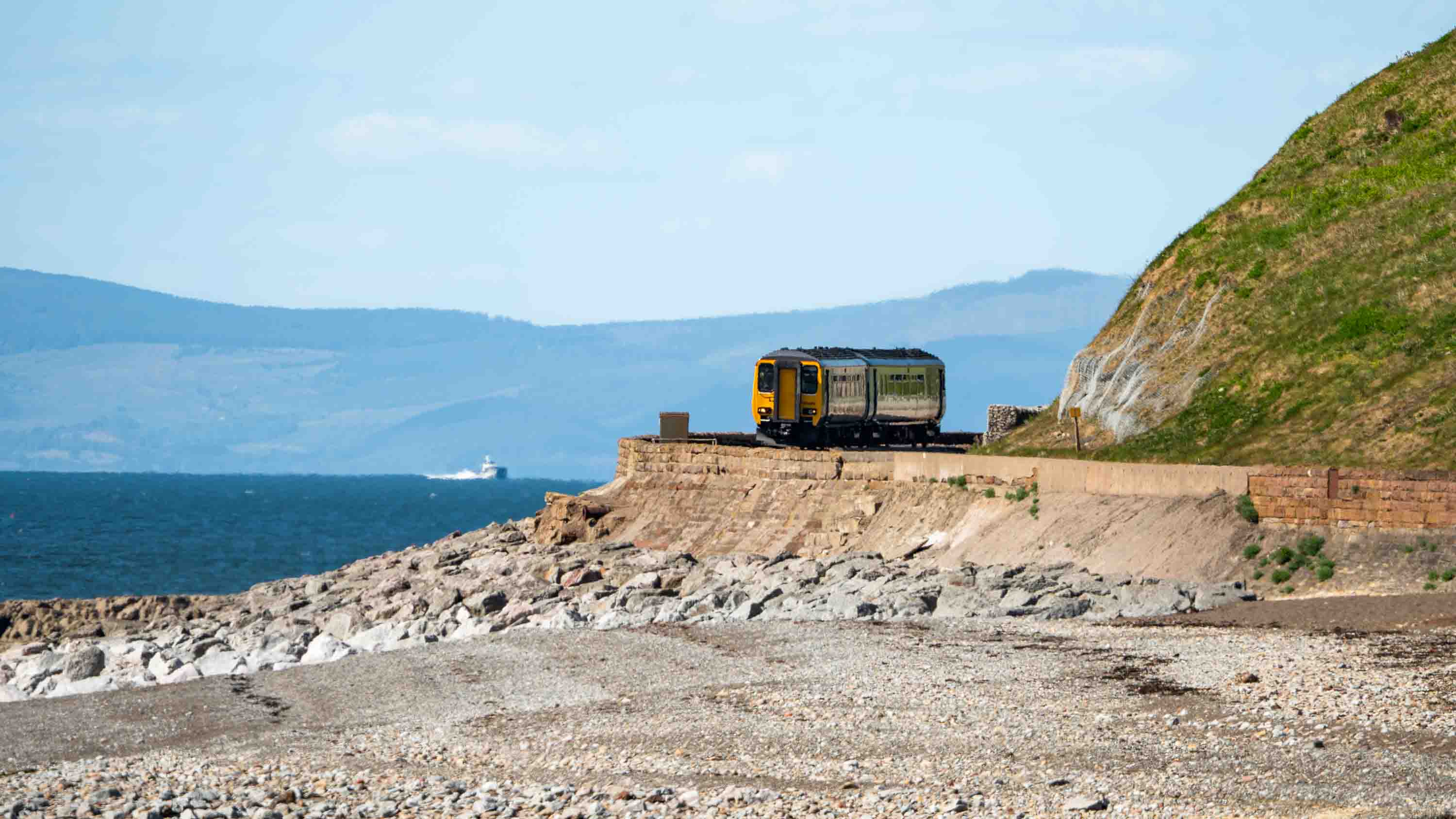
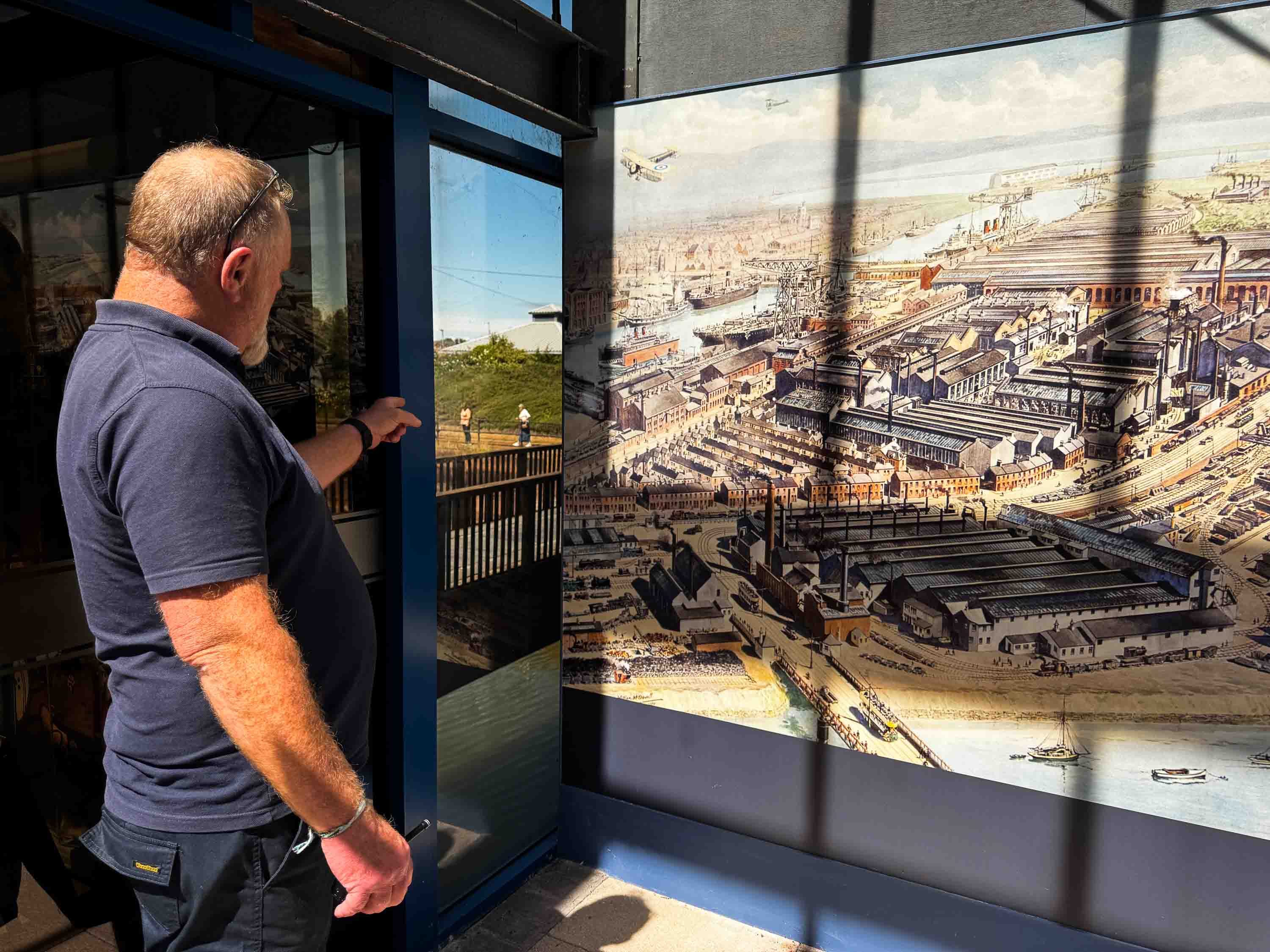
The next day, back on the train, I ride around the wide, bird-waded tidal waters of the Duddon Estuary. I jump off in Barrow-in-Furness, home to numerous nature reserves (including South Walney, with its colony of gray seals), a top-class pie shop (Greens) and the excellent, free Dock Museum, which explores the town’s shipbuilding history. Here I meet John Irving, the museum’s manager, CCR champion and passionate Barrow-ite: “We’re not ‘where the Lakes meet the sea’,” he says, quoting the old tourist slogan. “We’re ‘the sea with a backdrop’—we’re second to no-one.”
According to Irving, the area has the attractions, parking and infrastructure to cope with many more tourists. And the potential: Barrow has some of England’s most deprived areas, but GBP£200m (USD$270m) is being spent on revitalizing the town. This area needs a boost. The CCR can be part of that.
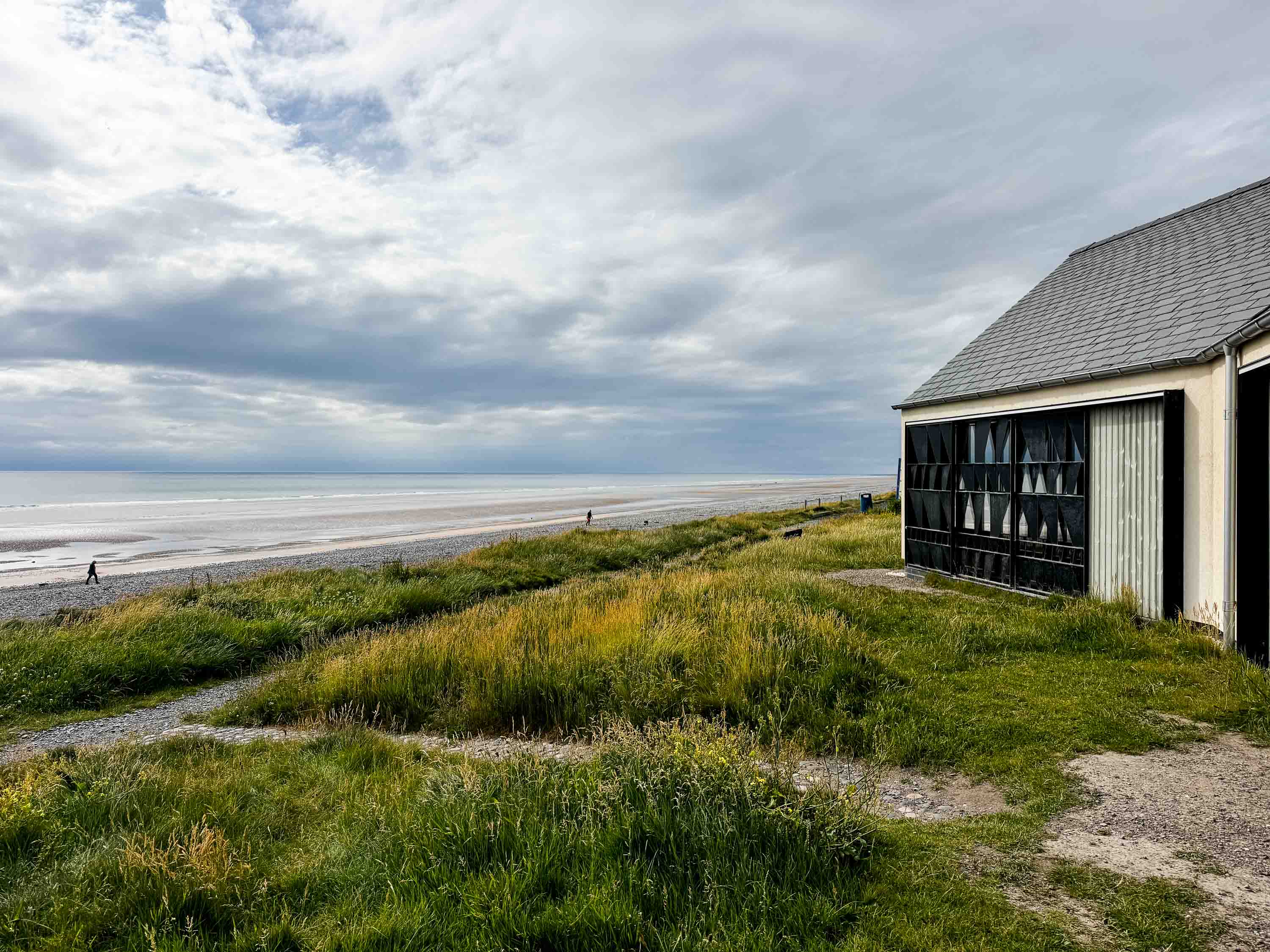
I ask everyone I meet if they’re worried about overtourism. Practically no-one is. One man in Whitehaven notes a lack of toilets could be a problem, although a scheme under which shops are paid to provide access to their facilities launched in spring. And a lady on Silecroft’s near-endless, near-empty beach expresses slight concern that more visitors might destroy the peace that makes it special. “This coast has so much,” Clarke has said to me. “There’s plenty to go round.”
The reality is, undertourism is the issue here. There’s so much scope for growth, in an area that can handle it. There’s also a concerted effort to develop the CCR slowly, not to rush, to consult communities, to recognize each town’s individual needs. The CCR doesn’t feel like a threat, it feels like an opportunity. An opportunity for new, varied, sustainable jobs to be created for local people, but also an opportunity for travelers to take a chance on this wave-tickled land beyond the fells—less obviously spectacular maybe, but with so much still to be discovered.