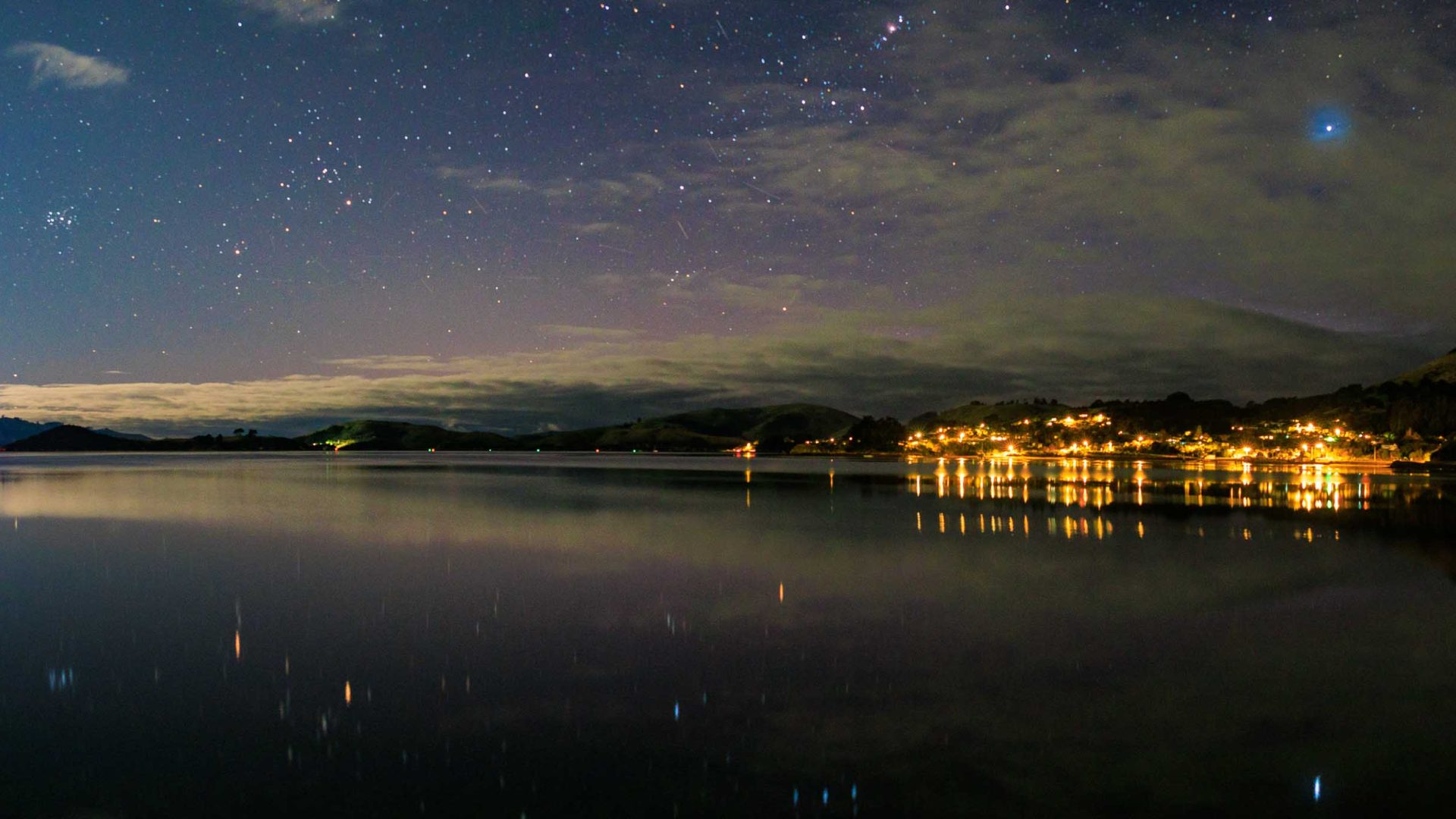
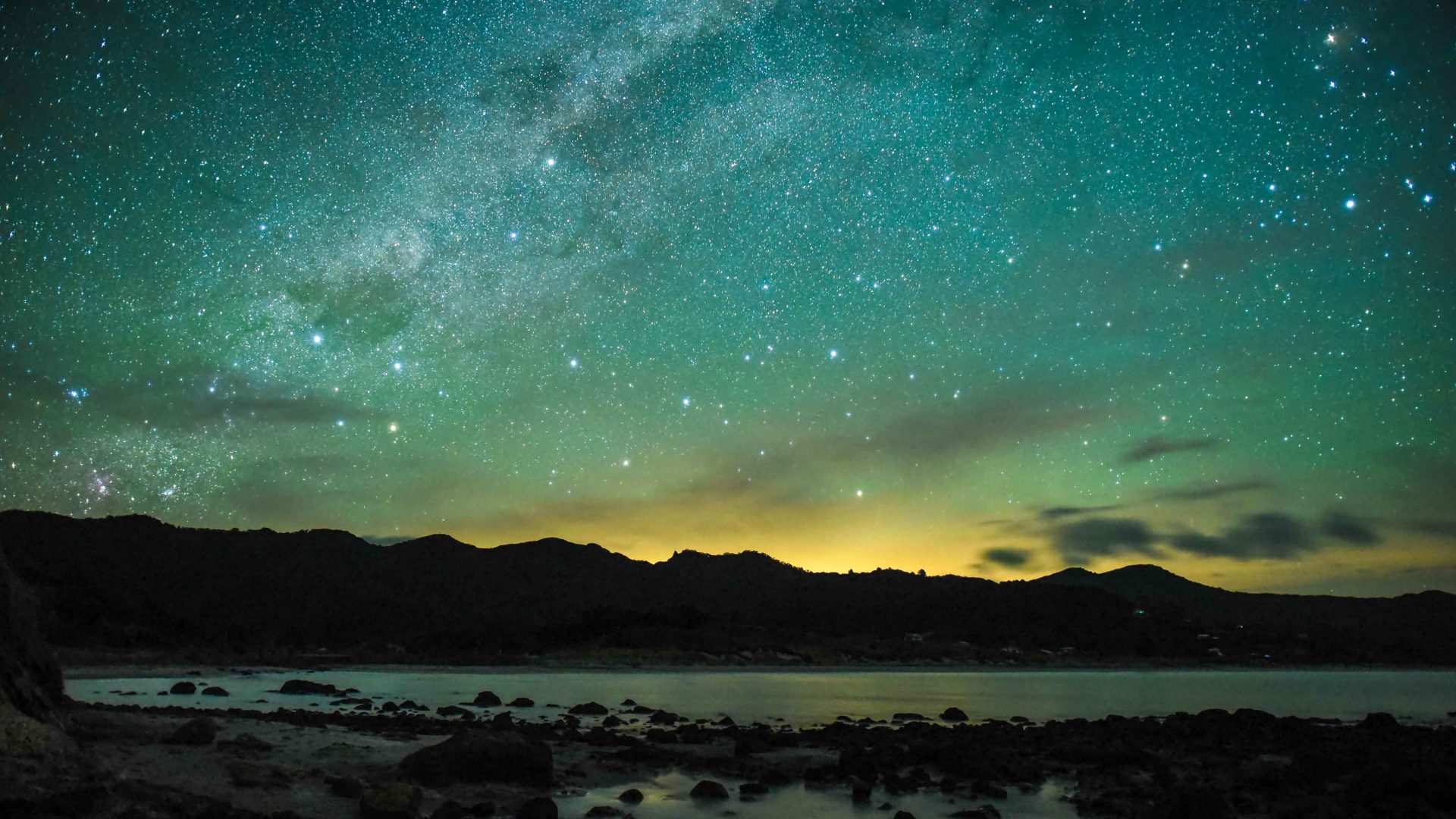
In the cold pre-dawn hours of an early July morning, Ian Griffin stopped his car on the shore of Otago Harbor on Aotearoa/New Zealand’s South Island and contemplated the stars.
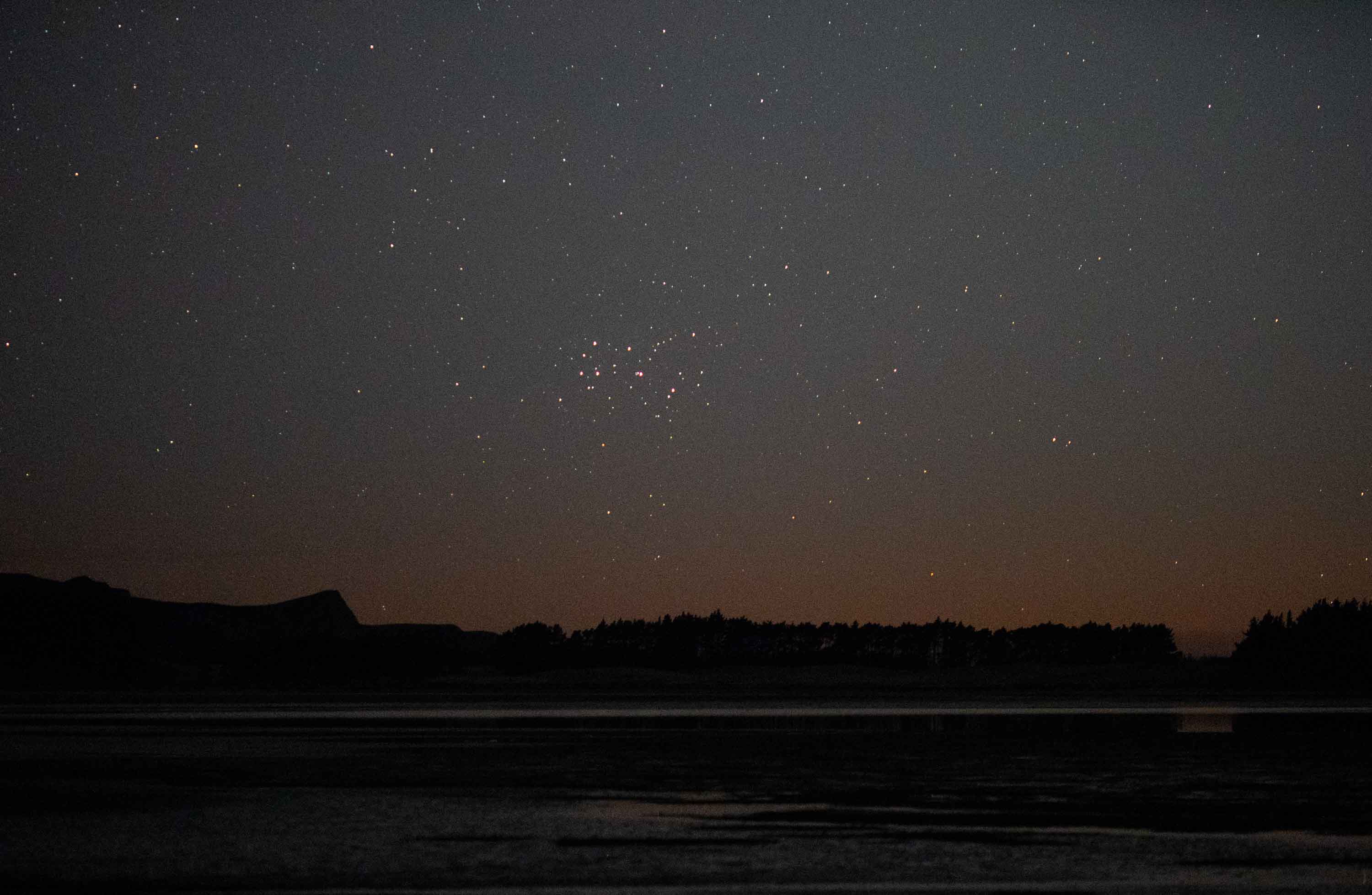
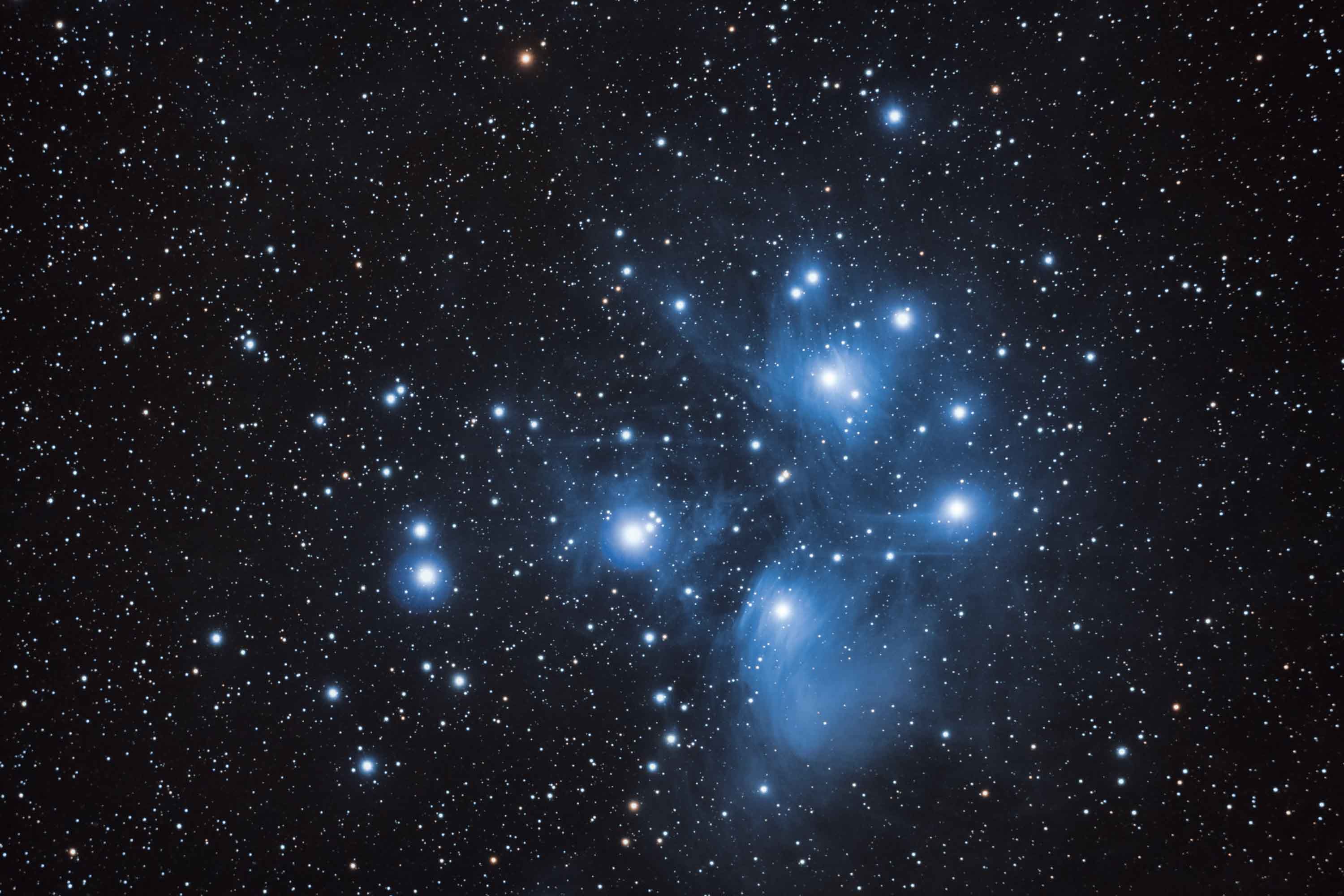
“The harbor was perfectly still—not a ripple on it—and there, low in the northeast, Matariki was rising,” he tells me.
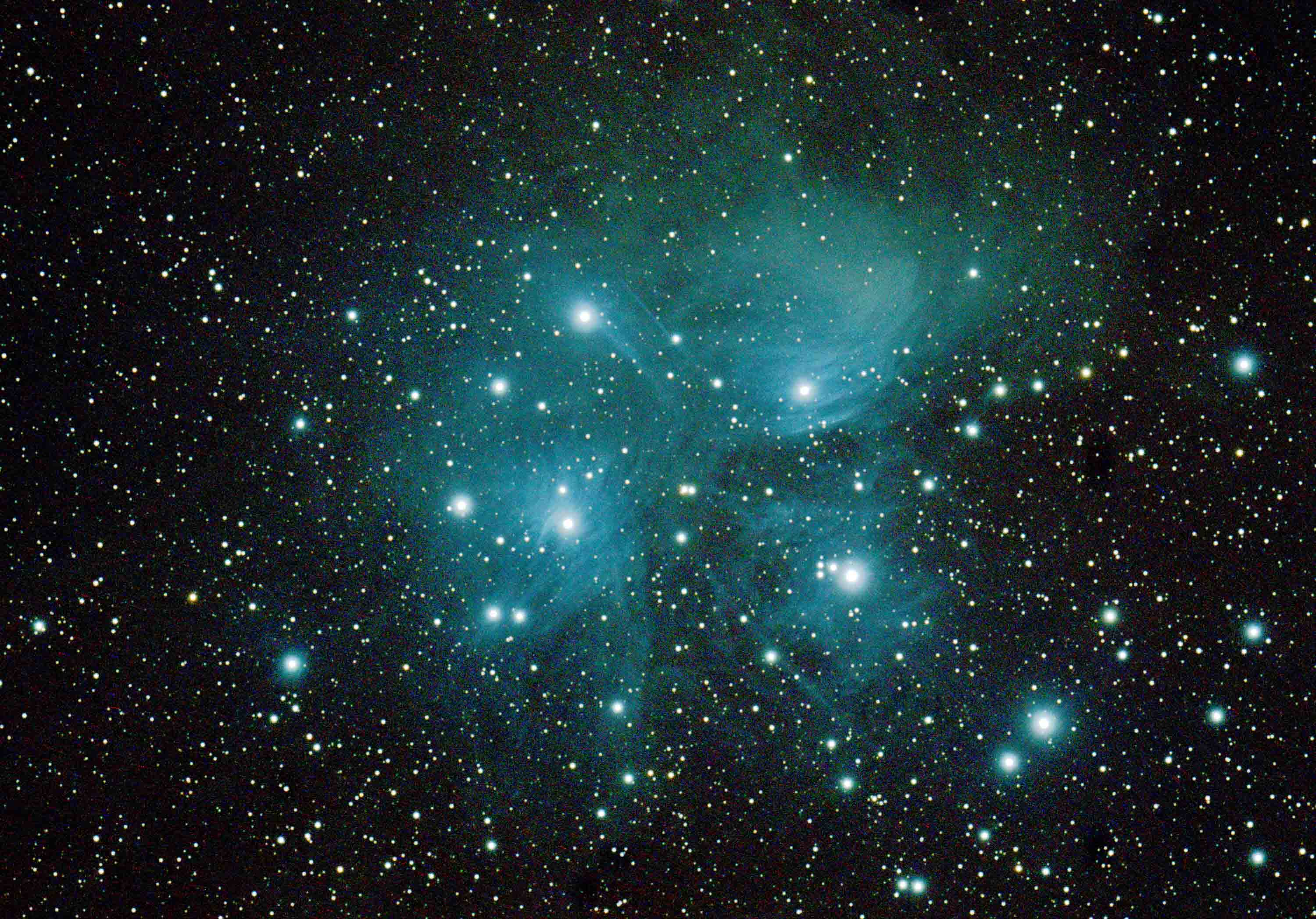
As an astronomer, Griffin knew exactly what he was looking at. “Matariki is a beautiful group of young stars, about 440 light years away… I can explain how it formed, how far away it is, why it appears in the winter sky. But standing by that still water, I was reminded that astronomy is only part of the story.”
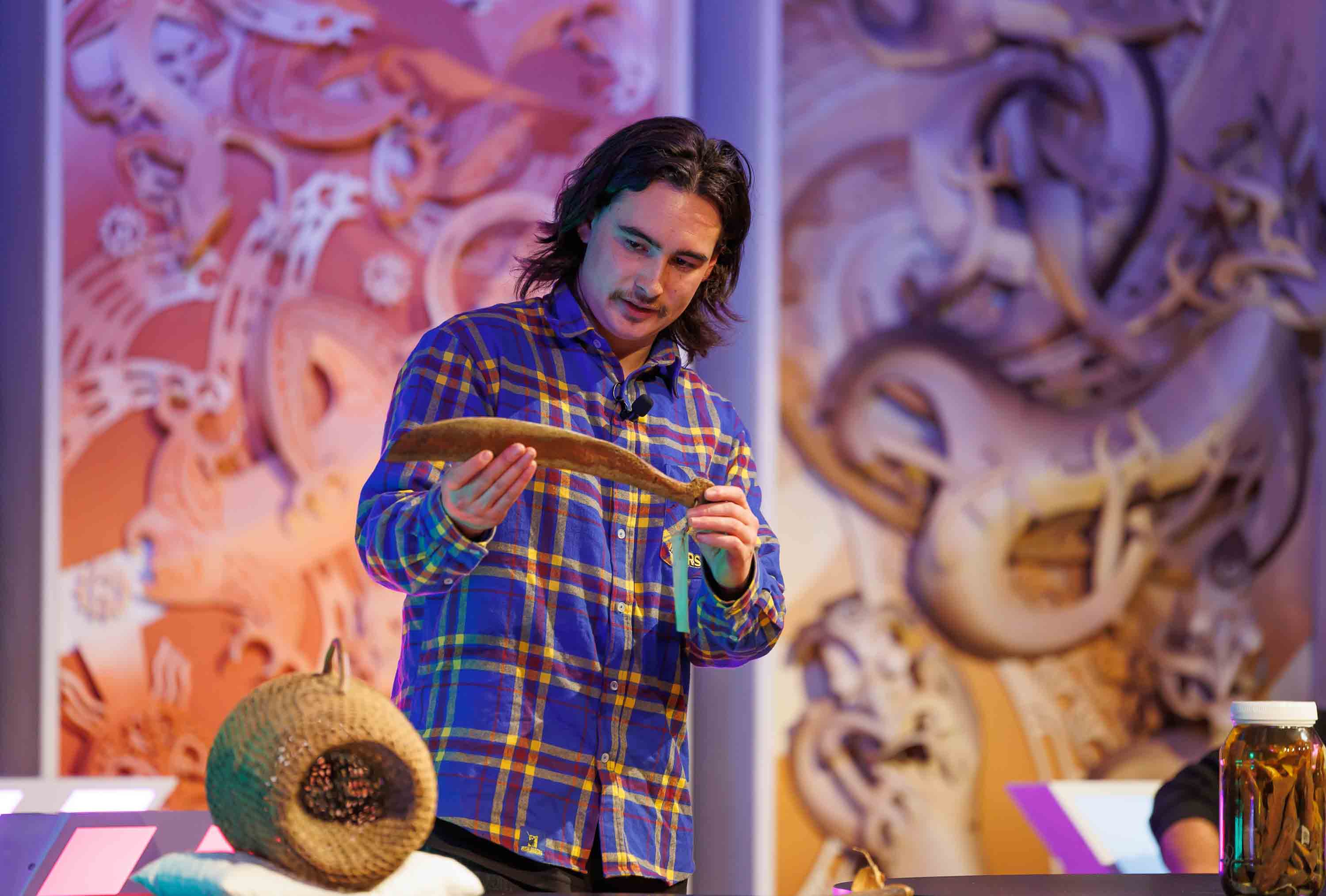
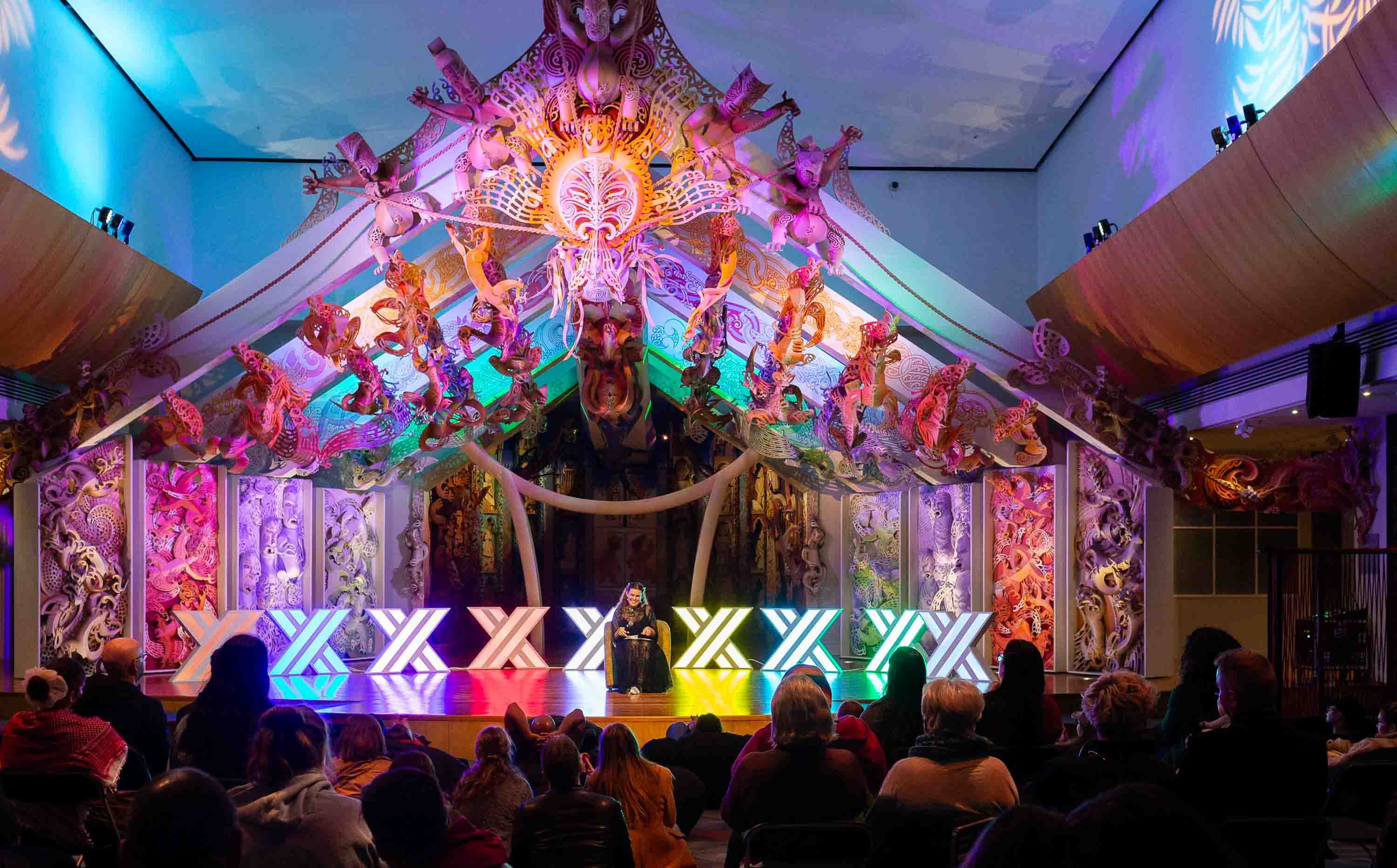
Griffin was on his way to attend Matariki Ahuka Nui, a dawn event at the Tūhura Otago Museum, which explores nature, culture and science, in Ōtepoti/Dunedin on the South Island’s southeast coast. He had grown up in England knowing the star cluster as Pleiades, its northern hemisphere name. In Aotearoa, where he is now a citizen and has been the Tūhura Otago museum’s director since 2013, it’s known as Matariki, and marks the arrival of the Māori New Year.