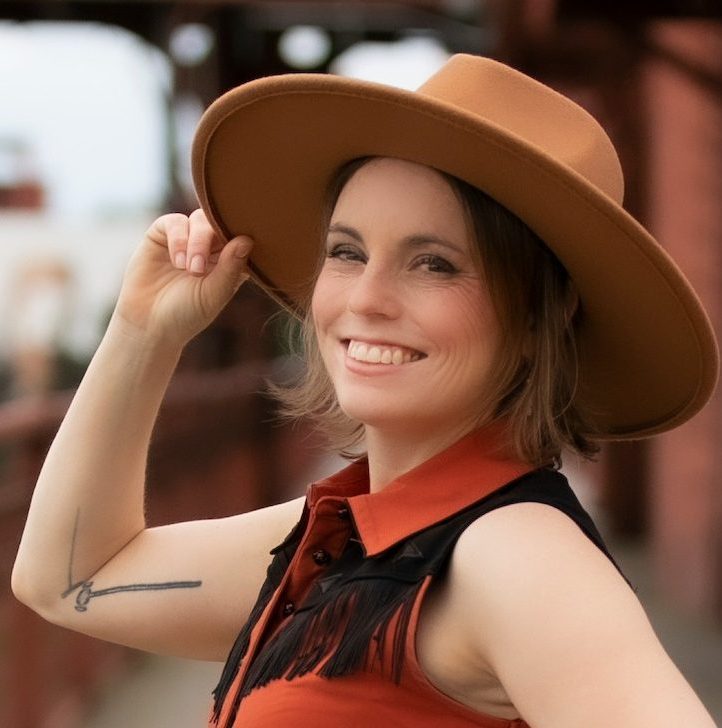
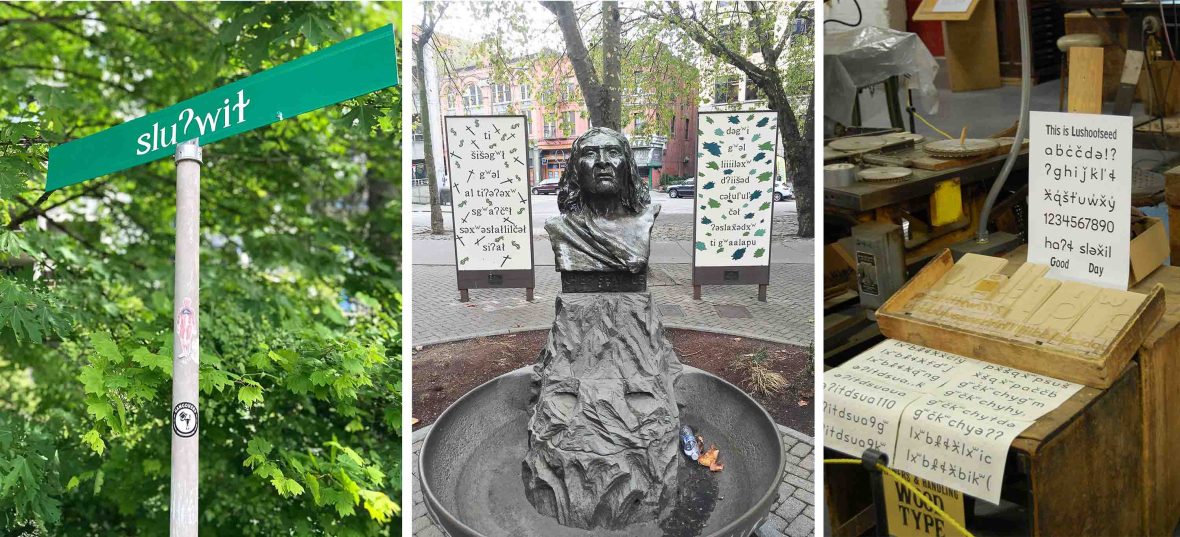
Zalmai ‘Zeke’ Zahir stood at the front of the classroom, fingers flicking—one, two, sometimes four at a time—as he did math in the air while speaking txʷləšucid. Every so often, a lightbulb went off on a student’s face.
As a non-Native volunteer in this txʷləšucid classroom, I understood little, but my heart fluttered at witnessing a once nearly-vanished language moving so freely—and knowing the human persistence and care required to resuscitate it. And this was just one classroom at the Northwest Indigenous Language Institute’s annual Summer Institute in Eugene, Oregon, running continuously since 1998 for Native language educators of Indigenous languages.
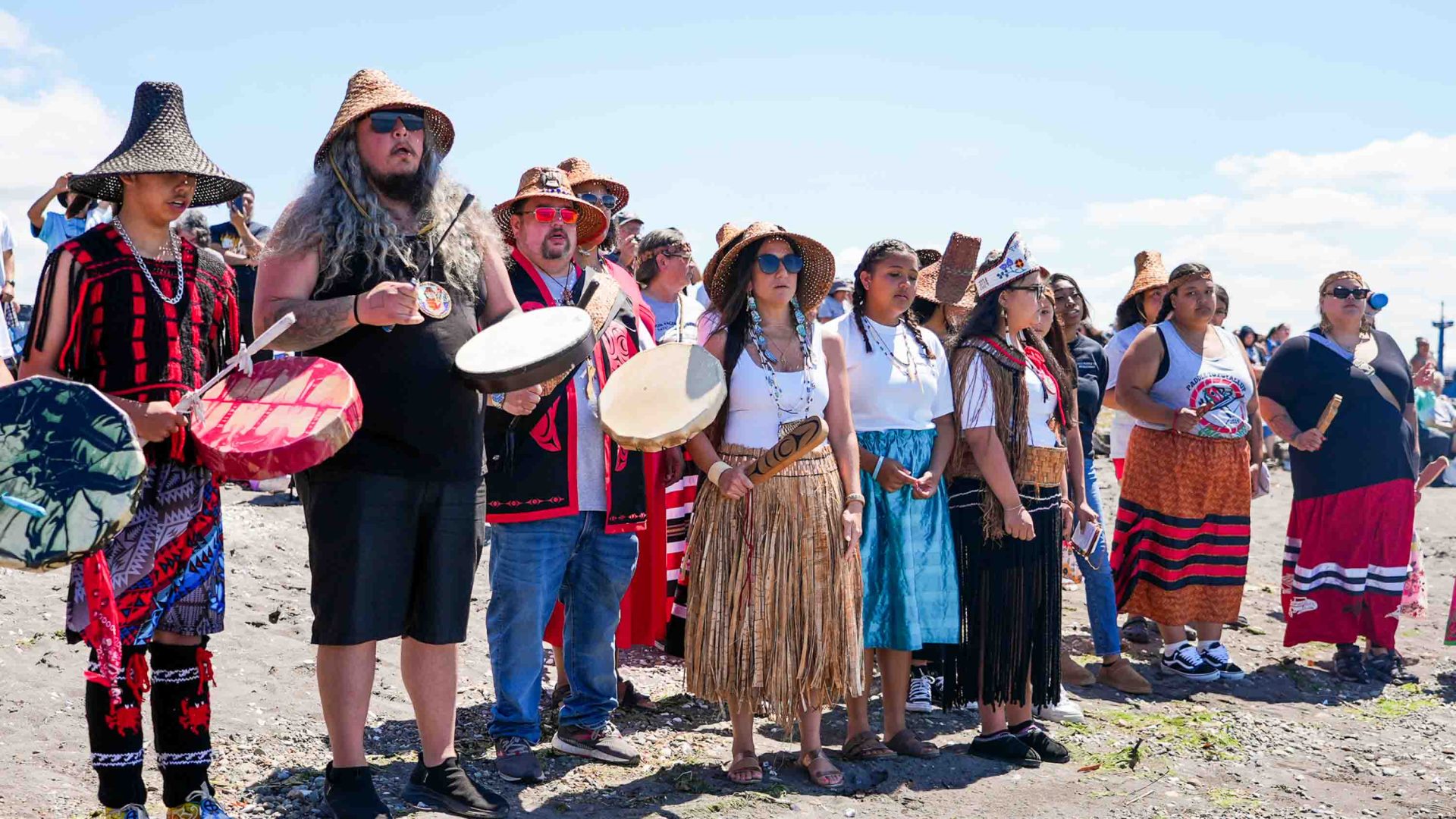
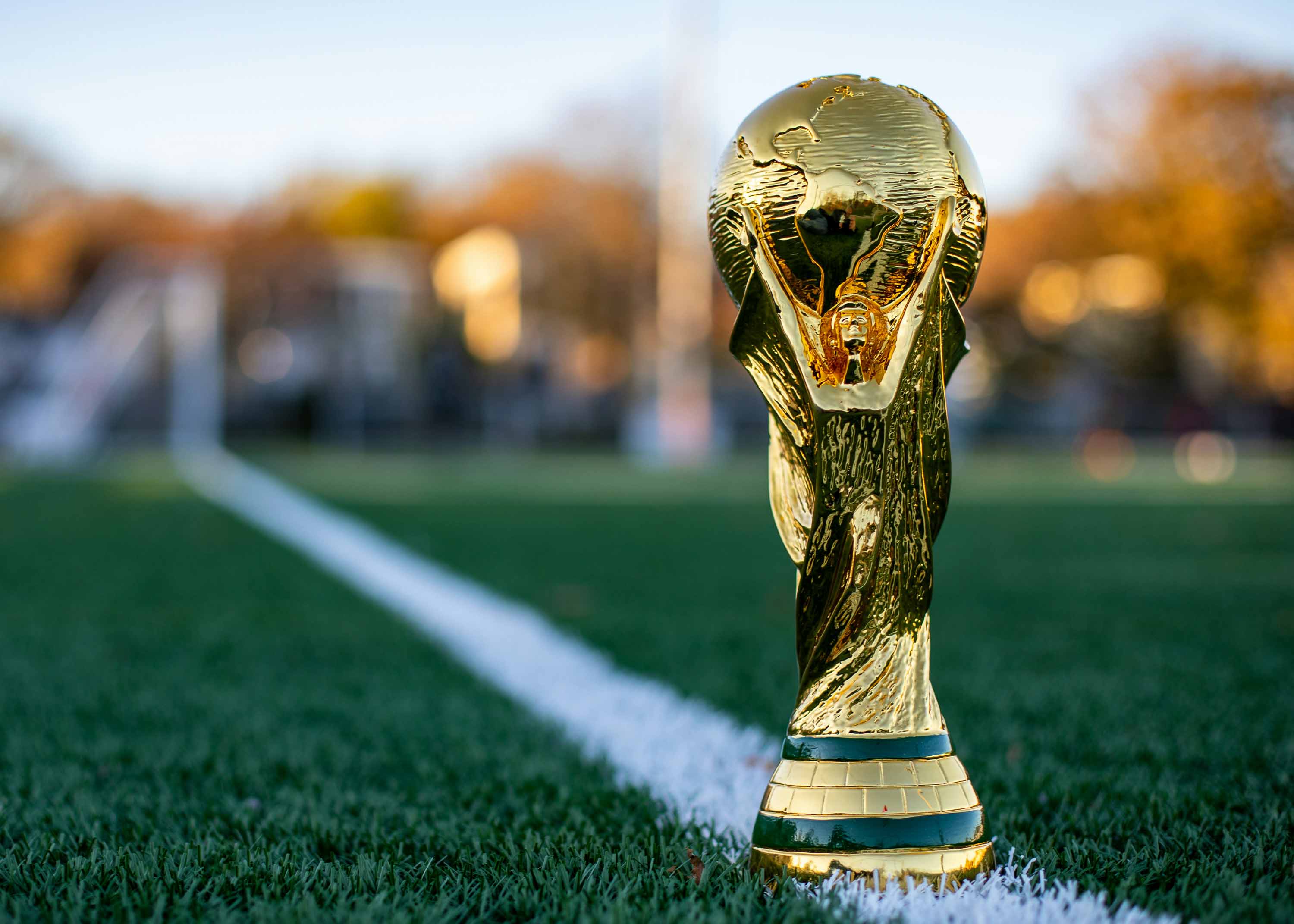
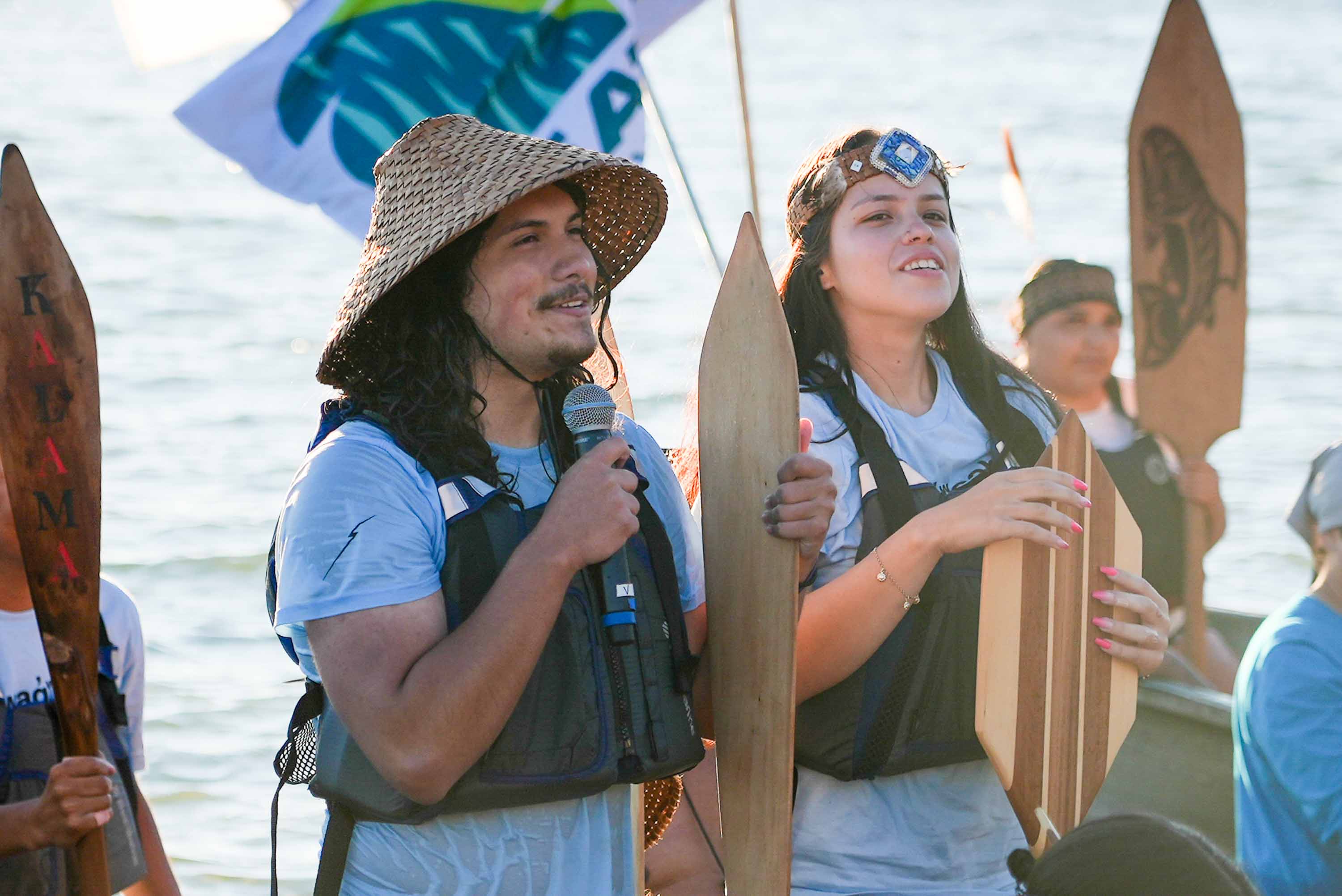
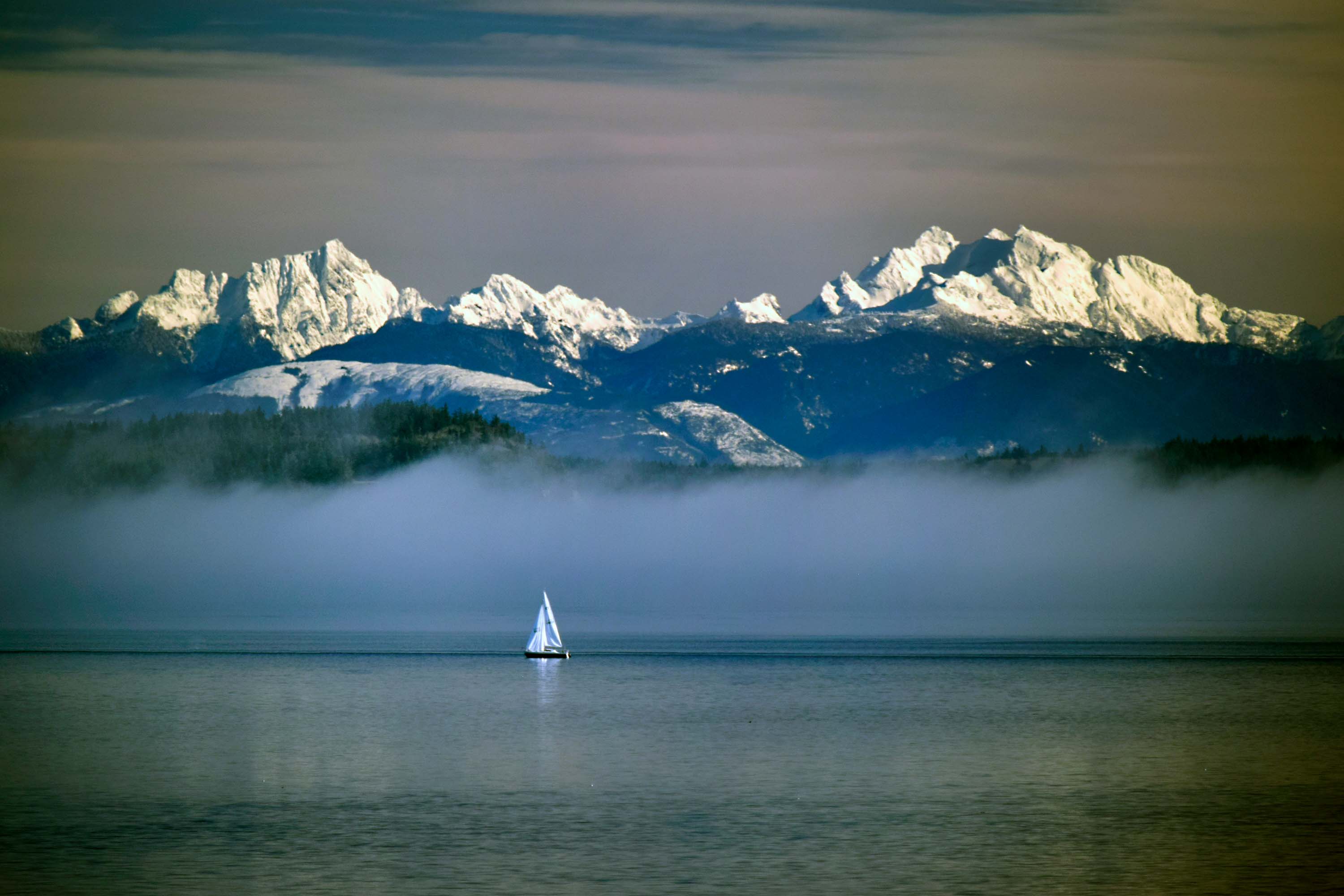
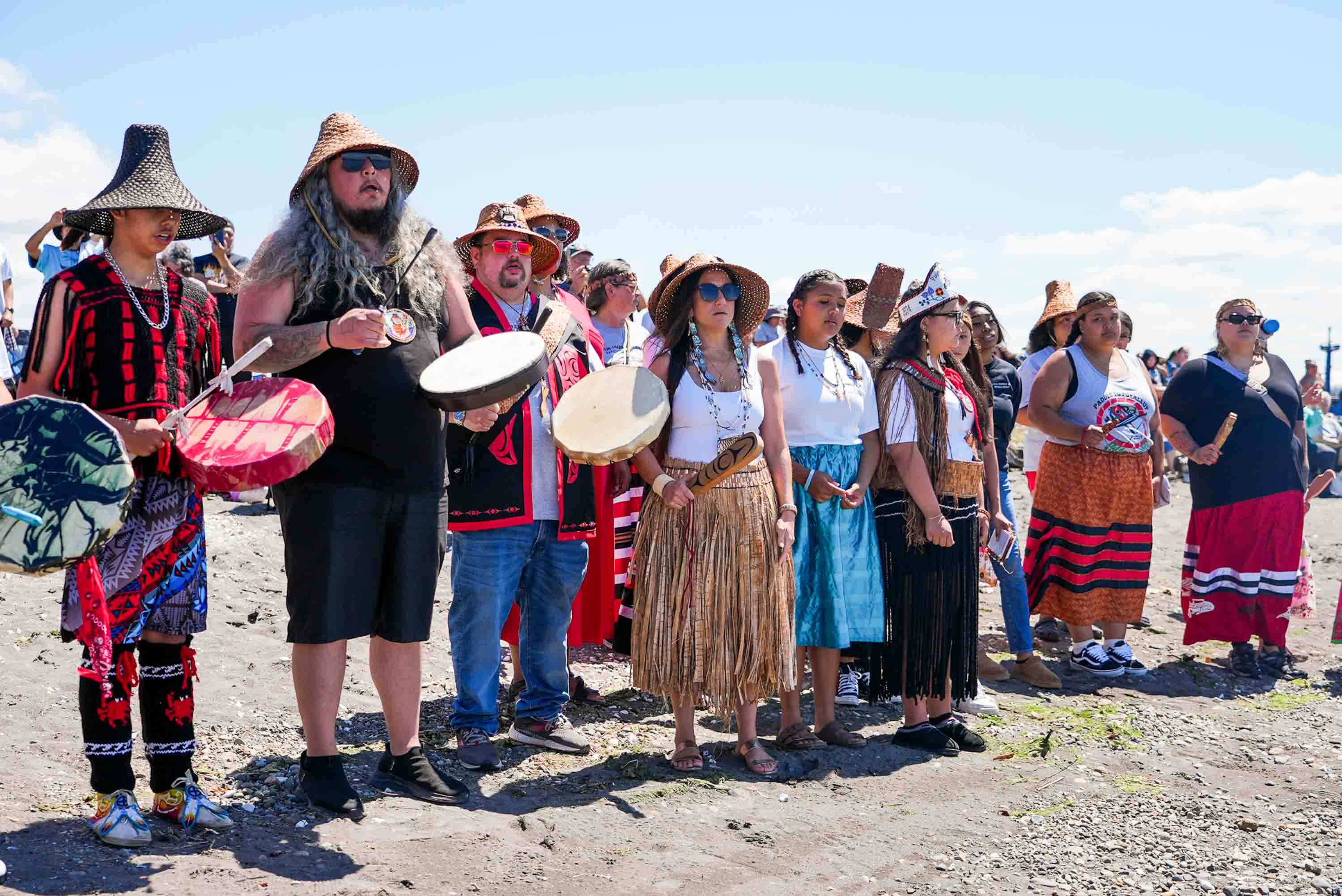
That was 2016. Flash forward to 2026 when the Puyallup Tribe’s historic collaboration with FIFA—the first formal partnership between an Indigenous nation and World Cup host city—means txʷləšucid is having a global moment. The Puyallup Tribe and 12 other tribes around the Puget Sound region in Washington State, USA speak txʷləšucid, a language of the First People of Western Washington, spoken between the shores of the Central Salish Sea and the Cascade Mountains, from the Skagit River North to Mud Bay in the South.
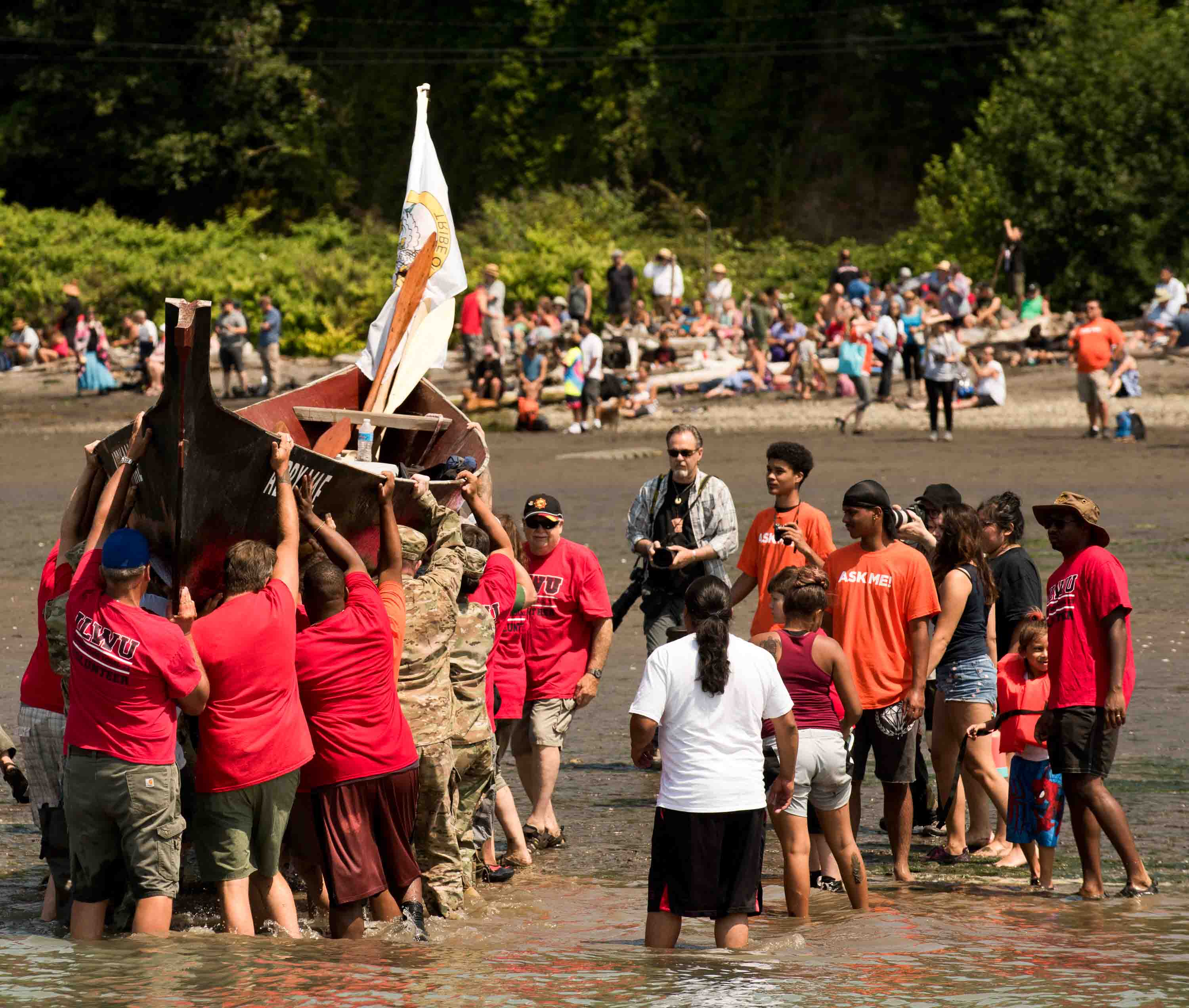
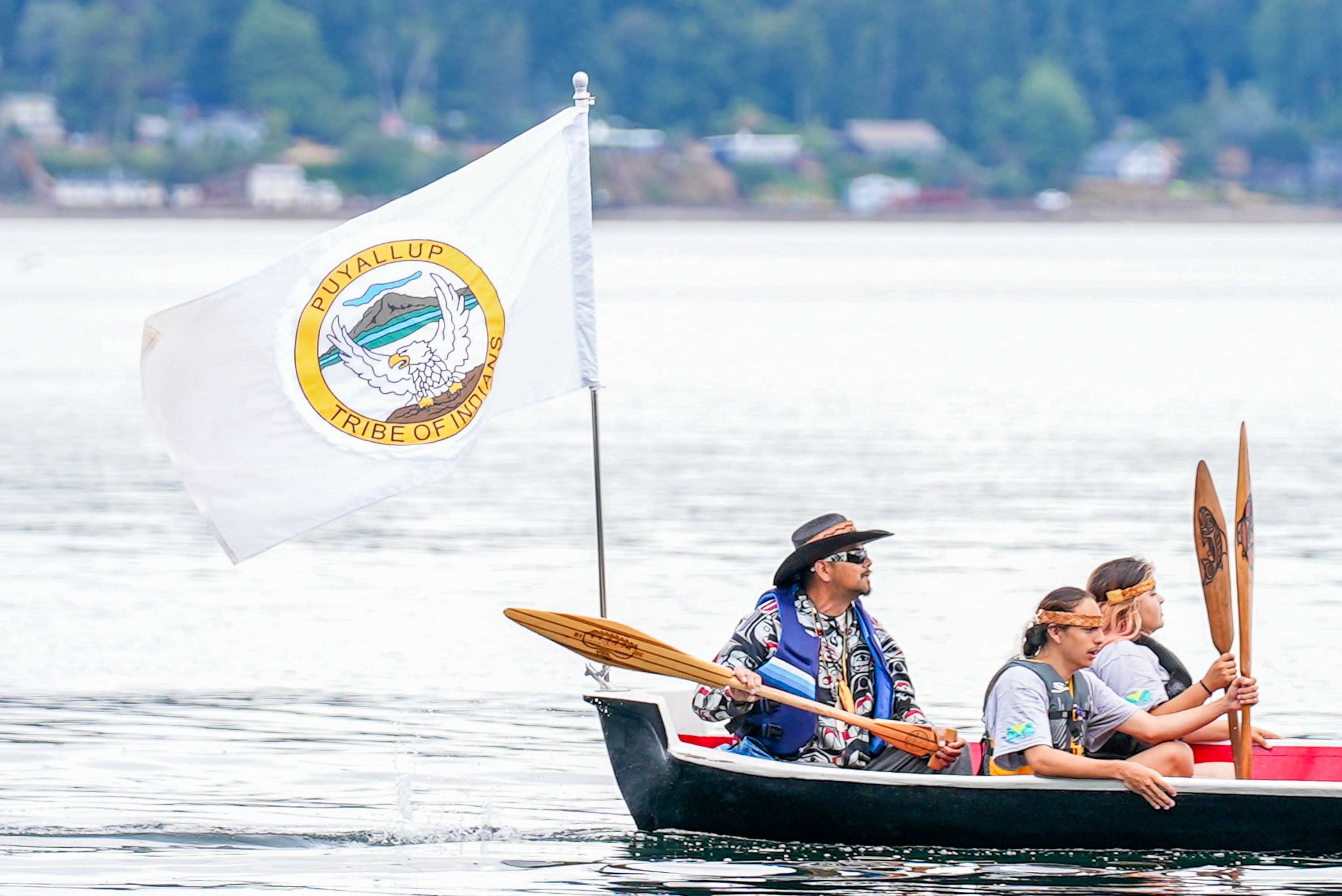
It means the language will be seen and heard alongside major cultural celebrations throughout the tournament. And it’s fitting: The Puyallup Tribe, whose txʷləšucid name (spuyaləpabš) means “generous and welcoming behavior to all people” has welcomed others since time immemorial.