As an Austin local, Annie Brown Verdin has seen aspects of the Texas city change from tie-dye to tech over the years. So, is Austin still ‘weird’ in 2026 or has it sold out to the mainstream? We investigate.

As an Austin local, Annie Brown Verdin has seen aspects of the Texas city change from tie-dye to tech over the years. So, is Austin still ‘weird’ in 2026 or has it sold out to the mainstream? We investigate.
“No fussin’, no cussin’, and no wresslin’,” reads the sign above the bar at The Little Longhorn Saloon. Neon beer signs illuminate autographed black-and-white photos of country legends lining the walls. Outside, a crowd gathers around a small chicken coop in a parking lot shaded by a single tent.
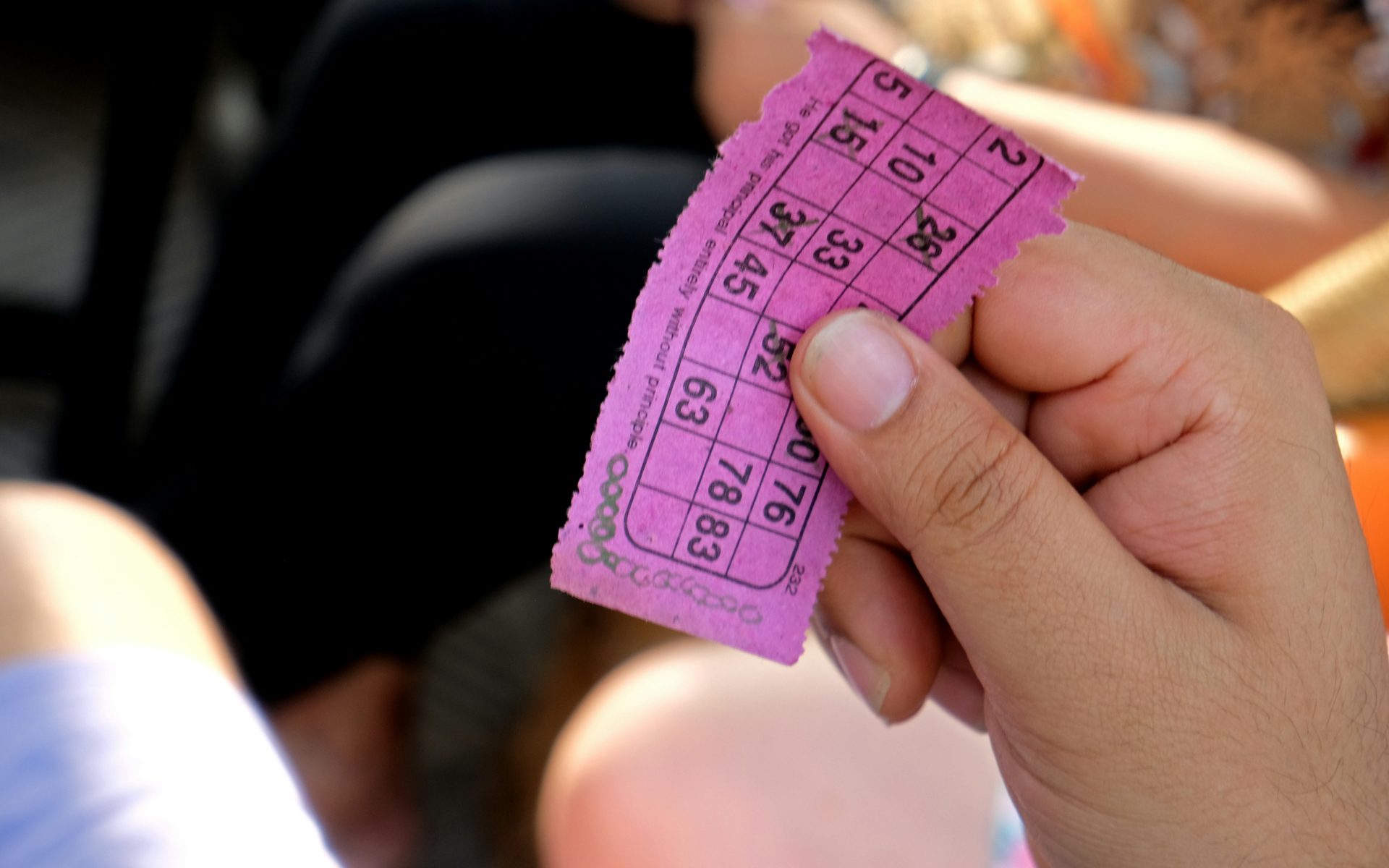
White-haired retirees mingle with college students. Toddlers grow red-faced from the Texas heat. A woman from St. Louis, Missouri tells me she discovered the event online and is now considering recreating it with her own chickens. Nearby, a young boy visiting from Florida clutches his bingo ticket with the seriousness of a seasoned gambler.
Then the star of the show arrives.
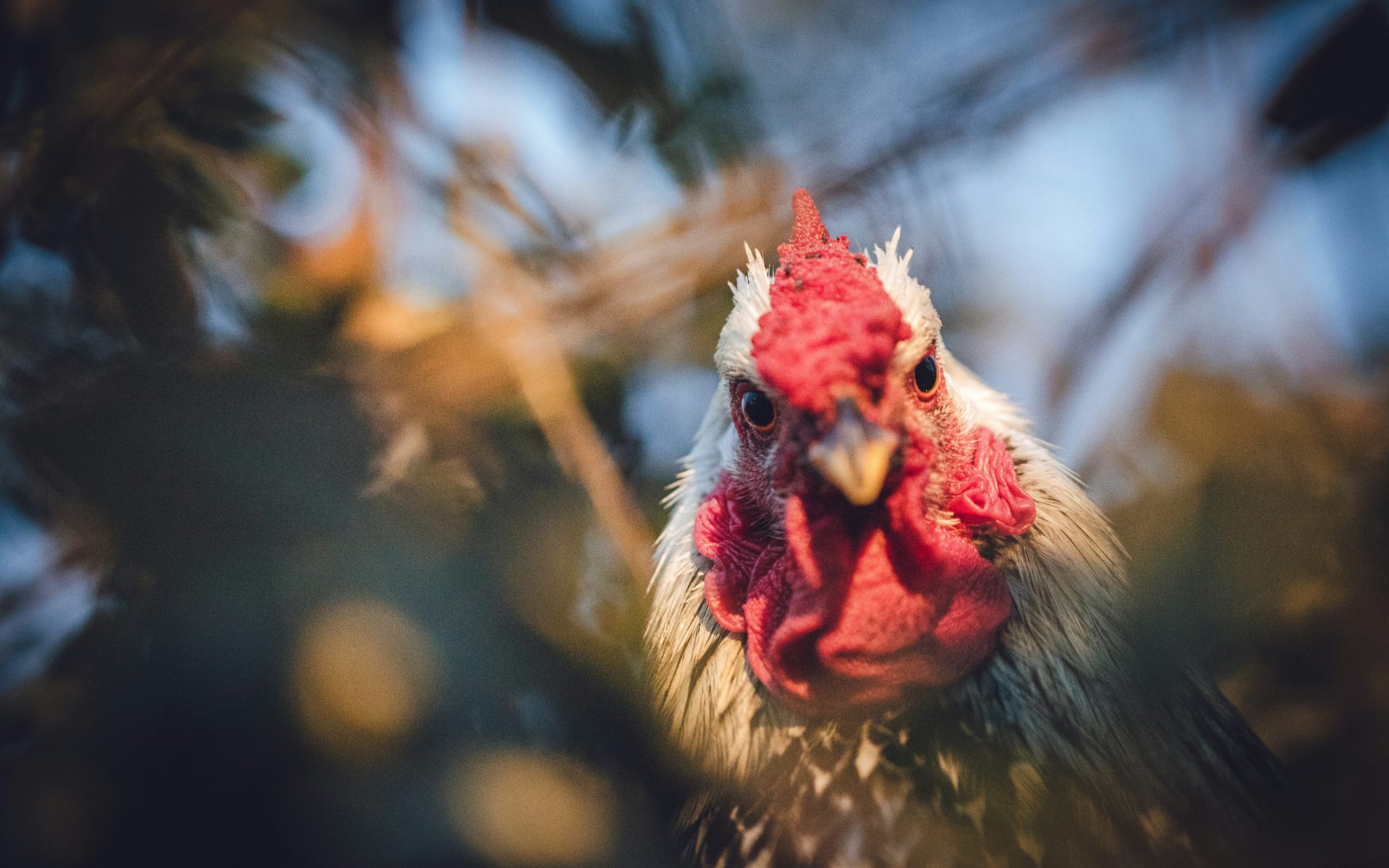
A woman in cutoff shorts and a red cowboy hat carries an auburn chicken through the crowd. Within minutes, the bird has chosen to do its business on lucky number 29 and cheers erupt across the parking lot. Some people win, some people lose. It is delightfully strange. It is joyful. And perhaps nowhere else does a 50-year-old tradition feel so treasured.
For decades, Texas’ capital city has proudly embraced the slogan ‘Keep Austin Weird’, splashing it across tie-dye T-shirts, bumper stickers, and colorful murals throughout the city. The phrase is widely credited to librarian Red Wassenich, who first used it in 2000 as a way to celebrate the city’s “unserious” and “unmaterialistic” spirit. Local businesses later adopted the slogan to encourage residents to support independent retailers, transforming a simple phrase into Austin’s unofficial motto.
But the phrase simply named a culture that already existed. Home to the University of Texas, the city developed a reputation as a liberal-leaning enclave in a state more commonly associated with conservative politics. Musicians, artists, entrepreneurs, and self-described misfits found a home here, drawn by a culture that both encouraged and celebrated individuality.
“Austin possesses a magnet for sensitive, artistic people, and continues to do so. Like follows like.”
- Dennis O’Donnell, venue owner
As a Nashville native, that carefree, welcoming spirit was exactly what drew me to Austin nearly a decade ago. While the music, food, and Southern hospitality reminded me of home, there was something refreshingly unpretentious about the city. I didn’t have to be anyone but myself.
As it turns out, I was one of many drawn to the city’s reputation of doing things differently. Since Wassenrich coined the phrase, home prices in Austin have risen roughly 237 per cent, the population has surpassed one million residents, and a booming tech sector has attracted companies like Tesla, Google, and Apple—creating one of the U.S.’s latest boomtowns.
Watching Austin transform over the years, I found myself asking the question: Can a city grow at breakneck speed without losing the qualities that made it different in the first place?
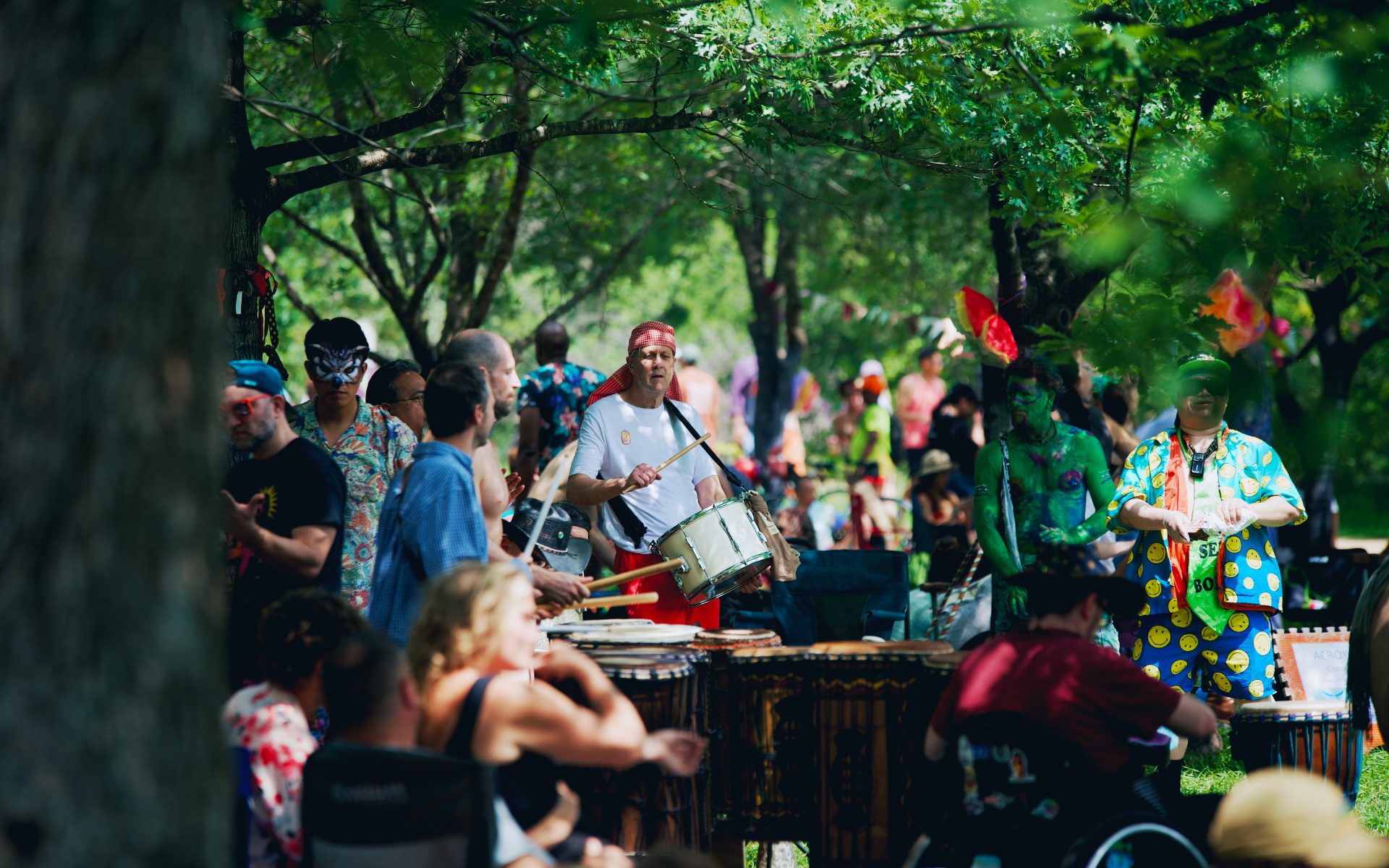
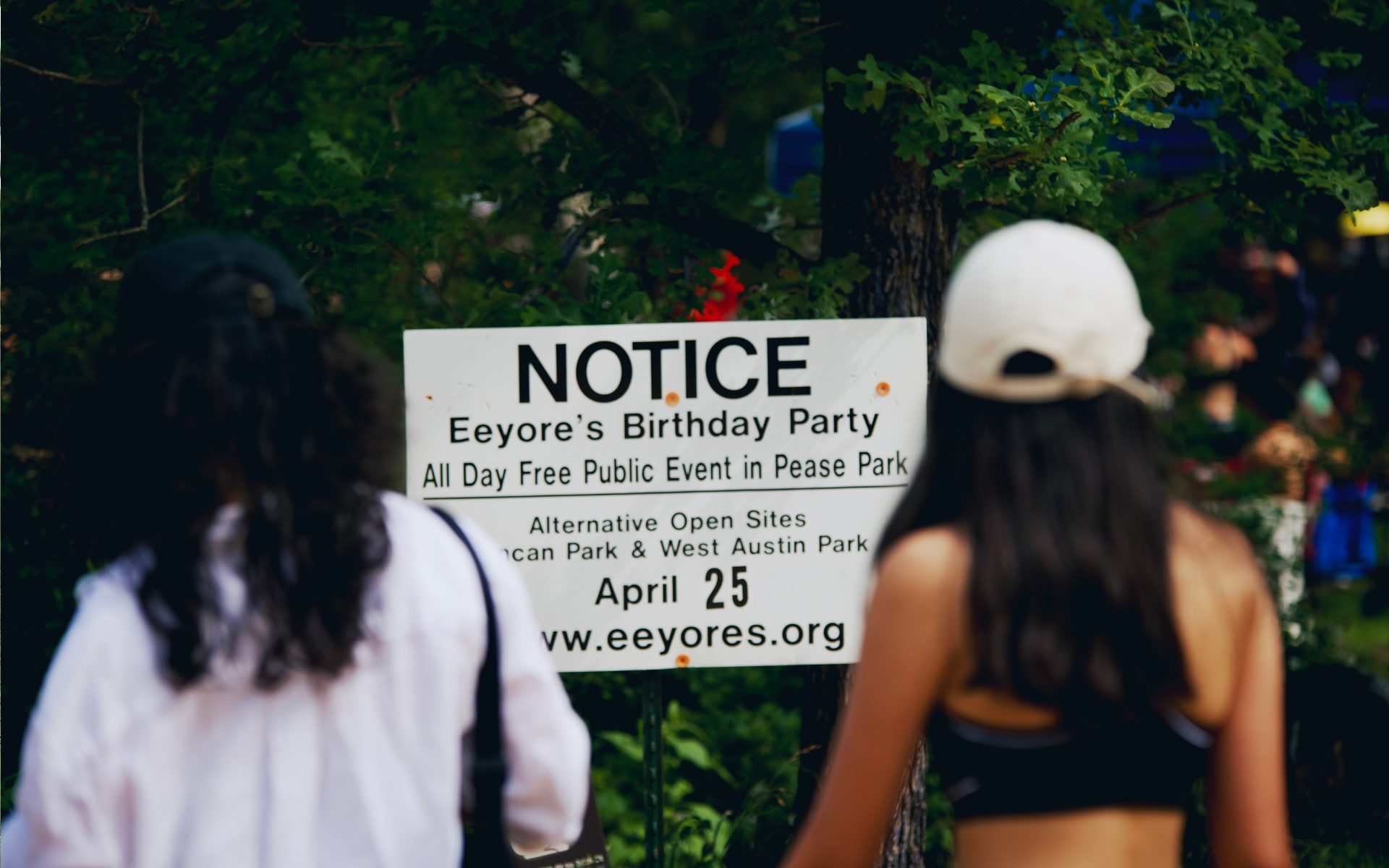
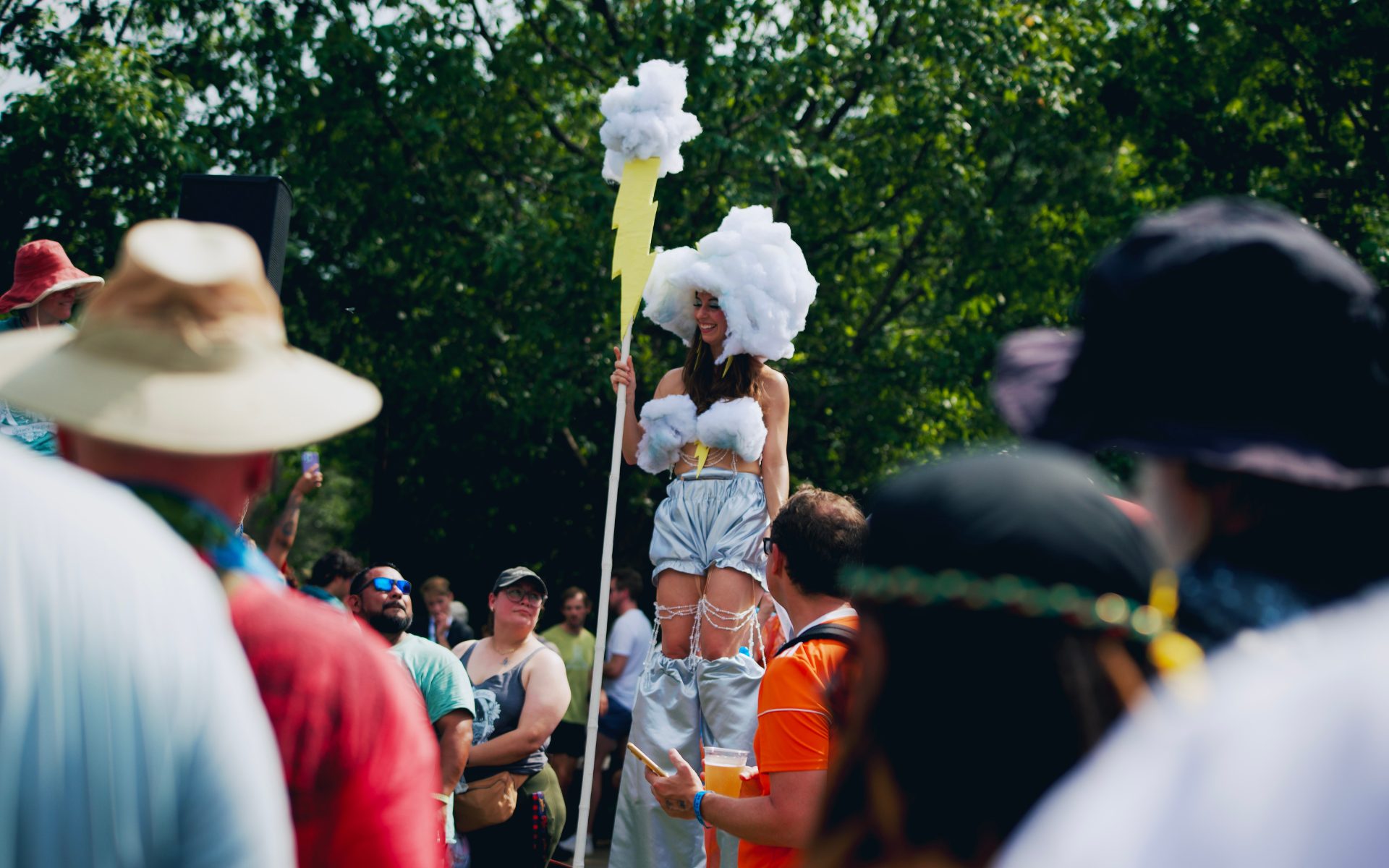
Few people have watched this metamorphosis more closely than Les Carnes. A volunteer since 1979 for Eeyore’s Birthday—an annual day-long festival celebrating the often-pessimistic donkey of Winnie the Pooh fame—Carnes has spent nearly five decades championing one of Austin’s longest-running community traditions.
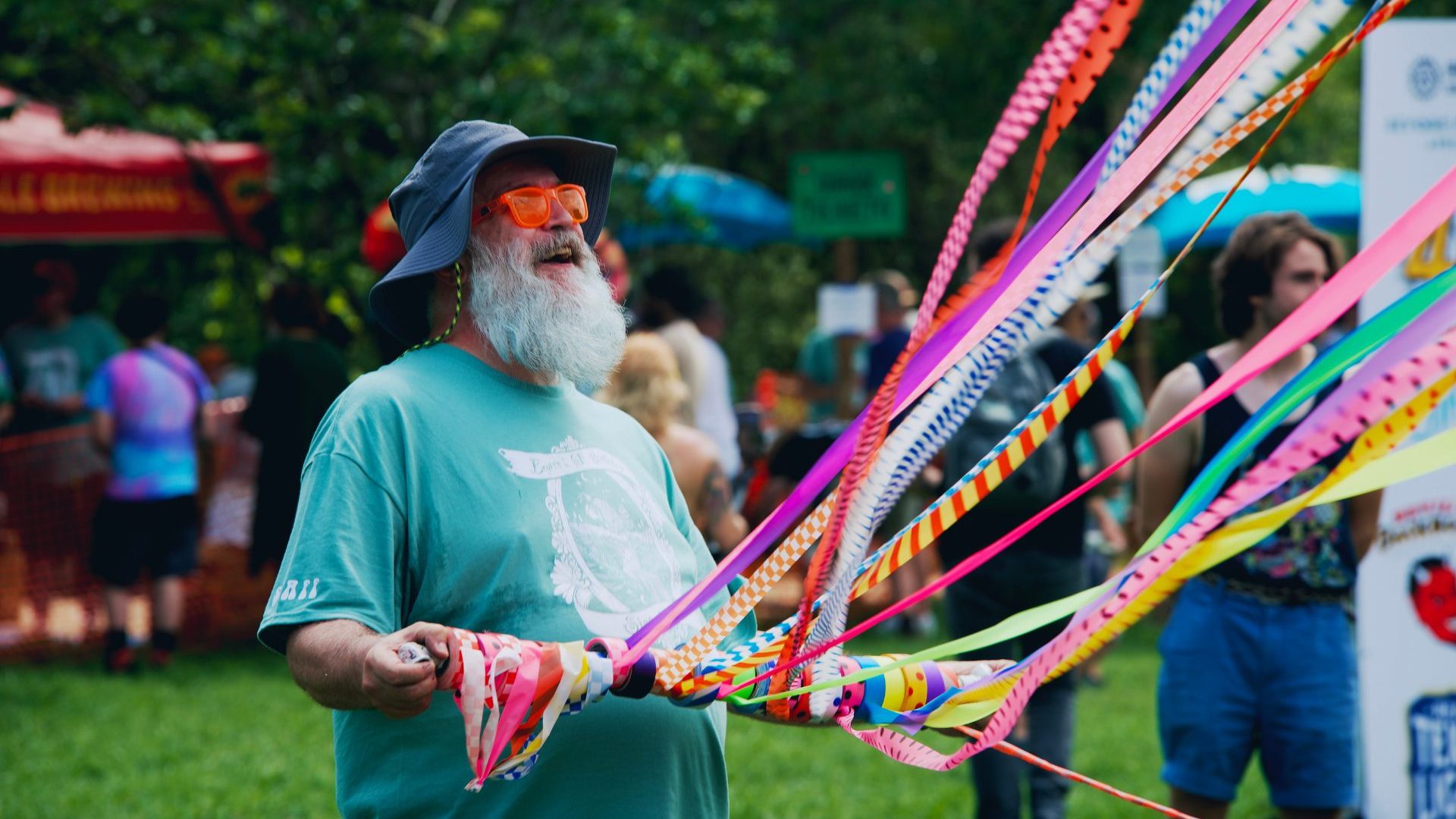
Entirely volunteer-run, the annual spring gathering transforms Pease Park into a whimsical wonderland of drum circles, fantasy costumes, and what Carnes calls “adult recess.” Families spread picnic blankets beneath oak trees while revelers dance around the ribbon-wrapped maypole, blurring the lines between neighbors and strangers in a celebration that promotes community and self-expression.
Heather Hampton first attended Eeyore’s Birthday as a college student in 2013, began volunteering three years later, and now serves as the event’s president. “Anyone and everyone is invited,” she says. Hampton believes that openness is part of what has always defined Austin. “Ultimately, it doesn’t matter who you are or what you look like,” she says. “There’s always a place for you here.”
Yet ask 10 locals what it means to stay weird, and you’ll likely hear 10 different answers. For Denis O’Donnell, owner of famed music venues The White Horse and Sagebrush and a fixture of the music scene since the late 1990s, it comes down to Austin’s bohemian spirit.
Known as the ’Live Music Capital of the World,’ the city lured aspiring musicians for decades with affordable rent, abundant venues, and the possibility of being discovered. “Austin possesses a magnet for sensitive, artistic people, and continues to do so,” says O’Donnell. “Like follows like.”
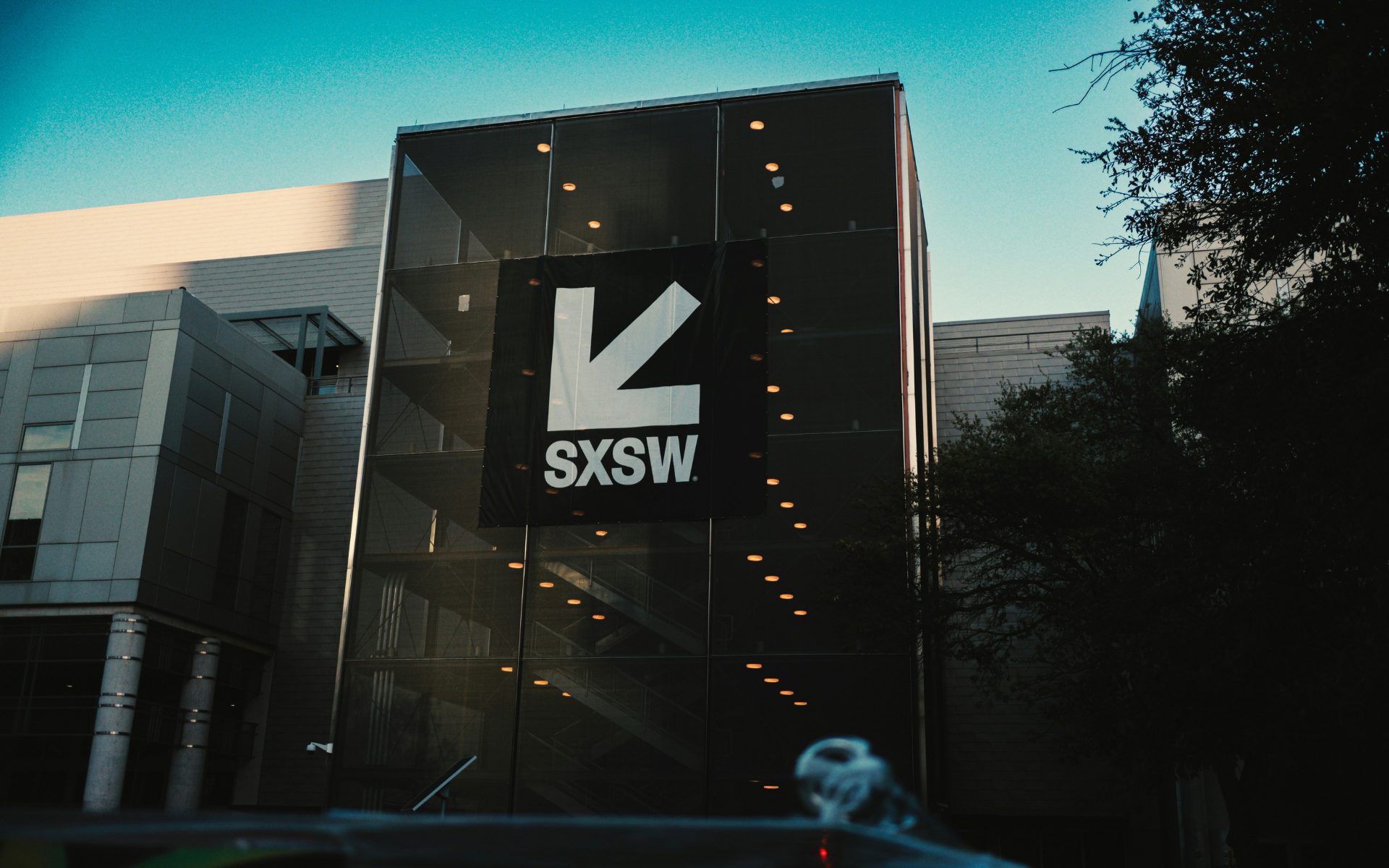
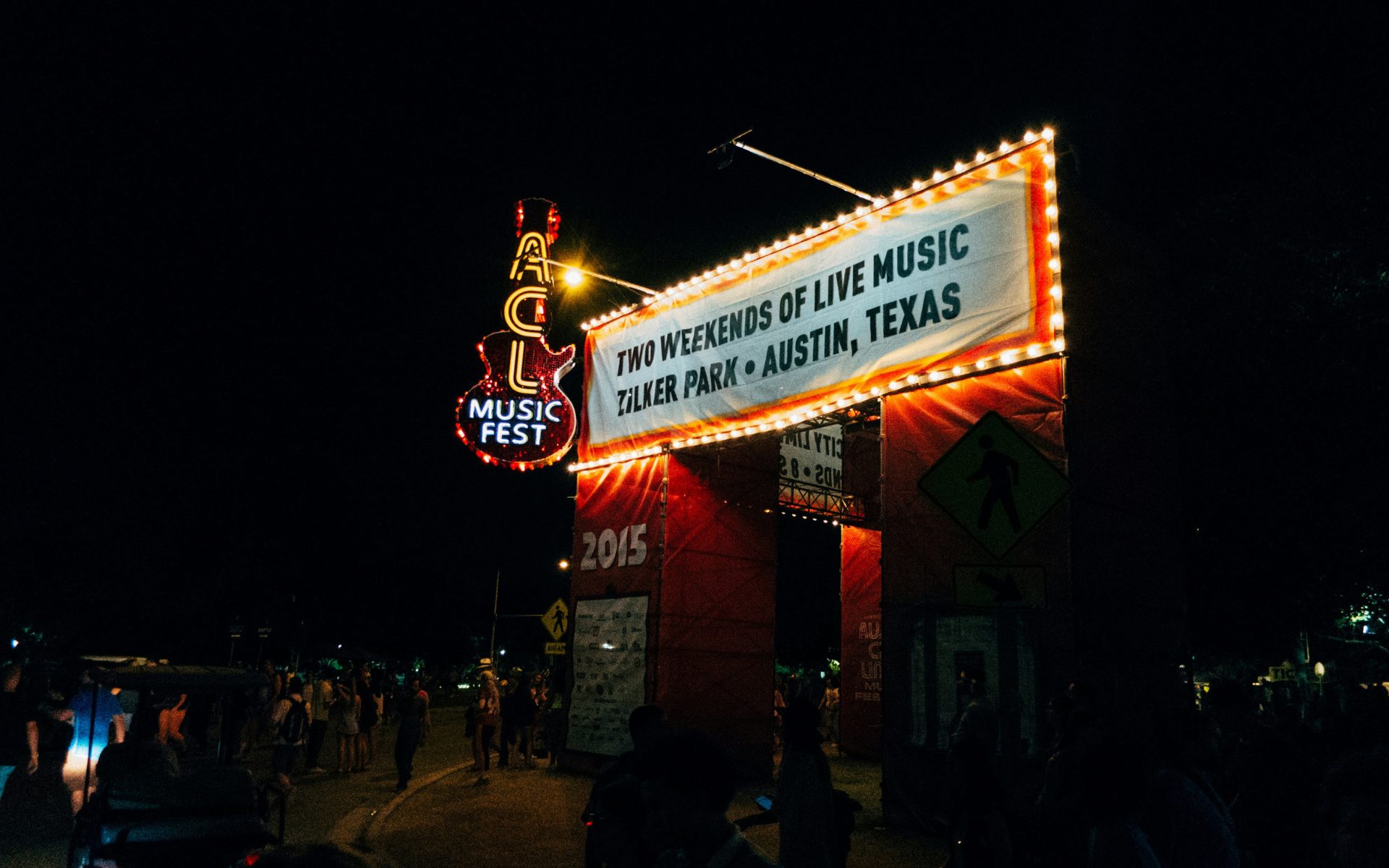
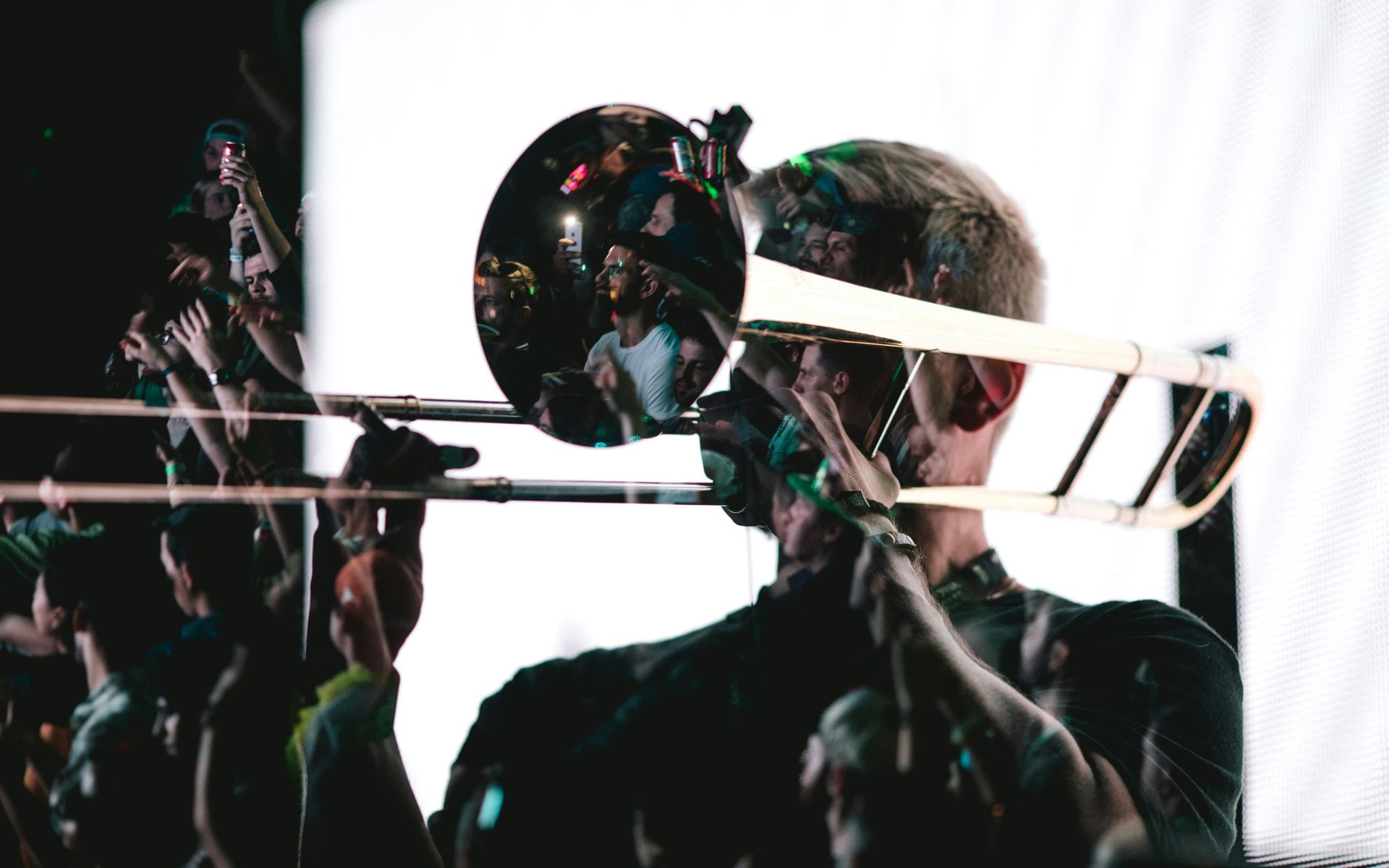
Founded as a musical festival in 1987, South by Southwest became a global stage for the city’s creative magnetism, growing into one of the world’s most influential gatherings for music, film, technology, and culture.
O’Donnell recalls one of its peak moments when Willie Nelson and Snoop Dogg unexpectedly performed on a patch of grass beside one of his venues. “They didn’t tell anybody they were going to do it,” he says. “They just showed up.”
Attending this year’s festival with a Platinum Badge, I found those moments of serendipity increasingly difficult to find. Events were scattered across downtown, many requiring advance reservations and long waits. What once felt like a citywide discovery engine now resembled a mass-marketed conference.
If ‘Keeping Austin Weird’ describes a feeling, it hasn’t disappeared—it still survives in pockets throughout the city.
- Annie Brown Verdin, journalist
“Austin became the victim of its own success,” says Carnes. Despite having lived in the city since he was 17, Carnes eventually moved to the nearby Texas Hill Country when Austin itself became too expensive. He longs for a time when housing was more affordable, community gatherings were largely free, and residents didn’t have to “pay to play.”
To better understand the Austin of old that O’Donnell and Carnes describe, I find myself at Donn’s Depot. Inside the converted train depot, stained red carpet, railroad memorabilia, and decades of photographs give the piano bar the feeling of an old friend’s living room. Twentysomethings share the dance floor with couples who’ve clearly been two-stepping together for decades, while owner Donn Adelman, now in his eighties, still plays the piano a few times a week. No one seems particularly interested in anything beyond the dance floor, including their phones.
It isn’t the loudest expression of Austin’s weirdness, but it may be the most honest. Leaving Donn’s, I found myself wondering whether the slogan was ever really about being unusual at all. Maybe it was always about creating places where people felt like they belonged.
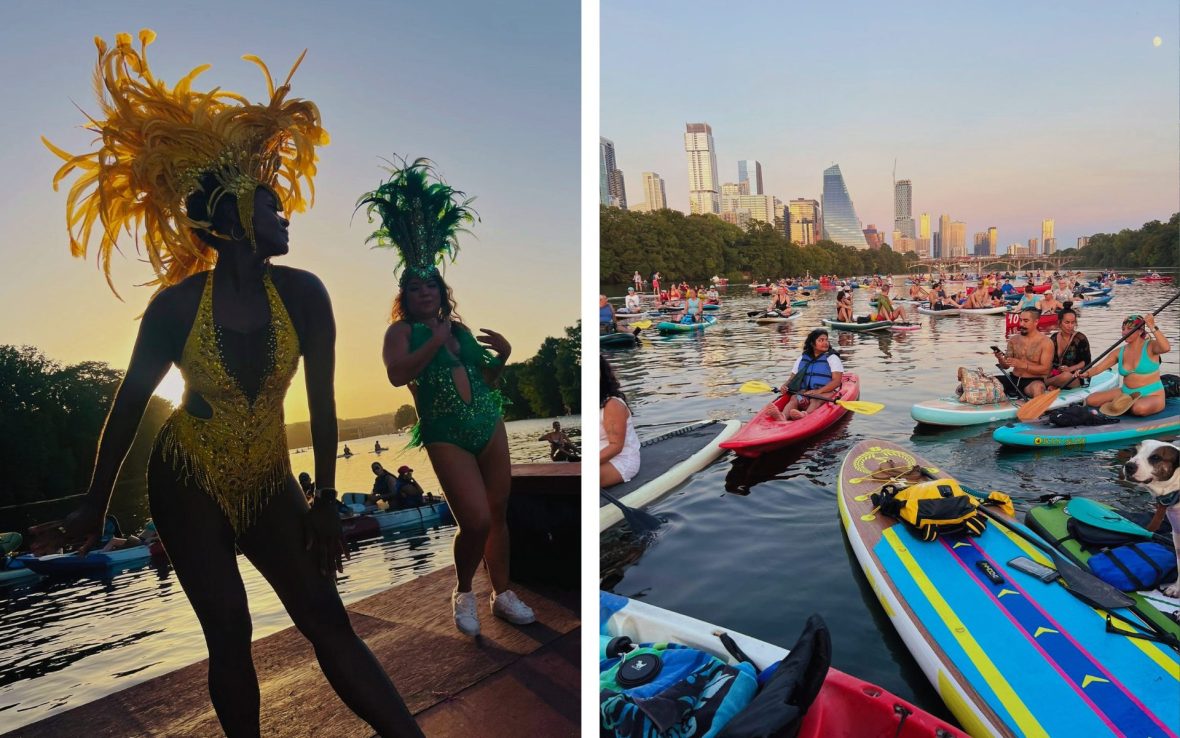
On warm evenings, I’m often drawn to Lady Bird Lake, as are many Austinites. A handful of times over summer the lake hosts Latino Moonlight Serenades, where kayaks and canoes can be seen drifting toward a floating stage, complete with live Latin bands performing as the sun slips behind the downtown skyline.
This is the 20th season Latino Moonlight Serenades has been running, a testament to the diverse Hispanic community who call the city home. I see families rowing alongside dogs perched on paddleboards in tiny life vests; before long there are people climbing aboard the barge to salsa dance. By the end of the evening, it’s difficult to tell who arrived together and who simply met on the water.
Austin’s rapid growth has undoubtedly reshaped neighborhoods, priced out longtime residents, and changed parts of the city in ways that can’t be ignored. But if ‘Keeping Austin Weird’ describes a feeling, it hasn’t disappeared—it still survives in pockets throughout the city.
Finding it often requires little more than striking up a conversation with a longtime local business owner, staying for a second set, or volunteering at a community event. As O’Donnell puts it, “Make sure to fucking clap when the band finishes.”
For more information on Austin events and venues, see: The Little Longhorn Saloon; The White Horse; Sagebrush; Eeyore’s Birthday; Latino Moonlight Serenades; Donn’s Depot.
****
Adventure.com strives to be a low-emissions travel publication. We are powered by, but editorially independent of, Intrepid Travel, the world’s largest travel B Corp, who help ensure Adventure.com maintains high standards of sustainability in our work and activities. You can visit our sustainability page or read our Contributor Impact Guidelines for more information.

Annie Brown Verdin is a bilingual food and travel writer based in Austin whose work lives at the intersection of food, culture, and history. With bylines in Food & Wine and Modern South, she travels in search of the everyday rituals that shape how people live. When she's not writing, she's likely testing new cocktails, cooking for friends, or mapping out her next adventure.