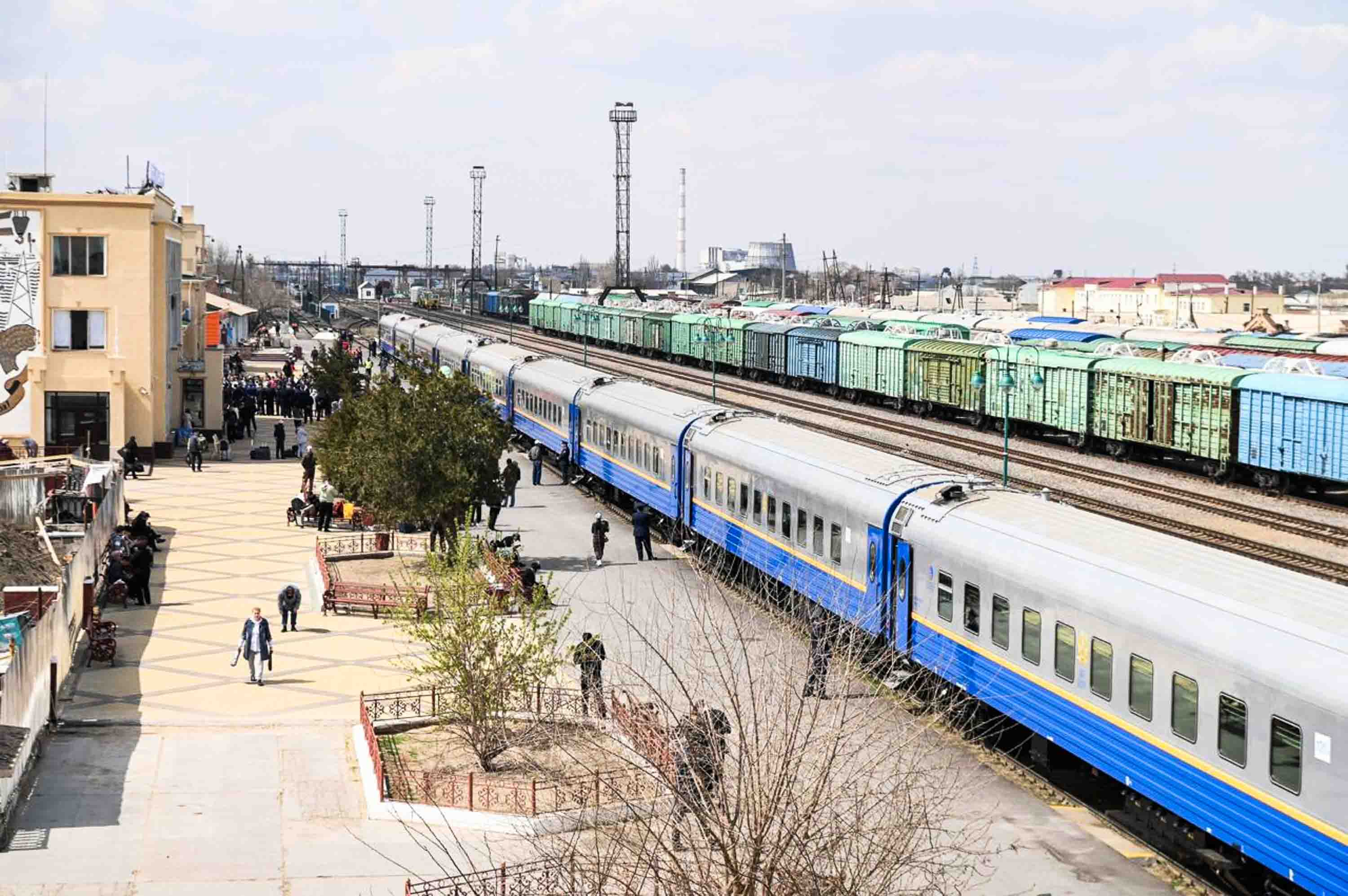
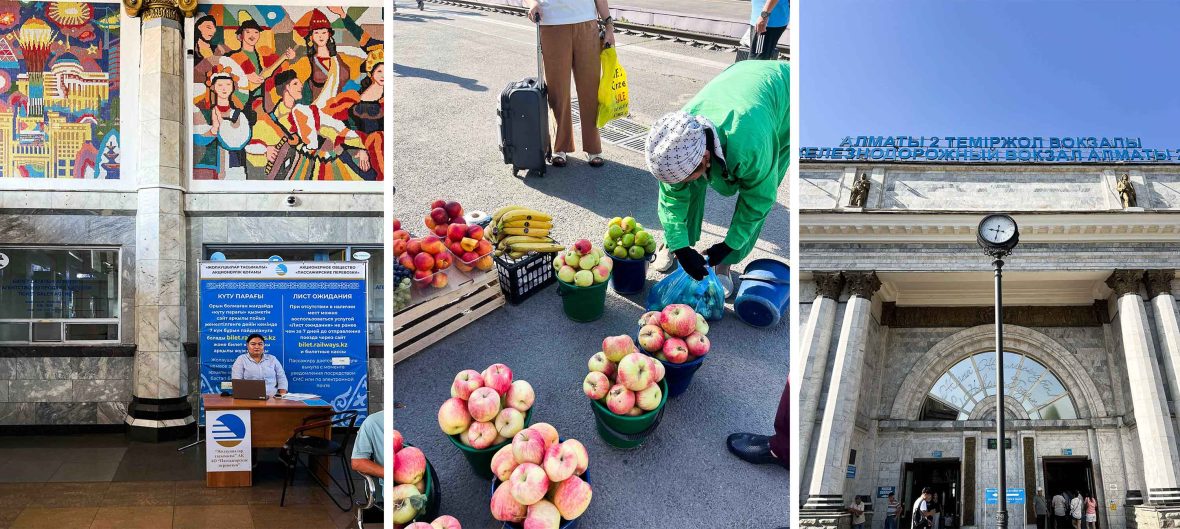
It’s 90˚F (32˚C) as I drag my mud-crusted suitcase across the uneven pavement. In this heated state, it’s hard for me to admire the Soviet grandeur of the golden statues or gray polished Corinthian columns of the train station in front of me right now. My Yandex Go—the Russian equivalent of Uber—skidded off in the dust before we reached the ‘official’ taxi rank outside the Almaty-2 station, and my bag is heavy.
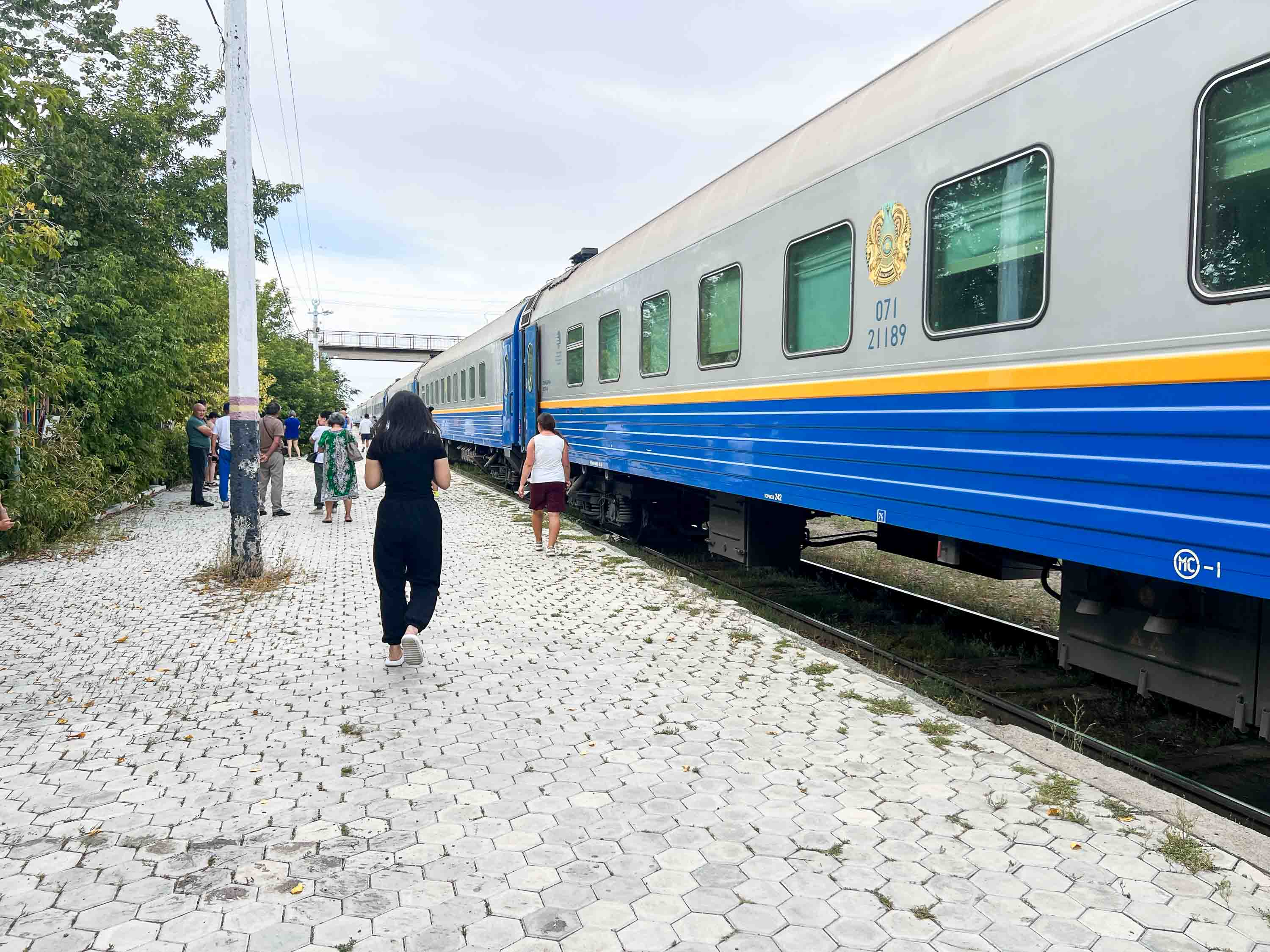
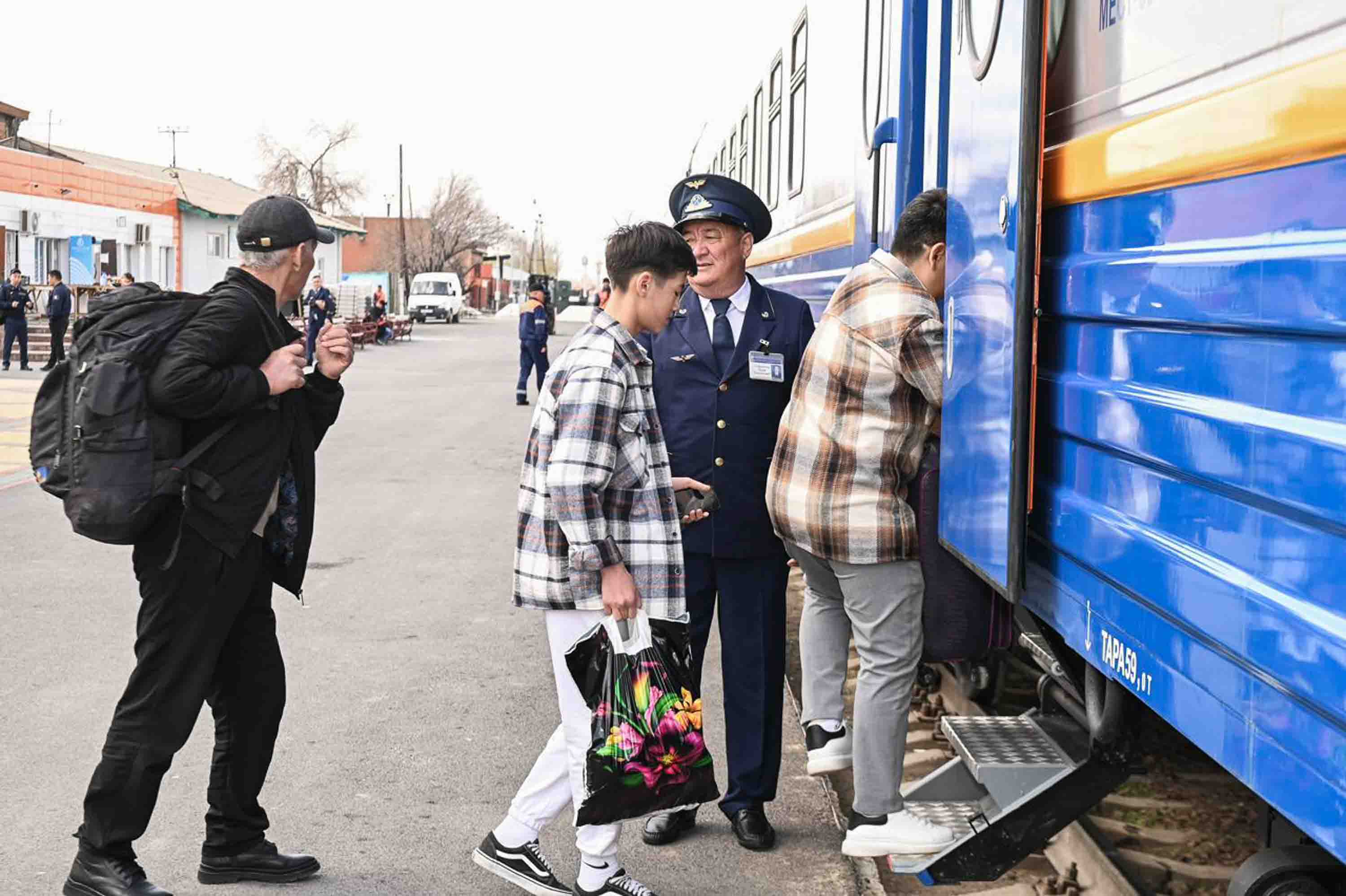
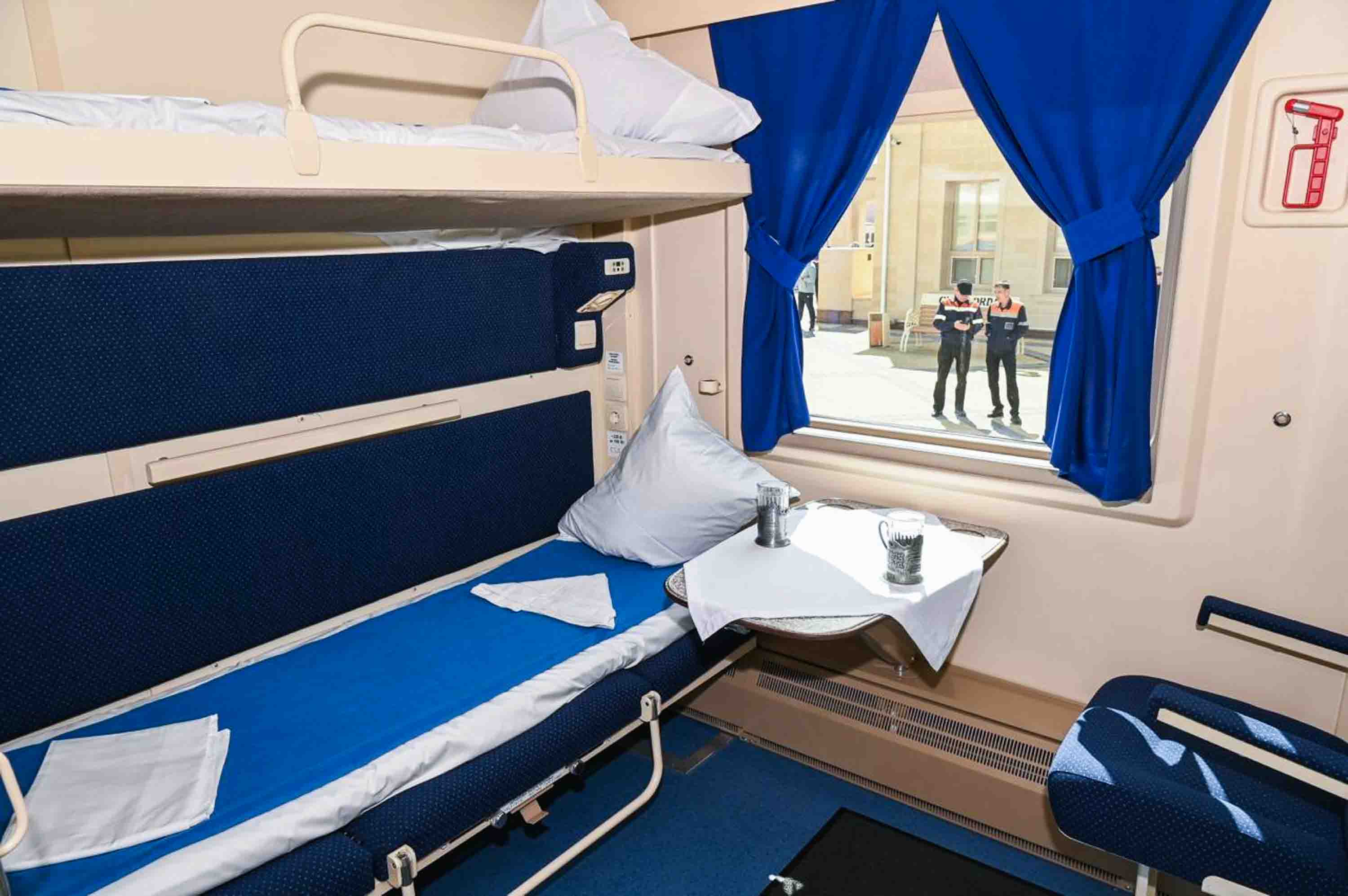
I’m here to take the train from Almaty, Kazakhstan’s former capital in the south, to Oskemen (Ust-Kamenogorsk) in the east. It’s a 26-hour journey to the edge of the Russian, Mongolian and Chinese borderlands and, as several Kazakhs have pointed out to me, a lot longer than the hour-and-a-half flight.
Reactions to my plan have varied. “You lose time,” Dinara Issabekova, a media consultant who I met camping in the Altai Mountains, told me. “Sometimes the ticket costs the same, or even more.” Another Kazakh said she refused to take the train altogether; the shaking made her nauseous.
But others are nostalgic. Dinara Beisenbayeva (Dinara is a popular name here) described it as a ritual. “As children, we traveled a lot with our parents. They made it feel like a fairytale,” she said as we ate a plate of greasy, charred shashlik (traditional kebabs from the Caucasus region) with our fingers. “We eat boiled eggs and drink tea, and I always sleep well because of the way the train shakes.”
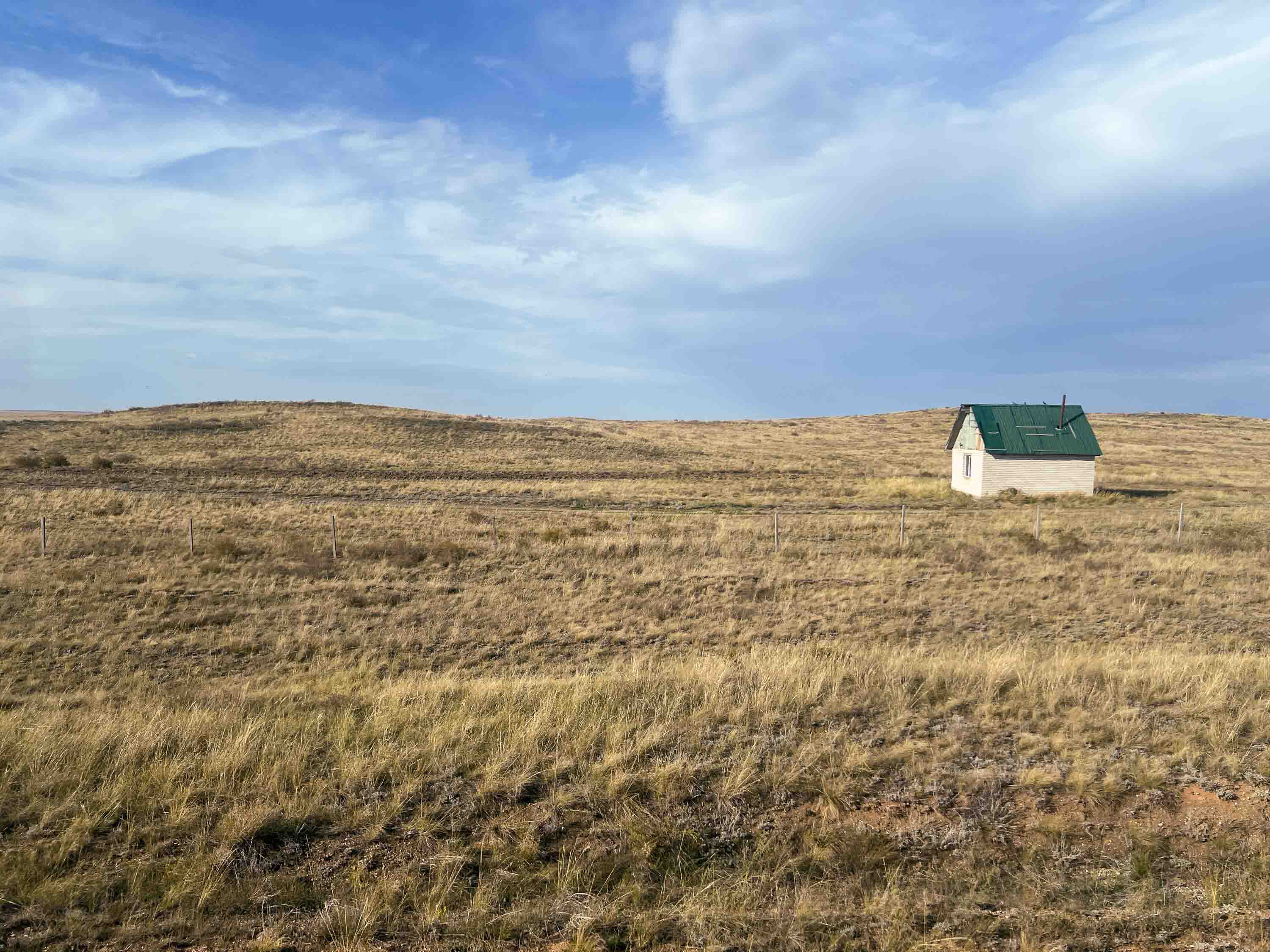
In Kazakhstan, trains aren’t just a mode of transport: Their rails criss-cross its some one million square miles (2.7 million square kilometers) of steppes, deserts and mountains. Of its 9,940 miles (16,000 kilometers) of railway, I am about to travel 2,485 of them. But these rails run through more than just the land—their story also cuts through dark chapters of colonialism and catastrophe.