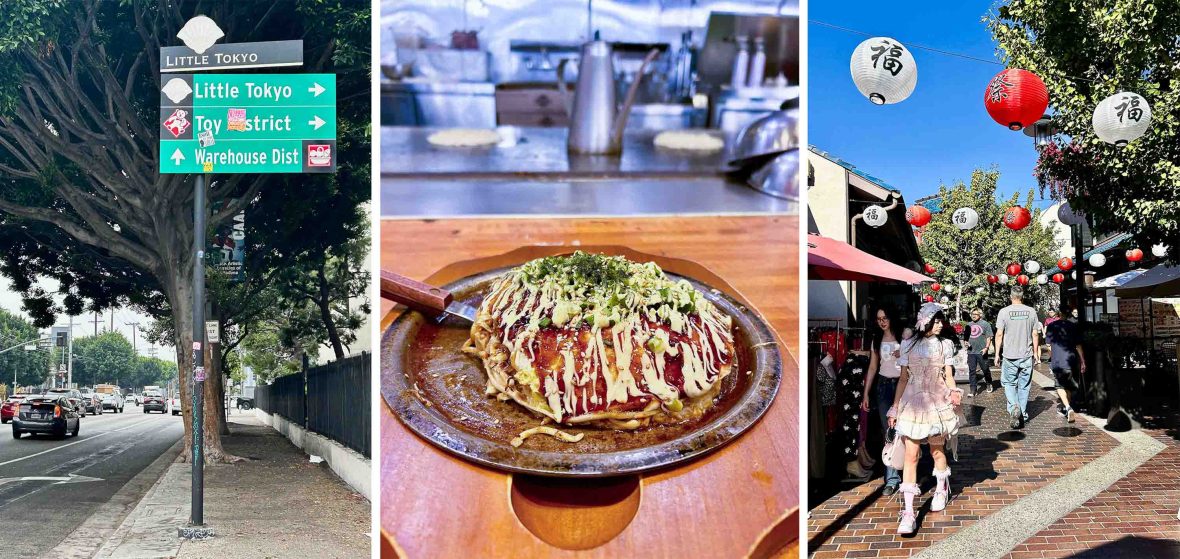
Red and white paper lanterns, brushed with black kanji (Chinese characters used in Japanese script), sway gently in the breeze above my head, between sturdy ginkgo trees. A sweet biscuit-like scent drifts from Mitsuru Café where a fresh batch of imagawayaki—golden pancakes filled with a sweet red bean paste—is steaming by the serving hatch. The lyrical chatter of three elderly men taking slow, deliberate bites of steamed buns is punctuated by the squeals of two small children darting around tall gray rocks. The sight evokes bygone memories of my own children, scribbling wishes on colorful origami to hang on the fig tree.
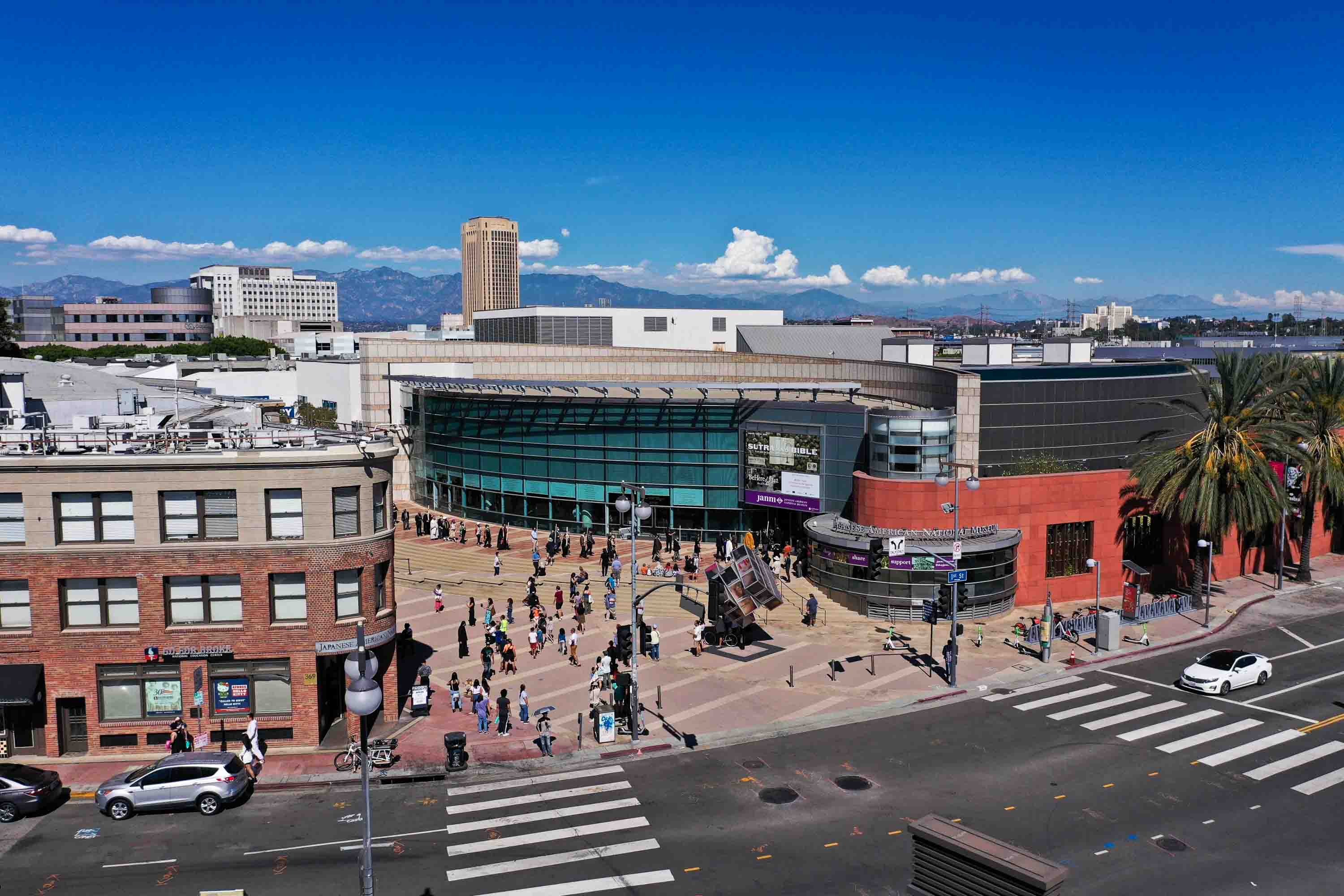
After I learnt this neighborhood had been added to the National Trust for Historic Preservation list of America’s 11 Most Endangered Historic Places in 2024, I was keen to return to Little Tokyo, an integral part of Downtown LA for more than 140 years, and one of only three Japantowns in the United States alongside San Francisco and San Jose. Today, over 170,000 Japanese Americans live in Los Angeles, the second-largest population of Japanese Americans after Honolulu, though many now reside outside of Little Tokyo.
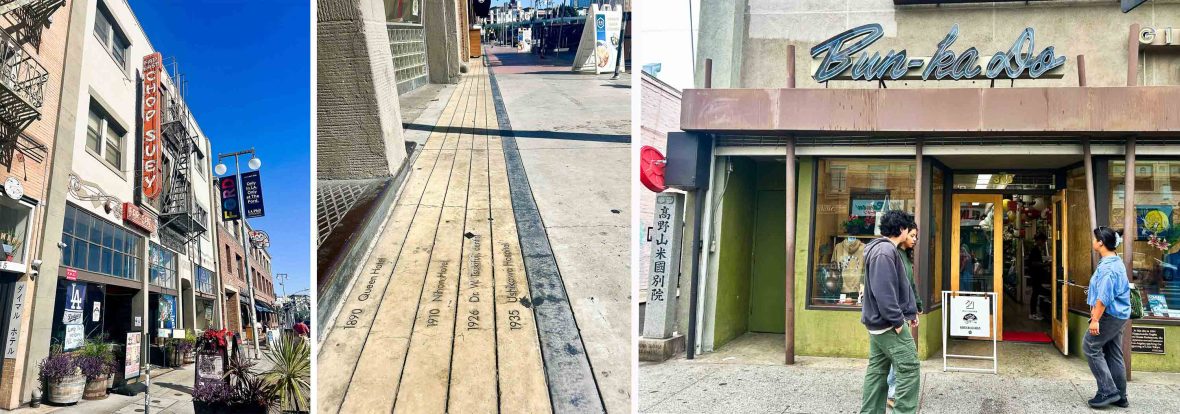
In its 1930s heyday, Little Tokyo bustled with life: A dense, walkable neighborhood of Japanese restaurants and bars, buddhist temples, bathhouses and bilingual newspapers. Originating when a former Japanese sailor opened Kame Restaurant on East First Street in 1884, it become an economic center for immigrants.
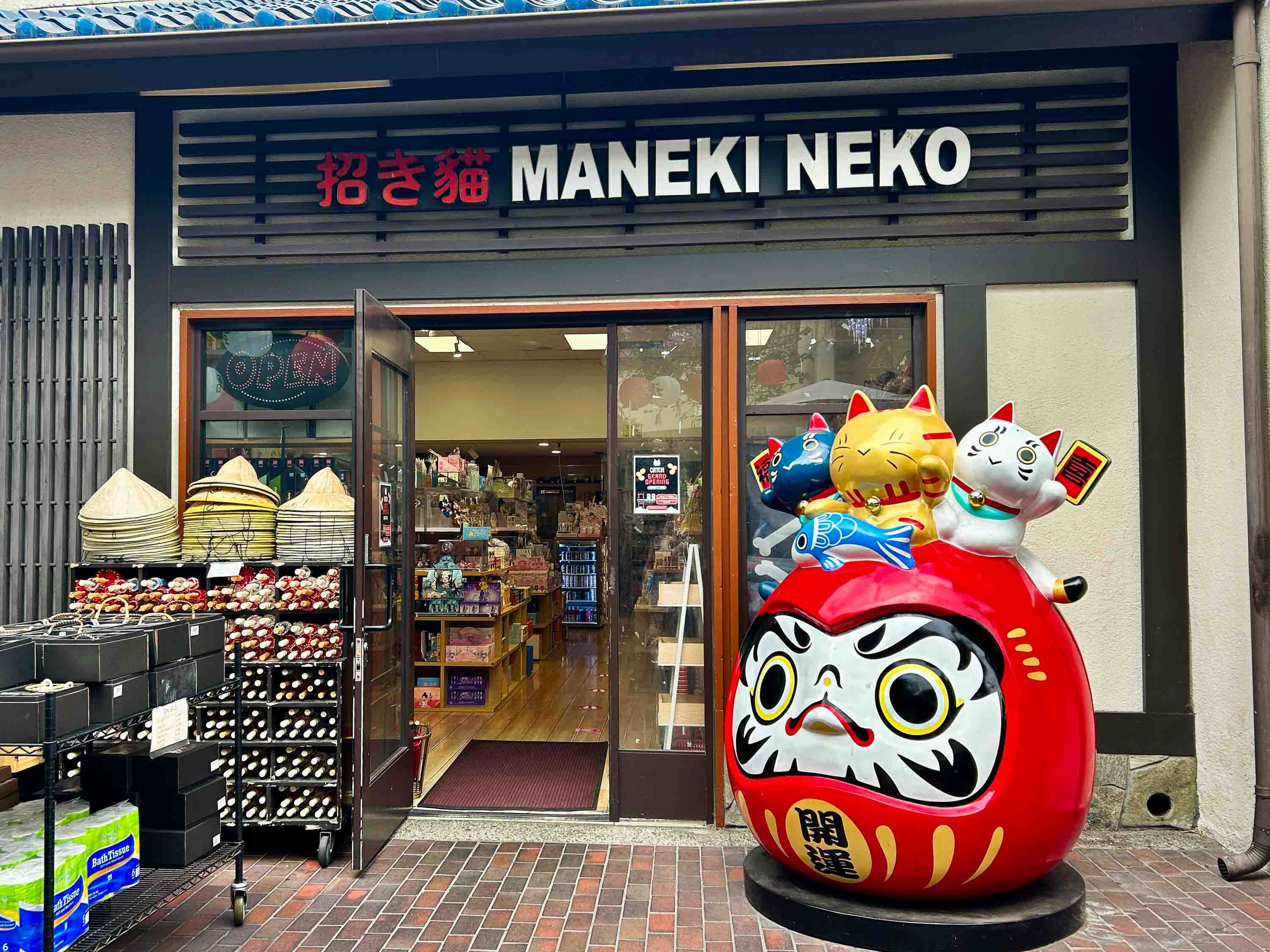
Today, with the Japanese Village Plaza (JVP) at its heart, Little Tokyo is a much smaller area of just a few blocks. I’ve come to find out what’s putting this cherished area of LA at risk—and more importantly, whether anything can be done to save it.