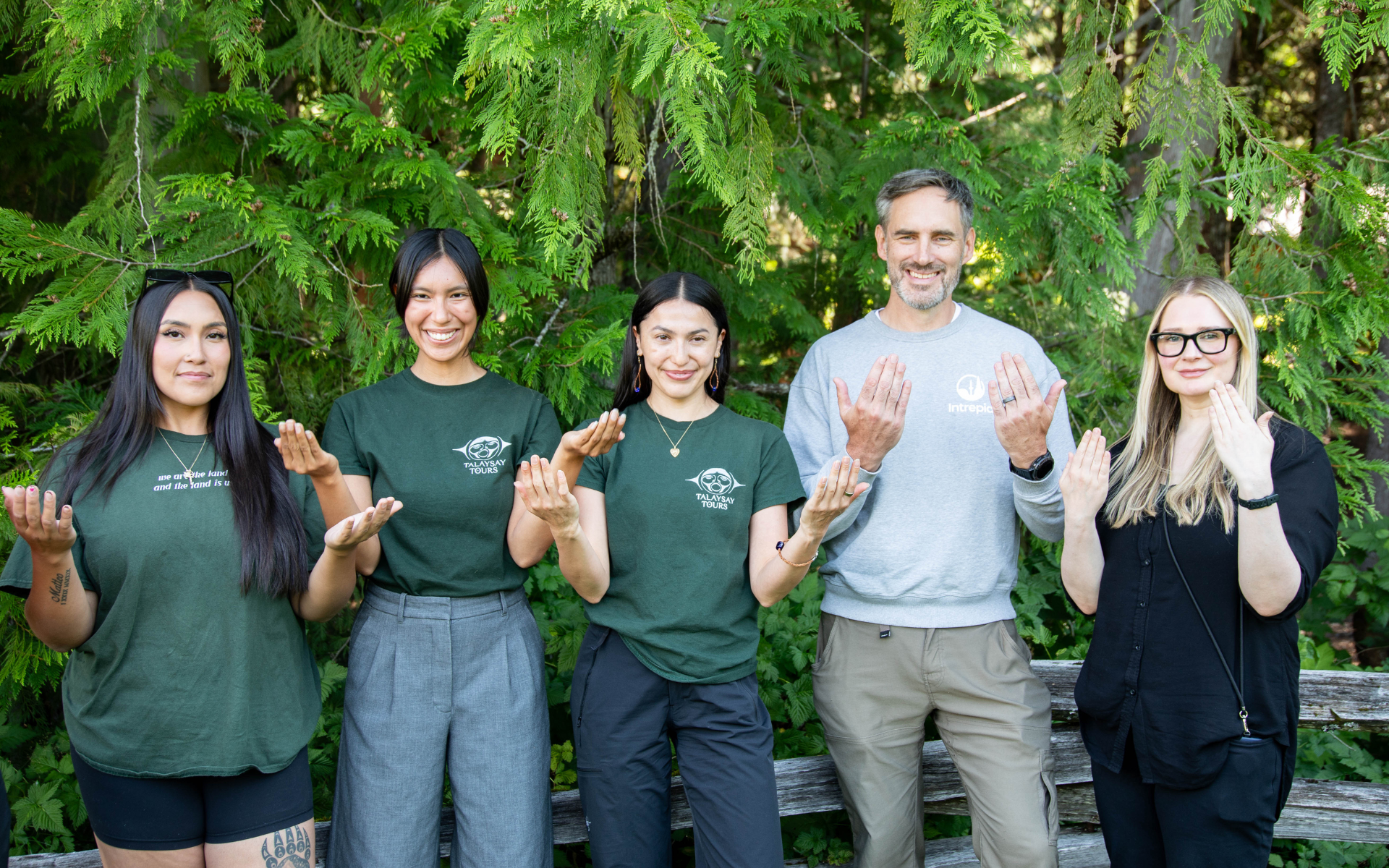
Seven in 10 Canadians say they’d enjoy learning about Indigenous cultures on their travels, but many don’t know how or where to find a tour. Indigenous-owned Talaysay Tours and B Corp tour operator Intrepid Travel are hoping to fix that.

Seven in 10 Canadians say they’d enjoy learning about Indigenous cultures on their travels, but many don’t know how or where to find a tour. Indigenous-owned Talaysay Tours and B Corp tour operator Intrepid Travel are hoping to fix that.
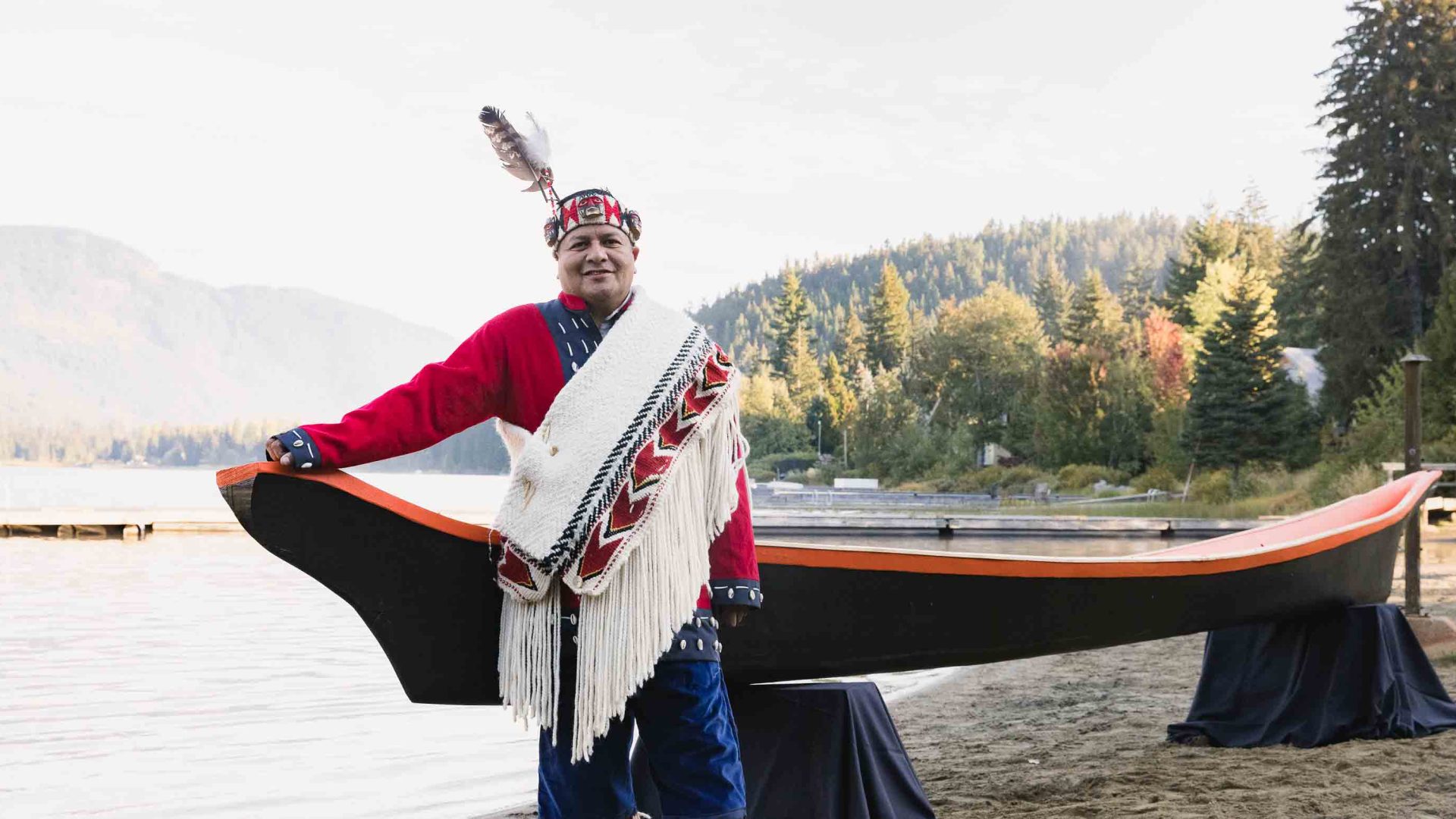
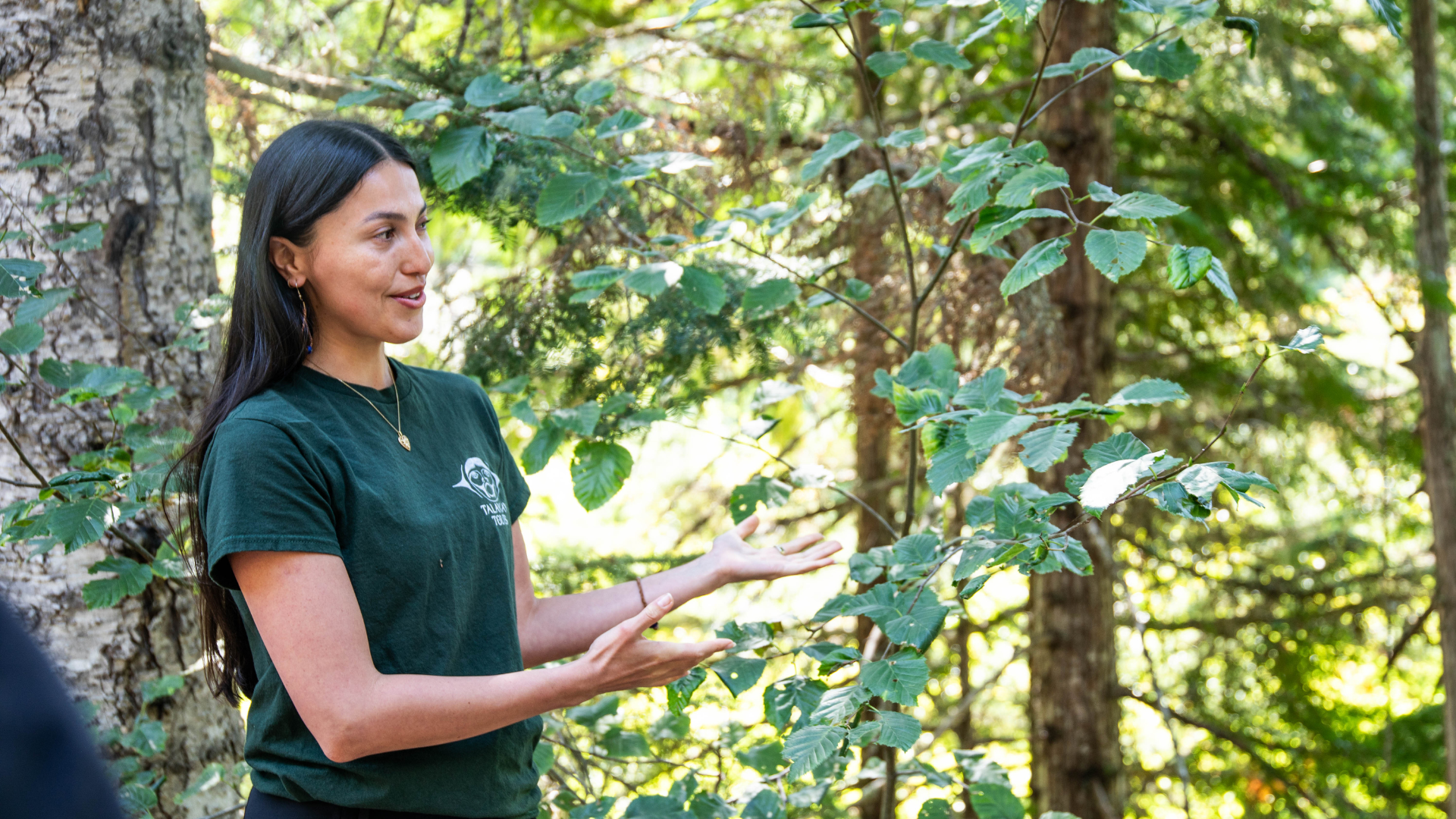
“We are on the unceded territories of the Squamish and Lil’wat people,” says Talaysay Campo, whose name translates to ‘ocean breeze’, ‘wind blowing on the water’ or ‘whispering winds’. “There’s one thing I want to share, and that’s that the land is absolutely everything.”
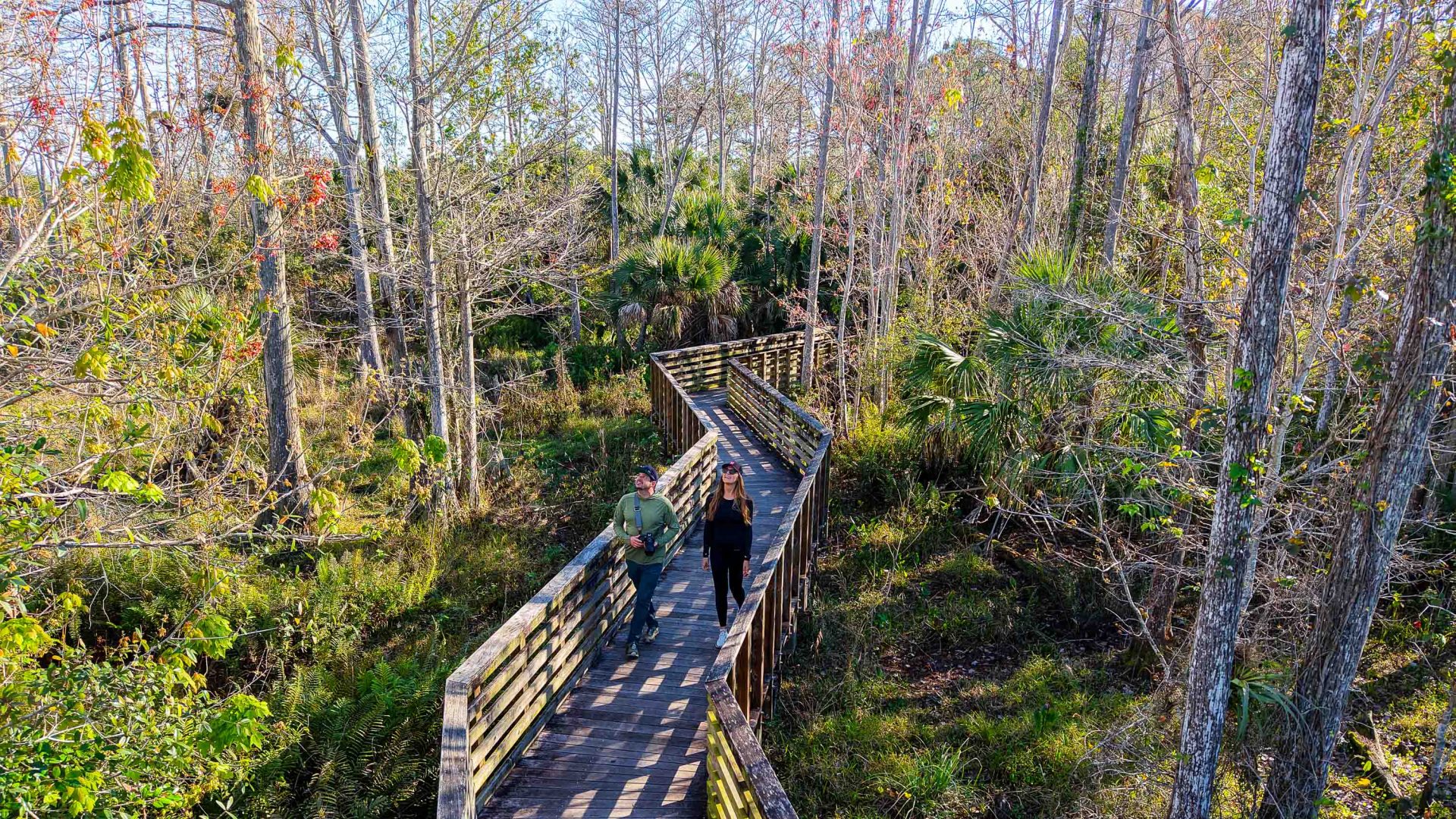
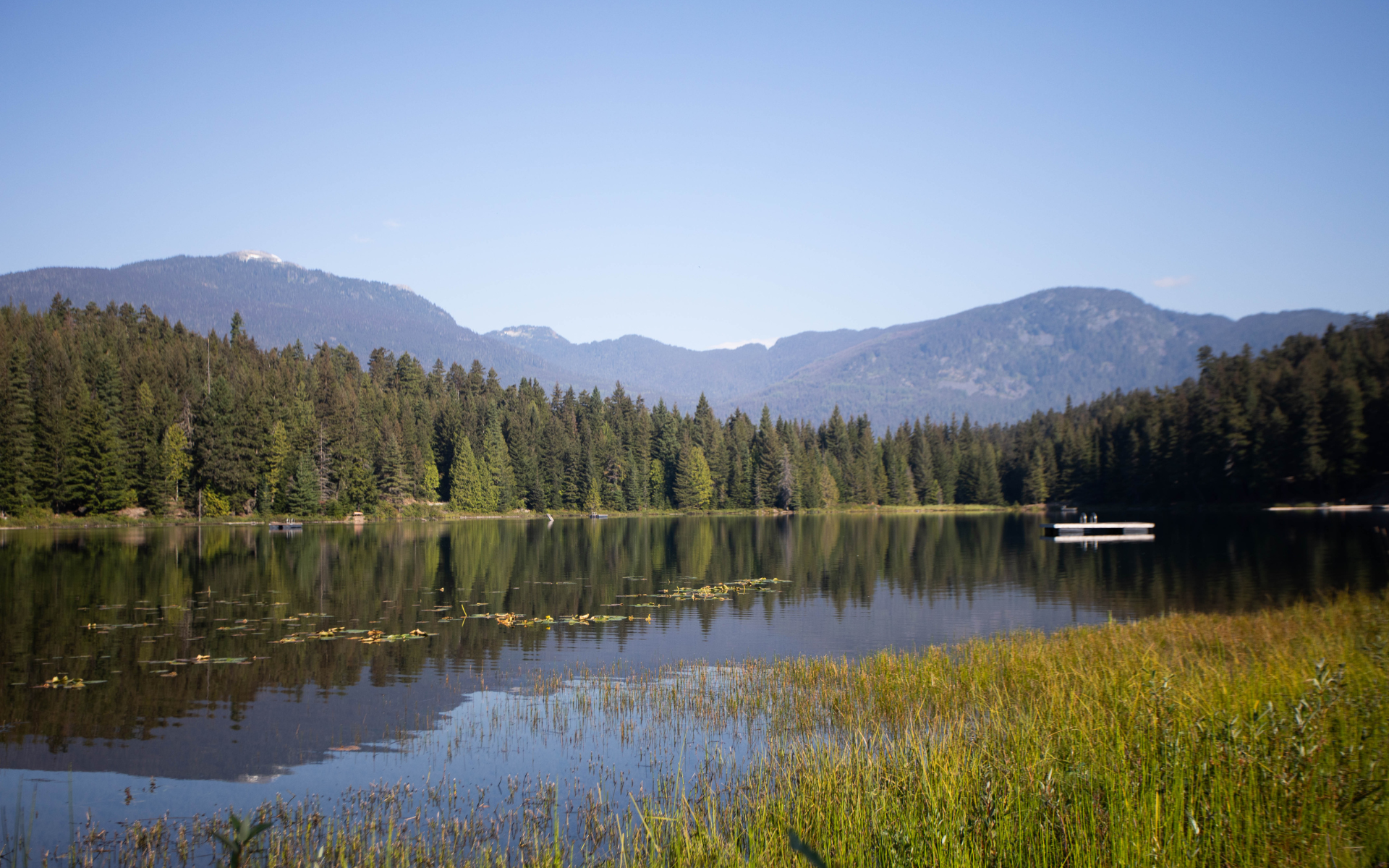
We’re just outside Whistler Village in British Columbia about to embark on a forest trail walk to Lost Lake (Sḵwiḵ), a critical stopping point for Indigenous communities to gather resources and fish when traveling between the coast and the interior. Today we’re on a preview of Campo’s new ‘We Are The Land’ tour. “The reason we chose this name for the tour is something my Aunty Talaysay would tell me when I was a little girl: ‘We are the land’. It means that we are the caretakers of the land,” she says.
Campo is co-owner of Talaysay Tours, an Indigenous, women-owned tourism company offering Indigenous-led experiences across British Columbia. Founded by her mother Candace Campo, in 2002, the company is rooted in the traditions and knowledge of both the Shíshálh (Sechelt) and Sḵwx̱wú7mesh (Squamish) Nations, of which the women are members.
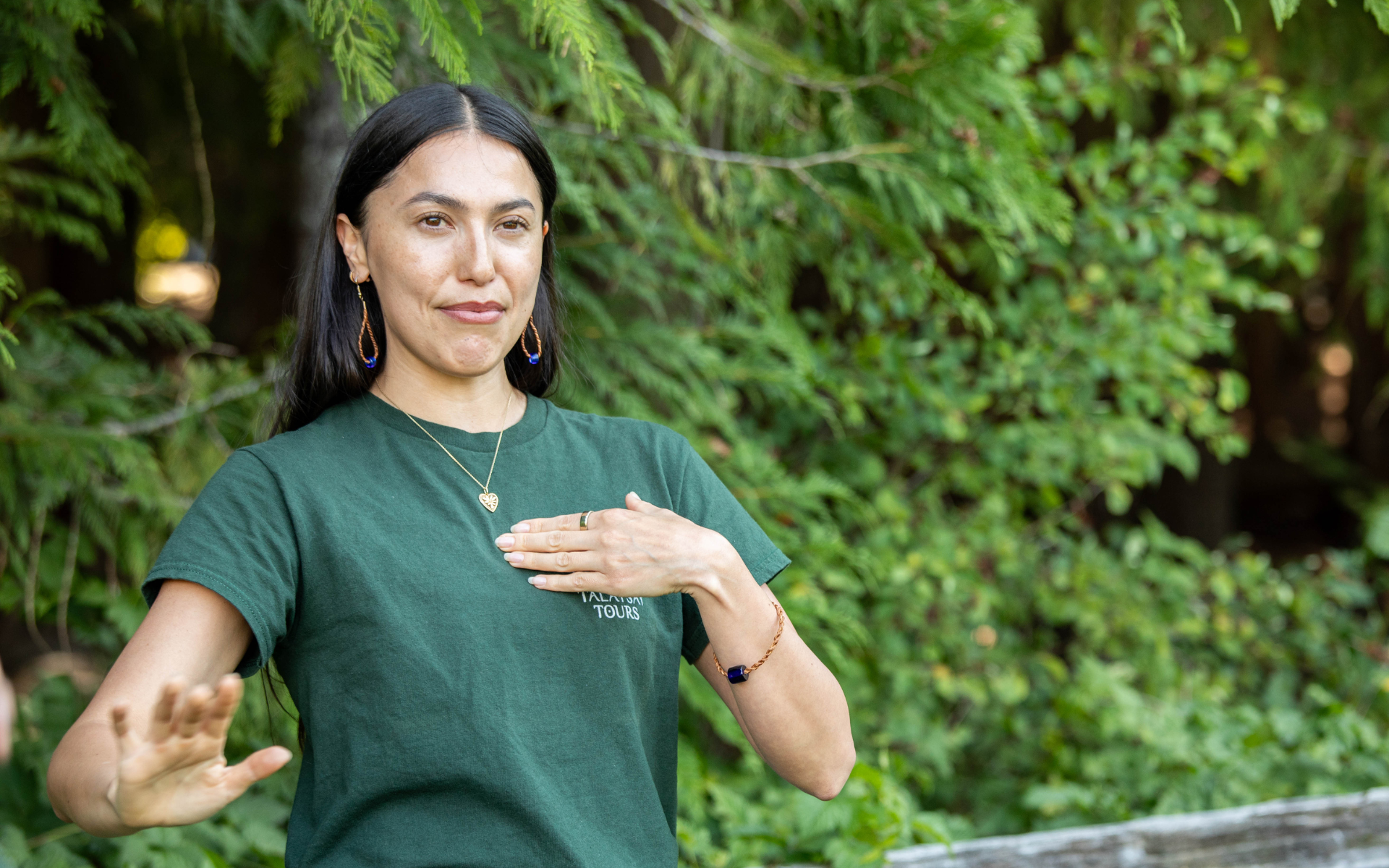
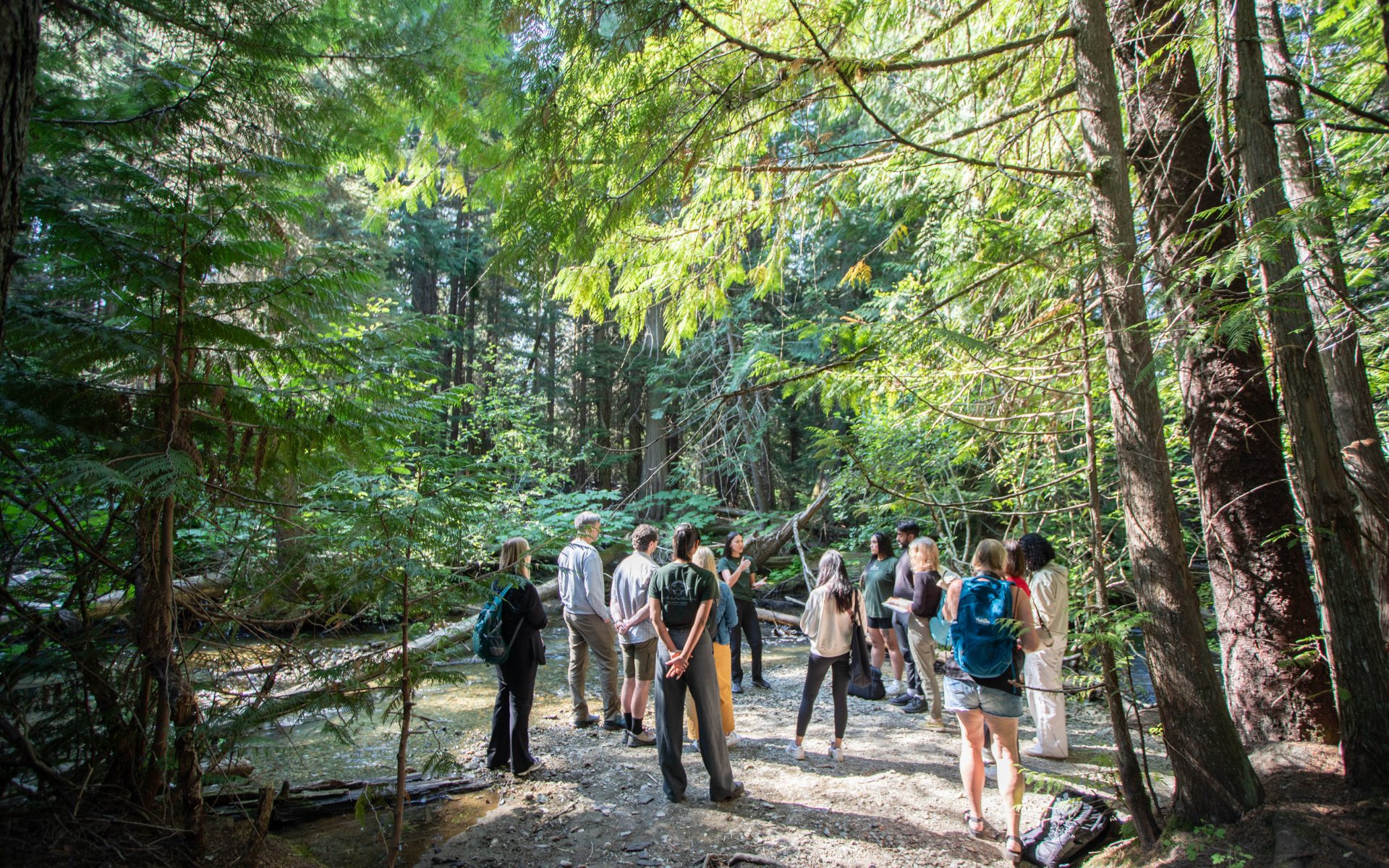
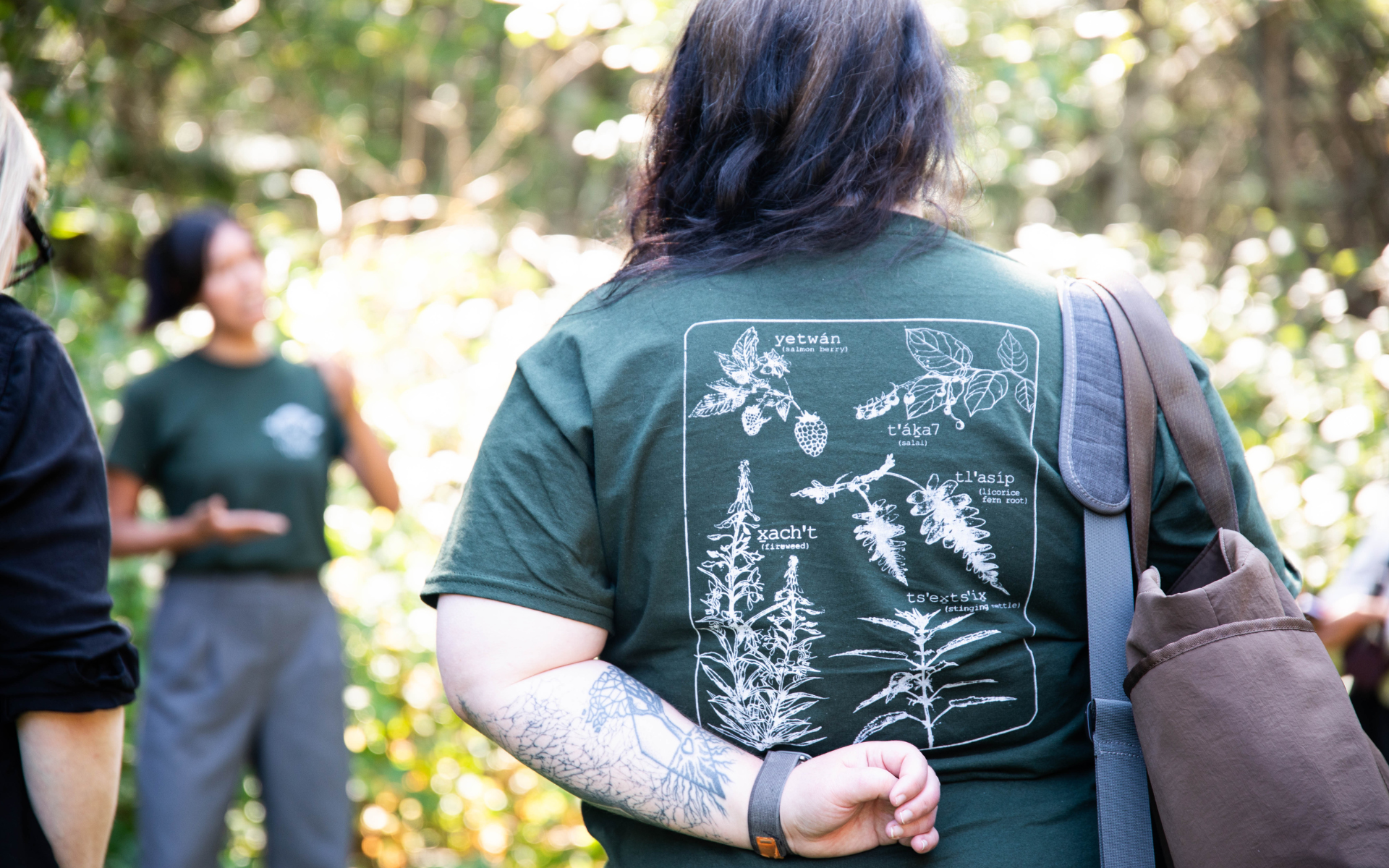
Walking beneath a canopy of towering old-growth Western Hemlock trees, Campo points out the Devil’s club, a woody shrub used by her ancestors for pain relief. “It’s important to have Indigenous tourism so our local guests and out-of-town guests can build a stronger relationship with the land,” says Campo as we pause by a babbling brook, where glimmers of sunlight dance on the slow-moving creek.
“There’s so much going on with logging, global warming—one thing I’ve realized is that if (people) don’t have a relationship with the land, how are they going to take care of it or know how to take care of it?”
It’s a question that sits at the heart of a growing conversation about what responsible travel in Canada should look like. As part of this conversation, Talaysay Tours has partnered with B Corp tour operator Intrepid Travel on this new ‘We Are The Land’ experience. It’s aim is to help bring place-based learning, cultural ecology, stewardship and storytelling to Intrepid’s 10-day Grand Canadian Rockies itinerary beginning in 2027.
“For us, it’s at the cornerstone of everything that has to do with responsible tourism. We think it’s also just an amazing experience for our customers to really understand the real Canada, and the only way to do that is to partner with an Indigenous-led company.”
- Christian Wolters, Intrepid Travel Canada President
The Talasay partnership is part of a broader initiative by Intrepid to include more Indigenous tourism across its Canadian itineraries, with the goal to have an Indigenous-led experience on 75 percent of Canada tours by the end of this year, and one on every Canadian itinerary by the end of 2031.
According to new research from non-profit foundation Angus Reid, commissioned by Intrepid Travel in July this year and surveying a group of 1,507 Canadians, 57 percent say they are interested in participating in an Indigenous-led tourism experience within Canada, yet fewer than one in five have ever done so.
Part of the problem may be visibility. Among Canadians who have never participated in an Indigenous-led experience, 42 percent say they have not encountered one while planning a trip, while another 30 percent say they don’t know where to find one.
According to the survey, seven in 10 Canadians would enjoy learning about Indigenous cultures, while more than four in 10 would be more likely to choose a Canadian trip that includes an Indigenous-led tourism experience. The appetite is certainly there.
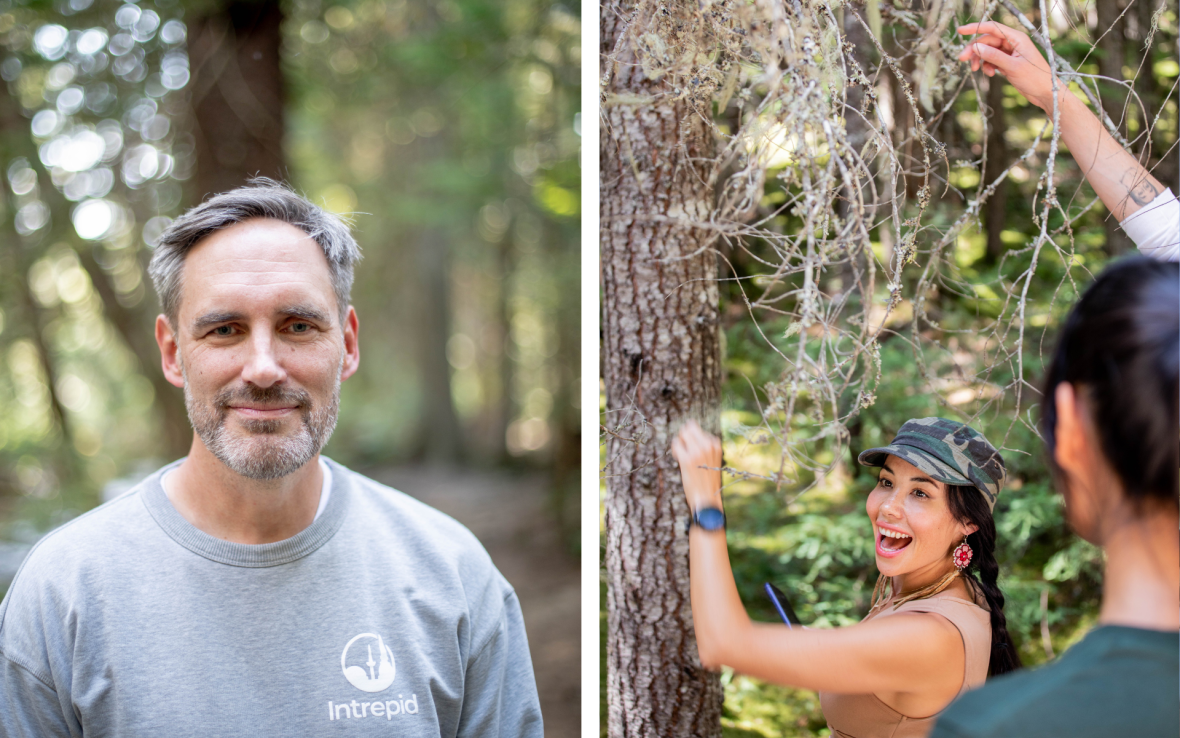
For Intrepid Travel Canada President Christian Wolters, who has joined us on the walking trail, making these experiences easier to access is more than a business opportunity. “For us, it’s at the cornerstone of everything that has to do with responsible tourism,” he tells me, after stopping to taste a few reddish salmonberries, native to the Pacific Northwest. “We think it’s also just an amazing experience for our customers to really understand the real Canada, and the only way to do that is to partner with an Indigenous-led company.”
Intrepid is also working closely with the Indigenous Tourism Association of Canada (ITAC) and has committed over USD$350,000 over five years to support the growth and promotion of Indigenous tourism in Canada. This includes adding Indigenous experiences to existing tours, as well as developing new, bespoke experiences alongside Indigenous tourism operators.
“Partnerships like this create tangible opportunities and ensure communities gain direct economic and cultural benefits, while supporting our vision of Canada becoming a world leader in Indigenous tourism by 2030,” said Keith Henry, chief executive officer and president of ITAC in a press release.
Coming up in 2027, a Huron-Wendat experience in Wendake, Quebec, will be added to Intrepid’s Eastern Canada by Rail itinerary, which will include a guided visit to the Huron-Wendat longhouse at the Huron Traditional Site. This addition will see Intrepid reach its goal of an Indigenous-led experience on 75 percent of their Canada itineraries—a significant milestone on the road to integrating Indigenous-led experiences across every Canada trip.
“When it comes to Indigenous tourism in Canada, we only take up five percent of tourism and that’s such a small percentage,” says Campo, as we stand before the lovely Lost Lake with its mountainous backdrop. “So this partnership with Intrepid and other Indigenous companies throughout Turtle Island—these are the partners I wanna work with.”
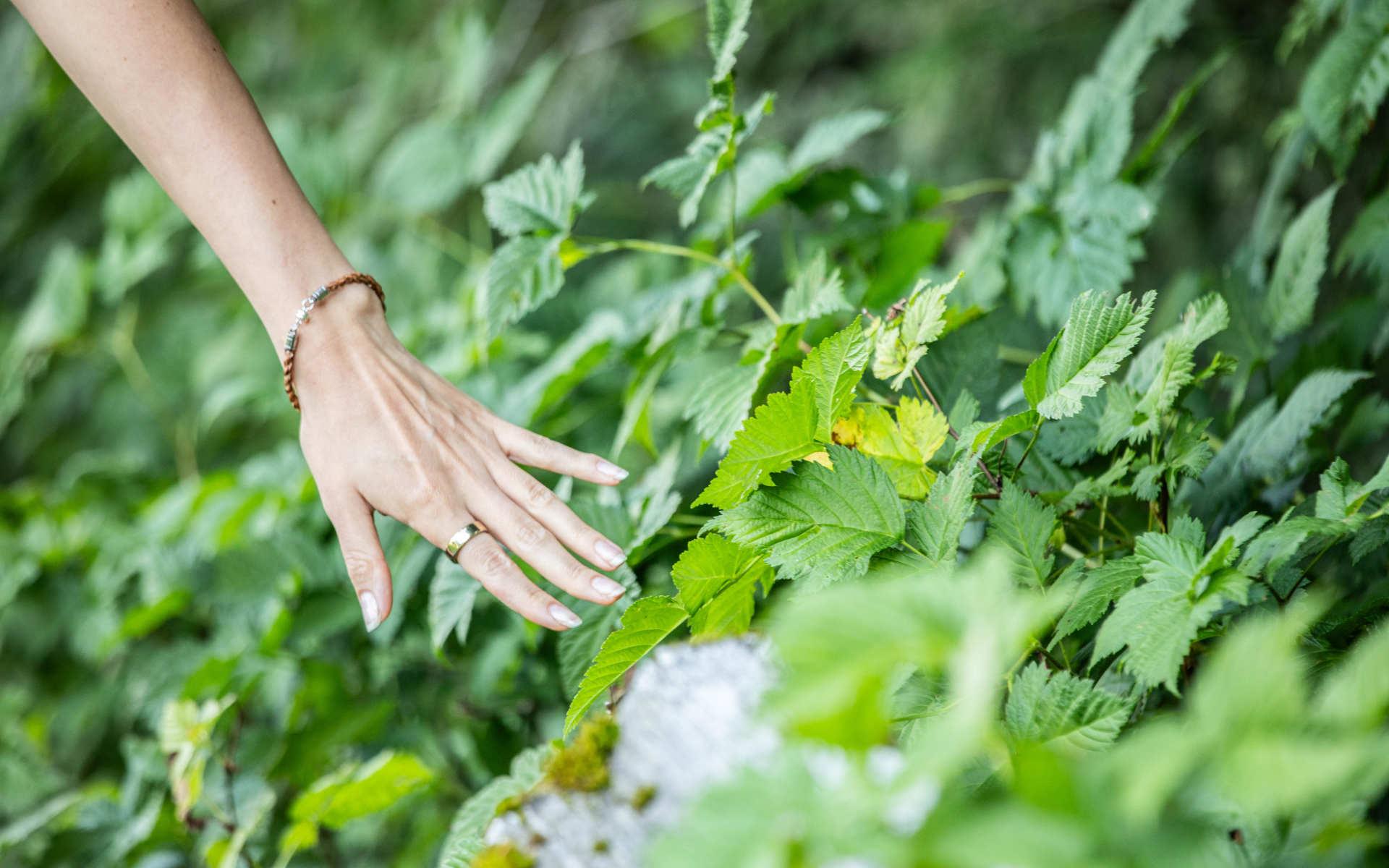
As she distributes traditional ‘hush’ tea made with soothing raspberry leaf, refreshing mint sweet licorice root and vibrant rose hips, we talk of the importance of stories. “When it comes to a lot of Indigenous history and our government, they try to write our story for us,” she says. “We’re redirecting that chapter so we can write and share our stories ourselves.”
The writer was hosted by Intrepid Travel
****
Adventure.com strives to be a low-emissions travel publication. We are powered by, but editorially independent of, Intrepid Travel, the world’s largest travel B Corp, who help ensure Adventure.com maintains high standards of sustainability in our work and activities. You can visit our sustainability page or read our Contributor Impact Guidelines for more information.

Journalist and wanderluster Charmaine Noronha is a travel writer with a penchant for adventure, culture and chocolate. She started her career as a reporter with The Toronto Star before becoming the EIC of Vervegirl Magazine for five years then reported on Canadian news for The Associated Press for 11 years. Most recently, she was a Lifestyle reporter/editor at HuffPost Canada.