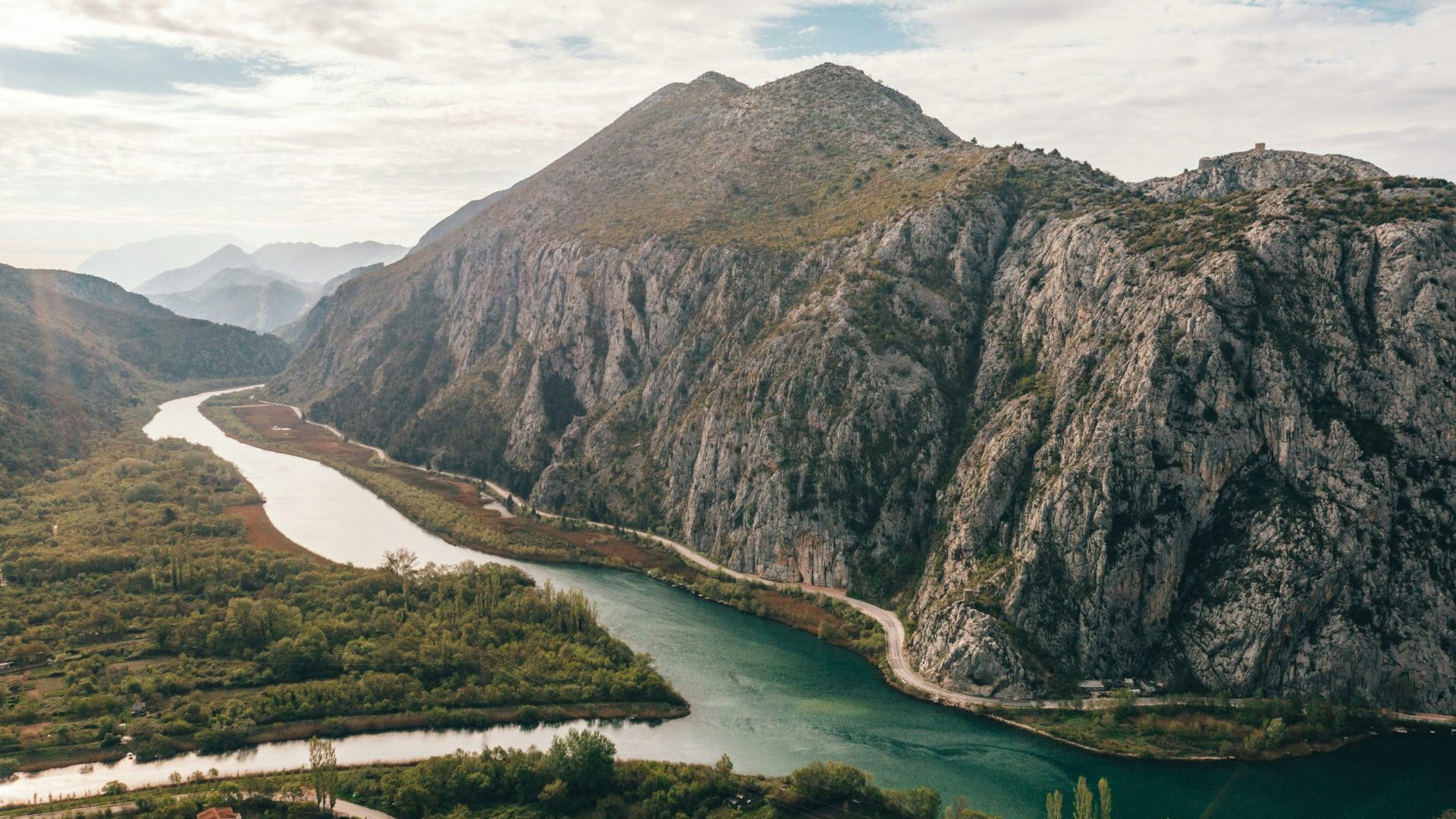
Cancel the cruise. Step off the tour bus. Writer Amy Jurries believes that Europe’s best spots are best seen from the back of a bike. But what is gravel biking and why should you consider it for your next European getaway?
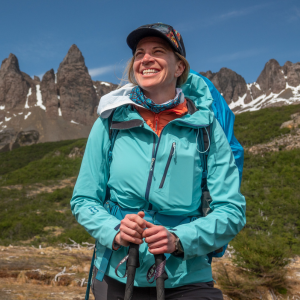

Cancel the cruise. Step off the tour bus. Writer Amy Jurries believes that Europe’s best spots are best seen from the back of a bike. But what is gravel biking and why should you consider it for your next European getaway?
Nobody warns you about the climbs. They rave about the deep crater lakes, the colorful yet invasive hydrangeas, and the endless green pastures. But not about the amount of effort required to get to them under your own power.
I’ve been riding uphill for over an hour, and I am ready for a break and a handful of something sugary when I round a corner and stop pedaling altogether. The bubbling caldeiras of Furnas have emerged, with fumaroles erupting steam into the humid air; a reminder that I’m standing on an active geothermal zone.
The pungent, sulfurous smell hits. Surrounded by acrid steam with giant ferns pressing in from all sides, I half expect something prehistoric to come crashing past. This, I think to myself, is not your average holiday.
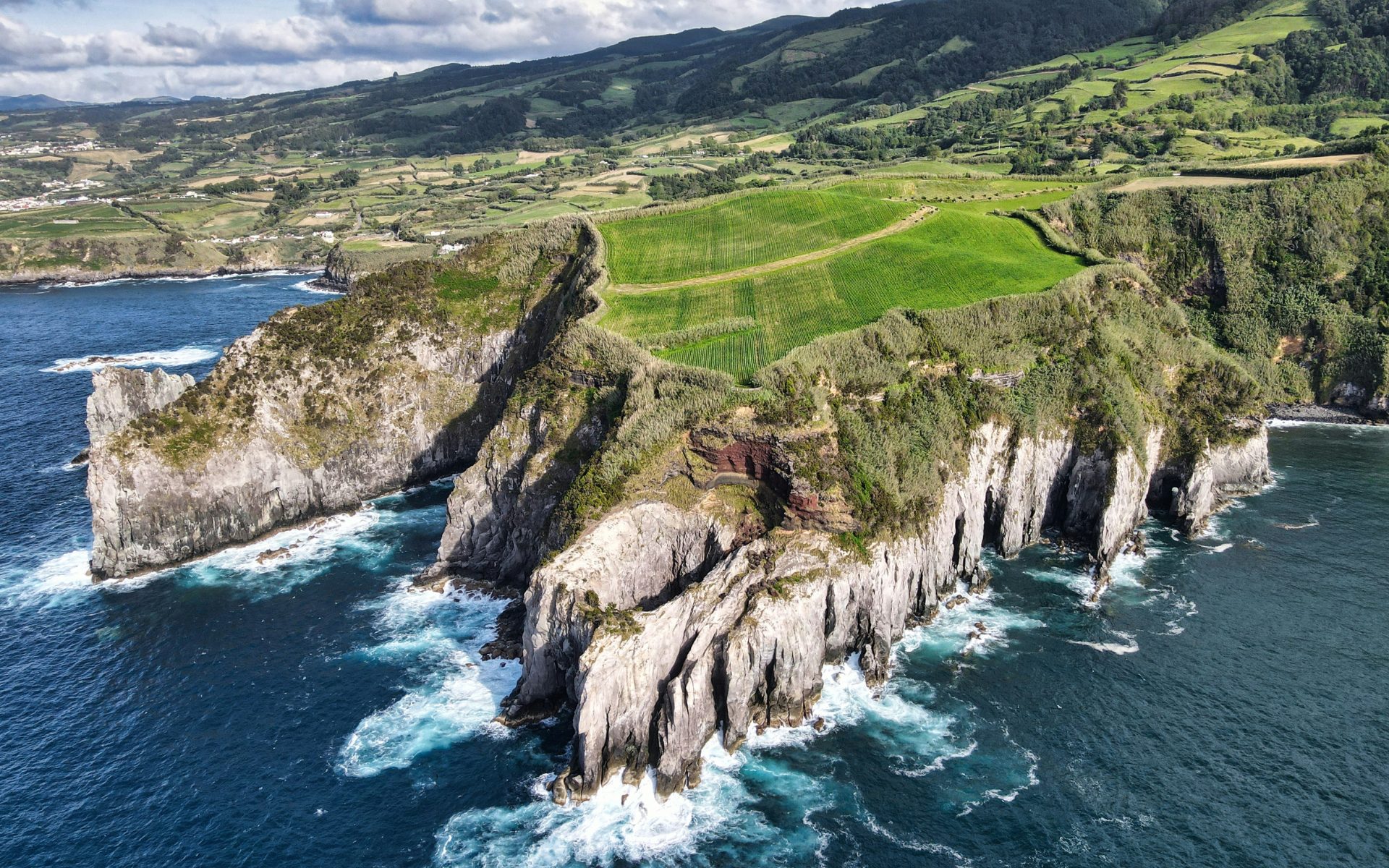
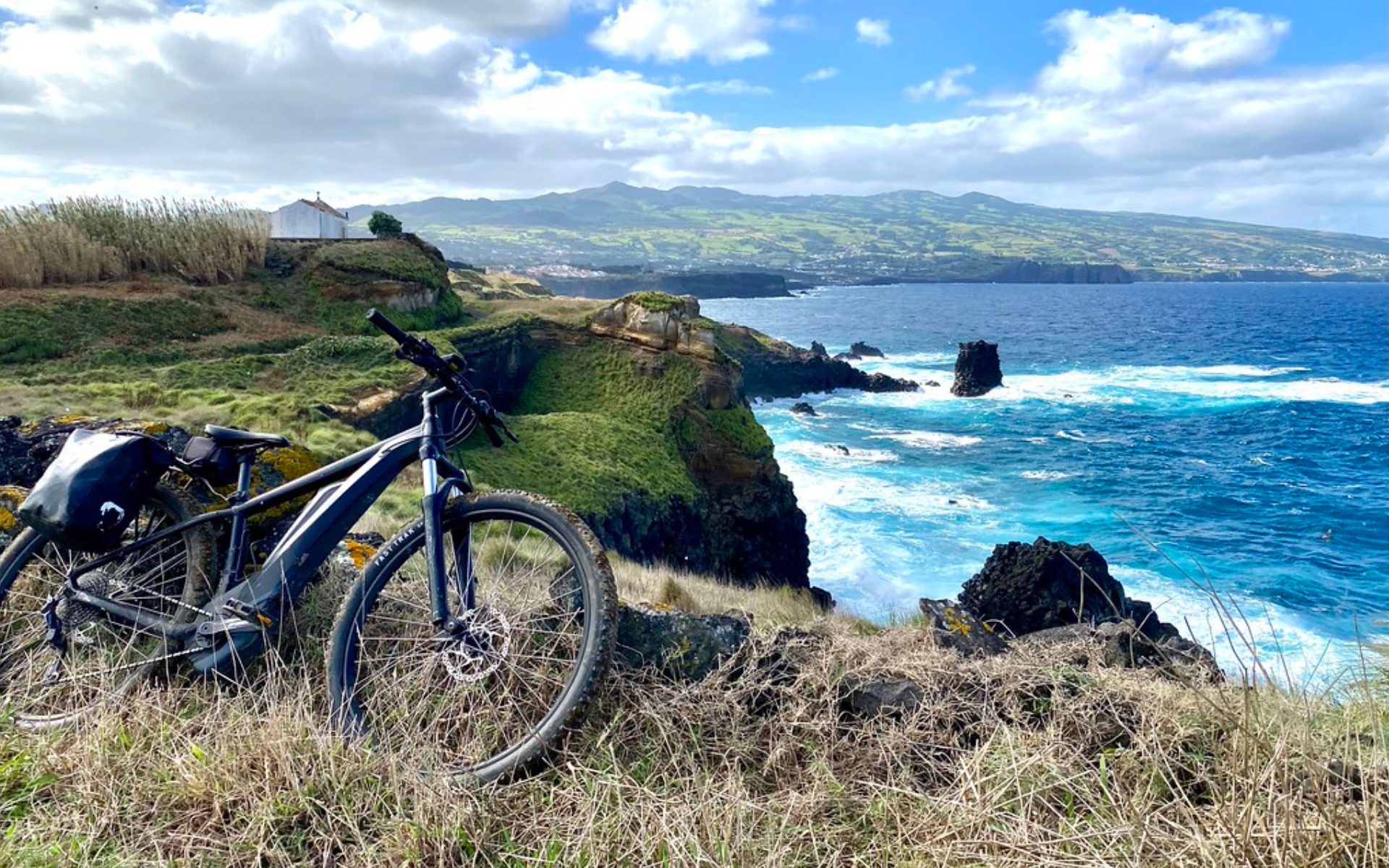
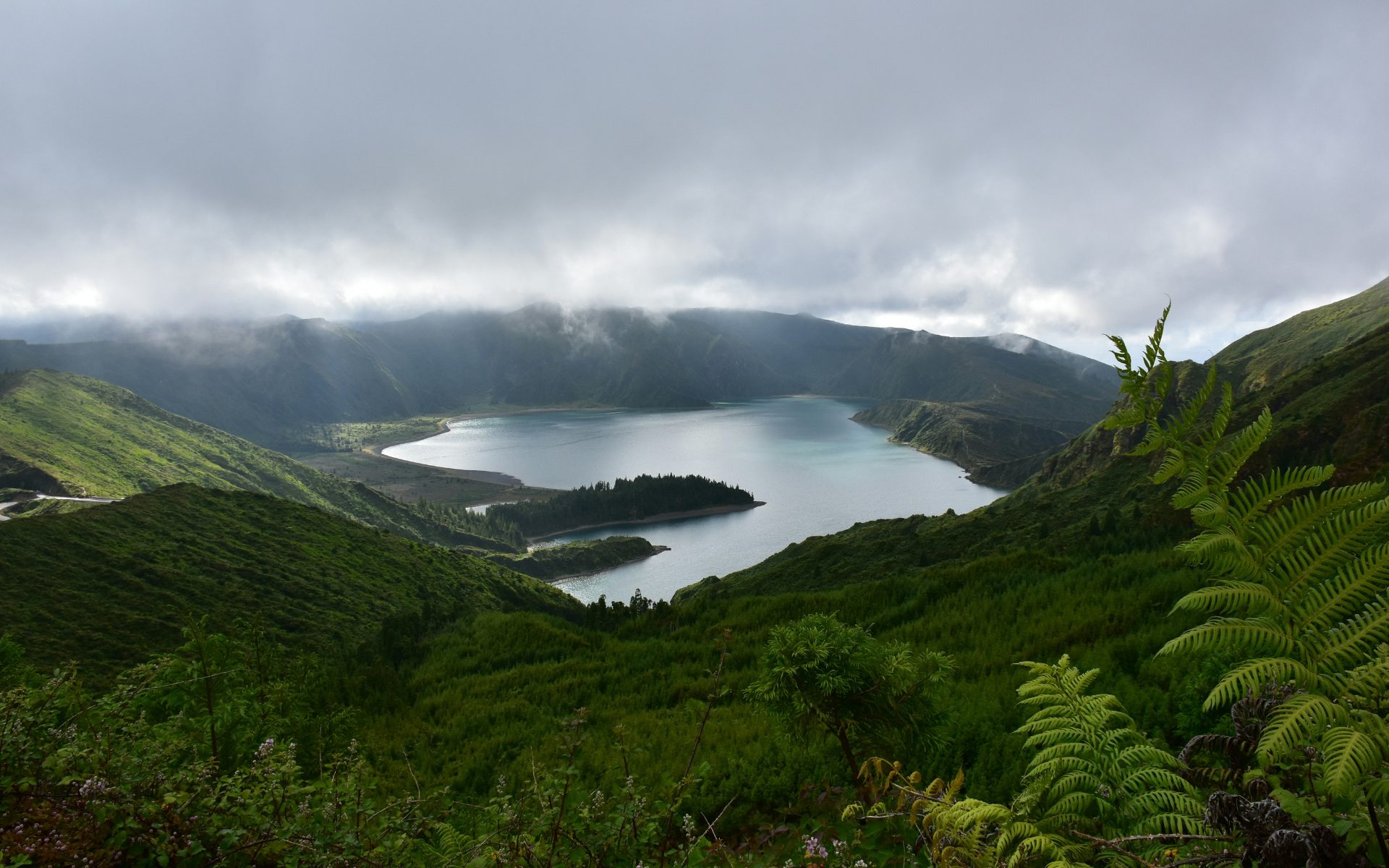
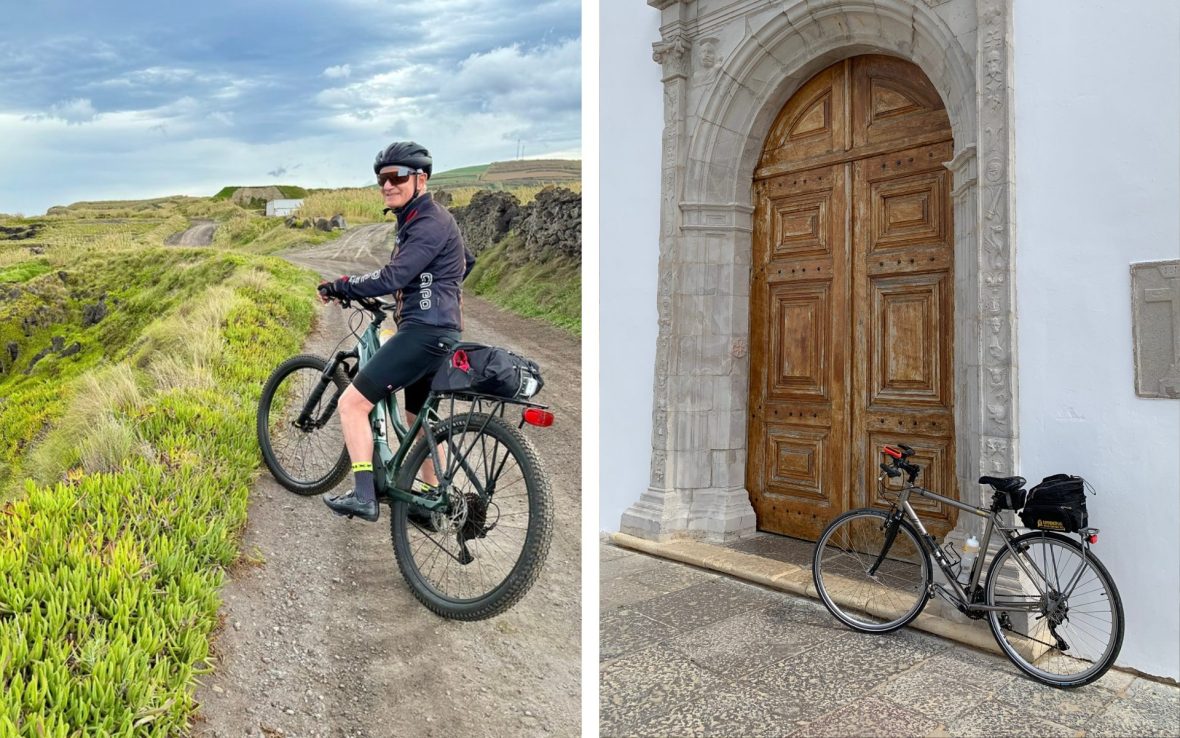
I’m on the second day of a week-long bicycle adventure with ExperiencePlus!, exploring the trails and remote villages of São Miguel island in Azores, the autonomous archipelago region of Portugal.
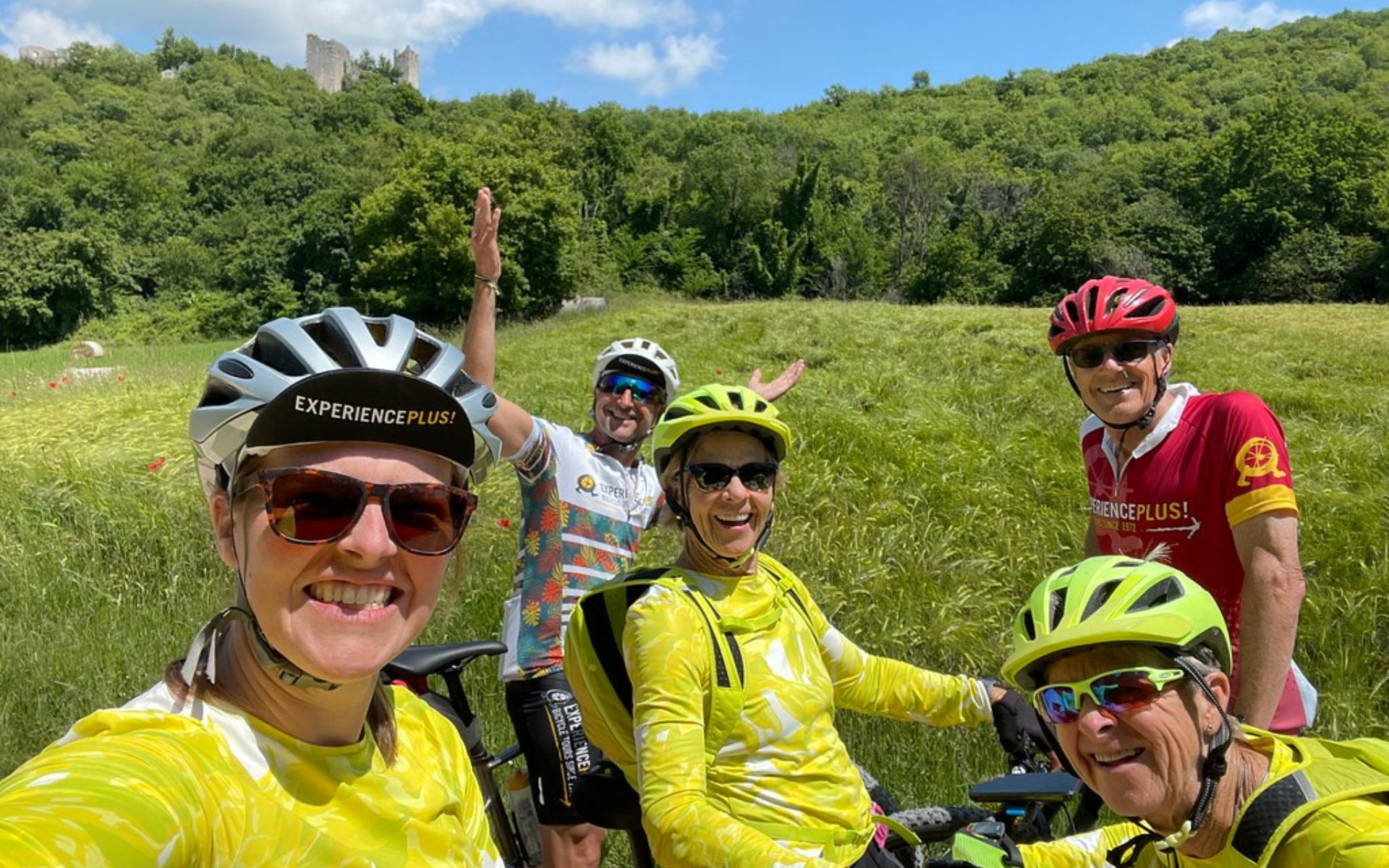
Part of their ‘Gravel Explorer’ range, it’s the kind of trip that takes you places a tour bus simply can’t go—small towns and remote vistas only reachable via tarmac, dirt and gravel roads. On this adventure, I’m joined by nine fellow riders and two ExperiencePlus! guides, Luis Pegado and Loic Tyberghein, who, between them, possess decades of experience navigating the back roads of these islands.
Before we even mount our bikes, they hand each of us a bright yellow and white cycling cap, not to keep but to give away at some point during our ride. The idea is simple: Find a local with whom you have a unique encounter, gift them the cap, and start a conversation.
These cycling trips enable him, a proud Portuguese, to “share the best parts of [my] country, culture and its people, away from the heavily touristed areas and out in nature.”
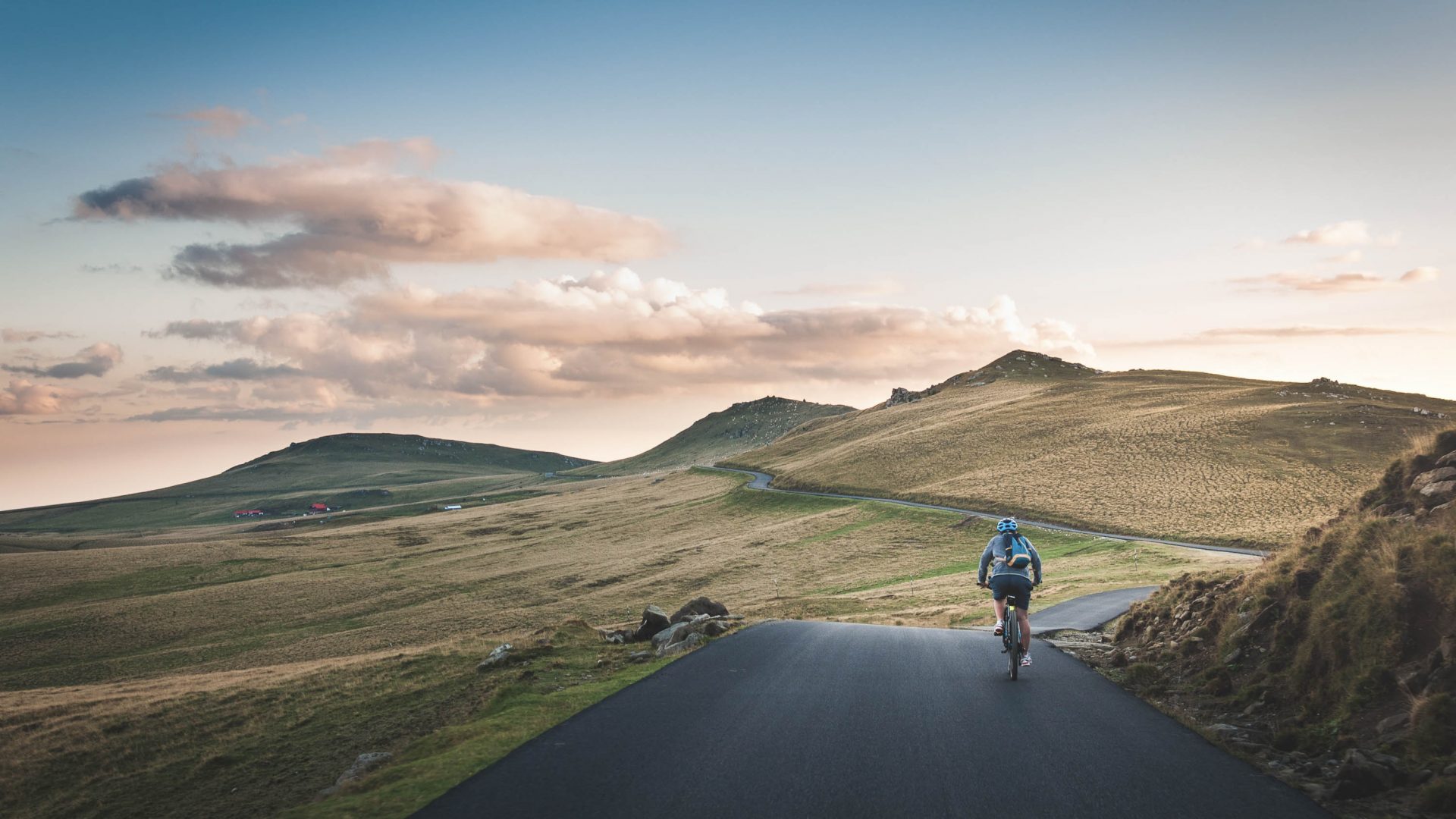
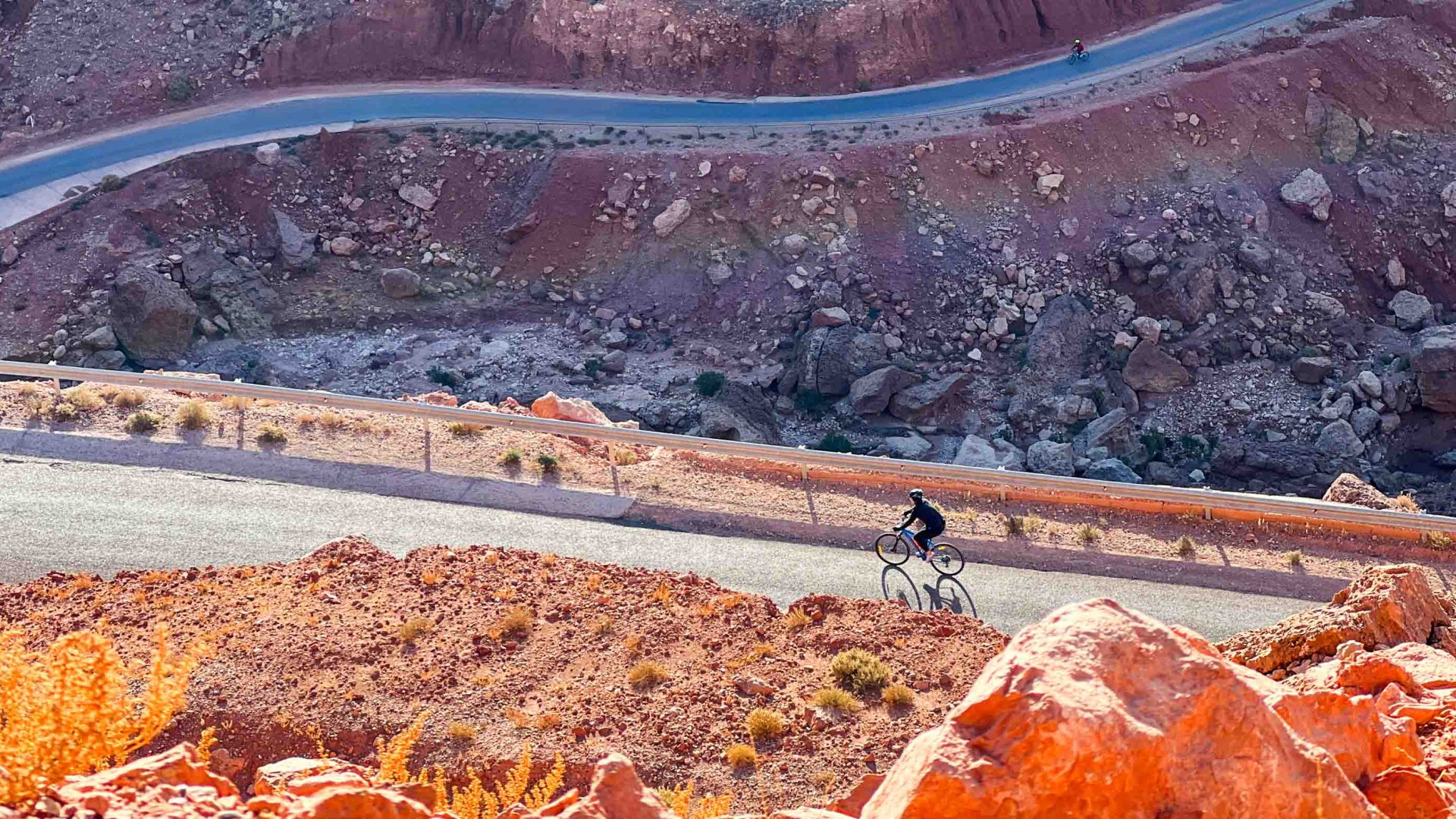
It can be defined more as an adventure-focused mindset than as the act of rolling over any specific terrain, per se. Most gravel rides cover a variety of surfaces; you may leave town on tarmac, then head off down a farm track, turn onto some singletrack that looks interesting, wade through a little mud or sand, cruise a pristine forest road, then pop out on another tarmac road again. In Europe, gravel bike paths often stretch alongside winding rivers, like those of Ardèche in southern France, or cruise the rolling green valleys of Croatia’s interior.
Nothing is overly technical to the point where you might wish you had chosen to ride a full suspension mountain bike or find yourself in over your head. For the most part, gravel riding is an approachable way to explore new places—especially if you’re new to cycling—and there are trails, tracks and tarmac all over Europe waiting to be ridden.
While some gravel riding spots are world-famous (for good reason), such as the Strade Bianche in Tuscany, the Azores was an unknown but pleasant surprise for me—its red volcanic dirt tracks, dramatic coastal trails and epic caldera views offer spectacularly varied riding. And I’ve explored much of the world by bike.
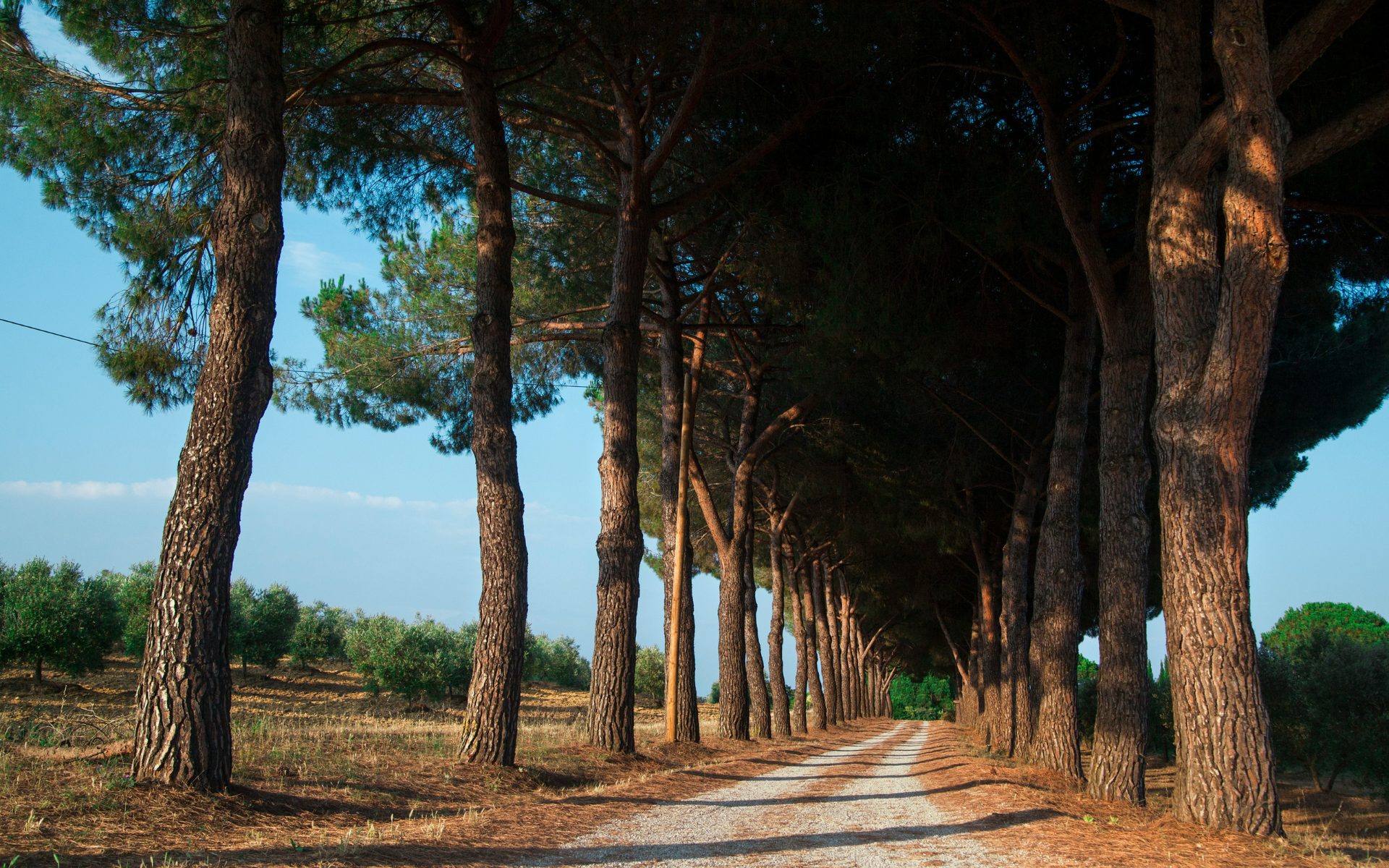
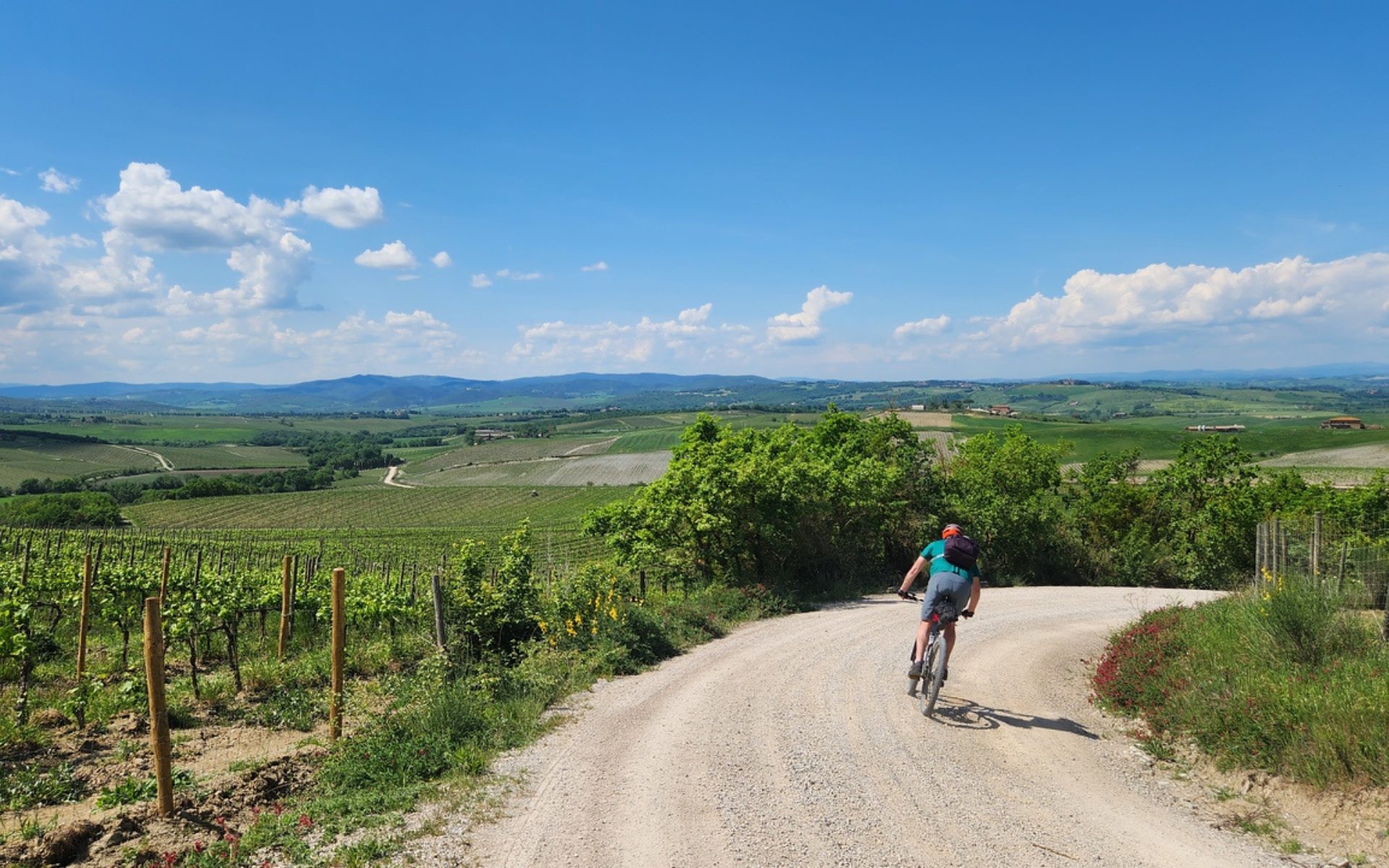
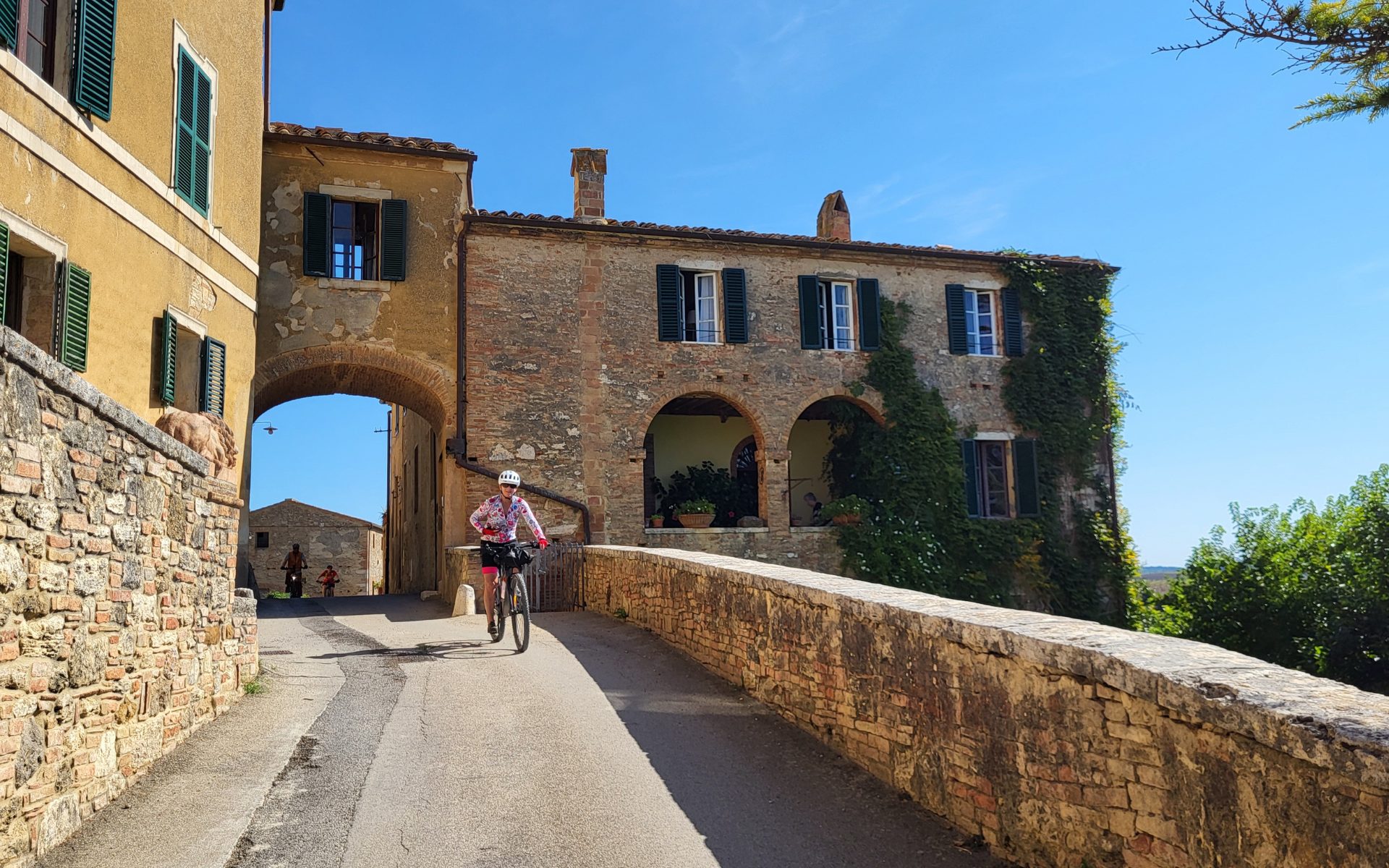
The tour bus circuit is losing its appeal. As popular sites and cities draw bigger and bigger crowds, or experience overtourism issues, more travelers are choosing to explore the ‘undiscovered’ Europe. And they’re doing so by bike—and not just the famous cycling routes, but also the continent’s many river paths, vineyards and forgotten villages. Which is exactly what gravel riding can offer. Europe accounted for nearly 40 percent of global cycling tourism revenue in 2025, a market projected to grow at over 13 percent annually through 2033, according to Grand View Research.
As we get ready to roll out of Nordeste—a tiny white-washed village perched on the remote northeast tip of the island—towards the seaside town of São Bras, Pegado prepares us: “Today you will see that São Miguel’s terrain is defined by lombas (ridges) on which towns are built, and locals orient their entire lives.”
A few miles in, I realize you only truly understand this geography on a bike, cresting each lomba, descending, climbing the next. I am reminded that Sao Miguel didn’t earn its nickname—the green island—by accident. Each island in the Azores has its own color, a reflection of its flora, landscape or character, and this one wears its name with conviction.
Enjoying a gravel riding trip takes some preparation, though it doesn’t need to be hardcore. In the weeks before a trip like this, I focus on three things: Time in the saddle, general fitness, and a little off-road familiarity. Your body needs to adjust to spending several hours a day on a bike, so whether that’s daily commuting, spin class at the gym, or a longer weekend ride—just get riding. General fitness helps, too, but it doesn’t have to be cycling specific. Finally, a little off-road practice goes a long way, even something as simple as taking a few dirt paths on your regular route means the transition to gravel feels less daunting when your trip starts.
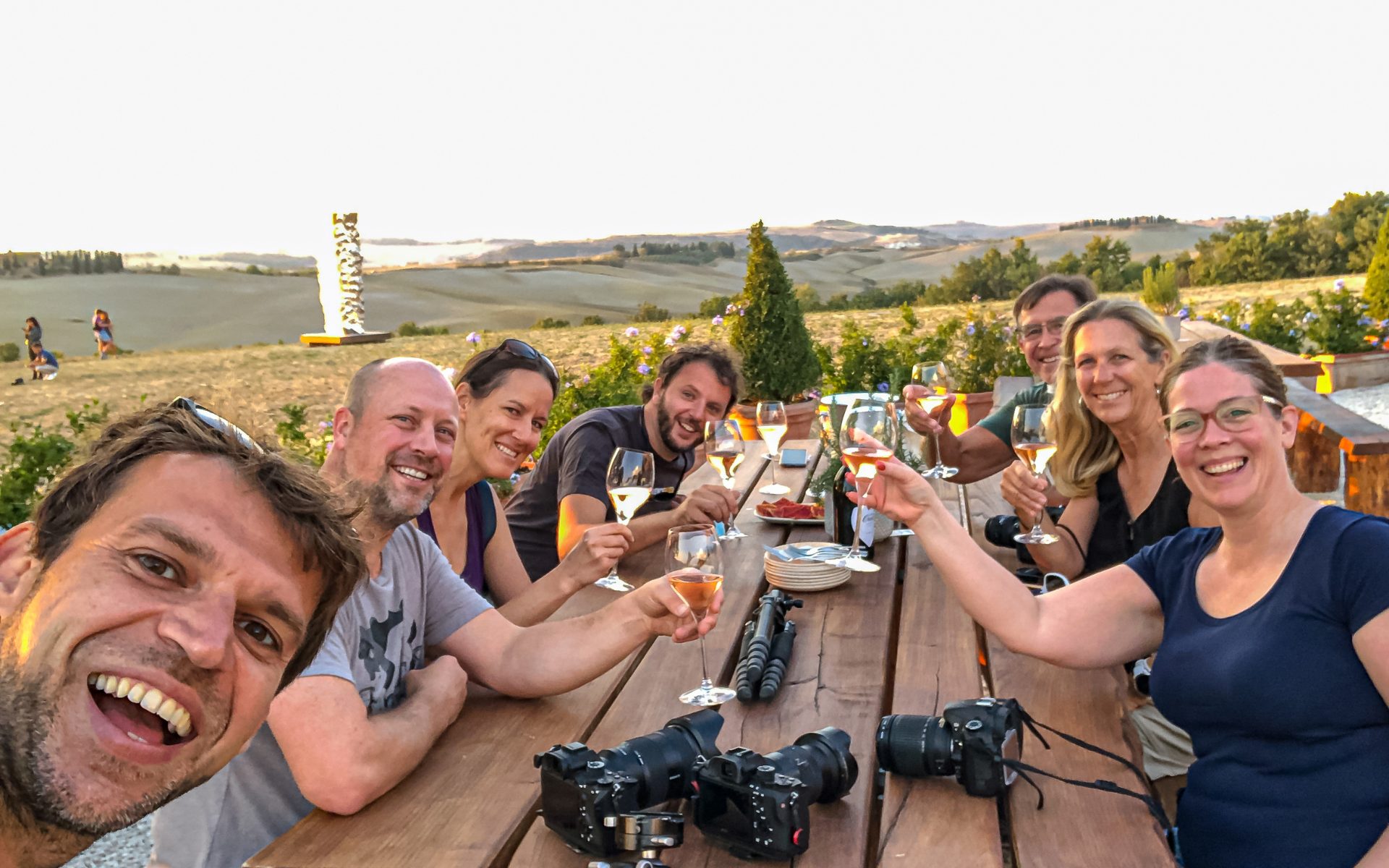
With all that riding comes the necessity to refuel, and food is yet another way to experience the terroir. When riding Croatia’s coast, a lunch break might consist of a flaky, buttery burek (savory pastry) or a hearty plate of pici al ragu di cinghiale (wild boar ragu pasta) when exploring Tuscany.
On Saõ Miguel, it’s the magic cheese (so named by me for its gut-friendly qualities thanks to a mineral-rich ‘sour’ water brine sourced from the local hot springs) from the Queijaria Furnense dairy. Then there’s Cozido das Furnas, a mixed meat and vegetable stew slow-cooked underground in volcanic fumaroles. It has a subtle sulphuric taste—delicious.
Our Azores trip offers the best of both worlds. We have the support of our two guides and a vehicle if we need help or access to extra snacks and water throughout the day. But we are also given the freedom to ride and navigate at our own pace, as well as to explore on our own in the evenings.
On the fifth day—my favorite of the trip—we ride farm tracks past tractors, forest roads, and dirt trails, the working landscape of a place, not its tourist facade. We pick our way carefully along a grassy trail precariously perched above black volcanic cliffs, with waves crashing below, dropping our bikes and scrambling down to a small outcrop to enjoy our packed lunch with nothing but the sea for company.
These are the full sensory experiences that reward slow, purposeful travel on two wheels. As I chat with Pegado during our ride, he reveals this is exactly why he chose to become a cycling guide later in life. These cycling trips enable him, a proud Portuguese, to “share the best parts of his country, culture and its people, away from the heavily touristed areas and out in nature.”
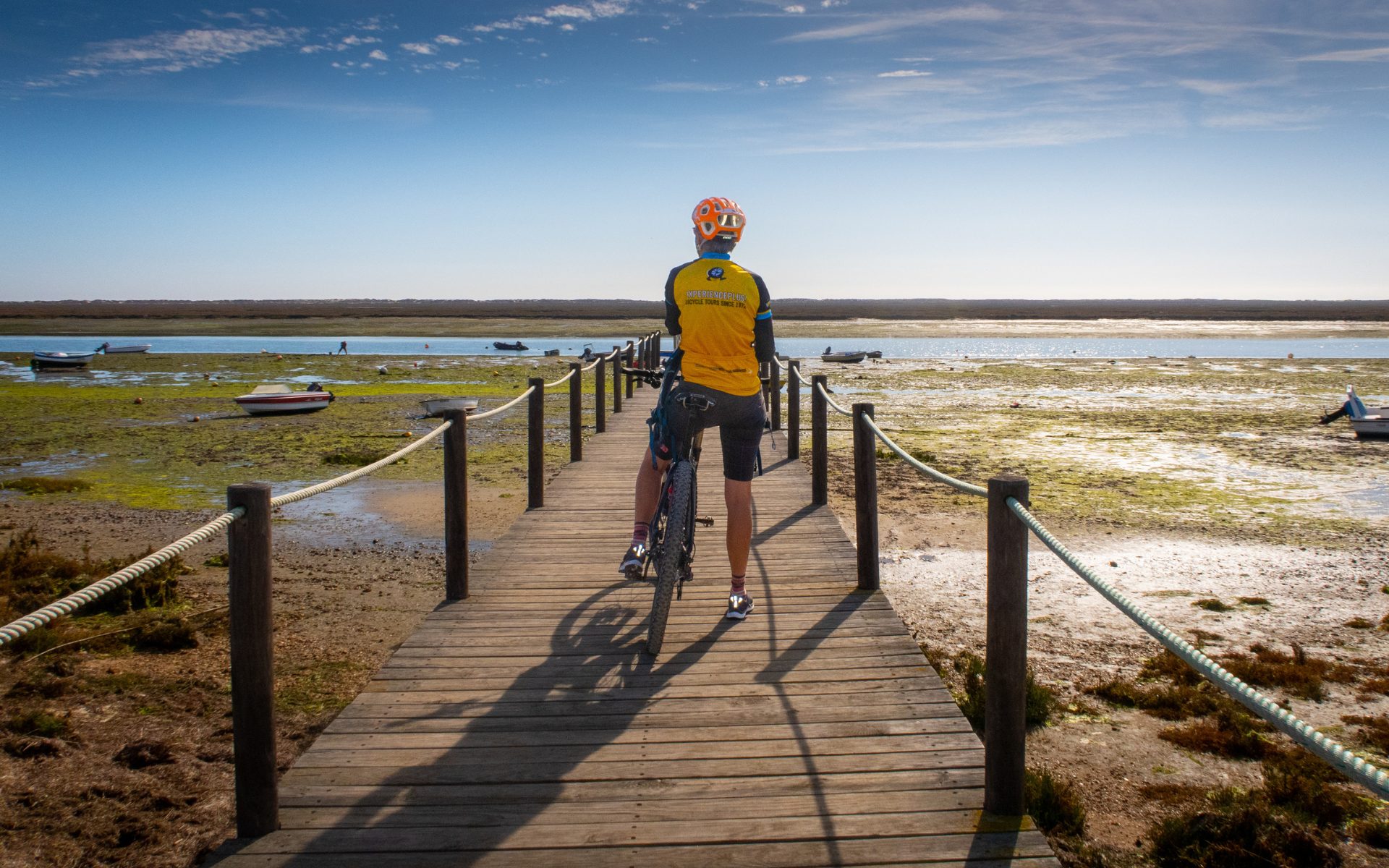
Part of what makes a gravel riding trip enjoyable is the format. You can find fully supported tours that handle every logistic for you, or you can research self-guided trips and set out on a private adventure of your own making. There are mapping apps out there, like Ride with GPS, which actually lets you select or identify dirt and gravel trails on your desired route.
Our Azores trip offers the best of both worlds. We have the support of our two guides and a vehicle if we need help or access to extra snacks and water throughout the day. But we are also given the freedom to ride and navigate at our own pace, as well as to explore on our own in the evenings.
The choice of bike is also up to you. On São Miguel, we’re riding hardtail mountain bikes—not because the terrain is technical, but because the low gearing enables us to climb hills better. The vast majority of the group also opted for e-bikes, a choice I desperately wish ‘pre-trip me’ had made as I slowly climb to the twin lakes, one blue and one green, of Sete Cidades on our final day.
On other Gravel Explorer trips, such as the Wild And Scenic Southern France in the Ardeche, you can choose between standard and electric versions of gravel or hybrid bikes. These options make these trips accessible for beginners and ideal for nature lovers who enjoy gentler terrain. Gravel bikes offer speed and adventure for those wanting to cover more ground or tackle challenging terrain, while hybrids offer a more upright, relaxed ride.
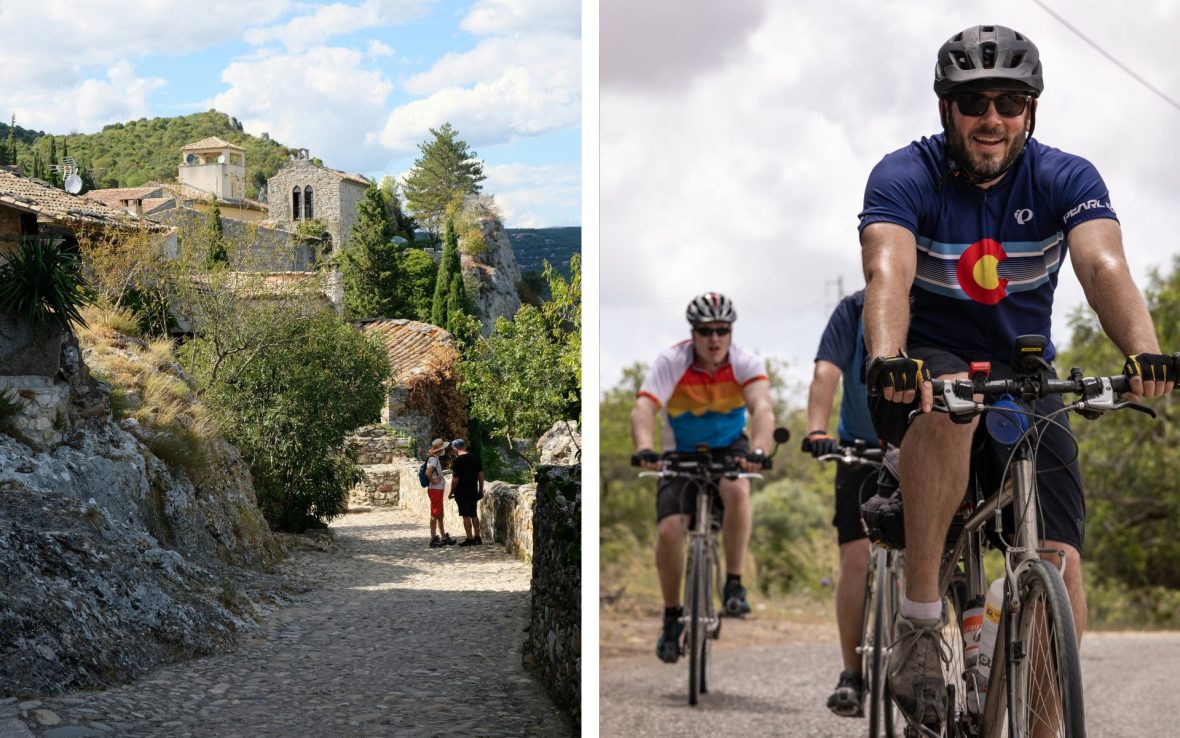
Towards the end of the week, I’m navigating a rocky dirt track when a local farmer on a tractor approaches. He gives me a wave. I pull over to let him pass and whip out my cap. The exchange lasts only a minute, conducted mainly through gesturing and a mix of fumbling Portuguese (on my part), but he leaves, smiling, with the cap on his head and I continue, smiling, on my ride.
That cap, and the experience it buys me on a rocky farm track on São Miguel island, encapsulates the ethos of this travel style. A gravel cycling holiday is not for those who need to tick off items on a must-see list. It’s for curious people who want to feel and understand the essence of a place.
ExperiencePlus! is continuing to add more gravel routes to their cycling tours and ‘Gravel Explorer’ range. Explore their trip offerings here.
****
A note on partnership content:
Adventure.com acknowledges the complexity and challenges of travel in the context of our global climate crisis. This article is part of Adventure.com’s paid partnerships program, which enables us to continue publishing stories about a more regenerative and sustainable future of travel by helping to make out platform commercially viable. Adventure.com only partners with brands and products that align with our ethical and editorial standards, and our vision for a future of travel built around lower emissions, deeper connection and more resilient communities.

Amy Jurries is an adventure travel writer based in Newcastle, UK. She's written for Forbes, The Red Bulletin, Bikepacking.com, and Outside, and is most at home exploring the world on two wheels. She specialises in uncovering the off-the-beaten-track corners of a destination—the places you only find when you're travelling under your own power.