“Ladies and gentlemen, y’all might want to look out to the left-hand side as we often see dolphins from the train,” a voice says over the slightly crackly public address system. “Why don’t y’all come and let me know in the café car, which is now open, how many you spot?”
As subtle advertisements go, this is a solid eight out of 10 from the café car attendant. I’m 30 minutes into the almost four-hour journey along the Gulf coast, the sun has just risen, and the railway is hugging the coastline. On the other side, I see a large swathe of marshlands and a lake in the distance.
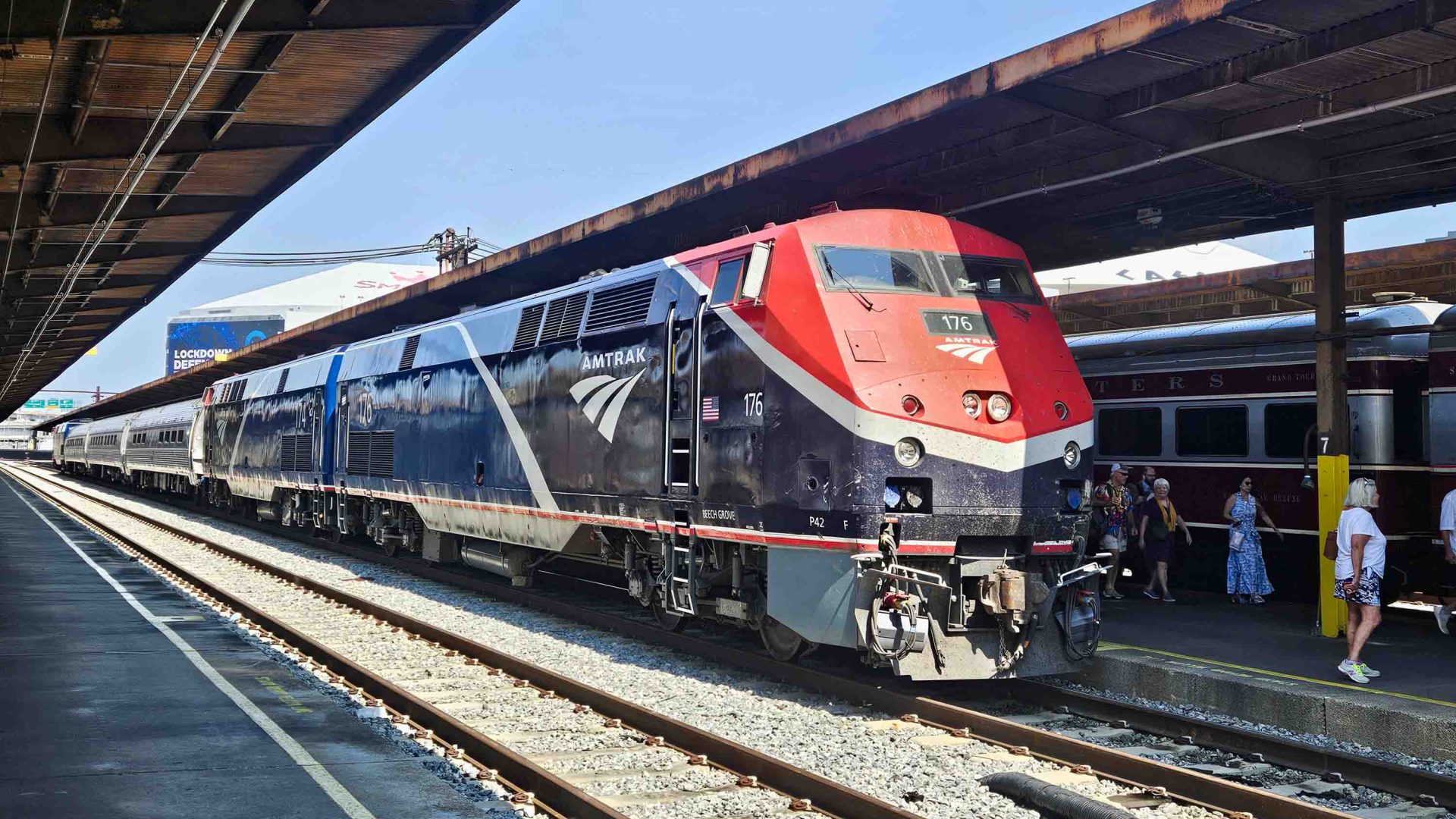
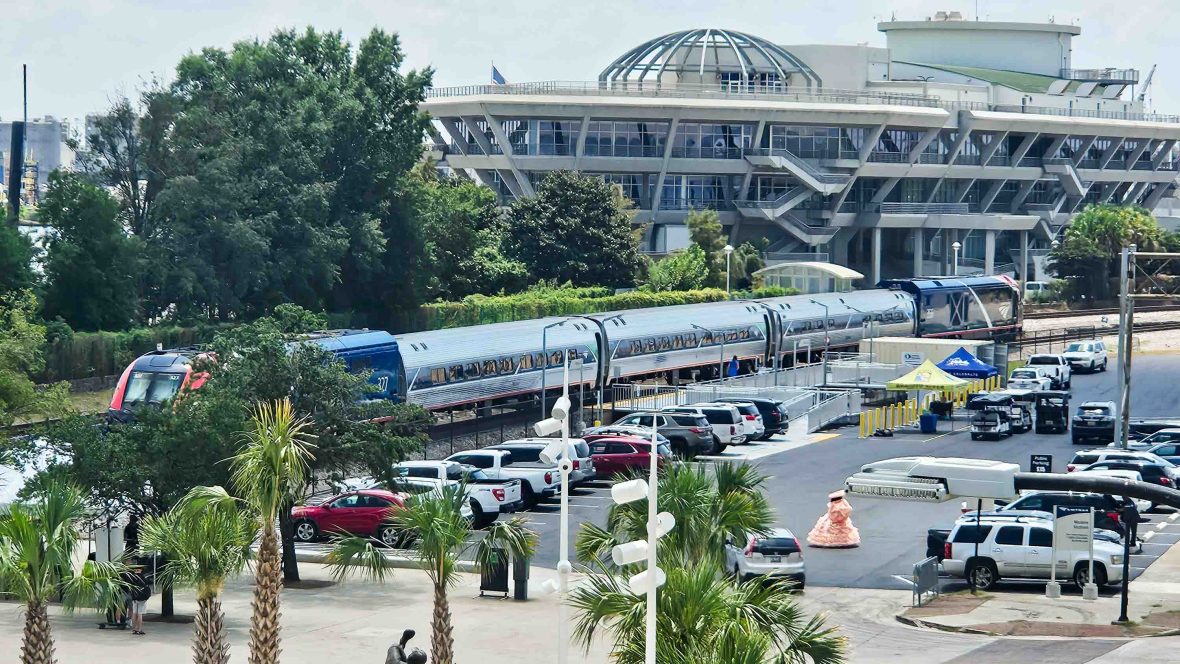
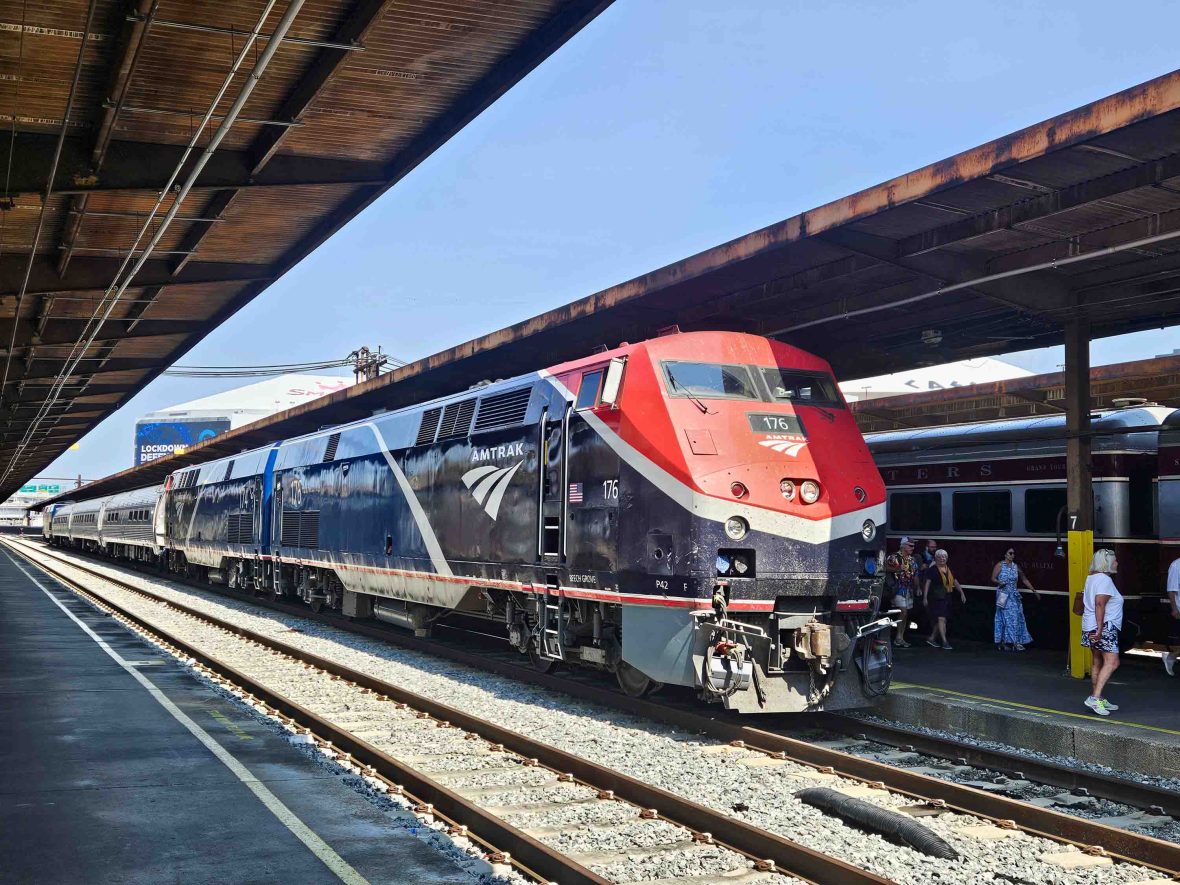
I’m traveling aboard Amtrak’s newest route, the Mardi Gras Service. I say ‘newest’ as if it is a brand-new route: In fact, it’s a resumption of a train that previously ran 20 years ago before stopping abruptly when Hurricane Katrina hit the region. As well as obliterating the towns and cities along the coast, the storm wiped out 100-odd miles of the 145-mile-long (233 kilometers) route which links the Louisiana city of New Orleans on the Mississippi River and Mobile, the port city on Alabama’s Gulf Coast.
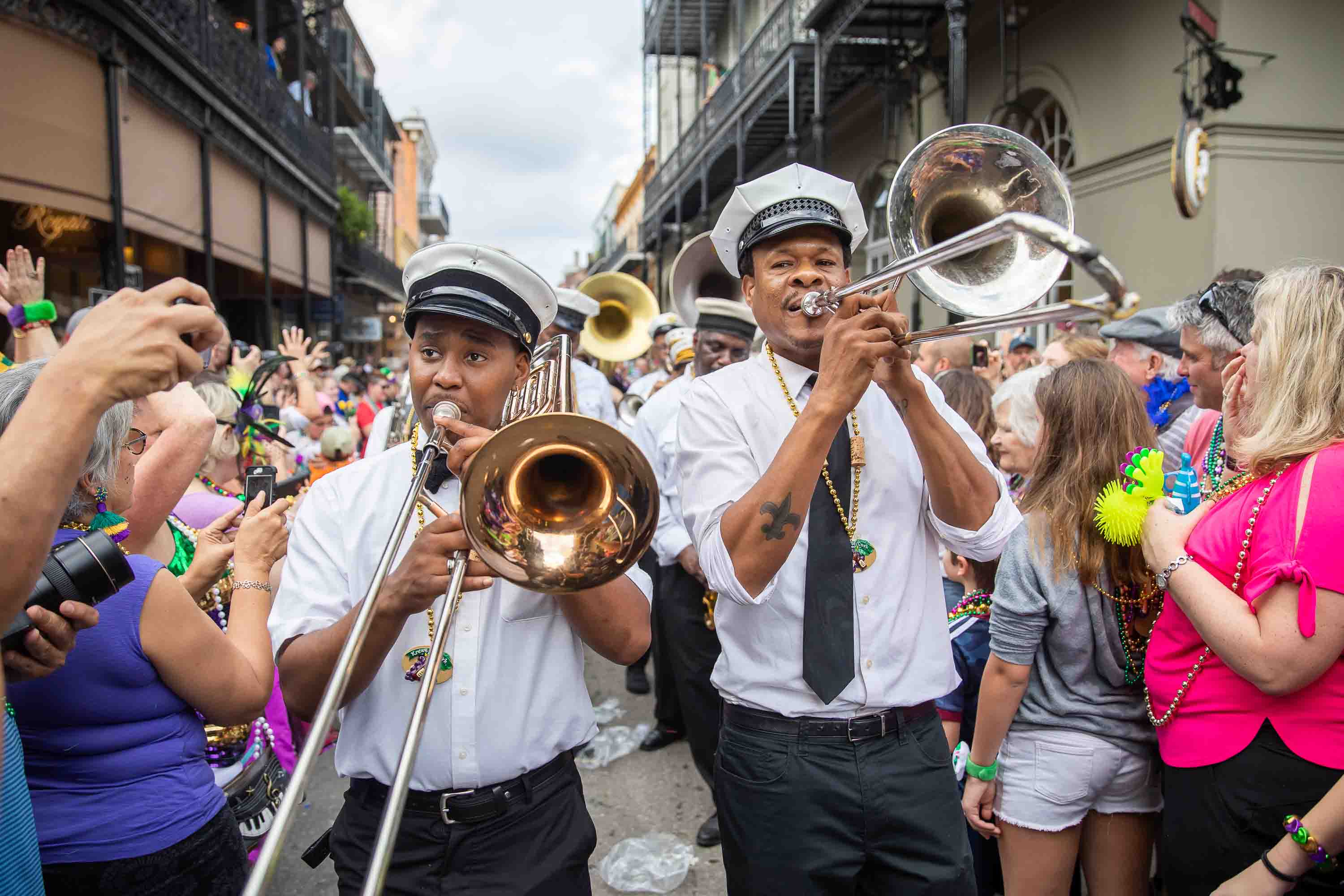
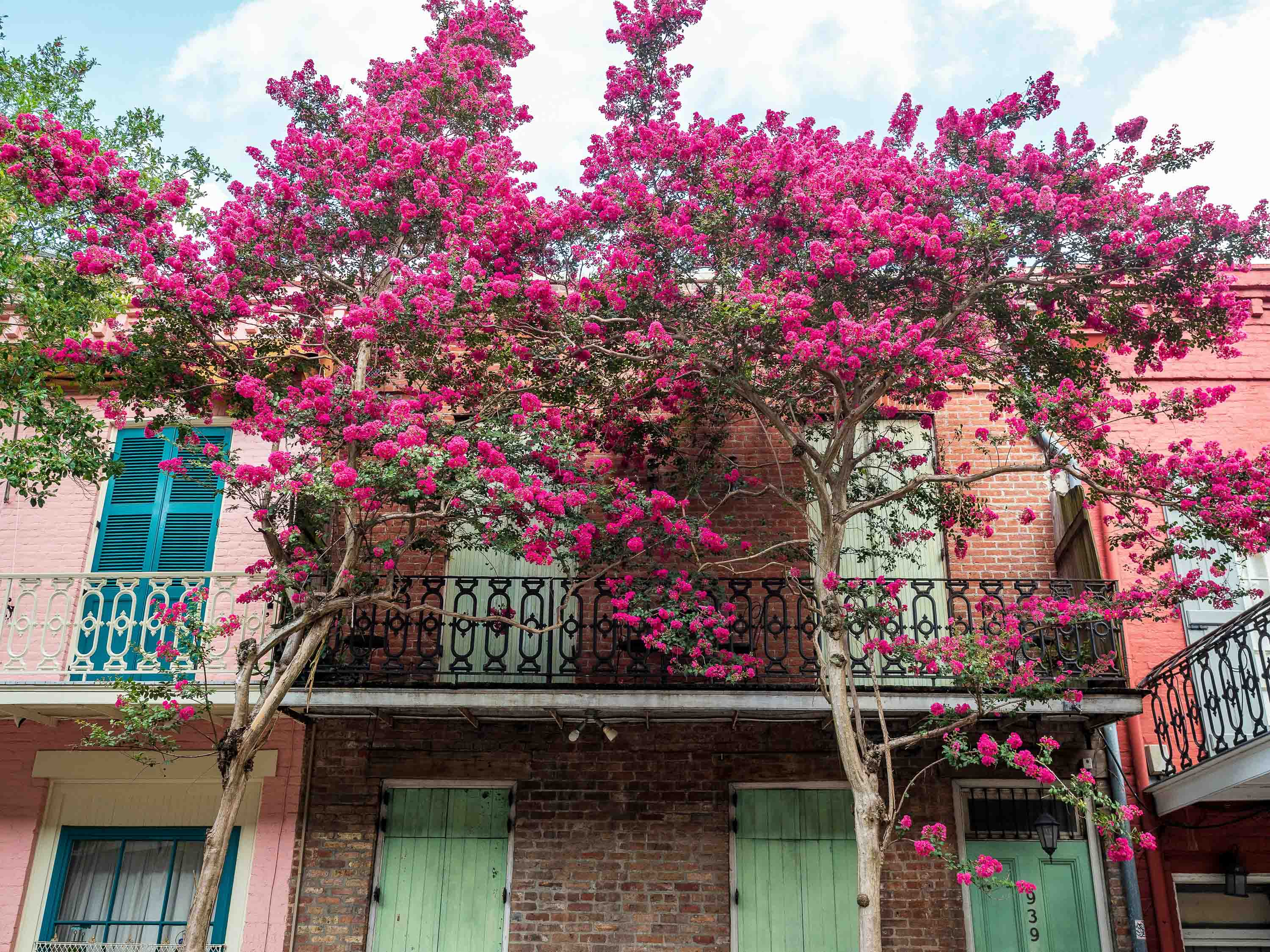
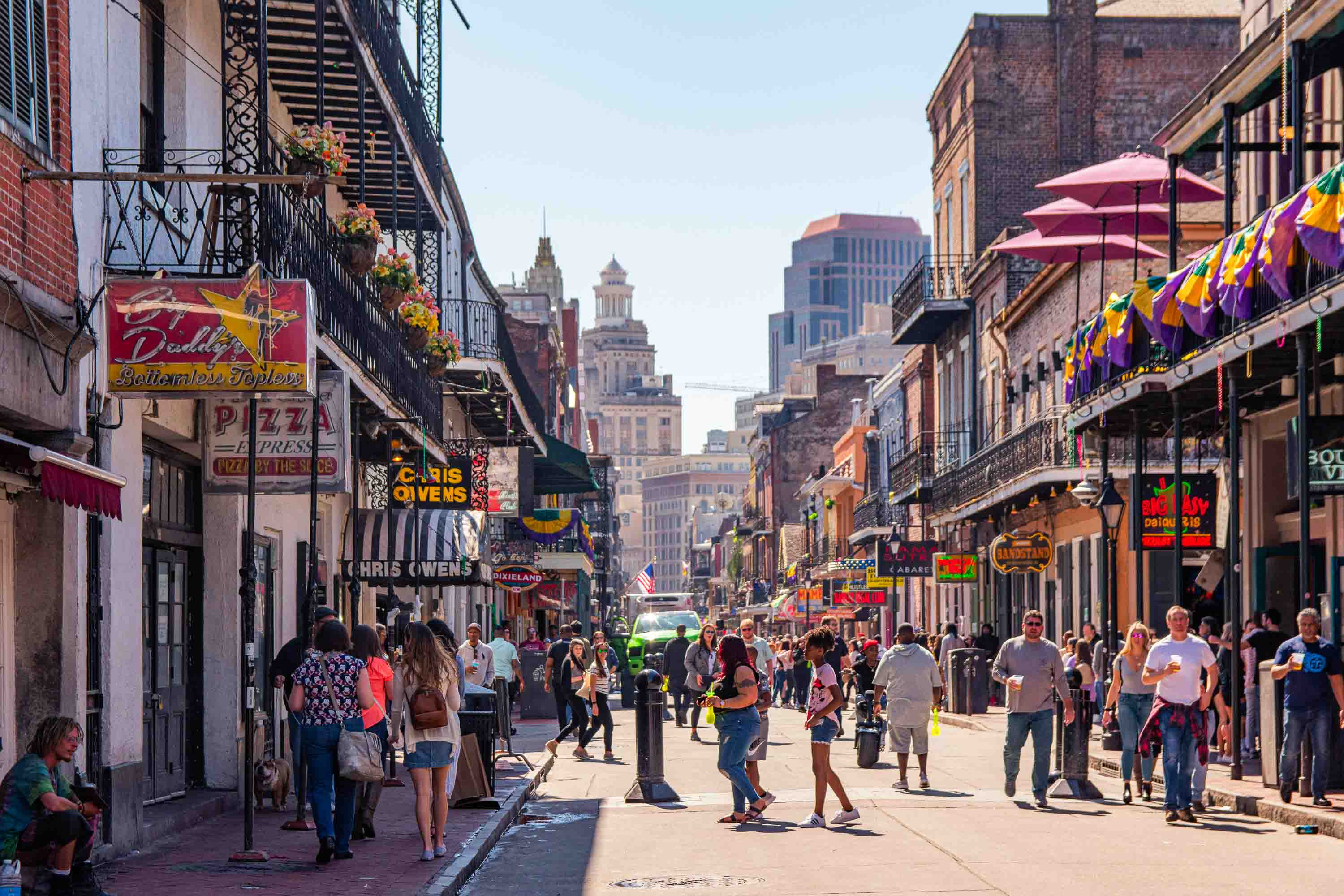
I’d already spent a couple of days in New Orleans aka the ‘Big Easy’, so-called for its relaxed way of life, exploring the world’s oldest continuously operating streetcar line, the St Charles Line, beloved by both depot staff and locals, tucking into a po’ boy sandwich (typically filled with fried shrimp, lettuce, tomato and remoulade sauce), now a New Orleans lunch staple but originally created to feed streetcar drives. I learnt about the Orlean’s French history, exploring its narrow streets and European-inspired architecture a contrast to America’s signature wide highways and towering skyscrapers.
But now I’m on the move, sitting in the café car, in anticipation of what’s to come as we chug along the coast towards final destionaion: Mobile, Alabama.